Skip to content
CRANE MANUFACTURER SINCE 2002
info@hnksglobal.com+86 188 3620 7779Project enquiry ↗
Henan Mine Crane Request a quote
QD Slow-Speed Hook Crane Series

Slow Speed Overhead Cranes

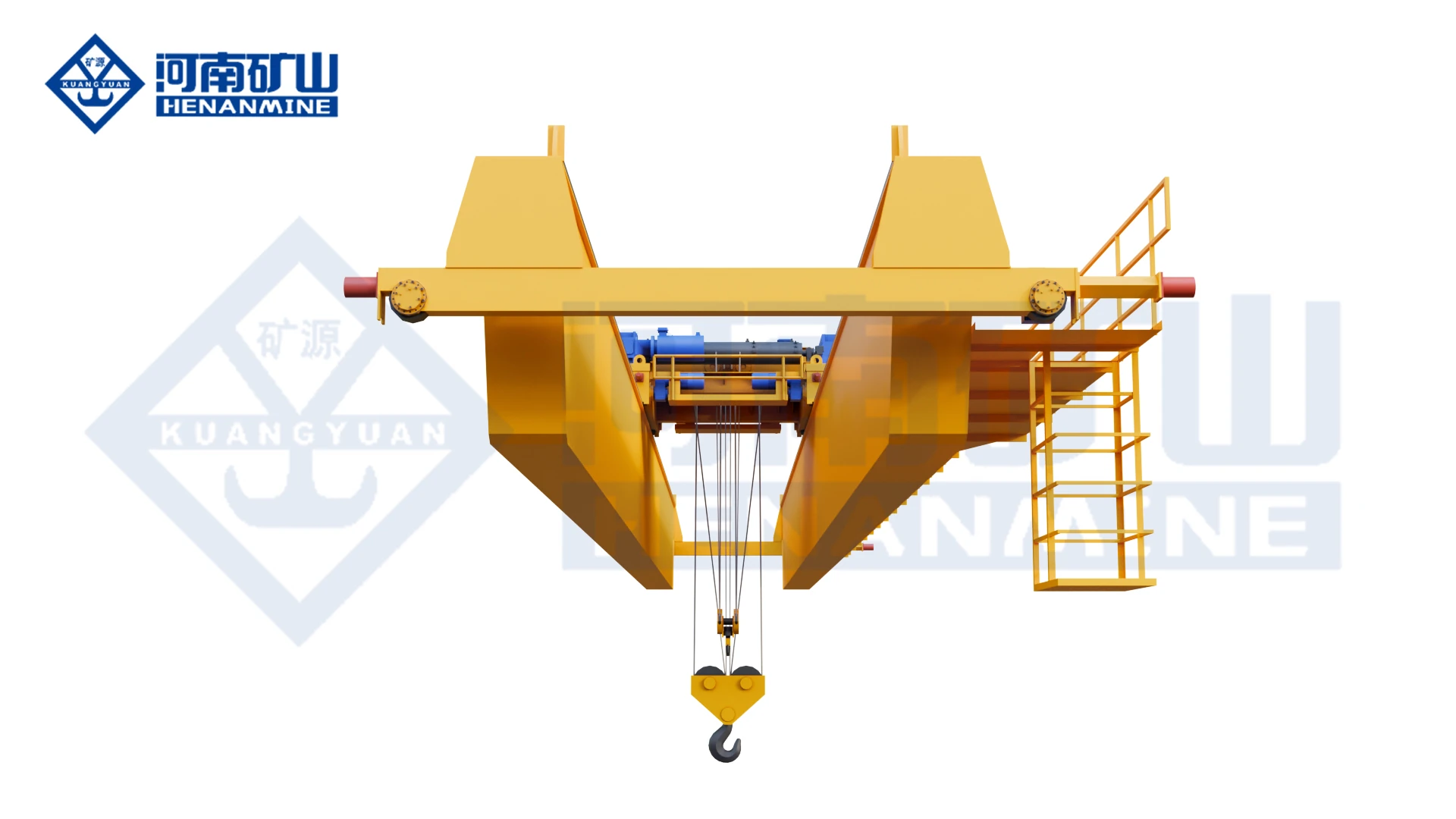
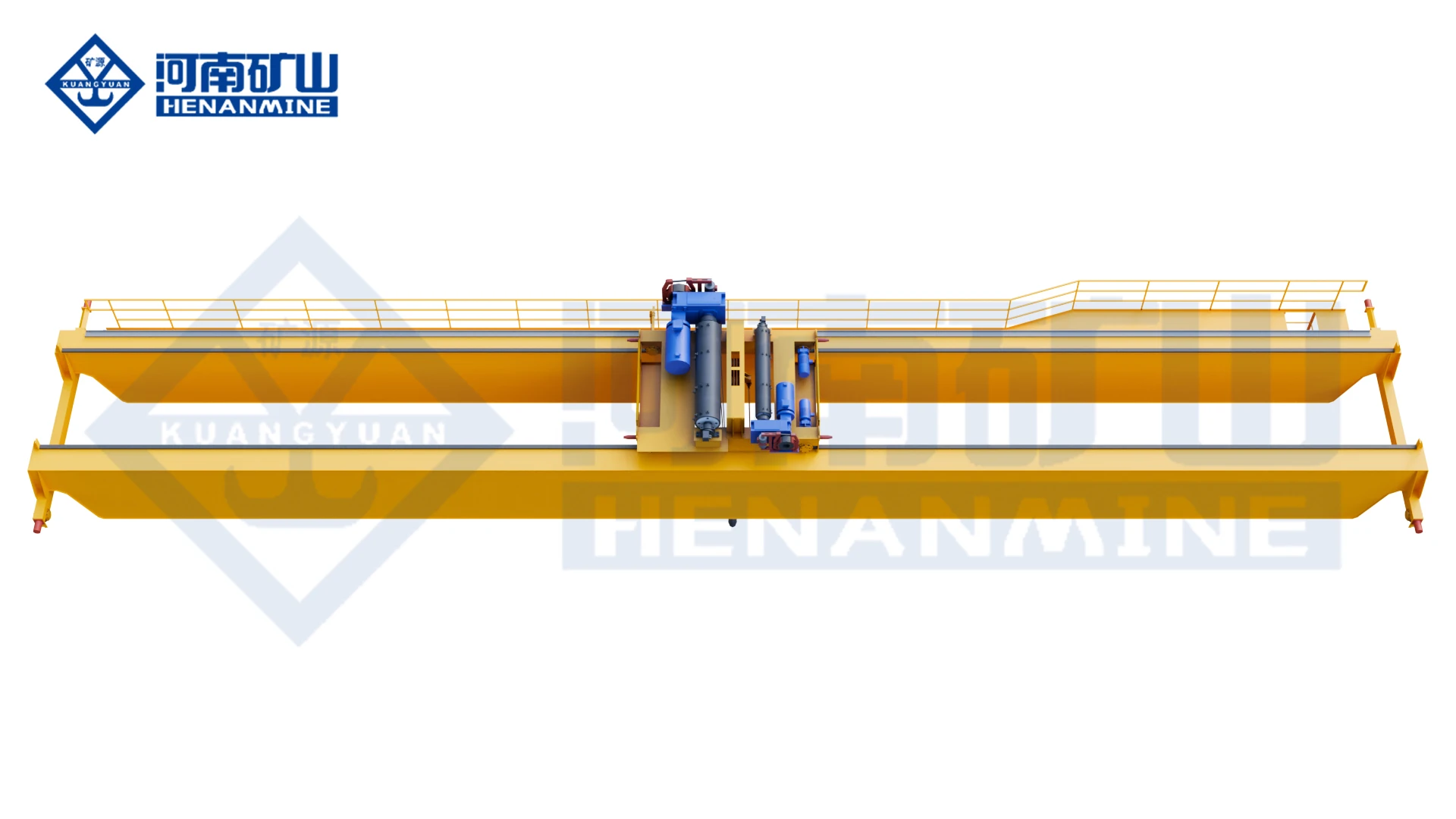
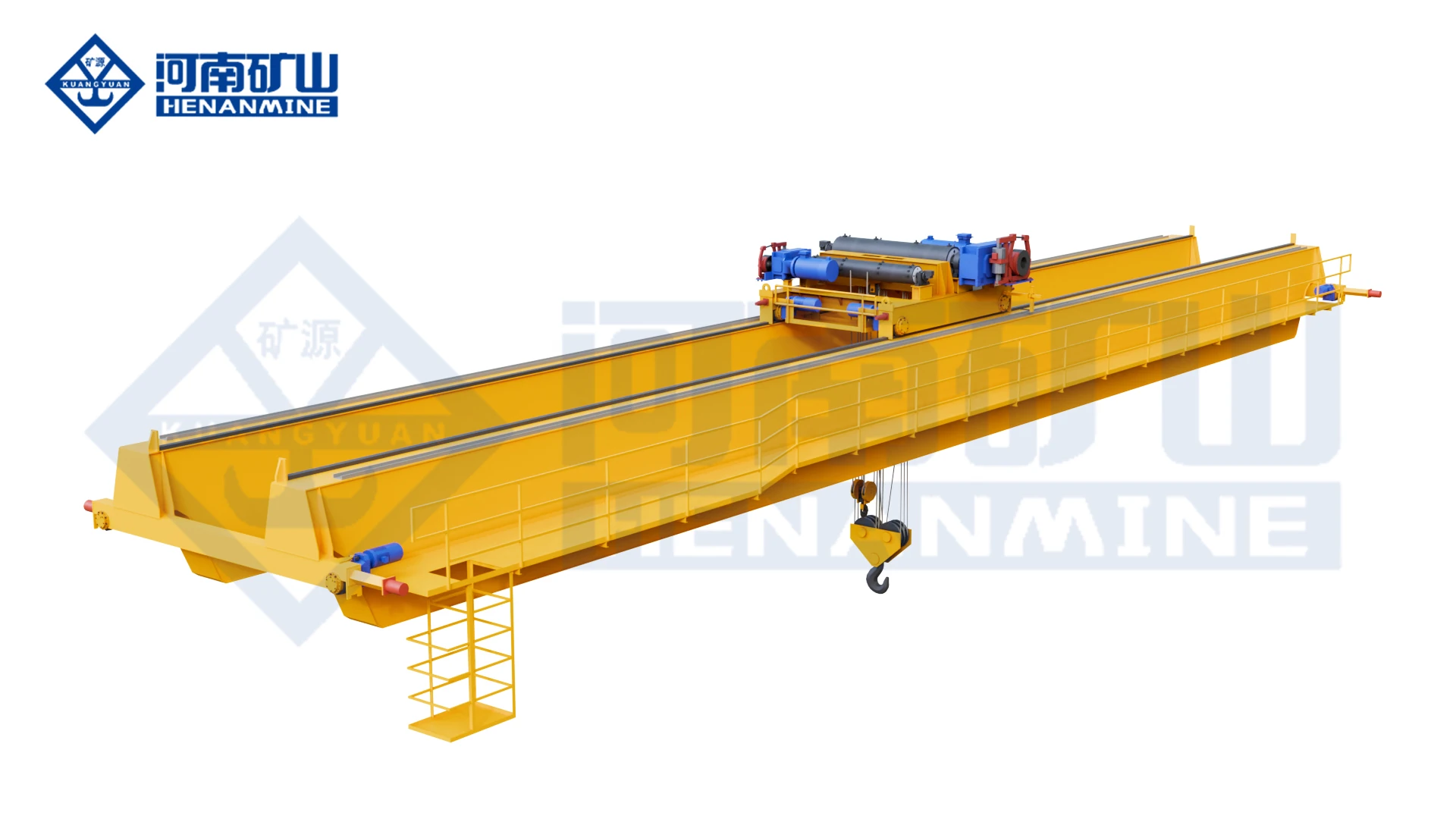
QD slow-speed double-girder hook cranes for controlled lifting, installation and precise load placement. The series covers 5 t, 10 t, 16/3.2 t, 20/5 t, 32/5 t and 50/10 t configurations, with reduced main-hoist speeds from 1.62 to 2.31 m/min and standard spans from 10.5 to 31.5 m.

Slow speed double girder overhead crane
5–50/10 t QD slow-speed capacity series
1.62–2.31 m/min main-hoist slow-speed range
10.5–31.5 m standard span range
A3 working class across the series
Capacity Structure

Complete QD Slow-Speed Overhead Crane Range

The QD slow-speed family is divided by capacity and hook arrangement. Smaller 5 t and 10 t cranes use a single main hook, while 16/3.2 t through 50/10 t configurations add an auxiliary hook for faster secondary lifting and positioning work.

QD 5–10 t Slow-Speed Hook Bridge Crane
QD 5–10 t

QD 5–10 t Slow-Speed Hook Bridge Crane

Slow-speed double-girder hook crane for precision placement of 5 t and 10 t loads. The QD series uses reduced hoisting speed with moderate trolley and bridge travel speeds, making it suitable where controlled vertical motion is more important than high lifting-cycle speed.

5 t / 10 tA31.95–2.04 m/min Hoist10.5–31.5 m
Technical Specifications
Rated Capacity5 t / 10 t
Span10.5–31.5 m
Maximum Lifting Height16 m
Working ClassA3
5 t Hoisting Speed1.95 m/min
10 t Hoisting Speed2.04 m/min
5 t Trolley Travel Speed18.24 m/min
10 t Trolley Travel Speed18 m/min
Bridge Travel SpeedApprox. 42.3–44.9 m/min by span
Trolley Weight2.4 t (5 t); 3.4 t (10 t)
Recommended RailP38 (5 t); P43 (10 t)
Power Supply3-phase AC 380 V / 50 Hz
QD 16/3.2–20/5 t Slow-Speed Hook Bridge Crane
QD 16/3.2–20/5 t

QD 16/3.2–20/5 t Slow-Speed Hook Bridge Crane

Main-and-auxiliary-hook slow-speed crane for medium-capacity installation, assembly and maintenance work. The main hook provides controlled low-speed lifting, while the auxiliary hook gives a faster secondary lifting function for lighter components and positioning tasks.

16/3.2–20/5 tA3Main + Auxiliary HookP43 / QU70
Technical Specifications
Rated Capacity16/3.2 t / 20/5 t
Span10.5–31.5 m
16/3.2 t Lifting HeightMain 16 m / Auxiliary 24 m
20/5 t Lifting HeightMain 12 m / Auxiliary 18 m
Working ClassA3
16/3.2 t Hoisting SpeedMain 2.23 m/min / Auxiliary 9.2 m/min
20/5 t Hoisting SpeedMain 2.31 m/min / Auxiliary 9.28 m/min
Trolley Travel Speed18 m/min
Bridge Travel SpeedApprox. 40.8–42.3 m/min
Trolley Weight5.8 t (16/3.2 t); 6.9 t (20/5 t)
Recommended RailP43 / QU70
Power Supply3-phase AC 380 V / 50 Hz
QD 32/5–50/10 t Slow-Speed Hook Bridge Crane
QD 32/5–50/10 t

QD 32/5–50/10 t Slow-Speed Hook Bridge Crane

Heavy slow-speed hook bridge crane for large machinery, heavy assembly and controlled installation work. The main hook operates at very low lifting speed, while the auxiliary hook handles lighter loads at a higher speed for setup, alignment and maintenance.

32/5–50/10 tA31.62–2.03 m/min Main HoistQU70–QU100
Technical Specifications
Rated Capacity32/5 t / 50/10 t
Span10.5–31.5 m
32/5 t Lifting HeightMain 16 m / Auxiliary 18 m
50/10 t Lifting HeightMain 12 m / Auxiliary 16 m
Working ClassA3
32/5 t Hoisting SpeedMain 2.03 m/min / Auxiliary 9.28 m/min
50/10 t Hoisting SpeedMain 1.62 m/min / Auxiliary 6.3 m/min
Trolley Travel Speed19 m/min (32/5 t); 18.24 m/min (50/10 t)
Bridge Travel SpeedApprox. 40.8–48.1 m/min by span
Trolley Weight10.0 t (32/5 t); 14.5 t (50/10 t)
Recommended RailQU70 (32/5 t); QU80 or QU100 (50/10 t)
Power Supply3-phase AC 380 V / 50 Hz
Span-by-Span Data

Crane Total Weight by Capacity and Span

Crane self-weight increases with span and capacity and should be checked together with runway design and building reactions during project planning.

Capacity10.5 m13.5 m16.5 m19.5 m22.5 m25.5 m28.5 m31.5 mRail
5 t12.5813.4815.316.418.721.424.227.23P38
10 t1415.818.519.5421.6624.6227.330.65P43
16/3.2 t17.418.520.62426.8230.53337P43 / QU70
20/5 t18.519.621.725.228.232.335.539P43 / QU70
32/5 t24.526.729.533.237.24145.549QU70
50/10 t28.430.634.838.742.348.151.556.7QU80 / QU100
Runway Design Data

Maximum Wheel Pressure by Capacity and Span

The values below are the maximum wheel pressures for the QD slow-speed series and are useful for preliminary runway-beam and rail selection.

Capacity10.5 m13.5 m16.5 m19.5 m22.5 m25.5 m28.5 m31.5 mRail
5 t65687275818794102P38
10 t102109118123130142151160P43
16/3.2 t123129136147155165172183P43 / QU70
20/5 t146153162170178191198208P43 / QU70
32/5 t211224236249261272285295QU70
50/10 t302318340351365380391405QU80 / QU100
Selection Logic

Choose Slow-Speed Lifting by Handling Requirement

Precision Equipment Installation

Reduced hoisting speed supports controlled final positioning of machinery, molds, dies and large assemblies when vertical placement accuracy is more important than rapid lifting cycles.

Heavy Component Assembly

32/5 t and 50/10 t configurations combine a slow main hook with a faster auxiliary hook so heavy parts can be positioned carefully while lighter setup loads remain efficient.

Maintenance & Overhaul

Slow lifting is useful during equipment overhaul where components must be removed and returned through limited clearances or aligned with shafts, foundations and mounting points.

Long or Sensitive Loads

Lower vertical speed reduces abrupt load movement and gives the operator more time to control long, high-value or geometry-sensitive components.

Restricted Clearance

Where the load must approach equipment, platforms or structures closely, low-speed vertical movement improves control during final approach.

Process-Specific Positioning

For production processes requiring repeated controlled placement, modern controls can add VFD micro-speed, positioning feedback and anti-sway functions to the selected crane configuration.

Slow-Speed vs Standard Lifting

When a Slow-Speed Crane Is the Better Choice

Selection FactorSlow-Speed QD CraneStandard General-Purpose QD Crane
Primary ObjectiveControlled vertical movement and careful final positioningBalanced productivity for general material handling
Main Hoist slow-speed series uses 1.62–2.31 m/min main-hoist speedsSelected according to general process and cycle requirements
Typical LoadHeavy machinery, equipment modules, molds, assemblies and maintenance loadsGeneral workshop, manufacturing and warehouse loads
Auxiliary HookAvailable from 16/3.2 t upward for faster lighter-load workAvailable on many conventional QD configurations
Control UpgradeCan be paired with VFD micro-speed and precision positioning where requiredVFD and automation can also be configured where the process requires them
Precision Control Options

Control and Safety Configuration

VFD Micro-Speed

Variable-frequency control can provide smoother acceleration, deceleration and low-speed positioning beyond the fixed mechanical speed of the traditional QD slow-speed series.

Electronic Anti-Sway

Anti-sway control can reduce load oscillation during bridge and trolley travel when sensitive loads must be positioned accurately.

Overload Protection

Load-limiting and monitoring devices protect the hoisting mechanism and structure from operation above the selected rated capacity.

Upper / Lower Limits

Multiple lifting limits can protect the hook path during low-speed approach to the highest and lowest permitted positions.

PLC Positioning

PLC and position feedback can support repeatable transfer between defined workstations or assembly positions.

Remote Monitoring

Operating status, faults and maintenance data can be integrated into modern crane monitoring systems for production and maintenance management.

Engineering RFQ

Request a Slow-Speed Overhead Crane Proposal

Provide rated load, auxiliary hook requirement, span, lifting height, runway length, required minimum hoisting speed and positioning accuracy. For installation or assembly projects, include the load dimensions, center of gravity, available clearances and required final placement tolerance.