Offshore wind equipment · 2026
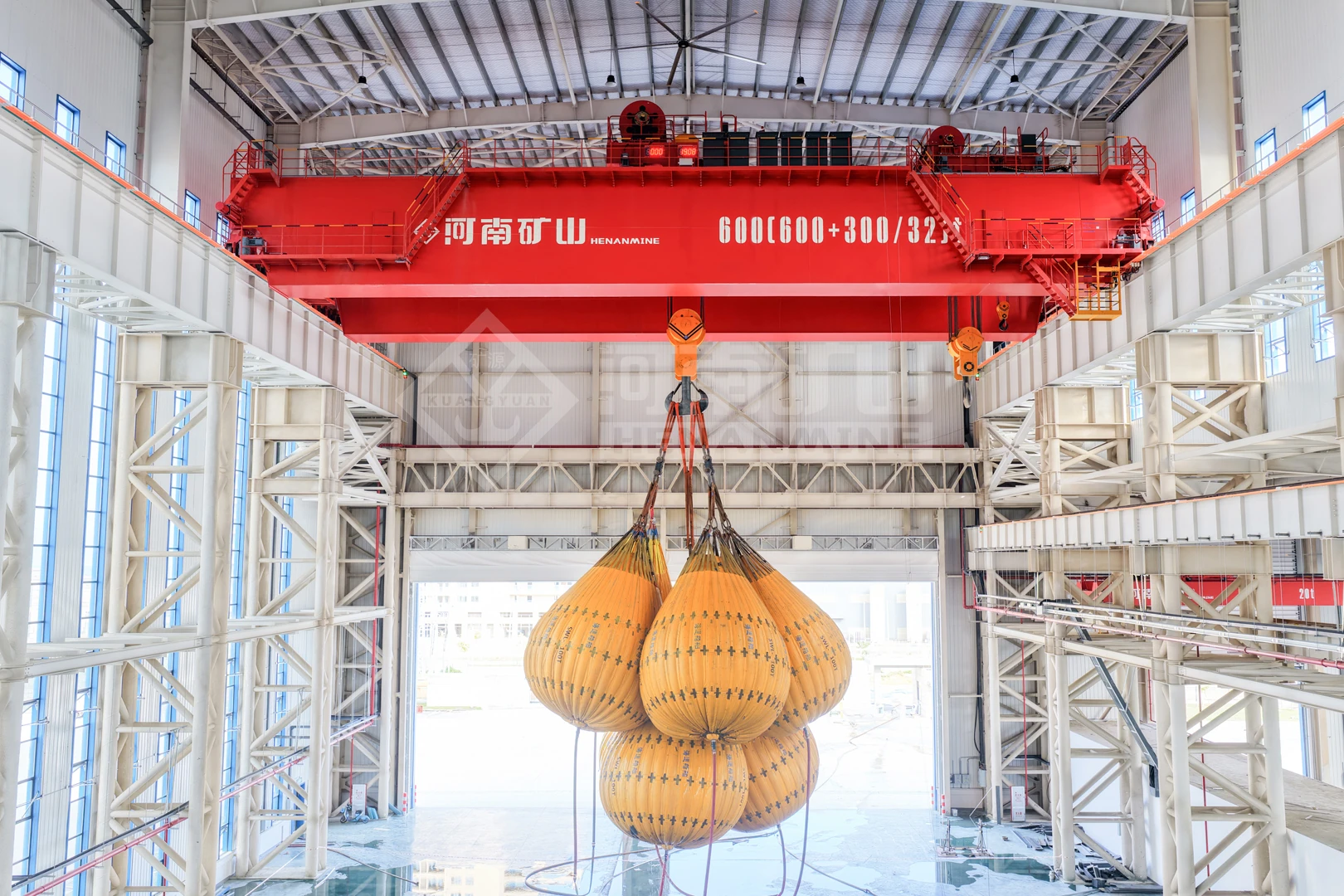
600 t new double-girder overhead crane
Dual-trolley coordinated operation, VFD and PLC controls support precision handling of large offshore wind equipment.
A modular double-girder bridge crane for industrial material handling where low headroom, smooth variable-frequency motion and accurate load positioning are important. Anti-sway, PLC control, condition monitoring and automated positioning can be configured around the operating process.
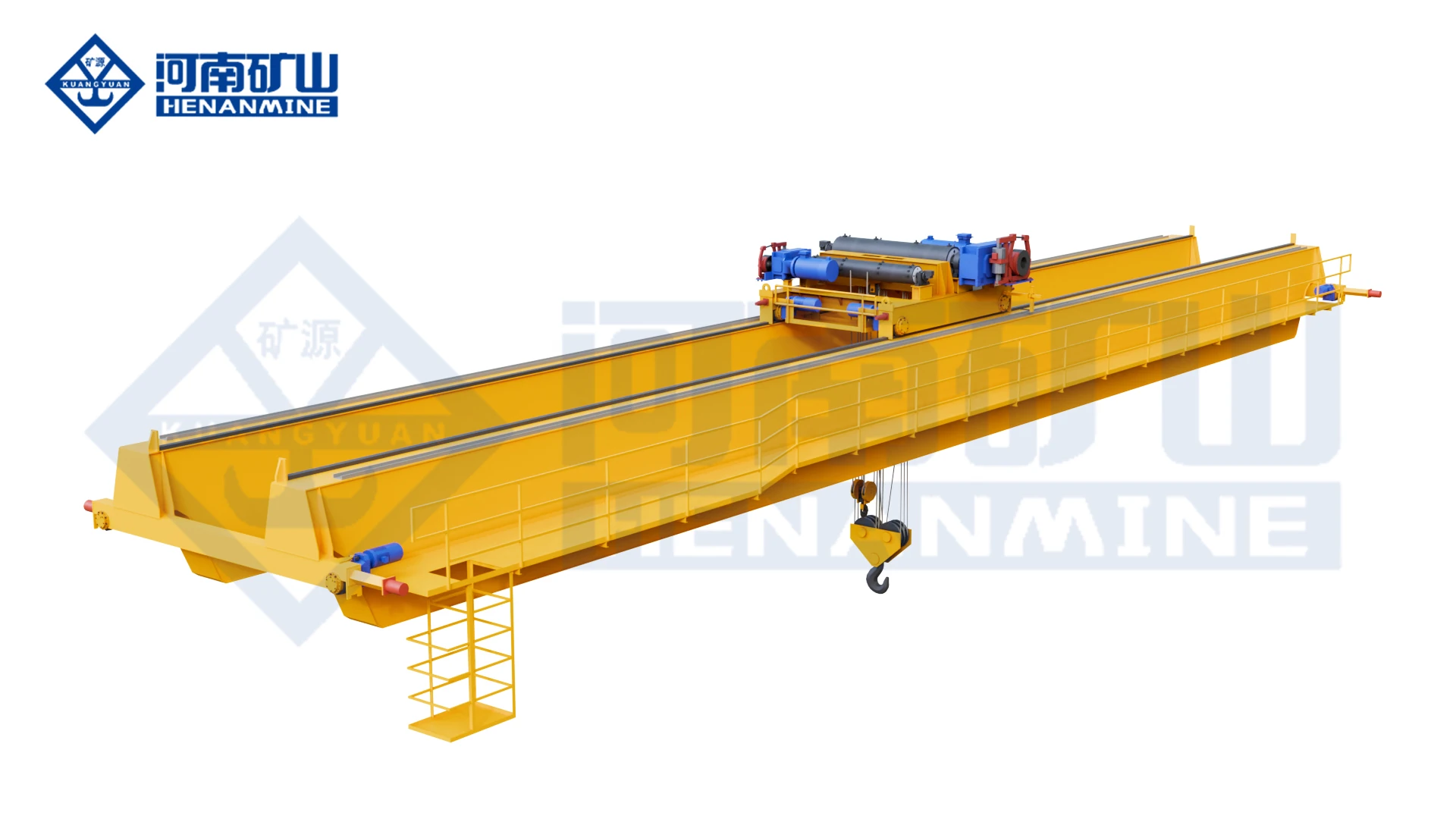
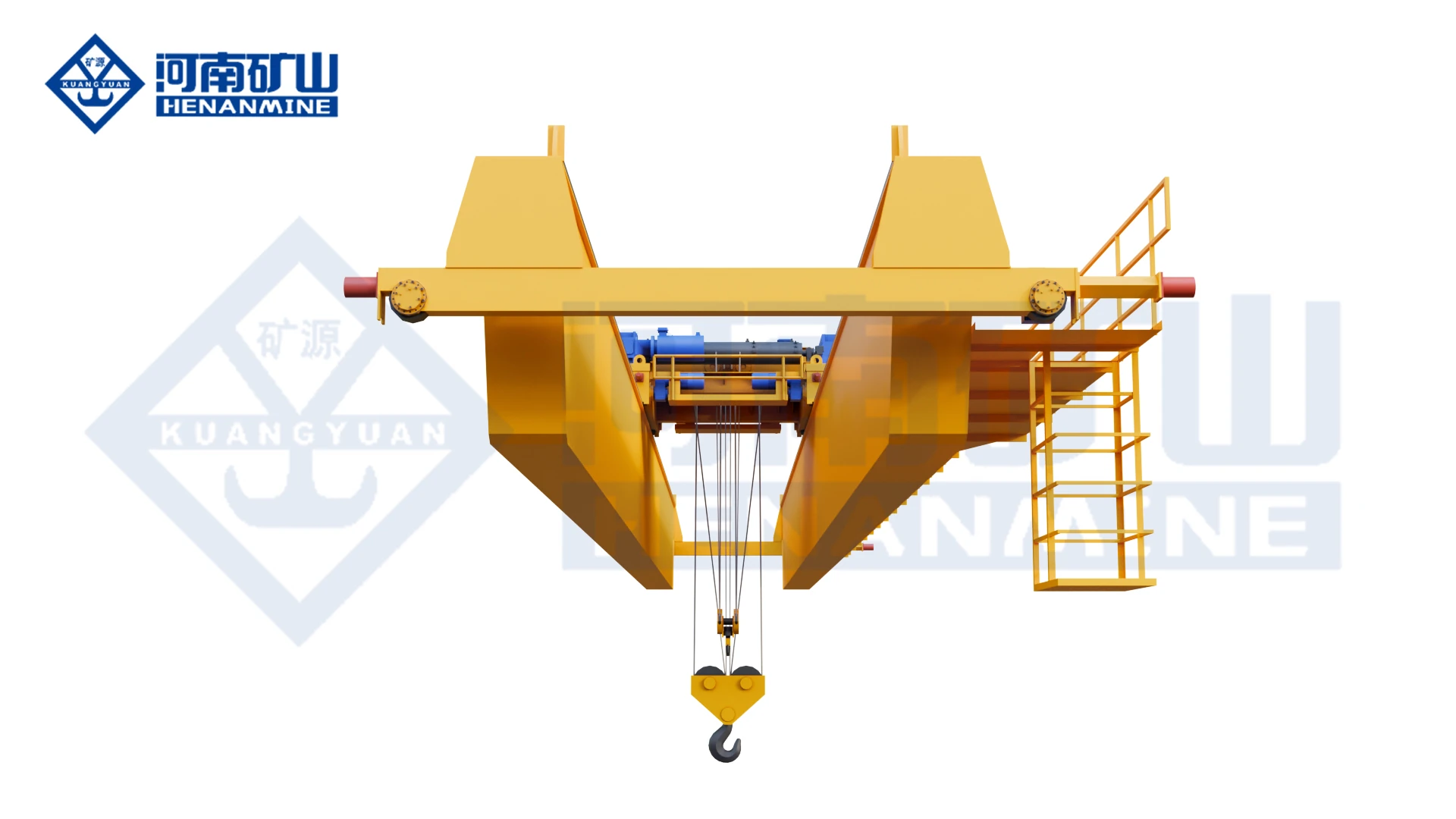
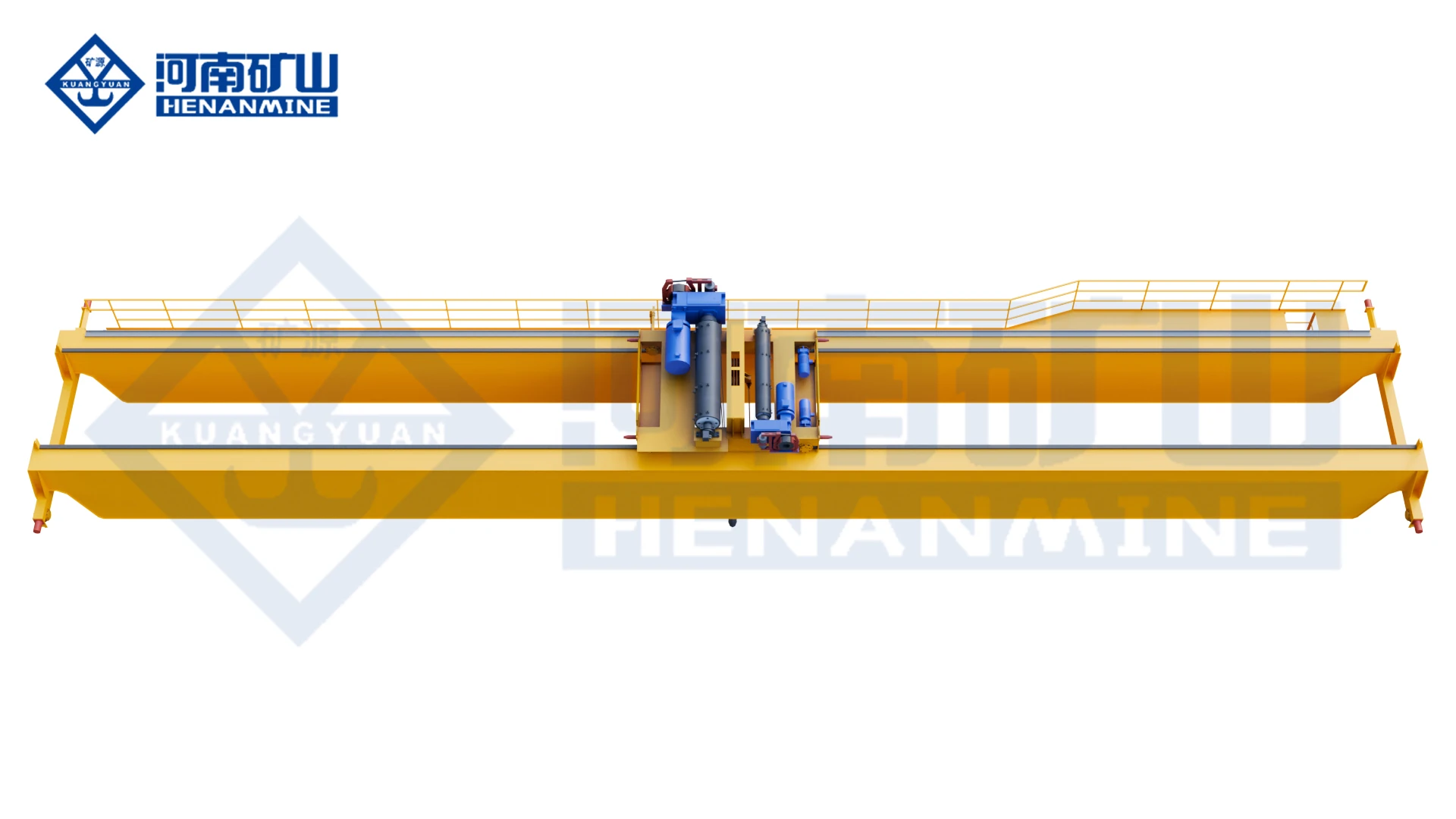
The KSQ platform combines a modular double-girder structure with control options that can be matched to the positioning accuracy, motion profile and automation level required by the production process.
Hoisting and travel can be configured for stepless speed regulation, smoother acceleration and deceleration, and lower impact during load handling.
Low-speed control supports more accurate final positioning during assembly, machine loading and other operations where abrupt movement is undesirable.
Anti-sway functions can be integrated to reduce suspended-load oscillation and improve repeatability during travel and positioning.
Reduced overall headroom and shorter hook approach can improve use of available workshop height and working envelope.
Operating-status monitoring, protection functions and remote-control interfaces support more transparent operation and future control integration.
Standardized modular components simplify inspection and component replacement while supporting a more maintainable crane architecture.
Final crane selection should be based on the real operating cycle, load characteristics, runway geometry and environmental conditions rather than rated load alone.
Explore the KSQ crane arrangement and related double-girder applications in production workshops.
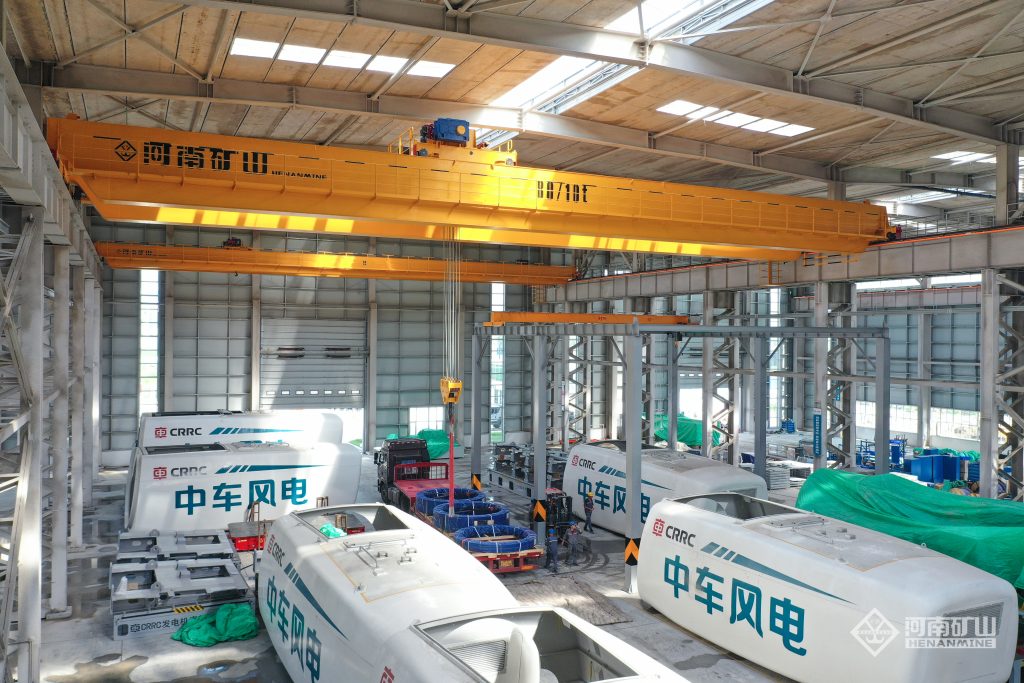
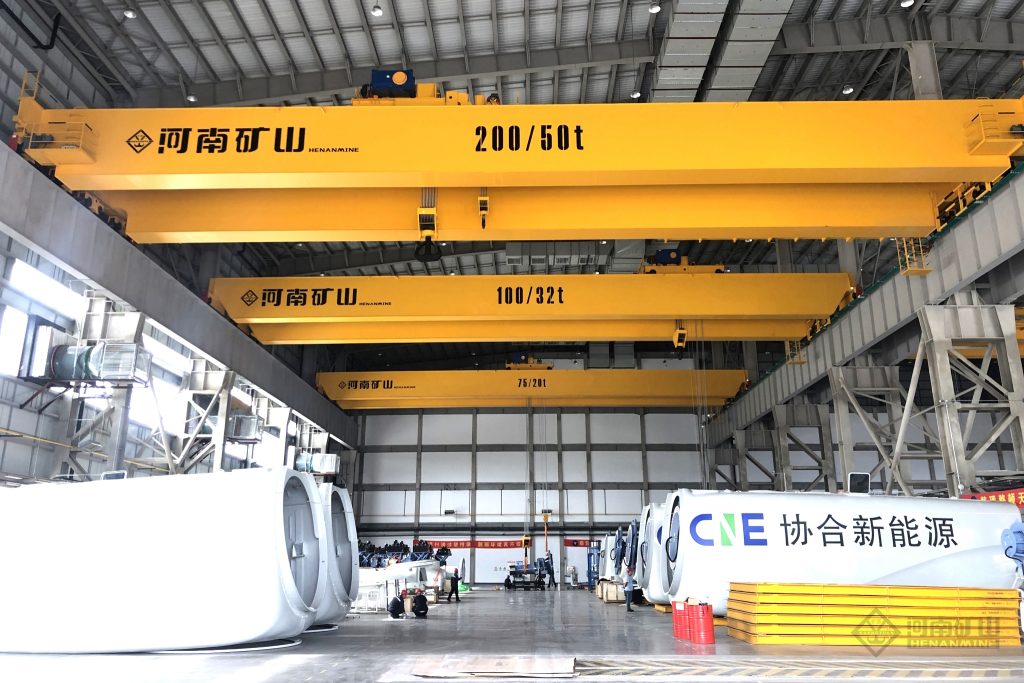
The KSQ is not defined by tonnage alone. Its value comes from the combination of double-girder bridge geometry, modular mechanisms and a control architecture designed for smooth motion, accurate positioning and easier maintenance.
The bridge layout provides the structural basis for the travelling trolley and hook system. The KSQ platform is designed around low overall headroom, smaller hook-to-wall distance and reduced wheel load to improve usable workshop space.
KSQ design features.A travelling trolley carries the hook lifting mechanism between the two girders. Capacity, reeving, lifting height and speed are engineered from the load, duty and workshop geometry rather than taken from one universal specification.
Project-specific engineering item.Stepless speed regulation and micro-speed positioning can be configured across crane motions for smoother acceleration, deceleration and final load placement. Electronic anti-sway can be incorporated where process control requires it.
KSQ control functions.Operating-status monitoring, multiple limit protections and remote-control interfaces are part of the KSQ control concept. Intelligent VFD control, PLC systems and automatic positioning can be added to suit the production process.
KSQ control options.KSQ cranes can include overload protection, travel limits and emergency-stop functions. Define additional protection around the local standards and process hazards.
Safety scope must be finalized in the technical offer.The platform emphasizes modular design, standardized wear parts and longer replacement intervals so routine service and component replacement can be planned more efficiently over the crane lifecycle.
KSQ maintenance concept.Select KSQ capacity, span, hook height, speeds and duty around the actual load and building. Send your requirements for a matched technical schedule.
A credible quotation should return more than a price. It should define the crane around the runway, load spectrum and operating cycle.
Confirm maximum load, normal load, load dimensions, center of gravity and lifting attachment.
Provide lifts per hour, travel distances, operating hours and the amount of precision positioning required.
Confirm span, rail elevation, available headroom, end approaches and allowable runway reactions.
Match VFD speeds, anti-sway, PLC functions, radio control and monitoring functions to the process.
Overload protection, travel limits and emergency-stop functions form part of the KSQ control concept described by the manufacturer.
Variable-frequency drive control enables softer starts and stops, while micro-speed operation supports controlled final positioning.
PLC control, operating-status monitoring, remote interfaces and automated positioning can be incorporated when required by the project.
Dual-trolley coordinated operation, VFD and PLC controls support precision handling of large offshore wind equipment.
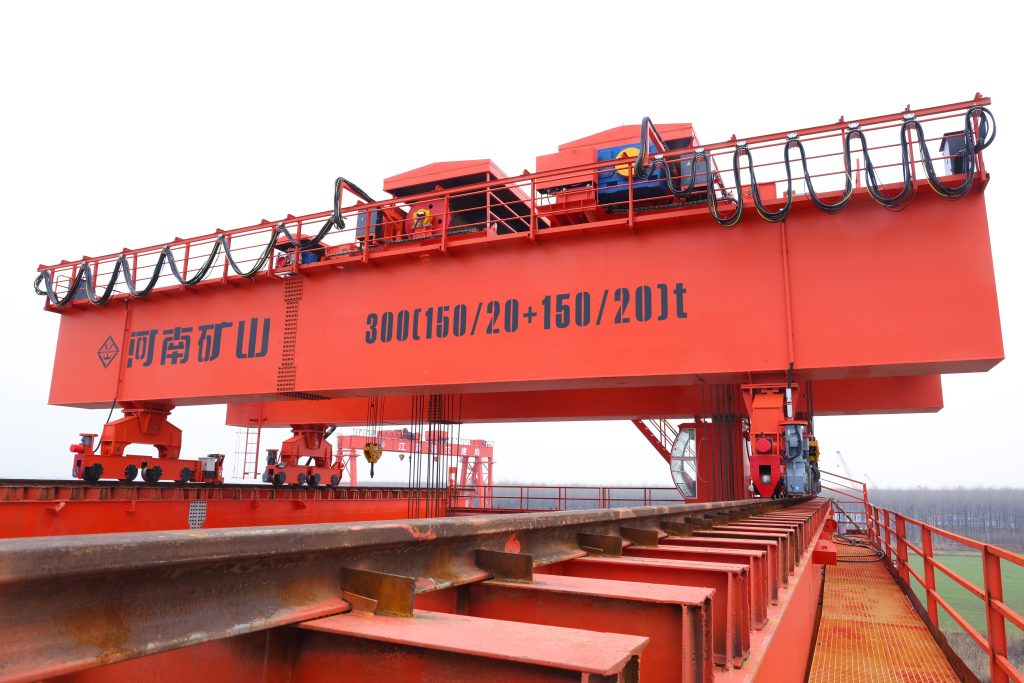
The project highlights modular design, lighter structural design, integrated electrical design, full variable-frequency control and precise positioning.
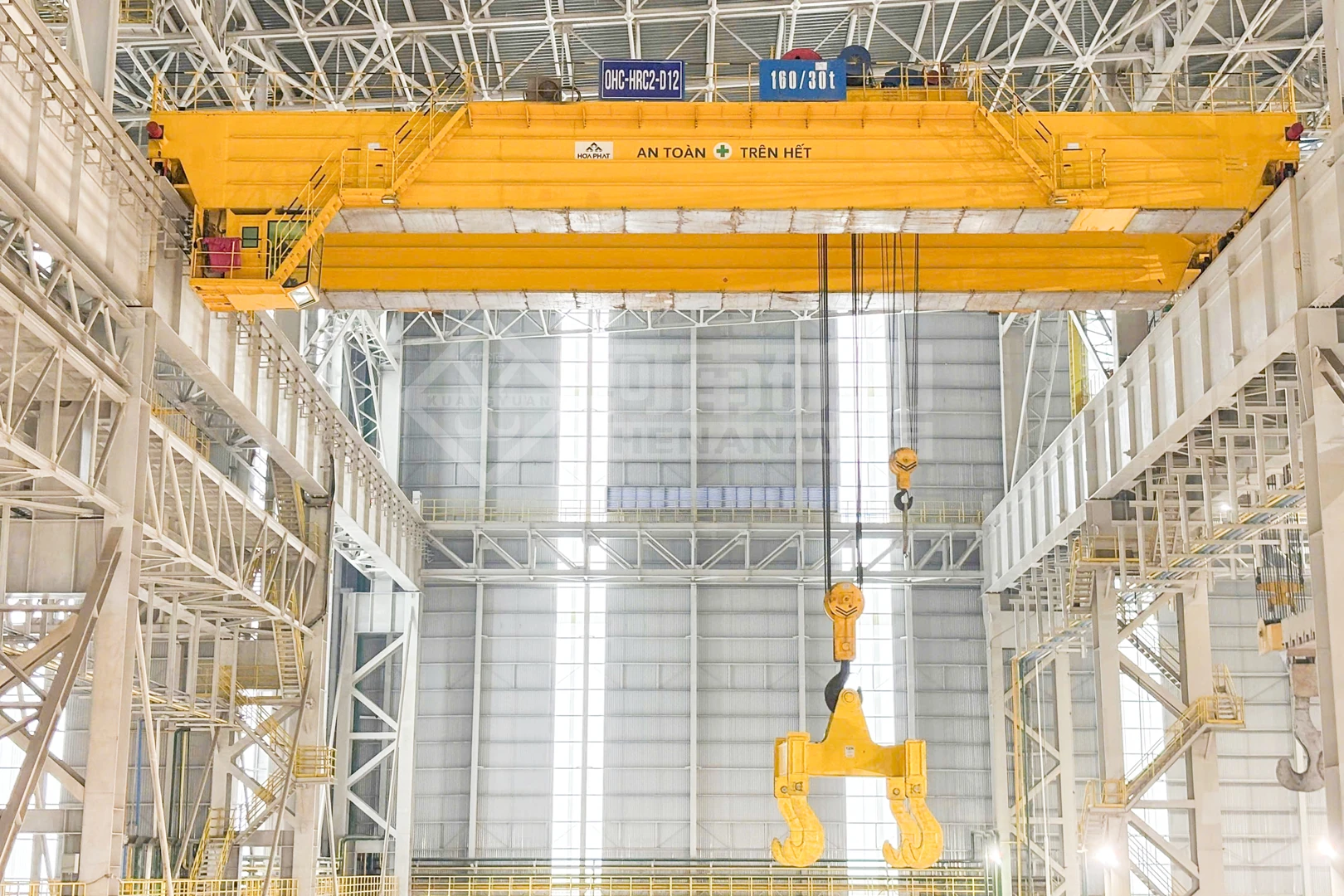
Henan Mine Crane reported a package of more than 100 crane sets for a large Southeast Asian steel plant, including a 160 t double-girder overhead crane and multiple process-specific crane types.
Discuss comparable double-girder projects and the KSQ configuration required for your facility.
Henan Mine Crane reports an integrated business covering R&D, design, manufacturing, sales and service, with production and service experience across multiple industrial sectors.
Related products are selected by actual configuration or process differences, not simply by similar names.
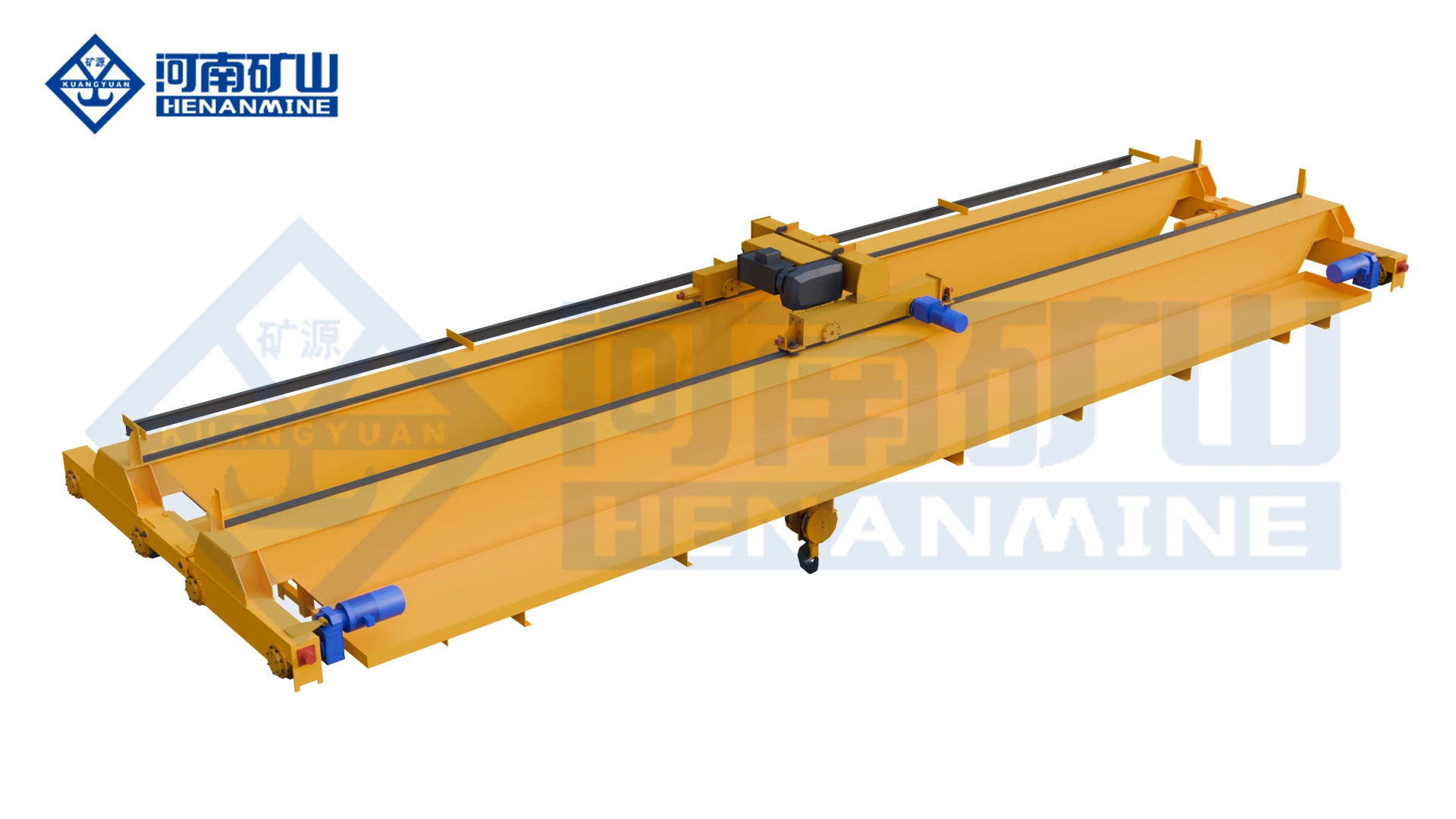
A hoist-based bridge crane with low-headroom arrangement and lower self-weight where the operating requirement does not call for the KSQ trolley architecture.
Request Product Details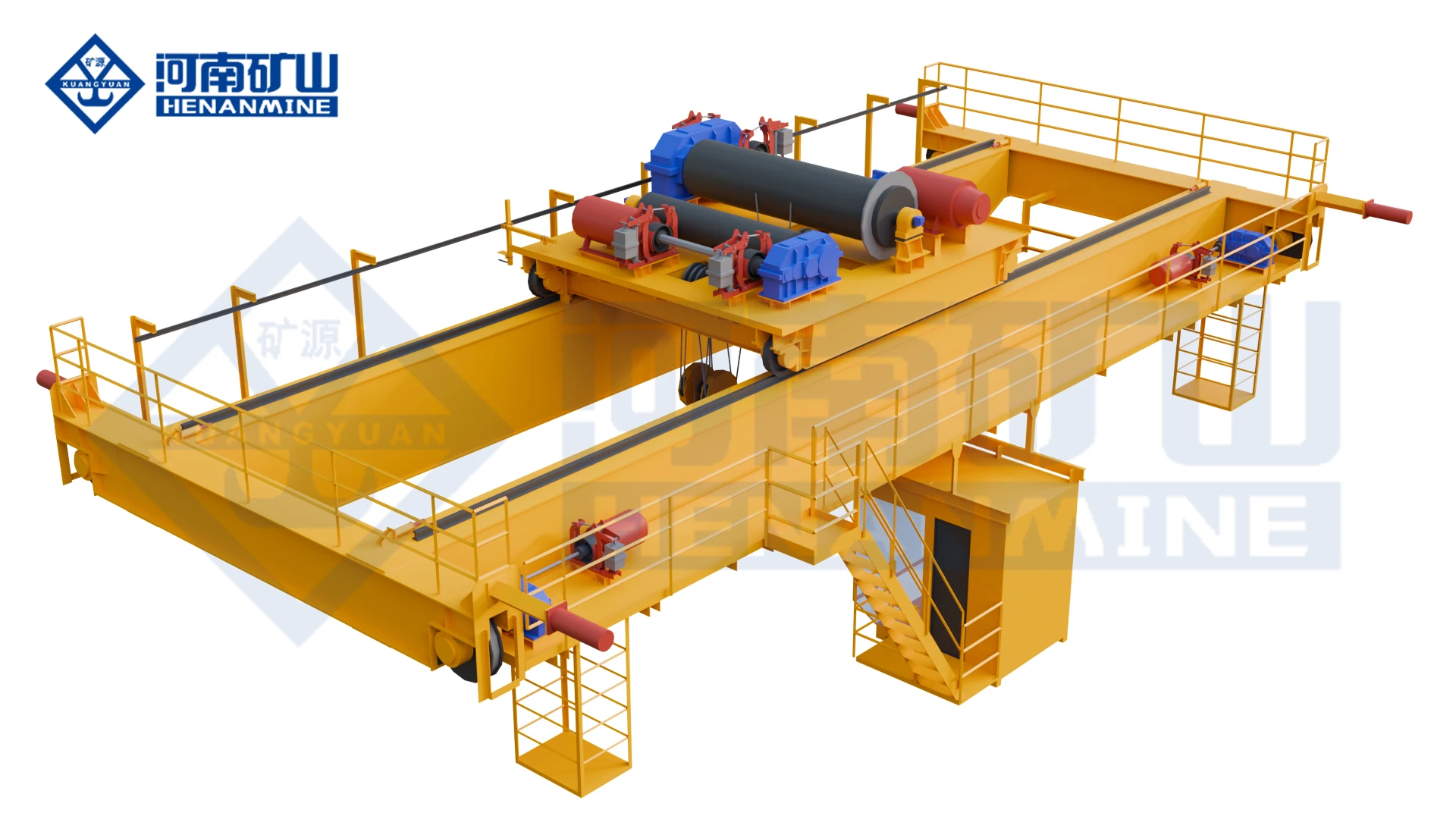
Use a dedicated metallurgical crane when molten-metal service, high temperature and process-specific safety provisions go beyond a general-purpose hook crane.
Request Product Details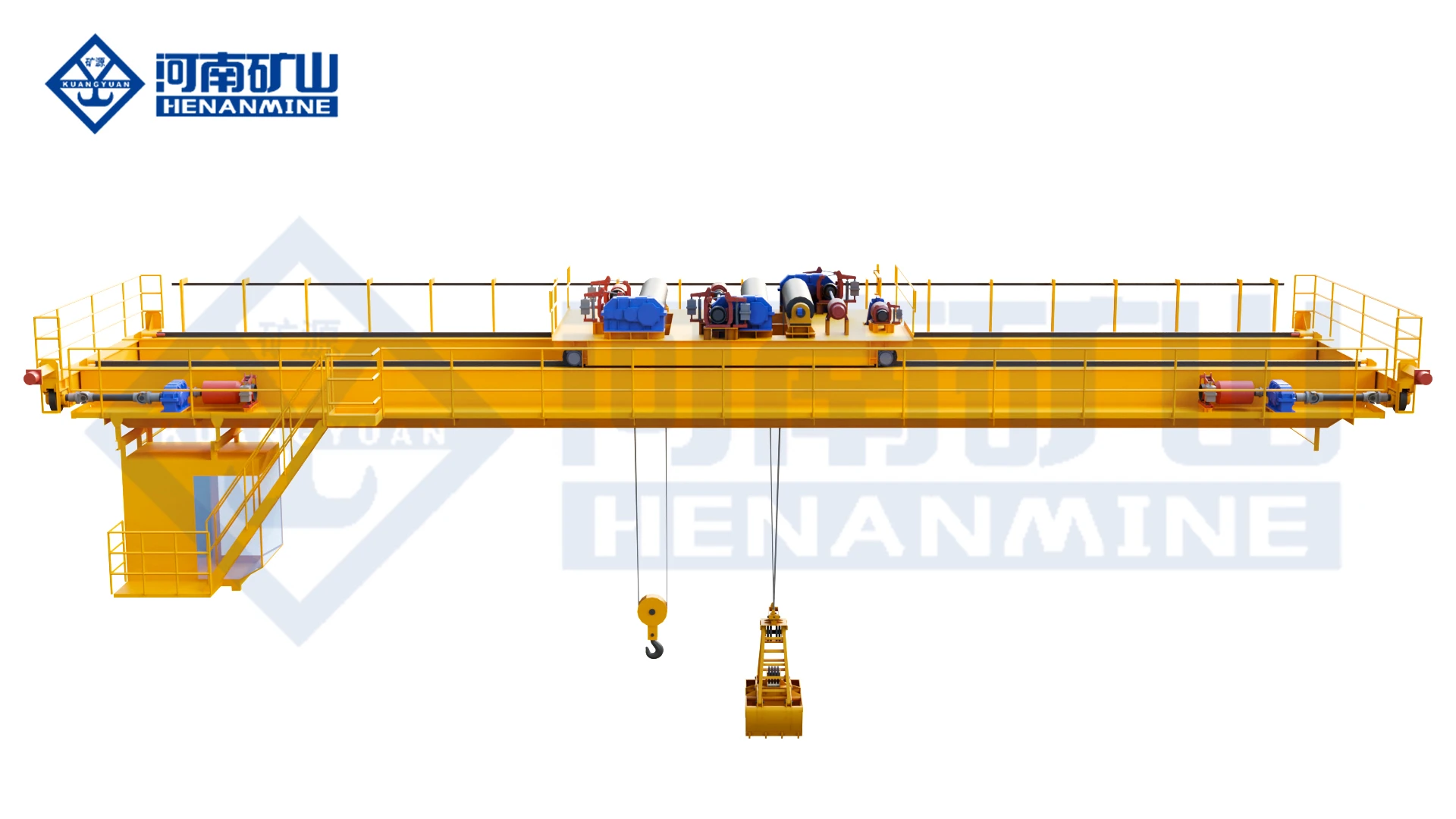
For projects that need both hook lifting and bulk-material handling with a detachable hydraulic grab.
Request Product DetailsRated load, span, lifting height, operating cycle, power supply, workshop clearances and the required control method are the minimum starting data. Existing workshops should also provide runway and rail information.
Yes. The manufacturer describes electronic anti-sway, PLC control and automated positioning as configurable functions. The exact control architecture should be defined against the process.
Low overall headroom and reduced hook-to-wall distance are stated design advantages. Final hook approach and top clearance still depend on the selected capacity, span and mechanism arrangement.
Potentially, but the existing runway, rail, building clearances and allowable wheel loads must be checked before the crane configuration is finalized.
Yes. Hoist, trolley and bridge travel speeds should be selected from the handling cycle and positioning requirements, with VFD control used where appropriate.
Dedicated metallurgical, explosion-proof, grab, electromagnetic or other special-purpose cranes should be evaluated when the process or environment requires features beyond a general-purpose hook crane.
Send the load, runway and operating-cycle data below. The technical proposal should return the selected KSQ configuration, capacity and span data, mechanism speeds, duty basis, wheel loads/reactions where required, control architecture, scope of supply and project-specific options—not only a generic crane price.