Manual Lifting Systems · Henan Mine CraneNo-Power Facilities · Maintenance · Warehousing · Low-Frequency Handling
Complete Manual Crane Range

Manual Overhead Cranes

Manual overhead crane systems for low-frequency material handling, maintenance and facilities where electric power is unavailable or unnecessary. The range covers SDXQ-3 suspended single-girder cranes, SDQ top-running single-girder cranes and SQ manual double-girder cranes up to 20 t.

Manual overhead crane
0.5–20 t manual crane capacity range
3–17 m span range across suspension and top-running models
No Power RequiredManual lifting, trolley and bridge travel
Light / Low-Frequency DutyMaintenance, storage and occasional handling
Product Family Structure

Complete Manual Overhead Crane Range

Manual crane selection depends on load weight, lifting frequency, span, available building support, required travel distance and acceptable operator pull force. These cranes are most suitable where handling cycles are limited and electric drives would add unnecessary cost or complexity.

Manual Suspension Crane

Manual Suspension Crane

Manual underhung lifting for small loads and roof-suspended runways where floor space must remain clear.

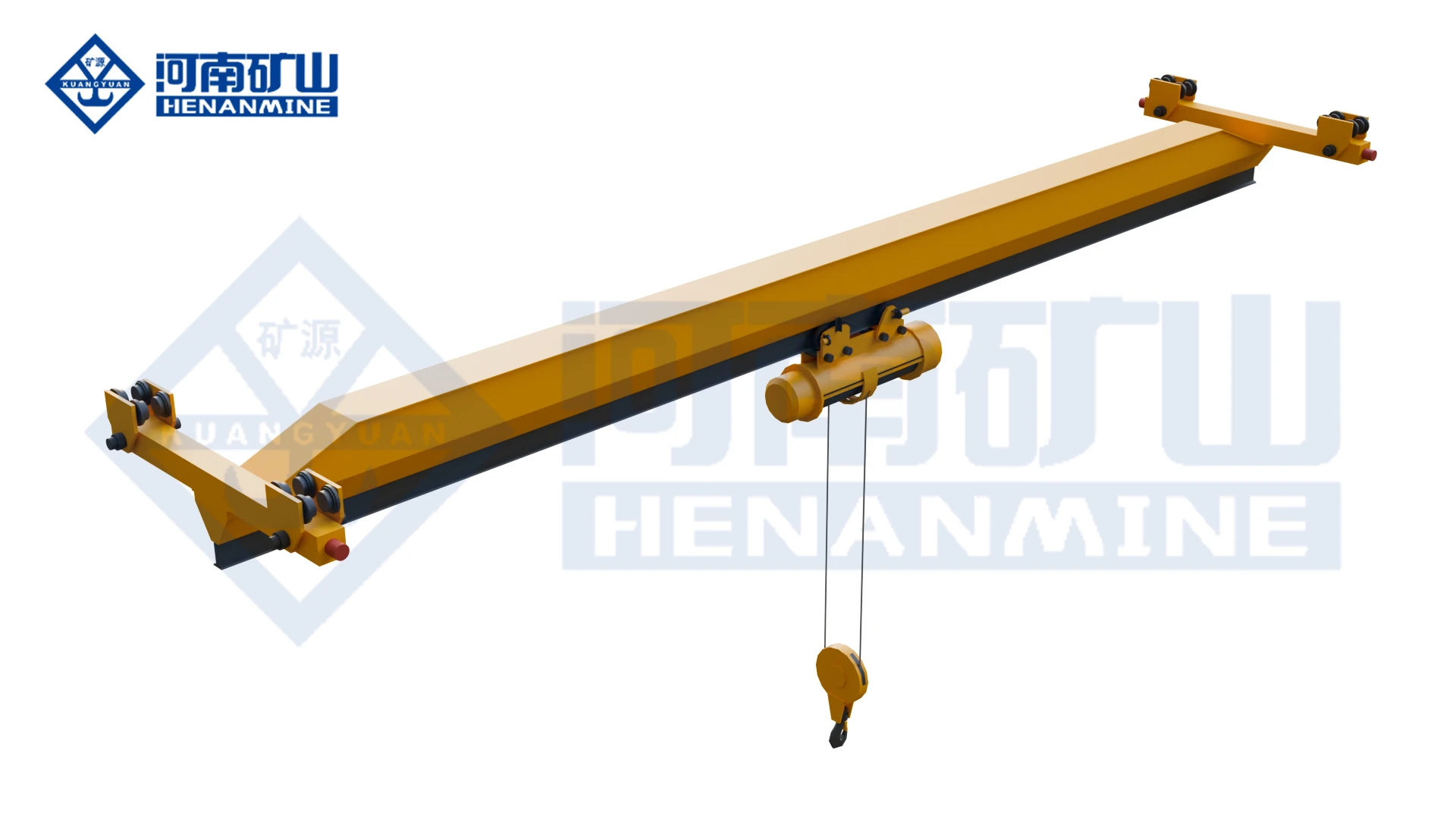
SDXQ-3 Manual Single-Girder Suspension Crane
SDXQ-3

SDXQ-3 Manual Single-Girder Suspension Crane

A manually operated single-girder suspension crane for light loads and low-frequency lifting where electric power is unavailable, unnecessary or undesirable. The crane runs on suspended tracks and uses a matched manual trolley and hand-chain hoist for lifting and travel.

0.5–3 tSuspended RunwayNo Electric PowerLow-Frequency Duty
Technical Specifications
Rated Capacity0.5 / 1 / 2 / 3 t
Span Range3–12 m depending on capacity
Lifting Height2.5–12 m for 0.5–1 t; 3–12 m for 2–3 t
Track Type120a–130c for 0.5–1 t; 124a–136c for 2–3 t
Matched Manual TrolleySDX-3.WA1/2; SDX-3.WA1; SDX-3.WA2; DX-3.WA3
Matched Manual HoistHS1/2; HS1; HS2; HS3
Max. Wheel PressureApprox. 1.98–2.81 kN (0.5 t); 3.40–4.90 kN (1 t); 6.41–8.90 kN (2 t); 4.90–6.50 kN (3 t)
Manual Pull Force — Hoisting19.5 / 21 / 32.5 / 34.5 kg by capacity
Manual Pull Force — Crane Travel6 / 9 / 12 / 15 kg
Manual Pull Force — Trolley Travel3 / 5 / 11 / 13 kg
Power SupplyNot required for basic manual operation
Typical UseUtility rooms, small workshops, maintenance areas and low-frequency lifting
Manual Top-Running Cranes

Manual Top-Running Cranes

Single- and double-girder hand-driven cranes for low-frequency lifting where electric drives are not justified or power is unavailable.

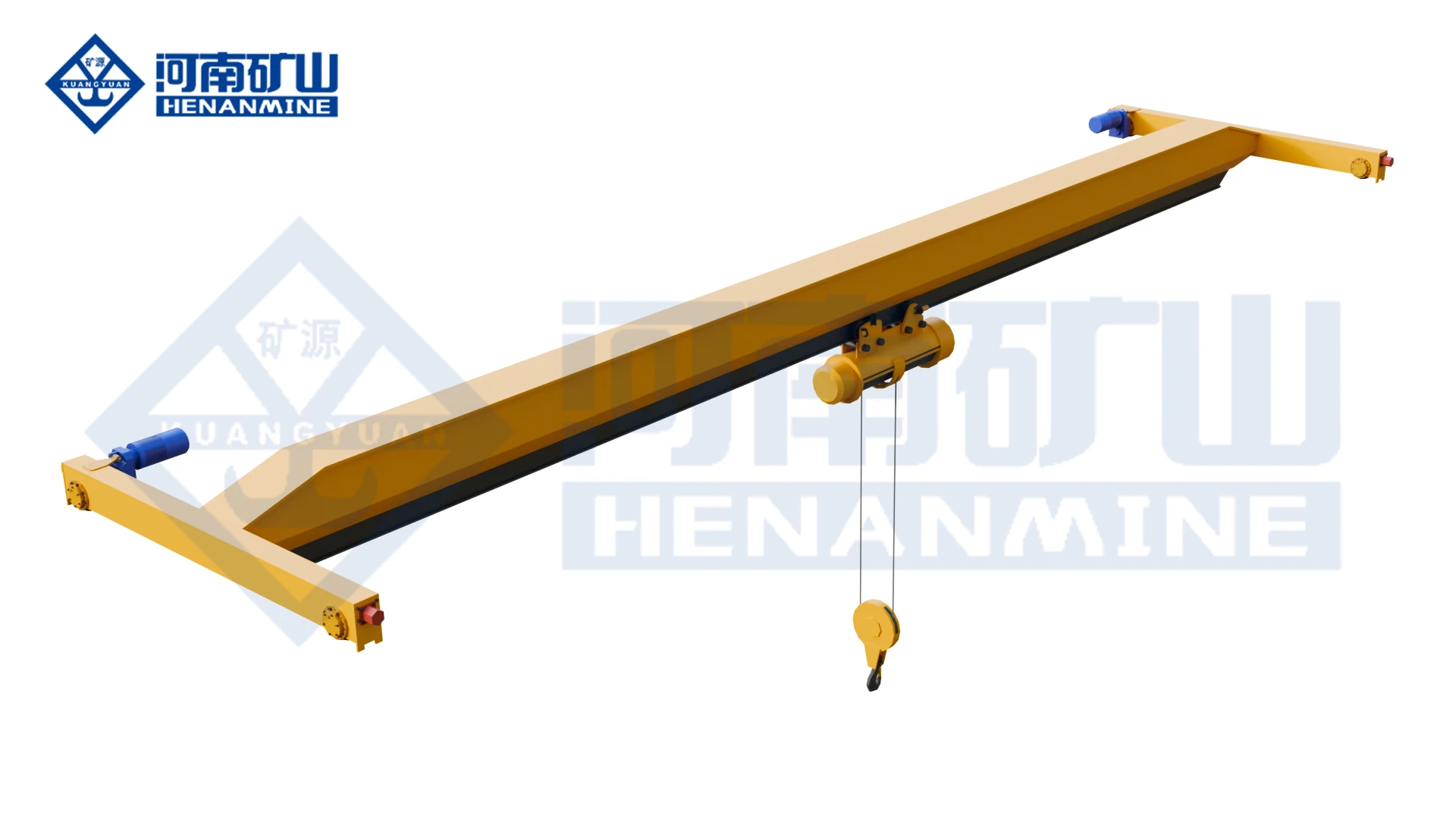
SDQ Manual Single-Girder Overhead Crane
SDQ

SDQ Manual Single-Girder Overhead Crane

A hand-driven top-running single-girder overhead crane for workshops, warehouses and repair areas with low handling frequency. Manual bridge travel, manual trolley travel and hand-chain lifting provide a simple system that does not depend on an electrical power supply.

1–10 tA1–A35–14 m SpanManual Bridge + Trolley
Technical Specifications
Rated Capacity1 / 2 / 3 / 5 / 10 t
Span5–14 m
Lifting Height3–10 m
Working ClassA1–A3 (light duty)
Crane Travel Speed5.2 m/min for 1–3 t; 4.3 m/min for 5–10 t
Trolley Travel Speed5.3 / 5.9 / 4.7 / 4.7 / 4.2 m/min by capacity
Track Width37–51 mm
Manual Pull Force — Hoisting21 / 32.5 / 34.5 / 37.5 / 40 kg
Manual Pull Force — Crane Travel9.4 / 13.4 / 19.5 / 20 / 20 kg
Manual Pull Force — Trolley Travel6 / 12 / 14 / 20 / 25 kg
Power SupplyNot required
Typical UseGeneral maintenance, small production bays, warehouses and low-duty handling
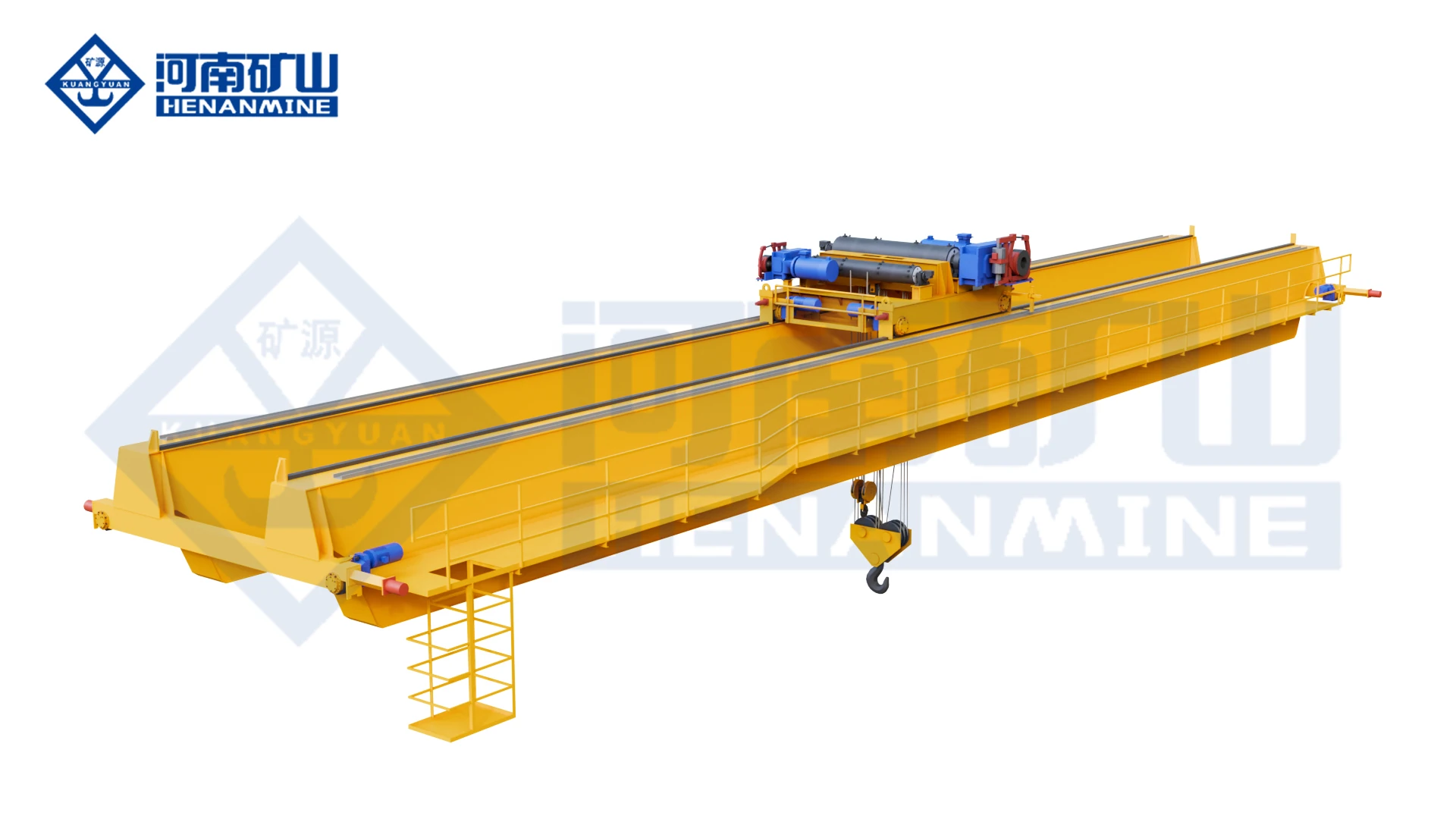
SQ Manual Double-Girder Overhead Crane
SQ

SQ Manual Double-Girder Overhead Crane

A manually driven double-girder overhead crane for heavier loads in facilities where lifting frequency and travel speed are not critical. It provides higher structural capacity than a manual single-girder crane while retaining fully manual lifting and travel.

5–20 t10–17 m SpanDouble GirderNo Electric Power
Technical Specifications
Rated Capacity5 / 10 / 16 / 20 t
Span10–17 m
Lifting Height 10 / 16 m configurations
Steel Track Width40 / 50 mm for 5 t; 60 / 70 mm for 10–20 t
Manual Pull Force — Hoisting37 / 53 / 58 / 64 kg
Manual Pull Force — Trolley Travel10 / 16 / 25 / 29 kg
Manual Pull Force — Crane Travel30 / 35 / 25 / 30 kg
Wheel PressureApprox. 33.5–41.0 kN (5 t); 56.7–65.9 kN (10 t); 88–101 kN (16 t); 103–124.3 kN (20 t)
Bridge StructureManual top-running double girder
Power SupplyNot required for basic manual operation
Typical UseHeavy maintenance, no-power warehouses, repair workshops and low-frequency heavy lifting
Side-by-Side Selection

Manual Overhead Crane Model Comparison

Choose the crane layout from building support, capacity and travel requirement before checking manual pull force, wheel pressure, track size and maintenance access.

Model / ConfigurationCapacitySpanDutyLayoutPrimary Use
SDXQ-3
SDXQ-3 Manual Single-Girder Suspension Crane
0.5 / 1 / 2 / 3 t3–12 m depending on capacityLow-frequency manual dutySuspended / underhungLow-Frequency Duty
SDQ
SDQ Manual Single-Girder Overhead Crane
1 / 2 / 3 / 5 / 10 t5–14 mA1–A3 (light duty)Top-runningManual Bridge + Trolley
SQ
SQ Manual Double-Girder Overhead Crane
5 / 10 / 16 / 20 t10–17 mLow-frequency manual dutyTop-runningNo Electric Power
SQ Runway Design Data

SQ Manual Double-Girder Maximum Wheel Pressure

wheel-pressure data for SQ cranes supports preliminary runway-beam and building-reaction checks for 5–20 t manual double-girder cranes.

Capacity10 m11 m12 m13 m14 m15 m16 m17 m
5 t33.534.235.236.338.338.640.141
10 t56.757.659.760.762.363.16565.9
16 t888991.293.496.297.699.6101
20 t103111.3113.4115.2117.8119.4122.3124.3
Selection by Operating Requirement

Choose the Manual Crane by Application

No Electrical Power Available

Manual lifting and travel allow crane operation in remote workshops, utility spaces and facilities where permanent electrical supply is not available.

Very Low Handling Frequency

Where loads are moved only occasionally, a manual crane can avoid the cost and maintenance of motors, controls, cables and electrical protection.

Light Suspended Layout

SDXQ-3 is suitable where a suspended track can be supported from the roof structure and the required capacity does not exceed the manual suspension range.

General Workshop Lifting

SDQ covers 1–10 t light-duty lifting on top-running runways and is suitable for maintenance and simple material-transfer tasks.

Heavier Manual Handling

SQ extends manual lifting to 5–20 t using a double-girder structure where higher structural capacity is required but operation remains infrequent.

Emergency / Backup Handling

Manual lifting systems can be useful in selected facilities as independent low-duty handling equipment where electrical systems are deliberately minimized.

Manual vs Electric

When a Manual Crane Is the Better Choice

Selection FactorManual Overhead CraneElectric Overhead Crane
Operating FrequencyBest for occasional and low-frequency handlingBetter for repeated production cycles and frequent daily lifting
Power SupplyNo electrical power required for basic operationRequires electrical supply, cabling and control system
Travel SpeedLow, operator-driven travelHigher travel speed and optional VFD control
Initial System ComplexitySimple mechanical system with fewer electrical componentsMore complex but supports higher productivity and automation
Operator EffortManual pull force increases with capacity and travel resistanceMotorized lifting and travel reduce operator physical effort
Typical DecisionSelect when usage is infrequent and simplicity is more important than throughputSelect when productivity, precision or repeated cycles justify powered mechanisms
Engineering Considerations

Manual Crane Design Factors

Operator Pull Force

Manual hoisting and travel force should be checked against the expected load and operating distance so the crane remains practical for daily use.

Runway & Wheel Pressure

Even a manual crane transfers rated load and crane self-weight into the runway, so wheel pressure and support structure still require engineering checks.

Travel Distance

Long runway distances can make hand-driven travel inefficient. Electric travel should be considered if loads must move frequently over long distances.

Headroom & Hook Height

Building height, girder depth and hoist arrangement determine the highest usable hook position and total lifting stroke.

Mechanical Braking

Manual hoists and travel systems require reliable mechanical braking and load-holding devices suited to the selected capacity.

Future Electrification

For workshops likely to increase production, runway and bridge design can be reviewed for possible later conversion to powered travel or electric hoisting.

Engineering RFQ

Request a Manual Overhead Crane Proposal

Provide rated load, span, lifting height, runway length, lifting frequency and building/runway information. For manual operation, state the expected travel distance and whether electric power is unavailable or simply not required.