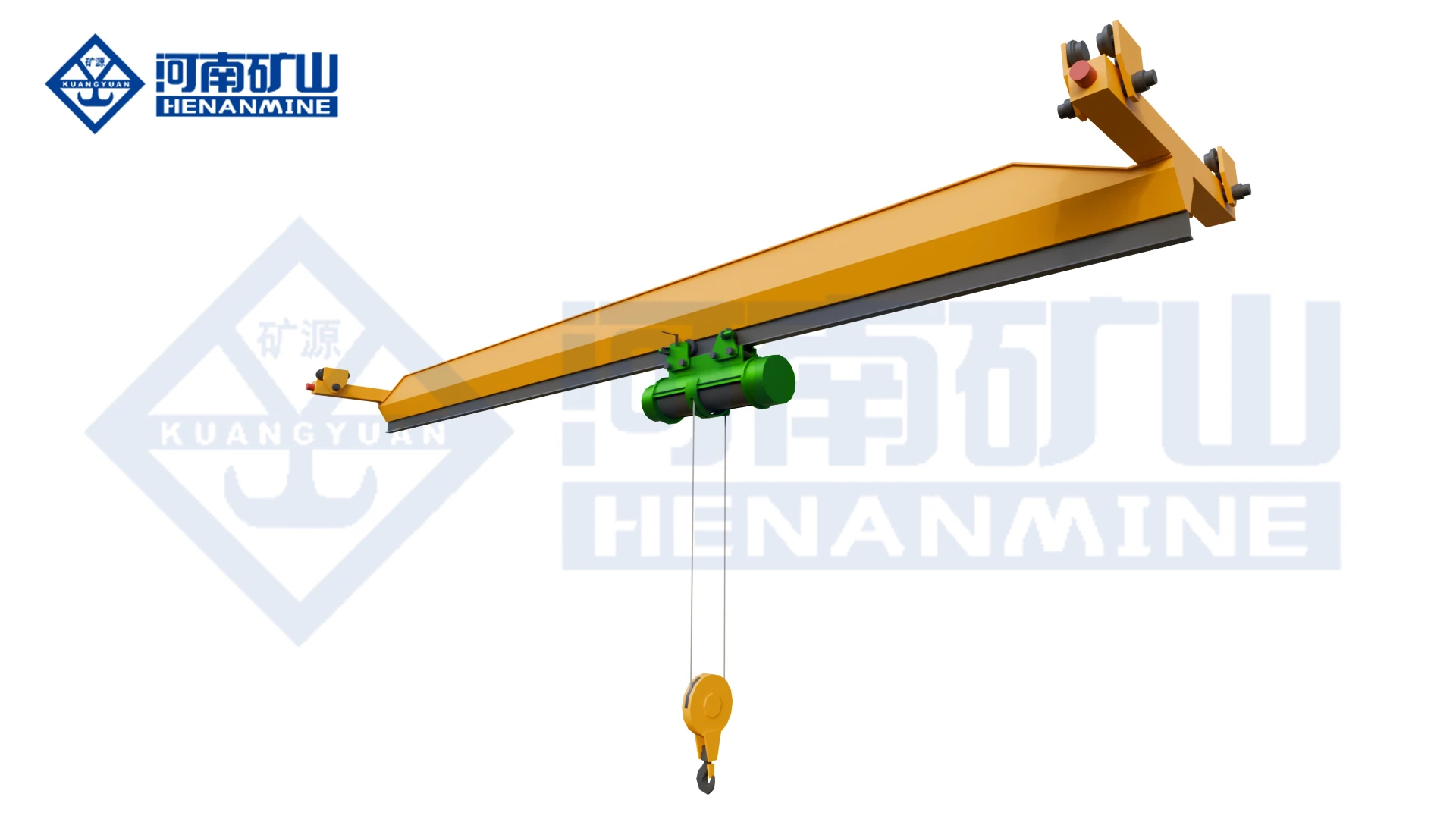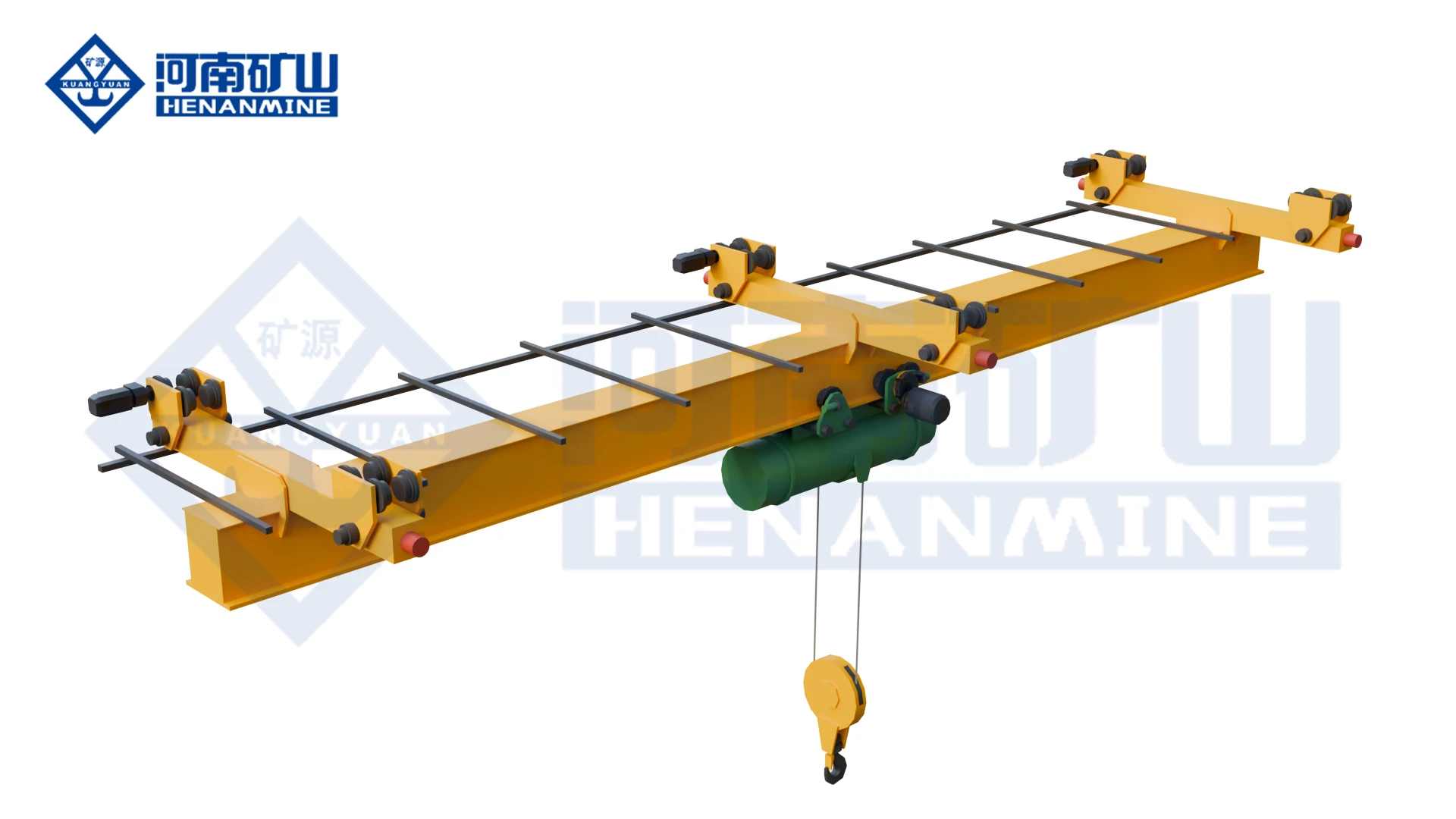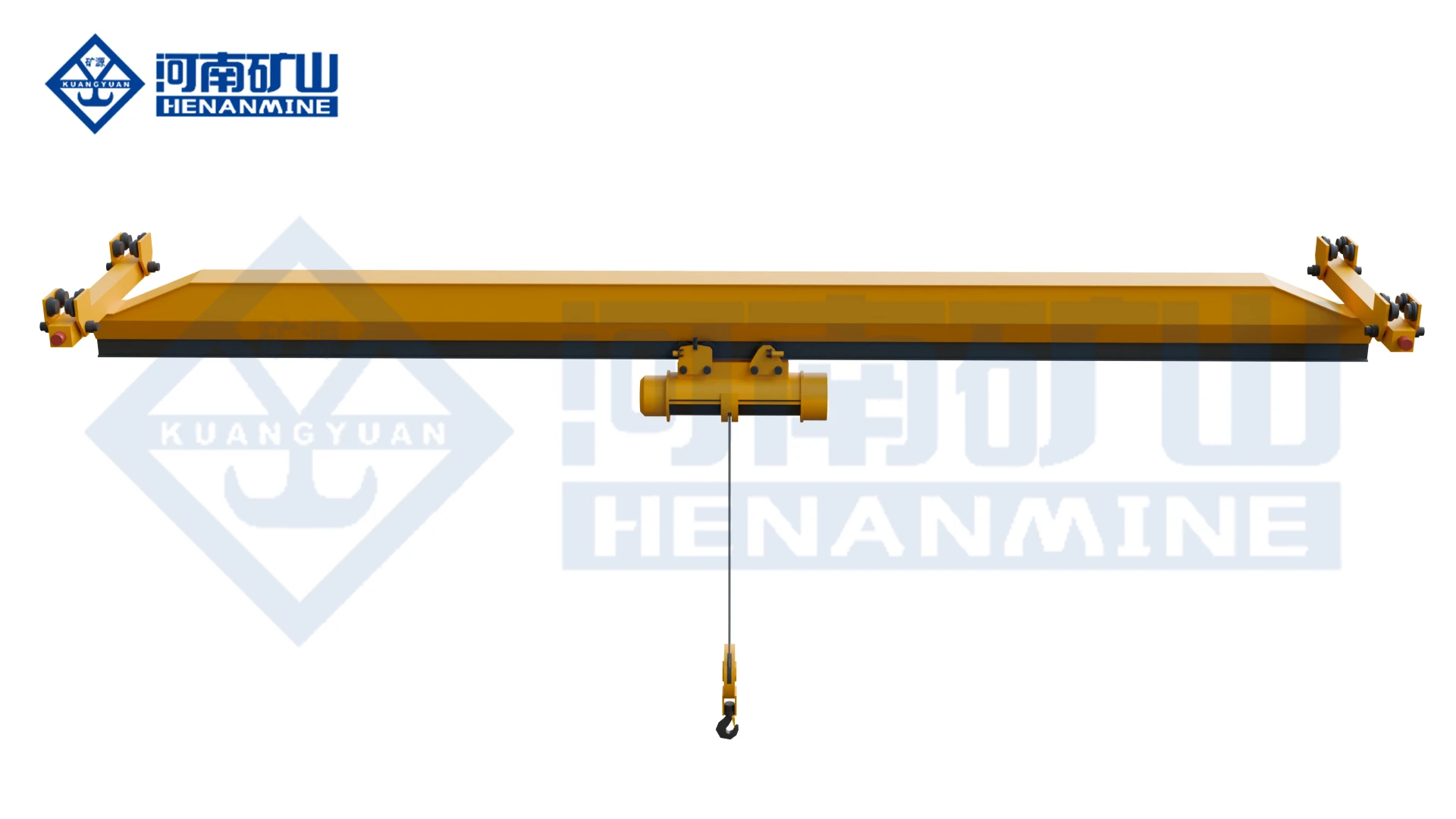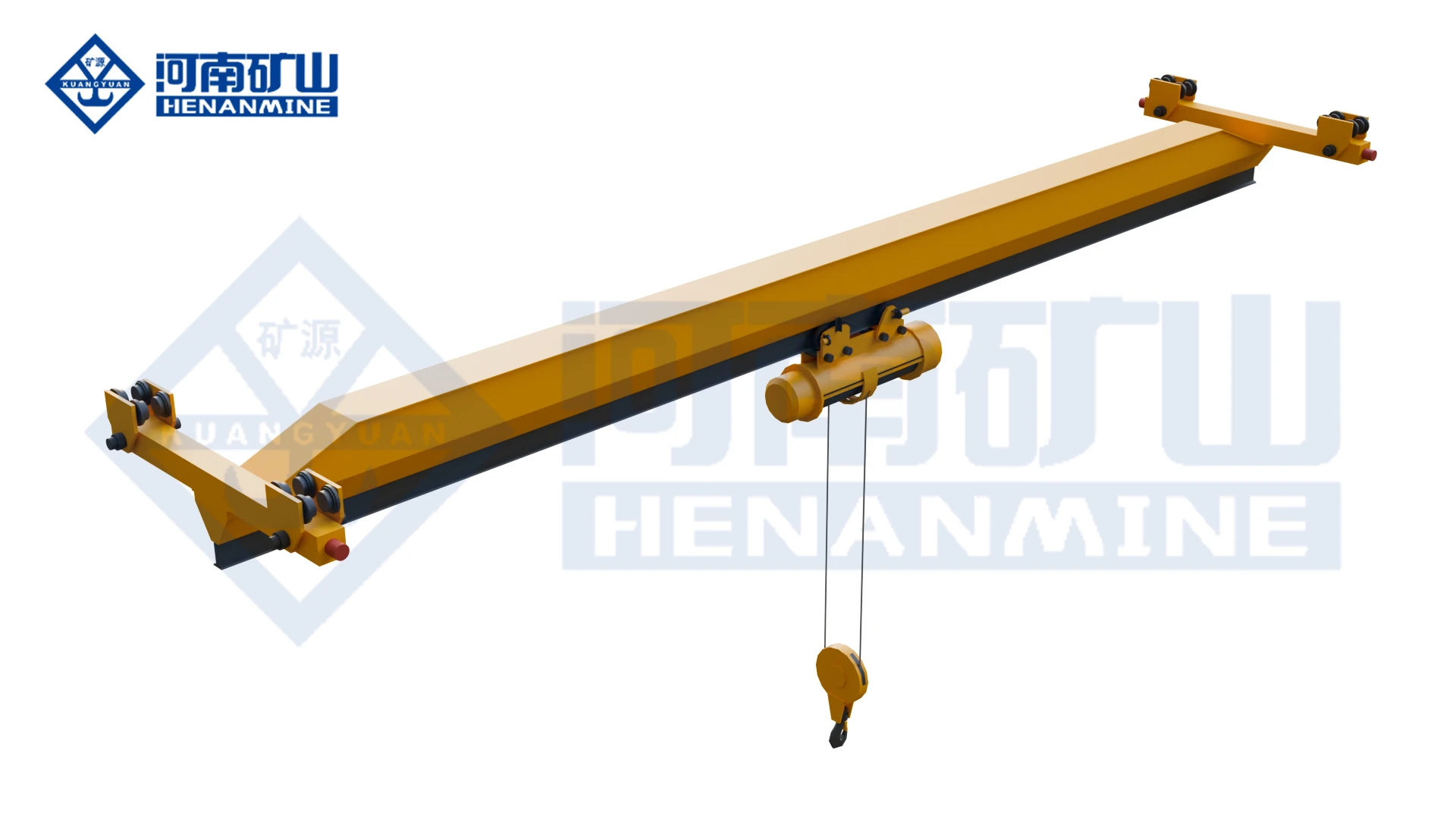
Suspension & Underhung Crane Systems · Henan Mine CraneLow Headroom · Floor-Free Layout · Multi-Point Support · Hazardous Areas
Complete Underhung Crane Range

Suspension & Underhung Overhead Cranes

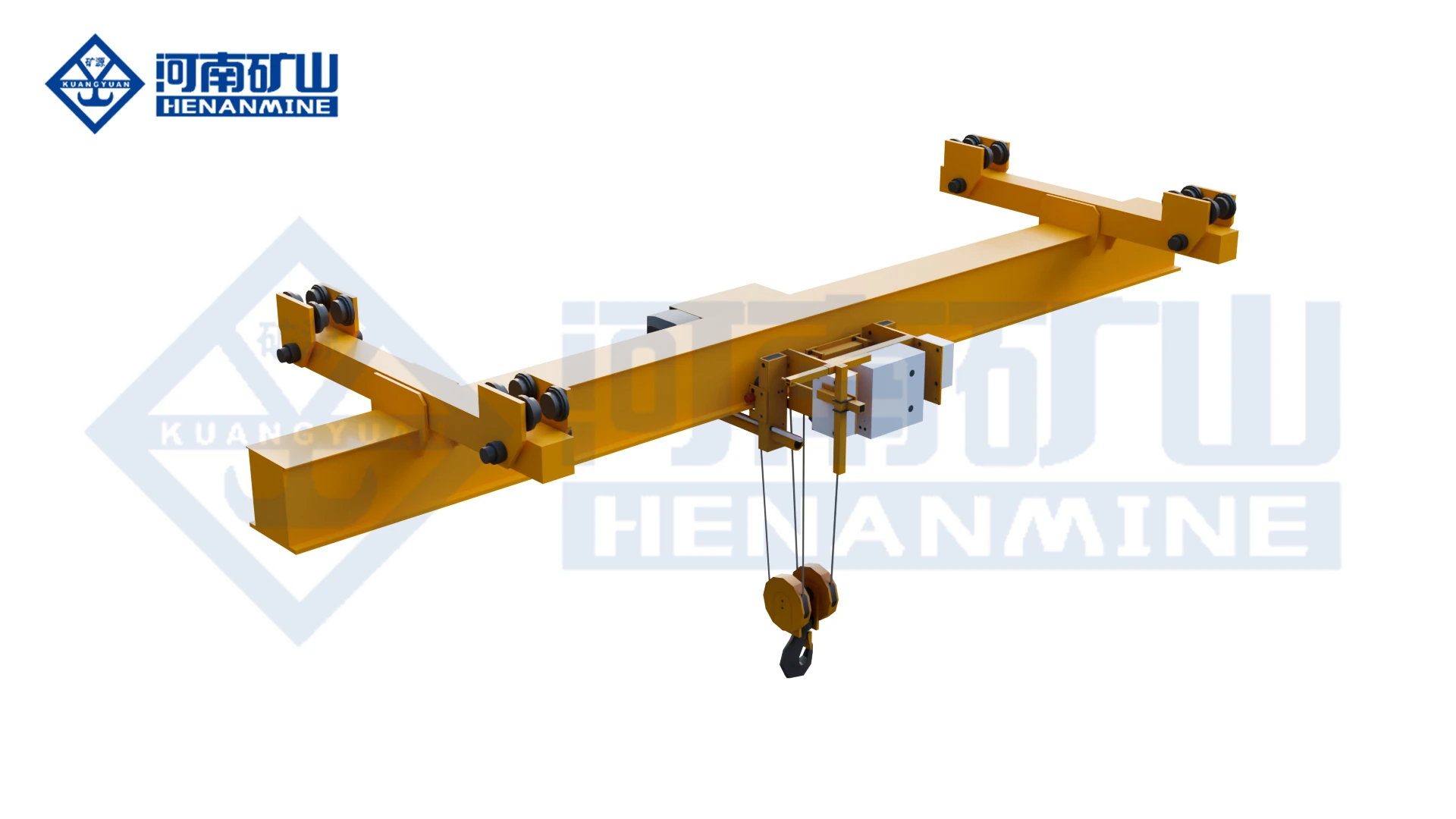
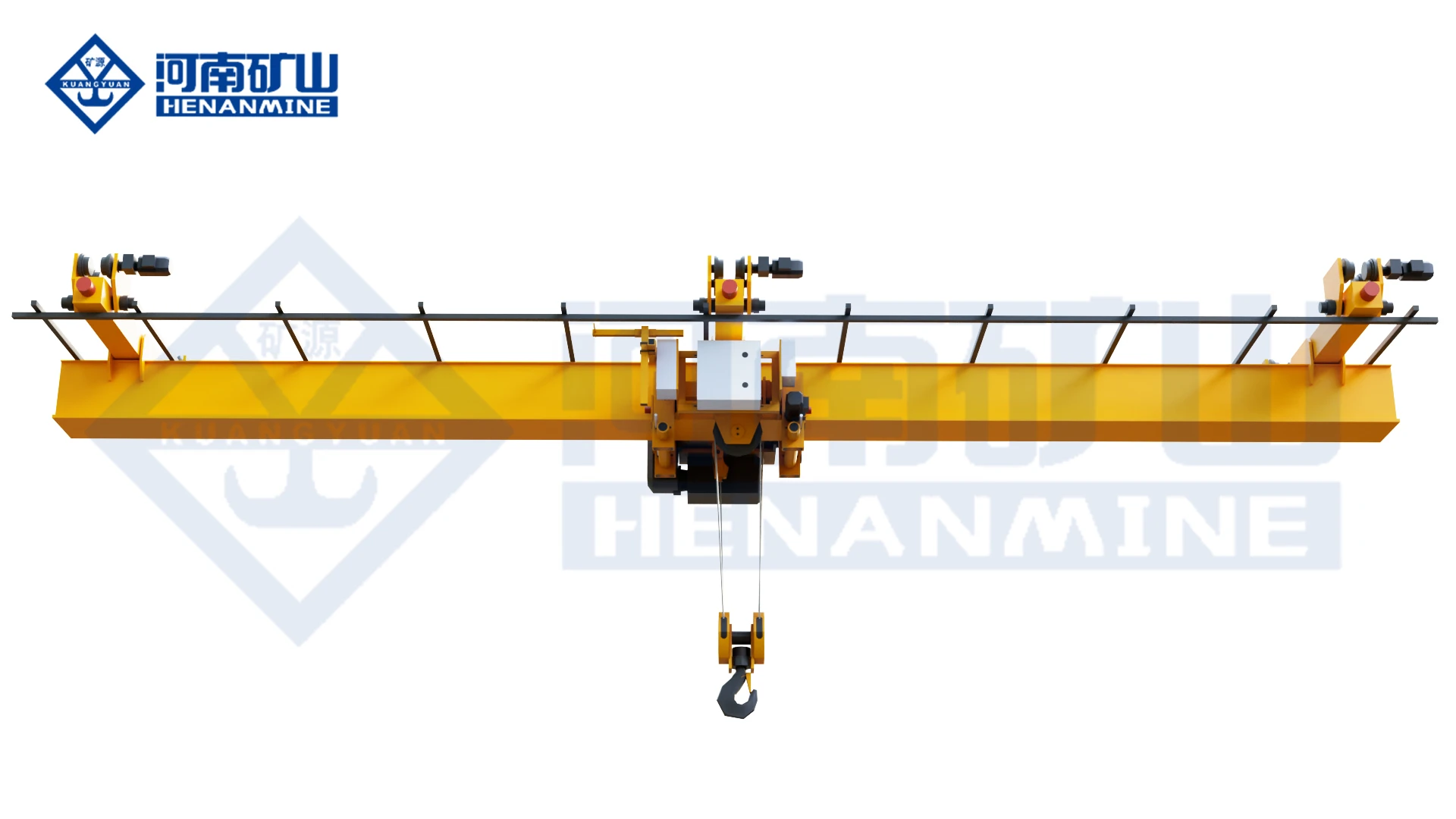
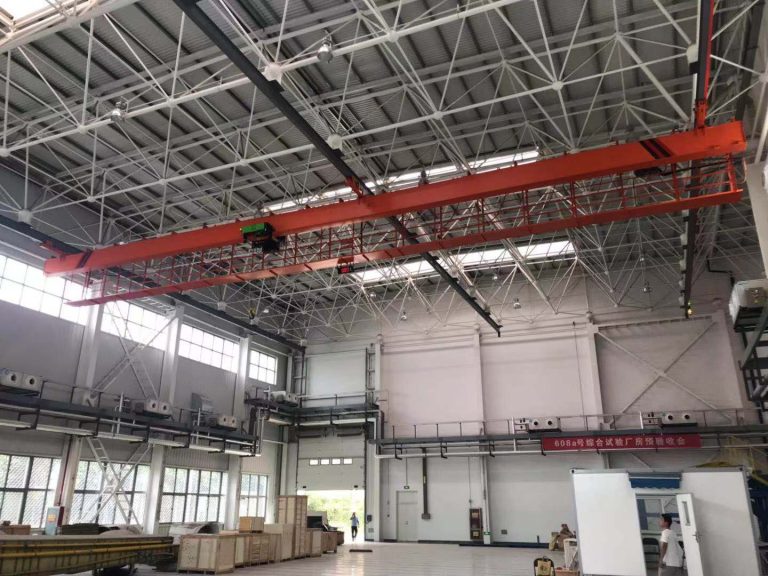
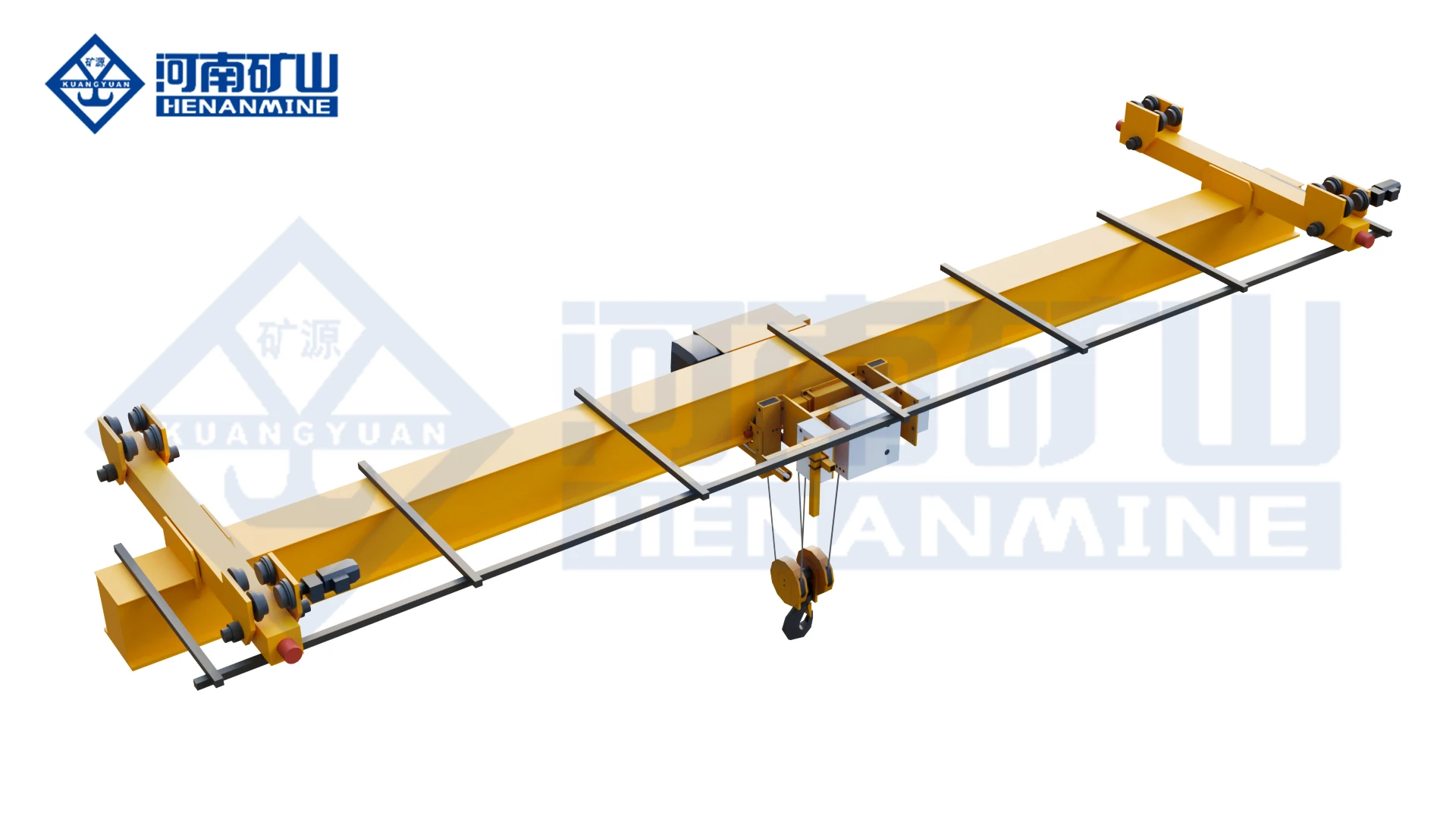
Underhung overhead crane systems for workshops where the runway must be suspended beneath the roof structure rather than supported by floor columns. The range covers conventional LX cranes, modern KSLX systems, multi-point single- and double-girder cranes, explosion-proof and dust-explosion-proof configurations, and manual suspension cranes.

Underhung suspension overhead crane
0.5–40 t+From manual and LX systems to LHDX double-girder underhung cranes
Up to 80 mMulti-support double-girder span capability
Floor-FreeNo dedicated ground runway columns
General / Hazardous / ManualMultiple duty and environment configurations
Product Family Structure

Complete Suspension & Underhung Overhead Crane Range

The correct underhung crane depends on the roof structure, allowable suspension-point loads, span, capacity, available headroom, floor-layout requirements, operating duty and environment. Building structure and crane selection must be evaluated together.

Standard Underhung Cranes

Standard Underhung Cranes

Single-girder underhung cranes for conventional workshops and modern precision handling where the runway is supported from the roof structure rather than ground columns.

LX Electric Single-Girder Suspension Crane
LX

LX Electric Single-Girder Suspension Crane

A conventional electric single-girder underhung crane with the runway suspended from the building structure. It is suited to workshops, warehouses and maintenance areas where floor columns should be avoided and the crane must operate beneath roof beams or suspended runways.

0.5–20 tA3–A53–16 m Guide SpanElectric Hoist
Technical Specifications
Selection Capacity0.5 / 1 / 2 / 3 / 5 / 10 t
Current Configurable Capacity0.5–20 t
Span3–16 m
Lifting Height6 / 9 / 12 / 18 / 24 / 30 m by hoist configuration
Working ClassA3–A5
Hoisting Speed8 m/min or 8/0.8 m/min on most CD/MD hoist configurations; 10 t uses 7 or 7/0.7 m/min
Hoist Travel Speed20 or 30 m/min depending on hoist
Crane Travel Speed20 / 30 m/min
Lifting MechanismCD / MD electric hoist
Power Supply3-phase AC 380 V / 50 Hz
InstallationRunway suspended from roof beam / building structure
Typical UseGeneral workshop, warehouse, equipment maintenance
KSLX New Electric Single-Girder Suspension Crane
KSLX

KSLX New Electric Single-Girder Suspension Crane

A lightweight modular underhung crane using a modern electric hoist, VFD travel and dual-speed lifting. It is developed for workshops requiring smoother motion, better positioning, reduced sway and higher space utilization than a conventional LX system.

Modular5 / 0.83 m/min LiftVFD TravelWireless Remote
Technical Specifications
Type-Test CodeKSLX
Crane TypeNew electric single-girder suspension crane
Lifting MechanismCompact electric hoist
Hoisting Speed5 m/min normal; 0.83 m/min creep
Crane TravelStepless VFD speed control
ControlWireless remote / ground control
StructureEuropean lightweight and modular design
PositioningLow-speed positioning with reduced load sway
MaintenanceModular components for easier service
Typical ApplicationMachinery manufacturing, power industry, modern assembly workshops
Multi-Point Underhung Cranes

Multi-Point Underhung Cranes

Distributed-support systems for very wide or extra-long-span buildings where one or two suspended girders must share loads across multiple roof support points.

LXD Multi-Point Electric Single-Girder Suspended Crane
LXD

LXD Multi-Point Electric Single-Girder Suspended Crane

A multi-point, multi-track single-girder suspended crane for very wide or long industrial buildings. Multiple suspension points distribute roof loads more evenly and allow the crane to cover large areas without ground runway columns.

Multi-PointSingle GirderLarge CoverageRoof-Suspended
Technical Specifications
Crane TypeMulti-point electric single-girder suspended crane
SupportMultiple roof suspension points / multi-track system
Load DistributionDistributed across multiple suspension points
DriveThree-in-one travel drive system
SynchronizationCoordinated travel across suspension points
Floor OccupancyNo ground runway columns
ExpansionModular runway / crane layout can be extended or retrofitted
Typical ApplicationAircraft manufacturing, maintenance hangars, large warehouses, wide-span industrial plants
LHDX Multi-Support Double-Girder Underhung Crane
LHDX

LHDX Multi-Support Double-Girder Underhung Crane

A double-girder ceiling-suspended crane for extra-long-span industrial buildings and aircraft facilities. The multi-support structure spreads crane reactions over several roof supports while maintaining high bridge rigidity for large-component handling and precision assembly.

3–40 t10–80 mA3–A5Double Girder Underhung
Technical Specifications
Rated Capacity3–40 t
Span10–80 m
Lifting Height6–30 m
Working ClassA3–A5
Hoisting Speed0.5–16 m/min
Trolley Travel Speed2–20 m/min
Crane Travel Speed5–60 m/min
Suspension TypeMulti-support / multi-rail ceiling suspended
StructureDouble-girder underhung
Protection LevelIP54
Power Supply220–690 V / 50–60 Hz
Typical ApplicationAircraft manufacturing, hangars, large-span assembly and maintenance
Hazardous-Area Underhung Cranes

Hazardous-Area Underhung Cranes

Suspended crane systems for gas, vapor and combustible-dust environments where floor clearance and hazardous-area protection are required together.

LXB Explosion-Proof Single-Girder Suspension Crane
LXB

LXB Explosion-Proof Single-Girder Suspension Crane

An explosion-proof underhung crane for chemical, oil and gas, pharmaceutical and other hazardous workshops. The runway and bridge are suspended beneath the building structure while the electric hoist and electrical system are selected for the specified explosive gas or vapor environment.

1–10 tA3–A5Gas / VaporExplosion-Proof
Technical Specifications
Capacity1–10 t or customized
Span7.5–28.5 m or customized
Lifting Height6–20 m or customized
Working ClassA3–A5
Lifting Speed2–10 m/min
Power Supply3-phase AC 380 V / 50 Hz
Lifting MechanismExplosion-proof electric hoist
InstallationRoof / beam suspended runway
Typical ApplicationChemical, oil & gas, pharmaceutical and hazardous-process workshops
LXB Dust-Explosion-Proof Suspension Crane
LXB Dust-Proof

LXB Dust-Explosion-Proof Suspension Crane

A suspended crane for combustible-dust environments such as flour milling, metal grinding and plastics processing. The crane retains the floor-space advantages of an underhung layout while using a dust-explosion-proof hoist and suitable electrical protection.

Combustible DustUnderhungElectric HoistFlexible Layout
Technical Specifications
Crane TypeDust-explosion-proof electric suspension crane
Lifting MechanismDust-explosion-proof electric hoist
Hazard TypeCombustible / explosive dust
InstallationCeiling / roof supported
Floor OccupancyNo dedicated ground columns
Typical ApplicationFlour milling, metal grinding, plastics processing, dust-producing workshops
BLXD Explosion-Proof Multi-Point Suspended Crane
BLXD

BLXD Explosion-Proof Multi-Point Suspended Crane

A multi-point explosion-proof suspended crane for long-span hazardous workshops. It combines roof-suspended distributed support with explosion-proof lifting and electrical systems, allowing large floor areas to remain clear while hazardous-area requirements are maintained.

Multi-PointExplosion-ProofLong SpanRoof-Suspended
Technical Specifications
Crane TypeExplosion-proof multi-point electric single-girder suspended crane
SupportMulti-point / multi-track roof suspension
Lifting MechanismExplosion-proof electric hoist
CoverageEngineered for long-span and large-area workshops
Floor Occupancy100% floor-free crane/runway layout
ExpansionModular hoist and runway retrofit capability
Typical ApplicationLong-span hazardous workshops, specialized warehouses, large maintenance facilities
Manual Underhung Cranes

Manual Underhung Cranes

Simple manual suspended cranes for low-frequency lifting, maintenance and facilities where powered operation is unnecessary.

SDXQ-3 Manual Single-Girder Suspension Crane
SDXQ-3

SDXQ-3 Manual Single-Girder Suspension Crane

A manually operated suspended single-girder crane for small loads, low operating frequency and facilities where electric power is unavailable or unnecessary. Manual travel and hand-chain hoisting provide a simple lifting solution for maintenance, workshops and utility spaces.

0.5–3 tManual Travel2.5–12 m LiftLow-Frequency Duty
Technical Specifications
Rated Capacity0.5 / 1 / 2 / 3 t
Span Range3–12 m depending on capacity
0.5–1 t Lifting Height2.5–12 m
2–3 t Lifting Height3–12 m
Track Type120a–130c for 0.5–1 t; 124a–136c for 2–3 t
Matched Manual TrolleySDX-3.WA1/2 / SDX-3.WA1 / SDX-3.WA2 / DX-3.WA3
Matched Manual HoistHS1/2 / HS1 / HS2 / HS3
Power SupplyNot required for basic manual operation
Typical ApplicationLow-frequency maintenance, utility rooms, small workshops, areas without electrical power
Side-by-Side Selection

Underhung Crane Model Comparison

Compare load range, span, duty and suspension arrangement before finalizing roof reactions, suspension spacing, headroom, runway design and control system.

Model / ConfigurationCapacitySpanWorking ClassSuspension / InstallationPrimary Use
LX
LX Electric Single-Girder Suspension Crane
0.5–20 tProject-specificA3–A5Runway suspended from roof beam / building structureElectric Hoist
KSLX
KSLX New Electric Single-Girder Suspension Crane
Project-specificProject-specificManual / project-specificUnderhung / suspendedWireless Remote
LXD
LXD Multi-Point Electric Single-Girder Suspended Crane
Project-specificProject-specificManual / project-specificMultiple roof suspension points / multi-track systemRoof-Suspended
LHDX
LHDX Multi-Support Double-Girder Underhung Crane
3–40 t10–80 mA3–A5Underhung / suspendedDouble Girder Underhung
LXB
LXB Explosion-Proof Single-Girder Suspension Crane
1–10 t or customized7.5–28.5 m or customizedA3–A5Roof / beam suspended runwayExplosion-Proof
LXB Dust-Proof
LXB Dust-Explosion-Proof Suspension Crane
Project-specificProject-specificManual / project-specificCeiling / roof supportedFlexible Layout
BLXD
BLXD Explosion-Proof Multi-Point Suspended Crane
Project-specificProject-specificManual / project-specificMulti-point / multi-track roof suspensionRoof-Suspended
SDXQ-3
SDXQ-3 Manual Single-Girder Suspension Crane
0.5 / 1 / 2 / 3 t3–12 m depending on capacityManual / project-specificUnderhung / suspendedLow-Frequency Duty
Selection by Building Condition

Choose the Underhung Crane by Workshop Structure

Low-Ceiling Workshop

LX or KSLX is suitable where the crane must run beneath the roof and vertical space is limited. KSLX is preferred when smoother VFD motion and creep-speed positioning are required.

No Ground Columns Allowed

Suspended runways keep the production floor clear for machinery, logistics routes and personnel movement.

Very Wide / Long Building

LXD and LHDX distribute crane loads across multiple roof support points, allowing larger coverage than a conventional two-runway underhung crane.

Aircraft / Aerospace Facility

LHDX double-girder multi-support systems provide high rigidity, extra-long span and floor-free access for large-component assembly and maintenance.

Hazardous Workshop

LXB and BLXD combine suspended installation with explosion-proof hoisting and electrical protection for gas, vapor or combustible-dust environments.

Low-Frequency Manual Lifting

SDXQ-3 is suited to small loads, utility rooms and low-duty maintenance where a manual trolley and hand-chain hoist are sufficient.

Building Interface

Structural Data Required Before Underhung Crane Selection

Building InputWhat Must Be ConfirmedWhy It Matters
Roof / Runway Beam StructureBeam type, section, material, spacing and available connection pointsDetermines whether the building can safely carry crane vertical, lateral and dynamic reactions.
Suspension-Point SpacingDistance between roof support points along the runwayControls load distribution, beam deflection and whether multi-point support is required.
Allowable Roof ReactionMaximum vertical and horizontal force permitted at each supportCritical for old workshops, lightweight buildings and long-span roof systems.
Clear HeightFloor-to-roof height and available space below structural beamsDetermines crane depth, hoist arrangement and achievable hook height.
Runway GeometrySpan, runway length, straightness and possible layout changesDefines bridge geometry and whether straight, multi-track or expandable layouts are feasible.
Floor LayoutProduction lines, racks, traffic routes and restricted areasOne of the main reasons to select an underhung system is to keep floor space clear.
Underhung Engineering

Critical Design and Safety Functions

Suspension-Point Load Distribution

Roof reactions should be calculated at every suspension point, including rated load, crane self-weight, dynamic effects and travel forces.

Runway & End-Stop Protection

Suspended runways require suitable end stops, wheel guidance and anti-derailment protection to keep the bridge safely engaged with the track.

Low-Headroom Hoist Layout

Compact hoist geometry increases usable hook height in workshops where roof clearance is limited.

Multi-Point Synchronization

Long-span LXD/LHDX systems require coordinated travel drives so distributed support points move without binding or excessive skew.

VFD & Precision Positioning

KSLX and modern multi-support systems can use frequency control for smoother travel, lower sway and more accurate final placement.

Roof Inspection & Installation Planning

Existing buildings should be structurally checked before installation, especially when the original roof was not designed for suspended crane loads.

Top-Running vs Underhung

When an Underhung Crane Is the Better Layout

Selection FactorUnderhung / Suspension CraneTop-Running Overhead Crane
Floor SpaceNo dedicated floor runway columns are requiredUsually relies on building columns or runway-support structures
Building HeightUseful where crane must run beneath roof structureOften provides greater heavy-duty capacity but requires suitable runway elevation
Capacity / SpanStandard LX is light-to-medium duty; multi-support LHDX extends capacity and spanPreferred for conventional high-capacity and heavy-duty applications
Installation FlexibilityCan use suspended tracks and multi-point layouts to avoid ground obstaclesBest where dedicated runway beams and columns are already available
Building CheckRoof and suspension-point reactions are criticalRunway beams, columns and foundations are critical
Engineering RFQ

Request an Underhung Overhead Crane Proposal

Provide rated load, span, lifting height, runway length, building clear height and roof/runway beam information. For multi-point systems, include suspension-point spacing and allowable roof reactions. Hazardous-area projects should also provide gas or dust classification.