
Include lifting accessories
Rate the selected unit for the workpiece plus slings, beams and below-the-hook tools. Give the maximum and typical loads.
Lift a load and carry it along one beam with a matched electric trolley. HH and HHBB are available catalogue labels for this arrangement. Select the rated load, lift height, operating speed and beam fit together so the quoted hoist reaches every pickup and set-down point.
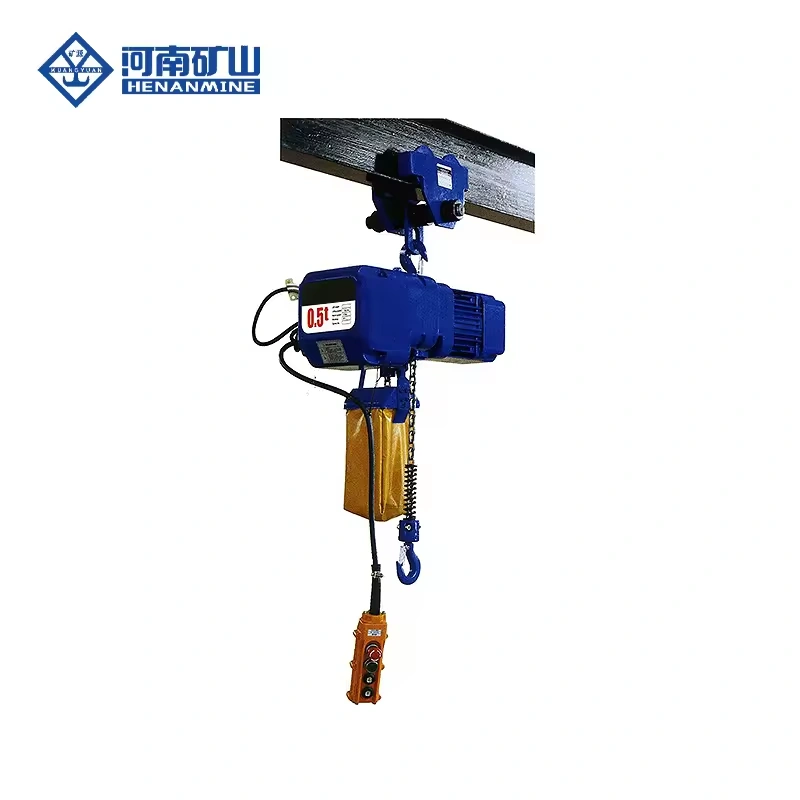
Send the load, required hook positions, support details and working cycle. We will identify the selected equipment and exact dimensions in the technical offer.
Hoist, matched electric trolley, controls and chain length are itemised for the selected job.
Request applicable test, electrical and operating documents in the written offer.
The quotation states dispatch, transport boundary, warranty and support scope.
HH and HHBB provide load and height choices for beam travel. Specify the actual lifting route, then compare complete selected-unit datasheets showing rated load, height, chain falls, speeds, power and dimensions together.
Swipe to compare the selected hoist specification →
| Parameter | Available selection | Procurement check |
|---|---|---|
| Hoist and trolley | Electric chain hoist with motorised beam travel | Confirm the selected catalogue label and exact unit |
| HH selection range | 1–20 t rated-load range; 3–30 m lift-height range | Confirm the chosen load and height as one unit |
| HHBB selection options | 0.5 / 1 / 2 / 3 / 5 / 10 / 16 / 20 t load choices | Match to 6 / 9 / 12 / 18 / 24 / 30 m height choices by selected datasheet |
| Lifting speed | Single, dual or variable speed by selected unit | Obtain the numerical speed for the chosen load and motor |
| Trolley speed | Selected for the operating route | Request the numerical travel speed, drive and stopping details |
| Beam interface | Trolley wheels matched to a suitable beam | Provide beam section, flange width, thickness and support rating |
| Hook coverage | Dimensioned for the selected hoist and trolley | Check headroom, upper/lower hook positions and end approach |
| Power and controls | Matched to the site and chosen unit | Give voltage, phase, frequency, pendant/remote need and power-feed route |
| Working duty | Selected from load spectrum and frequency | Provide lifts per hour and shifts per day for the design check |
Capacity, lift height, speed, duty and electrical supply must be confirmed together on the selected unit's datasheet.
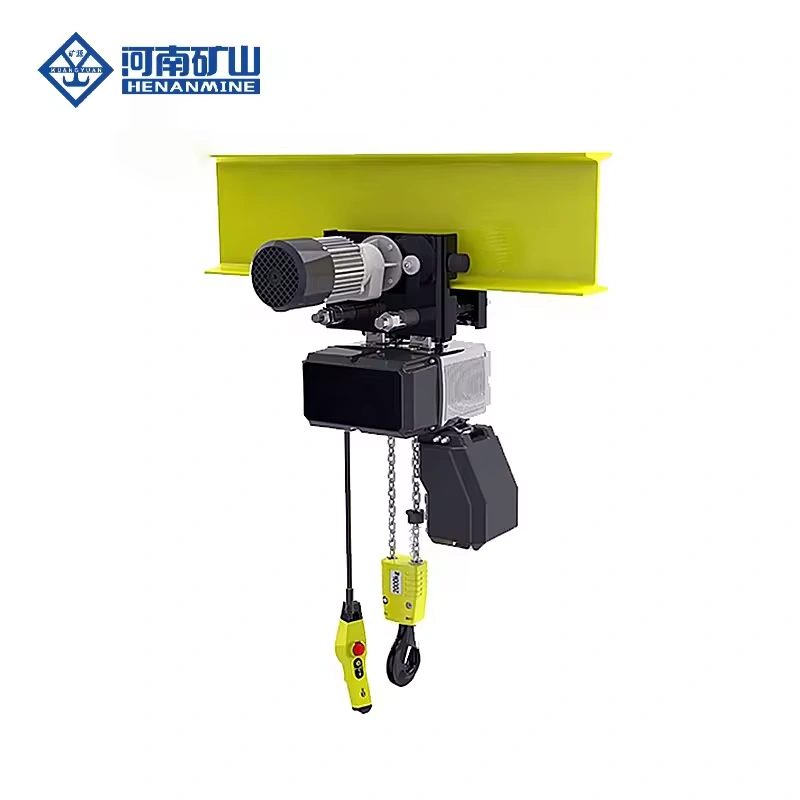
Move parts between defined stations on one beam. Specify pickup and set-down positions, travel distance and the load spectrum.
Carry motors, assemblies or tools above the work area without occupying a floor route. Confirm maintenance access and the highest hook position.
Serve a narrow storage or loading lane where a single beam covers the material path. Check the end approach, chain-bag clearance and operator sightline.
A fixed hook-suspended unit suits a single lifting point. For travel along a beam, select the hoist, trolley and supporting structure together.
Use the site measurements and duty to choose a complete hoist package, not an isolated tonnage label.
An itemised offer makes it easier to evaluate technical fit, landed cost and the work required at your site.
Selected lifting unit, load chain, chain container, hook, electric trolley and agreed controls.
DEFINE:Rated load, usable hook travel, speeds, duty and exact model.
Trolley and beam fit, support rating, power feed and site electrical supply.
DEFINE:What exists on site and what the supply includes.
Inspection documents, packing, freight, installation, commissioning, training and service parts.
DEFINE:Delivery boundary, dates, warranty and each party's responsibilities.
The purchase specification should join the hoist arrangement, support interface, inspection scope and dispatch schedule before production starts.
Agree load, hook positions, support, travel route and operating cycle.
Check the paired datasheet and dimensions before manufacturing.
Identify agreed test records, packing and the delivery boundary.
Confirm installation, commissioning, operator information and support.
State the quantity and configuration at each lifting position so the offer can price complete, model-matched units.
Provide the destination and required standard; confirm which conformity and test records apply to the actual selected unit.
Ask for dated production, inspection and dispatch milestones, plus freight and installation responsibilities.
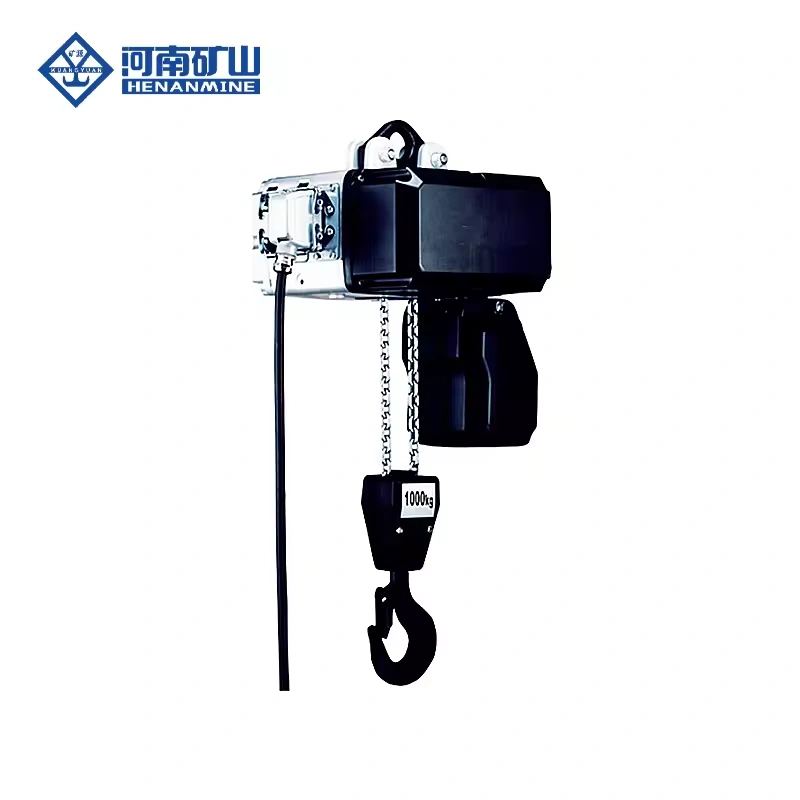
Use one fixed lifting point when trolley movement is unnecessary.
View product ↗Compare a wire-rope lifting arrangement when the required height, duty or hook approach calls for another mechanism.
View product range ↗These answers help compare the exact equipment, dimensions and delivered scope behind a quotation.
Give both options the same load, lift route, beam dimensions and operating cycle. Compare the exact rated unit, hook coverage, lifting and travel speeds, electrical supply and included documents before selecting.
Load and height choices must be paired for the selected unit. Request one technical schedule showing rated load, chain falls, height, motor, lifting speed and trolley speed together.
Send beam section, flange width and thickness, travel length, support elevation, end stops and the power-feed arrangement.
State the positioning need and ask the selected-unit quotation for the available control type and numerical speed values.
Compare line items for hoist, electric trolley, chain length, container, controls, power feed, packing, documents, installation and model-matched spare parts.
State the destination and required standard. The written offer should identify applicable records, production and dispatch dates, transport terms, warranty and service responsibilities for the selected unit.
Send the complete suspended load, I-beam geometry, lift height, travel length and working cycle. We can then pair the selected chain hoist and trolley with an exact specification, drawing and itemised quote.
Send a project enquiry ↗