
Use an existing or planned runway.
Start with overhead cranes when the building structure and handling route support a bridge crane layout.
See overhead cranes ↗Explore overhead cranes, gantry cranes and electric hoists by lifting arrangement. Compare the equipment families first, then review the model details that fit your worksite.
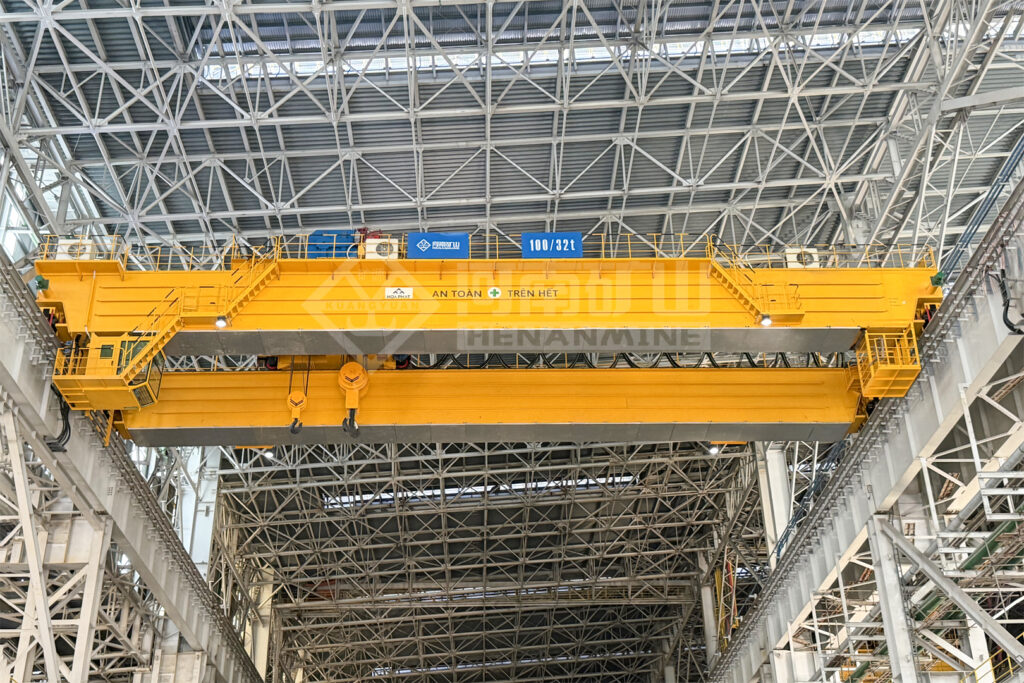 Overhead crane installed in an industrial steel plant
Capacity alone does not determine the crane. The supporting structure, travel route, hook height and operating cycle all shape the configuration.
Start with overhead cranes when the building structure and handling route support a bridge crane layout.
See overhead cranes ↗Compare gantry cranes when rails, tires or yard geometry define the movement path.
See gantry cranes ↗Review wire-rope hoists for a compatible bridge, trolley or beam-mounted system.
See electric hoists ↗Choose the main arrangement, then narrow it by load, span, working environment and required control.
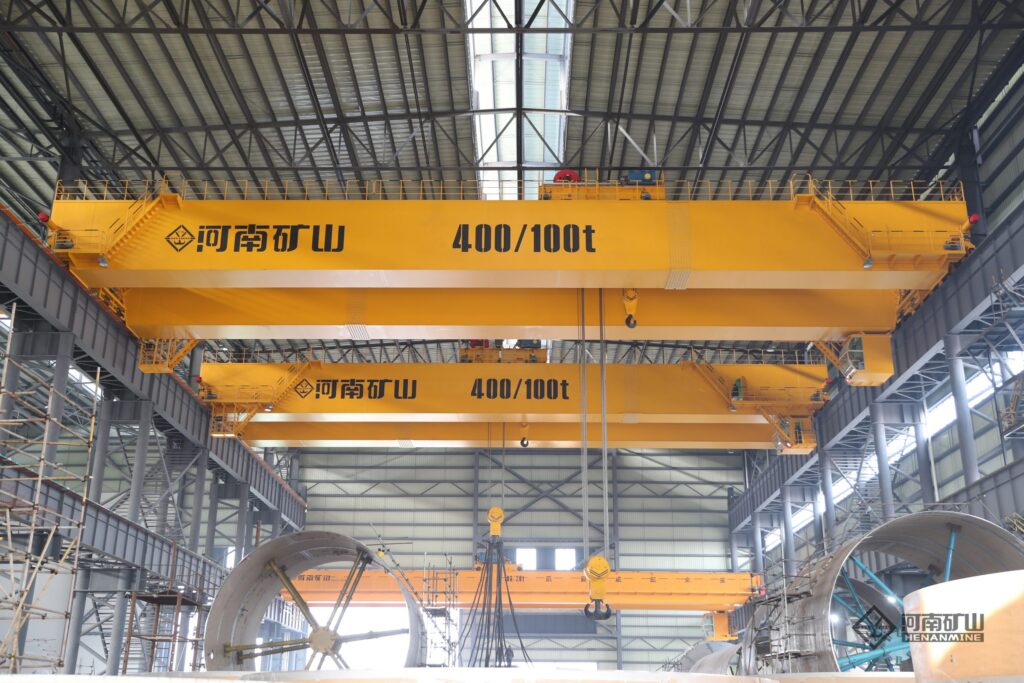
Bridge cranes for production bays, assembly areas and process lines with a suitable runway or roof-supported arrangement.
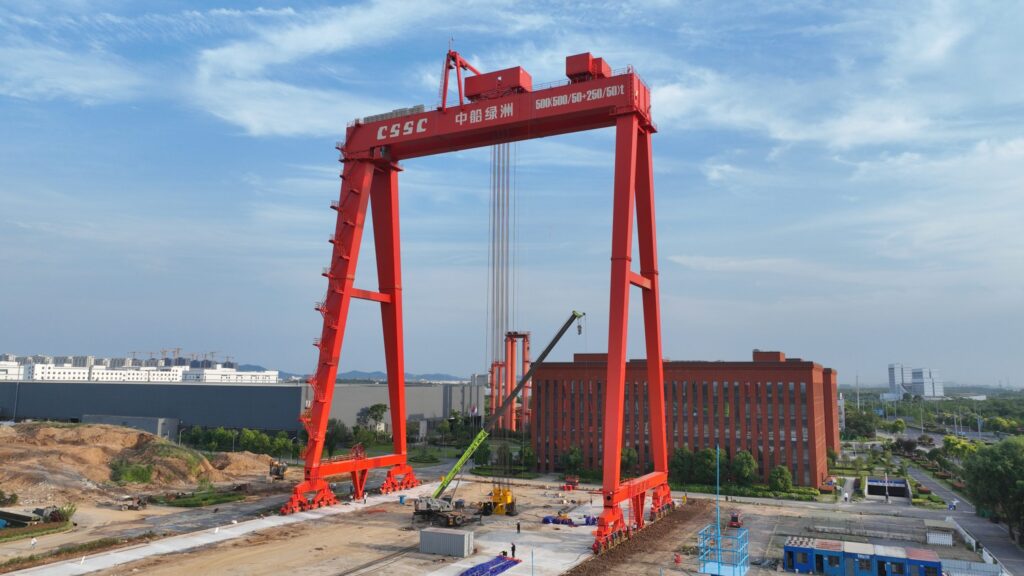
Ground-supported lifting for yards, ports, infrastructure sites and facilities where a full overhead runway is not the chosen layout.
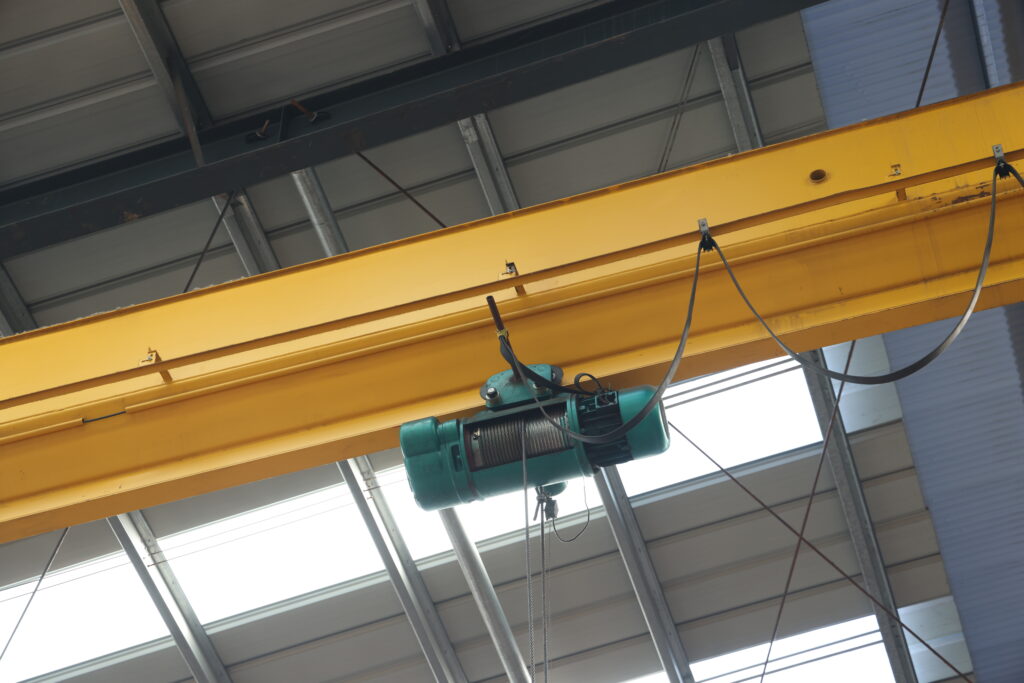
Wire-rope hoist options for a compatible crane, trolley or beam-mounted lifting arrangement.
These links open existing product-category pages with the corresponding models, photos and technical details. Send your drawings for the final project configuration.
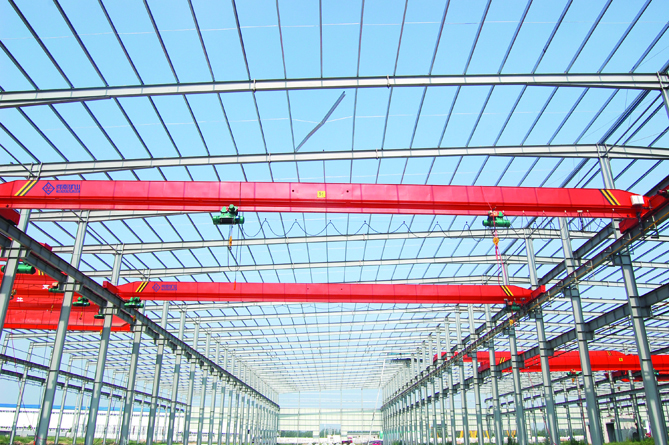
General production and compact bridge layouts.
Confirm: Load, span and headroom.
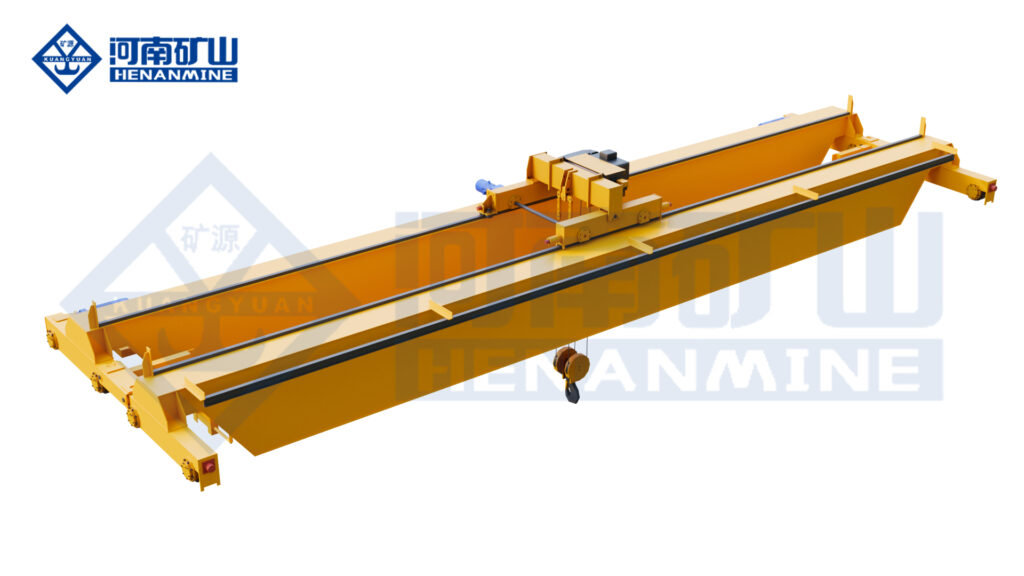
Heavier production and complex lifting arrangements.
Confirm: Load path and duty.
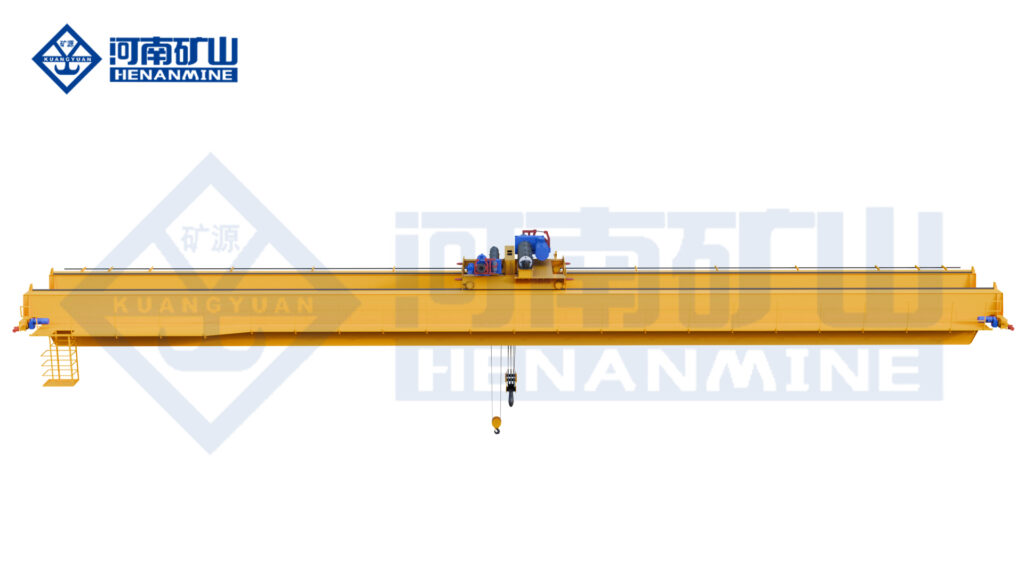
Bridge arrangements using electric hoists.
Confirm: Hook height and hoist type.
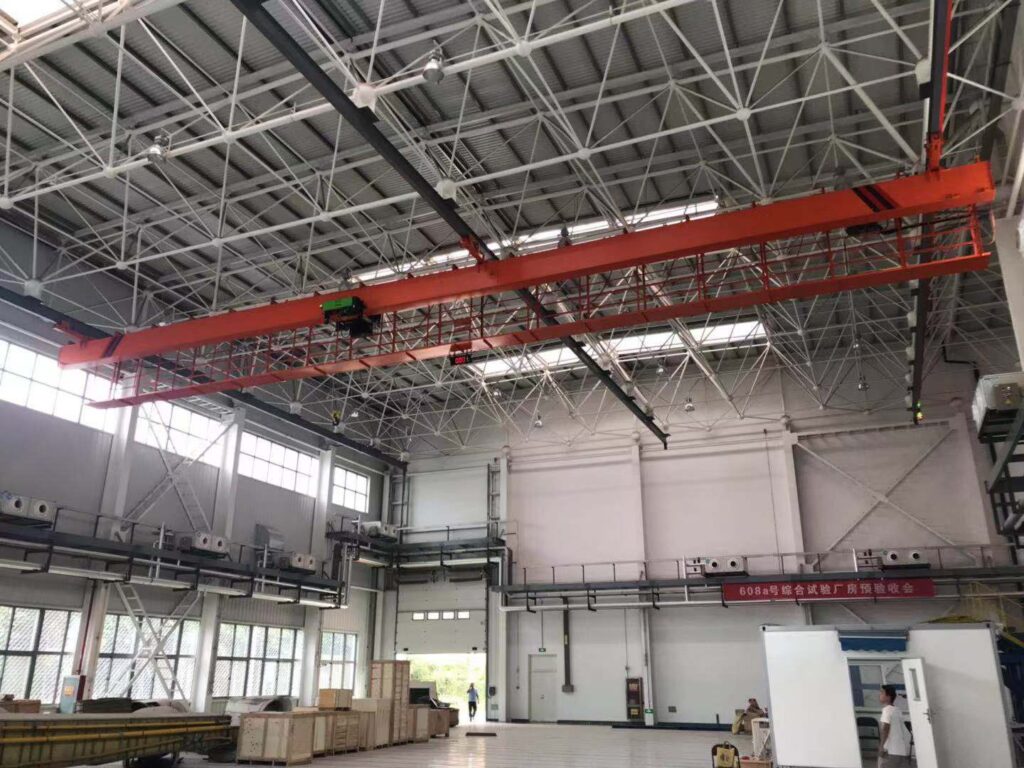
Suspended travel beneath an approved building structure.
Confirm: Roof support and clearances.
Lifting in classified gas or dust areas.
Confirm: Hazard classification.
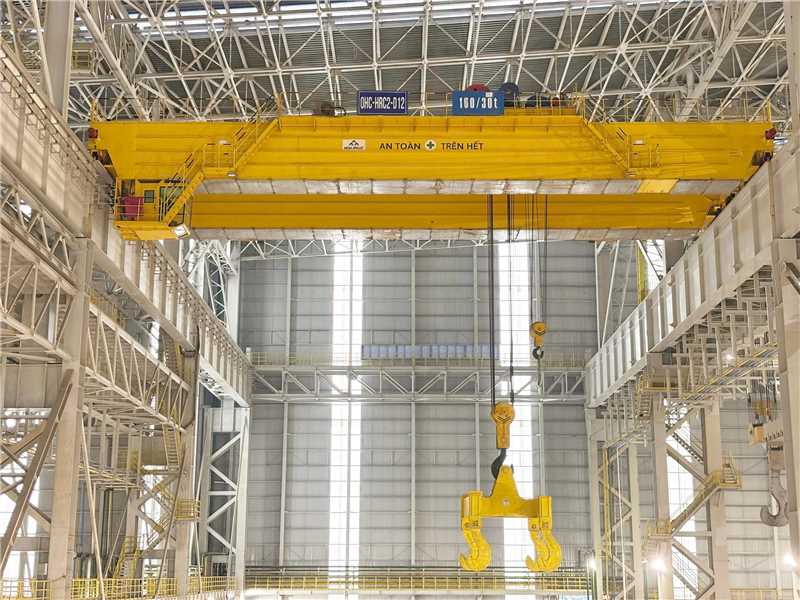
Steelmaking and high-temperature process lifts.
Confirm: Process temperature and duty.
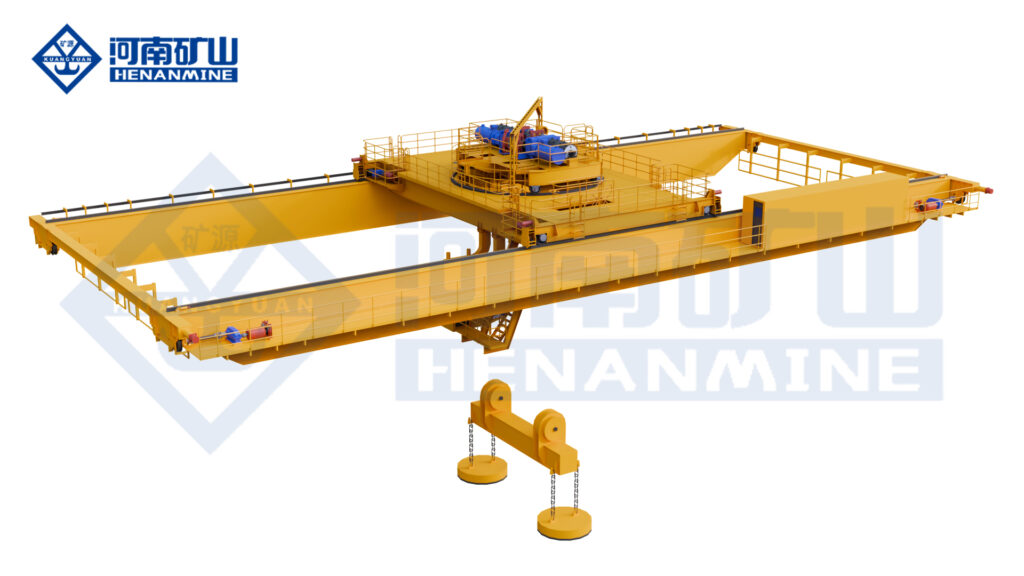
Ferrous material handling with magnetic attachments.
Confirm: Material form and control.
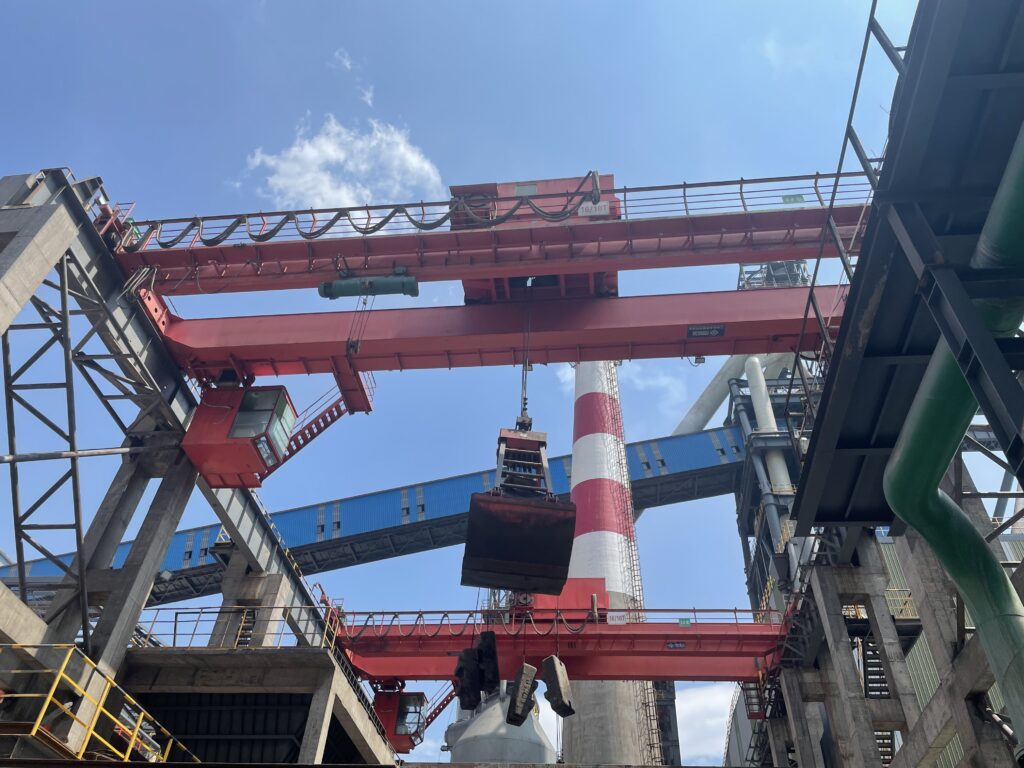
Bulk material handling with grab attachments.
Confirm: Material density and cycle.
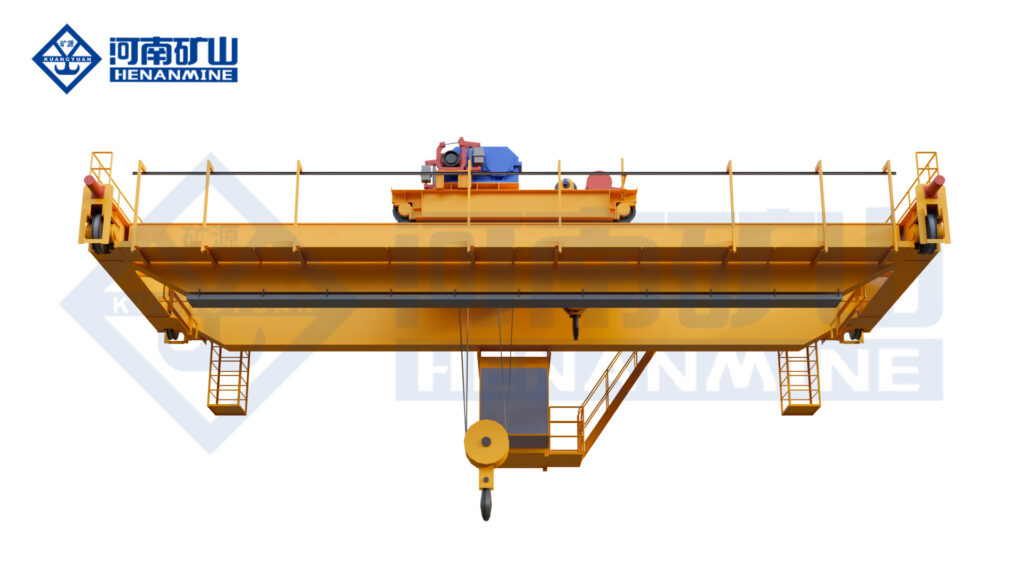
Electrically isolated lifting applications.
Confirm: Isolation requirements.
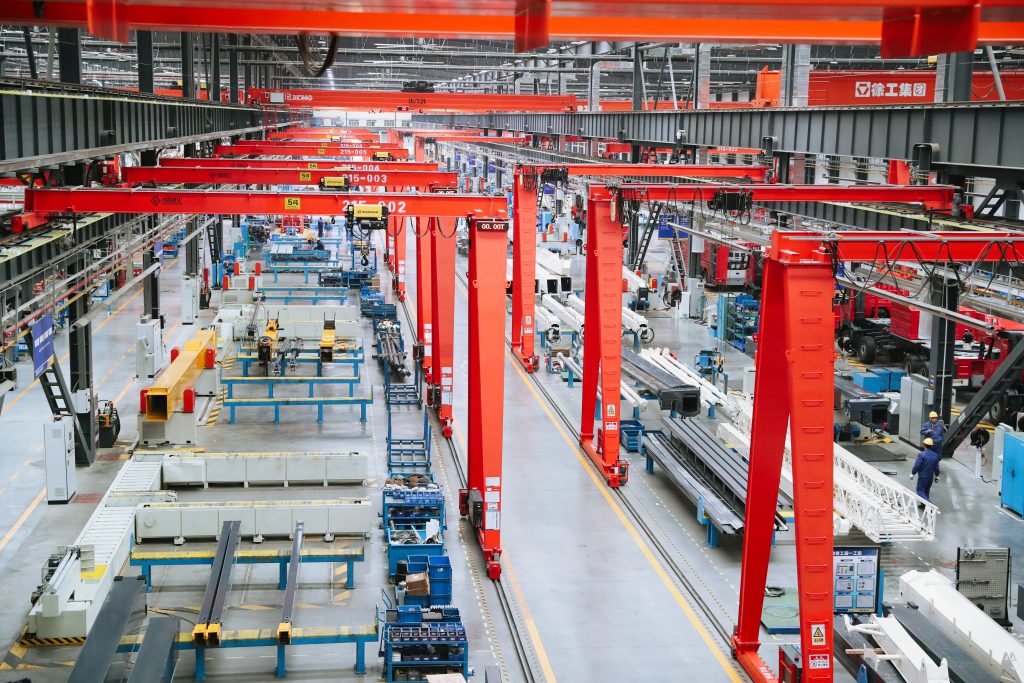
Hoist-based yard and workshop lifting.
Confirm: Rail layout and headroom.
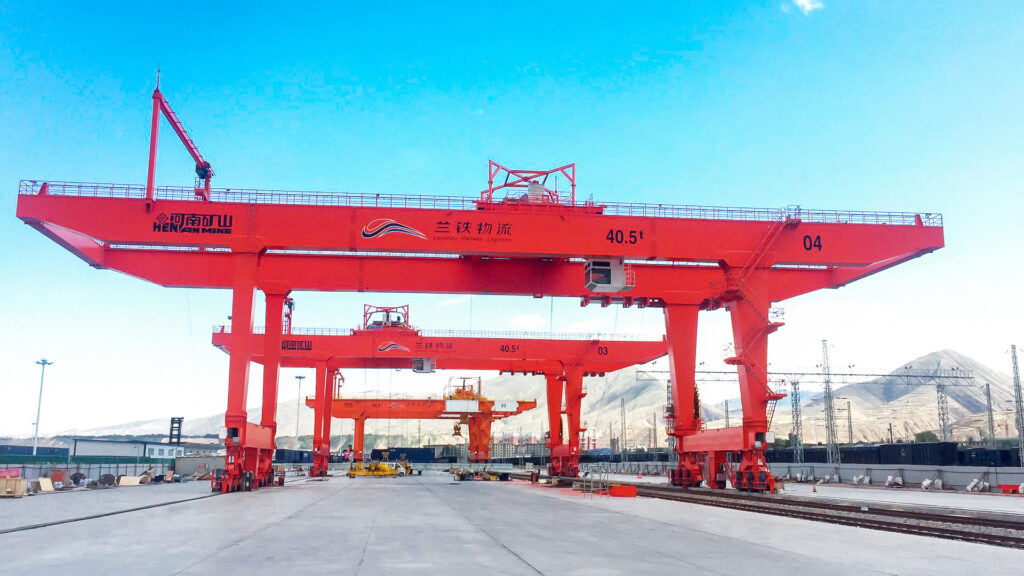
Container-yard stacking and transfer.
Confirm: Rail gauge and stack plan.
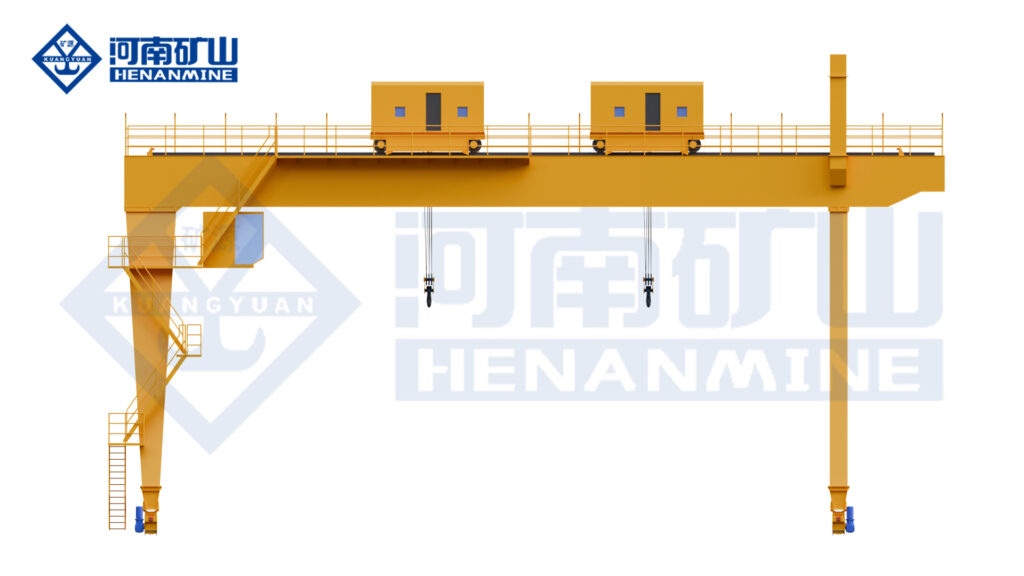
Large ship-section assembly and yard handling.
Confirm: Block size and travel path.
Hoists for compatible cranes and lifting beams.
Confirm: Mounting and hook travel.
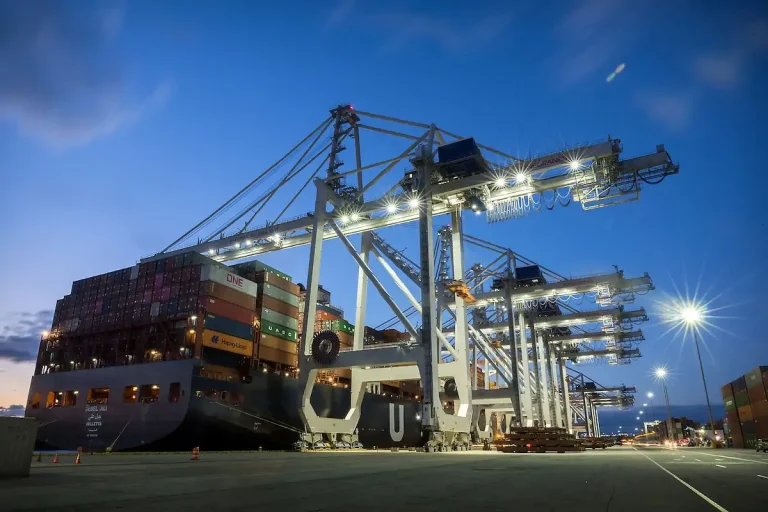
Quayside cranes, fixed and mobile yard systems.
Confirm: Berth and cargo-flow plan.
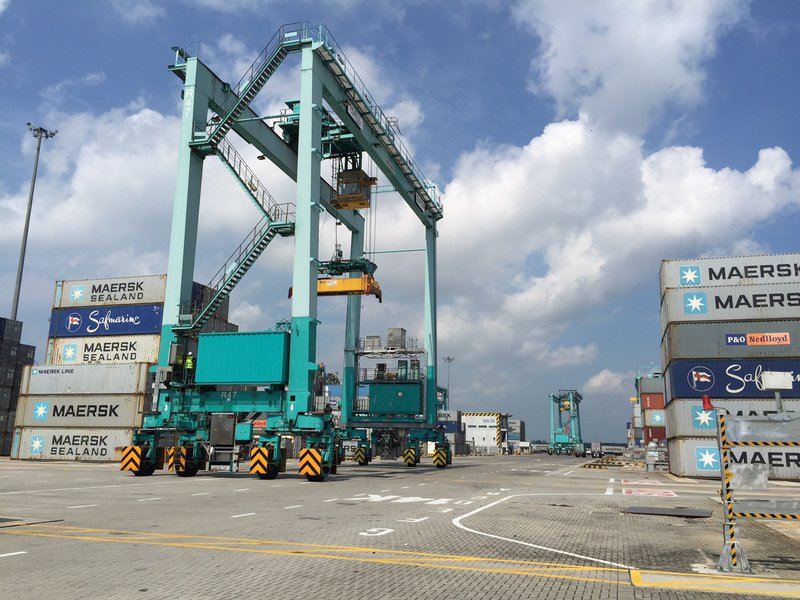
Container RTGs and mobile industrial carriers.
Confirm: Load, route and pavement.
The right choice depends on where the crane is supported and how the load moves through the worksite.
| Equipment | Support and travel | Typical planning question | Send with your enquiry |
|---|---|---|---|
| Overhead crane | Bridge travels on a building-supported or dedicated runway. | Can the building and runway accept the crane loads and required hook approaches? | Building section, runway plan, load and duty. |
| Gantry crane | Crane travels on ground rails or a purpose-designed mobile arrangement. | What yard width, travel length and clear height must the crane cover? | Yard layout, rail/foundation plan, load and lifting method. |
| Electric hoist | Hoist travels on a compatible crane, trolley or beam. | What headroom, hook travel and operating cycle are required? | Mounting drawing, capacity, lift height and work cycle. |
Project examples help you examine the worksite and handling task before you specify a similar crane.
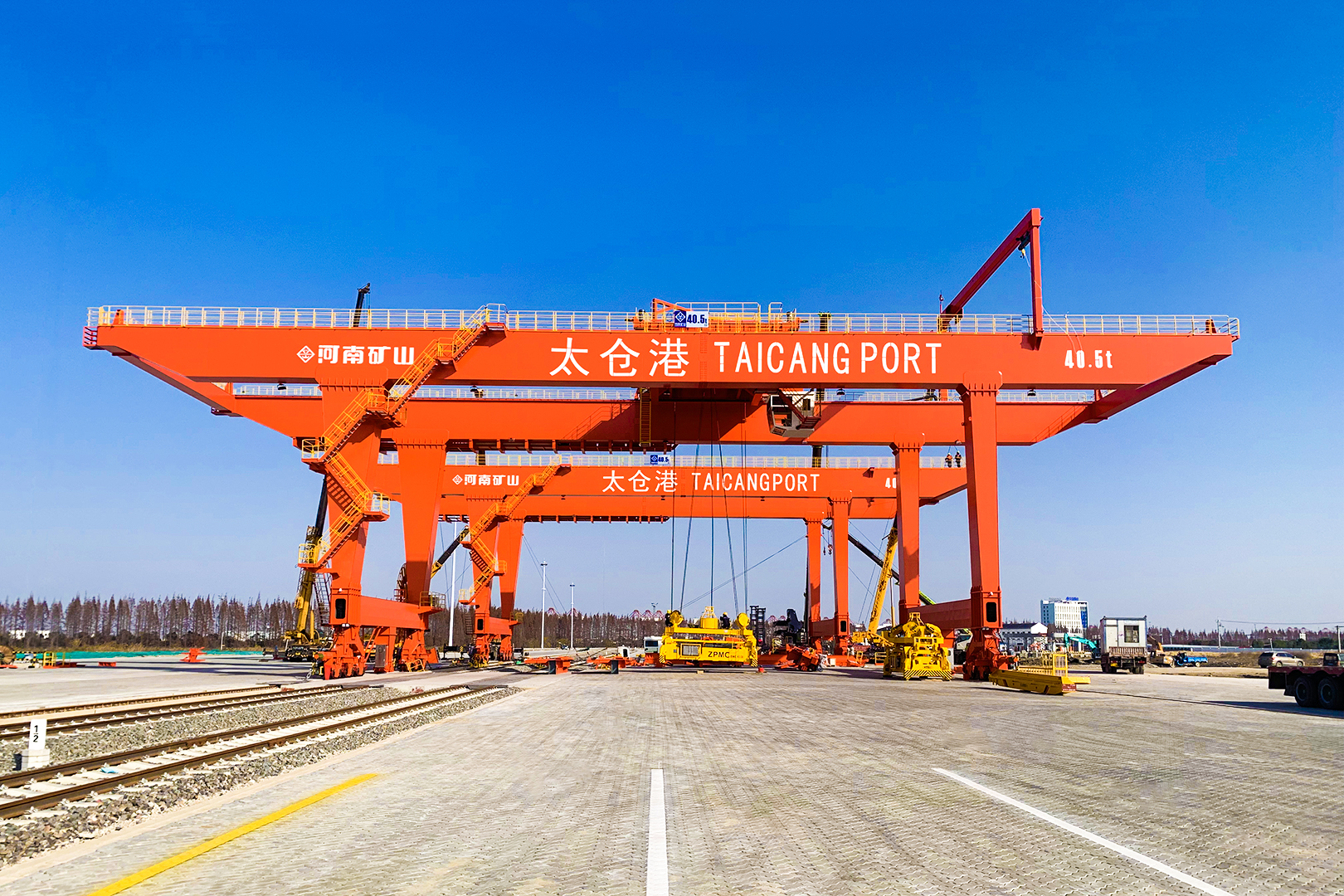
Review a container-yard project and the site information behind a comparable lifting brief.
Read the project ↗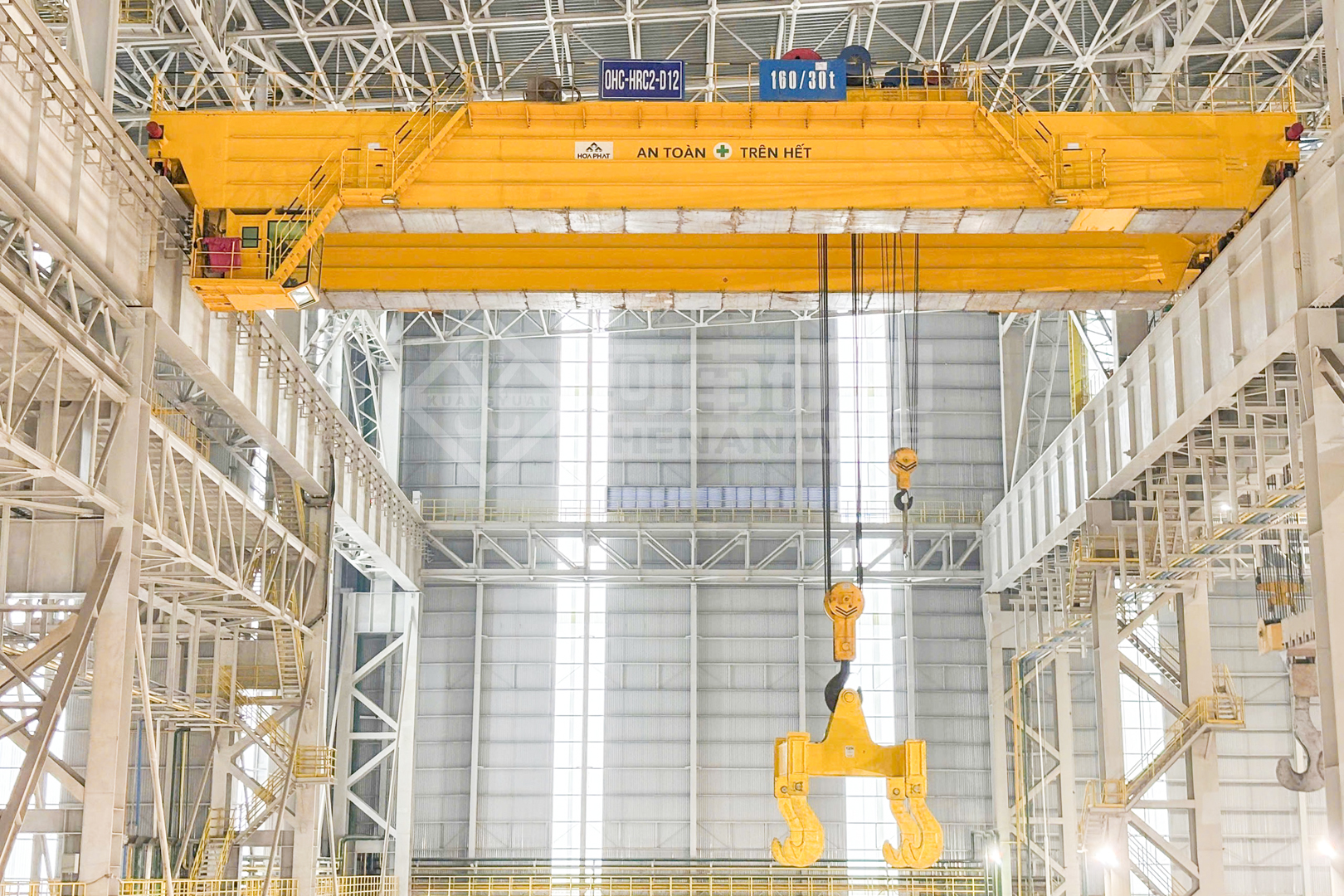
See how multiple lifting tasks were served across a large steel production site.
Read the project ↗Share your load, travel path, site drawings and operating conditions. These details let the engineering team discuss a suitable crane arrangement and the interfaces to plan.
Request a technical proposal