
Map the handling routes
Record where ladles, scrap, slabs and finished steel are picked up, carried and released, including the hand-off between bays and yards.
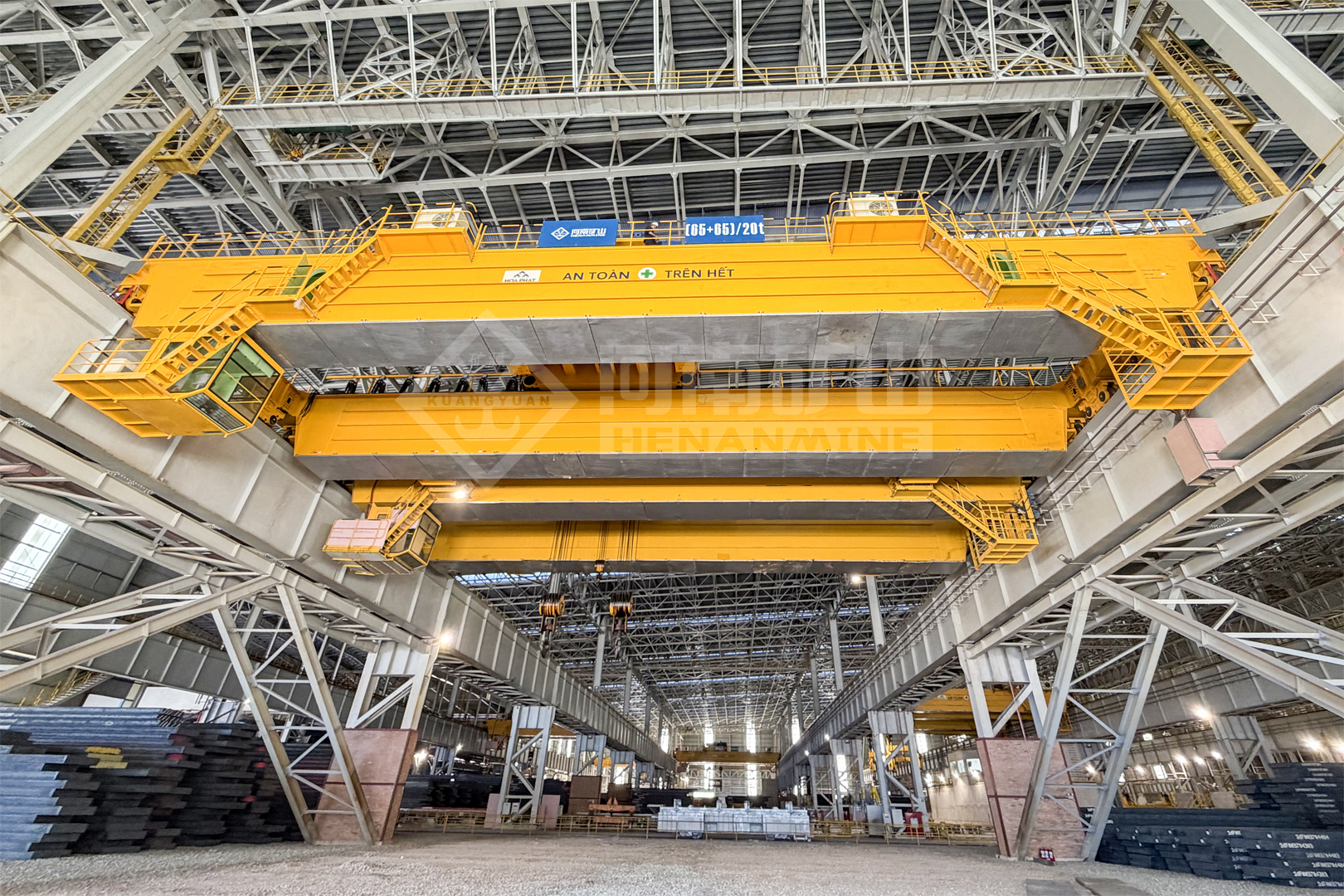
Plan every lift from the melt shop to the finished steel yard.
Overhead cranes at a Southeast Asian steel plant supplied by Henan Mine Crane
Steelmaking demands different crane arrangements for molten metal, slabs, coils, scrap and bulk raw materials. Henan Mine Crane configures the structure, lifting attachment, controls and protection around each handling route, rather than treating the whole plant as one duty.
The solution divides the plant into handling zones with different loads, temperatures and duty cycles. A dedicated casting crane serves ladle moves in the hot area; slab clamps, magnets or carrier beams move formed steel through finishing and storage; grabs or magnetic systems handle scrap and charge materials. Runways, controls and maintenance access are planned around the transfer points between those zones. Final capacities and protection are confirmed against the plant's lift schedule and drawings.
Follow the load through the operation to see where lifting equipment, tooling and controls must work together.
Record where ladles, scrap, slabs and finished steel are picked up, carried and released, including the hand-off between bays and yards.
Give molten-metal lifts a dedicated crane arrangement and safety review, with lifting gear and operating sequence defined for the filled ladle.
Use the material shape and temperature to compare hooks, clamps, magnets, grabs and carrier beams at each station.
Check runway loads, crane coverage, control interlocks, service access and the production cycle before finalizing equipment.
Define the material, handling cycle and working zone before fixing the crane arrangement.
Match the ladle mass, hook arrangement, heat exposure, working class, redundant protection and emergency operating sequence before selecting a casting crane.
Choose clamp, magnet or carrier-beam handling from the steel geometry, temperature, stacking pattern and release control required at each station.
Specify grab or magnetic lifting with the charge volume, cycle rate, visibility, dust, maintenance access and remote-operation requirements.
These choices affect safety, process fit and the operating life of the installation.
Specify the lifted ladle and rigging mass, thermal exposure, working class and emergency operation for the casting duty. The safety architecture must be approved for the actual process.
A clamp suited to a slab does not automatically suit a coil or scrap load. Define the load surface, temperature and release method before selecting the attachment.
Use lifts per hour, travel distance and maintenance windows to size drives and plan access. A capacity figure alone cannot describe steel-plant duty.
See how cranes and lifting systems were configured for demanding operating environments.
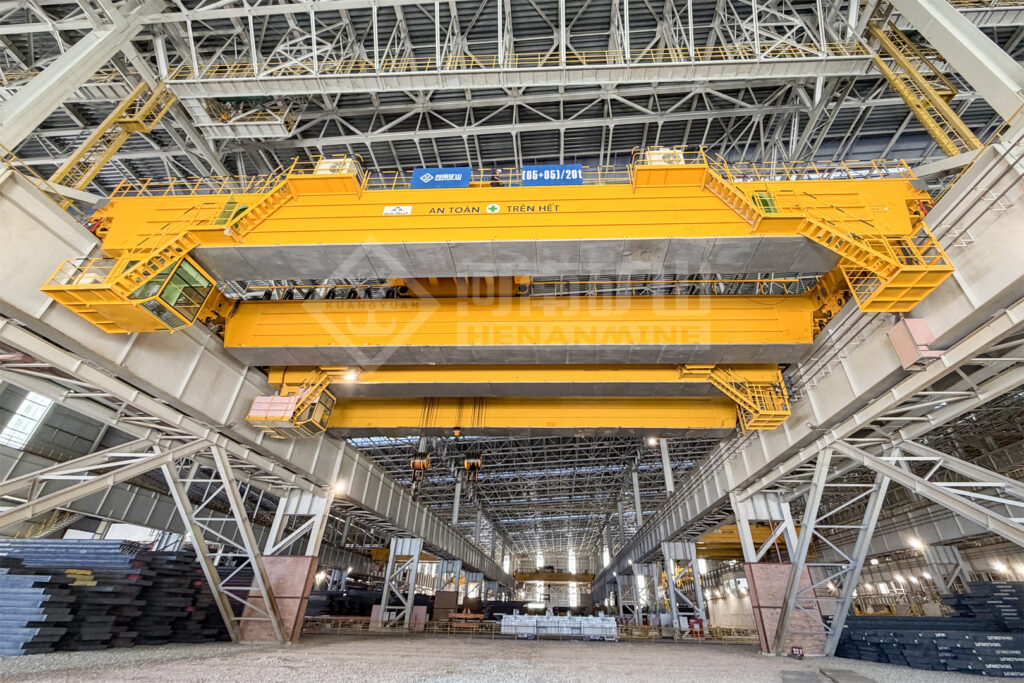
More than 100 cranes and lifting systems were applied across the plant, including a 160 t double-girder bridge crane, slab clamps, lower-rotating electromagnetic beams and double-trolley gantry cranes for the port scrap yard.
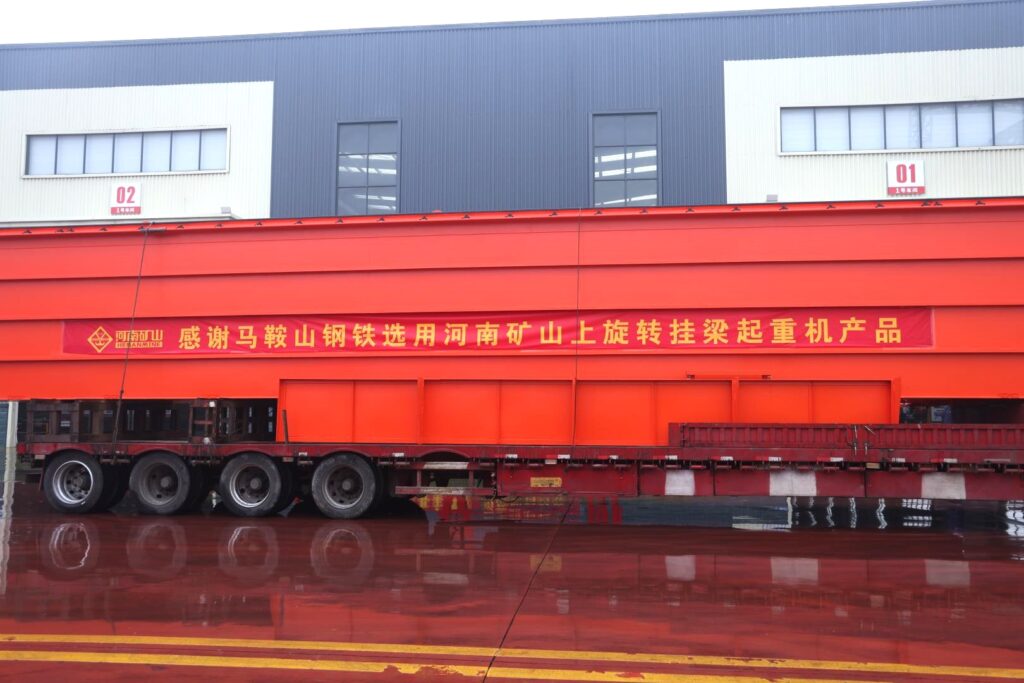
More than 30 cranes were delivered for the 3.2 million-ton special-steel project, including a 200 t casting crane and upper-rotating electromagnetic beam cranes.
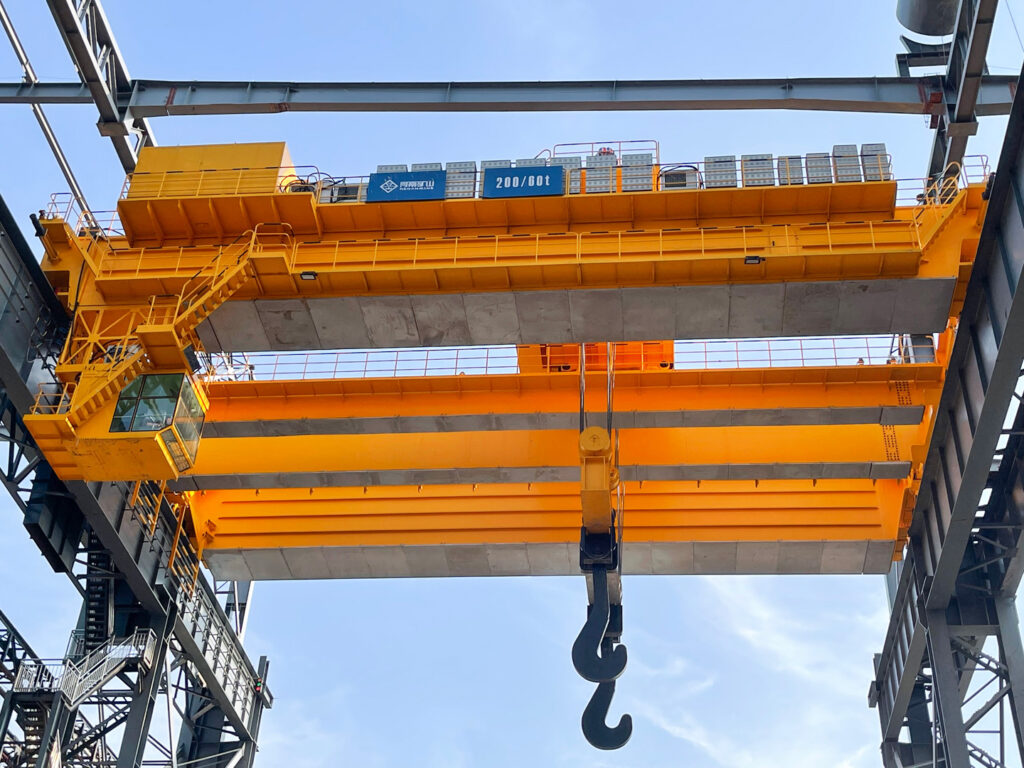
Two 200 t four-girder casting cranes supported hot commissioning as part of a project scope of eight heavy four-girder casting cranes.
These product families support the handling tasks above. The final crane and attachment are selected from the site brief.
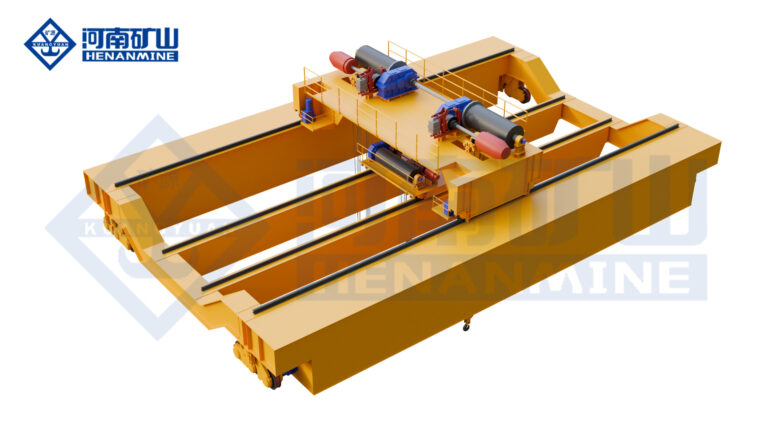
Four-girder control for extra-heavy steel ladles.
Review product details ↗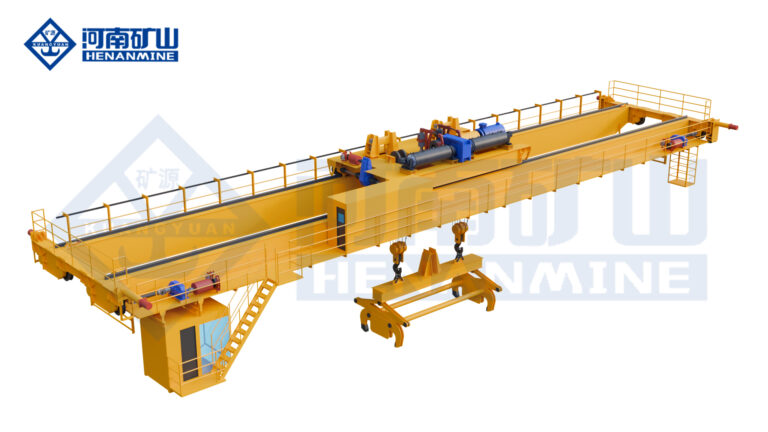
Secure slab transfer from casting line to storage.
Review product details ↗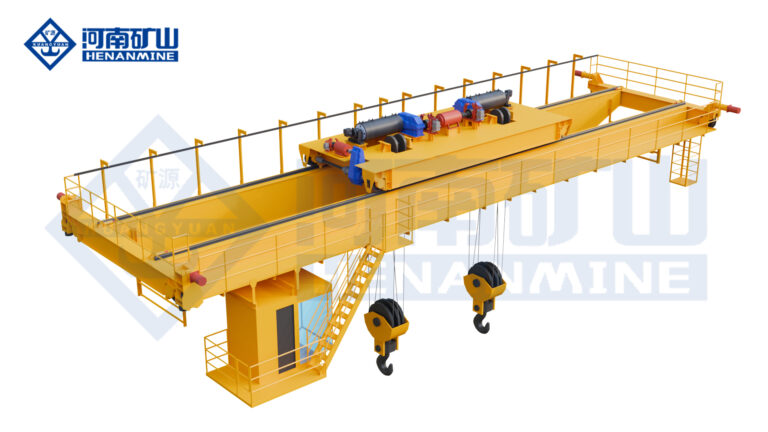
Support long steel loads across several pickup points.
Review product details ↗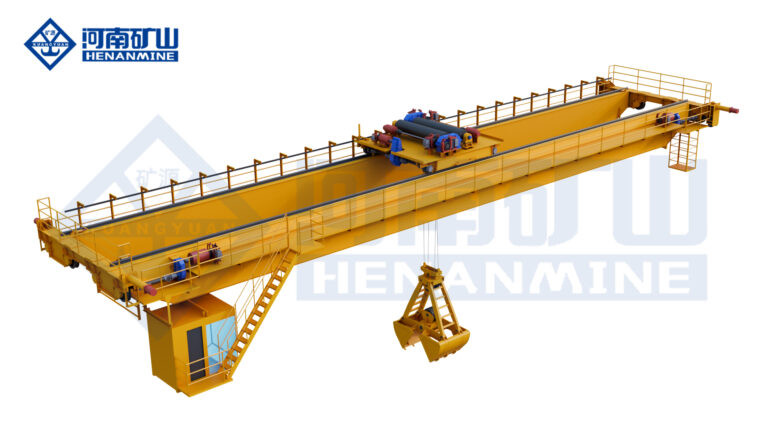
Send the operating brief and the relevant layout drawings. The resulting proposal can address capacity, geometry, duty, controls, installation interface and safety requirements as one system.
Prepare your enquiry ↗The selection starts with the filled ladle and lifting gear mass, process duty, heat exposure and safety architecture. A dedicated casting crane is then configured to the plant layout and applicable project standard.
The load and attachment requirements differ. Compare clamp, magnet and grab arrangements against the material form, handling cycle and release controls before consolidating duties.
Start with a load schedule and site plan. Our team can help develop the matched crane arrangement and technical scope.
Start a project enquiry ↗