
Dry bulk loading and unloading
Handle bulk cargo with a selected grab and receiving arrangement. State material density, moisture, abrasiveness, dust-control requirements and the target tonnes per hour.
Bridge cranes for workshops and production lines.
Explore Overhead Cranes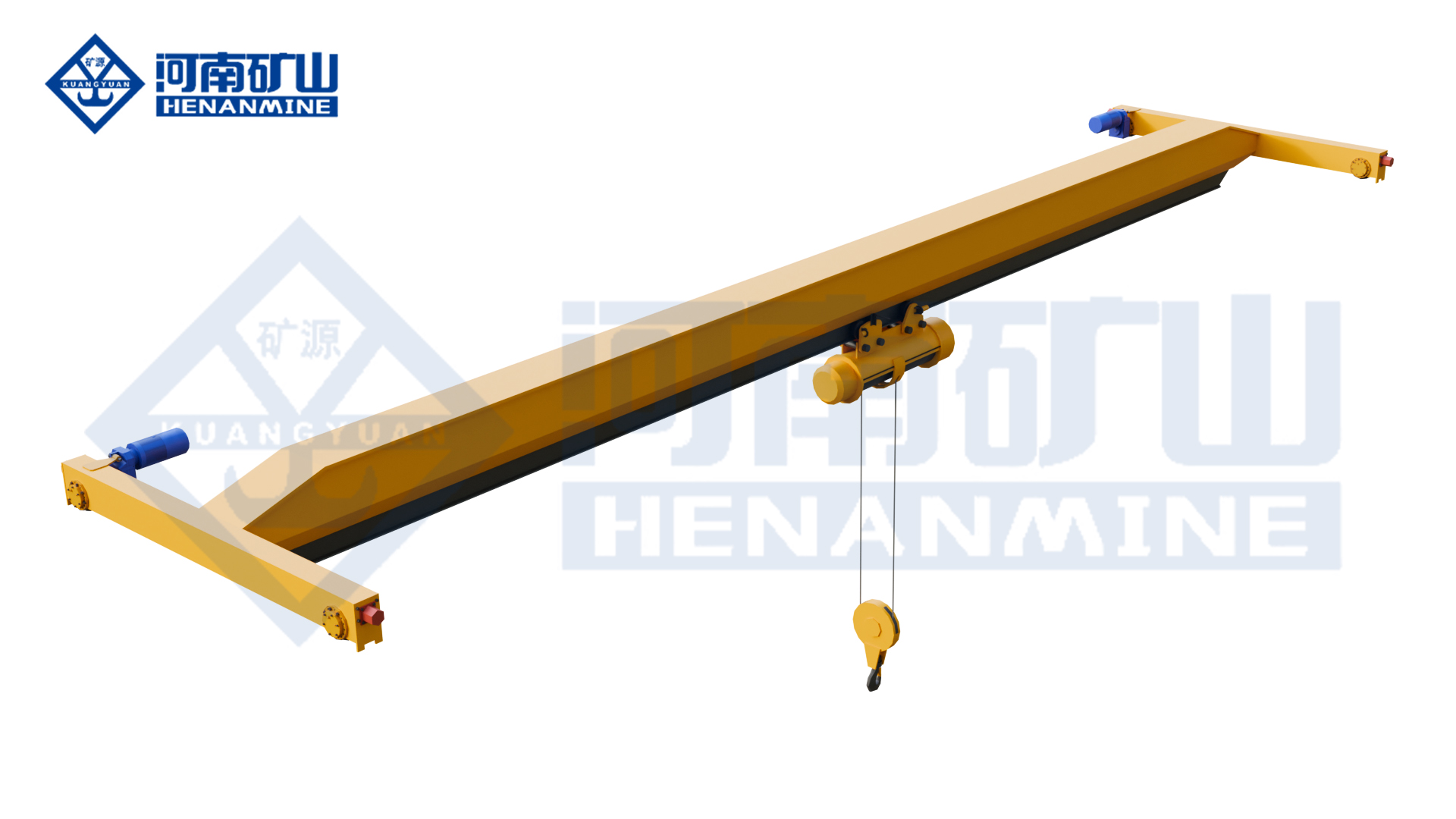
Ground-supported lifting for yards and construction.
Explore Gantry Cranes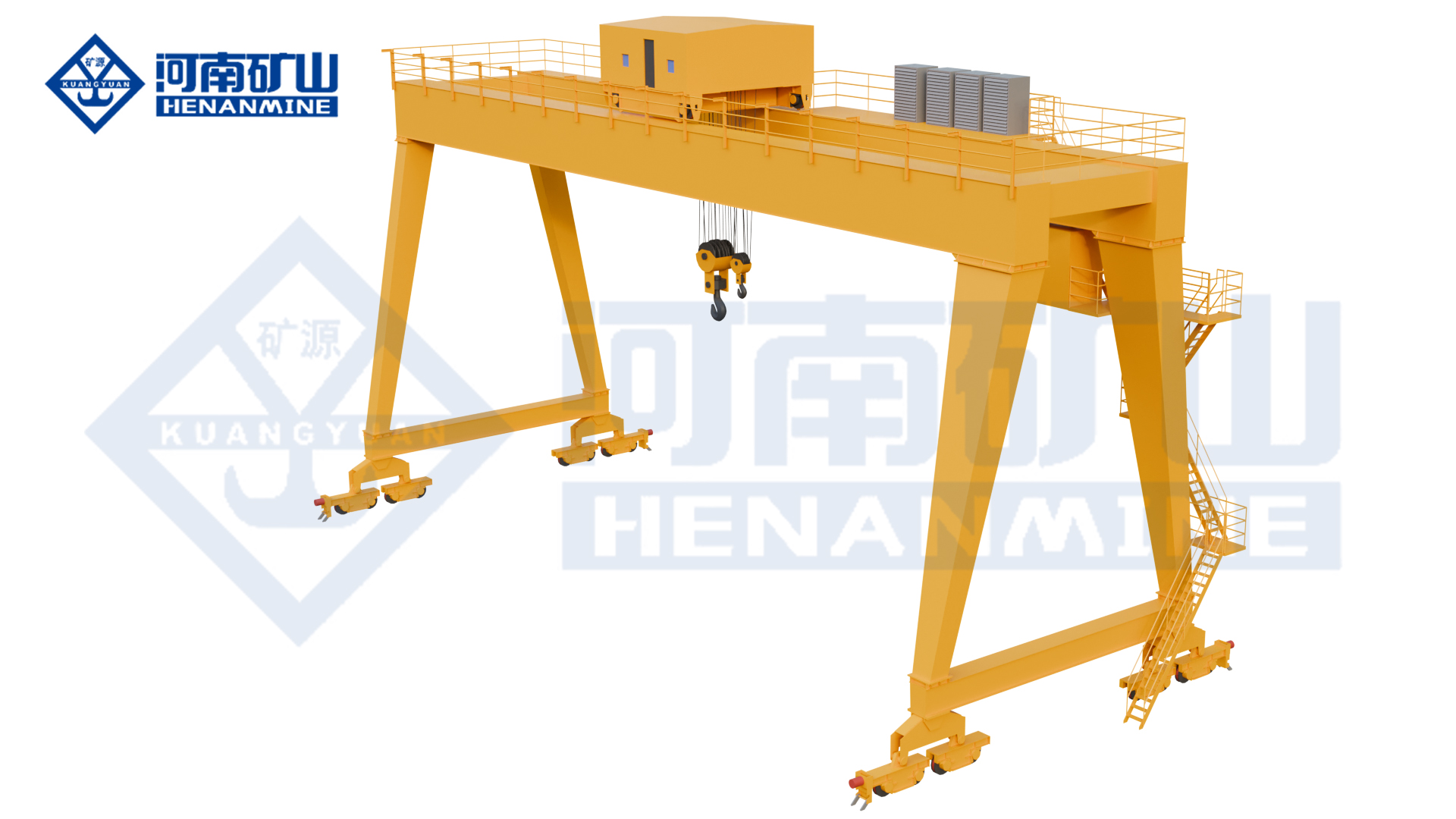
Wire rope and chain hoists for lifting points and cranes.
Explore Electric Hoists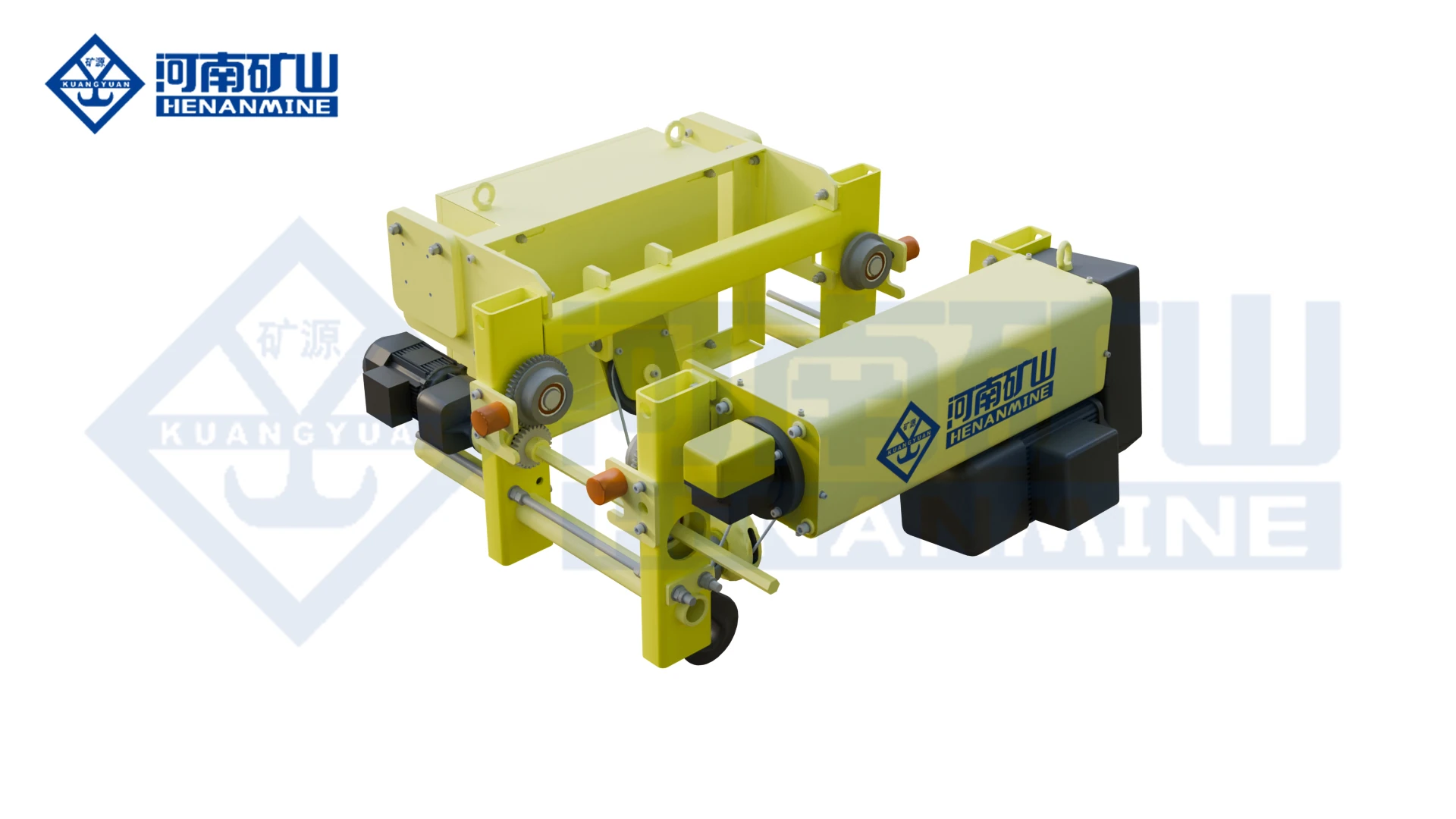
Wire rope lifting and pulling with a powered drum.
Explore Electric Winches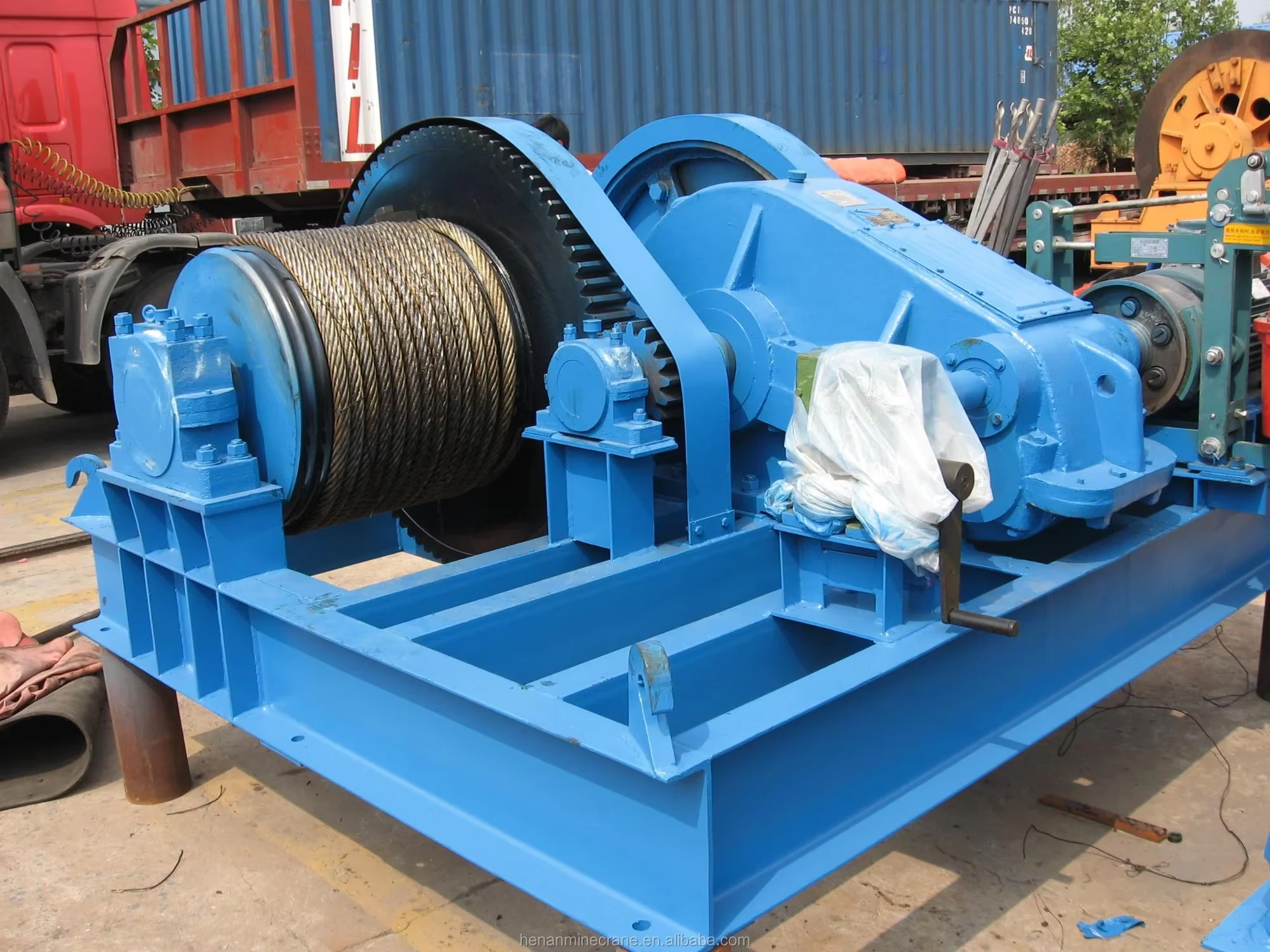
Grab buckets, magnets and hooks for your load.
Explore Lifting Attachments & Grabs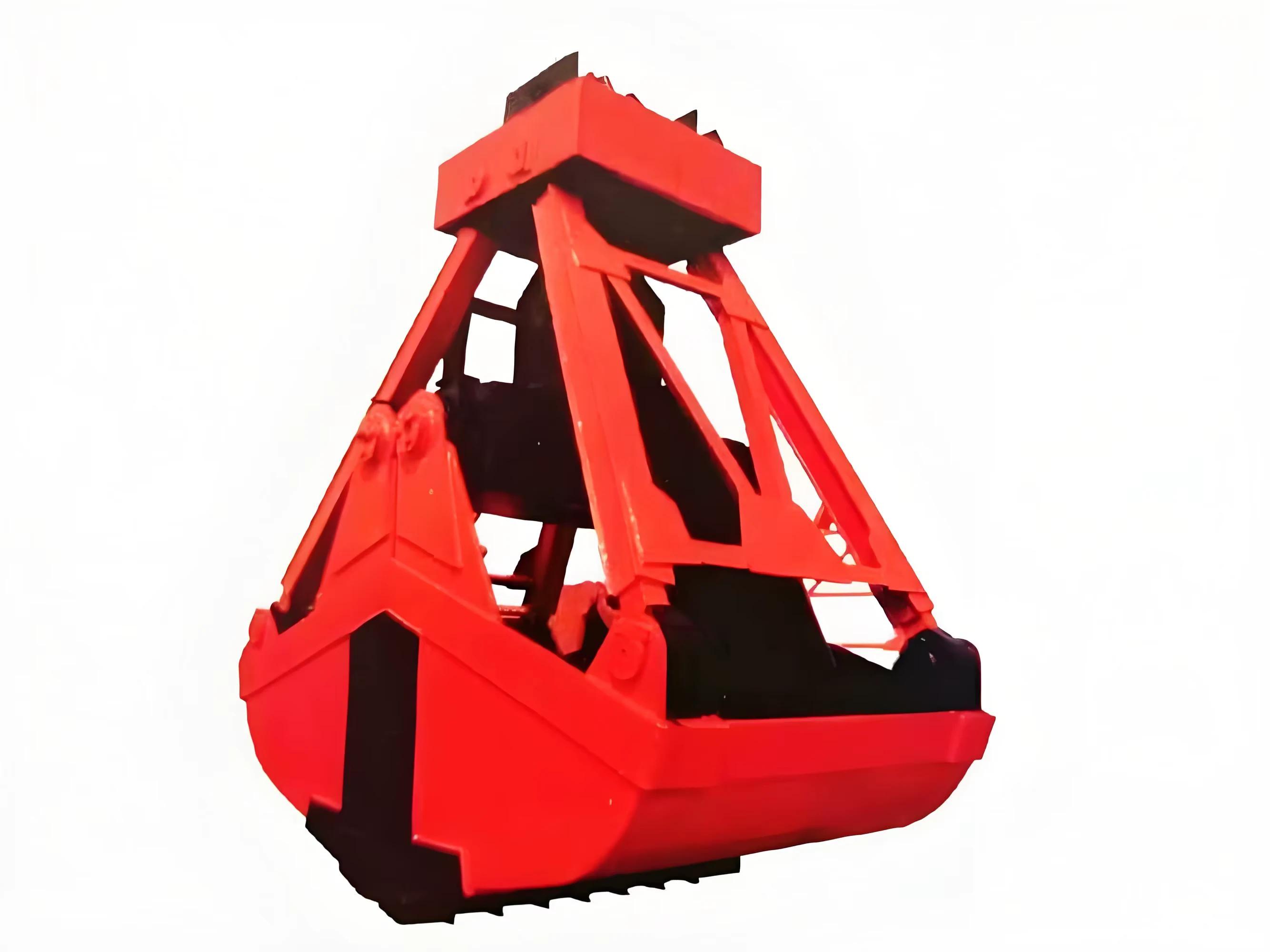
Mobile handling for containers, precast and yard loads.
Explore Rubber-Tired Gantry Cranes & Straddle Carriers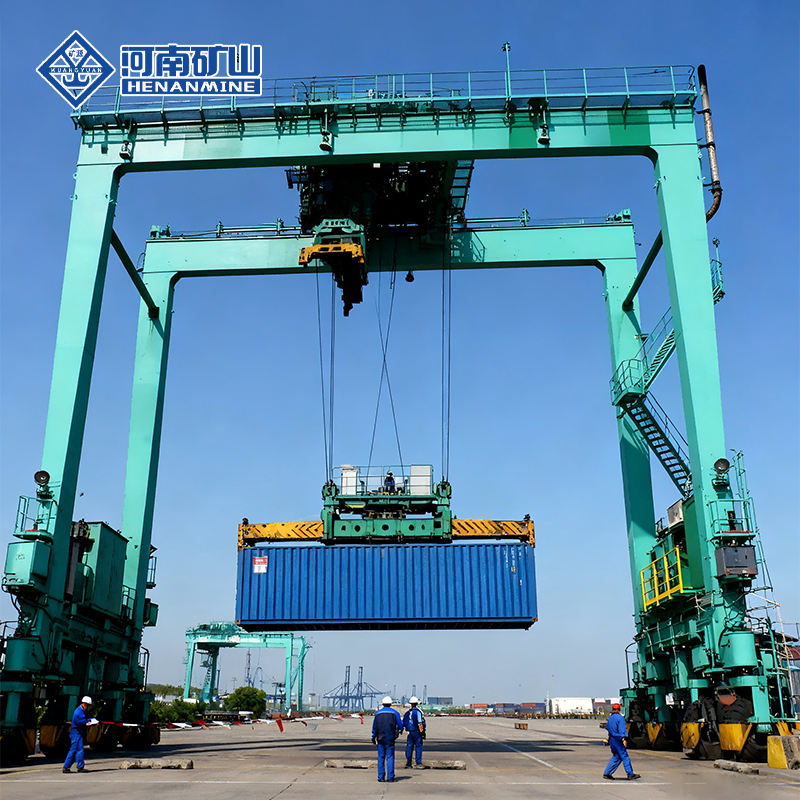
Lift and move vessels through boatyards and marinas.
Explore Marine Travel Lifts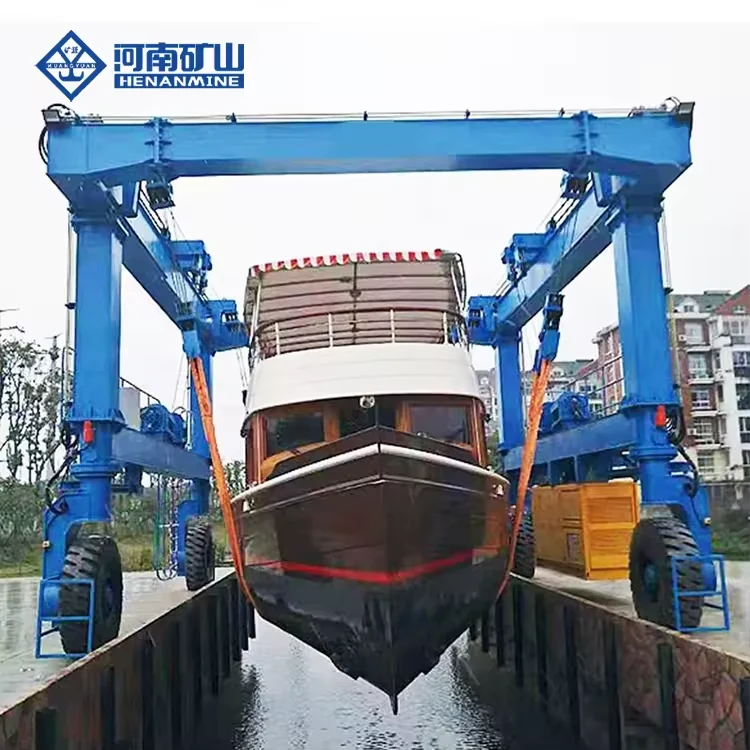
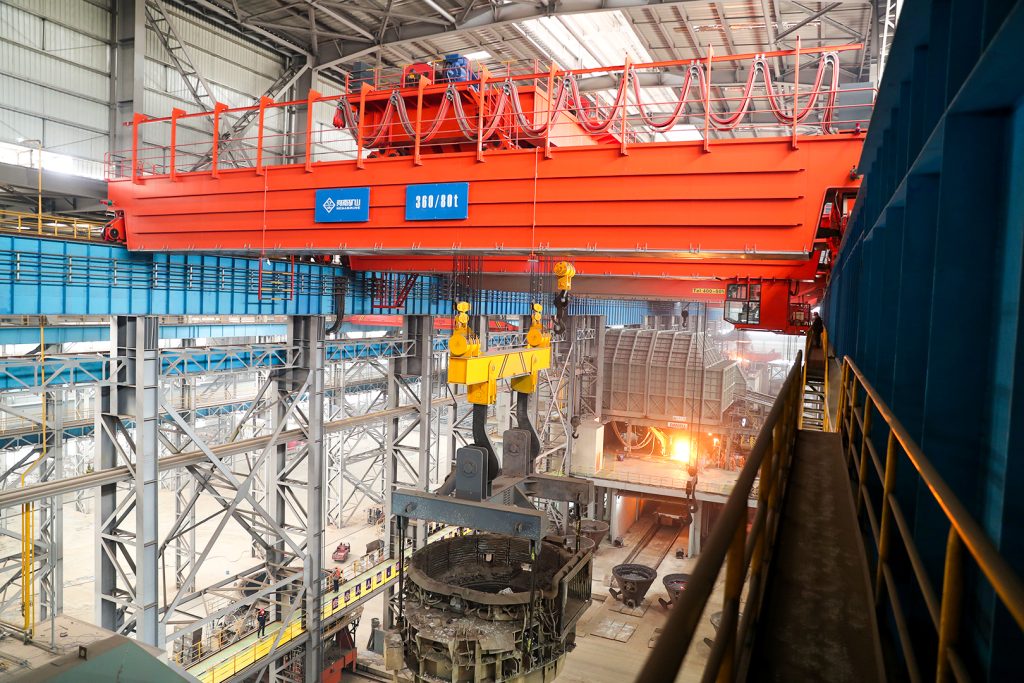
Ladle, slab, scrap and coil handling across steel production.
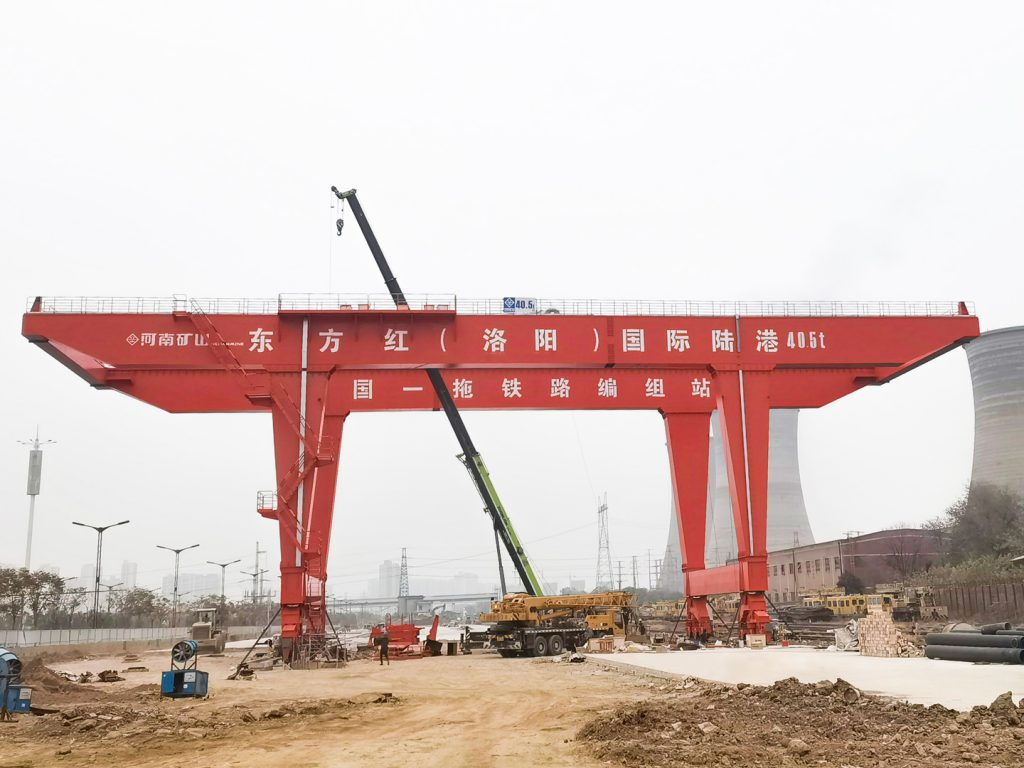
Container stacking and cargo transfers across terminals and rail.
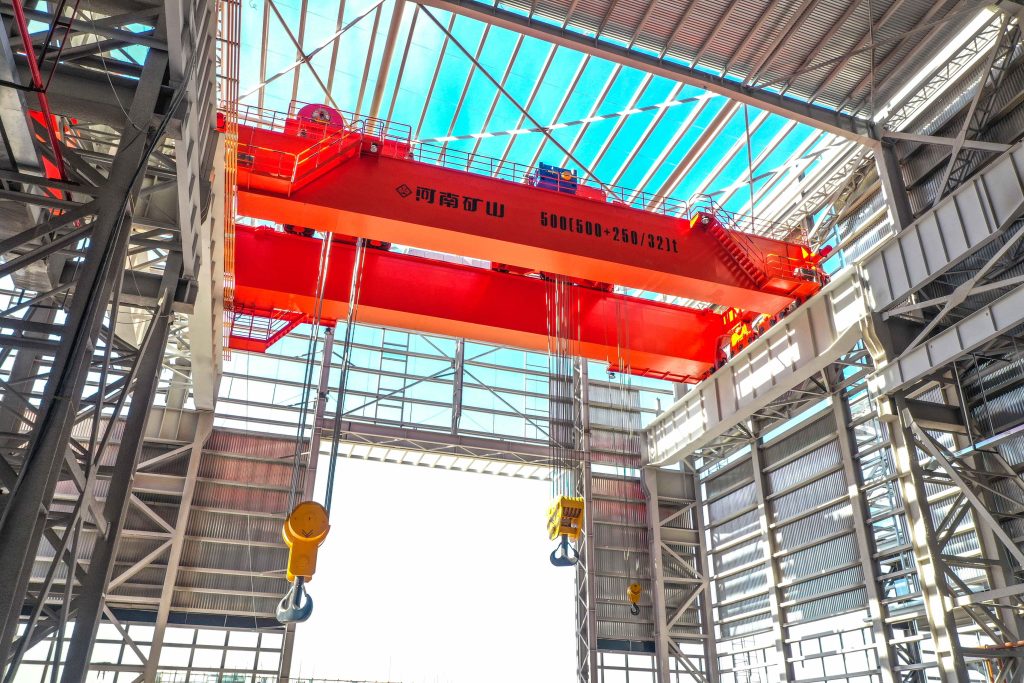
Turbine installation, powerhouse maintenance and wind equipment assembly.
Controlled component transfer and positioning for precision assembly.
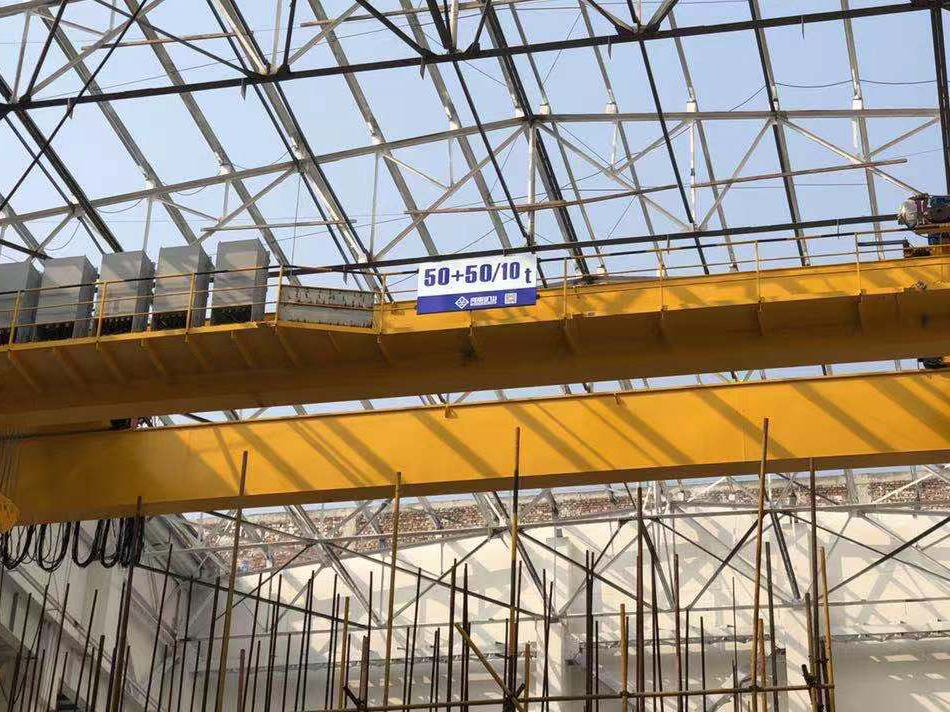
Heavy fabrication, production lifting and factory crane automation.
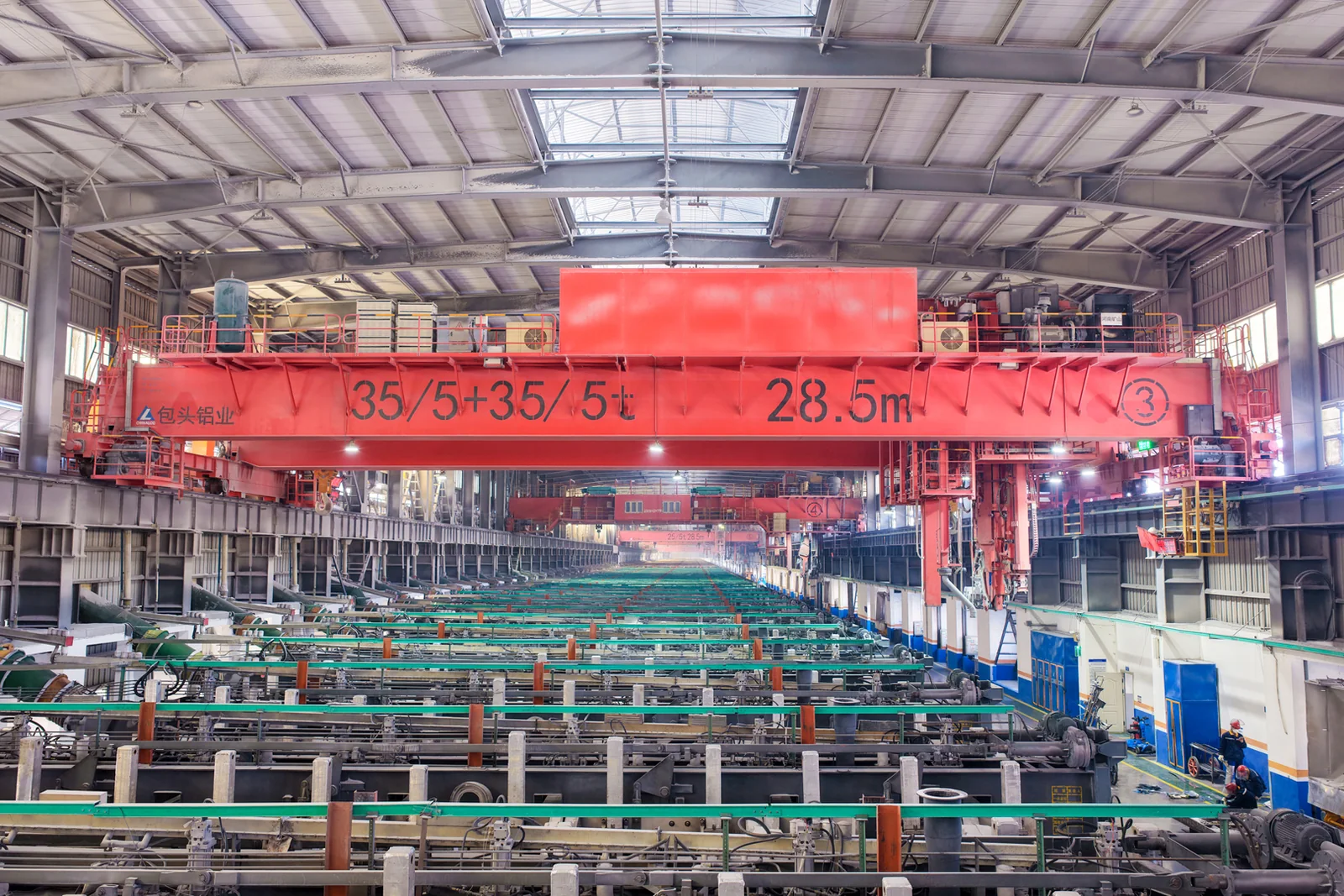
Process lifting for smelters, carbon blocks and anode materials.
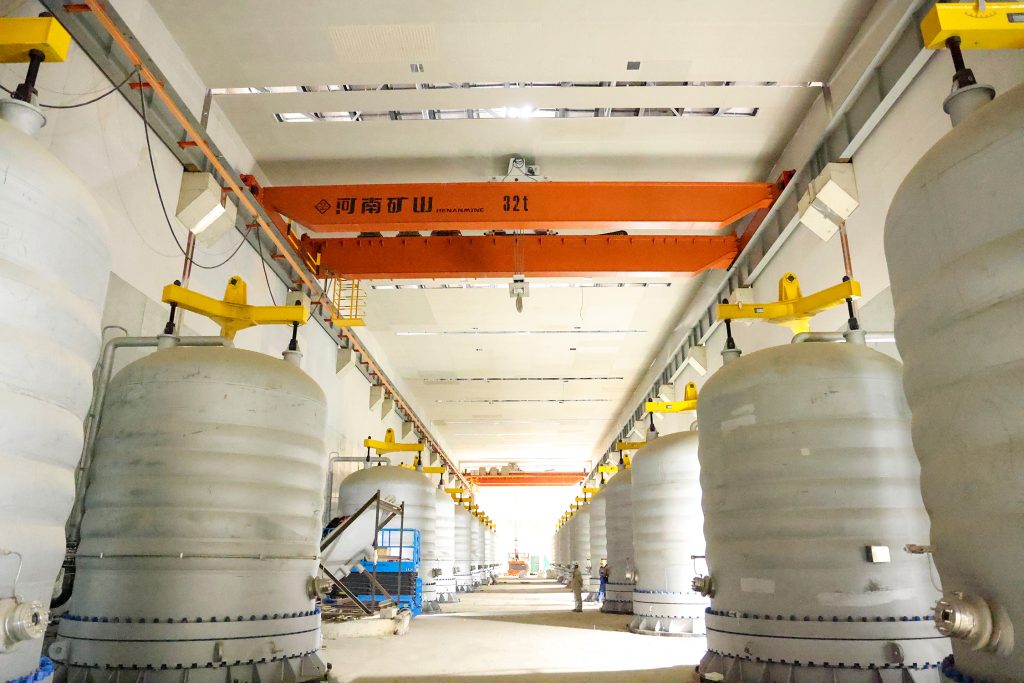
Clean lifting and classified protection for sensitive process areas.
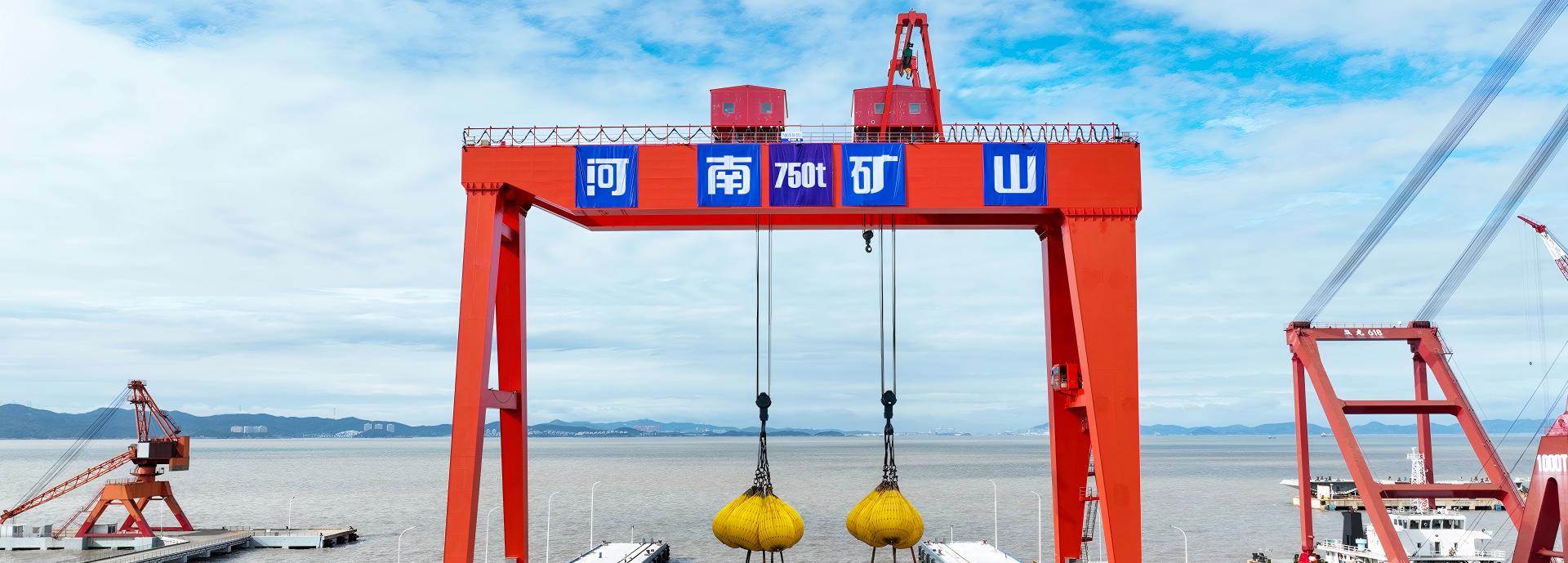
Bridge fabrication, metro construction and ship block assembly.
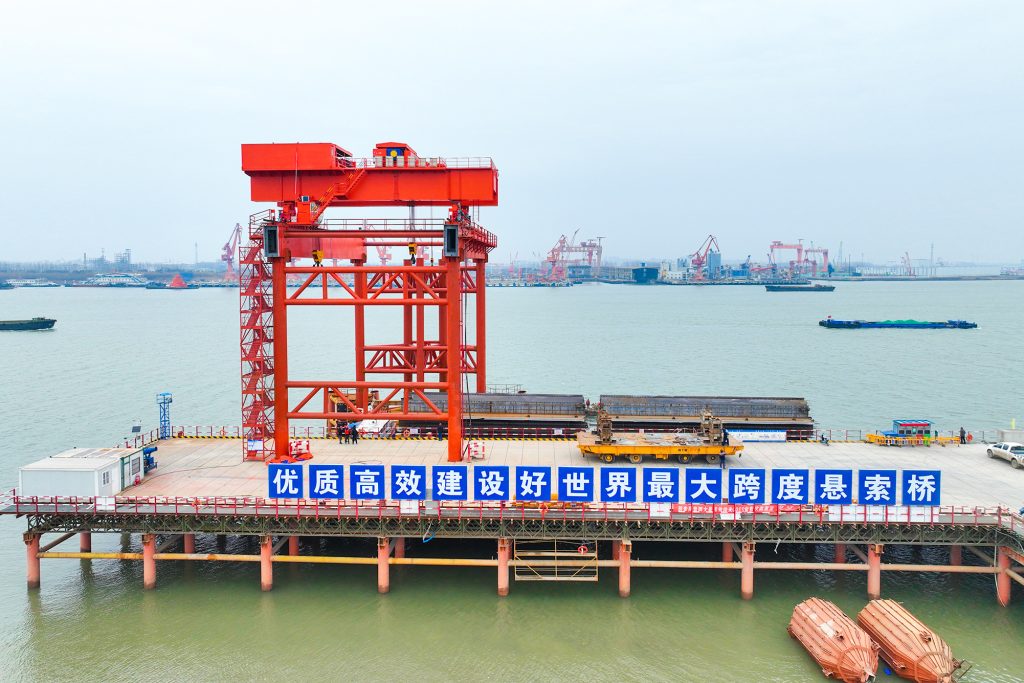
Automated storage and retrieval for plates, cables and bins.
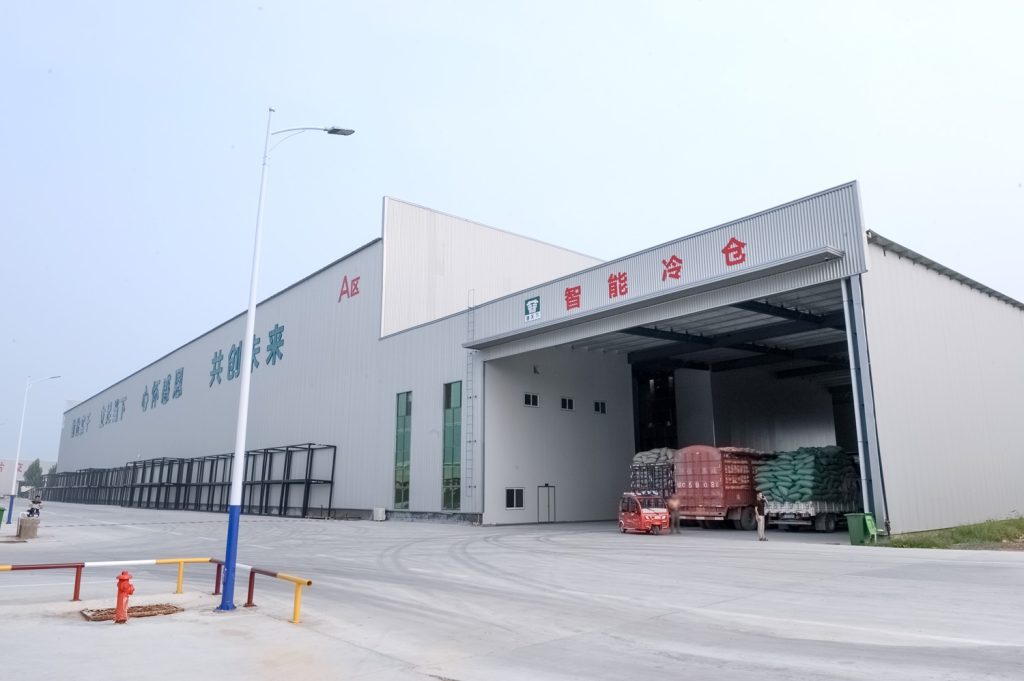
Follow project dispatches, crane engineering and factory acceptance.
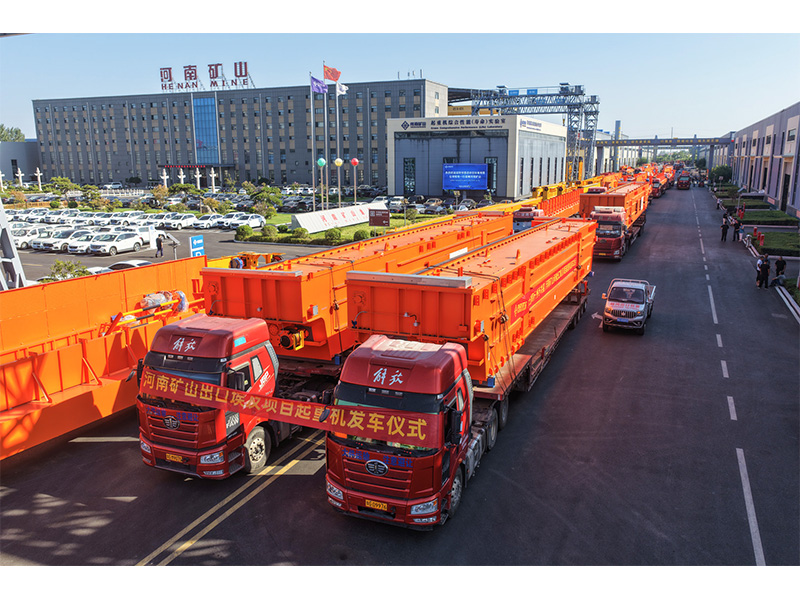
Dispatch, installation and equipment in service
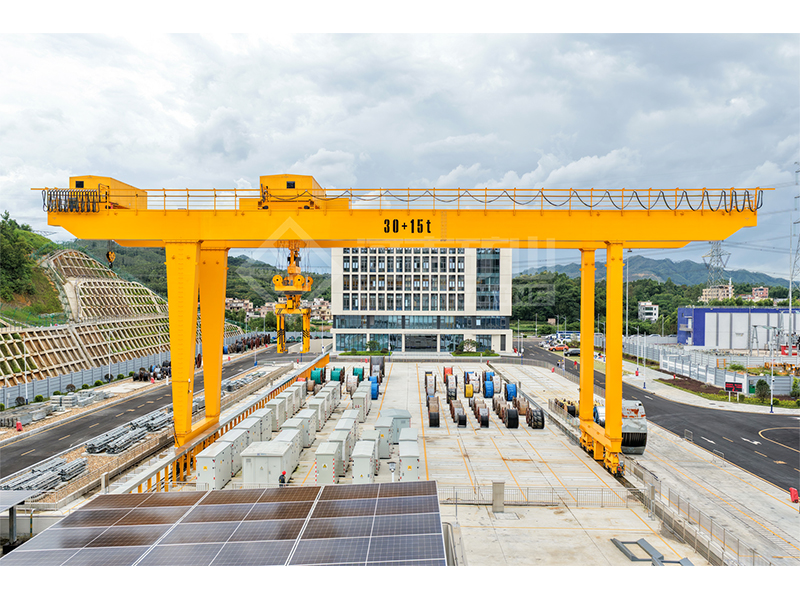
Crane configurations and handling technology
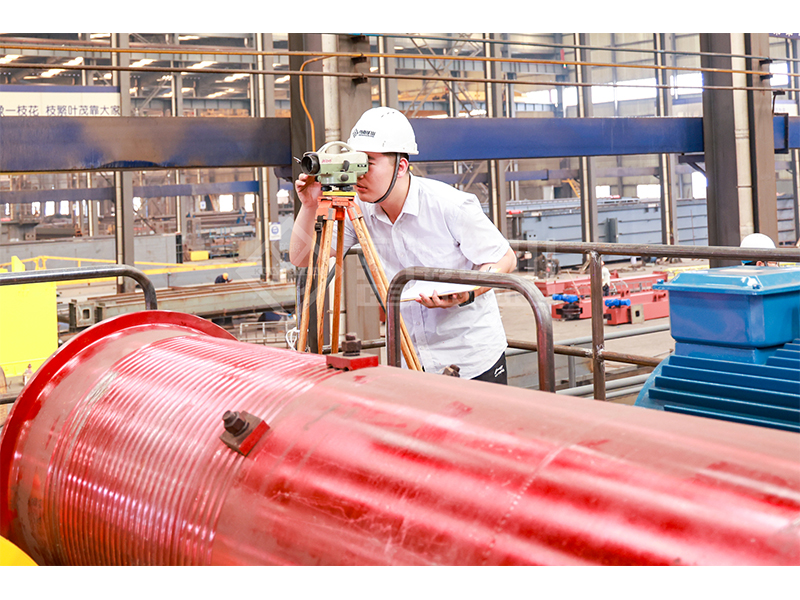
Factory inspections, acceptance and test programmes

Company developments, people and community programmes
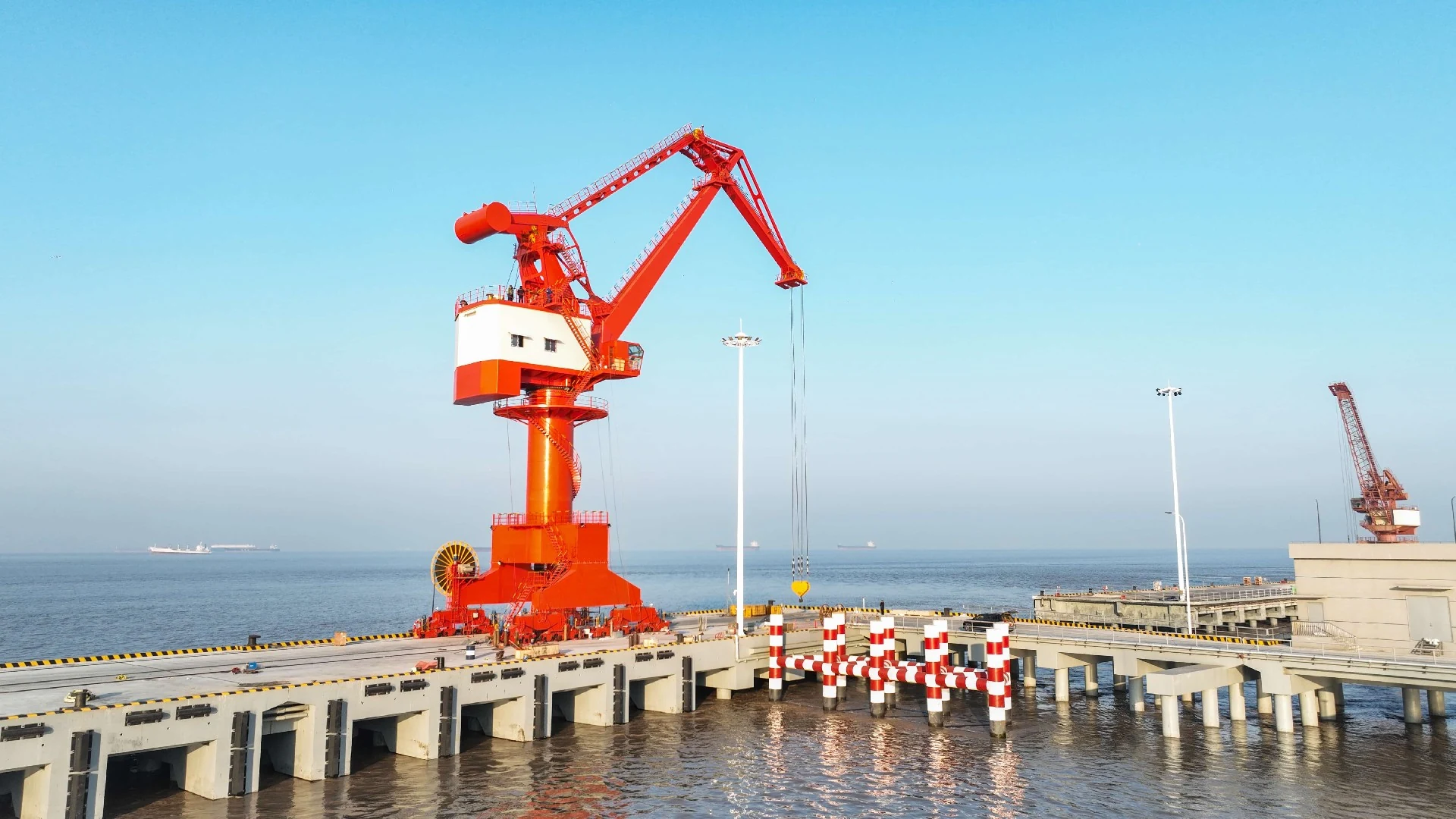
Handle bulk and general cargo between vessel holds and shore transfer points with a rail-mounted slewing portal crane. Specify a Henan Mine Crane configuration around the load at working radius, lifting tool, berth layout and operating cycle.
Send the cargo list, vessel dimensions and quay plan. Mark the ship-side pickup points and shore-side set-down positions.
The quotation must include a matching load chart. Maximum capacity and maximum outreach are not automatically available together; lifting-tool weight and operating mode must be stated.
Use slewing and luffing to serve the required working area. Check the entire hook path, vessel holds and safe shore-side transfer positions.
Coordinate portal height and clear width with trucks, rail vehicles or conveyors using the quay. Rail gauge and wheel reactions must match the berth.
Compare hook and grab duties separately. State attachment tare, cargo mass, material density and the cycle needed for the handling task.
Handle bulk cargo with a selected grab and receiving arrangement. State material density, moisture, abrasiveness, dust-control requirements and the target tonnes per hour.
Use the hook and specified rigging for individual lifts. Provide the heaviest piece, centre of gravity, hatch dimensions, required radius and the vessel-to-quay lifting route.
Where the quay route includes a bend, check the running-gear geometry, rail curve, portal clearance and wheel reactions throughout travel. Define the cargo mix and ship-to-shore handover positions before approving the crane layout.
For a berth dedicated to repetitive container-vessel handling, compare a ship-to-shore container crane. Container lifting with a portal crane needs its own spreader, load chart and agreed handling cycle.
Specify the following values together for one selected crane and berth. The final drawing, load chart and technical schedule define the operating limits; a general family range cannot replace them.
| Crane arrangement | Rail-mounted portal with a slewing and luffing jib; jib system selected for the handling task |
|---|---|
| Rated load / load chart | Separate ratings by working radius and hook, grab or other lifting mode; define attachment-weight treatment |
| Minimum / maximum working radius | Set from vessel holds, hatch positions and shore handover points; show the complete operating envelope |
| Hoisting height / lowering depth | Measured from an agreed quay datum; allow for hatch coamings, hold depth and water-level range |
| Cargo and lifting attachment | Hook, grab or specified cargo tool; any container spreader must be separately included |
| Grab sizing | Material density, grab deadweight, payload, opening dimensions and the required handling cycle |
| Hoisting / luffing / slewing speeds | State loaded and unloaded hoisting speeds and the selected luffing and slewing speeds |
| Rail-travel speed | Selected for quay travel distance, operating sequence and stopping requirements |
| Duty and throughput | Load spectrum, cycles per hour, shifts and bulk-handling throughput for each operating mode |
| Rail gauge / running gear | Match existing or proposed rails, wheel arrangement, travel length, buffers and any rail curves |
| Portal clearance | Clear height and width for vehicles, conveyors and maintenance access below the portal |
| Quay reactions / storm restraint | Wheel and foundation reactions plus parked-wind restraint loads for structural and civil coordination |
| Power and control | Site electrical supply, power-feed arrangement, cabin controls and any remote-control scope |
| Marine environment and protection | Site wind and temperature conditions, coating system, electrical protection, limit devices and agreed interlocks |
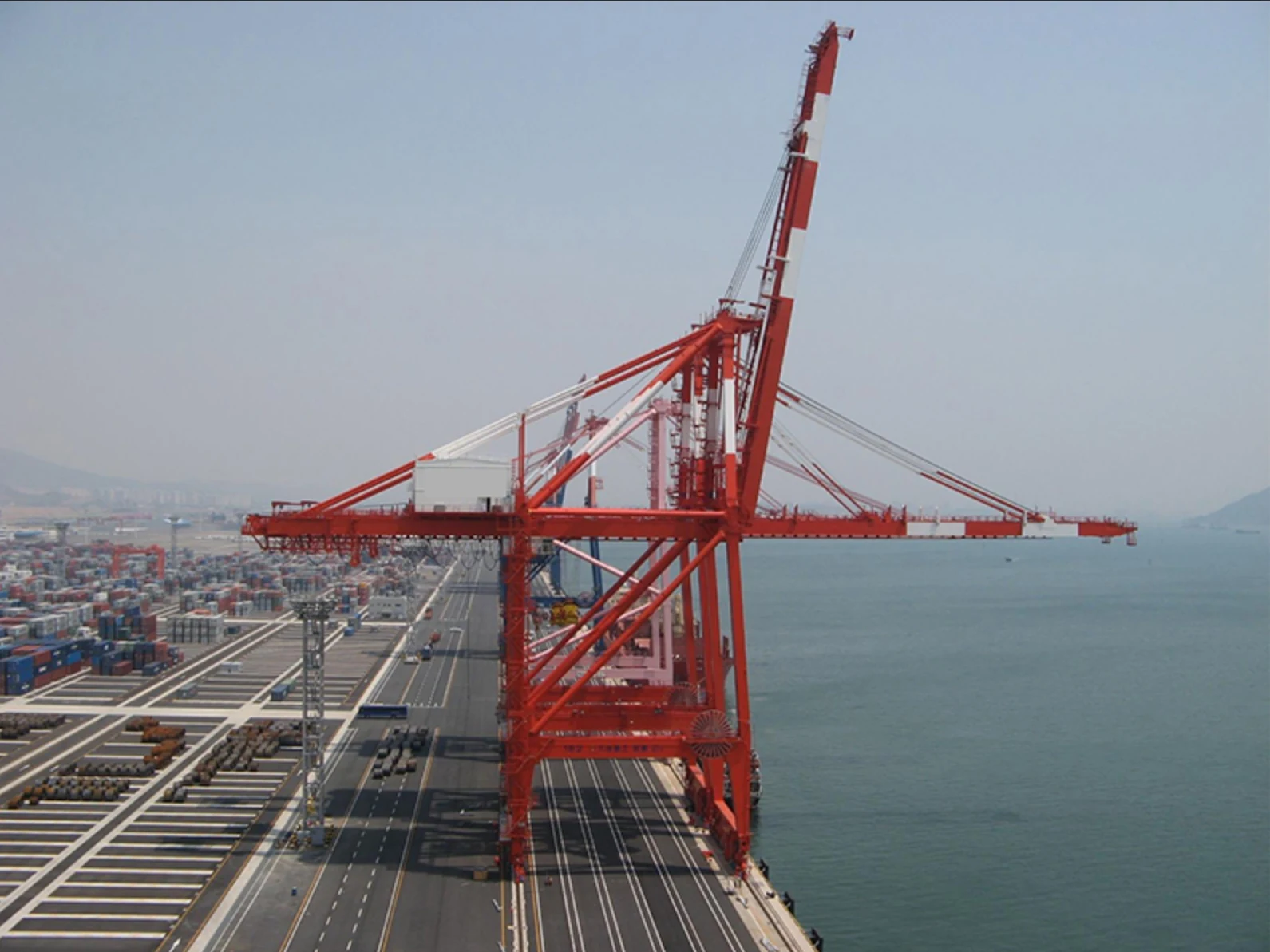
Review the crane arrangement and operating space. The photographs illustrate the equipment family; your load chart and approved drawing establish the selected crane dimensions and ratings.

Define the cargo tool, rail interface, power package and marine conditions in the same technical offer.
List every handling mode and lifting tool. Include grab self-weight, bulk density, hook rigging or container spreader weight in the relevant load calculation and control scope.
Confirm rail gauge, portal clearance, running gear and travel limits. Include wheel reactions, rail curves where present, buffers, storm parking and the foundation interface.
State the supply voltage and frequency, cable-reel or other power-feed arrangement, cabin position and any remote-control requirement. Agree visibility aids, limit devices, overload protection and interlocks.
Define the coating system, electrical protection, temperature range and operational and parked-wind conditions. Agree corrosion-maintenance access and the required storm-restraint arrangement.
Make the crane, lifting tools, documents and berth responsibilities clear before comparing quotations.
Request one complete crane or a coordinated berth package. List all lifting tools and auxiliary equipment, and confirm the order scope for the selected configuration.
Identify the crane, grab or spreader, controls and power-feed package. State freight, duties, quay works, rail foundations, erection, commissioning and initial spares separately.
Agree general arrangement, load charts, lifting envelope, wheel reactions, electrical drawings and manuals. Specify the inspection and conformity documents required for the destination.
Agree drawing approval, manufacture, inspection, dispatch and transport milestones. Confirm the factory dispatch commitment and shipping plan in the quotation.
Coordinate transport dimensions, unloading, assembly space and site lifting equipment. Agree factory and site acceptance tests, commissioning, operator training and supervision responsibilities.
Confirm warranty duration, start date, coverage and exclusions. Include a critical-spares list and the service arrangements for brakes, ropes, drives, controls and lifting tools.
Rubber-tyred container stacking within terminal yard blocks.
View product ↗
Container stacking and transfer on fixed yard rails.
View product ↗Dedicated vessel-to-quay handling for container berths.
View product ↗Clarify capacity, lifting tools, berth interfaces and the quotation basis before ordering.
A portal harbor crane, also called a portal harbour crane or portal slewing crane, is a jib crane carried on a portal undercarriage. A rail-mounted version travels along the quay while slewing, luffing and hoisting serve vessel and shore positions. It suits mixed-cargo berths; a rubber-tyred mobile harbor crane uses a different travel arrangement.
Use the load chart for the selected crane and handling mode. Confirm the rated load at the farthest required pickup and set-down points. Ask whether the stated rating includes the lifting tool and rigging; never assume that a maximum tonnage and a maximum radius from separate catalogue fields form an approved lifting point.
It can be specified for more than one handling mode when the required tools, rope arrangement, controls, load charts and duty are included in the engineered offer. In grab duty, material payload and grab deadweight must both be allowed for. Container duty additionally needs a suitable spreader and agreed lifting and monitoring functions.
Check rail gauge and condition, rail geometry, portal clearance, power feed, travel limits and parked positions. Give the crane supplier the berth load limits and foundation information, and have the civil engineer check the proposed wheel reactions and storm-restraint loads. Existing rails alone do not prove that the quay can accept the selected crane.
Indicative equipment-only budgets are approximately USD 120,000–180,000 for a 16 t / 30 m reference configuration, USD 195,000–270,000 for 25 t / 30 m, and USD 300,000–445,000 for 40 t / 35 m. Transport, installation and rail foundations are excluded. These ranges do not guarantee the maximum load at every radius; confirm the load chart, duty, lifting tools and delivery scope in a project quotation.
Send cargo types, heaviest gross lift, bulk density where applicable, lifting-tool requirements, working radii, lift above quay and lowering depth. Add vessel and hatch dimensions, rail gauge, portal clearance, available power, handling cycle, site climate and destination. Request a load chart, wheel reactions, supply list and separate equipment and site-service costs.
Share the cargo list, lifting points and berth layout. The load at working radius is the starting point for selecting the crane and its lifting tools.
info@cranehenanmine.com