Receive and stage
Identify the segment, spoil container or maintenance load, its rigging, ground access and available assembly area.
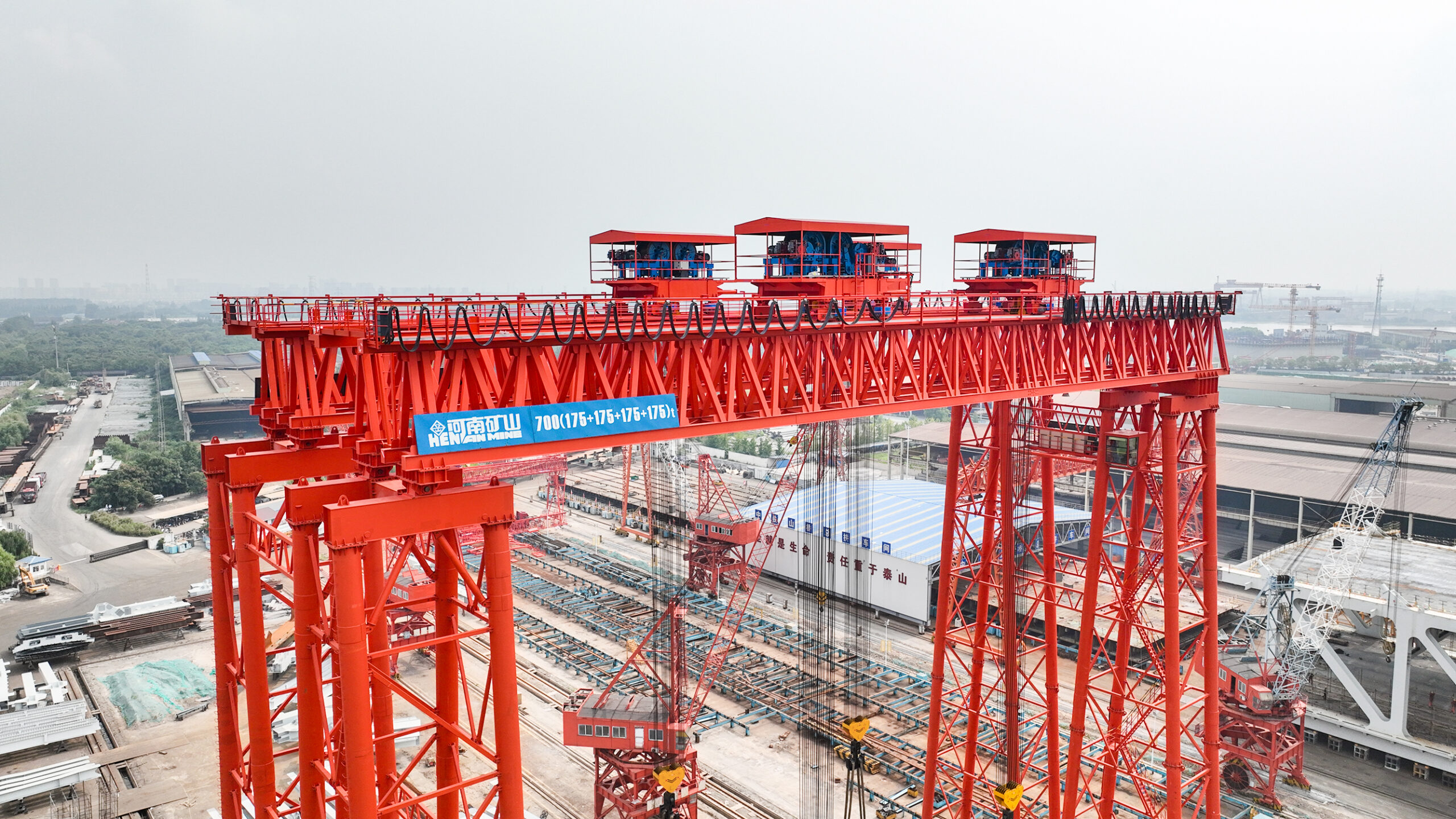
Engineer heavy lifts around the construction sequence and temporary works.
Heavy lifting equipment for bridge and rail construction
Bridge, rail and underground projects impose changing lift locations, large components and demanding site conditions. A crane proposal must account for the construction method, foundation or runway capacity, lift path, wind exposure, rigging and the sequence of erection, testing and removal.
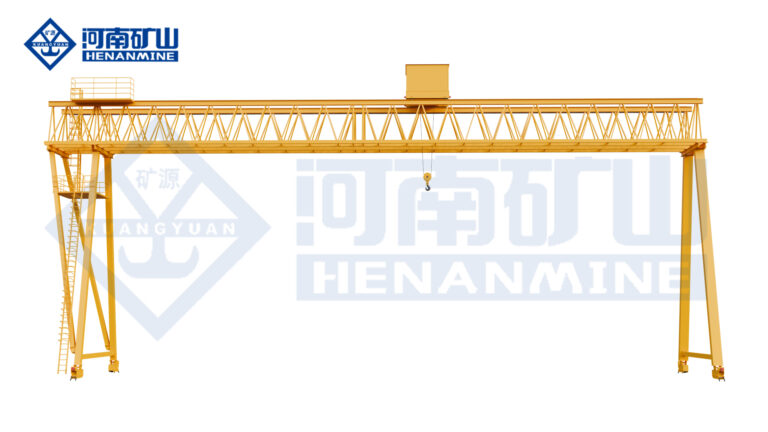
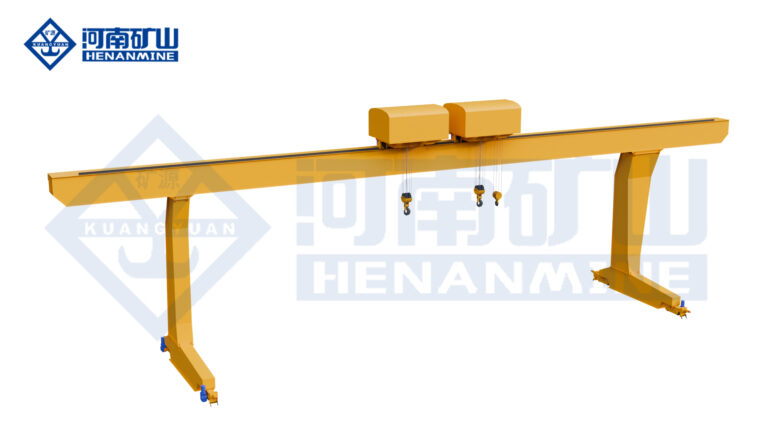
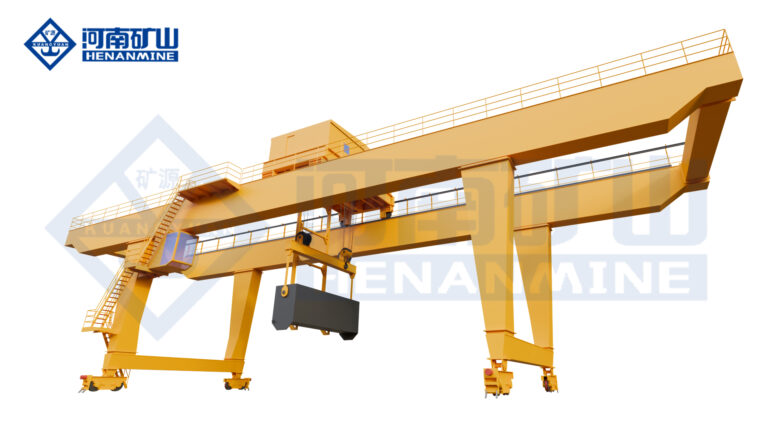
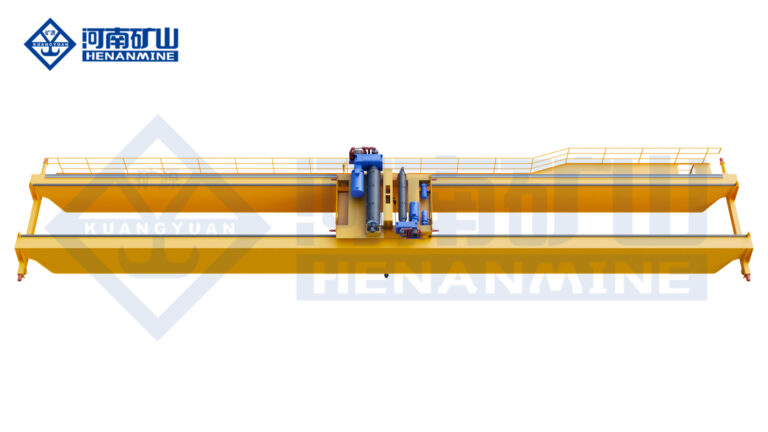
The infrastructure solution begins with the largest segment or spoil load and traces its route through site delivery, staging, lifting and placement. Gantry span, lift height, cantilever and runway position are set around the temporary works and available footprint. Rail foundations, wind limits, erection and dismantling are reviewed as part of the crane package. For rail depots and maintenance facilities, bridge cranes are planned separately around vehicle access and service coverage.
Follow the load through the operation to see where lifting equipment, tooling and controls must work together.
Identify the segment, spoil container or maintenance load, its rigging, ground access and available assembly area.
Check center of gravity, lifting points, travel clearance, rail support and weather limits for the planned lift.
Coordinate crane movement with the tower, shaft, tunnel or depot operation and its exclusion zones.
Plan inspection, temporary-works changes, dismantling and any reuse at a later work stage.
Define the material, handling cycle and working zone before fixing the crane arrangement.
Plan girder or tower-segment mass, orientation, tandem lifting and the available assembly envelope.
Coordinate excavation spoil, shafts, lifting depth, operating access and site traffic.
Validate rail foundations, wind and weather limits, power distribution, erection method and relocation needs.
These choices affect safety, process fit and the operating life of the installation.
The rail and ground design must accept crane wheel loads and construction traffic throughout the lifting period.
Specify span, hook reach, below-rail depth and wind restrictions from the construction method and sequence.
Transport pieces, erection space, proof testing, dismantling and any intended relocation should be defined before procurement.
See how cranes and lifting systems were configured for demanding operating environments.
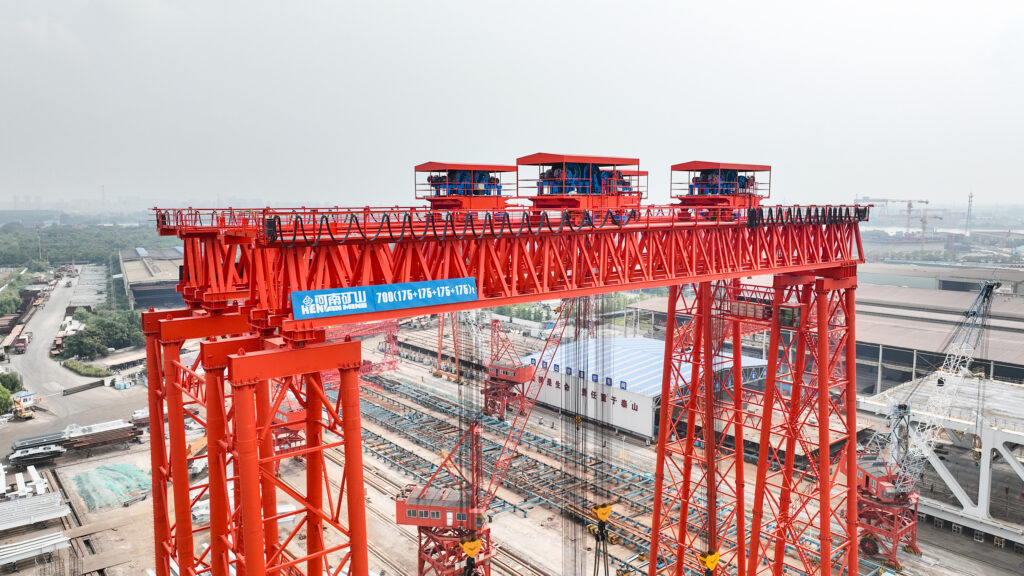
A 700 t gantry crane for steel-tower construction passed type testing as part of a multiple-crane supply for tower-segment lifting.

Two 100 t double-girder gantry cranes were built for tunnel spoil and material lifting, with a below-rail lifting depth up to 40 m.
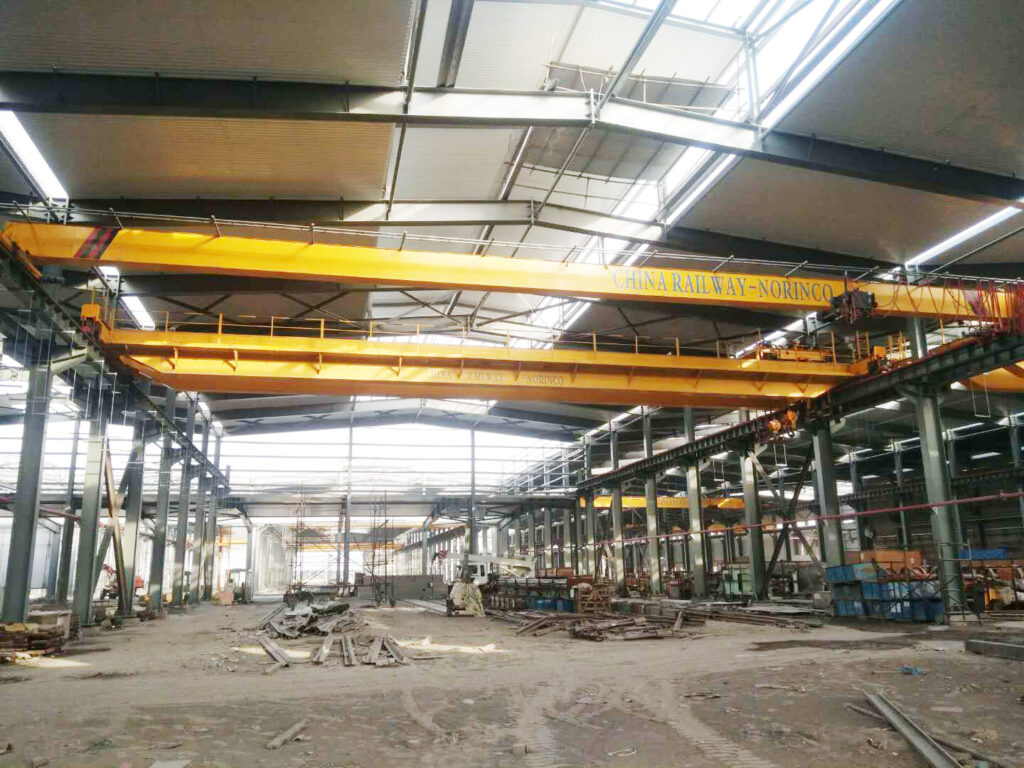
Thirty-two lifting devices were supplied for the rail project's depot and parking areas to support vehicle inspection and maintenance.
These product families support the handling tasks above. The final crane and attachment are selected from the site brief.
Send the operating brief and the relevant layout drawings. The resulting proposal can address capacity, geometry, duty, controls, installation interface and safety requirements as one system.
Prepare your enquiry ↗The heaviest planned segment and rigging, lift geometry, foundation and runway loads, wind limits and erection method all need to be assessed together.
Relocation can be considered if the original design, dismantling plan and the new site's geometry, ground bearing and operating conditions are verified.
Start with a load schedule and site plan. Our team can help develop the matched crane arrangement and technical scope.
Start a project enquiry ↗