
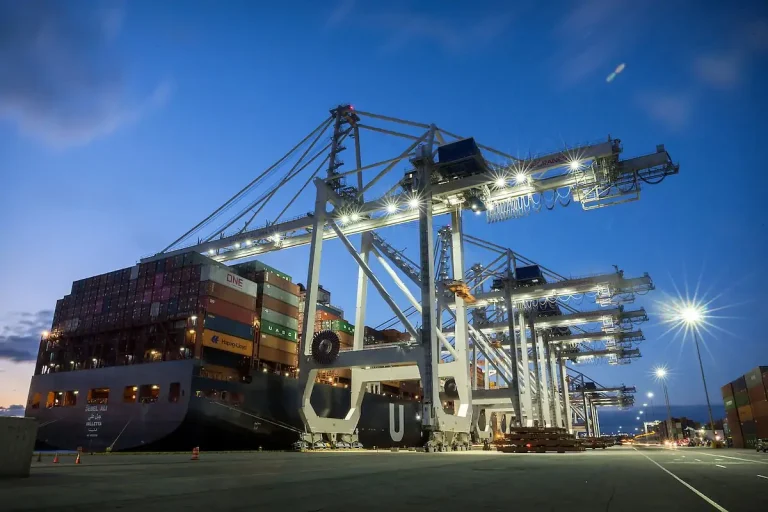
Load and discharge vessel bays
State the current and future design vessels, container rows and farthest working position.
Bridge cranes for workshops and production lines.
Explore Overhead Cranes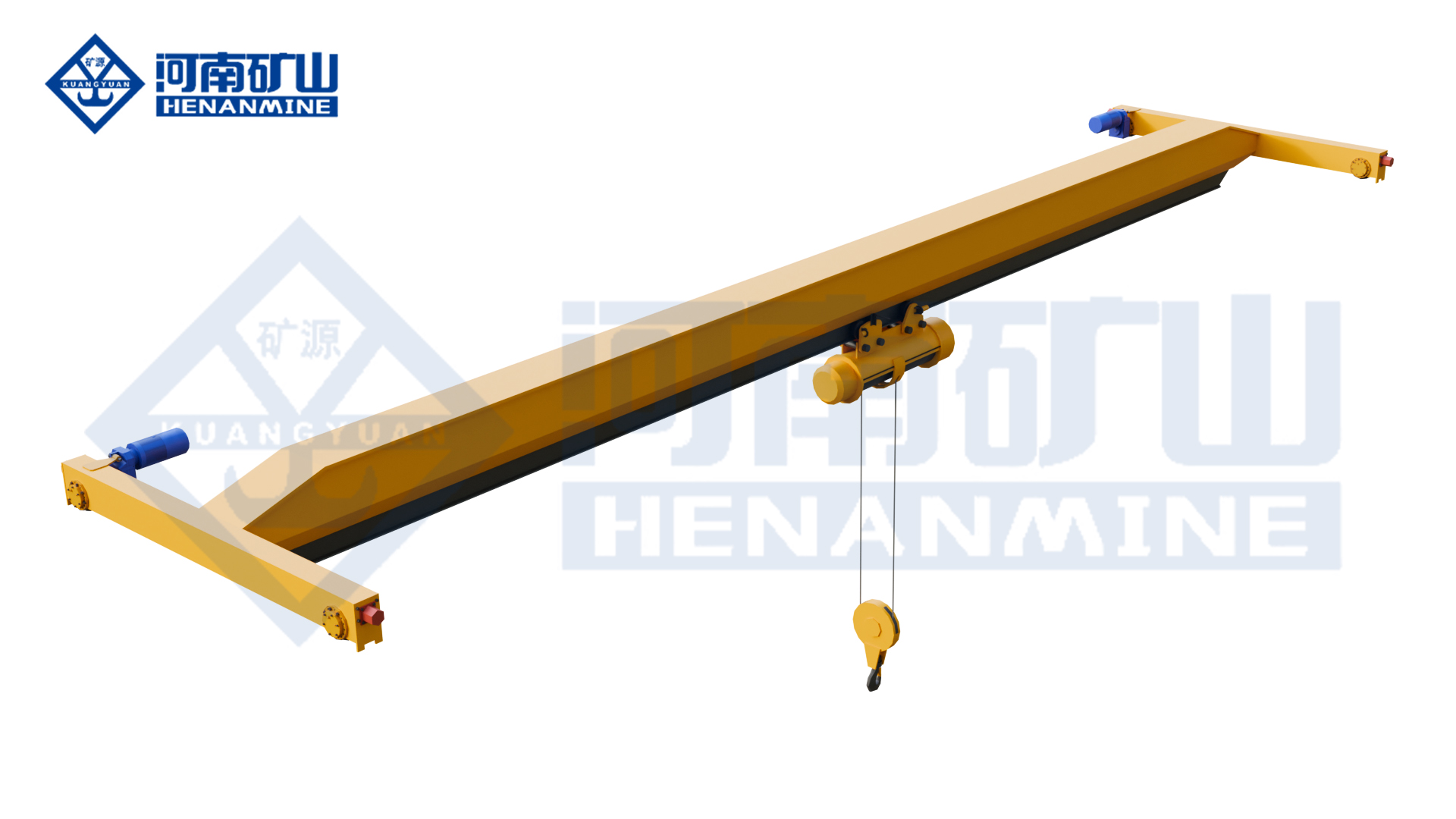
Ground-supported lifting for yards and construction.
Explore Gantry Cranes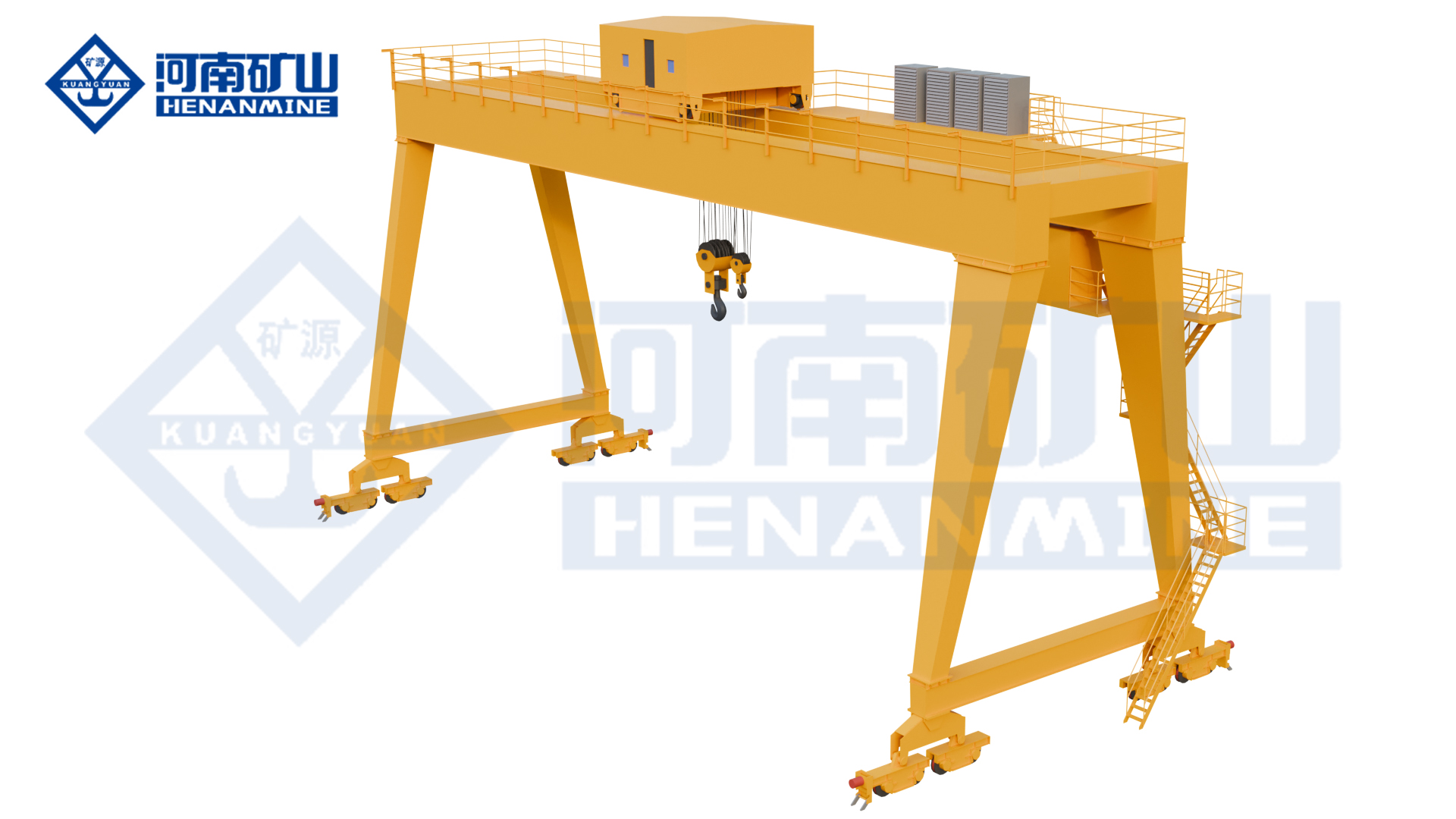
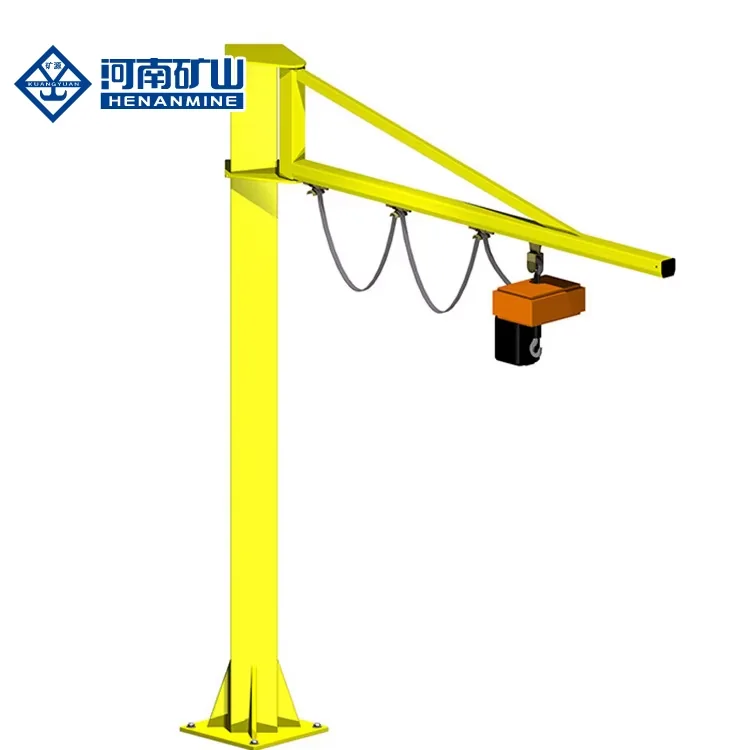
Wire rope and chain hoists for lifting points and cranes.
Explore Electric Hoists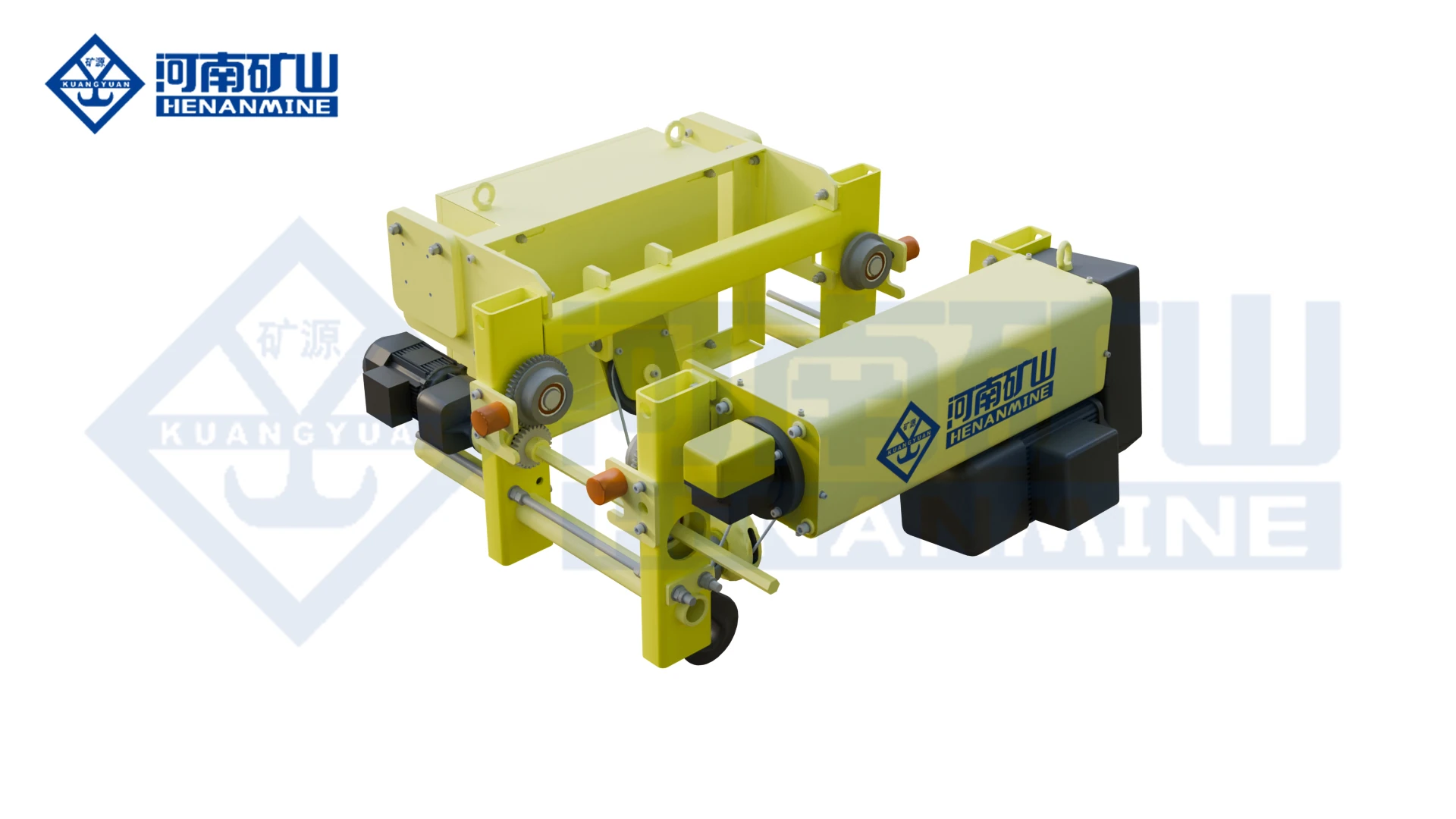
Wire rope lifting and pulling with a powered drum.
Explore Electric Winches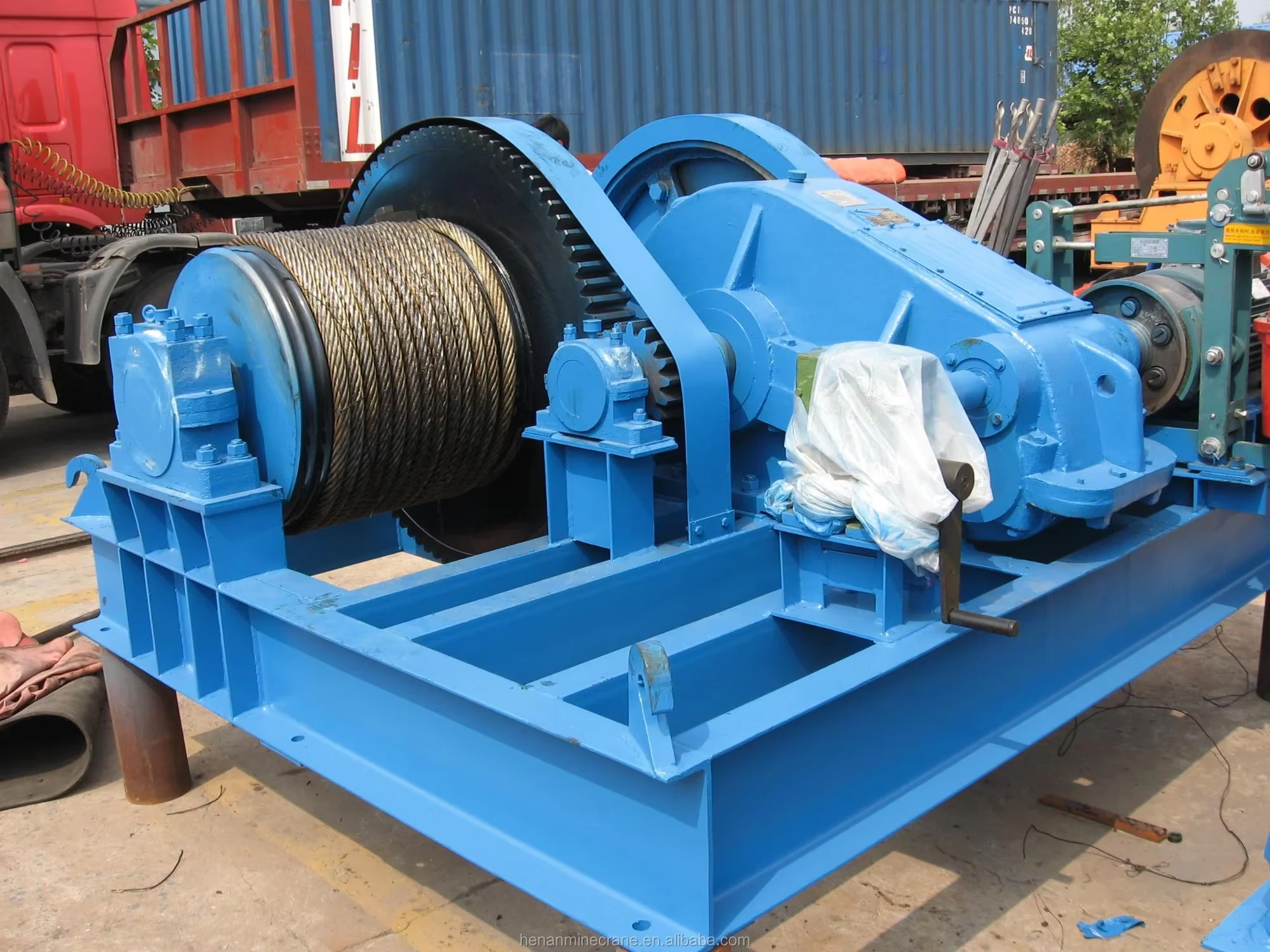
Grab buckets, magnets and hooks for your load.
Explore Lifting Attachments & Grabs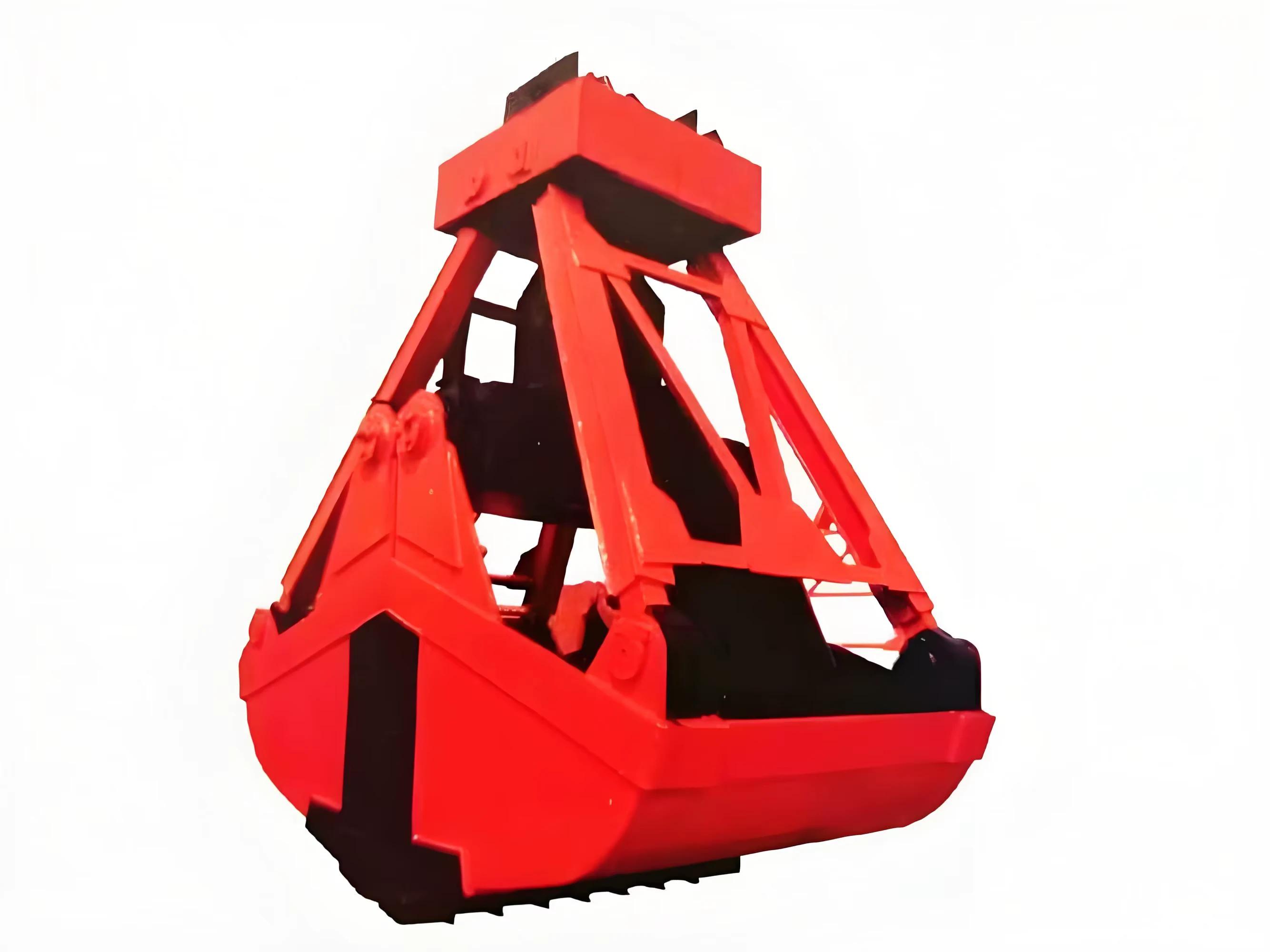
Mobile handling for containers, precast and yard loads.
Explore Rubber-Tired Gantry Cranes & Straddle Carriers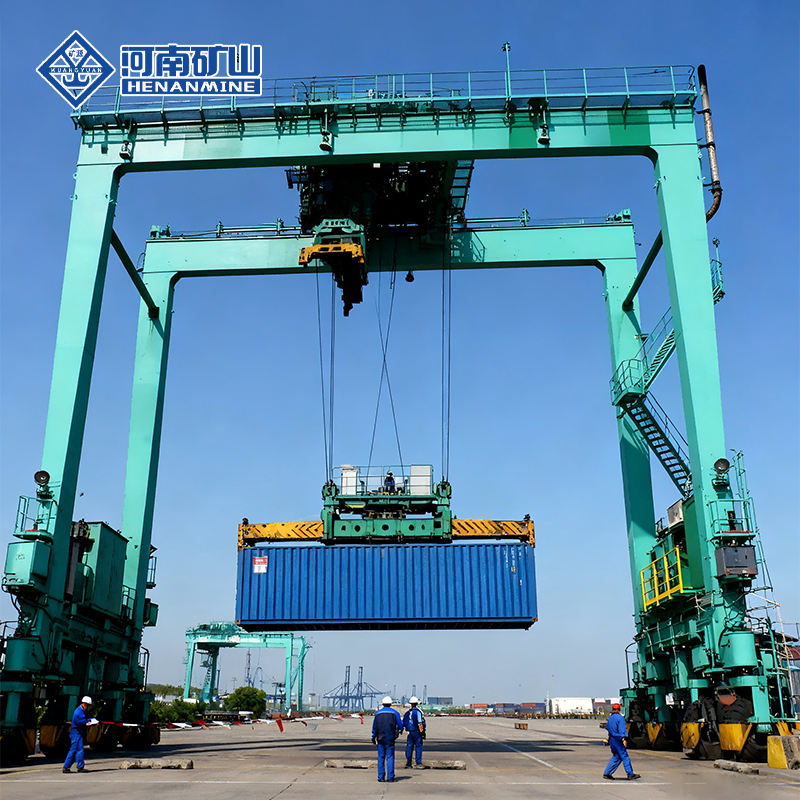
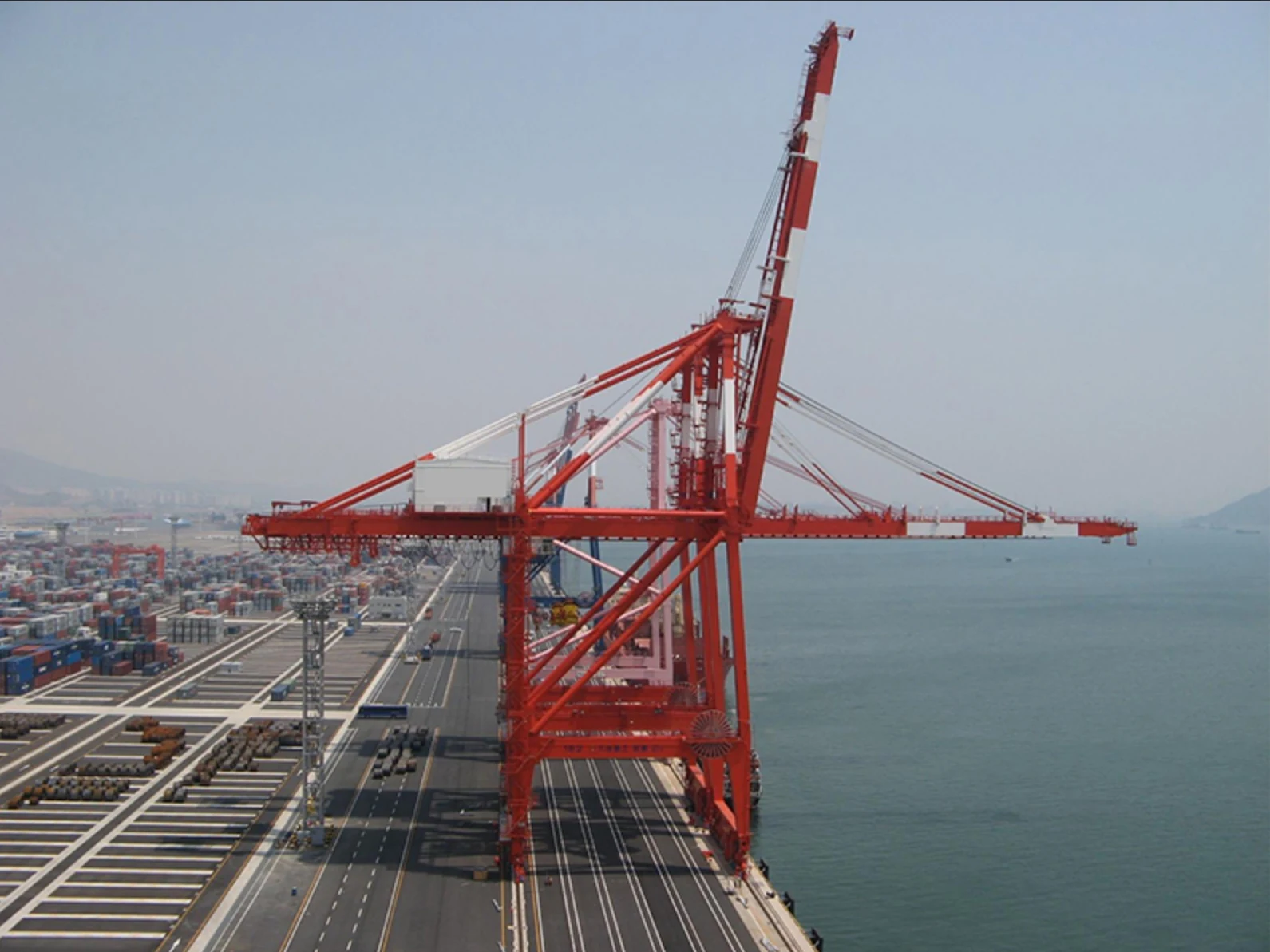
Lift and move vessels through boatyards and marinas.
Explore Marine Travel Lifts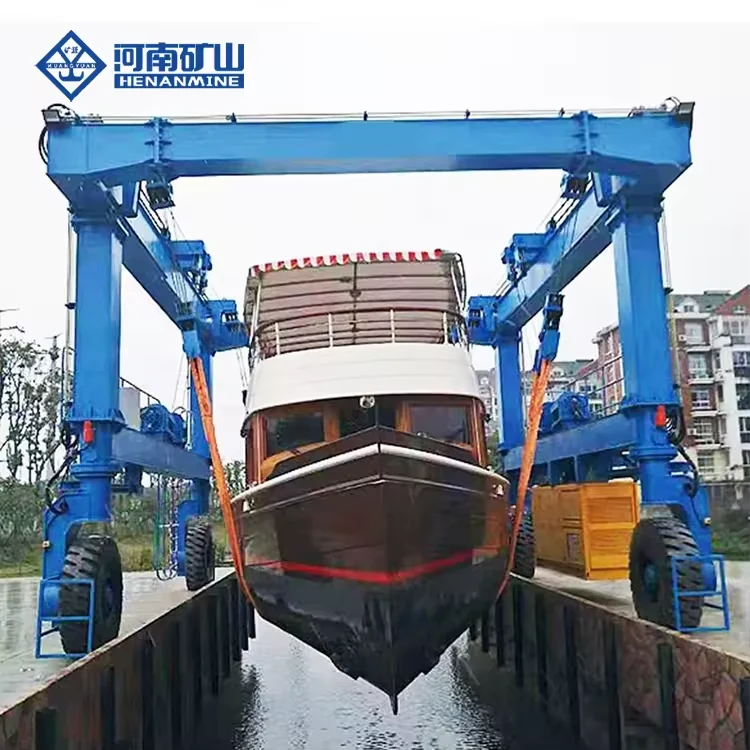
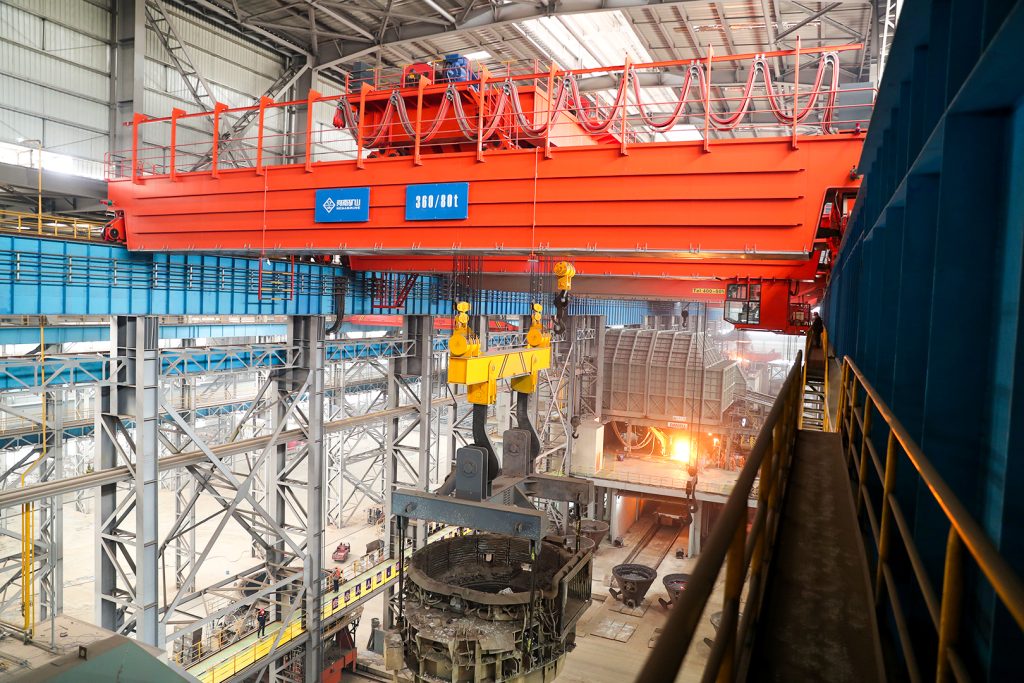
Ladle, slab, scrap and coil handling across steel production.
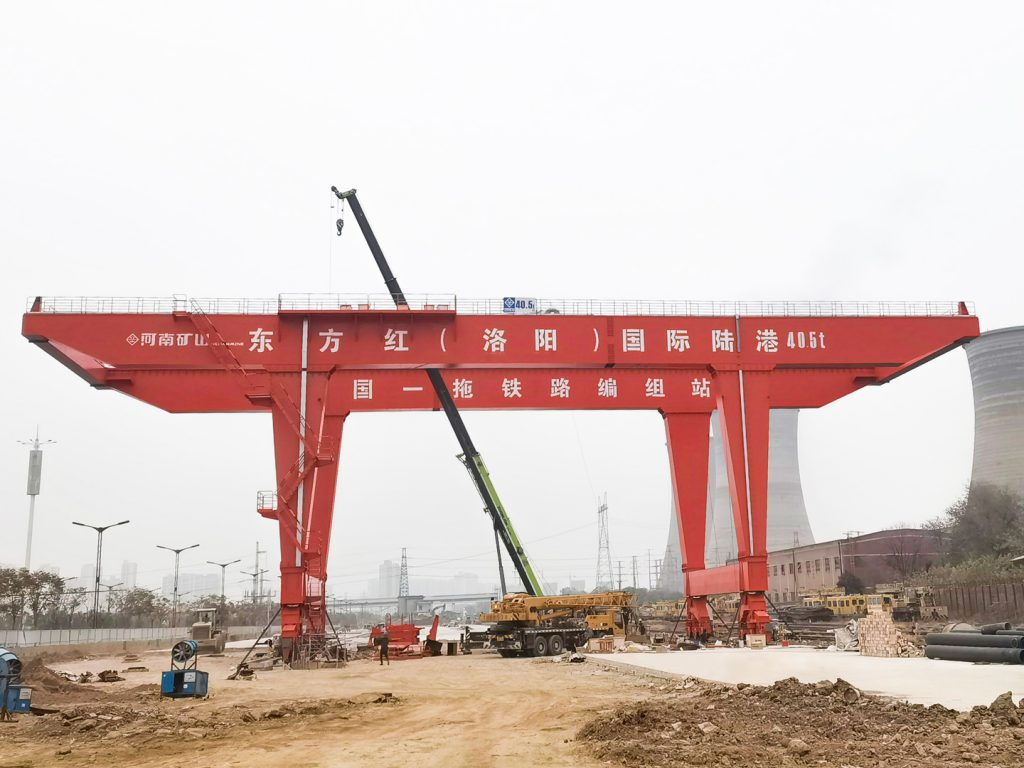
Container stacking and cargo transfers across terminals and rail.
Turbine installation, powerhouse maintenance and wind equipment assembly.
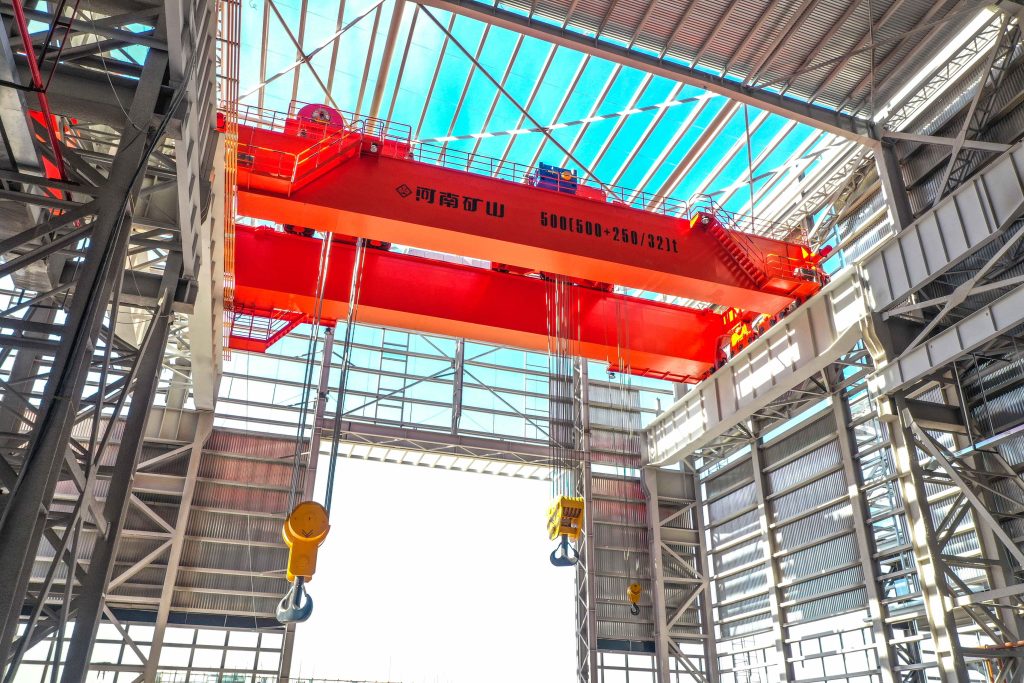
Controlled component transfer and positioning for precision assembly.
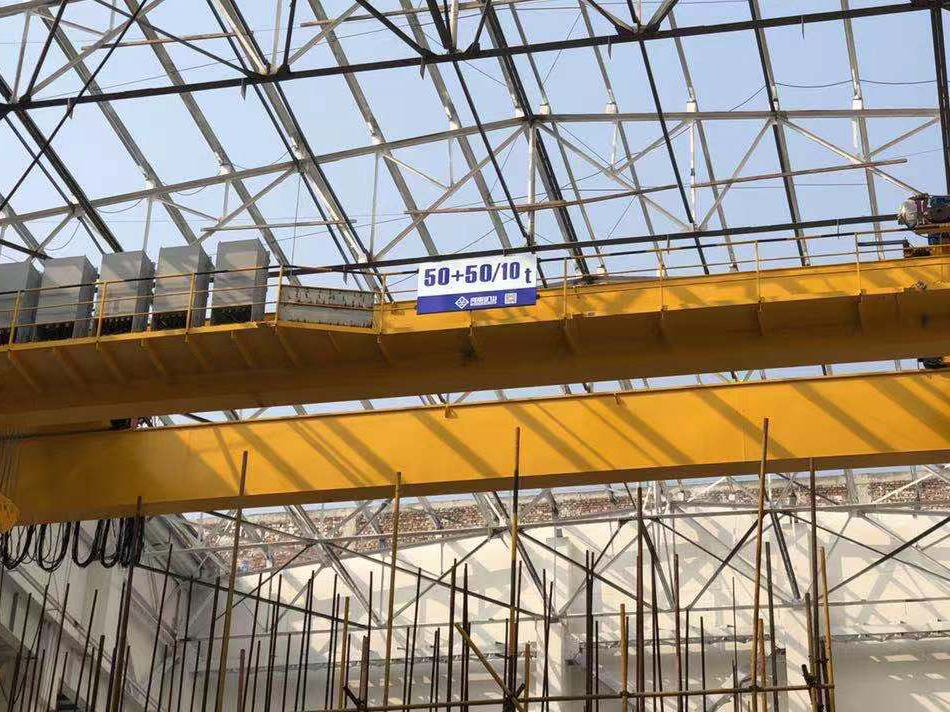
Heavy fabrication, production lifting and factory crane automation.
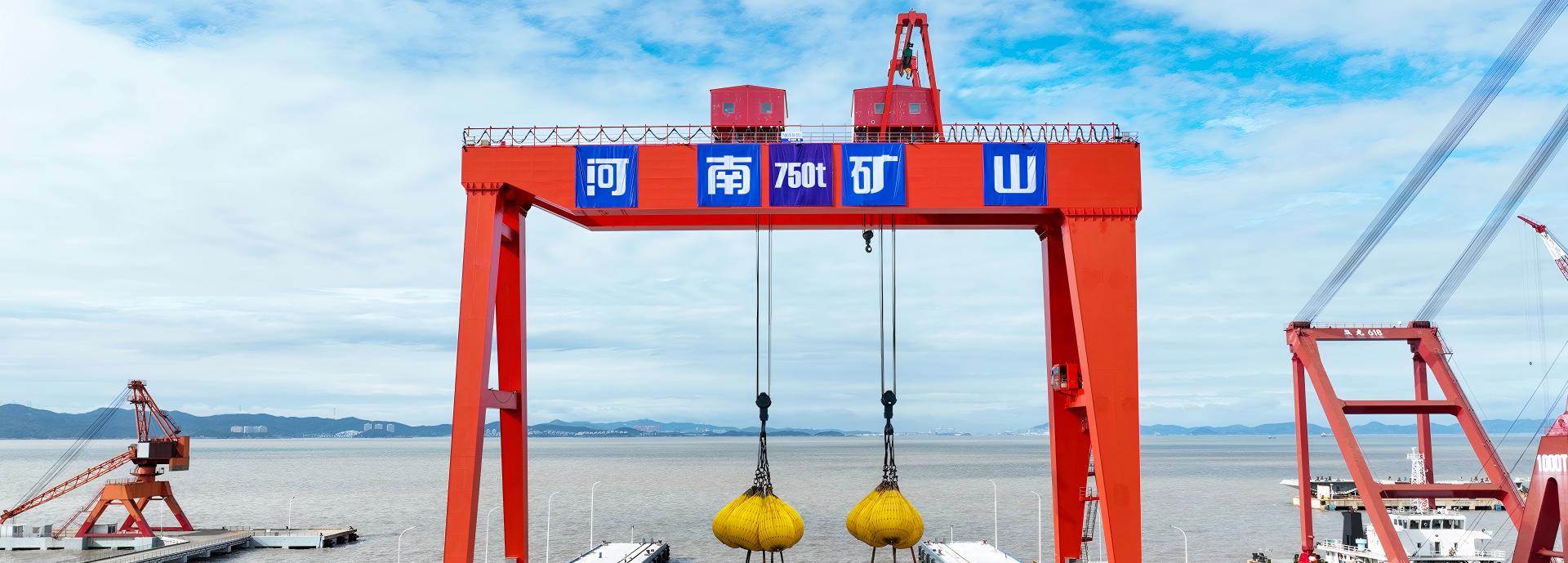
Process lifting for smelters, carbon blocks and anode materials.
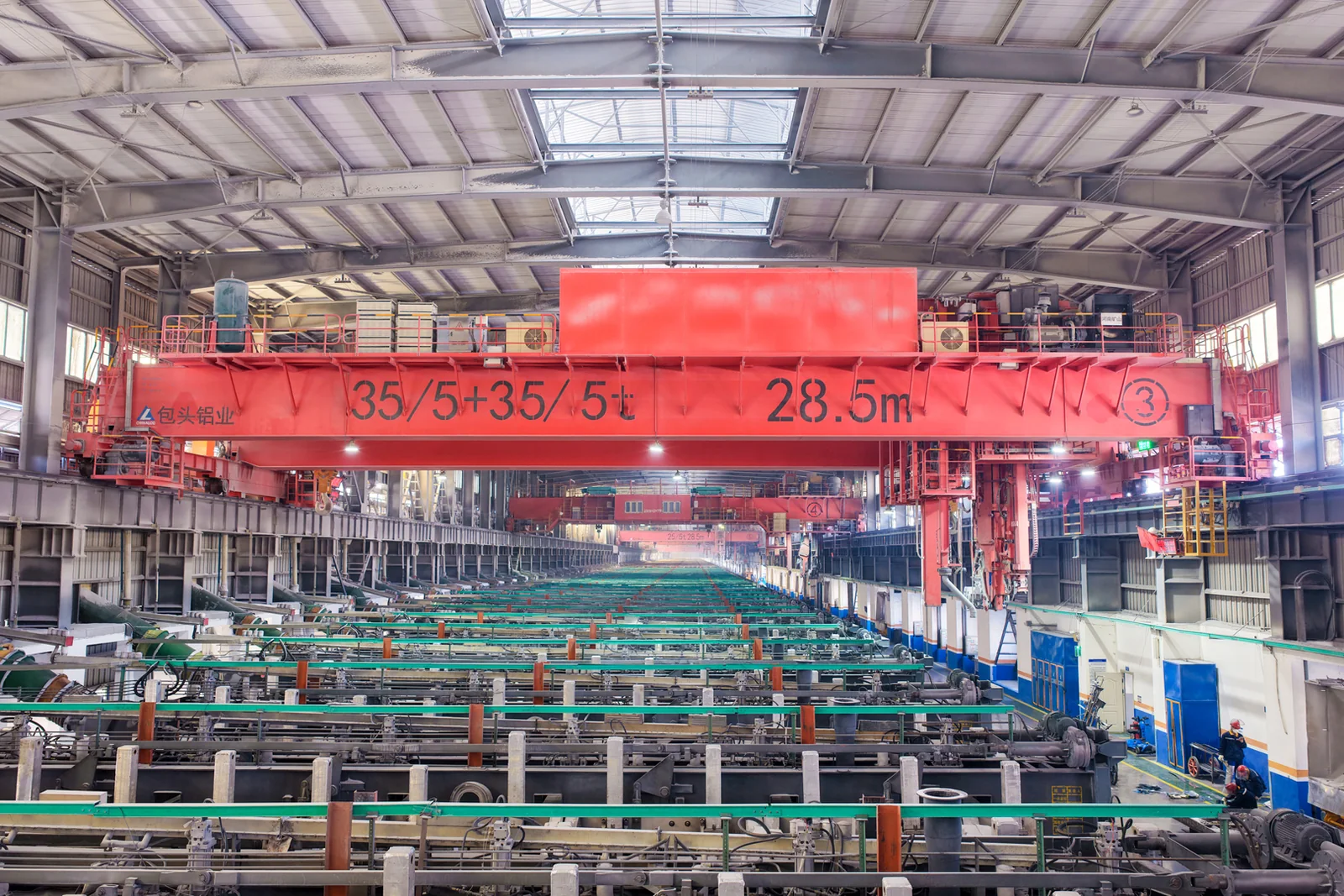
Clean lifting and classified protection for sensitive process areas.
Bridge fabrication, metro construction and ship block assembly.
Automated storage and retrieval for plates, cables and bins.
Follow project dispatches, crane engineering and factory acceptance.
Dispatch, installation and equipment in service
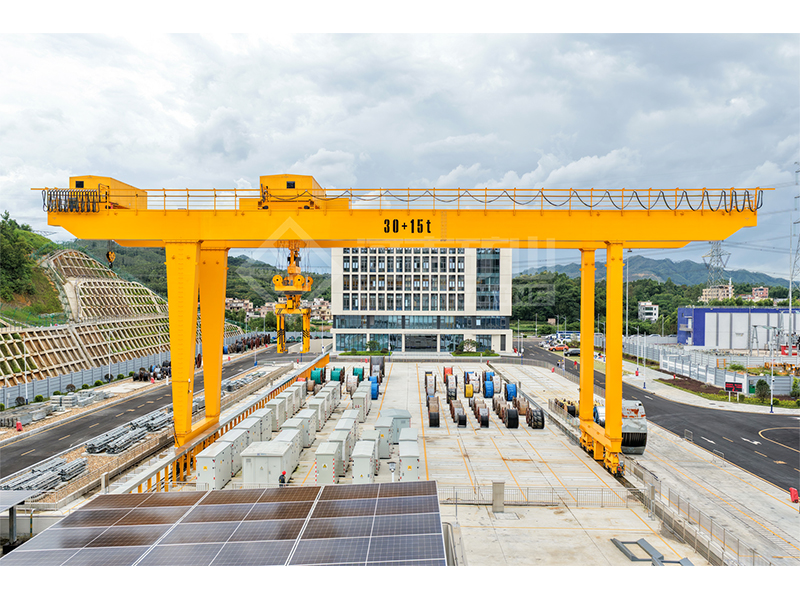
Crane configurations and handling technology
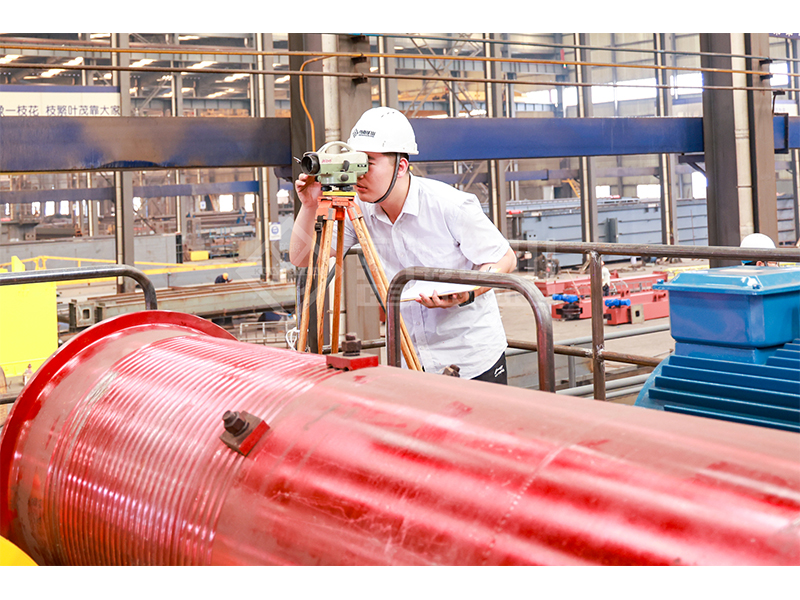
Factory inspections, acceptance and test programmes

Company developments, people and community programmes
Move ISO containers between vessel bays and terminal vehicles with a rail-mounted quay crane sized to your vessel fleet, berth and operating cycle.
Get a configuration and price matched to your load, dimensions, operating cycle and delivery destination.

A dedicated STS crane is selected from the vessel-to-quay interface. Vessel beam and rows across set waterside reach; deck stacks, holds and water levels set the vertical envelope. Landside vehicle position and allowable quay loads complete the design basis.
State the current and future design vessels, container rows and farthest working position.
Check rail gauge, allowable wheel loads, fender offset, storm anchors and erection access.
Define transfer lane, spreader mode, positioning, TOS interface and manual fallback.
Use the available STS family ranges for initial screening. Each number refers to a family option, not a guaranteed combination. The approved offer must pair capacity, outreach, lift, speeds, duty and quay reactions for one crane.
Compare the specifications and selection requirements
| Parameter | Reference selection range | Procurement check |
|---|---|---|
| Rated lifting capacity | 40–65 t and 80–120 t published families | State the rated load under the spreader and the gross suspended-load limit, including spreader weight. Identify hook and twin-lift modes separately. |
| Waterside boom outreach | 40–72 m published family | Measure from the waterside rail to the farthest required container row. |
| Lift above rail | 25–45 m published family | Check top-tier container, spreader and operating clearance. |
| Lowering below rail | 15–30 m published family | Check lowest hold position over the full tidal and vessel-loading range. |
| Working class | A8 published family | Confirm the selected load spectrum and moves per hour. |
| Container formats | 20 / 40 / 45 ft by spreader selection | Define single, twin or other modes and the heaviest gross container. |
| Backreach / rail gauge | Project-specific | Show landside handover, portal clearance, rail spacing and maintenance access. |
| Wheel loads / storm restraint | Calculated for the final crane | Coordinate operating, parked, wind and seismic cases with the quay engineer. |
| Power / controls | Project-specific PLC and variable-frequency system | Specify available supply, anti-sway, TOS interface and fallback mode. |
What the final drawing must show: Under-spreader load · outreach · above/below-rail lift · rail gauge · quay reactions · controls
Use one datum for the waterside rail, fender line, water level and vessel. That drawing establishes the actual outreach and lift; a vessel class label alone cannot size the crane.
Provide beam, rows across, deck-stack height, hold depth and future vessel allowance.
Mark rail centres, fender offset, tidal range, vehicle lanes and portal clearance.
State container mix, gross mass, spreader mode and gross/net moves per hour.
Supply rail capacity, allowable reactions, storm anchors and electrical feed.
The commercial comparison should include the crane, spreader, civil interface, performance test and commissioning at the same terminal operating assumptions.
Require a GA drawing with reach, backreach, lift, rail gauge, wheel reactions and storm anchoring.
List hoists, trolley, boom, drives, spreader, controls, cable system and maintenance equipment.
Define FAT, lift and functional tests, site commissioning, operator training and agreed cycle test.
Align the selected equipment, technical documents, factory dispatch and site responsibilities before placing your order.
Request a quotation for one crane or a complete project package; confirm the minimum order for the selected configuration.
Agree the documents for the quoted crane and destination: applicable conformity documents, inspection and test records, operating manuals and the approved technical schedule.
Agree drawing approval, fabrication, machinery and control integration, factory testing, transport and commissioning milestones for the selected handling system.
Specify the documents required for your equipment, destination and site approval in the technical offer.
Agree the load cases, dimensions, operating envelope and supply schedule.
Set the inspection scope, acceptance criteria and customer witness points.
Confirm transport dimensions, shipping route, packing list and unloading access.
Agree site readiness, commissioning, load testing and operator training.
Request a written warranty schedule identifying the steel structure, drives, controls, power system and lifting attachment, with destination service and wear-part terms.
Request service and warranty terms ↗Include commissioning support, operator training, fault diagnosis and a critical-spares list. Define response arrangements and any on-site technician scope before the order.
Identify the equipment and personnel needed for unloading, installation and commissioning. Put responsibilities and acceptance requirements in the agreed project schedule.
Review related equipment against your load, site geometry and operating cycle.
Check the selection, commercial scope and installation requirements before ordering.
No. Published family limits are not one combined configuration. Ask for the rated-load chart and approved vessel/berth GA for your selected crane.
The distance from the waterside rail to the farthest required container row, accounting for the fender line, vessel offset and operating clearance.
Request a quotation for one complete STS crane or a coordinated berth package; confirm the commercial minimum and included spreader and services.
Agree the destination documents, factory and berth tests, and a dated dispatch milestone after deposit and drawing approval. Show sea freight, erection and commissioning separately.
Share vessel rows and beam, waterside rail-to-fender dimension, desired outreach and lift, container mix, target moves per hour, quay reactions, power and destination. We can then quote one coherent STS configuration with drawings, tests and dispatch scope.
Discuss your project