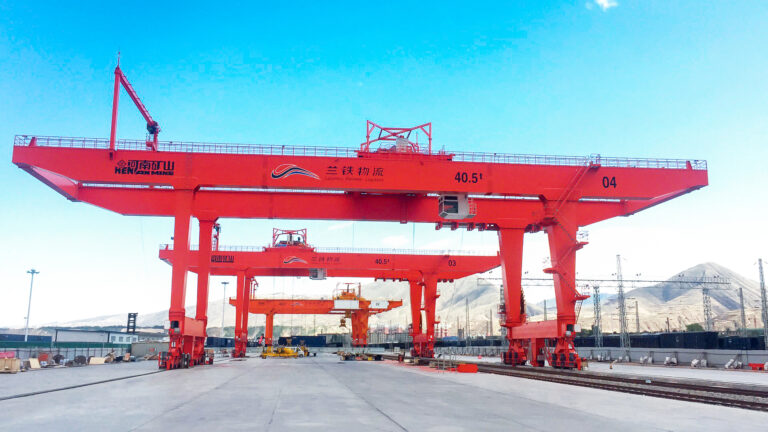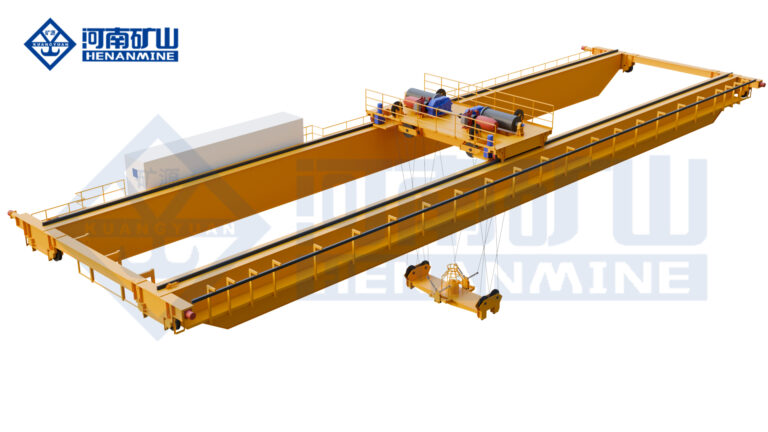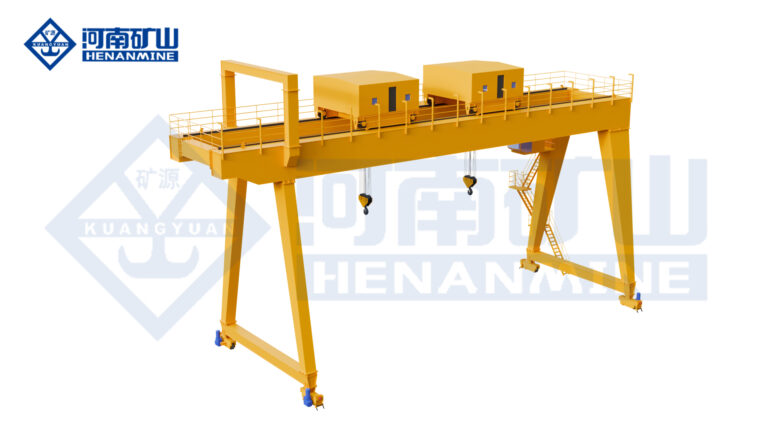
Receive and identify
Confirm container size, gross handling load, arrival mode and the assigned stack position before a move is released.
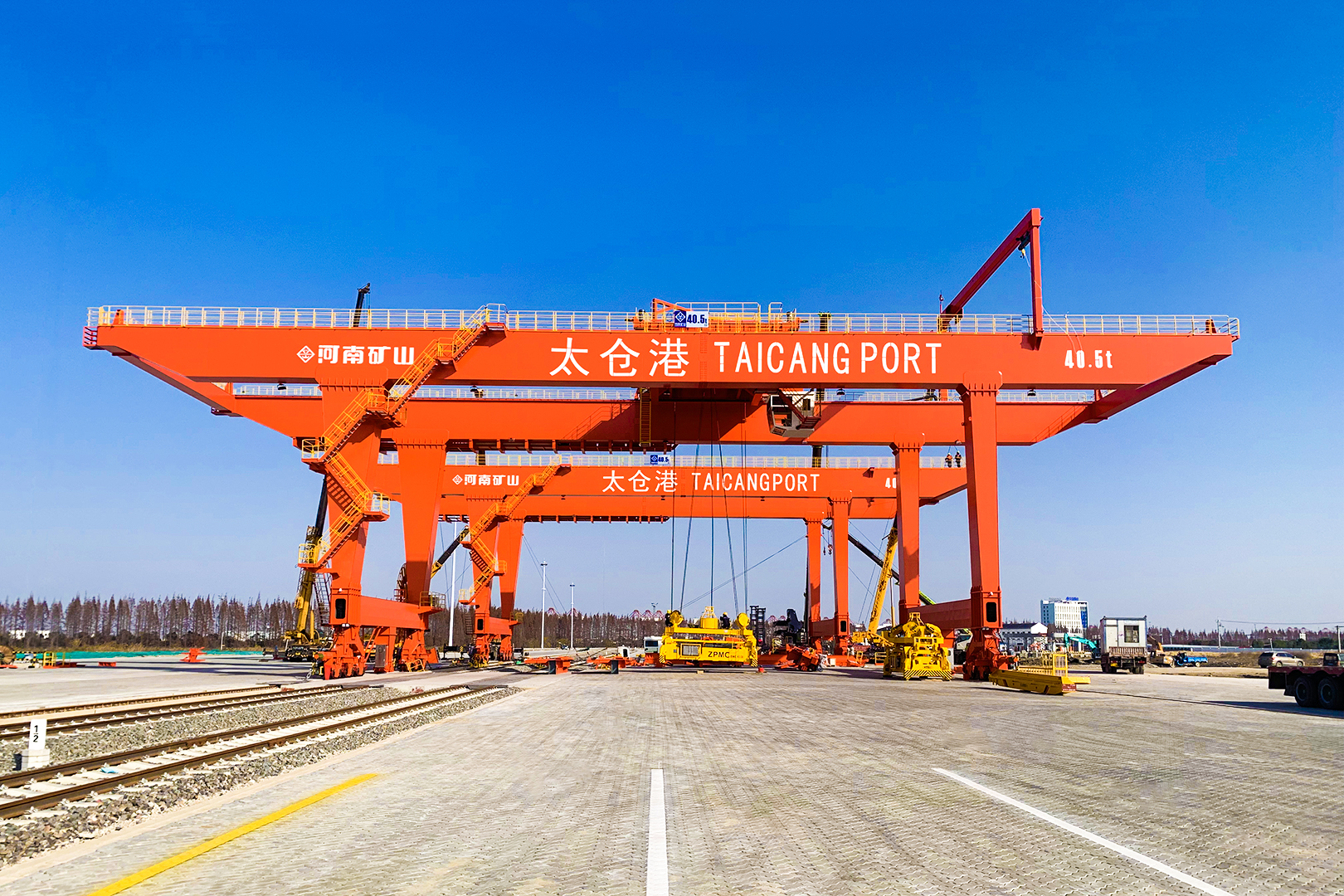
Keep container moves predictable across the yard, rail and warehouse.
Container handling equipment supplied by Henan Mine Crane
A terminal crane must work with the yard geometry, vehicle flow, container sizes and operating schedule. Rail-mounted gantry cranes can be specified with positioning, anti-sway, remote monitoring and interchangeable lifting attachments when the workflow requires them.
The terminal solution starts with the site plan: rail gauge, truck lanes, stacking blocks, transfer points and container mix. A rail-mounted gantry crane spans the active lanes and uses a spreader matched to the containers. Positioning and anti-sway functions support repeatable moves, while vehicle safeguards and monitoring are configured at the truck interface. Warehousing or mixed-cargo duties are treated as separate handling cells with their own attachments and identification logic.
Follow the load through the operation to see where lifting equipment, tooling and controls must work together.
Confirm container size, gross handling load, arrival mode and the assigned stack position before a move is released.
Align the spreader and crane travel with truck or rail clearances, visibility and the agreed interlock sequence.
Coordinate lift height, anti-sway behavior and positioning with the lane layout and planned stacking height.
Use operating data and location records to support retrieval, outbound transfer and exception handling.
Define the material, handling cycle and working zone before fixing the crane arrangement.
Size the rail span, stacking height, end approaches and spreader around the terminal's actual lane and stack layout.
Coordinate crane travel, vehicle detection, anti-lift safeguards and operating visibility at each transfer point.
Link load identification, location data and task scheduling to the physical lifting and storage sequence.
These choices affect safety, process fit and the operating life of the installation.
The rail span, cantilever, wheel loads and stack clearance come from the real block and traffic layout, not from a nominal container size alone.
Define truck detection, anti-lift behavior, travel limits and operator sight lines at each transfer lane.
Set the required positioning, monitoring and data interfaces together with a safe manual recovery procedure for interrupted moves.
See how cranes and lifting systems were configured for demanding operating environments.
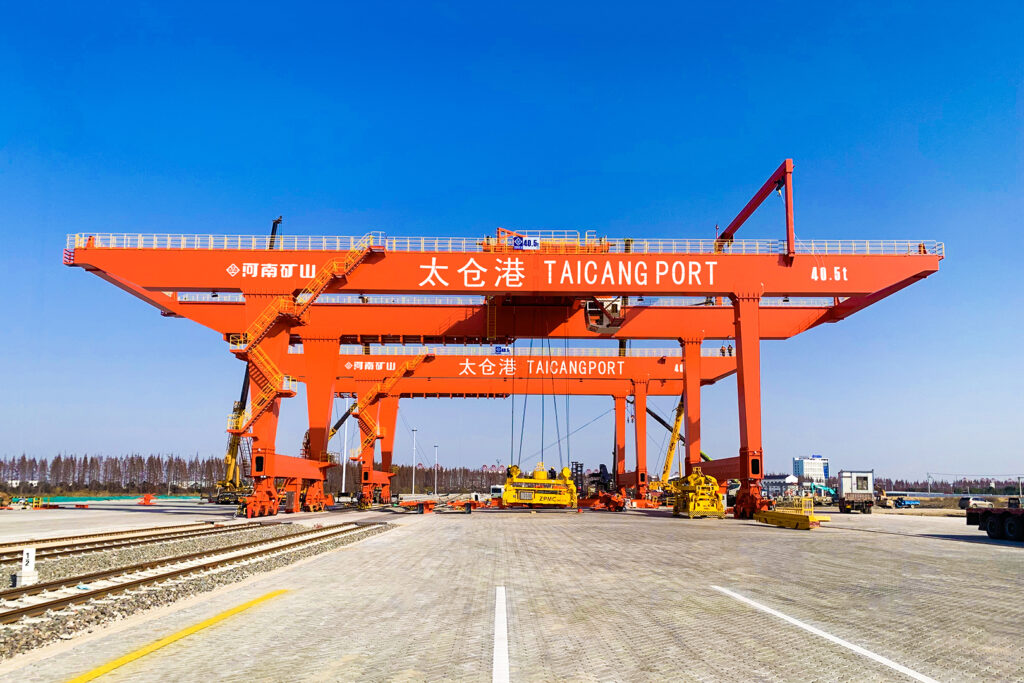
Two rail-mounted container gantry cranes were delivered with variable-frequency drives, Siemens PLC control, remote monitoring, anti-sway and truck anti-lift functions.
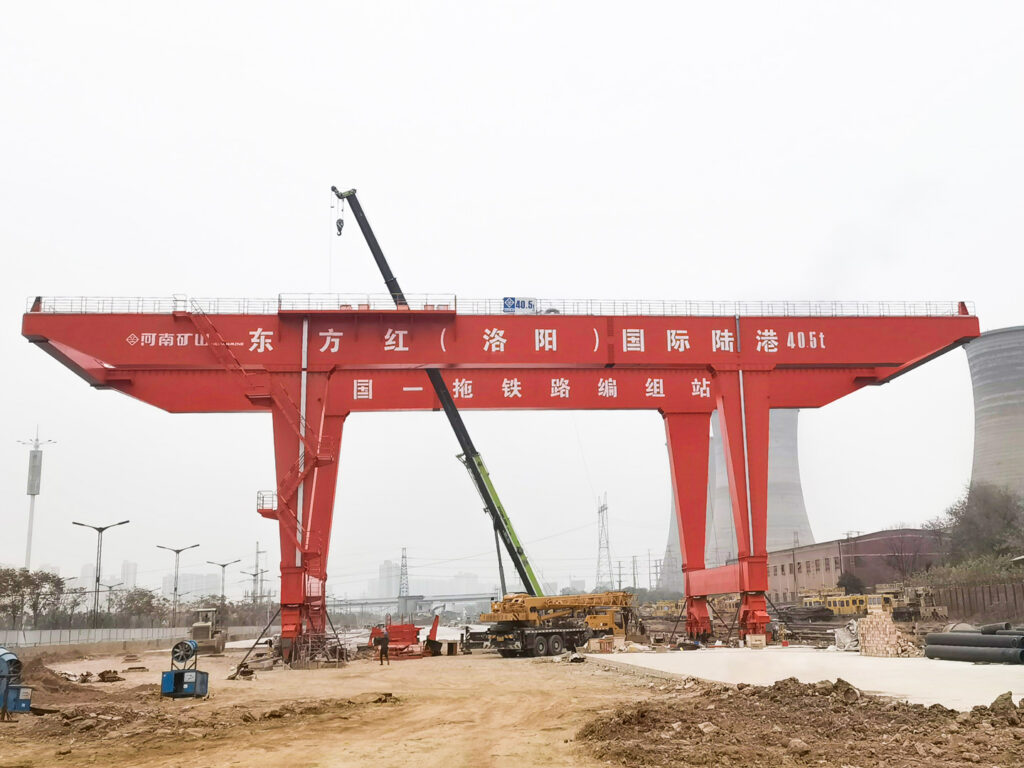
A customized rail-mounted container gantry crane was delivered with anti-sway control and interchangeable attachment arrangement for different cargo duties.
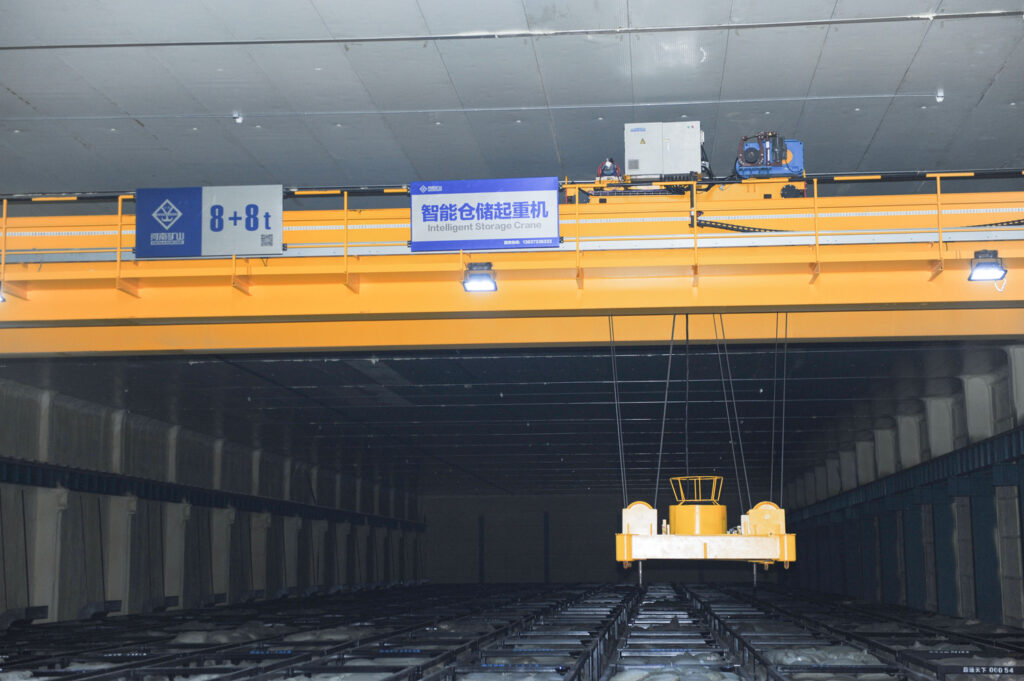
A warehouse concept for garlic storage uses identified large bins, dedicated lifting attachments and automatic stacking and retrieval, reducing manual handling in the cold store.
These product families support the handling tasks above. The final crane and attachment are selected from the site brief.
Send the operating brief and the relevant layout drawings. The resulting proposal can address capacity, geometry, duty, controls, installation interface and safety requirements as one system.
Prepare your enquiry ↗Provide container types, gross load, rail gauge, runway length, stack height, traffic lanes, operating cycles and the site power scheme.
Yes. The required positioning, monitoring, safety interlocks and data interfaces should be defined in the initial control architecture, even if some functions are commissioned later.
Start with a load schedule and site plan. Our team can help develop the matched crane arrangement and technical scope.
Start a project enquiry ↗