
Machine loading and unloading
Move workpieces between a machine table, pallet and nearby staging point. Check hook approach and clearance over the machine before choosing the arm.
Bridge cranes for workshops and production lines.
Explore Overhead Cranes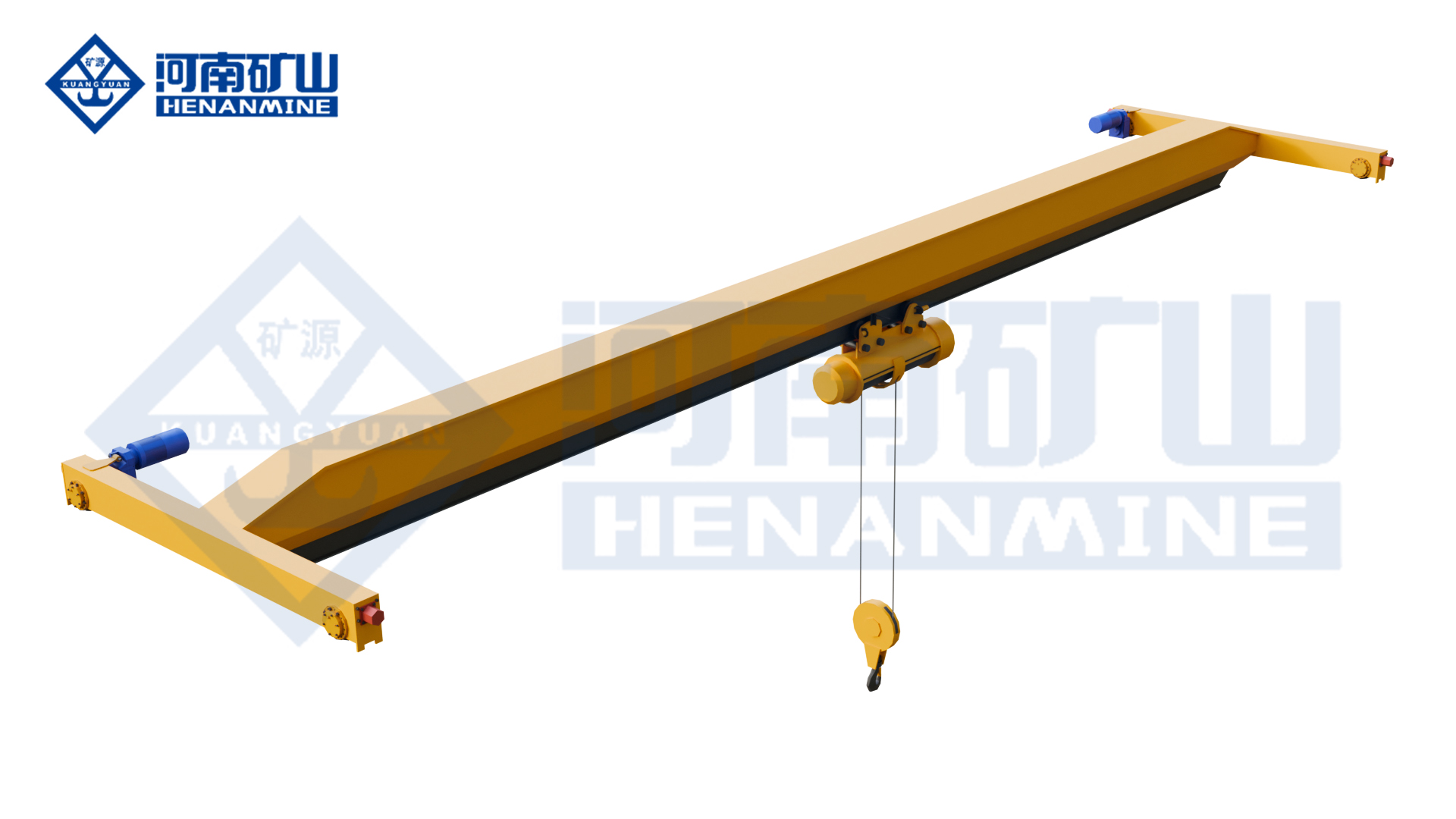
Ground-supported lifting for yards and construction.
Explore Gantry Cranes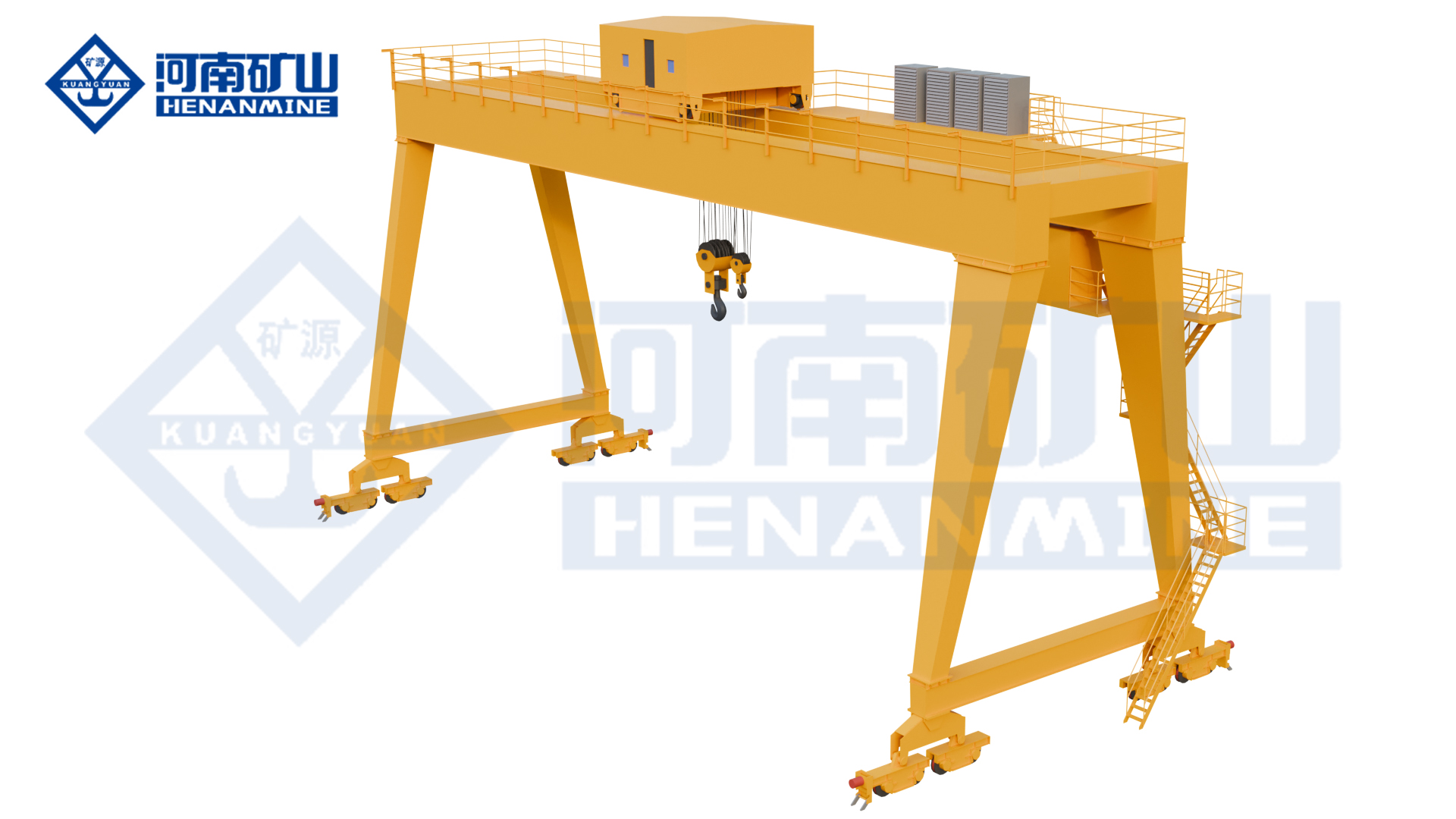
Wire rope and chain hoists for lifting points and cranes.
Explore Electric Hoists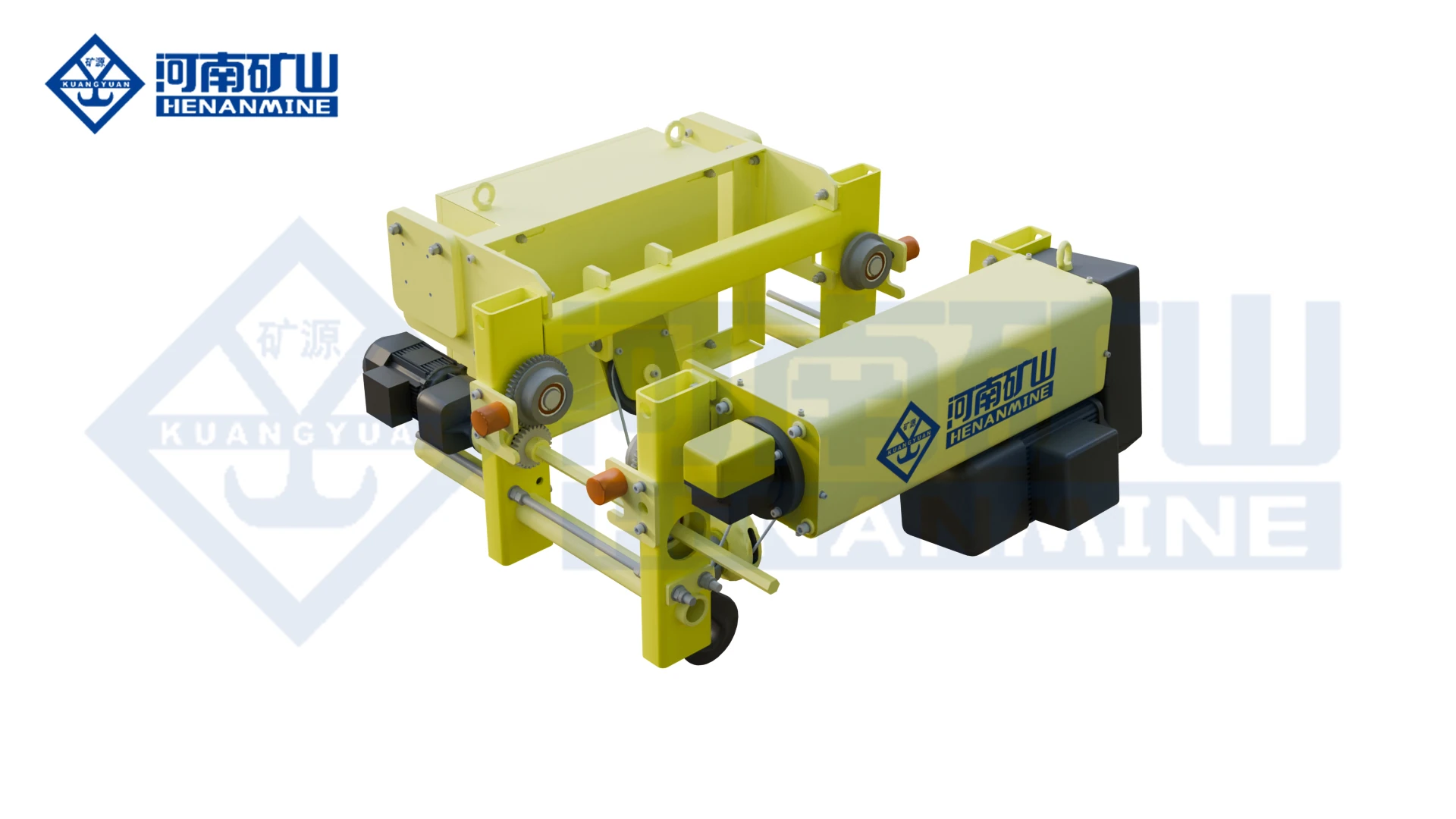
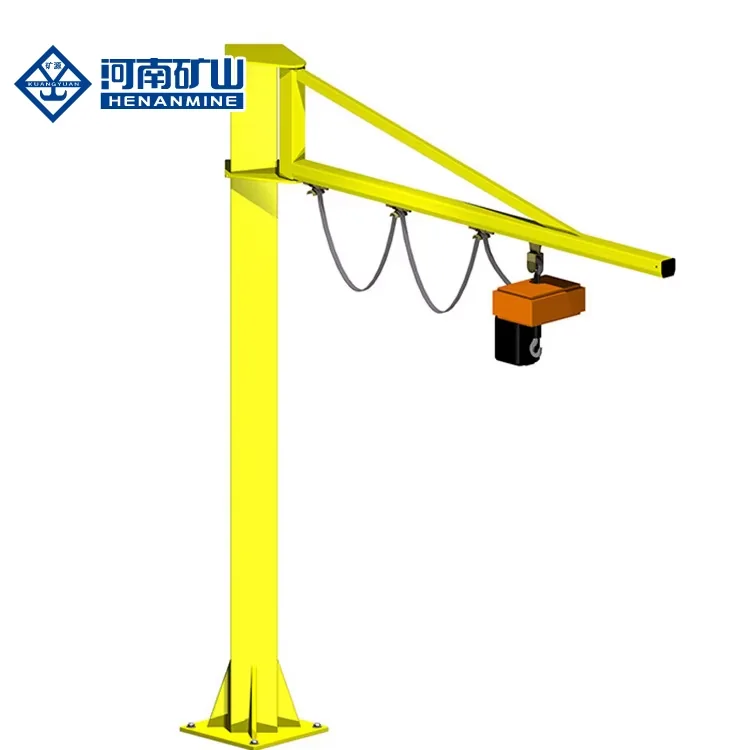
Wire rope lifting and pulling with a powered drum.
Explore Electric Winches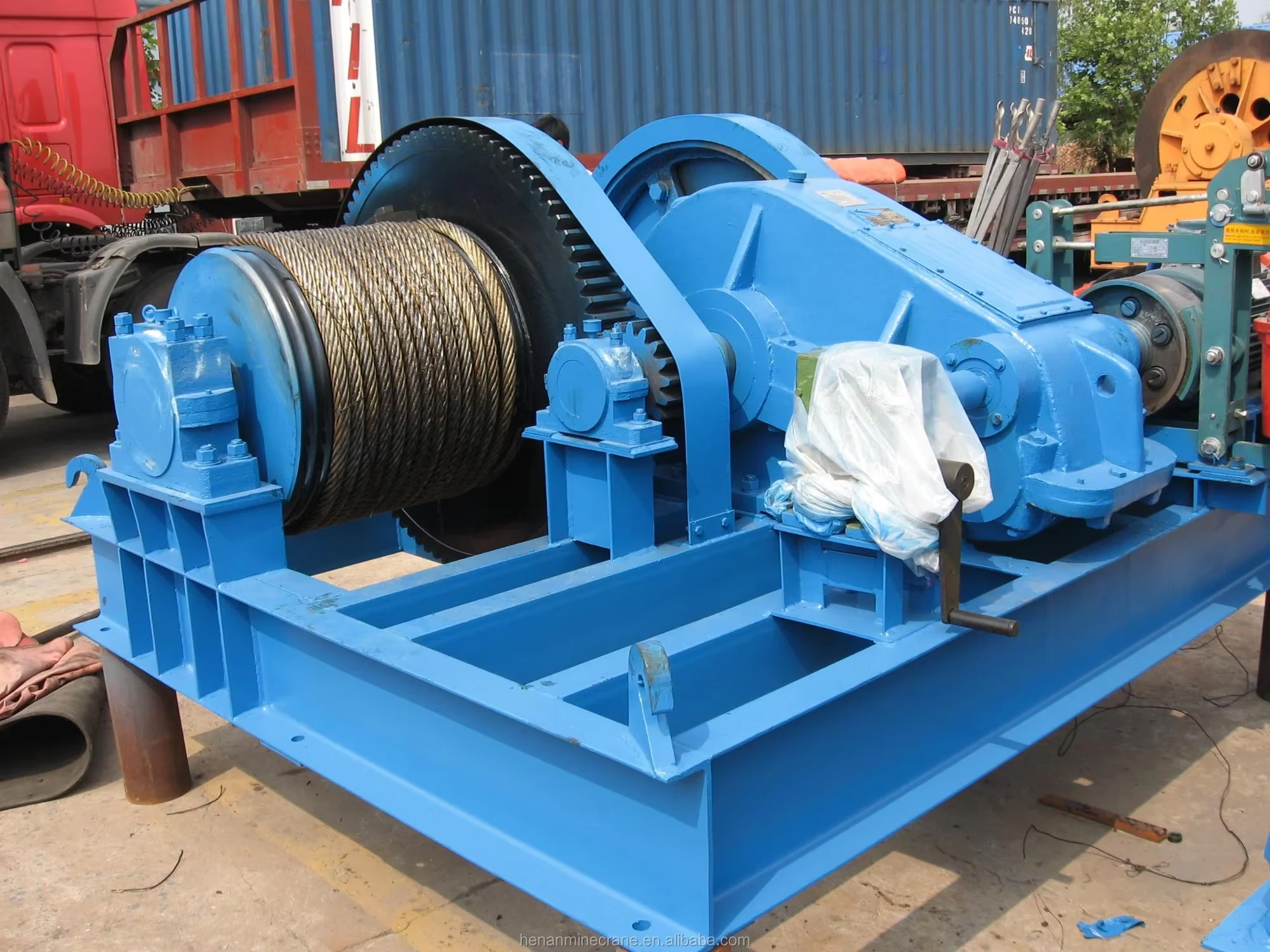
Grab buckets, magnets and hooks for your load.
Explore Lifting Attachments & Grabs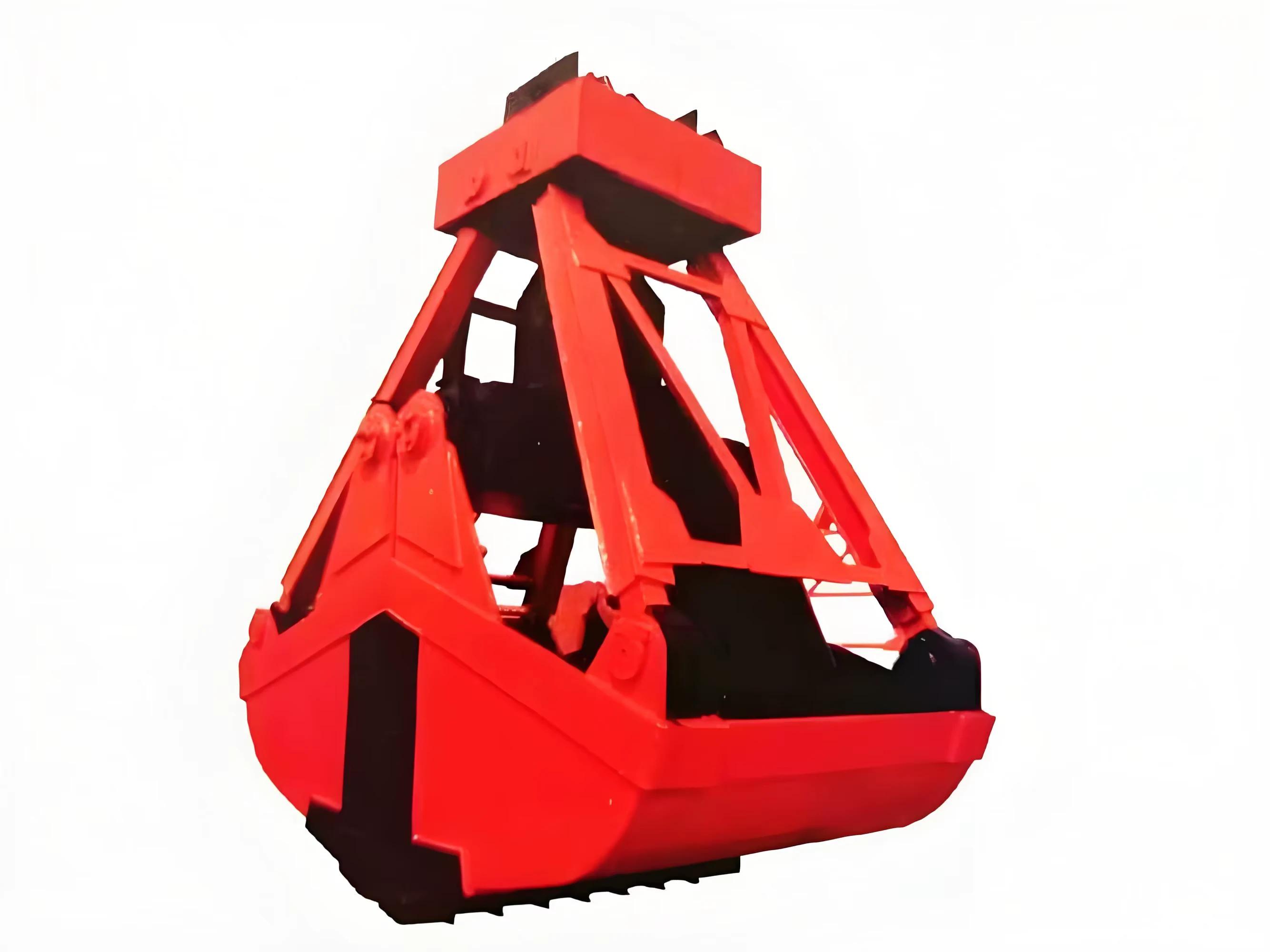
Mobile handling for containers, precast and yard loads.
Explore Rubber-Tired Gantry Cranes & Straddle Carriers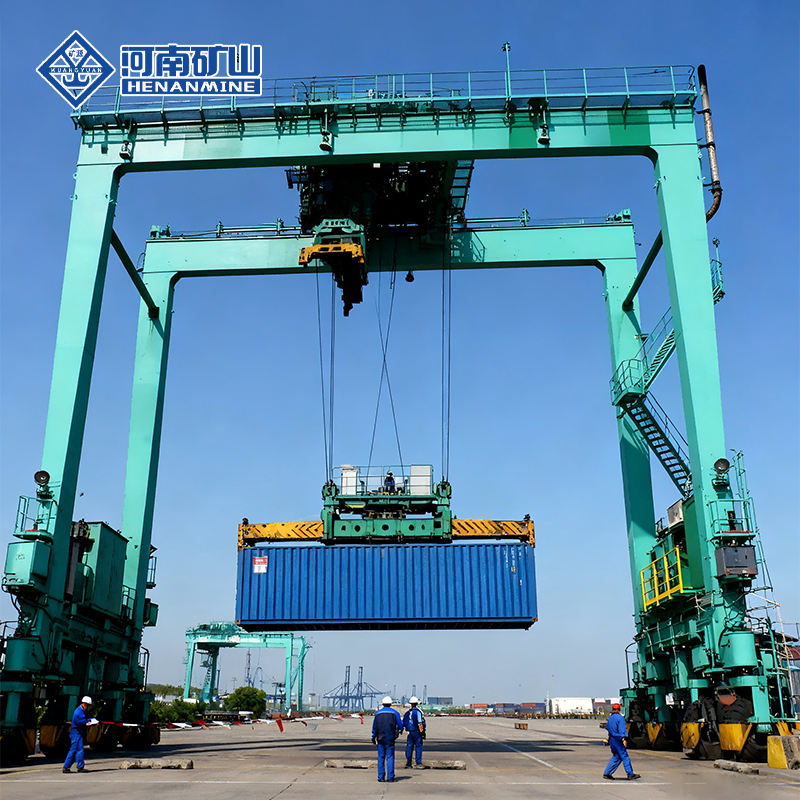
Lift and move vessels through boatyards and marinas.
Explore Marine Travel Lifts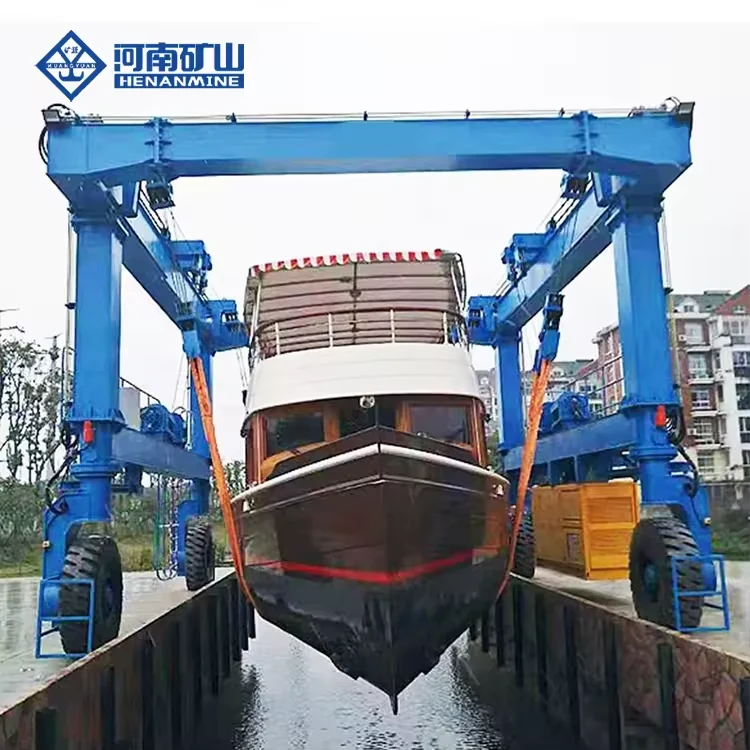
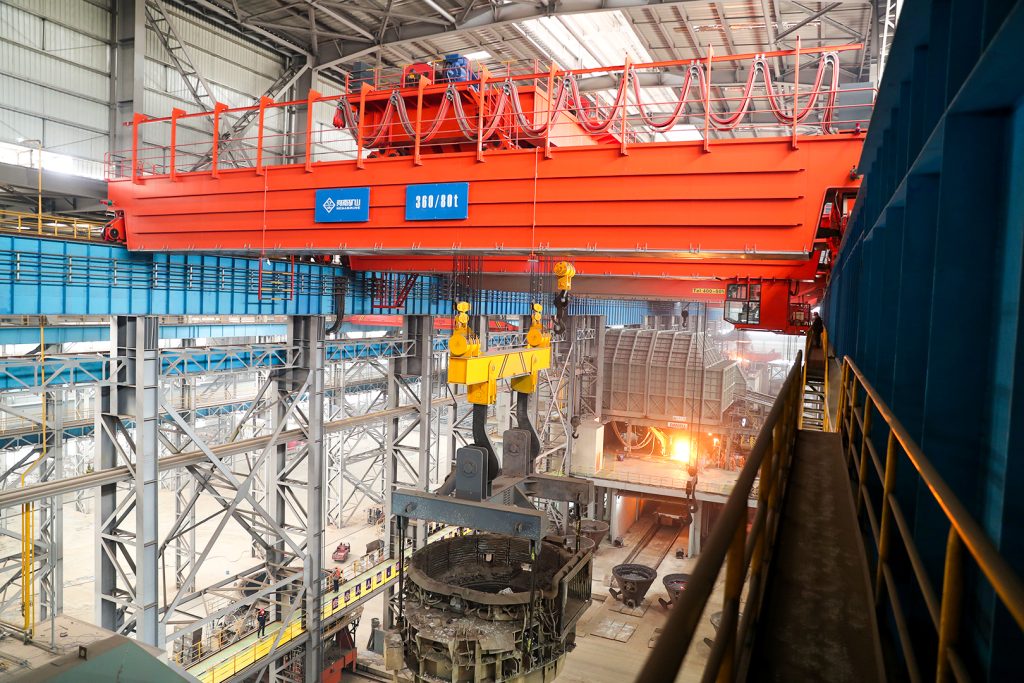
Ladle, slab, scrap and coil handling across steel production.
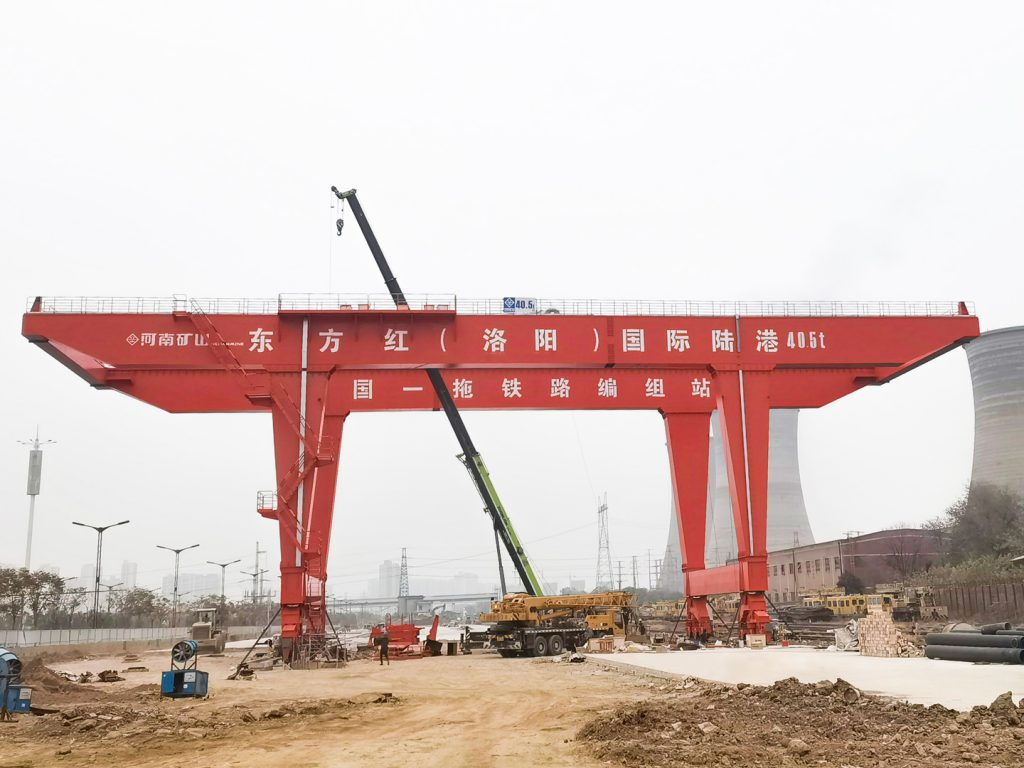
Container stacking and cargo transfers across terminals and rail.
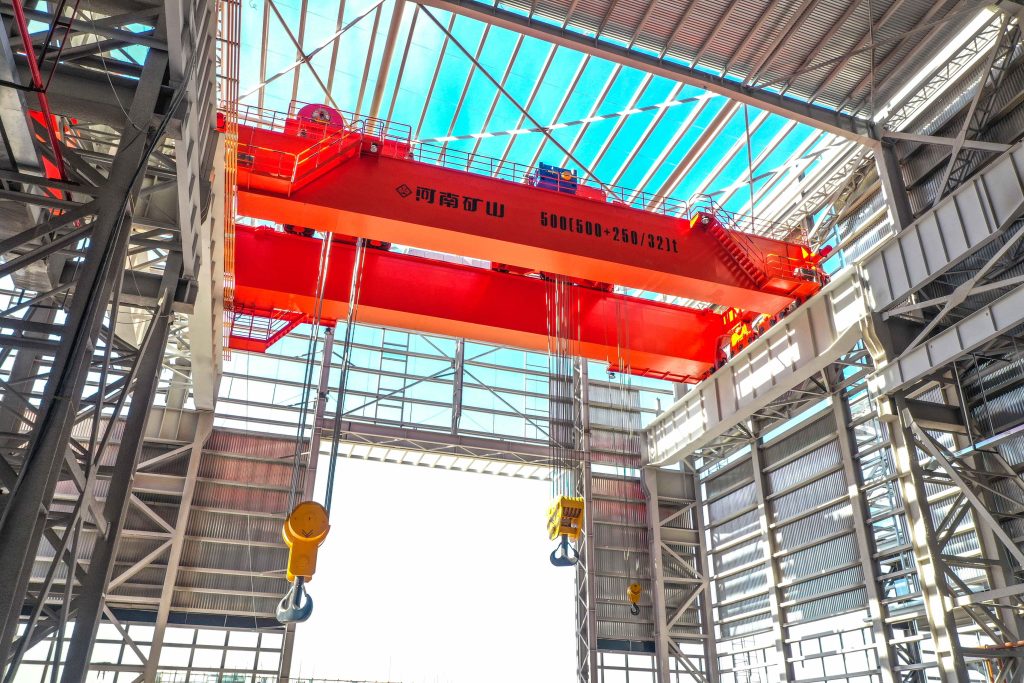
Turbine installation, powerhouse maintenance and wind equipment assembly.
Controlled component transfer and positioning for precision assembly.
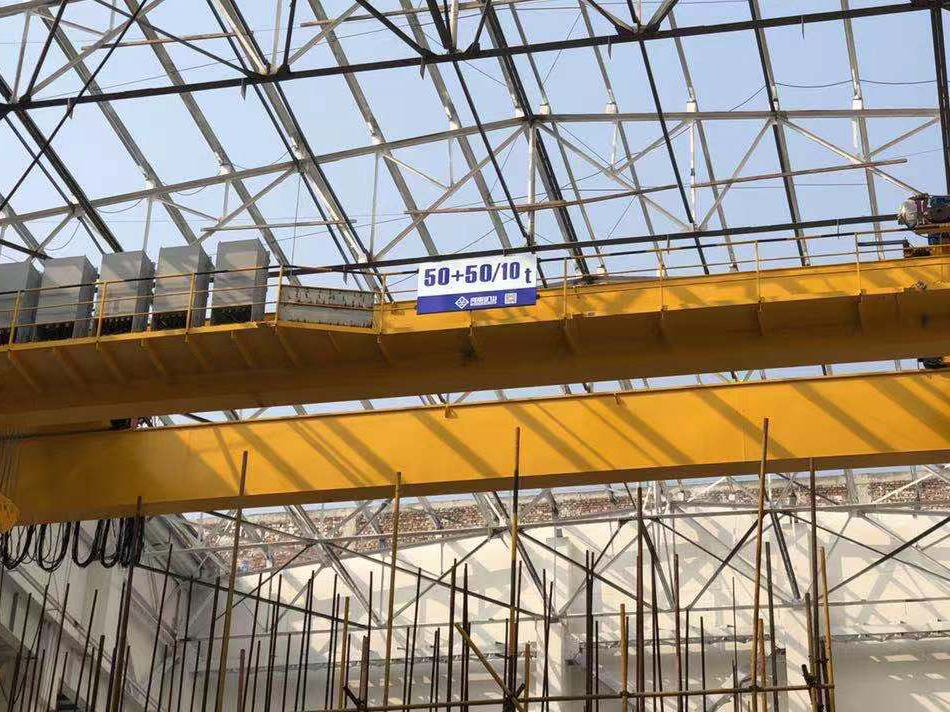
Heavy fabrication, production lifting and factory crane automation.
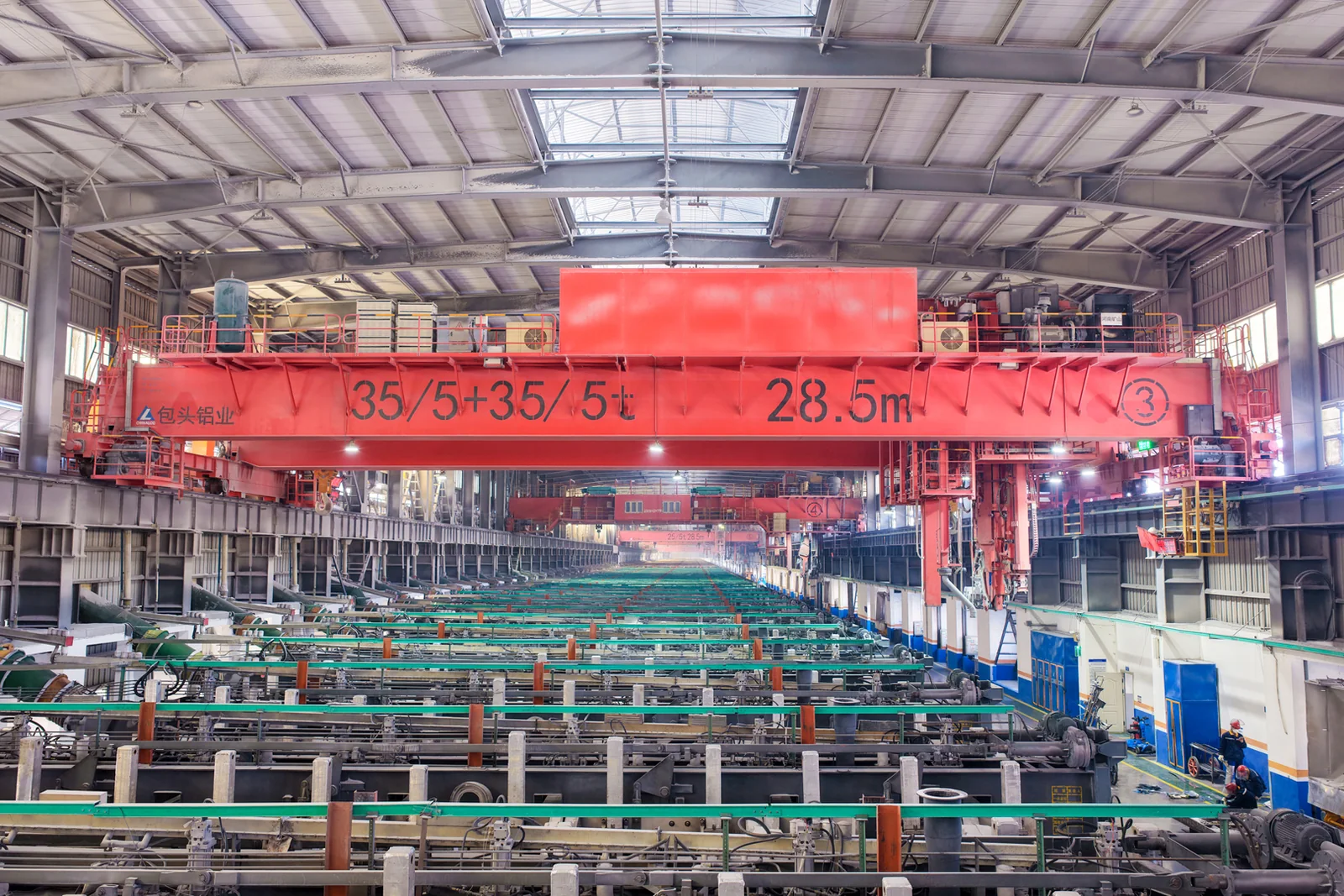
Process lifting for smelters, carbon blocks and anode materials.
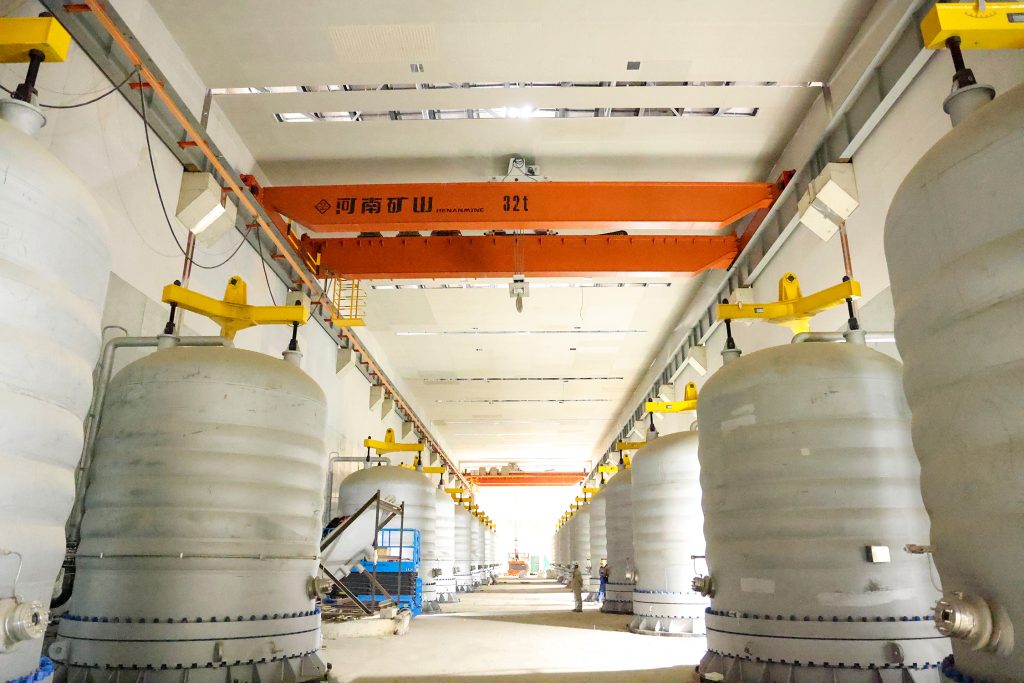
Clean lifting and classified protection for sensitive process areas.
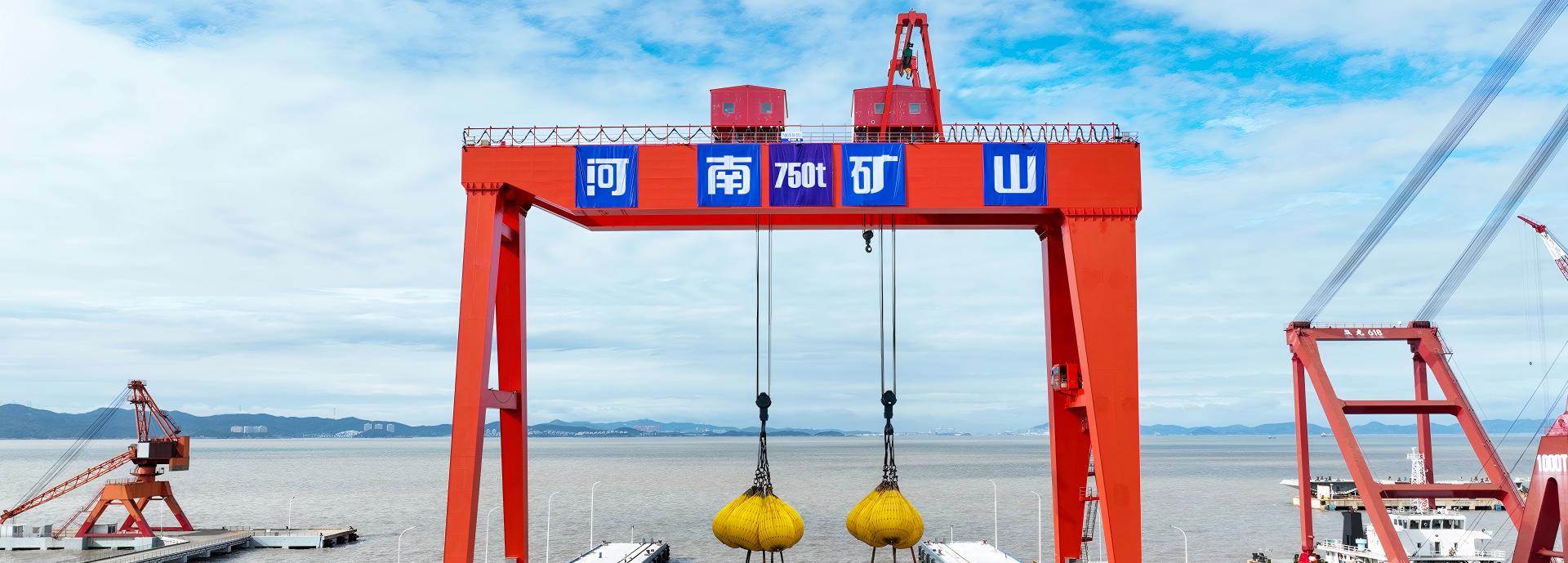
Bridge fabrication, metro construction and ship block assembly.
Automated storage and retrieval for plates, cables and bins.
Follow project dispatches, crane engineering and factory acceptance.
Dispatch, installation and equipment in service
Crane configurations and handling technology
Factory inspections, acceptance and test programmes

Company developments, people and community programmes
A pillar jib crane lifts and positions loads within a local work area using a hoist on a slewing arm. Its floor-mounted column supports machine loading, assembly and maintenance without attaching the crane to a building wall.
Tell us the load, useful hook reach and height you need. We’ll help select the pillar jib and hoist configuration.
Load and reach are paired by configuration. The largest capacity and longest reach are not one standard crane.
Place the hook over the machine and the nearby staging area without waiting for a crane serving the whole workshop.
Compare the outer and inner hook radii. Overall boom length alone does not describe the area the hook can reach.
Specify the hoist, slew drive, control method and foundation interface with the crane structure.
Move workpieces between a machine table, pallet and nearby staging point. Check hook approach and clearance over the machine before choosing the arm.
Serve one assembly cell with controlled lifting and a defined working arc. Select the hoist speed and travel arrangement for the positioning task.
Lift components at a maintenance station or stores area where the load stays within the jib’s working radius. For travel between distant stations, compare a wall-travelling jib.
A pillar crane suits a defined local area. Check the inner and outer hook radii against both lifting points.
Each ZB-A row is one matched load, geometry and speed configuration. The three 2 t rows offer different working radii; BZ and BZD dimensions are specified separately.
| Model families | BZ, BZD and ZB-A are separate configurations. Numerical rows below apply to ZB-A only. |
|---|---|
| Mounting | Floor-mounted pillar with foundation and anchorage specified for the selected crane. |
| Hoist selection | Electric chain or wire-rope hoist, selected with the required load, height and operating cycle. |
| Working arc | Slewing angle and any continuous-rotation requirement are defined for the selected crane and work area. |
| Controls and power | Specify the control arrangement and destination voltage, frequency and phase in the equipment offer. |
| Dimension key | R₂: outer hook radius; R₁: inner hook radius; L: overall arm length; H: overall crane height; h: highest hook position above the floor. |
| ZB-A0.25-D/S · 0.25 t | Outer hook radius R₂: 5 m; inner radius R₁: 1 m; overall arm L: 5.425 m. Overall height H: 5.1 m; upper hook position h: 4 m. Hoist speed: 4/1 or 8/2 m/min; slewing speed: 0.92 r/min. |
| ZB-A0.5-D/S · 0.5 t | Outer hook radius R₂: 5 m; inner radius R₁: 1 m; overall arm L: 5.425 m. Overall height H: 5.1 m; upper hook position h: 4 m. Hoist speed: 4/1 or 8 or 8/0.8 m/min; slewing speed: 0.92 r/min. |
| ZB-A1-D/S · 1 t | Outer hook radius R₂: 5 m; inner radius R₁: 1 m; overall arm L: 5.5 m. Overall height H: 5.1 m; upper hook position h: 4 m. Hoist speed: 8/2 or 8 or 8/0.8 m/min; slewing speed: 0.76 r/min. |
| ZB-A2-D/S · short reach · 2 t | Outer hook radius R₂: 3.3 m; inner radius R₁: 1.3 m; overall arm L: 3.765 m. Overall height H: 4.35 m; upper hook position h: 3 m. Hoist speed: 4/1 or 8 or 8/0.8 m/min; slewing speed: 0.76 r/min. |
| ZB-A2-D/S · medium reach · 2 t | Outer hook radius R₂: 5 m; inner radius R₁: 1.3 m; overall arm L: 5.565 m. Overall height H: 5.4 m; upper hook position h: 4 m. Hoist speed: 4/1 or 8 or 8/0.8 m/min; slewing speed: 0.59 r/min. |
| ZB-A2-D/S · long reach · 2 t | Outer hook radius R₂: 6 m; inner radius R₁: 1.5 m; overall arm L: 6.525 m. Overall height H: 4.66 m; upper hook position h: 3.5 m. Hoist speed: 4/1 or 8 or 8/0.8 m/min; slewing speed: 0.51 r/min. |
| ZB-A3-D/S · 3 t | Outer hook radius R₂: 5 m; inner radius R₁: 1.5 m; overall arm L: 5.56 m. Overall height H: to drawing; upper hook position h: to drawing. Hoist speed: 8 or 8/0.8 m/min; slewing speed: 0.51 r/min. |
| ZB-A5-D/S · 5 t | Outer hook radius R₂: 4 m; inner radius R₁: 1.8 m; overall arm L: 4.68 m. Overall height H: 4.77 m; upper hook position h: 3 m. Hoist speed: 8 or 8/0.8 m/min; slewing speed: 0.51 r/min. |
A 2 t-marked pillar jib and wire-rope hoist are shown above machined components. Check the column position and swing space for a similar lifting station.
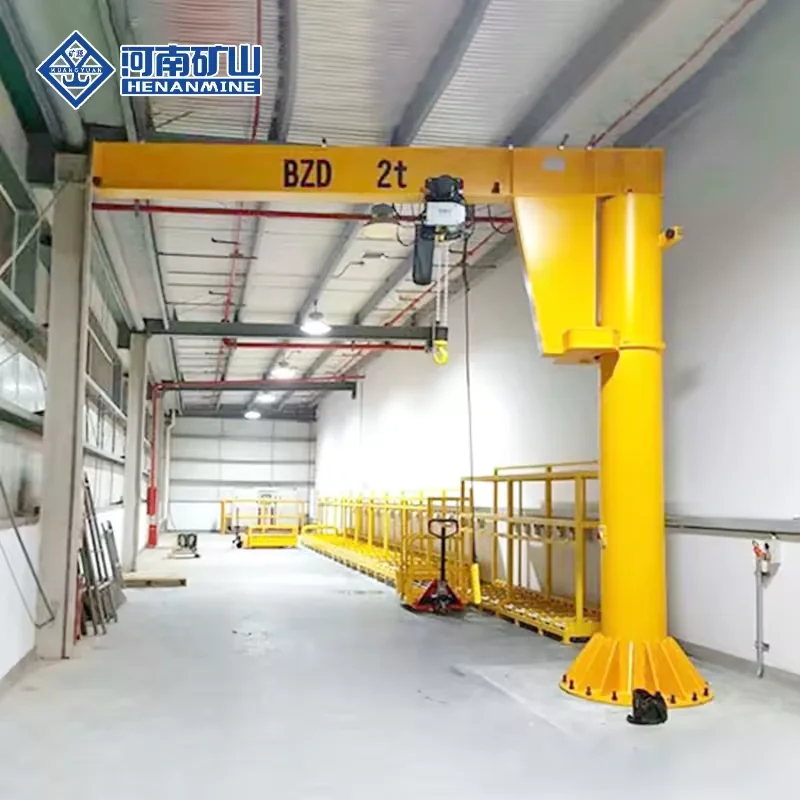
Select the hoist, motion and mounting interface together for the required workstation.
Select the lifting unit for capacity, lift height, headroom and operating frequency. Single- or dual-speed lifting is defined by the selected hoist package.
Specify how the arm slews and how the trolley travels. Powered movement may suit repeated handling or heavier positioning tasks; the actual drive package is listed in the offer.
Choose the control arrangement for the work area. Include destination voltage, frequency and phase, and specify any remote-control requirement.
The support must resist the crane’s loads and overturning moment. Final foundation and anchorage details depend on the selected capacity, reach and site conditions.
Get a clear equipment offer with delivery, documentation and support for your selected configuration.
State how many cranes you need and whether their capacity, reach and lift are identical. Request a separate configuration for each different workstation.
The quotation should identify the column, arm, hoist, trolley, slew mechanism, controls and power feed, together with anchors or embedded components where specified.
Specify the documents needed for the project: arrangement and mounting drawings, load information, manuals, inspection records and any destination-specific conformity documents.
The quotation sets the production and dispatch schedule for the agreed configuration and order quantity. Freight and delivery terms are stated separately.
Confirm who supplies the foundation, anchors, lifting equipment, electrical connection and site installation. Include commissioning and testing responsibilities before ordering.
The offer should state the warranty period, covered equipment, service scope and recommended wear or spare parts for the selected hoist and drives.
Use a verified building column or wall support where a floor-mounted pillar would obstruct the working area.
View product↗Serve several workstations along a workshop wall when a fixed pillar’s working circle is too limited.
View product↗Find the arrangement, equipment options and order information that suit your application.
A pillar jib crane is a floor-mounted lifting station with a slewing arm and a hoist. The hoist lifts the load and travels along the arm, while the arm turns around the column to serve a local working area.
The ZB-A table lists 0.25, 0.5, 1, 2, 3 and 5 t configurations. Capacity must be selected together with the hook radius, height and operating duty. BZ and BZD cranes require their own configuration data.
Published third-party equipment examples checked on 23 October 2026 are US$2,150 for 1 t with a 5 m jib and 5 m lifting height; US$2,300 for 2 t with a 5 m jib and 4 m lifting height; and US$4,900 for 5 t with a 6 m jib and 6 m lifting height. Their stated package includes electric slewing, a DGH electric chain hoist, 380 V / 50 Hz / 3-phase power, Schneider electrical components, embedded parts and templates. These are budget references, not Henan Mine Crane quotations or ZB-A configuration prices. Freight, taxes, foundation work and installation are not established by those figures; no FOB, EXW or CIF basis is stated. Request an itemized quotation for your required capacity, reach, lift and delivery terms.
The ZB-A table includes a 2 t configuration with a 6 m outer hook radius, a 1.5 m inner hook radius and a 6.525 m overall arm length. Separate 2 t configurations have 3.3 m or 5 m outer hook radii. Use the complete matched row when checking space and height.
No universal rotation angle should be assumed from the product name. The chosen structure, slew mechanism, power feed and nearby obstacles determine the available working arc. Specify 360° coverage or continuous rotation when required.
Only after the selected crane loads and the slab or foundation have been checked for the proposed anchorage. Floor thickness alone does not establish suitability. Foundation size and anchor details are specific to the crane, reach and site.
Boom length describes the overall arm. The outer hook radius R₂ describes the furthest useful hook position; the inner radius R₁ describes the approach limit near the column. Check both radii against the actual pick-up and set-down points.
Choose the hoist with the crane’s rated load, required lift, available headroom, positioning speed and use frequency. Both arrangements may be specified; the selected hoist and trolley must be identified in the equipment offer.
Check the itemized offer. Some prices cover the structure, while others include the hoist, trolley, controls and mounting components. The market examples shown here state their own package basis and do not define the scope of a Henan Mine Crane offer.
Send the maximum load, required outer reach, lifting height, quantity and destination country. A simple sketch or workshop photograph helps locate the pick-up points, obstructions and mounting position. Leave unknown dimensions open for selection.
Describe the environment before selecting a crane. Outdoor exposure and hazardous-area operation require separately specified structural, electrical and hoist arrangements. An ordinary indoor pillar jib configuration does not establish suitability for either application.
Start with the maximum load, useful reach and lifting height you need. Add a workshop sketch or photo when available; unknown dimensions can be confirmed during selection.
info@cranehenanmine.com