Structures and materials
Material properties, structural analysis, non-destructive examination and vibration-related investigation.
Bridge cranes for workshops and production lines.
Explore Overhead Cranes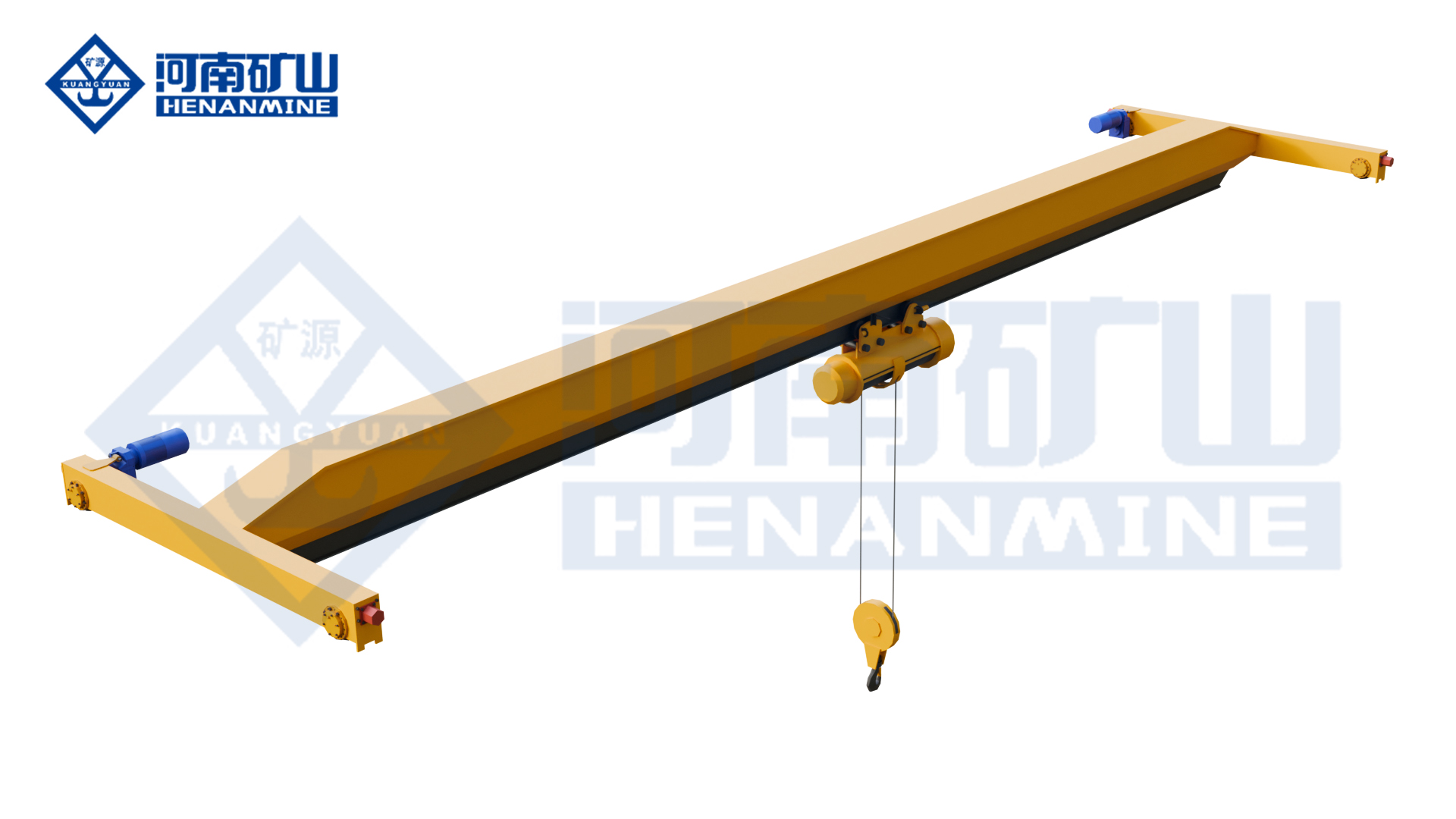
Ground-supported lifting for yards and construction.
Explore Gantry Cranes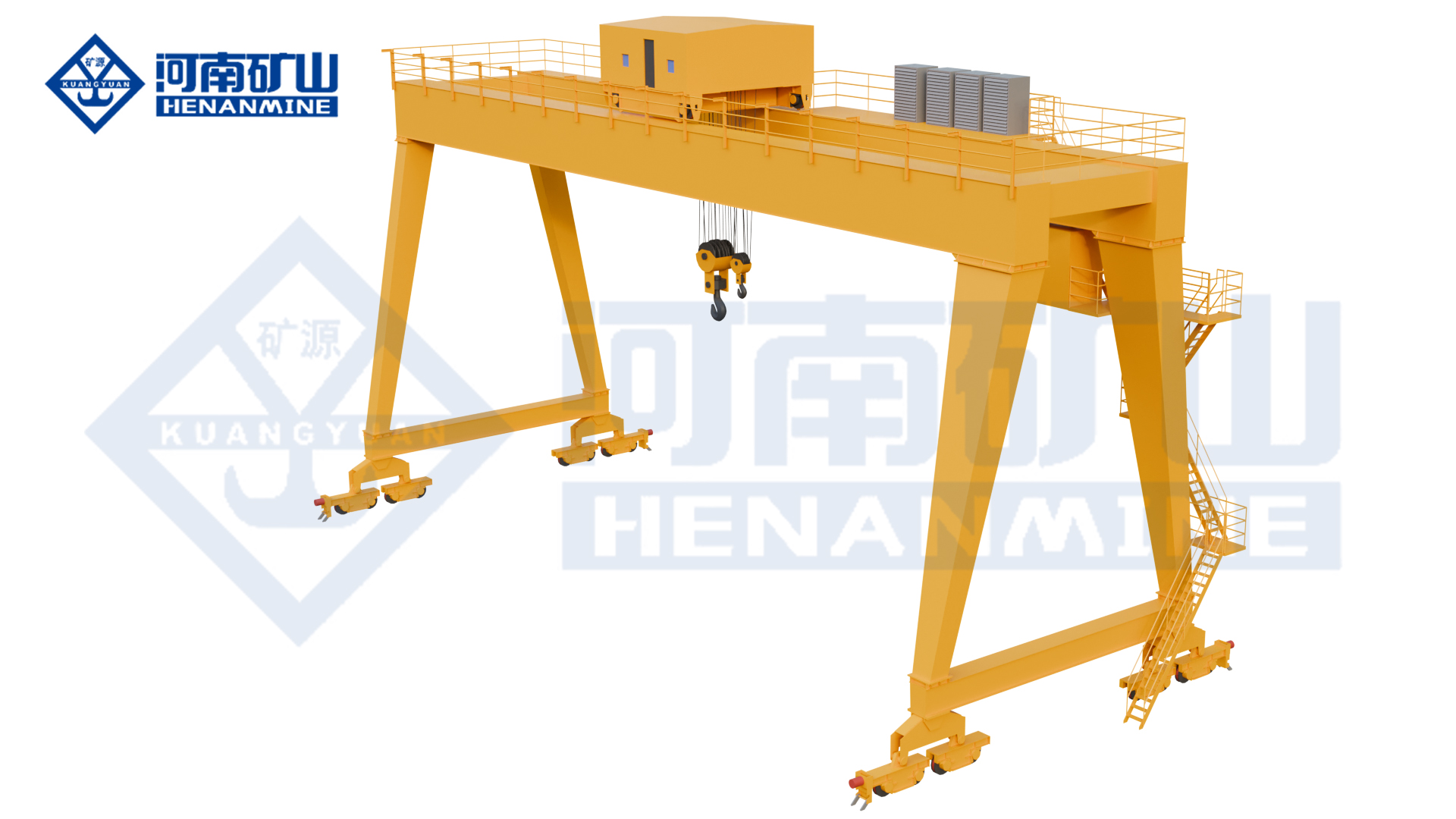
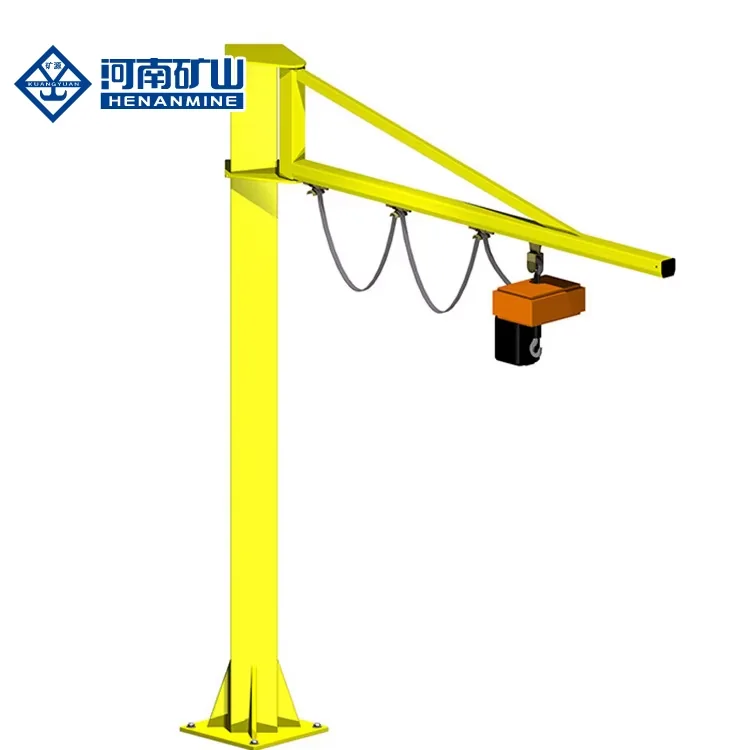
Wire rope and chain hoists for lifting points and cranes.
Explore Electric Hoists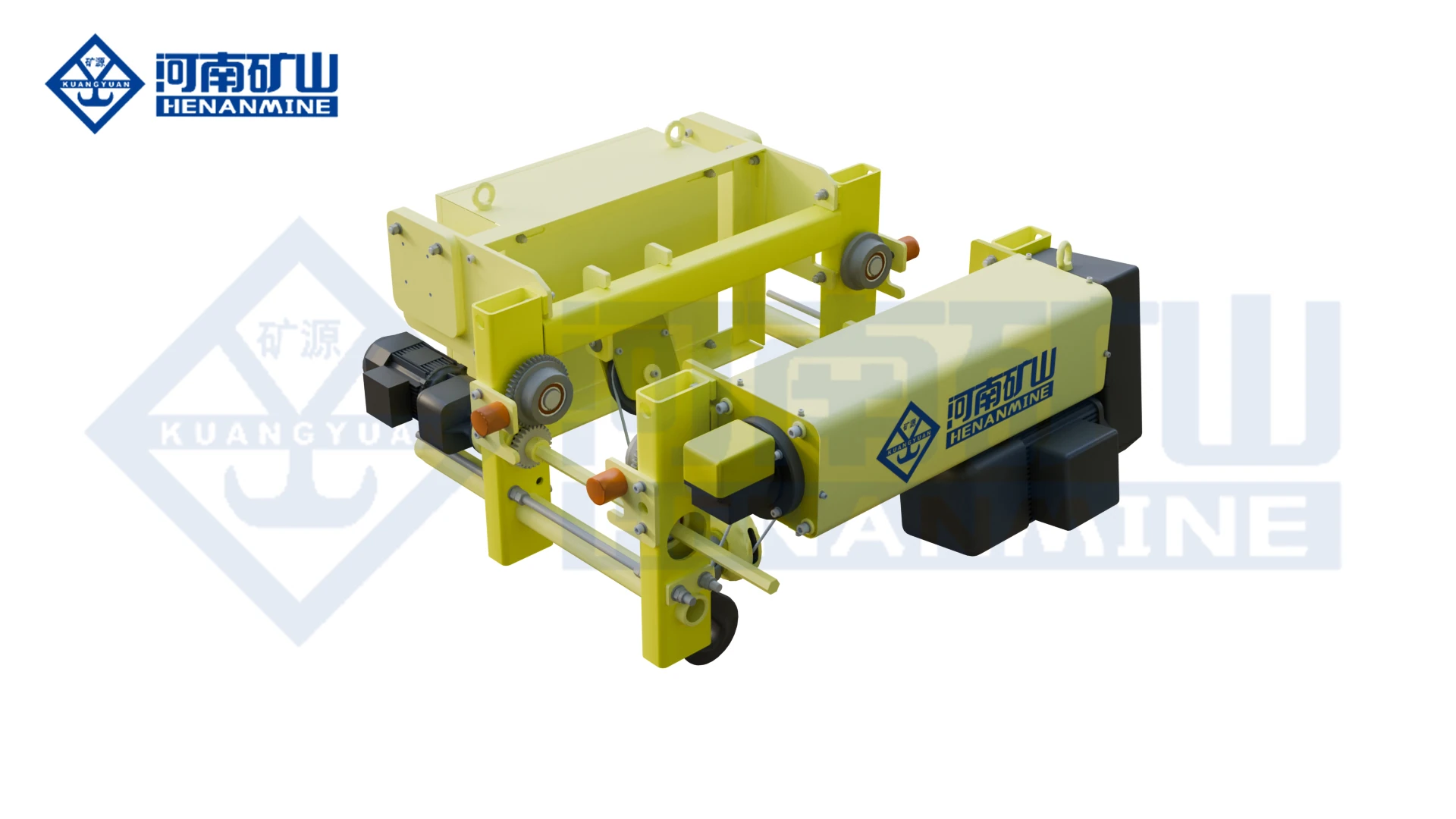
Wire rope lifting and pulling with a powered drum.
Explore Electric Winches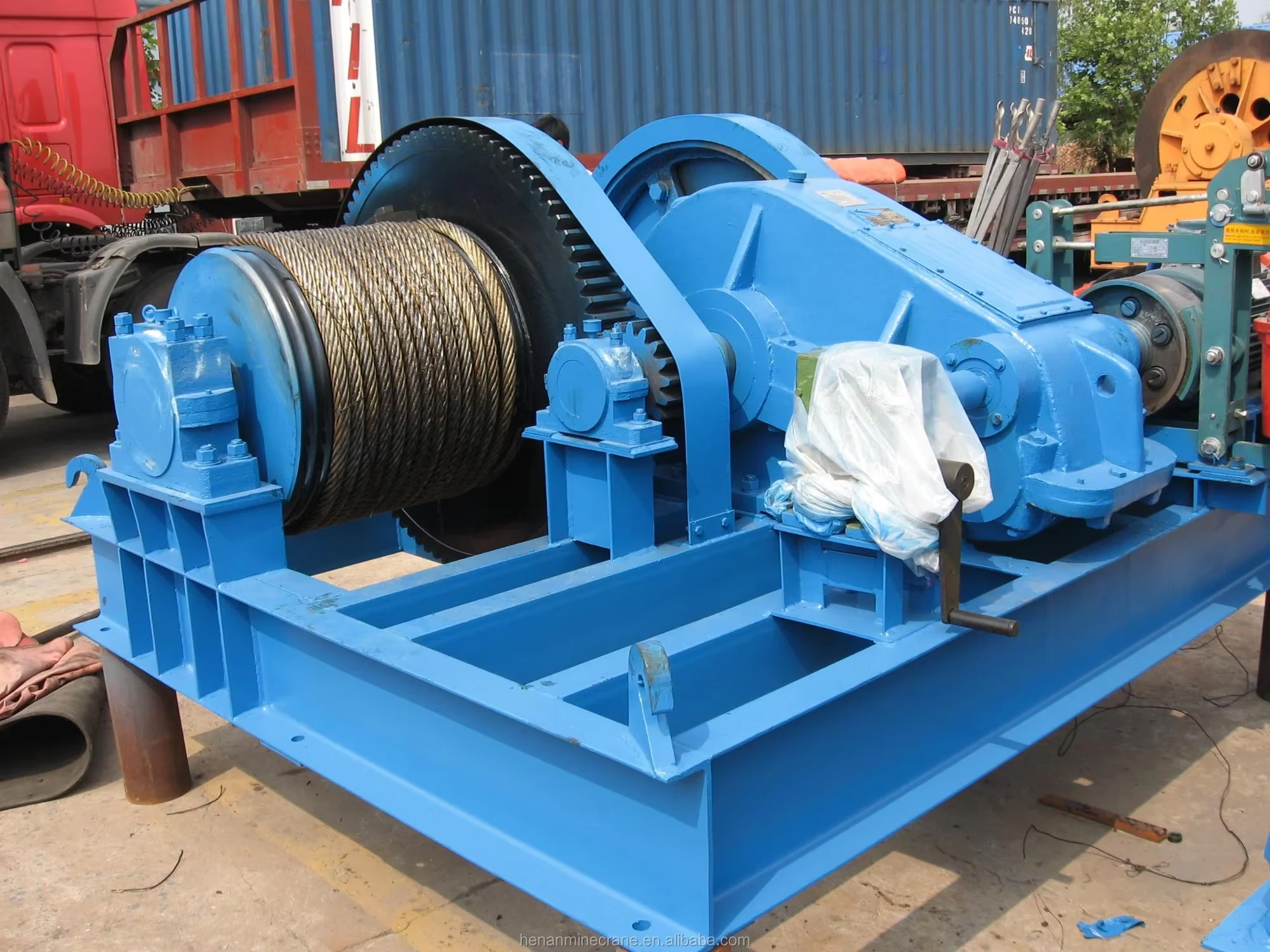
Grab buckets, magnets and hooks for your load.
Explore Lifting Attachments & Grabs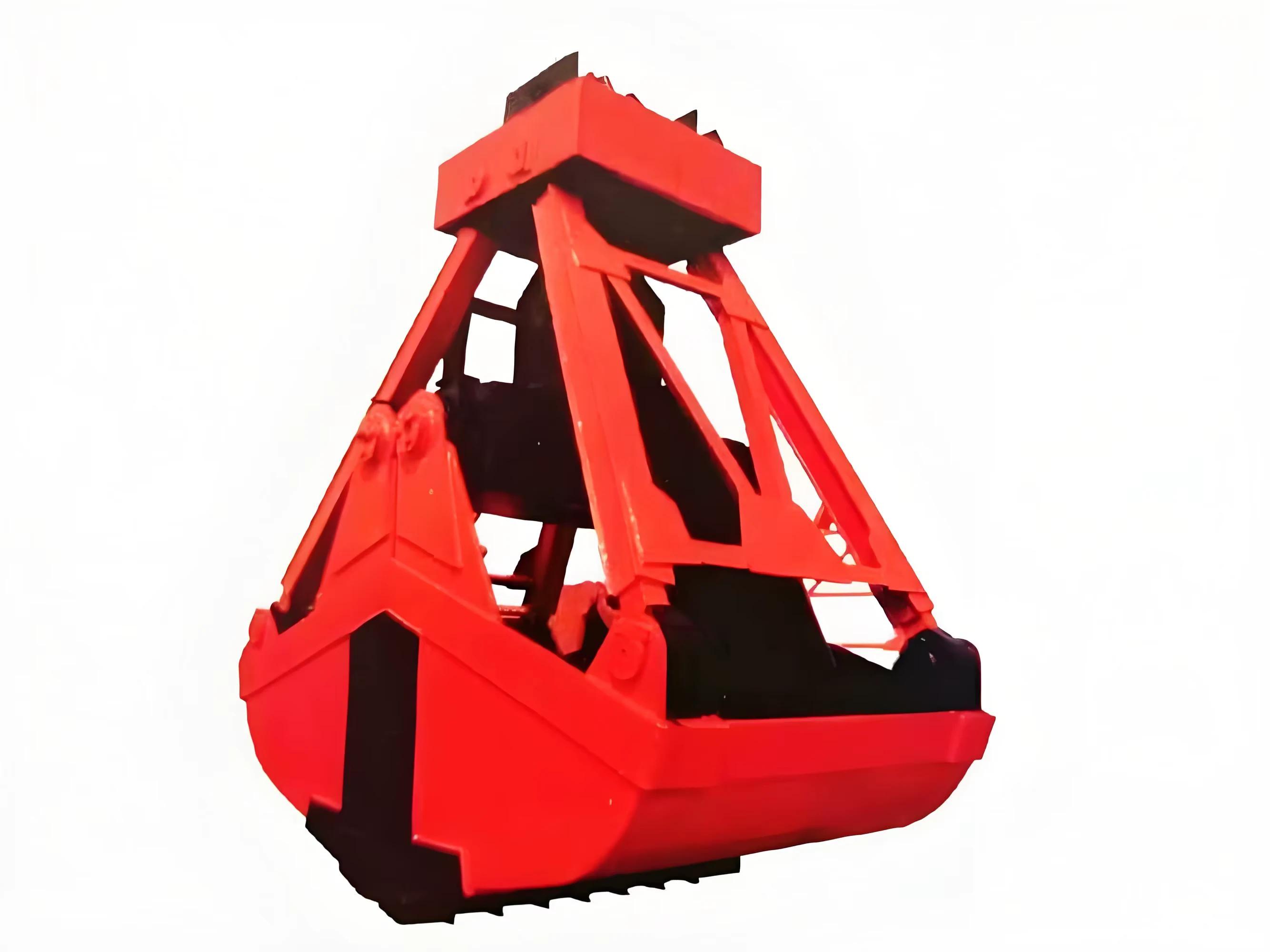
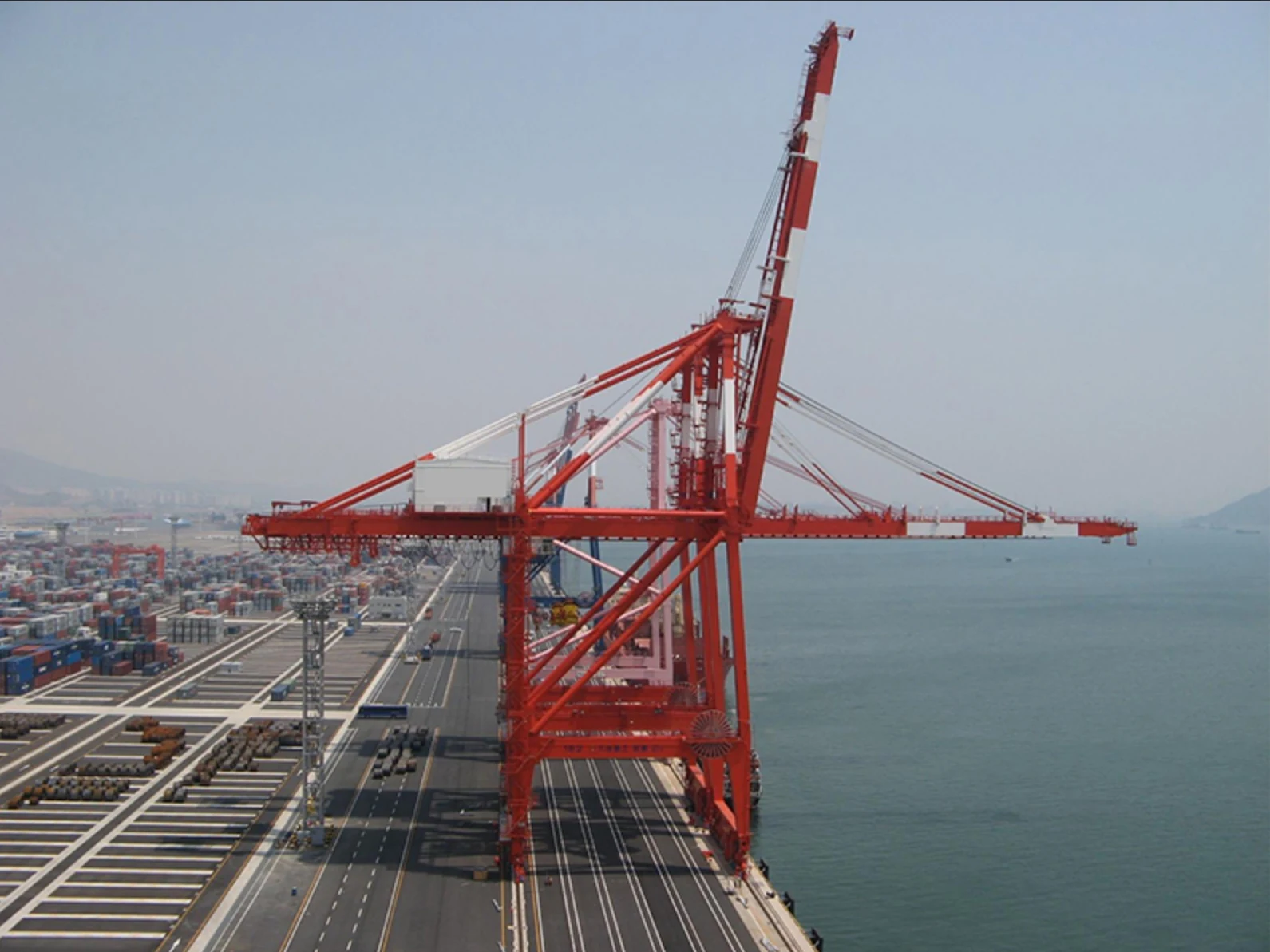
Mobile handling for containers, precast and yard loads.
Explore Rubber-Tired Gantry Cranes & Straddle Carriers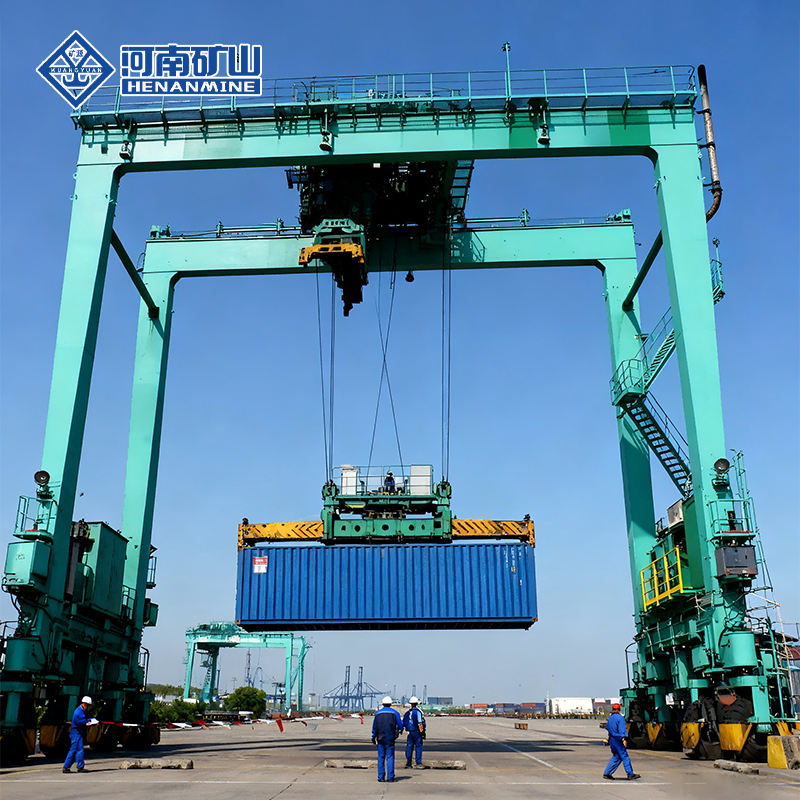
Lift and move vessels through boatyards and marinas.
Explore Marine Travel Lifts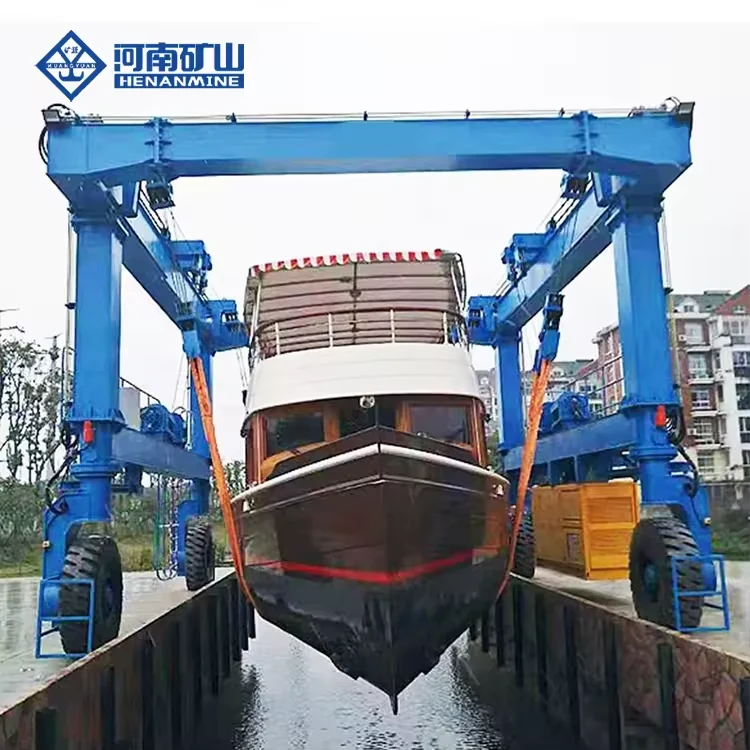
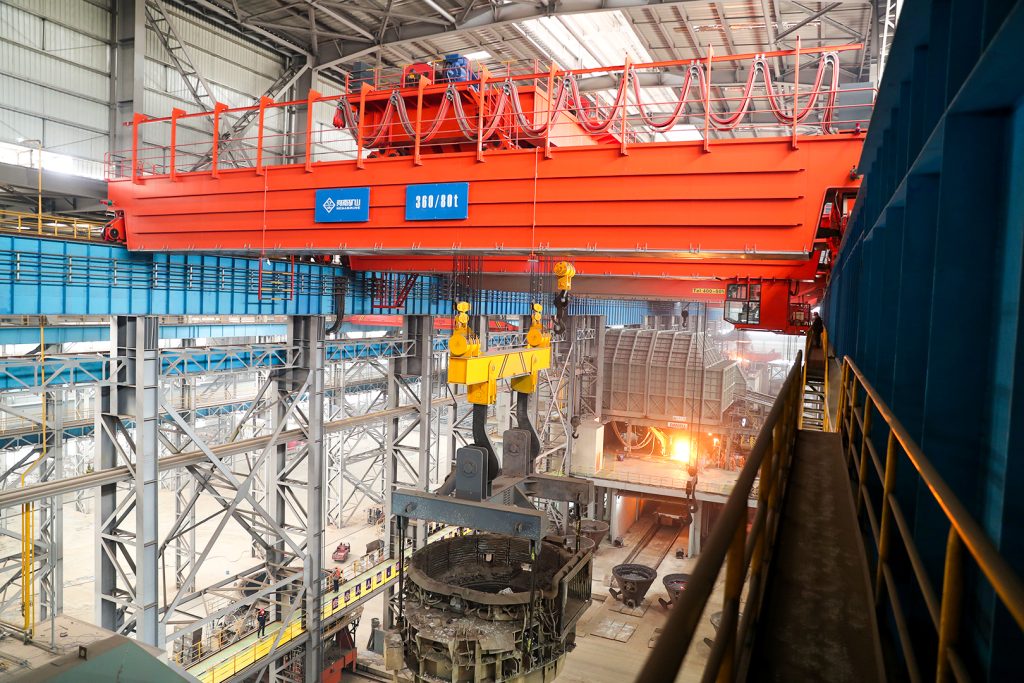
Ladle, slab, scrap and coil handling across steel production.
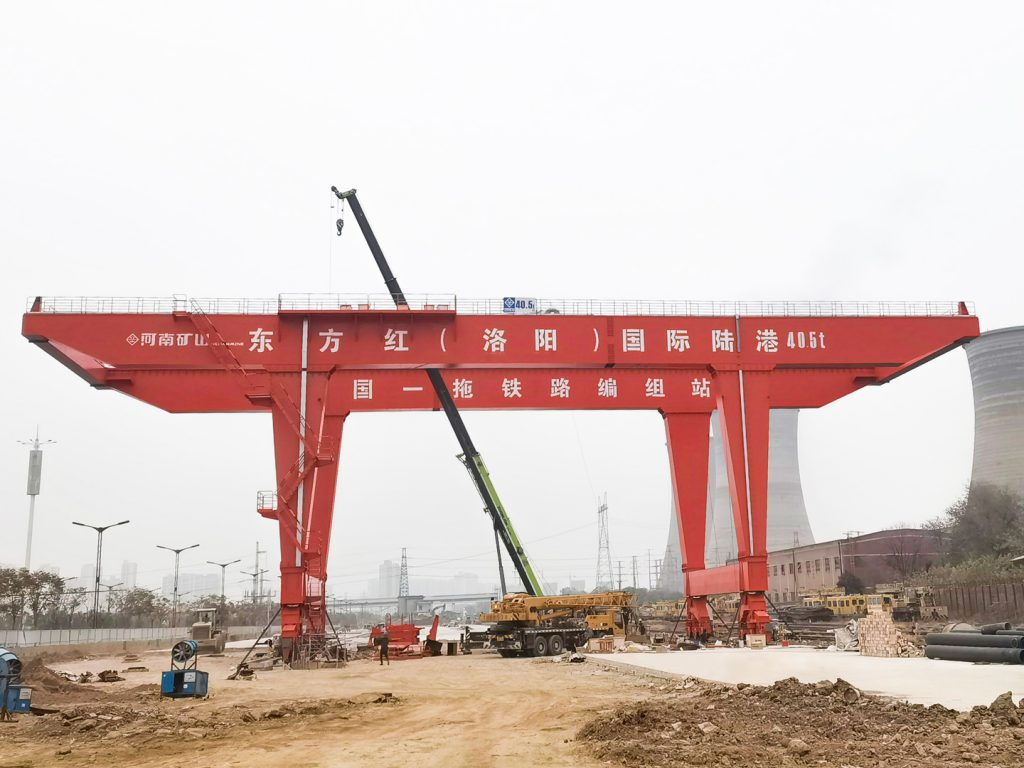
Container stacking and cargo transfers across terminals and rail.
Turbine installation, powerhouse maintenance and wind equipment assembly.
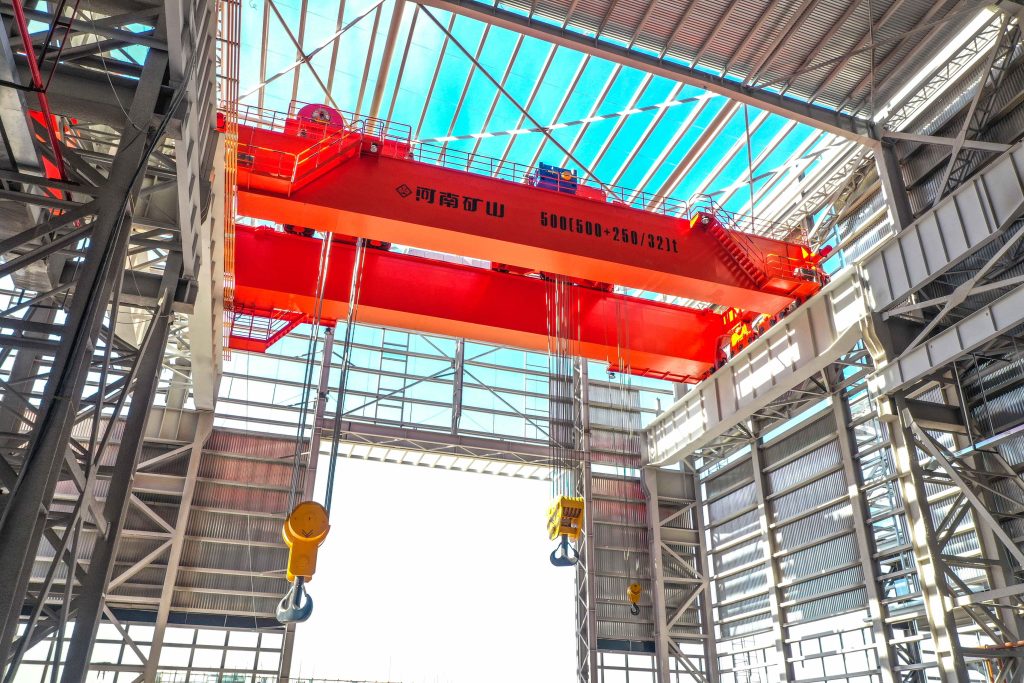
Controlled component transfer and positioning for precision assembly.
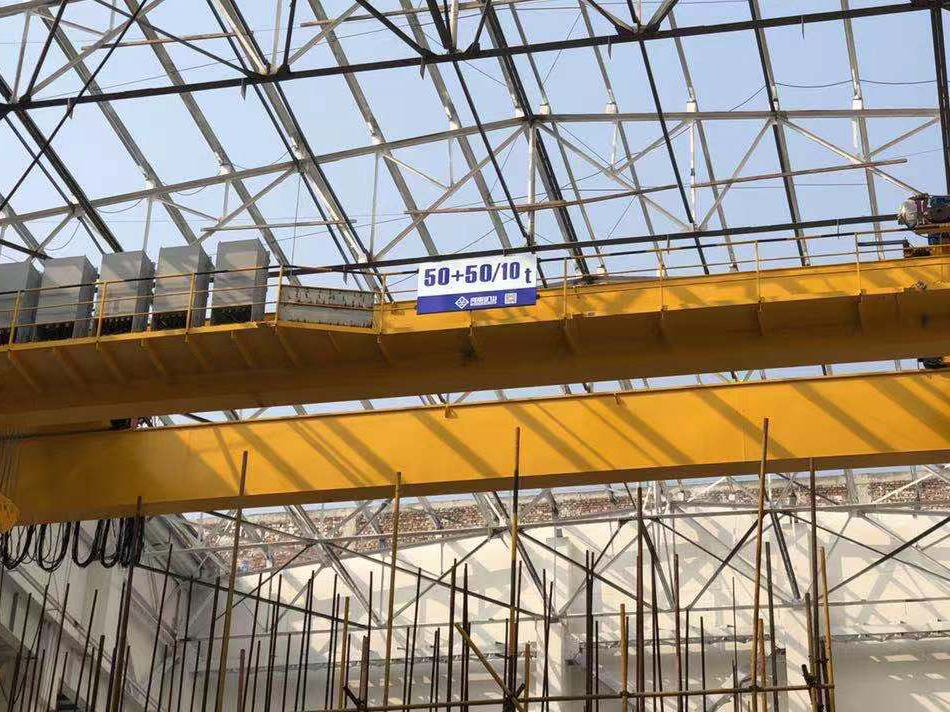
Heavy fabrication, production lifting and factory crane automation.
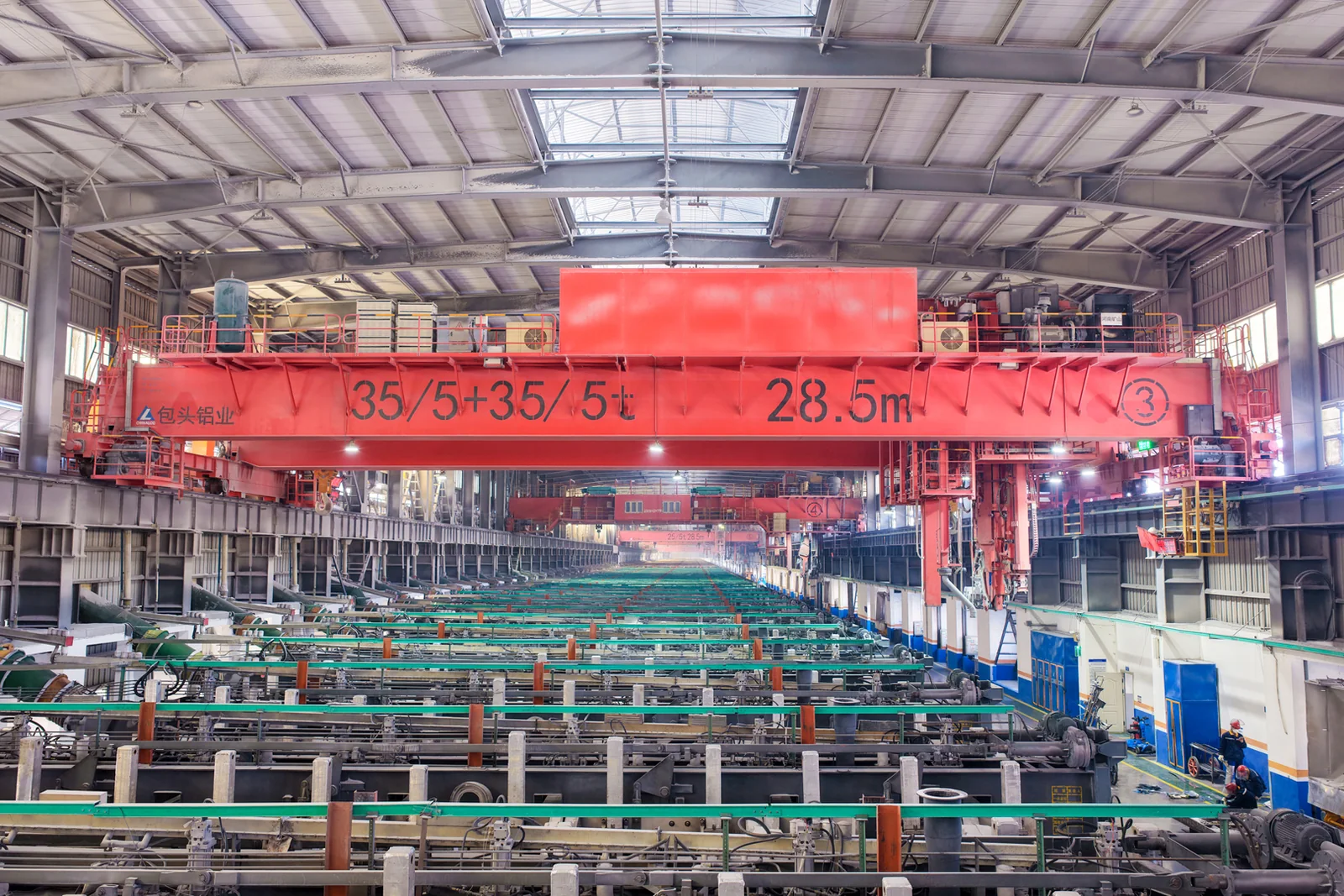
Process lifting for smelters, carbon blocks and anode materials.
Clean lifting and classified protection for sensitive process areas.
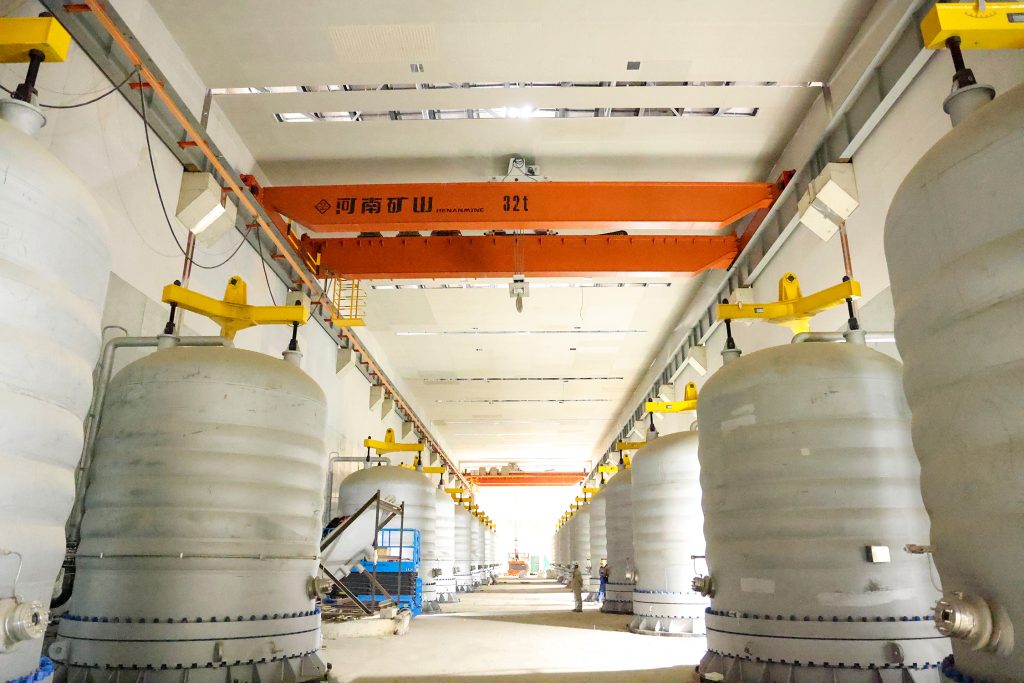
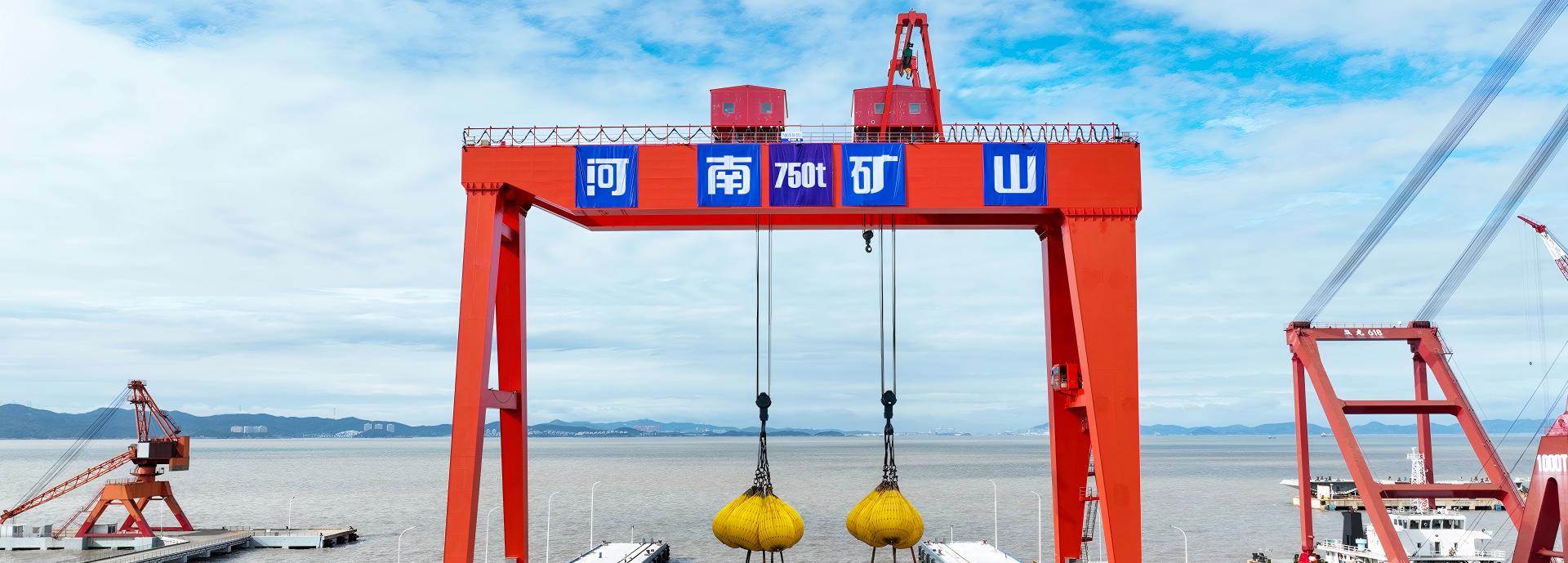
Bridge fabrication, metro construction and ship block assembly.
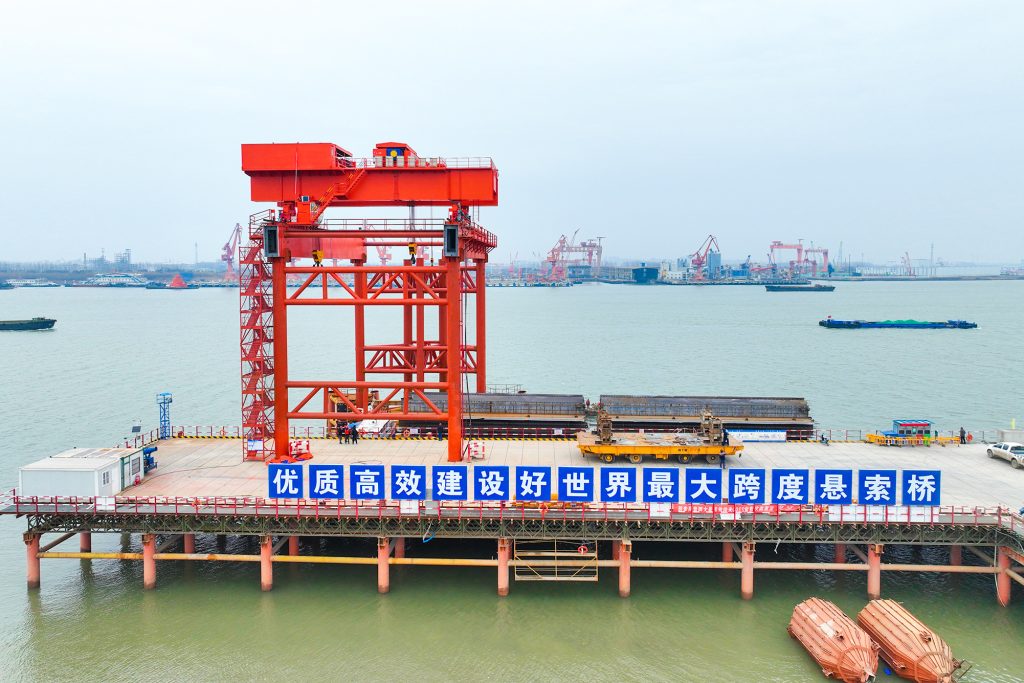
Automated storage and retrieval for plates, cables and bins.
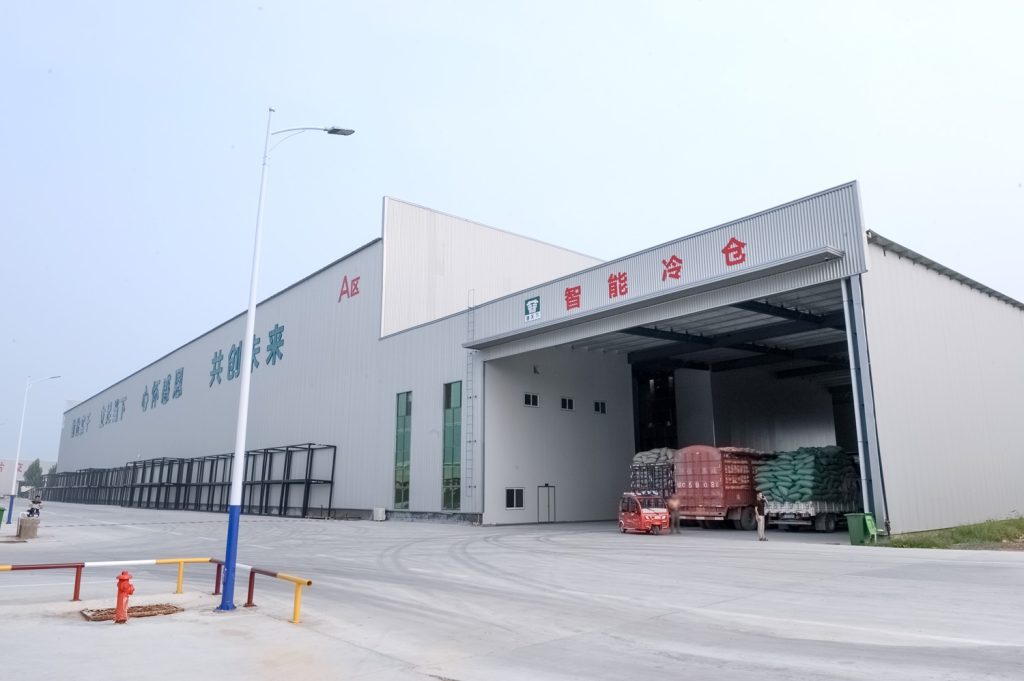
Follow project dispatches, crane engineering and factory acceptance.
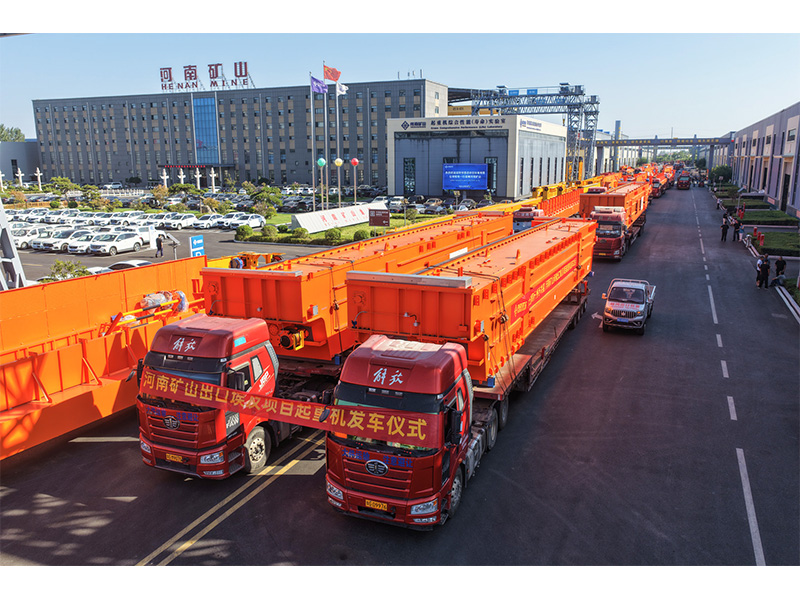
Dispatch, installation and equipment in service
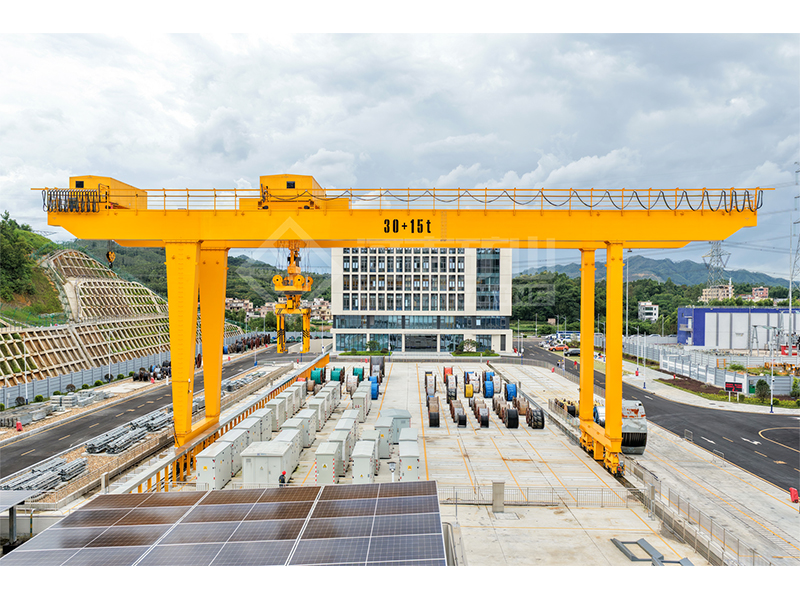
Crane configurations and handling technology
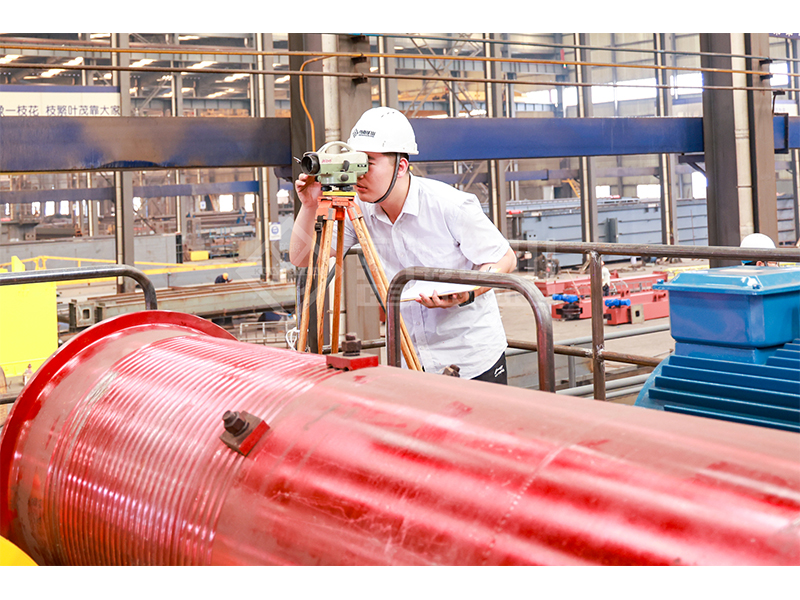
Factory inspections, acceptance and test programmes

Company developments, people and community programmes
Application Engineering · Development · Testing
Crane selection starts with the load and working environment. Henan Mine Crane combines specialist engineering teams, research platforms and testing facilities to develop lifting equipment for different handling duties.
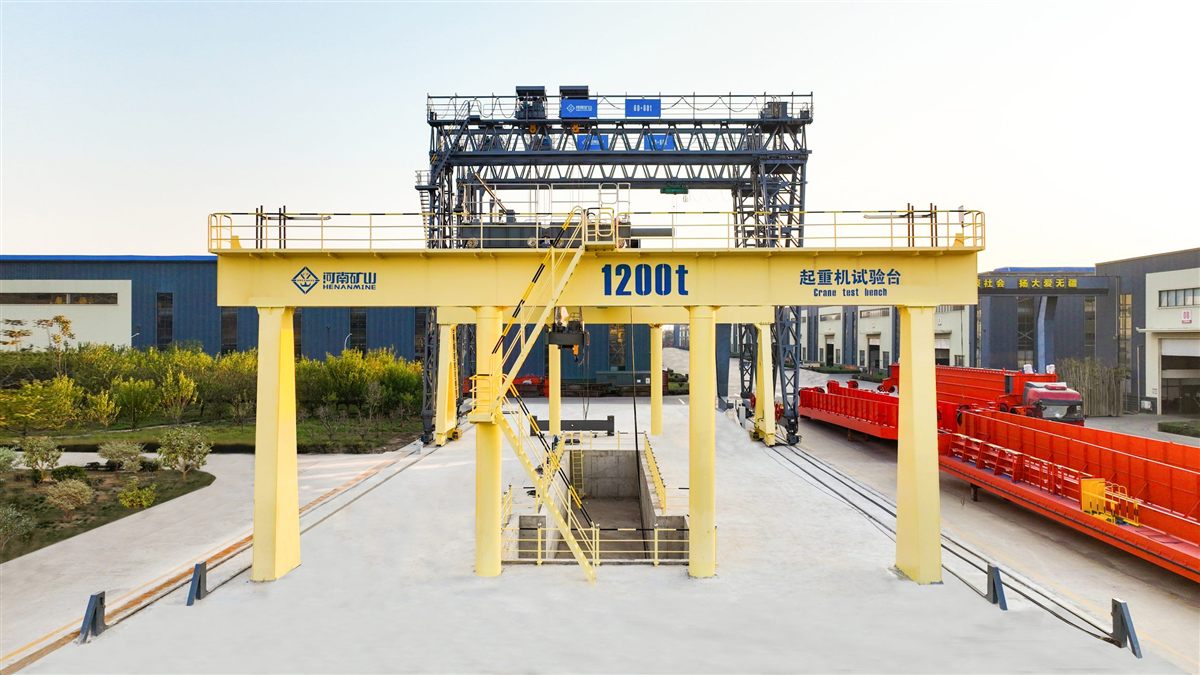
Capacity alone does not define a crane. The load shape, lifting frequency, available building clearance, positioning needs and operating environment all affect the equipment arrangement. Henan Mine Crane brings research, product design and application engineering into the same equipment business.
The technical team includes more than 10 industry experts and more than 200 intermediate and senior engineers. Their work connects product development and technical design with the lifting requirements of different industrial applications.
For procurement, the aim is an agreed technical proposal: the selected crane arrangement, working parameters, main components and applicable acceptance requirements. Provide the handling conditions early so that the quotation addresses the equipment you actually need.
Research infrastructure includes a national enterprise technology center, a provincial industrial design center, an energy-saving crane engineering research center and specialist crane laboratories. These platforms support work on crane structures, mechanisms, controls and material-handling applications.
Technical collaboration extends to research institutes, inspection organizations and universities, including the Beijing Materials Handling Research Institute and Harbin Institute of Technology. Collaboration creates access to specialist expertise; the engineering and testing scope for an individual order still needs to be agreed in the project documents.
More than 700 national patents and provincial science and technology achievements form part of the company’s combined innovation portfolio. Product development covers the structures, mechanisms and controls that connect a lifting task to a workable crane arrangement.
Henan Mine Crane has led or contributed to the development and revision of more than 100 international, national, industry, local and association standards. Participation covers the broader crane industry; it does not mean that every standard applies to every supplied machine.
Before ordering, state any required design code, local regulatory requirement or customer specification. The quotation should identify the applicable requirements and the documents included, especially where the destination market requires a particular inspection or conformity route.
A joint laboratory and testing collaboration with the Henan special-equipment inspection institute was established in 2020. The jointly developed testing center reports capabilities covering 18 product categories and 1,125 test items or parameters.
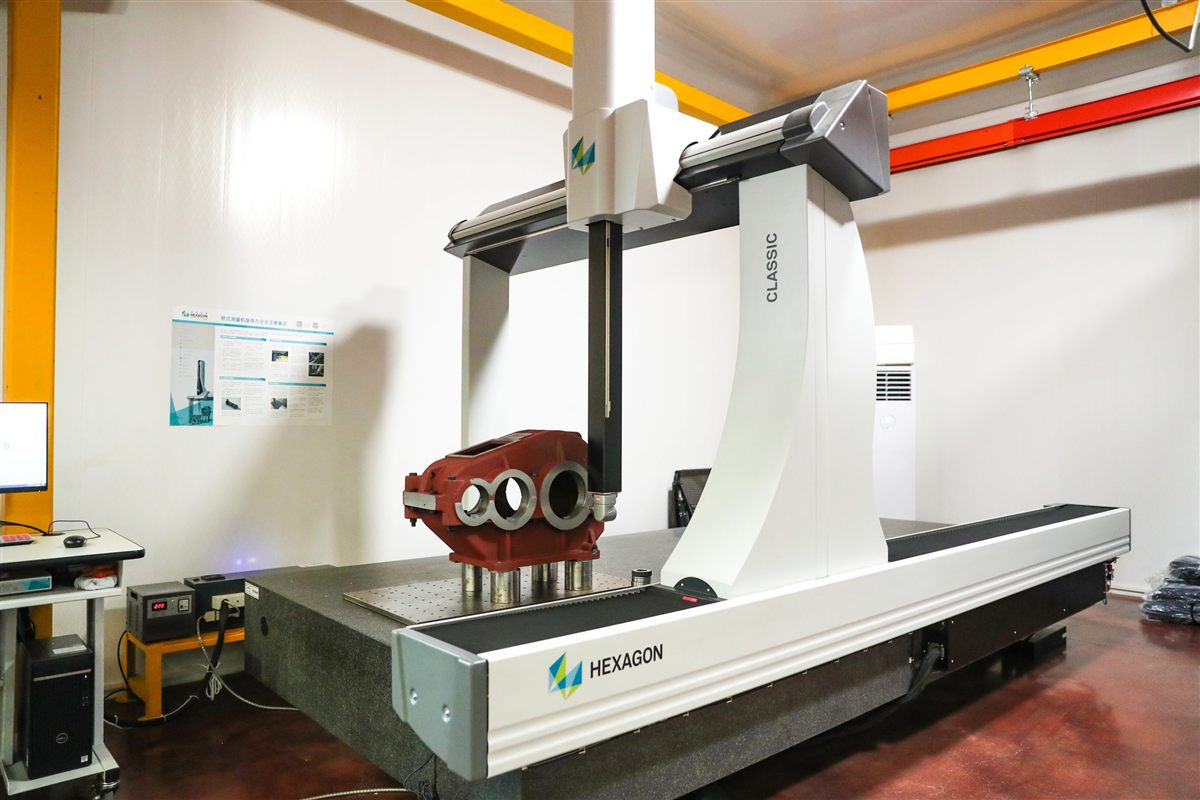
Facilities address electrical controls, physical and mechanical material properties, structural analysis and health monitoring, non-destructive testing, vibration and safety-monitoring systems. Equipment includes electric-hoist test facilities and large crane test equipment.
Laboratory capability is different from the inspection plan for a particular order. The crane design, applicable requirements and contract determine which tests are required, which records will be supplied and whether a buyer or third party will witness the work.
Material properties, structural analysis, non-destructive examination and vibration-related investigation.
Test facilities for lifting mechanisms and crane equipment under a defined test arrangement.
Electrical-control development and safety-monitoring system investigation.
Send the normal load and maximum load, the span or working coverage, required hook travel and an estimate of lifting frequency. State whether the crane will handle hot material, operate outdoors, work in a classified area or coordinate more than one lifting mechanism.
For an existing building, include runway and roof clearances, column spacing and any known runway limits. For a replacement crane, a nameplate photograph and existing drawings help identify the starting conditions. If some details are unavailable, identify the main lifting task and the known site dimensions first.
Compare the resulting proposals using the same duty, speed, control and inspection assumptions. This makes differences in equipment and price easier to understand and gives the technical discussion a clear basis.
| Information | Why it matters |
|---|---|
| Load and lifting method | Defines the handled load, attachment and lifting arrangement. |
| Duty and movement | Helps select mechanisms, speeds and control functions. |
| Building and environment | Identifies clearance, runway, protection and operating constraints. |
| Standards and inspection | Defines the required technical and acceptance documents. |
No. Each order has an agreed inspection and test scope based on its design, applicable requirements and contract. Laboratory capabilities describe the facilities available.
Share the load, handling sequence, operating frequency and site constraints. The engineering discussion can then address the crane arrangement, lifting mechanisms, controls and inspection requirements for the application.
Include the required standards, destination-market requirements and inspection expectations with your enquiry so their scope can be reviewed before quotation.
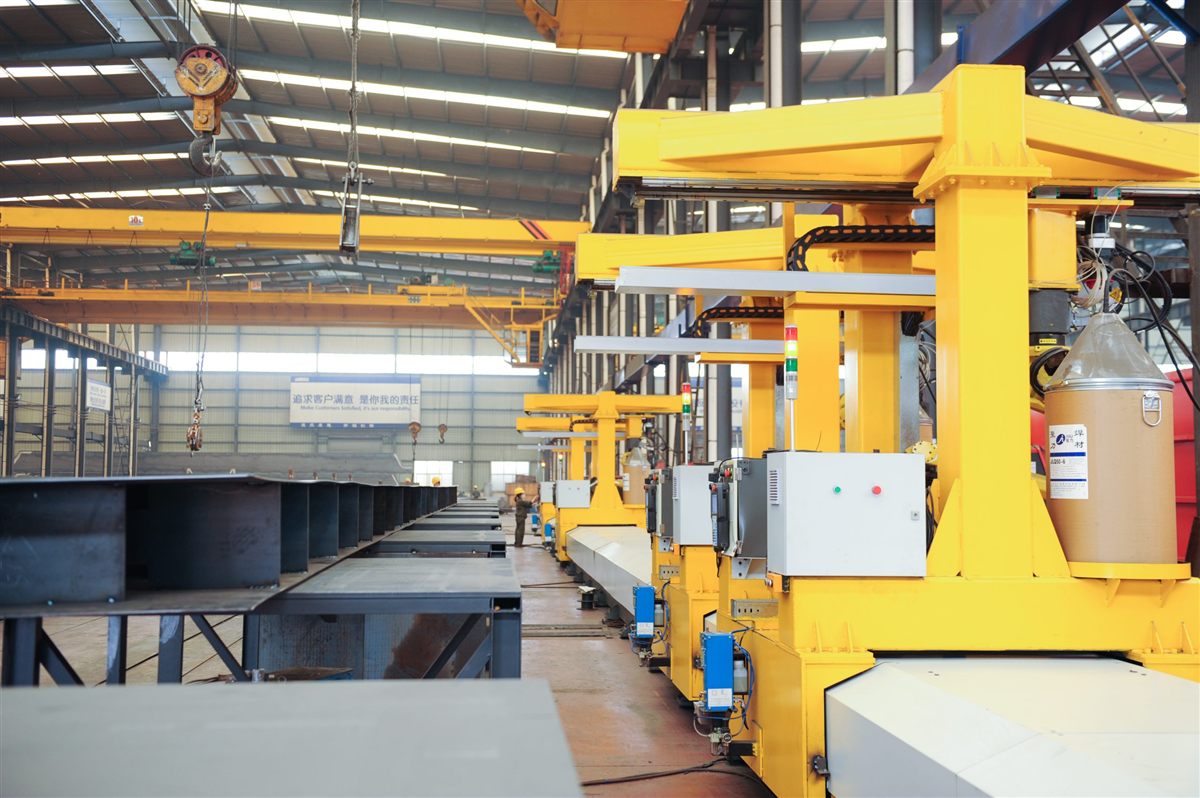
Robotic welding, CNC machining, heat treatment and dimensional inspection.
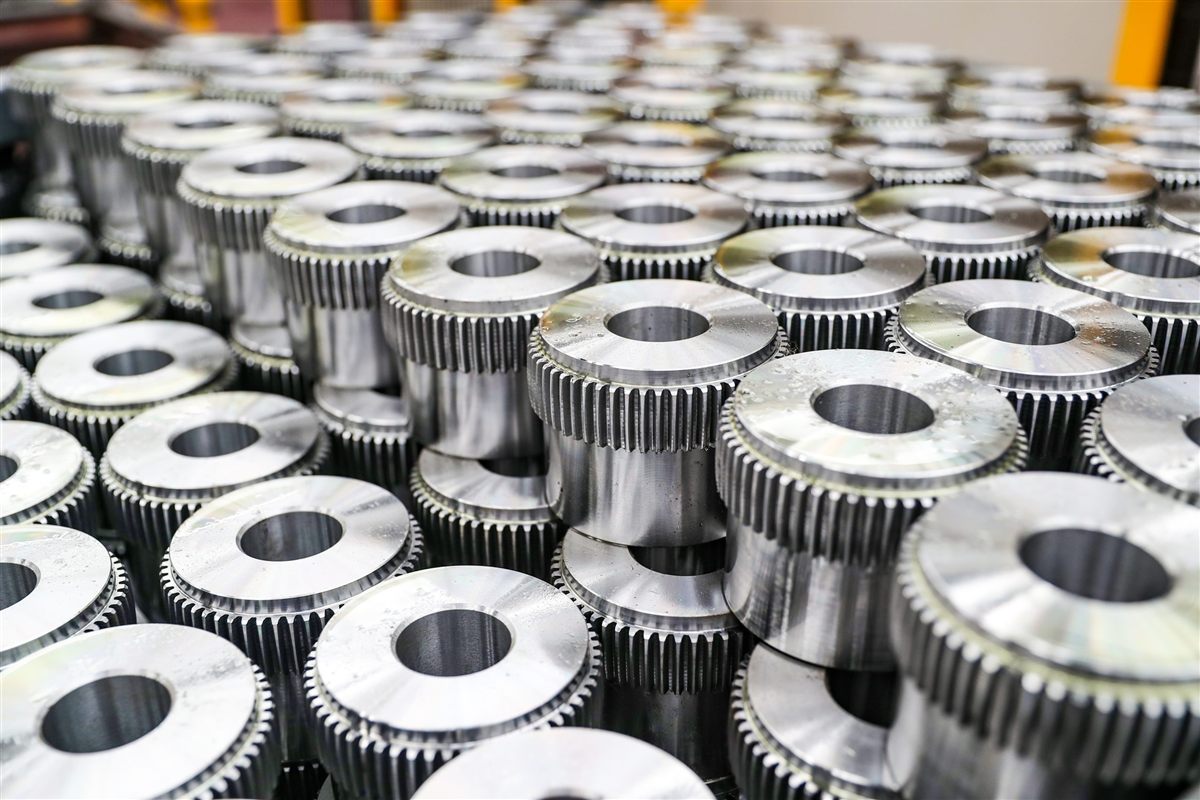
Reducers, motors, cables and lifting components coordinated with the crane system.
Discuss your requirements
Share the load, working area, lifting height, operating frequency and project location. Add your technical specification if you have one.