
Set the initial movement
Use the speed at the start of the stop and the mass moving in that direction.
Bridge cranes for workshops and production lines.
Explore Overhead Cranes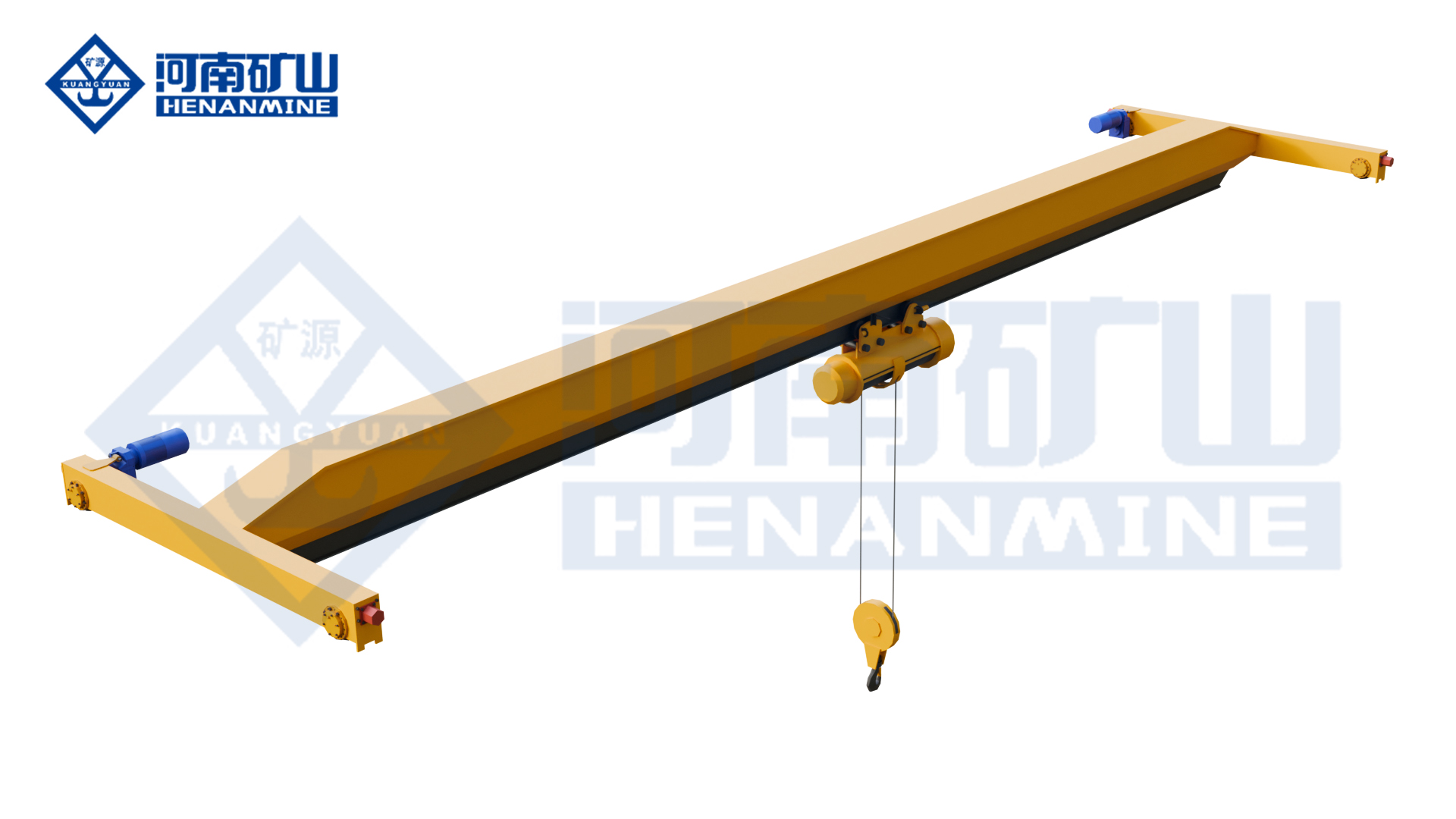
Ground-supported lifting for yards and construction.
Explore Gantry Cranes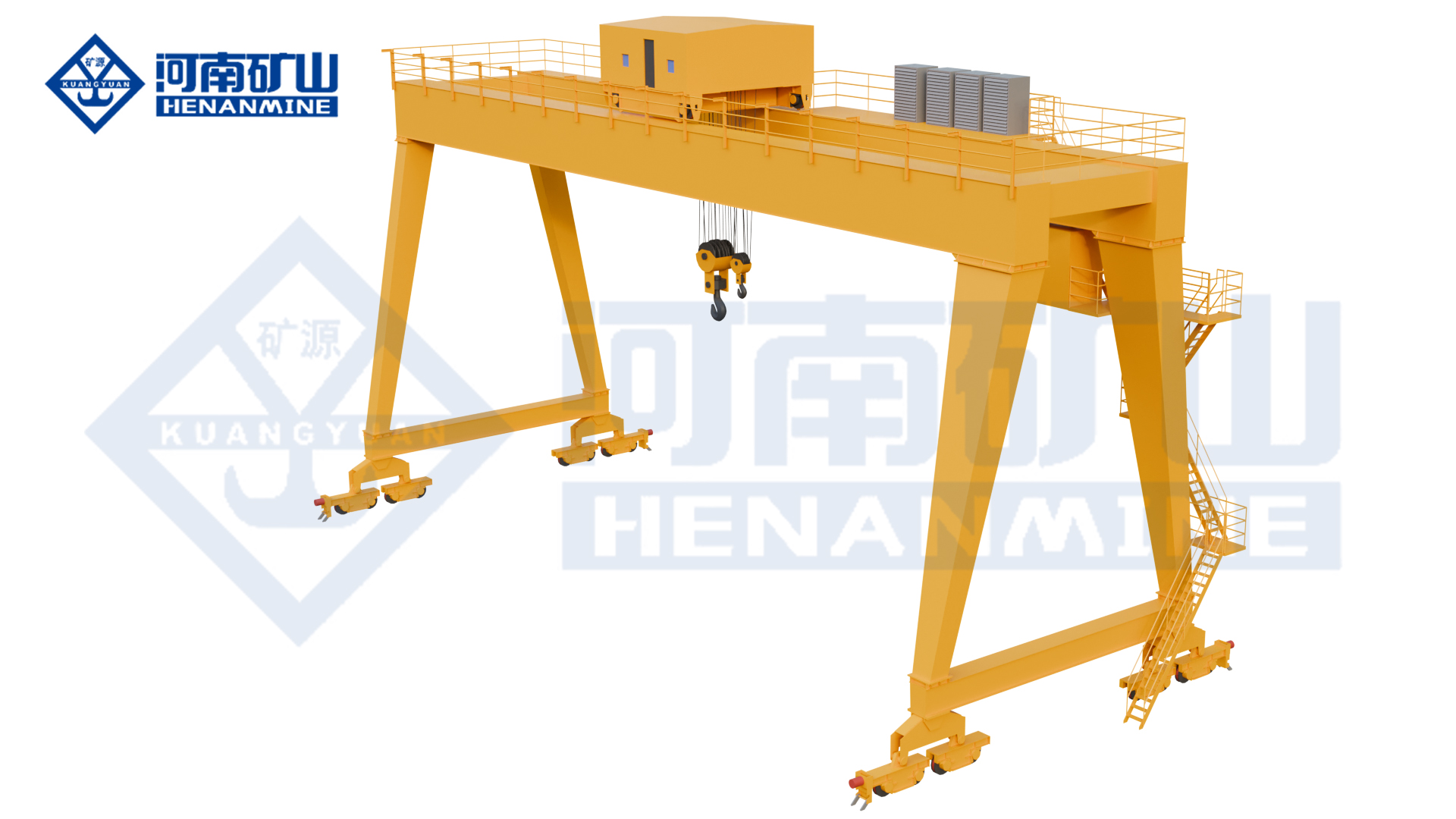
Wire rope and chain hoists for lifting points and cranes.
Explore Electric Hoists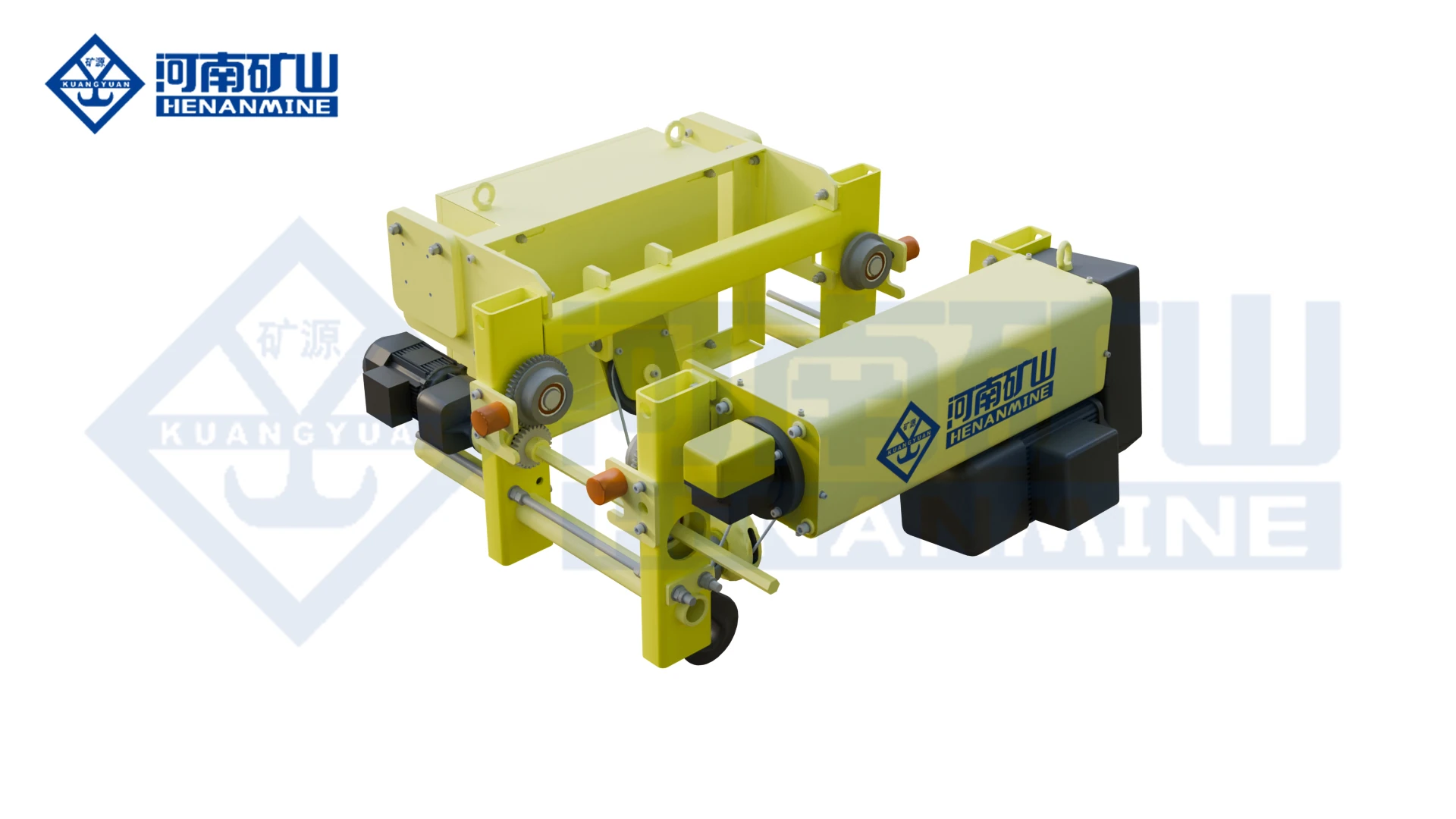
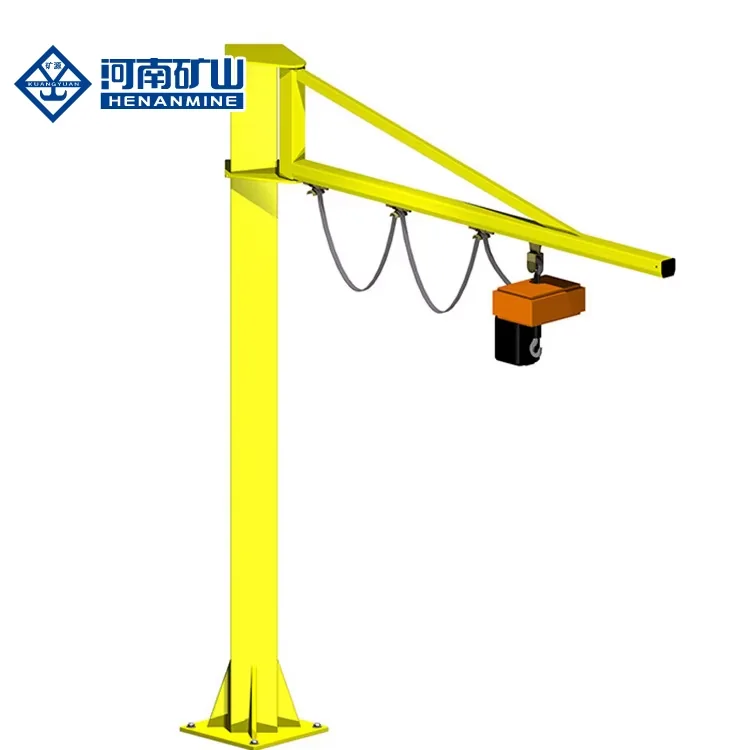
Wire rope lifting and pulling with a powered drum.
Explore Electric Winches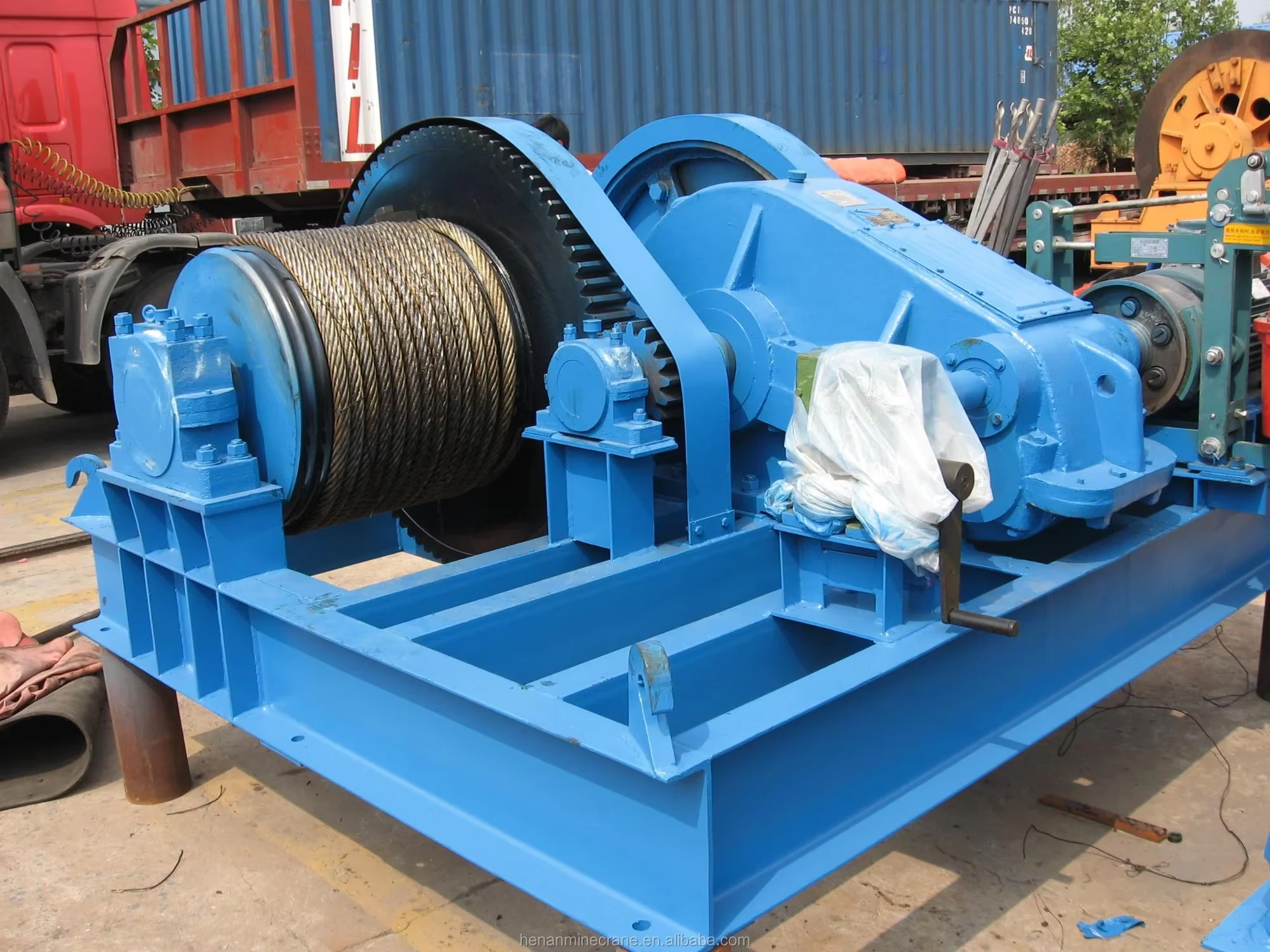
Grab buckets, magnets and hooks for your load.
Explore Lifting Attachments & Grabs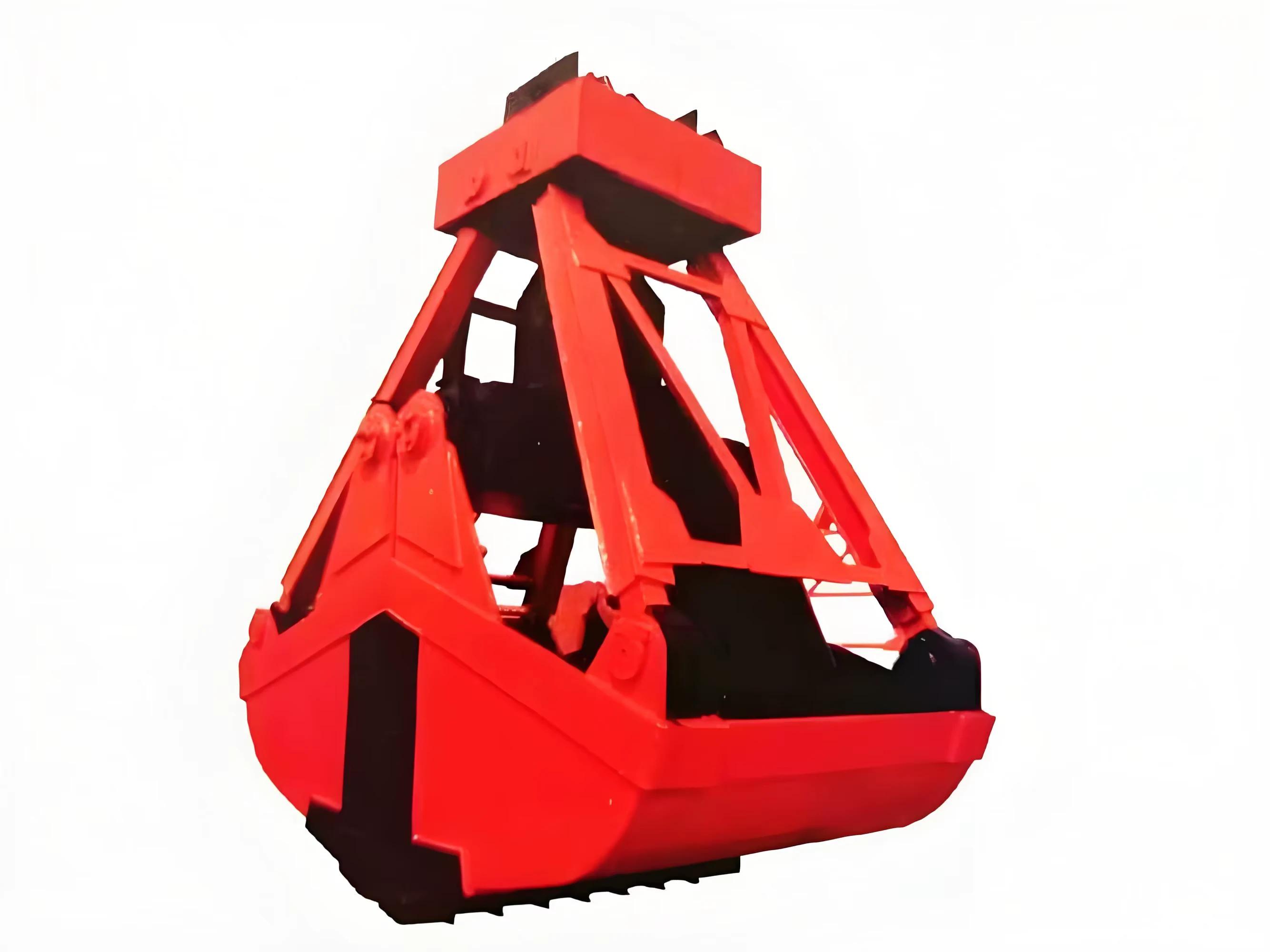
Mobile handling for containers, precast and yard loads.
Explore Rubber-Tired Gantry Cranes & Straddle Carriers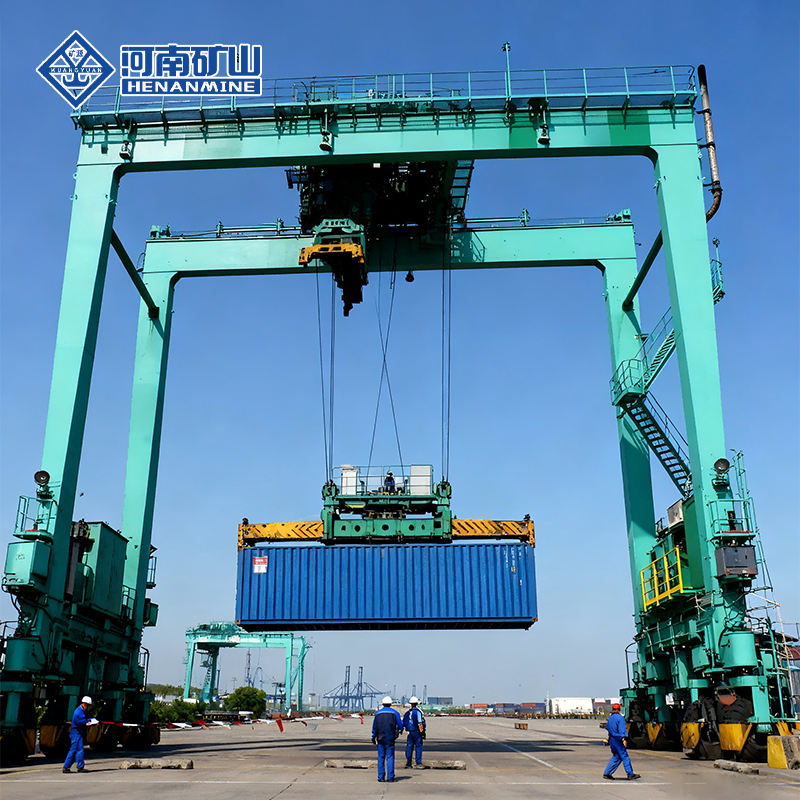
Lift and move vessels through boatyards and marinas.
Explore Marine Travel Lifts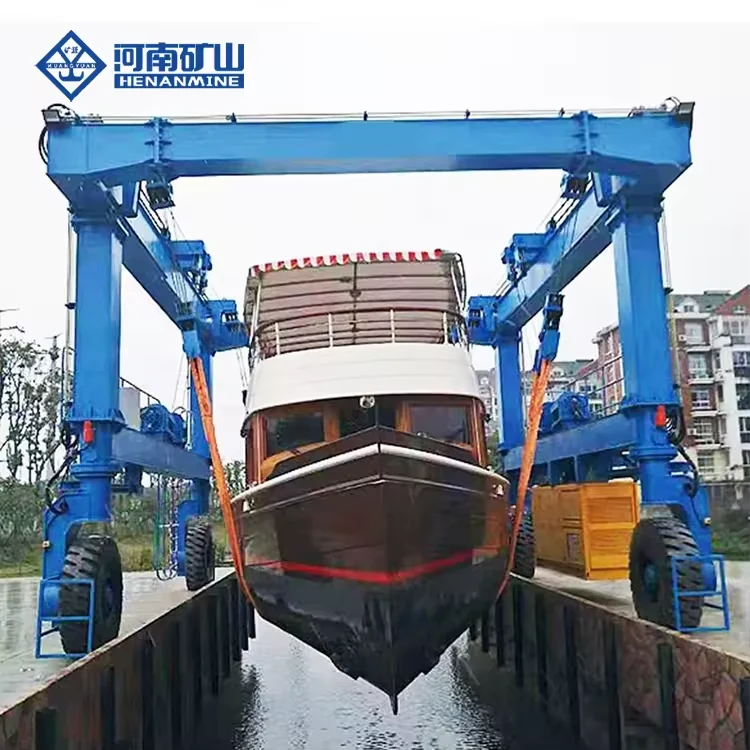
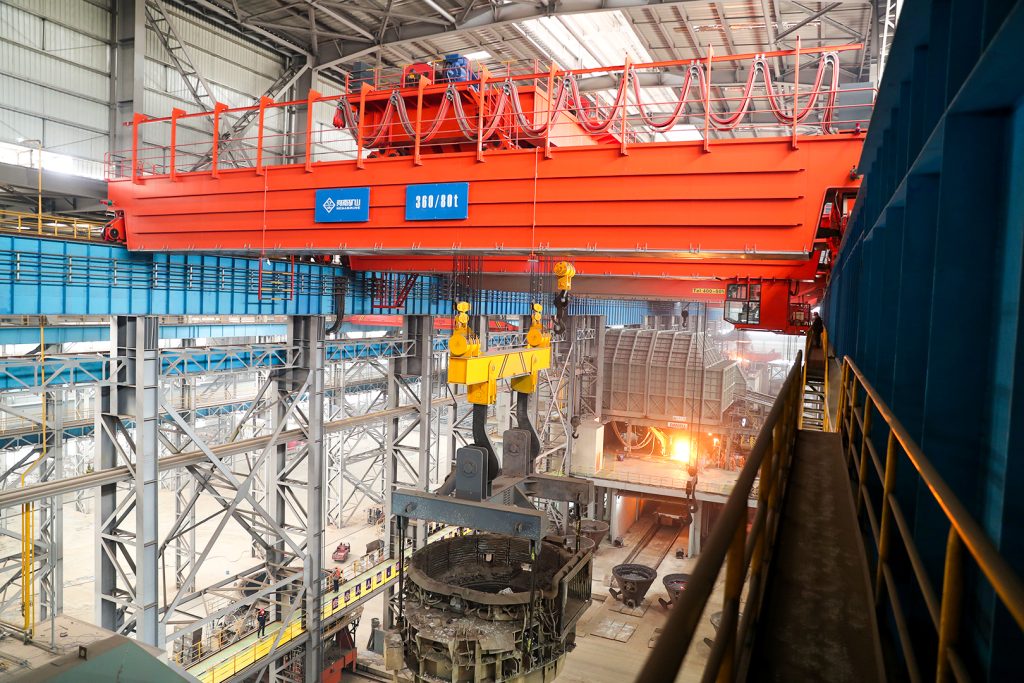
Ladle, slab, scrap and coil handling across steel production.
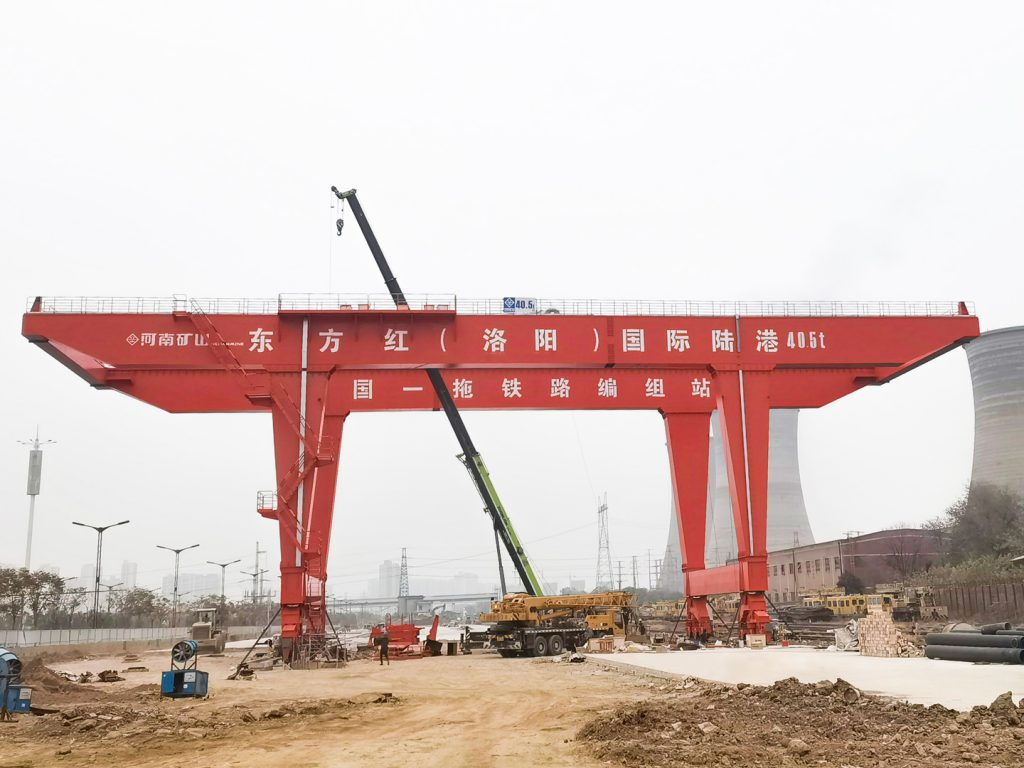
Container stacking and cargo transfers across terminals and rail.
Turbine installation, powerhouse maintenance and wind equipment assembly.
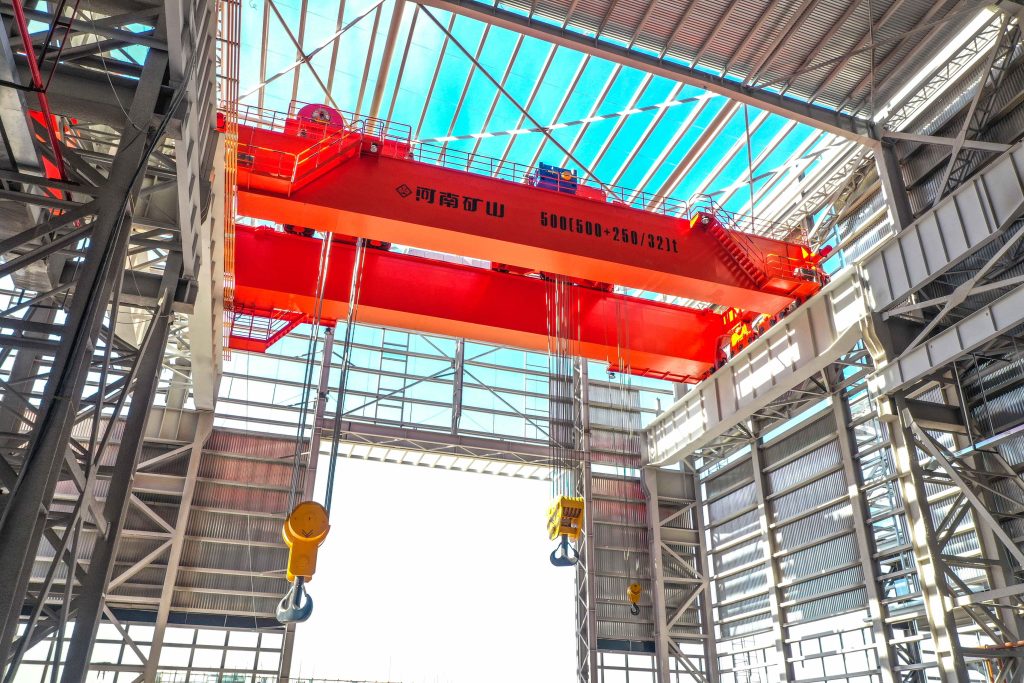
Controlled component transfer and positioning for precision assembly.
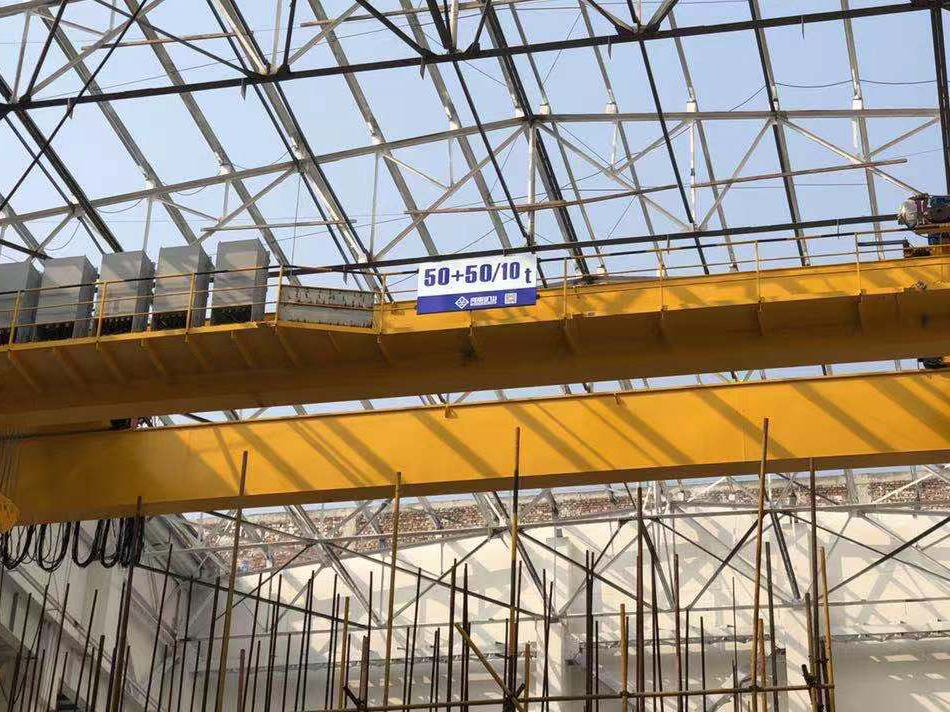
Heavy fabrication, production lifting and factory crane automation.
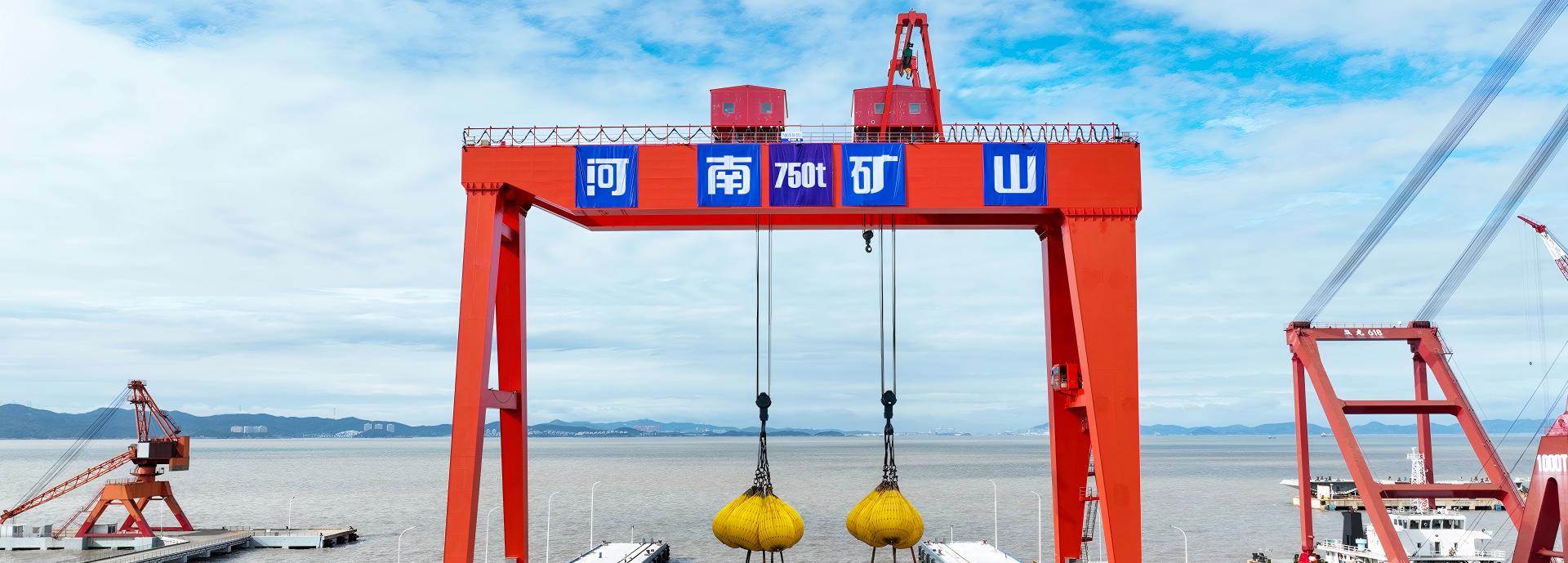
Process lifting for smelters, carbon blocks and anode materials.
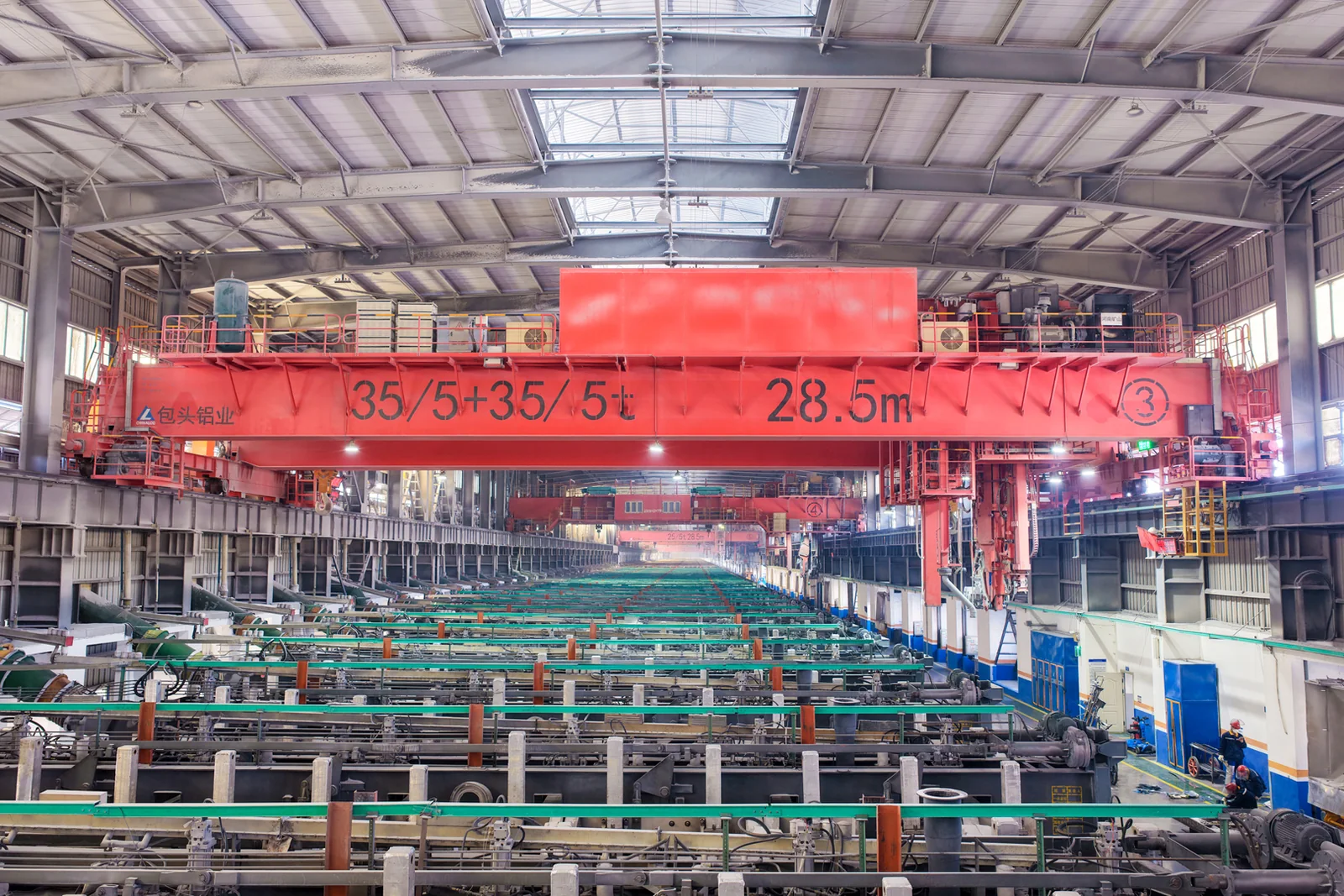
Clean lifting and classified protection for sensitive process areas.
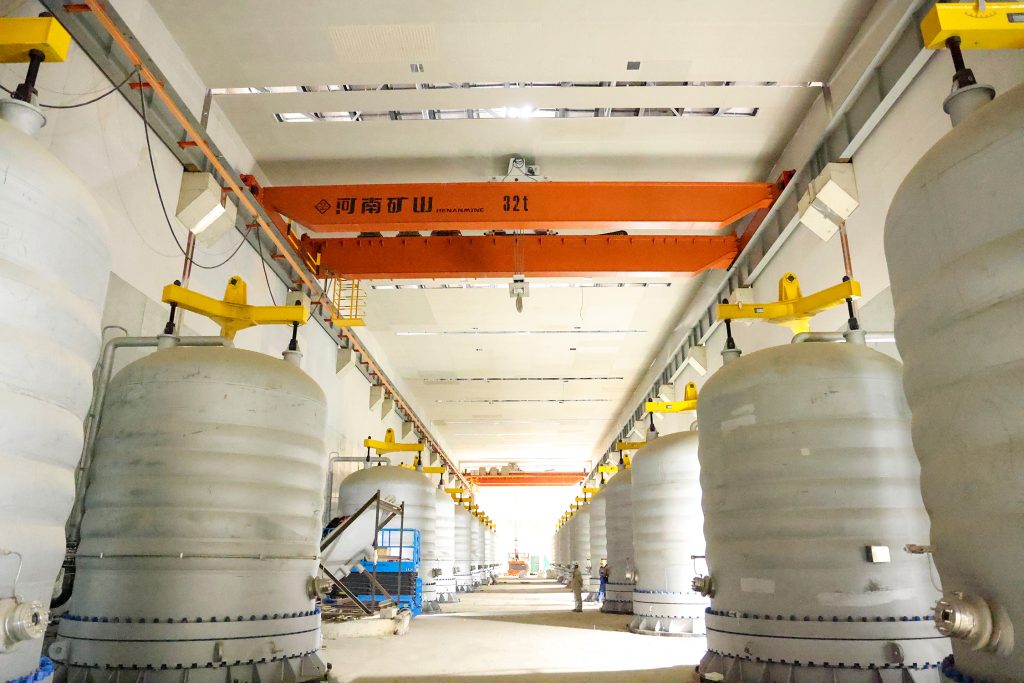
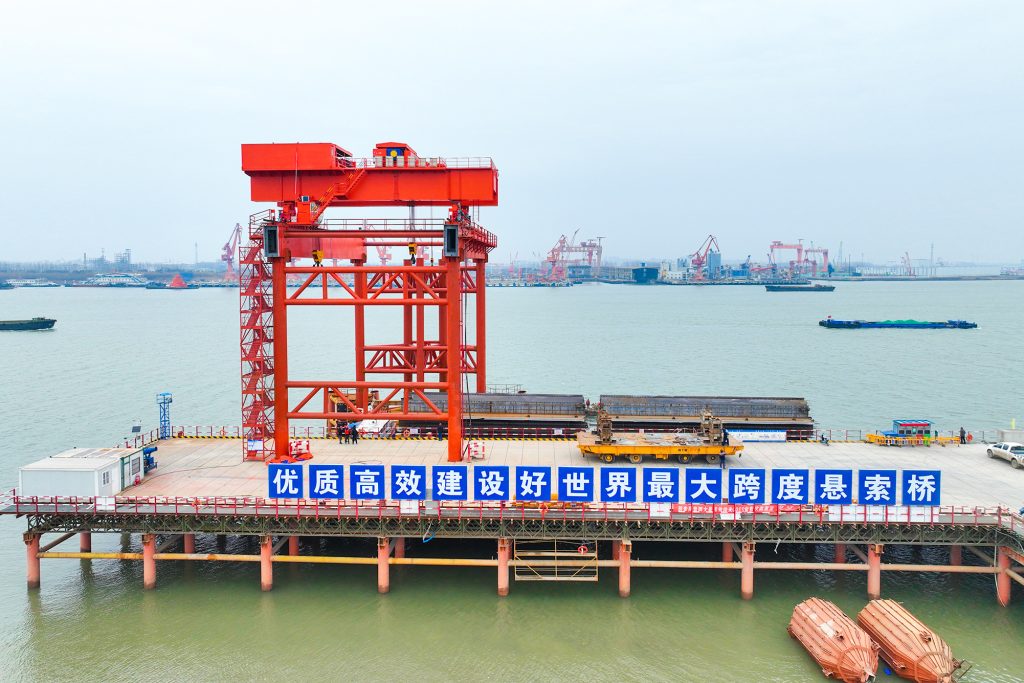
Bridge fabrication, metro construction and ship block assembly.
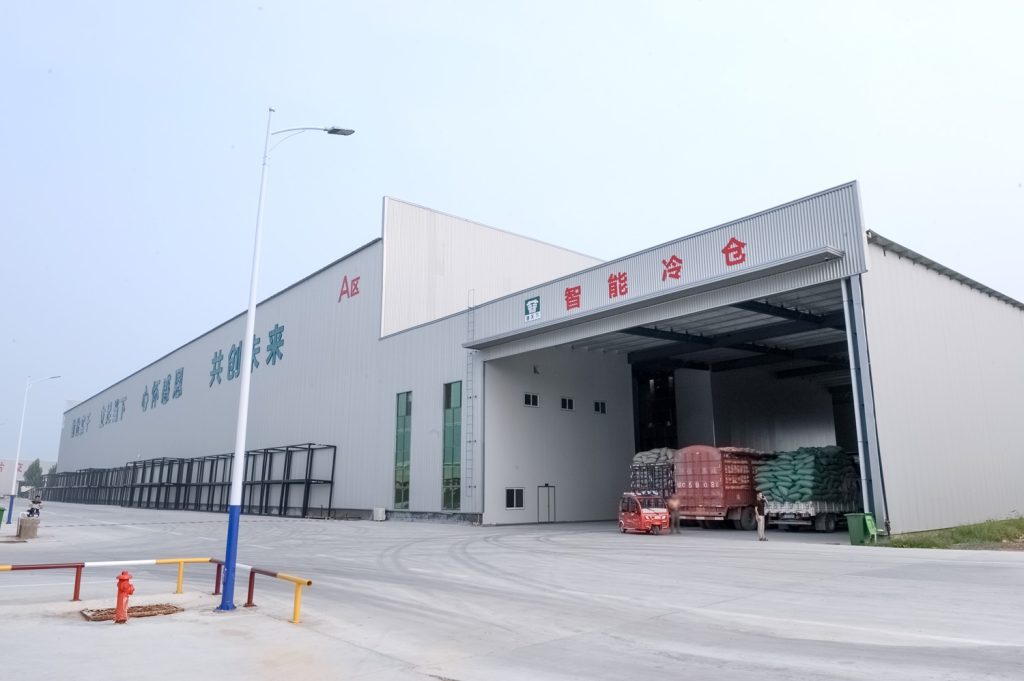
Automated storage and retrieval for plates, cables and bins.
Follow project dispatches, crane engineering and factory acceptance.
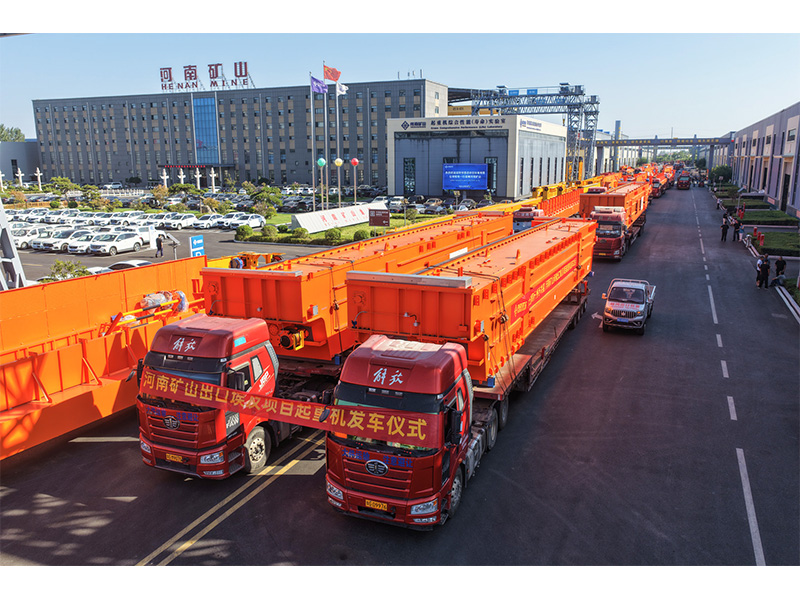
Dispatch, installation and equipment in service
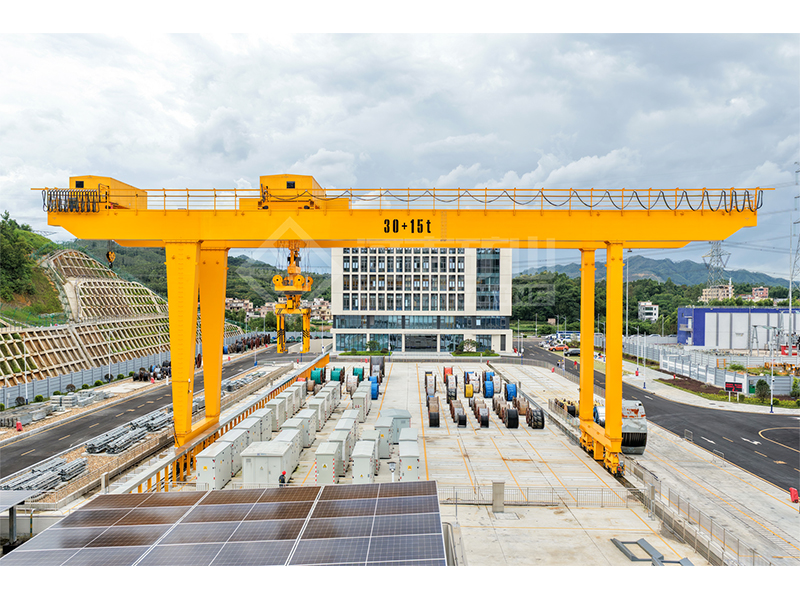
Crane configurations and handling technology
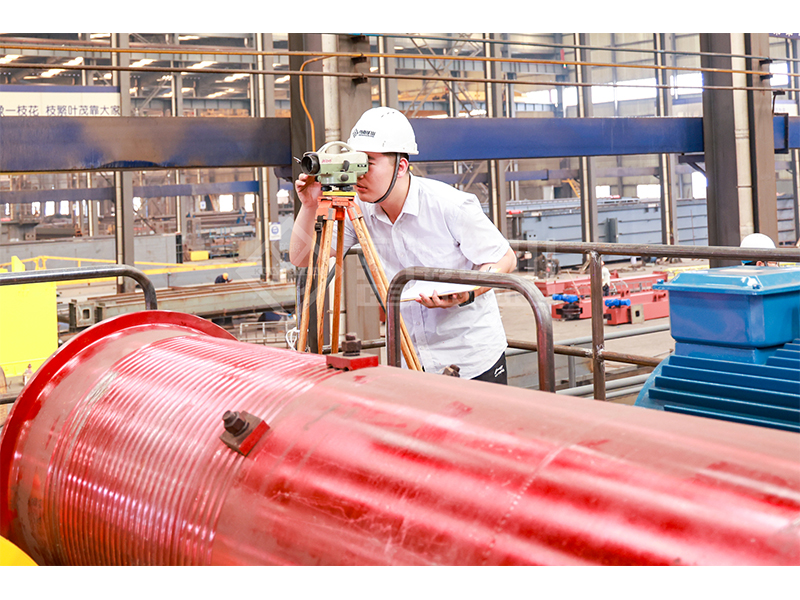
Factory inspections, acceptance and test programmes

Company developments, people and community programmes
Compare how travel speed, control delay and net deceleration affect a simple crane stopping envelope.
Use the speed at the start of the stop and the mass moving in that direction.
Set the time before deceleration begins and the constant net deceleration after that delay.
Add delay travel and deceleration travel. Use the graph to see the assumed speed history.
30 m/min, 20,000 kg moving mass, 0.5 s delay and 0.25 m/s² net deceleration.
Delay travel is 0.25 m and deceleration travel is 0.50 m: 0.75 m total over 2.5 s. Translational kinetic energy is 2.5 kJ.
Delay adds distance before the assumed deceleration even begins.
Deceleration distance varies with the square of initial speed when deceleration stays constant.
The kinetic-energy output excludes rotating inertia and is not a complete brake heat or torque selection.
Entering brake response time as deceleration time, which combines two physically different parts of the stop.
s_total = v t_delay + v² / (2a)
t_total = t_delay + v/a
E_translation = ½ m v²
It provides one motion estimate. Limit placement also depends on verified worst-case stopping behavior, buffers, clearances and the applicable requirements.
No. Suspended-load swing is outside this translation model.