
Choose the measurement
Select mass, force, length or speed. The tool only converts within that measurement group.
Bridge cranes for workshops and production lines.
Explore Overhead Cranes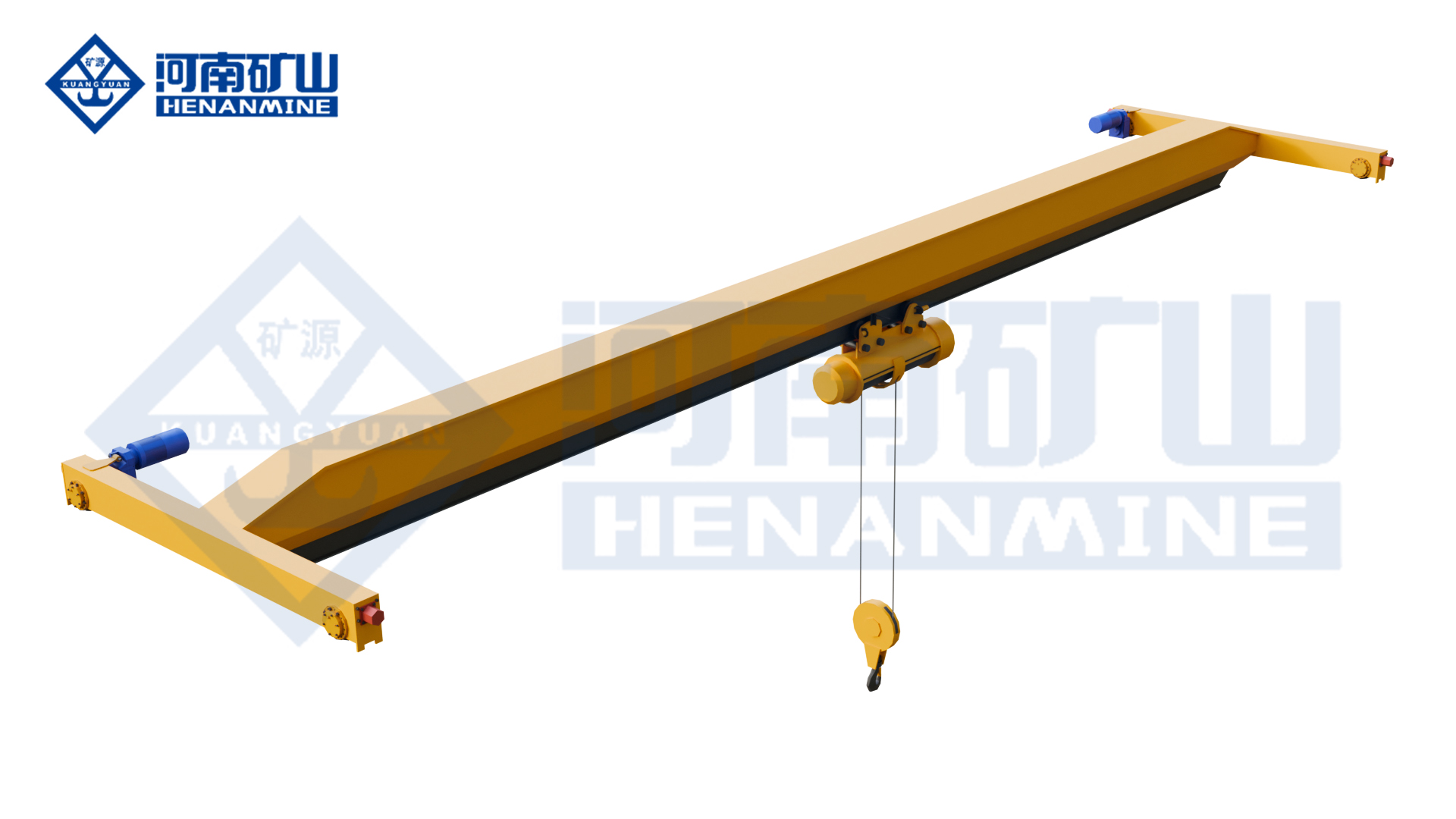
Ground-supported lifting for yards and construction.
Explore Gantry Cranes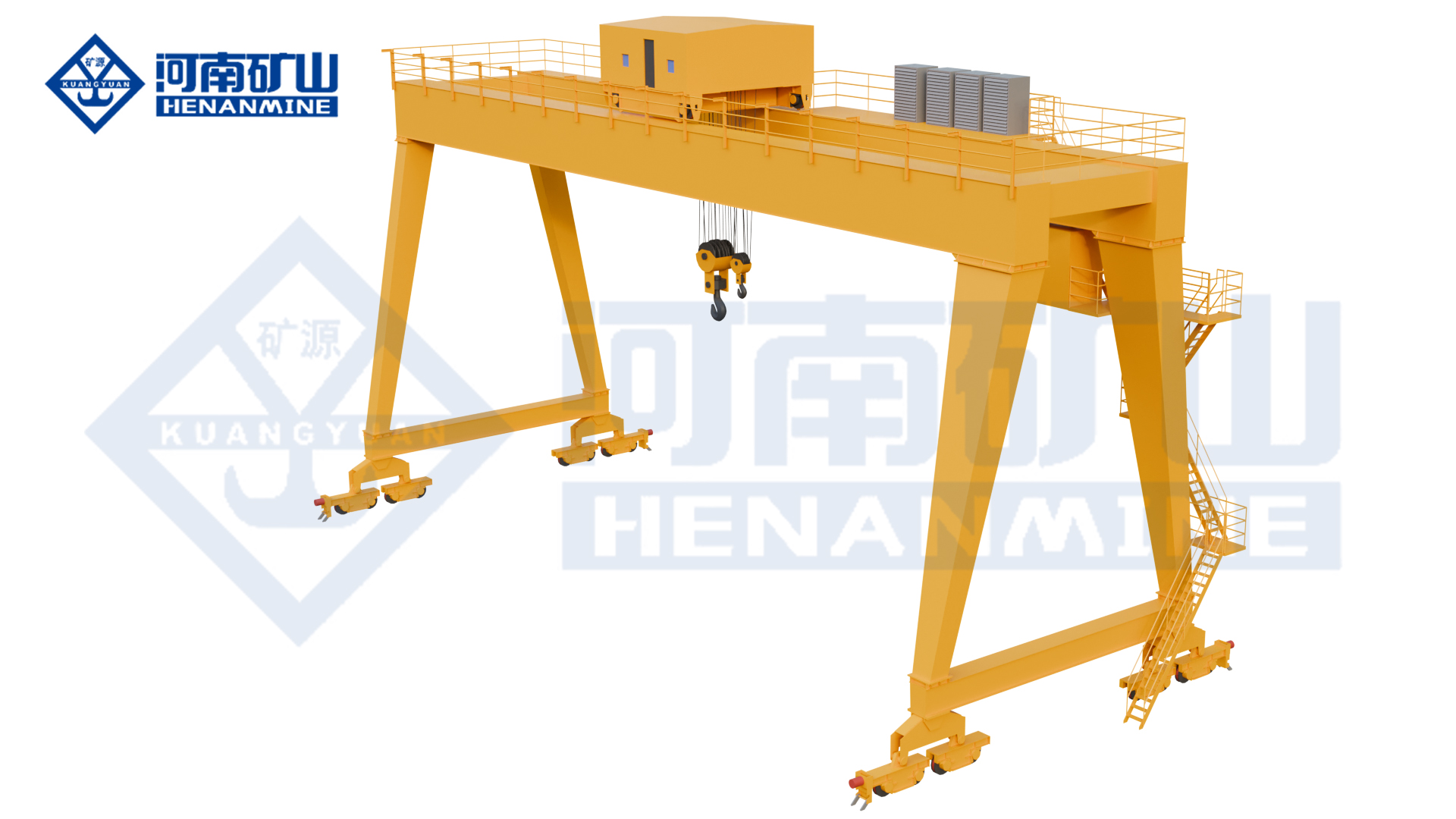
Wire rope and chain hoists for lifting points and cranes.
Explore Electric Hoists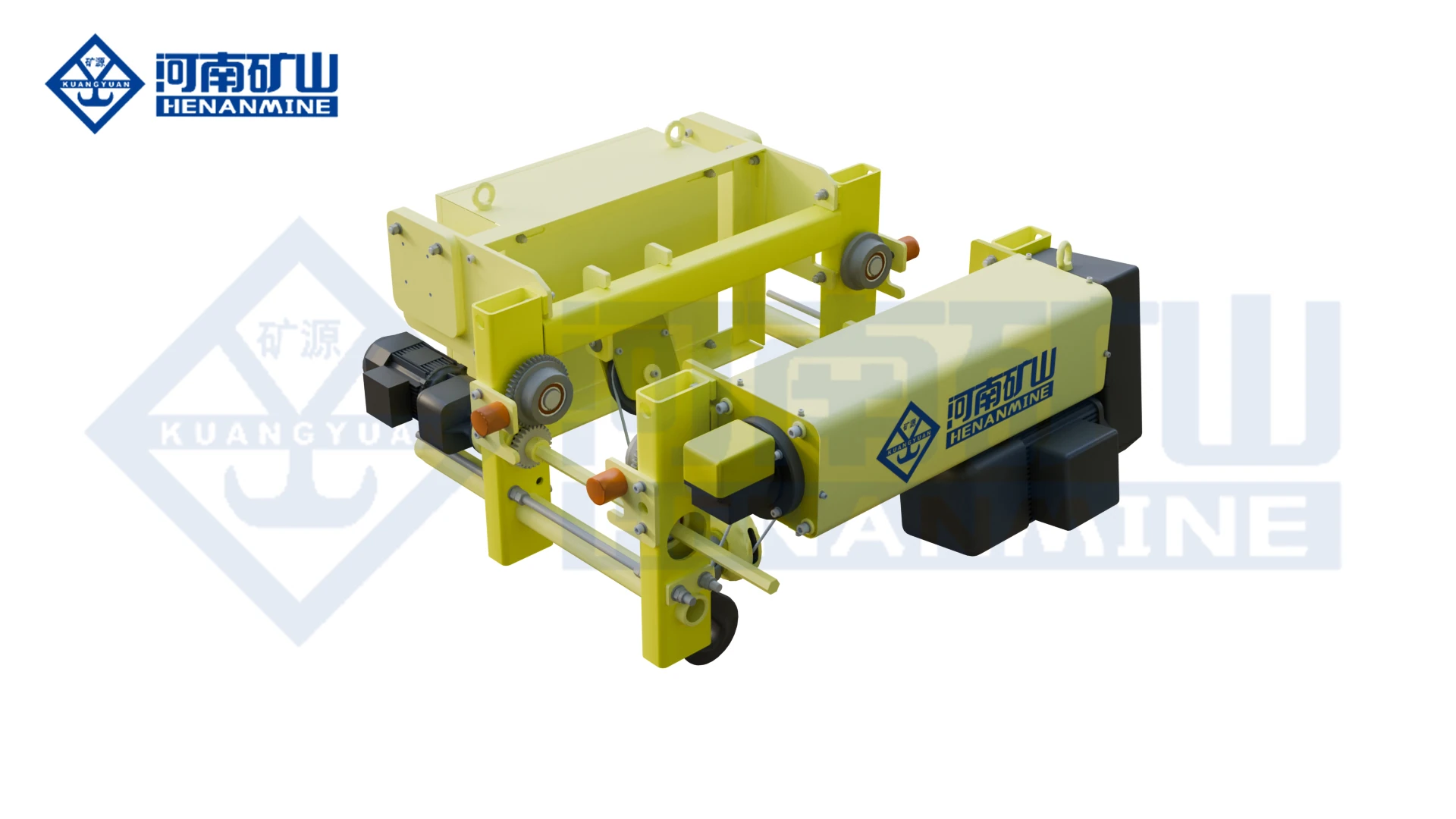
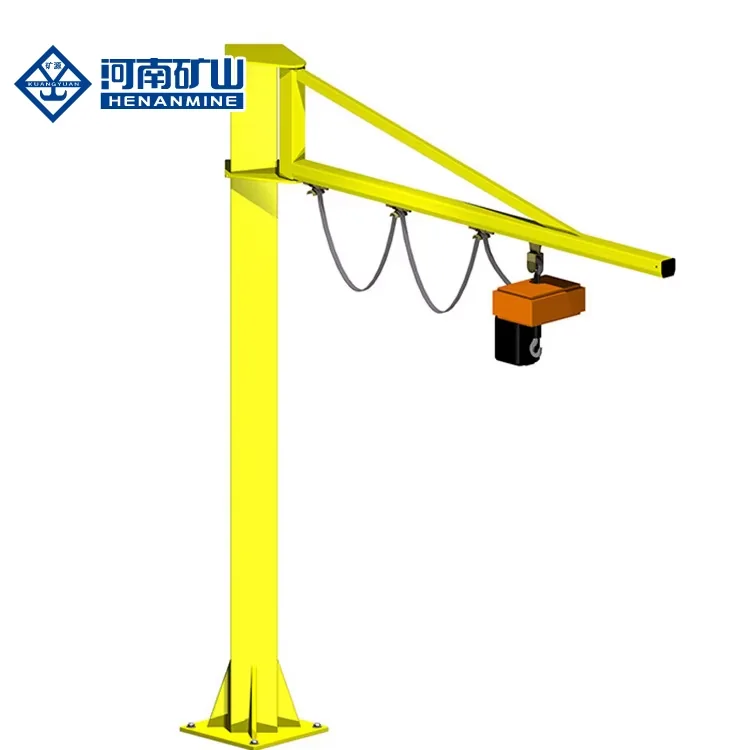
Wire rope lifting and pulling with a powered drum.
Explore Electric Winches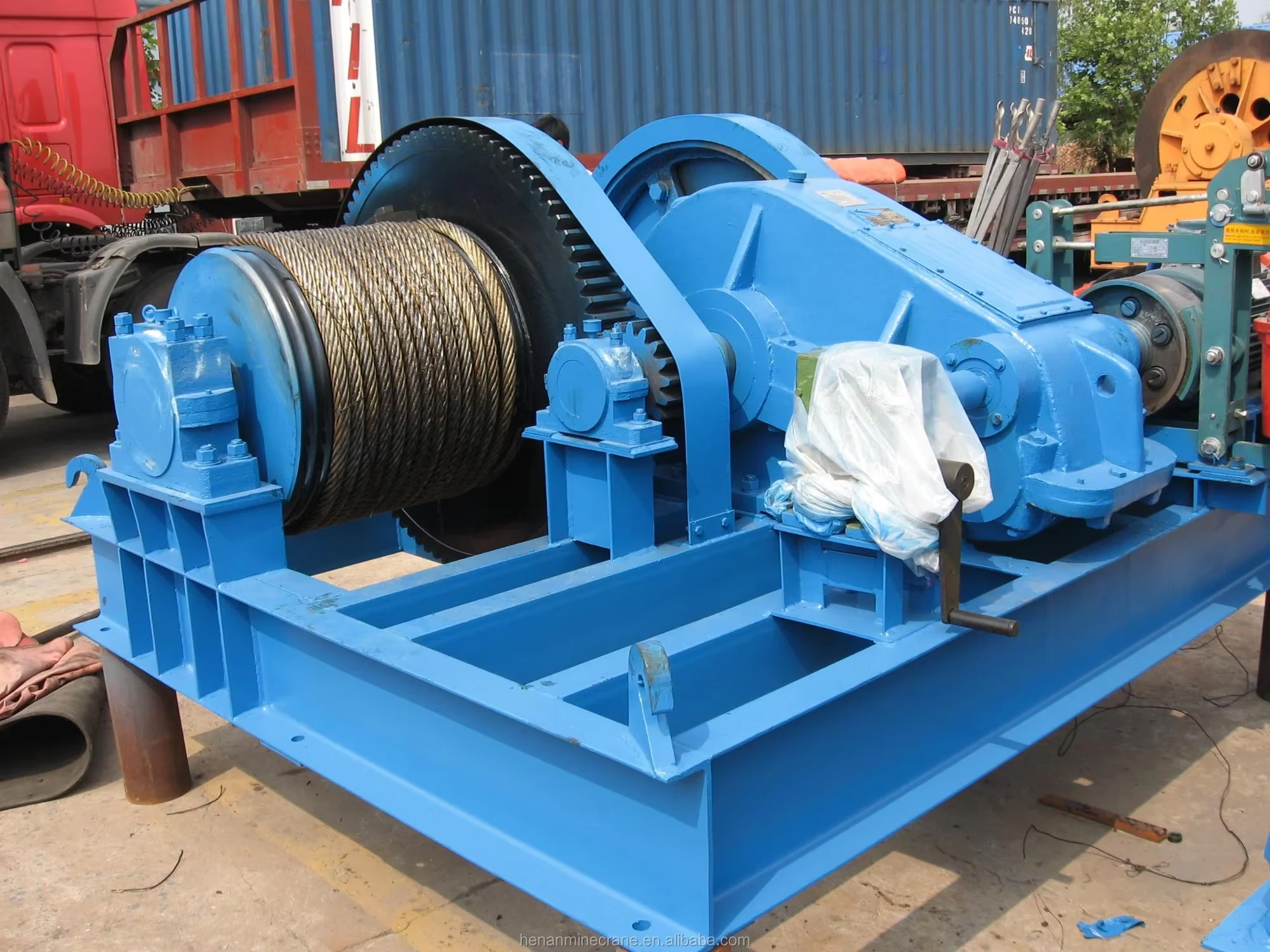
Grab buckets, magnets and hooks for your load.
Explore Lifting Attachments & Grabs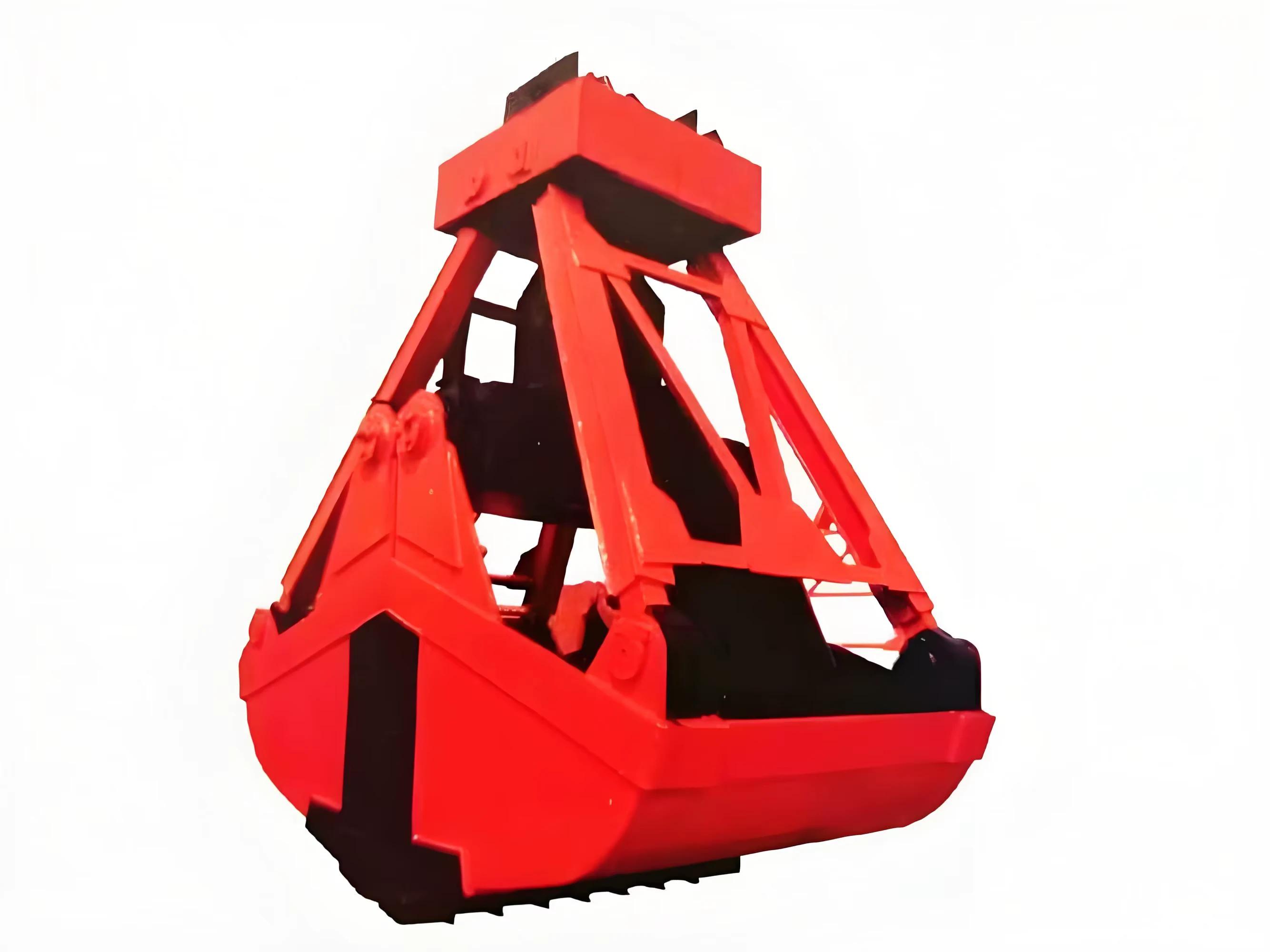
Mobile handling for containers, precast and yard loads.
Explore Rubber-Tired Gantry Cranes & Straddle Carriers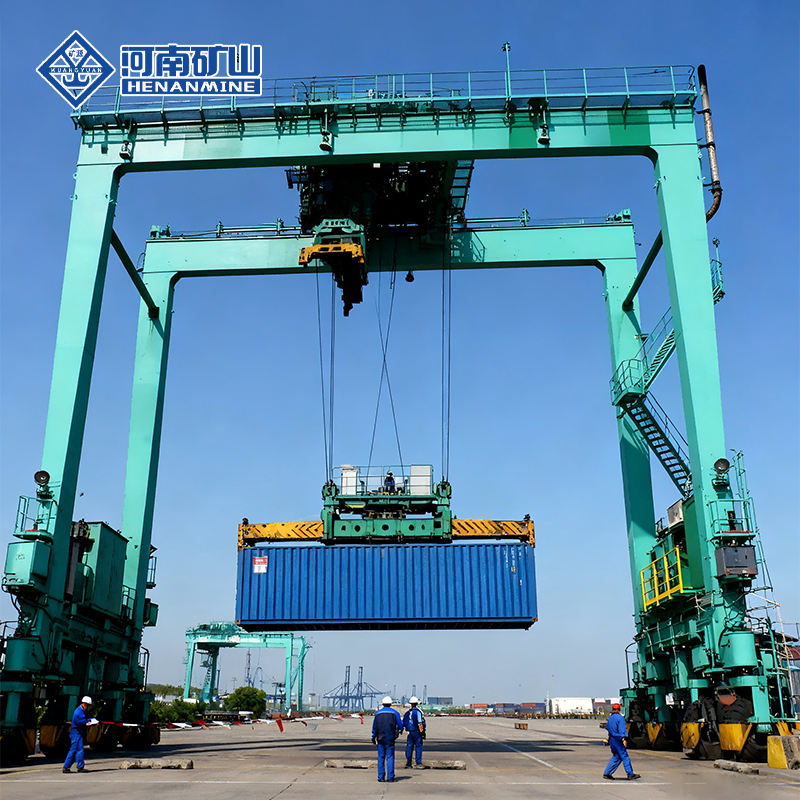
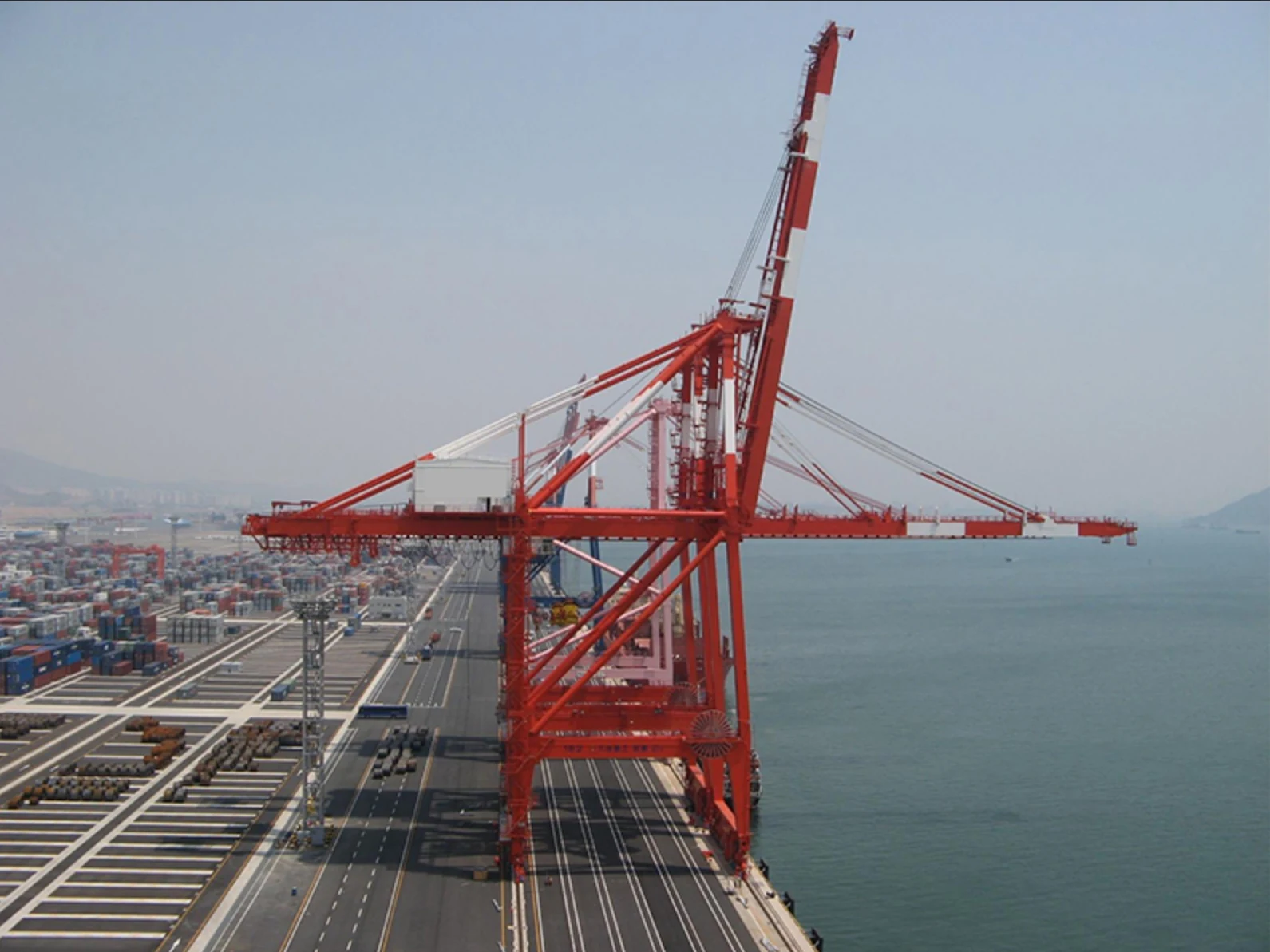
Lift and move vessels through boatyards and marinas.
Explore Marine Travel Lifts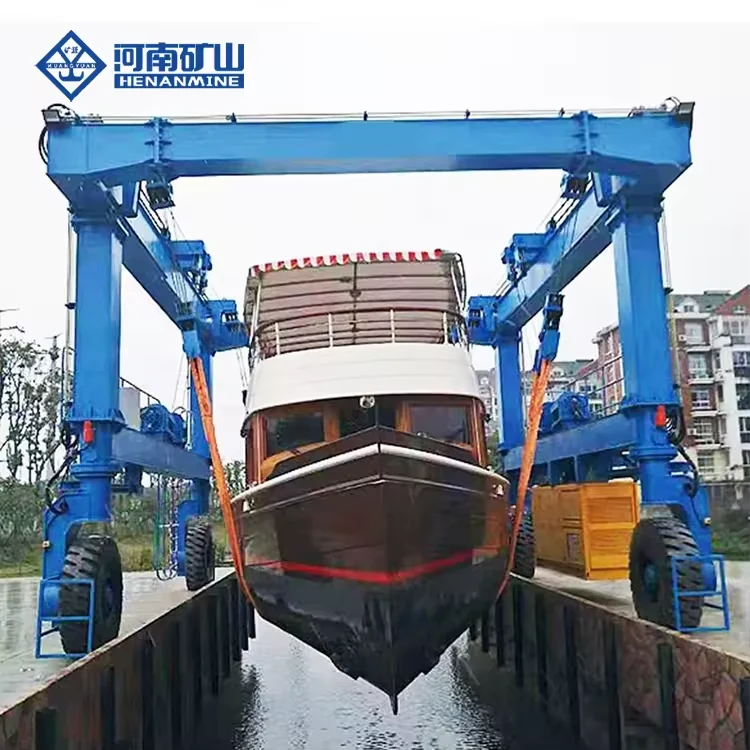
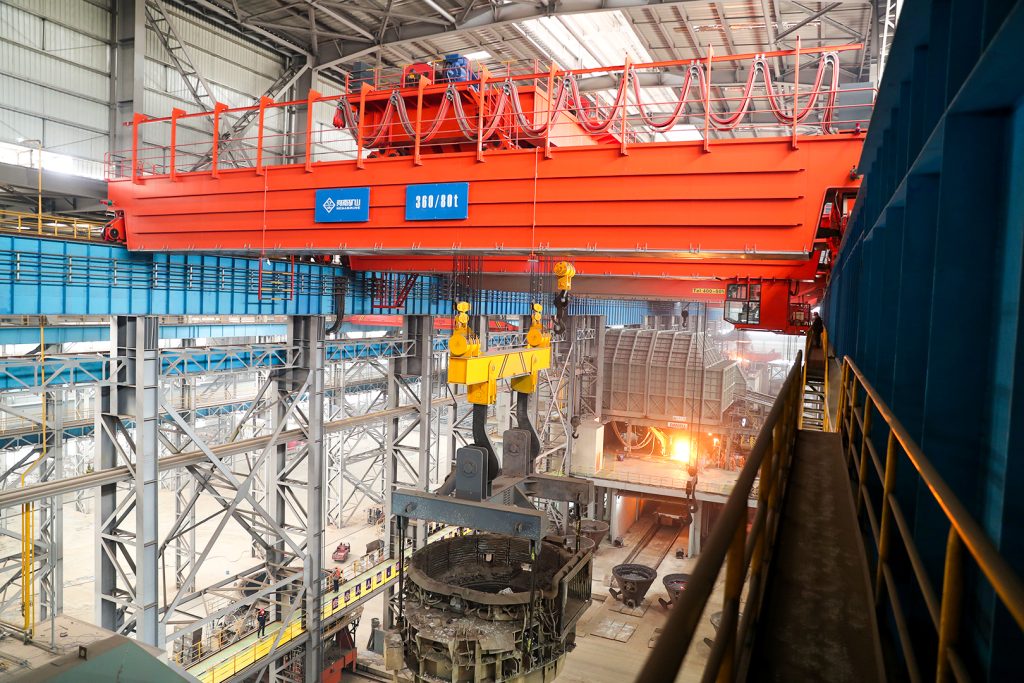
Ladle, slab, scrap and coil handling across steel production.
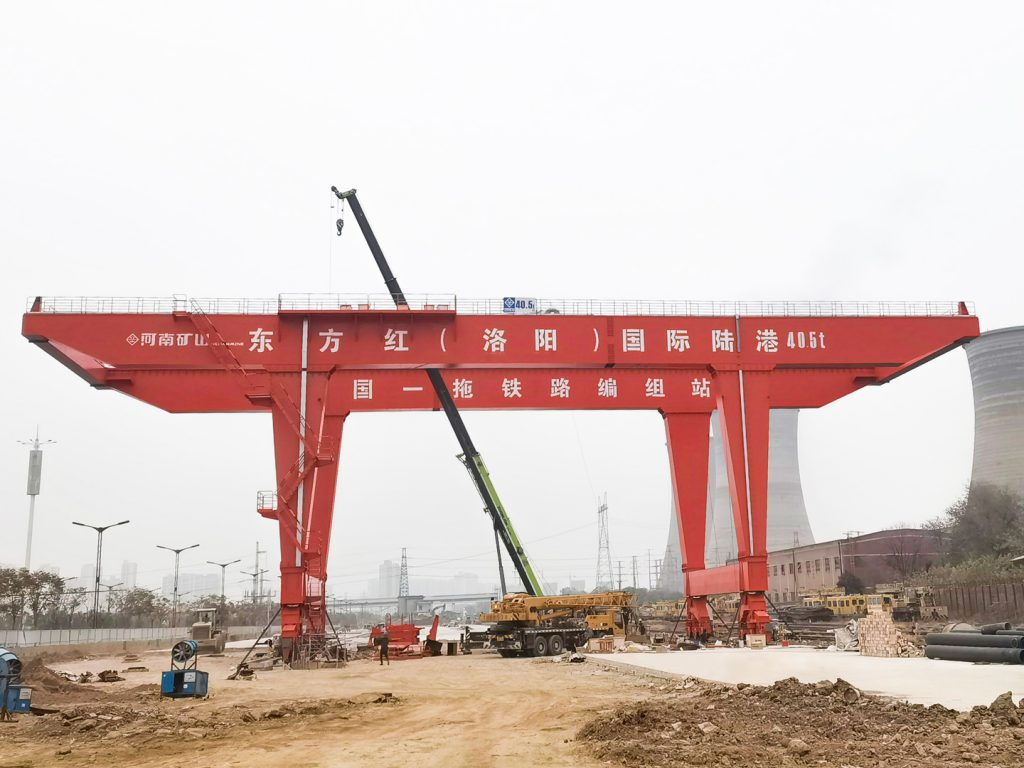
Container stacking and cargo transfers across terminals and rail.
Turbine installation, powerhouse maintenance and wind equipment assembly.
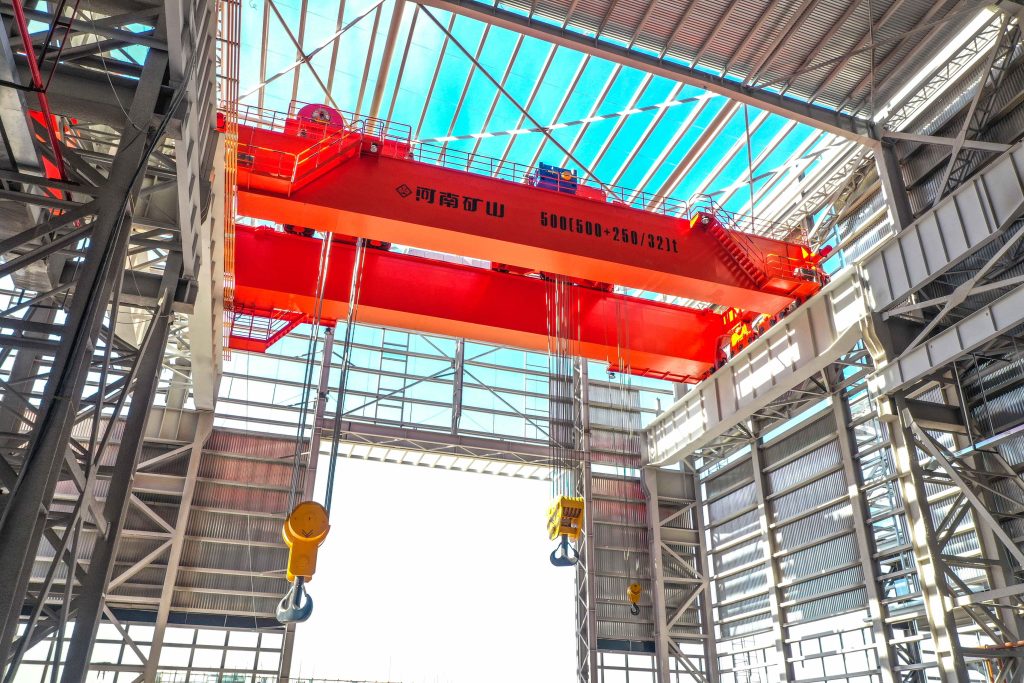
Controlled component transfer and positioning for precision assembly.

Heavy fabrication, production lifting and factory crane automation.
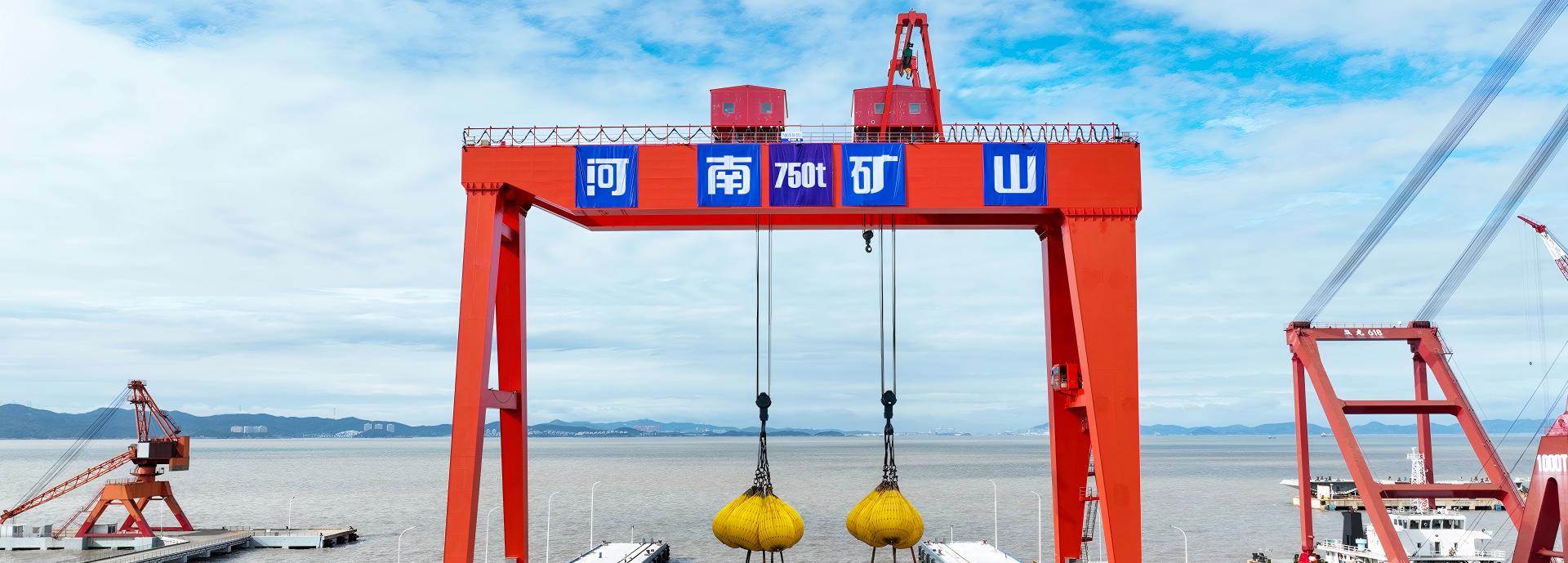
Process lifting for smelters, carbon blocks and anode materials.
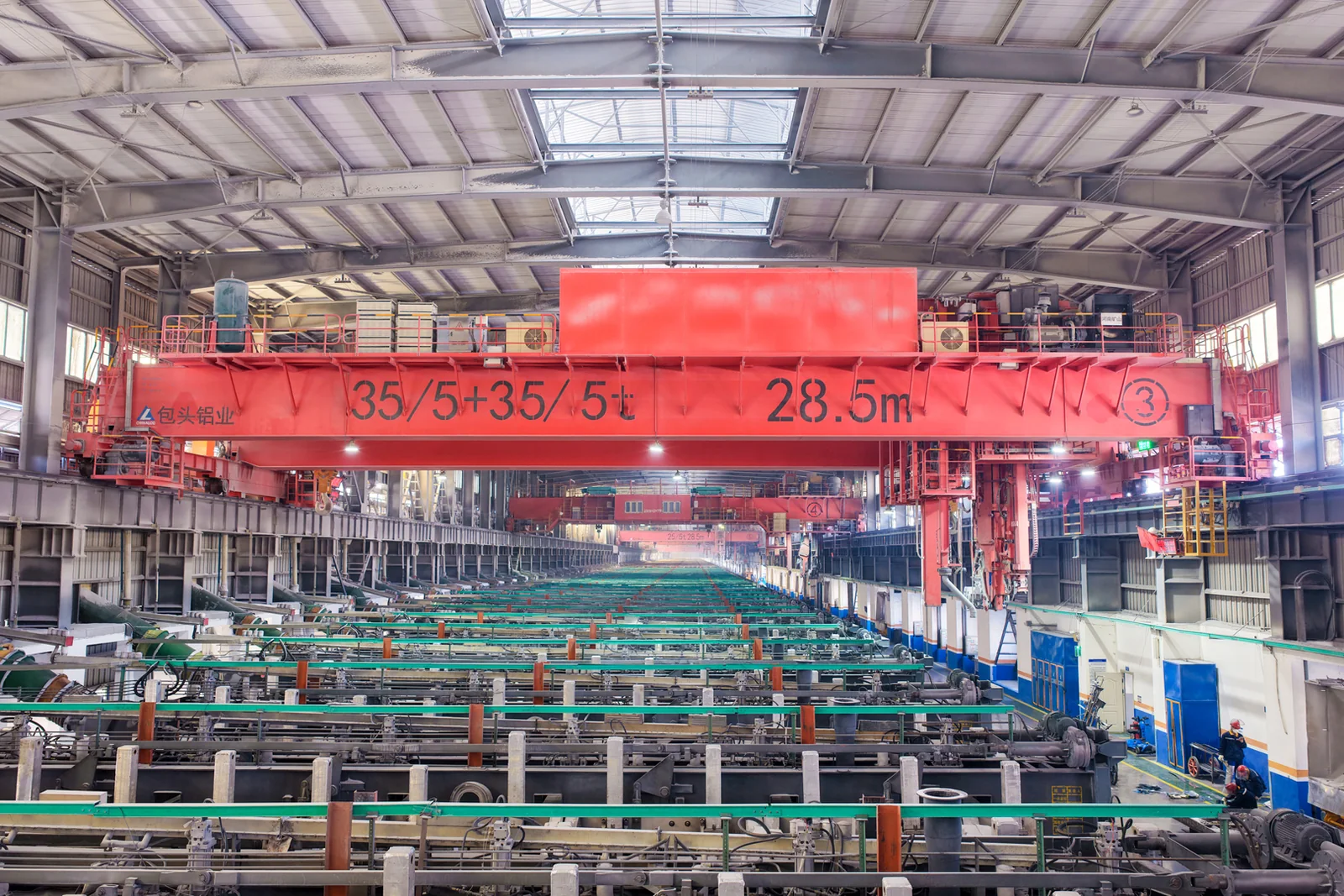
Clean lifting and classified protection for sensitive process areas.
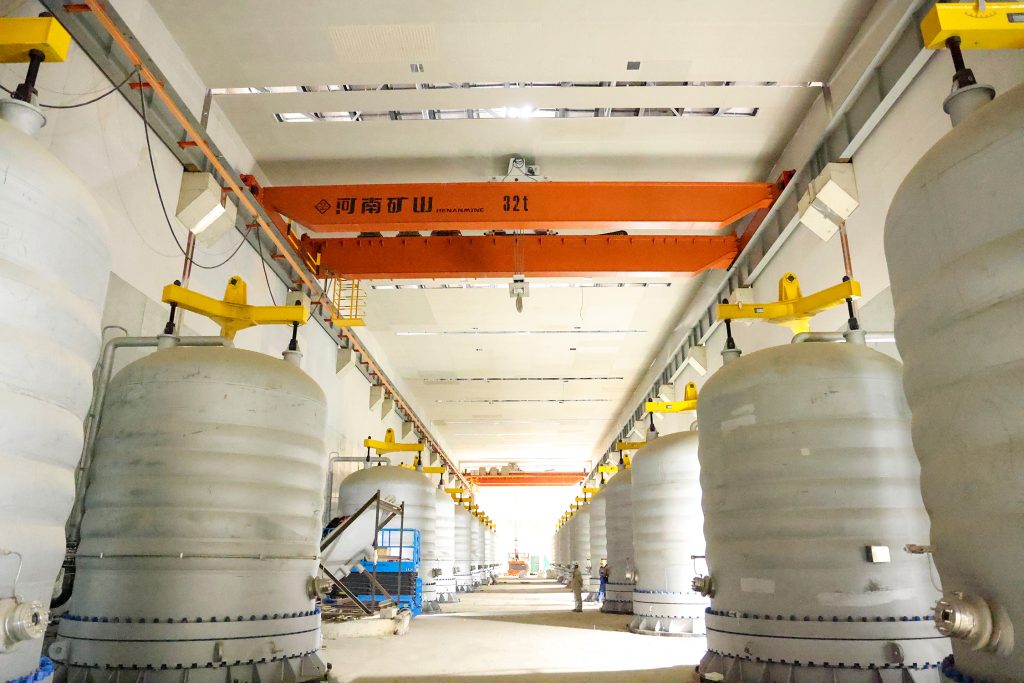
Bridge fabrication, metro construction and ship block assembly.
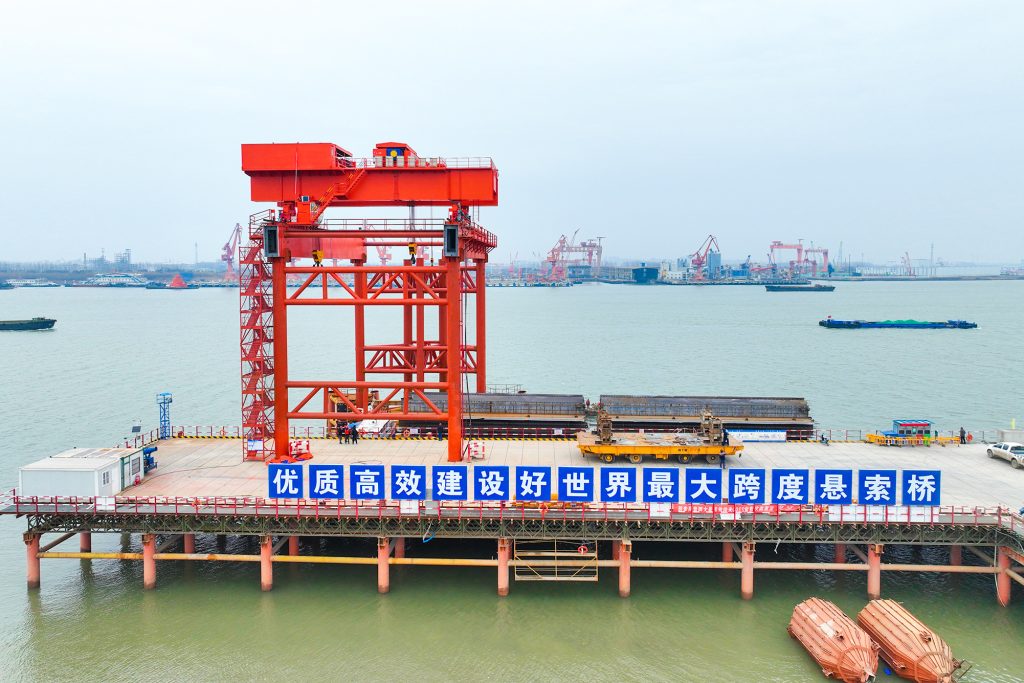
Automated storage and retrieval for plates, cables and bins.
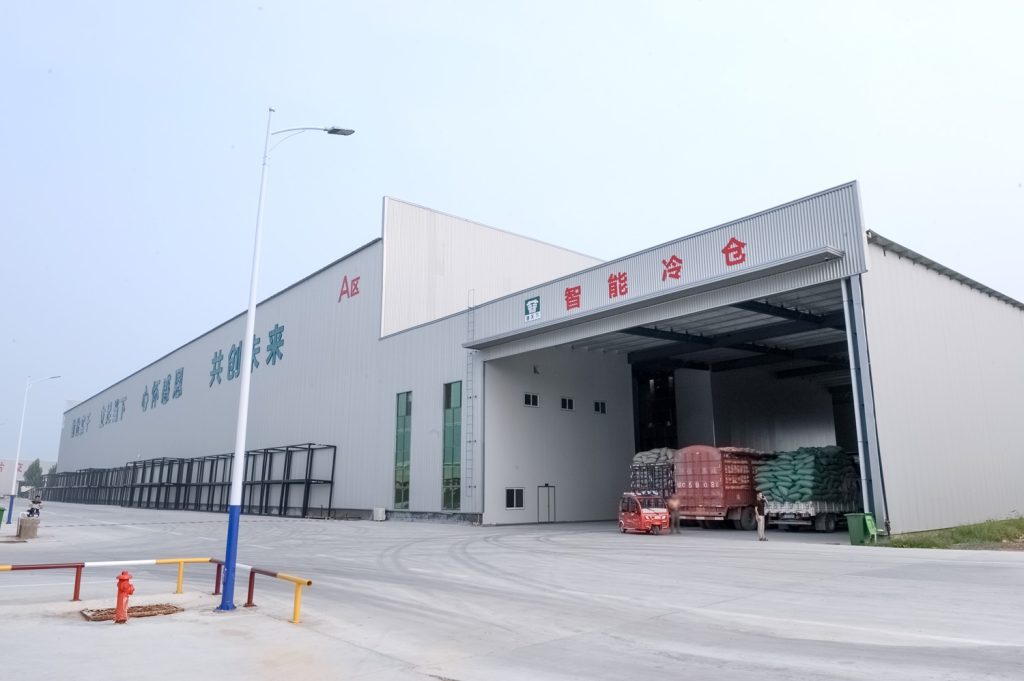
Follow project dispatches, crane engineering and factory acceptance.
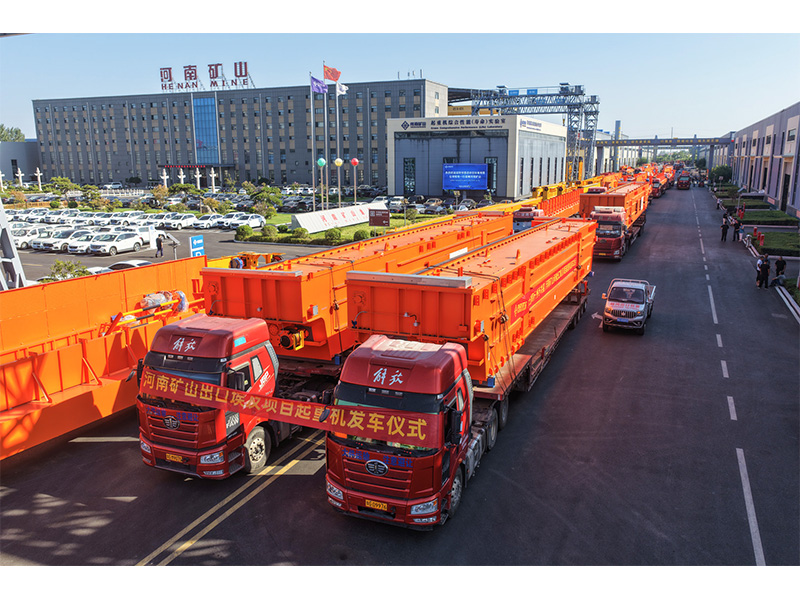
Dispatch, installation and equipment in service

Crane configurations and handling technology

Factory inspections, acceptance and test programmes

Company developments, people and community programmes
Use this when drawings, quotations or operating requirements mix metric, US and UK units. It keeps mass, force, length and speed as separate measurements.
Select mass, force, length or speed. The tool only converts within that measurement group.
Select the source unit, enter its numerical value and select the required output unit.
Read the conversion, then save or copy both the value and its full unit into your specification.
Measurement mass; value 5; from metric t; to kg.
5 metric tonnes = 5,000 kg. This is not the same as 5 US short tons or 5 UK long tons.
Changing the measurement group loads a fresh 1-unit example; review it before using the result.
A unit change within the same measurement group preserves the equivalent quantity. Swap reverses the conversion direction.
Displayed values are rounded. The conversion uses the defined conversion factors rather than a rounded mental shortcut.
Treating kN as a mass unit or treating an unspecified “ton” as a metric tonne. Clarify the source unit first.
Converted value = input × source-unit factor / target-unit factor
1 metric t = 1,000 kg; 1 US short ton = 907.18474 kg; 1 UK long ton = 1,016.0469088 kg
No. Mass and force are different measurements. The total lifting load tool can show static gravity force using standard gravity.
One metric tonne is 1,000 kg; one US short ton is 2,000 lb; one UK long ton is 2,240 lb. The converter labels them separately.