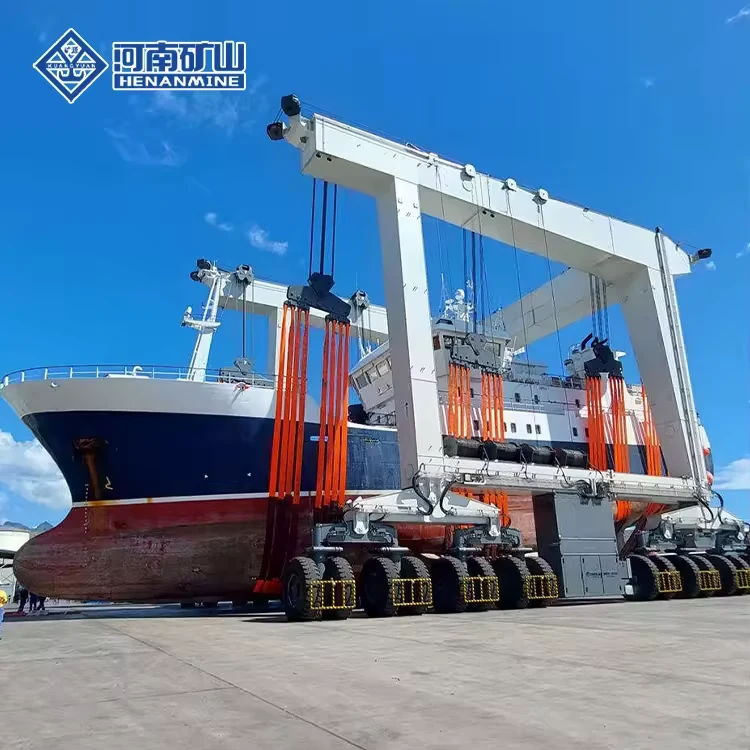
Load distribution
Set sling positions and load-sharing controls using approved hull support reactions and centre-of-gravity data.
Large-vessel haul-out is a coordinated lifting and civil-engineering project. Before choosing machine capacity, establish the vessel's actual mass and centre of gravity, approved support locations, sling reactions, pier and pavement limits, basin geometry and full travel route. The travel lift, infrastructure and operating method must be approved together.
Review the equipment layout with your vessel drawings. Final dimensions and lifting arrangement follow the approved project design.
Send the vessel general arrangement, mass and centre-of-gravity data, support reactions, basin/civil drawings, route plan, site conditions and acceptance standard.
Capacity, clearances and lifting points are approved for the supplied vessel schedule.
Minimum order and the supplied package are confirmed in the written quotation.
Agree the test plan, schedule, installation scope and warranty before order placement.
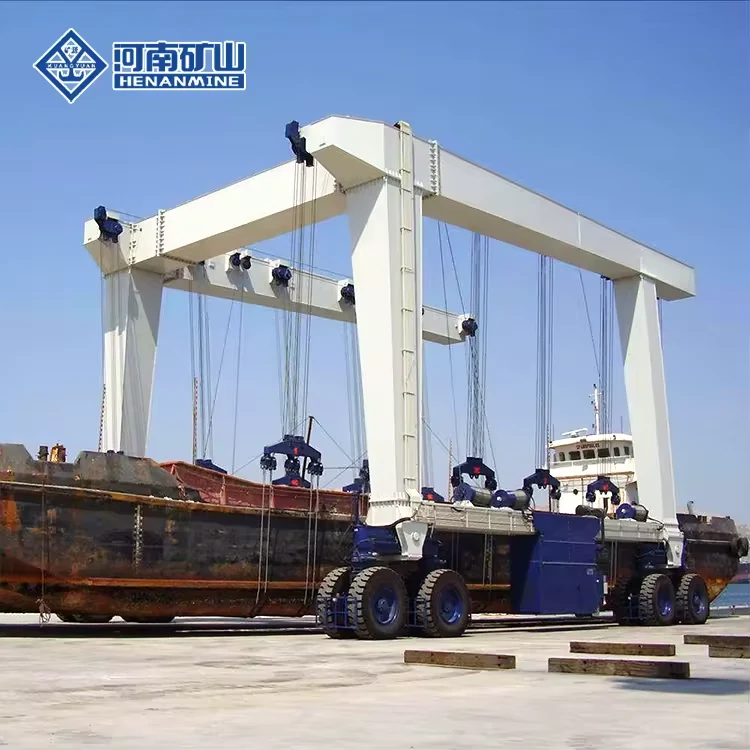
Coordinate lifting points, blocking and travel paths for a complete vessel coming from a basin into a repair position.
Plan repeated haul-outs across vessels with different length, beam and mass distribution without assuming one sling arrangement fits all.
Use machine wheel loads and turning needs while designing piers, paving and service routes—not after civil works are complete.
A long but light vessel and a shorter, heavier vessel can require different frame and sling geometry. Submit both extremes for the design review.
For a heavy vessel, rated lifting capacity is only one line on the specification. The proposal must show how vessel load moves through slings, frame, tyres and ground while travelling between the basin and set-down point.
Swipe to compare the complete design basis →
| Design item | Buyer provides | Approved offer defines |
|---|---|---|
| Design vessel | Maximum lift mass and centre of gravity in the actual haul-out condition | Approved rated lift and design-vessel schedule |
| Support plan | Hull structure, approved sling zones, number of points and local reactions | Sling positions, load sharing and lift-control strategy |
| Envelope | Hull beam, length, draft, height, appendages and clearance at every route pinch point | Inside width, lift travel and machine geometry |
| Basin & pier | Basin mouth, pier spacing, water level/tide, quay geometry and access | Approach and pick-up arrangement for the design vessel |
| Civil works | Pier/pavement strength, wheel-path layout, grades, turning and set-down area | Maximum wheel reactions and route restrictions |
| Operating site | Wind, salt exposure, operating frequency, power and emergency strategy | Environmental limits, drives, controls and maintenance scope |
| Acceptance | Destination rules, witness points, testing, assembly and operator training needs | Document, FAT/SAT and handover plan in the offer |
The selected lift's rated load, usable clear width, lifting travel and wheel arrangement are issued together on the project drawing and technical offer. Confirm these values together against your complete vessel and yard data.
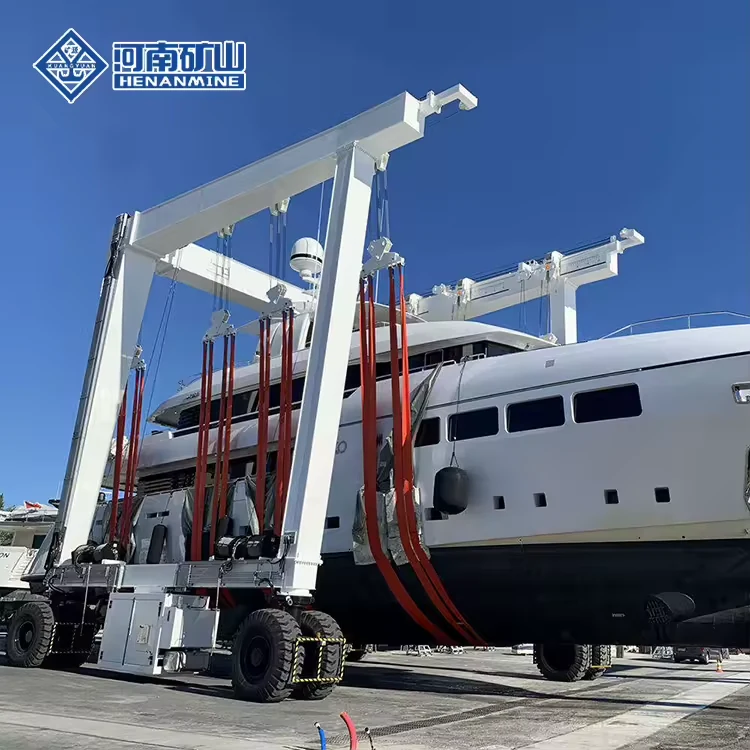
Agree these decisions against the approved hull and site drawings before final equipment selection.
Set sling positions and load-sharing controls using approved hull support reactions and centre-of-gravity data.
Select clear width, lift travel, wheel groups and steering to match basin, vessel envelope and route.
Agree synchronisation, operator sight lines, emergency actions, wind limits and inspection access.
Specify coating, electrical protection, service access and spares for the exposure and duty cycle.
Request one general arrangement showing the selected vessel, sling positions, machine envelope, wheel arrangement and route clearances together.
Require the machine supplier, naval architect and civil engineer to work from the same revision of the vessel and site data. The offer should identify design boundaries and acceptance responsibilities.
Rated load, frame, slings, wheel groups, drives, controls, protective finish and maintenance equipment.
General arrangement, vessel support method, wheel reactions, electrical/control drawings and civil interface schedule.
Agreed factory and site acceptance checks, manuals, training, commissioning support and spare-parts list.
Minimum order, approval/production schedule, shipment splits, installation responsibility, warranty and service terms.
Ask for the selected unit's applicable certificates, inspection records and manuals; an agreed delivery programme; minimum order; installation and commissioning responsibilities; warranty period and spare-parts terms. These belong in the written offer for your destination and project.
Large vessel handling depends on parallel marine, mechanical and civil work. The contract schedule should show what must be approved before manufacture, shipment and first lift.
Agree design mass, support reactions, basin, pier, route and environmental conditions.
Sign off the machine general arrangement, wheel loads and civil responsibilities.
Complete agreed factory tests, document review, packing and staged dispatch.
Assemble, commission, train and conduct the agreed controlled first-lift programme.
The offer should name the warranty period and start date, covered parts, on-site or remote service scope, spare-parts supply and the people responsible for installation, checks and training.
Request project support terms ↗Approved general arrangement, wheel loads, sling plan, operating and maintenance instructions, and agreed test records.
Identify who prepares civil works, unloads and assembles the machine, provides test weights and commissions the equipment.
Agree training, vessel-specific lift plans, inspections and maintenance intervals for the selected yard duty.
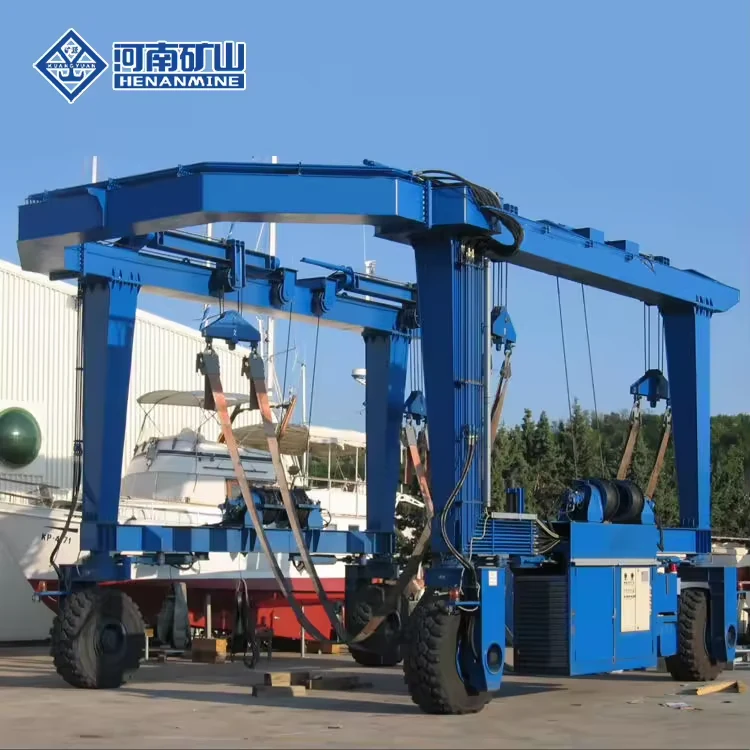
Marina haul-out & dry storage
View application ↗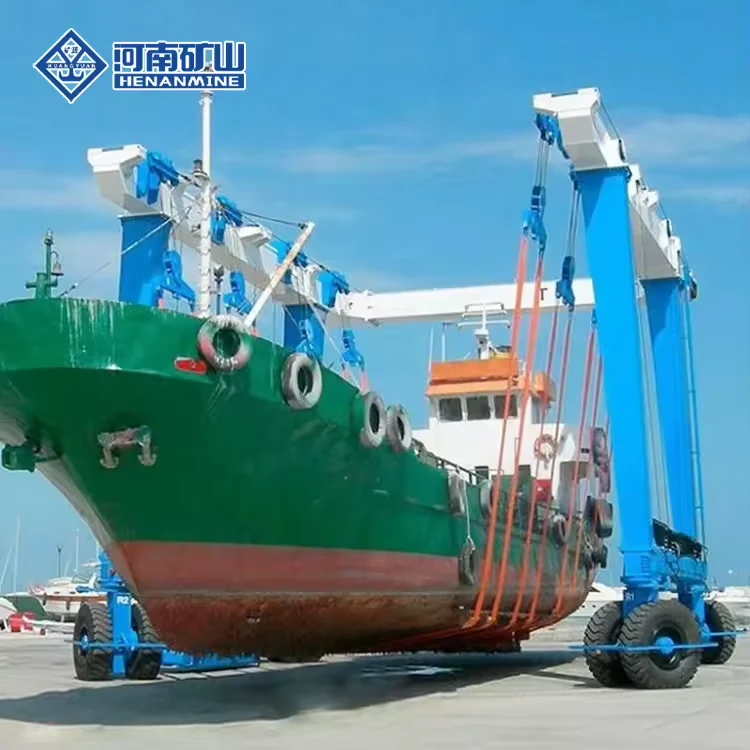
Fishing & workboat repair
View application ↗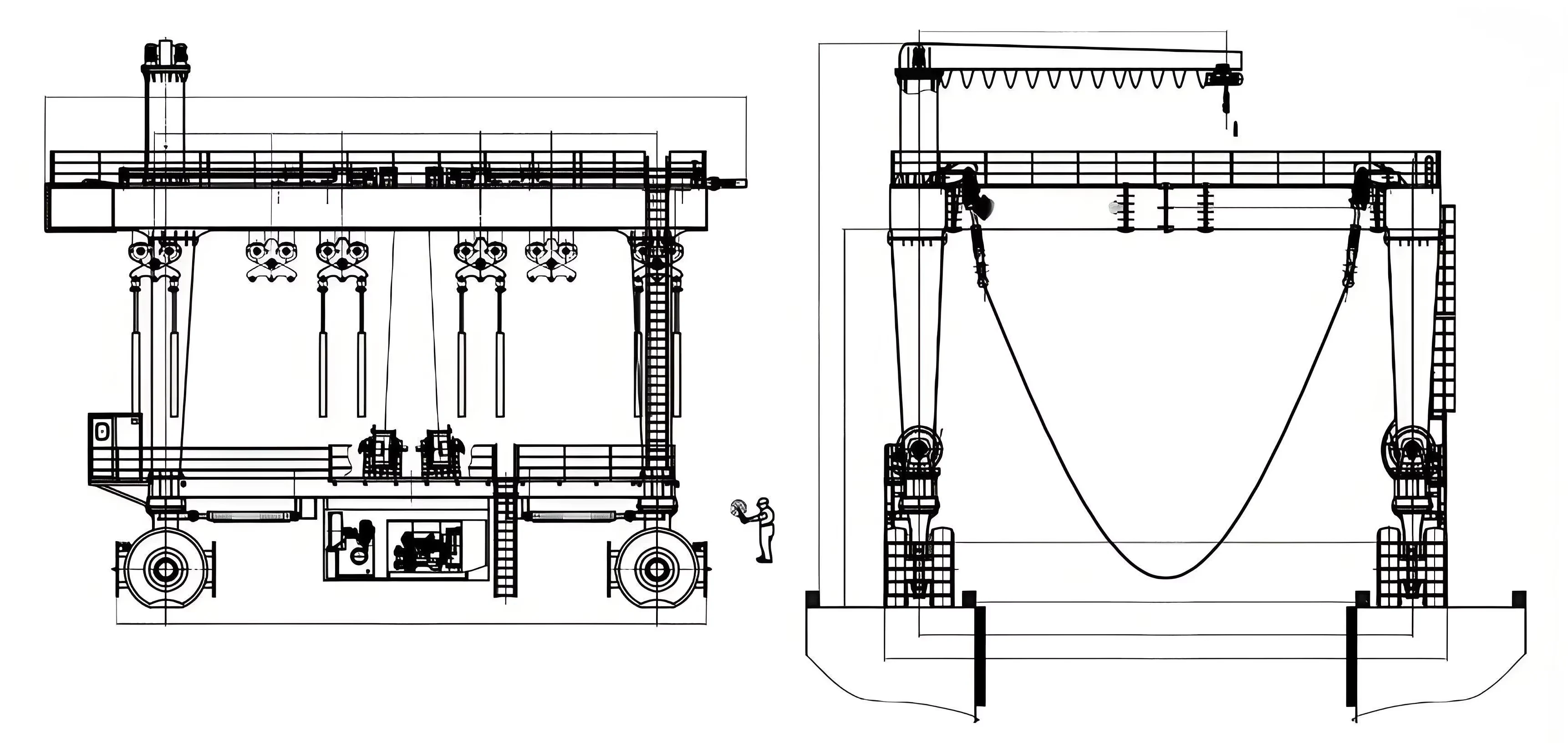
Compare the three vessel-handling duties and prepare a complete project brief.
View collection ↗Use these answers to prepare a complete vessel-and-site brief.
Discuss your project ↗The support reactions depend on mass distribution, centre of gravity and sling locations. Machine width, lift travel and wheel loads also depend on basin and yard geometry. One tonnage number cannot define the whole handling system.
Request a current general arrangement, actual haul-out mass and centre of gravity, approved hull support locations and allowable reactions for each design vessel.
The selected machine supplier should provide wheel reactions and operating envelopes. The project civil engineer checks the pier, ground, turns and set-down areas against those loads and local requirements.
Submit the shortest/heaviest and longest/widest design vessels, along with lifting-point plans. The approved arrangement should show which vessels it covers and any reconfiguration limits.
Yes. Agree factory and site acceptance scope, witness points, records, test load method and responsibilities before the order. The offer should state exactly which tests and documents are included.
The contract should show drawing approval, manufacture, inspection, shipment, installation and commissioning milestones. Warranty period, spare parts and service response are confirmed for that project in writing.
We can then define the lifting method, machine envelope, ground interface, documents and commercial scope as one proposal your team can review.
Start this enquiry ↗