
Match the rated connection
Specify the top-hook connection, supporting steel and installation height. A suspension component is only useful when the structure carrying it is rated for the lift.
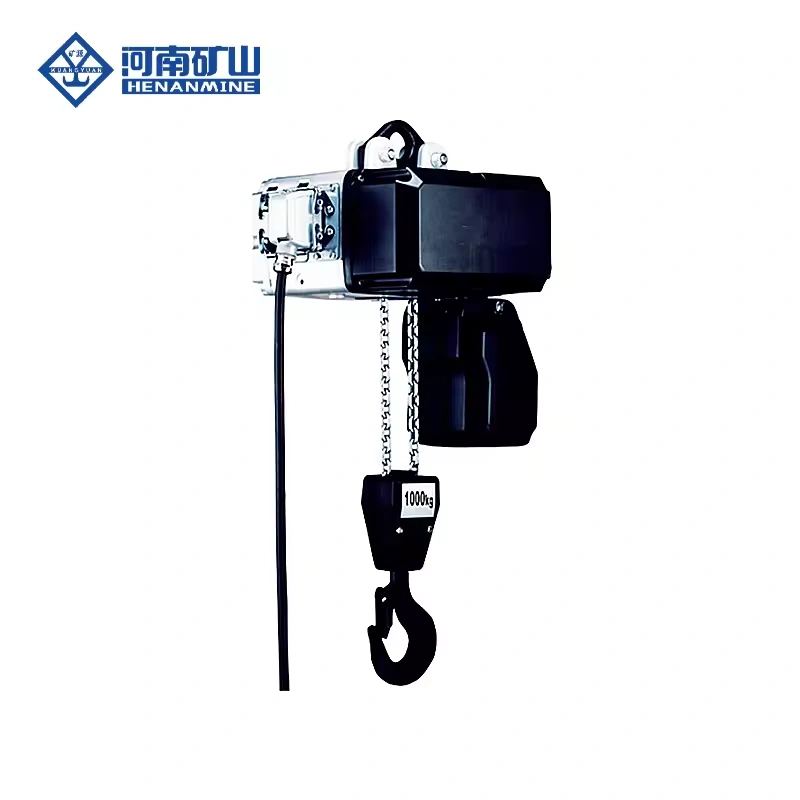
Lift and lower at a defined workstation without a travelling trolley. This arrangement suits a rated beam, bracket or jib lifting point when the load does not need powered horizontal travel. Select the complete hoist around the suspended load, usable hook travel and operating cycle.
Send the load, required hook positions, support details and working cycle. We will identify the selected equipment and exact dimensions in the technical offer.
Hoist, selected suspension hardware, controls and chain length are itemised for the selected job.
Request applicable test, electrical and operating documents in the written offer.
The quotation states dispatch, transport boundary, warranty and support scope.
A fixed electric chain hoist is selected with the supporting structure. Confirm the exact capacity, lifting height and speed on one technical schedule for the unit offered.
Swipe to compare the selected hoist specification →
| Parameter | Available selection | Procurement check |
|---|---|---|
| Hoist arrangement | Electric chain hoist with top-hook suspension | One rated point on a beam, bracket or jib arm |
| Rated load | Selected for the workpiece plus rigging | Give the heaviest complete suspended load in kg or t |
| Usable hook travel | Set by the highest and lowest required hook positions | Measure the lift path and leave space for the hoist body and chain bag |
| Horizontal movement | None in this arrangement | Choose a matched trolley if the hook must move along a beam |
| Lifting speed and chain falls | Matched to the selected rated load and duty | Ask for the paired values in the unit datasheet |
| Control | Pendant or agreed remote arrangement | State operator position, visibility and stop requirements |
| Electrical supply | Configured for the site supply | Provide voltage, frequency, phase and plug or hard-wire interface |
| Support and dimensions | Rated support and selected-unit drawing required | Check upper hook position, suspension size and maintenance clearance |
Capacity, lift height, speed, duty and electrical supply must be confirmed together on the selected unit's datasheet.
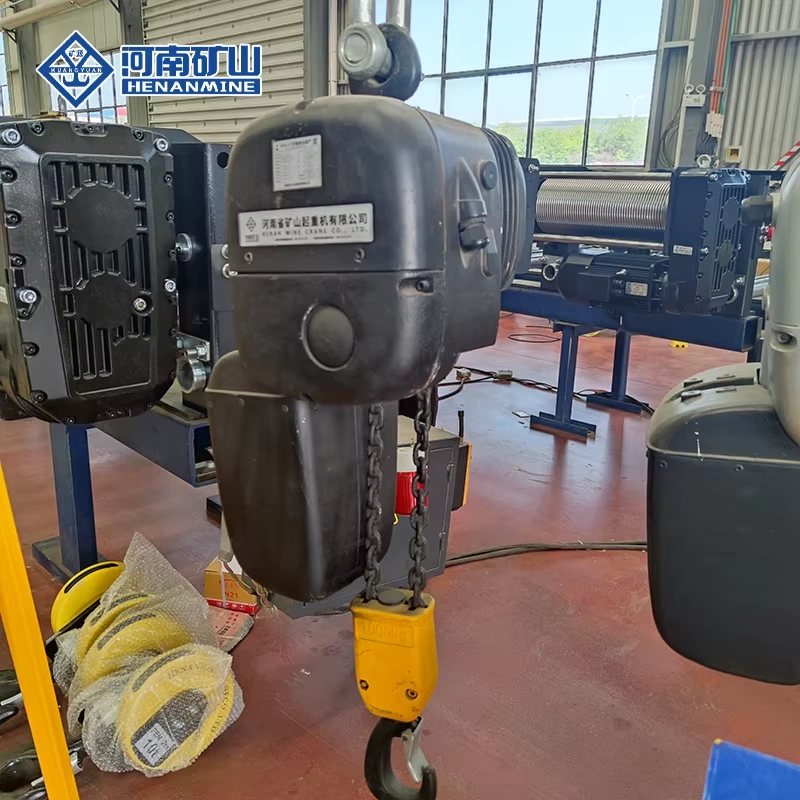
Lift components for assembly at a fixed bench or fixture. Include lifting attachments in the rated-load calculation and state how closely the part must be positioned.
Remove motors, gearboxes and service parts at a repeatable point. Check the highest hook position and whether the hoist can be safely accessed for inspection.
Use a suspended hoist on a suitable jib only after the jib load rating, trolley need and usable hook height have been checked as one system.
If the load must move between workstations, compare a trolley-mounted electric chain hoist and provide the beam section with the enquiry.
Use the site measurements and duty to choose a complete hoist package, not an isolated tonnage label.
An itemised offer makes it easier to evaluate technical fit, landed cost and the work required at your site.
Selected lifting unit, load chain, chain container, hook, suspension hardware and agreed controls.
DEFINE:Rated load, usable hook travel, speeds, duty and exact model.
Fixed lifting point, support rating, power feed and site electrical supply.
DEFINE:What exists on site and what the supply includes.
Inspection documents, packing, freight, installation, commissioning, training and service parts.
DEFINE:Delivery boundary, dates, warranty and each party's responsibilities.
The purchase specification should join the hoist arrangement, support interface, inspection scope and dispatch schedule before production starts.
Agree load, hook positions, support, lifting-point geometry and operating cycle.
Check the paired datasheet and dimensions before manufacturing.
Identify agreed test records, packing and the delivery boundary.
Confirm installation, commissioning, operator information and support.
State the quantity and configuration at each lifting position so the offer can price complete, model-matched units.
Provide the destination and required standard; confirm which conformity and test records apply to the actual selected unit.
Ask for dated production, inspection and dispatch milestones, plus freight and installation responsibilities.
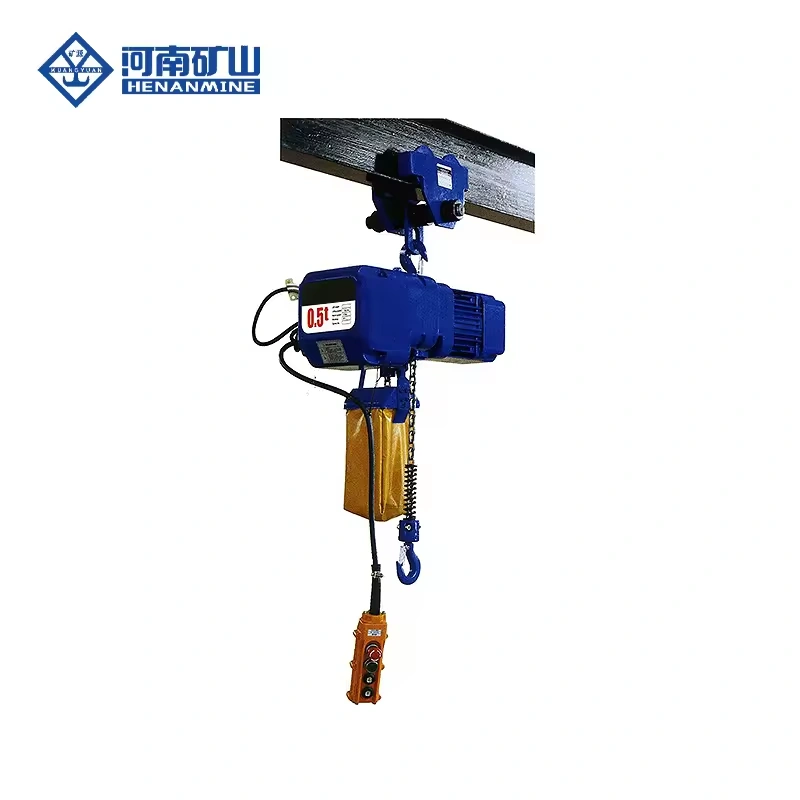
Add an electric trolley when the hook must move along a suitable beam.
View product ↗Compare a wire-rope lifting arrangement when the required height, duty or hook approach calls for another mechanism.
View product range ↗These answers help compare the exact equipment, dimensions and delivered scope behind a quotation.
A hook-suspended unit lifts at one point. It has no powered beam travel unless a compatible trolley is selected as a separate matched arrangement.
State the heaviest item plus slings, lifting beam and other below-the-hook accessories. Select the hoist for that complete suspended load and the planned operating frequency.
Measure the lowest pickup hook position and the highest position needed to clear the load and reach the set-down point. The final drawing must also show the hoist body and chain-container space.
Request the selected hoist's dimensioned arrangement, electrical information, operation and maintenance instructions, agreed inspection records and documents required at the destination.
A single lifting-point project can be quoted. Ask the written offer to identify unit count, manufacturing and dispatch dates, delivery terms, warranty period and spare-parts scope for the selected configuration.
Send the complete suspended load, lifting height, rated support drawing, lifts per shift, power supply and destination. We can then quote a fixed lifting unit with a drawing and itemised supply scope.
Send a project enquiry ↗