Confirm the room conditions
Record cleanliness target, permitted materials and the formal hazardous-area classification before equipment selection.
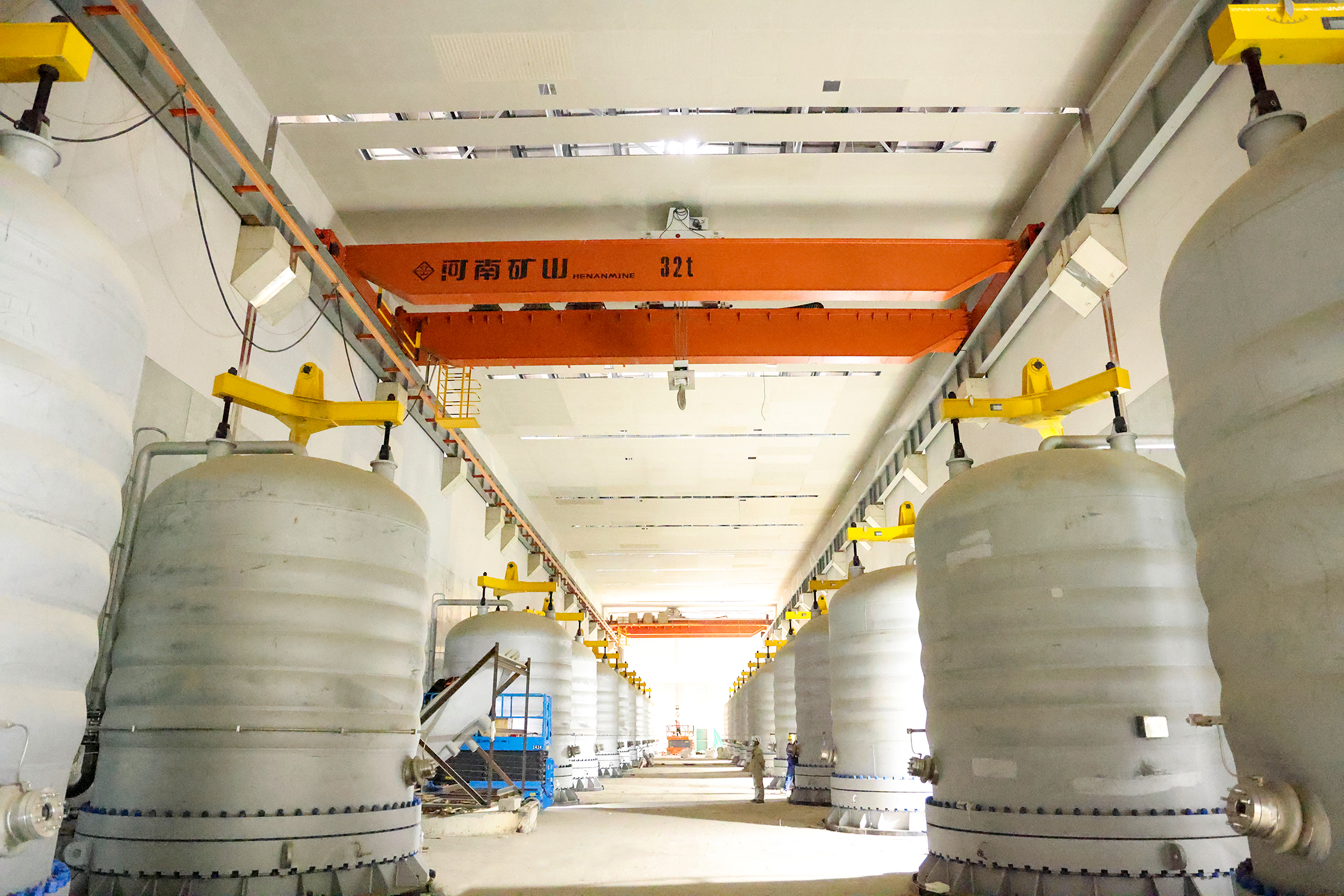
Protect the process while moving the load.
Controlled-environment crane installations by Henan Mine Crane
Clean production and hazardous atmospheres require a crane designed for the documented room conditions. Particle generation, surface finish, material compatibility, gas or dust classification and temperature class must be reviewed alongside the lifting task.
The solution treats cleanroom control and explosion protection as separate requirements that must work together. The crane's surfaces, moving parts and maintenance method are reviewed for particle generation and cleaning. Electrical and mechanical protection is selected from the site's gas or dust zone, group and temperature class. The handling route, automation and interlocks are then defined around the process equipment, with acceptance criteria agreed for the finished installation.
Follow the load through the operation to see where lifting equipment, tooling and controls must work together.
Record cleanliness target, permitted materials and the formal hazardous-area classification before equipment selection.
Check packaging, lifting fixture, particle sources and the route into the controlled bay.
Define positioning, obstacle sensing, interlocks and any automated travel between production stations.
Agree the load release, cleaning access, inspection procedure and safe recovery after an interrupted move.
Define the material, handling cycle and working zone before fixing the crane arrangement.
Reduce particle generation and plan wipe-down, lubricant control, materials and component enclosure for the room's cleanliness target.
Match protected components to the site classification, temperature class, operating temperature and approval documentation.
Define pick-up and set-down positions, route interlocks, obstacle sensing and recovery after a stopped cycle.
These choices affect safety, process fit and the operating life of the installation.
Surface finish, lubrication, wheel and brake behavior, enclosure and maintenance practices must suit the documented room target.
Zone, gas or dust group, temperature class and local approval requirements determine the protected configuration.
Specify how cleanliness, protected components, motion control and emergency behavior will be checked at acceptance.
See how cranes and lifting systems were configured for demanding operating environments.
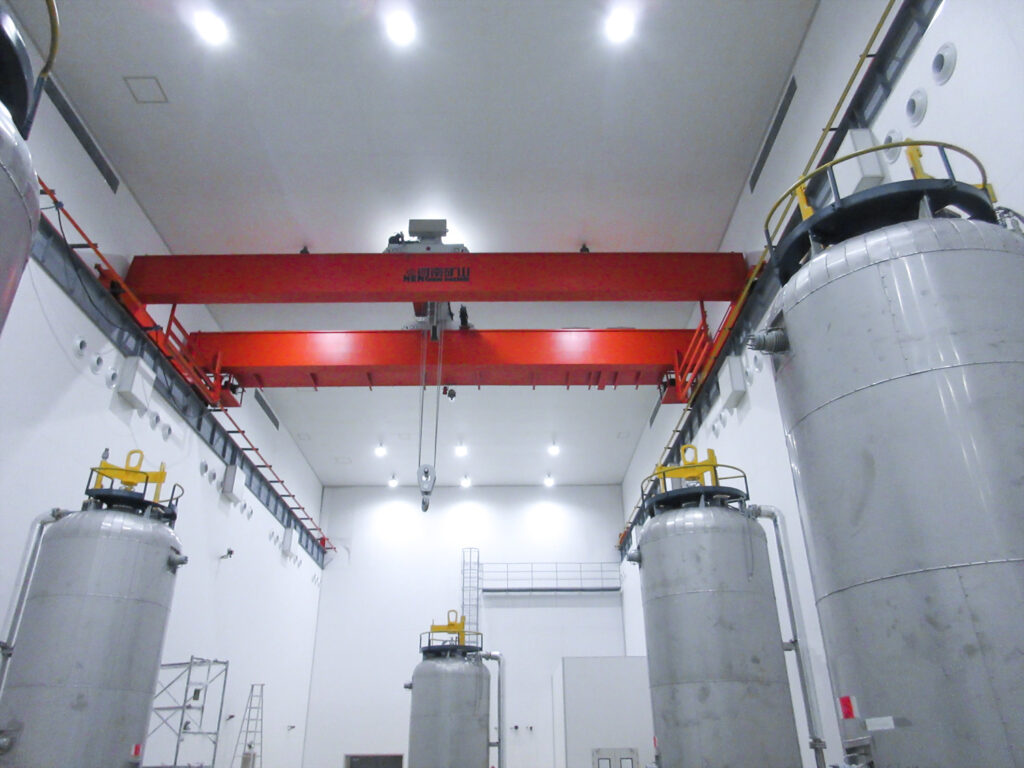
A cleanroom explosion-proof automated crane was configured for polysilicon production, with dIICT4 explosion protection specified for this installation.
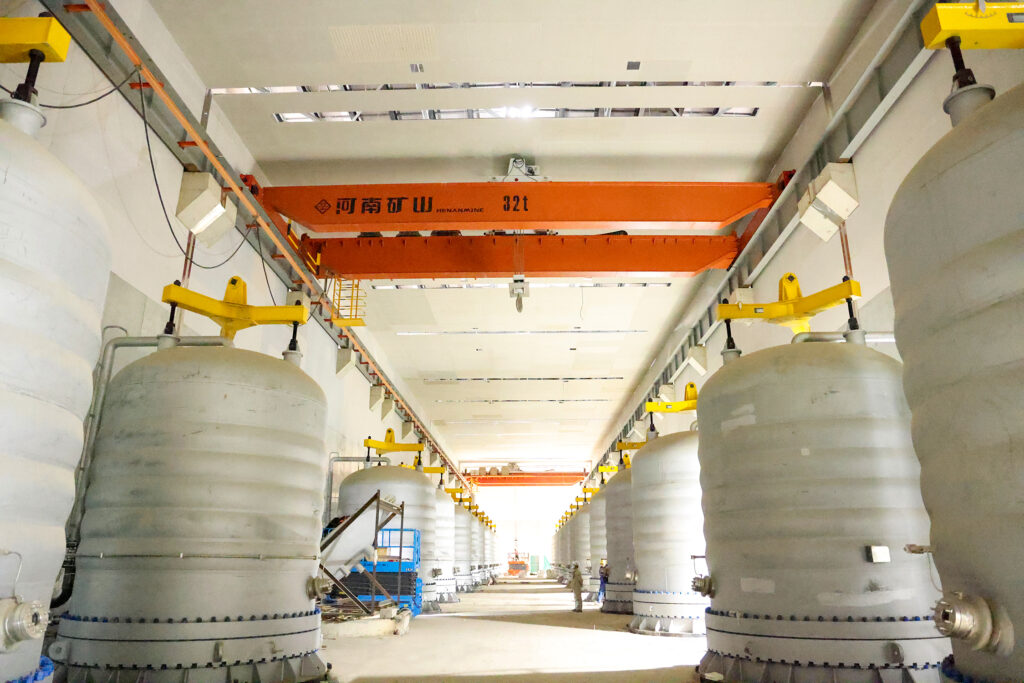
Fifty-four cranes were supplied, including cleanroom explosion-proof double-girder hoist cranes and dust explosion-proof single-girder cranes.
These product families support the handling tasks above. The final crane and attachment are selected from the site brief.
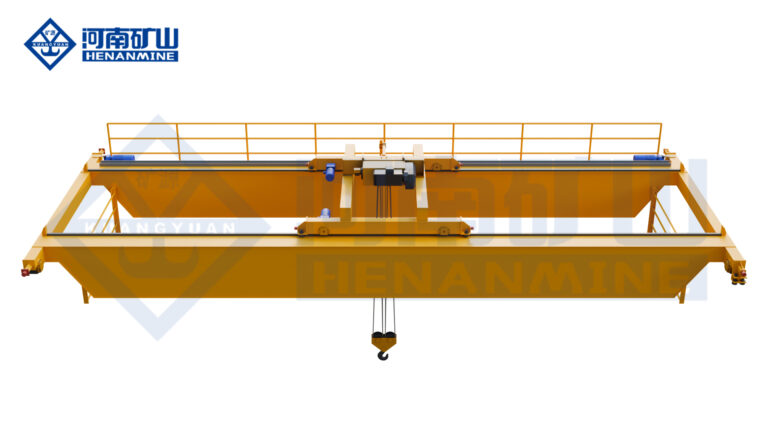
Control ignition and particle release in the same bay.
Review product details ↗
Double-girder coverage with an explosion-proof hoist.
Review product details ↗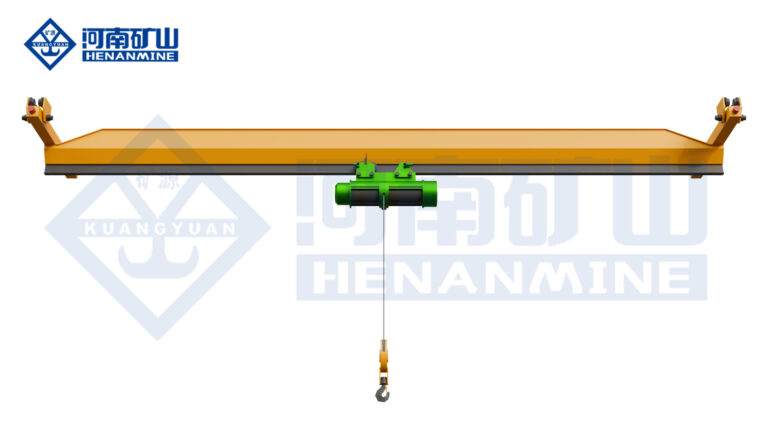
Specify the crane around the dust hazard.
Review product details ↗Send the operating brief and the relevant layout drawings. The resulting proposal can address capacity, geometry, duty, controls, installation interface and safety requirements as one system.
Prepare your enquiry ↗Not automatically. Cleanliness and hazardous-area protection are separate requirements. Both must be specified and verified for the final configuration.
No. The site's classification, temperature class and local approval requirements govern the new project.
Start with a load schedule and site plan. Our team can help develop the matched crane arrangement and technical scope.
Start a project enquiry ↗