
Set the 5 t working brief
Provide the heaviest full lift, rigging and load centre. Select the hoist and trolley as one rated lifting system.
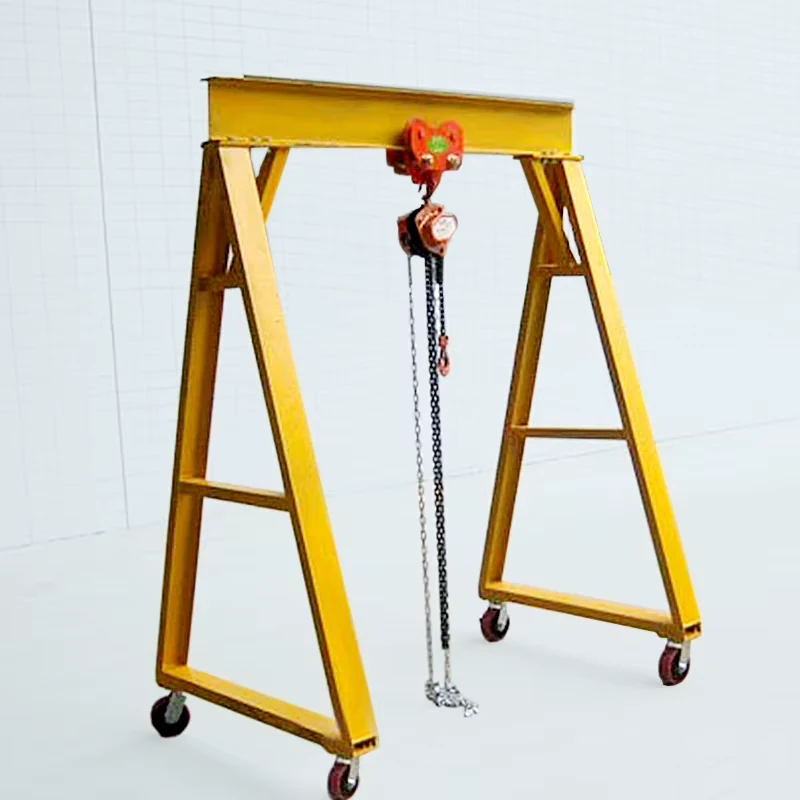
Use a hand-pushed freestanding frame with a selected chain or electric hoist for workshop lifts where a fixed runway is unavailable. The 5 t arrangement has 3–8 m span choices and 2–5 m lifting-height choices. Select one coherent frame, hoist and wheel package for the floor and work route.
Send the load, span, hook height, movement route and destination. Receive a proposal for one complete, site-matched crane.
Order one complete crane with the selected frame, hoist and wheels stated in the offer.
Request the machinery test report and outgoing inspection record for the supplied configuration.
Agree the production schedule, delivery boundary, warranty and service scope before order.
The hand-pushed frame is the defining feature; select a chain or electric hoist for the operating cycle. The available span and height choices must be paired in a selected-unit drawing.
Swipe to view the complete specification →
| Parameter | Configuration choice | Procurement check |
|---|---|---|
| Rated capacity | 5 t | Include rigging and below-the-hook attachments in the complete suspended load. |
| Span choices | 3–8 m options | Choose one beam span, then check clear leg spacing and hook travel. |
| Lifting-height choices | 2 / 3 / 4 / 5 m | Select the useful hook travel and overall frame height for the site. |
| Lifting mechanism | Chain or electric hoist, by configuration | Confirm rated load, lift frequency, operator access and site power for the chosen unit. |
| Frame repositioning | Hand-pushed frame | Specify the unloaded movement route and wheel/floor conditions. |
| Electrical supply | Depends on selected hoist | Provide site voltage, frequency and phase if powered lifting is specified. |
| Minimum order | 1 complete set | Itemise frame, selected hoist, trolley, caster wheels and packing. |
The available span and height choices require a matched frame design. The selected-unit drawing must confirm overall dimensions, wheel reactions and usable hook coverage.
Lift removable machine parts at a service position. Check the lifting path, headroom and clear route for the whole frame.
Support intermittent positioning of fabricated components where a permanent crane runway is not available.
Move the frame between defined work areas while unloaded, subject to the selected wheels, floor condition and assembly instructions.
A hand-pushed frame is not automatically approved for loaded travel. Ask for a separate movement assessment if the suspended load must travel with the crane.
Request one paired configuration for your load and work area rather than combining the largest separate values into one assumed crane.
An itemised offer lets procurement compare technical fit, landed cost and installation responsibilities.
Frame, beam, selected hoist, trolley, wheels, controls and power feed if applicable.
DEFINE:One matched rated load, span, hook height and operating method.
Overall size, clear leg spacing, wheel reactions, door clearance and floor route.
DEFINE:Which items are included in the supplier drawing and which site works are by the buyer.
Test records, operating instructions, packing, freight, assembly, commissioning and service parts.
DEFINE:Manufacturing dates, shipping terms, warranty and after-sales response.
The final offer should connect capacity and dimensions to one frame, hoist and wheel specification. Confirm the destination requirements and acceptance scope before the production schedule is fixed.
Give load, clearances, floor conditions, hoist needs and destination.
Check one paired span, height, hoist, wheels and document list.
Agree test records, packing and shipping milestone with the manufacturer.
Confirm site responsibilities, operator information and service support.
You can order one complete set. State exactly which frame, hoist and wheel items you need.
Give the destination and required standard. Confirm the actual test and conformity documents in the offer.
Request dated manufacture, inspection and dispatch milestones; do not assume a generic lead time.
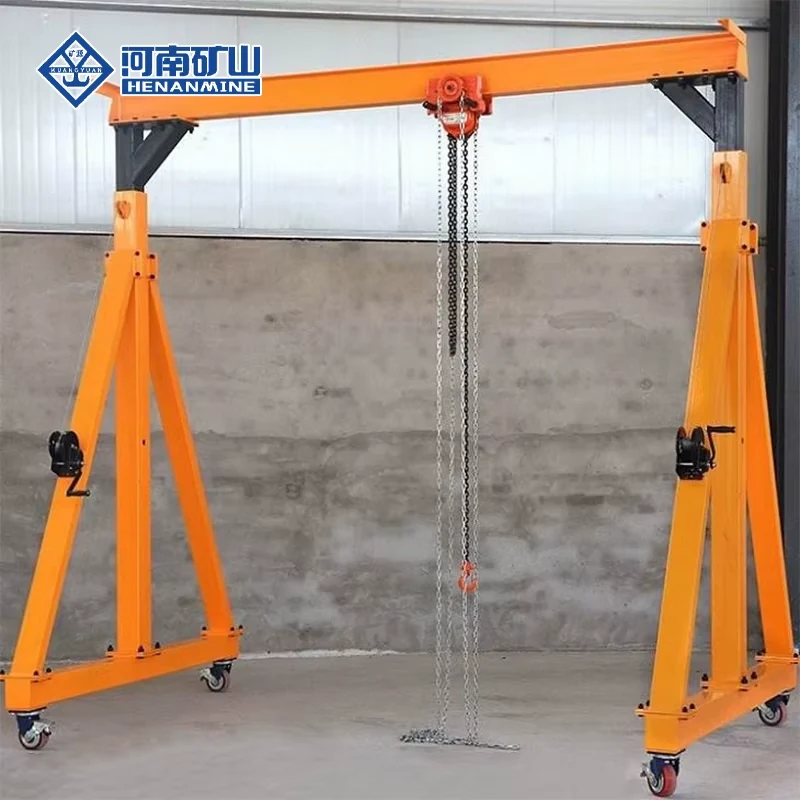
Compare a smaller 500 kg lifting station when the load and workspace allow a compact frame.
View product ↗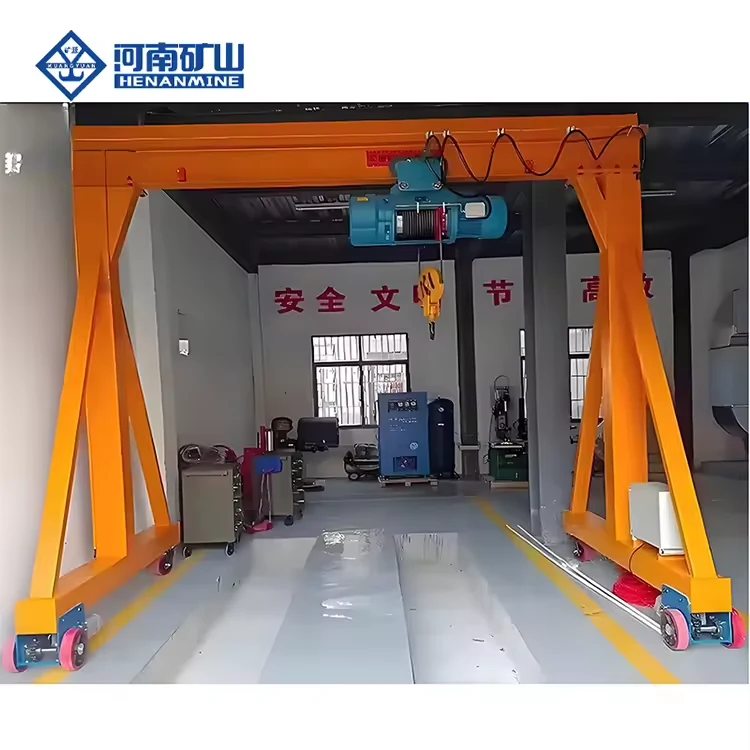
Compare a powered hoist and suitable frame when lift frequency or travel requirements change.
View product range ↗Use these checks to compare the selected crane, delivered scope and site work behind each quotation.
Frame movement is hand-pushed. A manual chain hoist needs no power; an electric hoist needs a matched site electrical supply. Identify the chosen lifting method in the quotation.
These are selection choices; confirm the paired dimensions on one drawing. Provide one target span and hook height so the frame design and wheel reactions can be checked together.
The frame is hand-pushed, but loaded travel and push effort need separate assessment for the selected floor and wheel package. Provide the loaded-travel requirement and floor conditions for a specific engineering assessment.
Ask for an itemised offer identifying the frame, beam, selected hoist, trolley, wheels, testing, packing and drawings. Confirm exclusions before ordering.
Ask for a written manufacturing and dispatch schedule, selected-unit test and inspection records, destination-specific documents, warranty period and after-sales scope.
Send the suspended load, chosen span, hook height, floor route, hoist preference, quantity and destination. Request the drawing, test records and itemised commercial terms with the offer.
Send a project enquiry ↗