
Measure the real air gap
Paint, scale, rust, gaps or irregular pieces reduce magnetic contact and can change the safe lifting limit.
- Grade and surface
- Thickness
- Contact area
Pick up compatible ferrous scrap and cast-steel pieces without mechanical bucket jaws. Useful holding force depends on the actual metal and contact conditions, not the magnet's diameter alone. State steel grade, piece size, temperature, surface condition and the way the load will be released; the electrical supply and power-loss response are part of the lifting design.
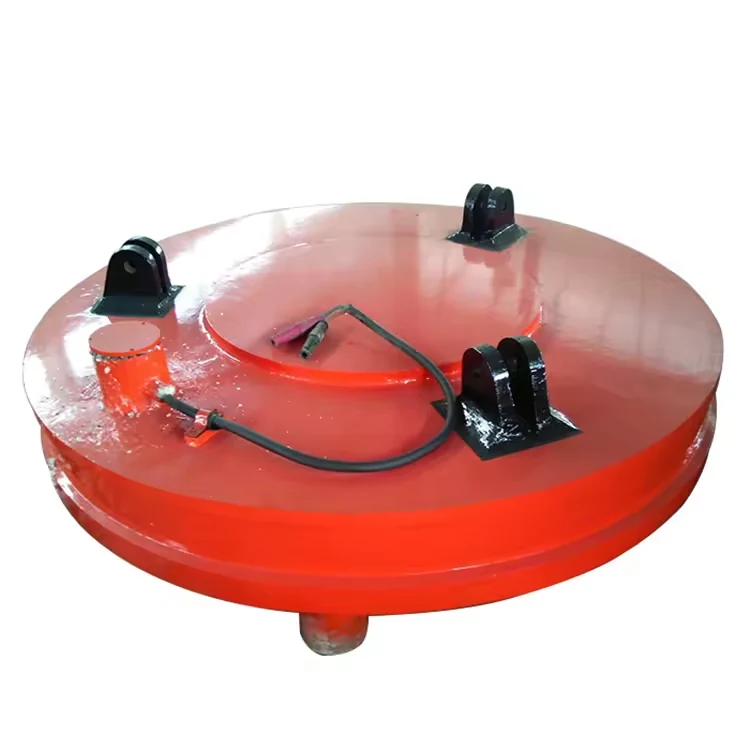
Send load photos, steel grade, maximum piece or bundle weight, thickness, temperature, surface coating, lift height and your crane's capacity and electrical data.
The selected attachment's minimum order and supply scope are confirmed in the written offer.
Review the loaded attachment, connection, operating cycle and site clearances before approval.
Agree inspection, documents, packing, schedule, site support and warranty before order placement.
A magnet's usable lift changes with the cargo and its contact with the steel. The selected technical schedule should define the load case and electrical arrangement below.
Swipe to compare the complete selected-unit parameters →
| Parameter | Buyer input | Selected-unit confirmation |
|---|---|---|
| Material | Steel grade, shape and mix | Ferrous suitability and test piece |
| Contact | Coating, rust, gaps and surface profile | Effective contact area |
| Load geometry | Piece weight, thickness and size | Allowable lift for that shape |
| Temperature | Normal and peak load temperature | Approved operating limit |
| Electrical | Crane voltage and available feed | Magnet current, controls and cable |
| Power-loss protection | Operating and emergency procedure | Back-up or controlled set-down design |
| Crane load | Hook rating and lifting height | Magnet plus maximum load |
Do not use a magnet with aluminium, non-ferrous scrap or an unverified hot load. Ask for performance and testing for the stated steel, thickness, contact and temperature; include the magnet's self-weight in the crane load.
No. Holding performance falls when steel is thin, irregular, painted, scaled, hot or only partly in contact. The approved load must reflect the actual worst-case material and the selected magnet's test, not an ideal laboratory pull-off figure.
Review the configuration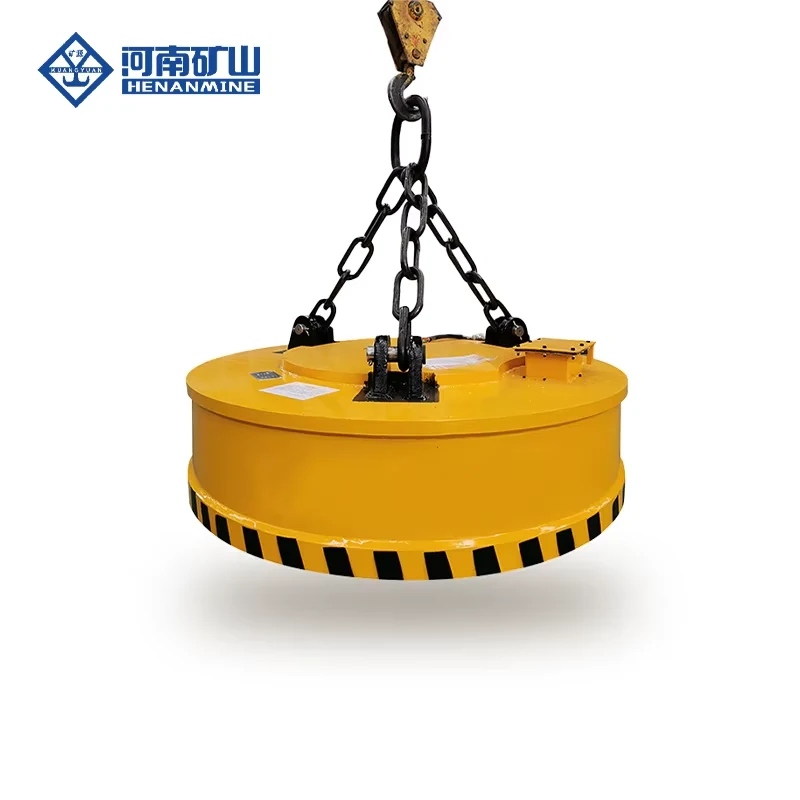
Collect compatible steel and cast-iron scrap when the selected magnet can grip the mix and hold the load through the full crane cycle.
Move known steel shapes to a vehicle or bin with a planned pickup and release zone. Check load geometry and operator view.
State the normal and peak material temperature. Specify a suitable magnet and controls only after the hot-load condition has been assessed.
For long plate or sections that bend, a multi-magnet lifting beam may give better support. For non-ferrous or mixed irregular scrap, compare a mechanical grab. Compare the matching crane system.
Size the magnet for the steel grade, thickness, shape, surface condition and heaviest actual lift. Coordinate the magnet, controller, cable and power-loss response as one crane system, then verify the selected load case with an agreed test.
Equipment price, crane modifications and site services should be separated so your team knows what is supplied and what remains to be done locally.
State diameter, housing, pole face, lifting lugs, connection arrangement and actual self-weight.
Identify power supply, control cabinet, cable system, switching and selected power-loss protection.
Agree test loads, contact conditions, inspection records, operating instructions and commissioning support.
The offer should connect your load data to one drawing, one equipment schedule and a clear inspection and handover plan. Production and freight dates are confirmed for that selected configuration.
List the destination standards and customer witness points before finalising the acceptance plan.
Confirm load, crane interface, environment, operating sequence and buyer requirements.
Approve dimensions, self-weight, selected components, controls and site responsibilities.
Complete the agreed functional and load-case checks, records and packing.
Coordinate transport, unloading, installation checks, operator instruction and handover.
Single-unit enquiries are welcome. The written offer confirms the selected design's minimum order and exactly what is supplied.
State applicable market and customer requirements. The offer lists the documents, inspections and tests available for the selected unit.
Drawing approval, production, inspection and shipping are separate milestones. A dated delivery programme follows the selected configuration.
Agree the warranty period and start date, covered components, replacement parts, installation guidance and any on-site service in the signed offer.
Ask for support termsAssign who supplies power, rope, hook connection, controls, rigging and commissioning equipment.
Agree inspection and functional checks around the material and lift the attachment was selected for.
Record the final model, serial number and wear parts so replacement components fit the supplied configuration.
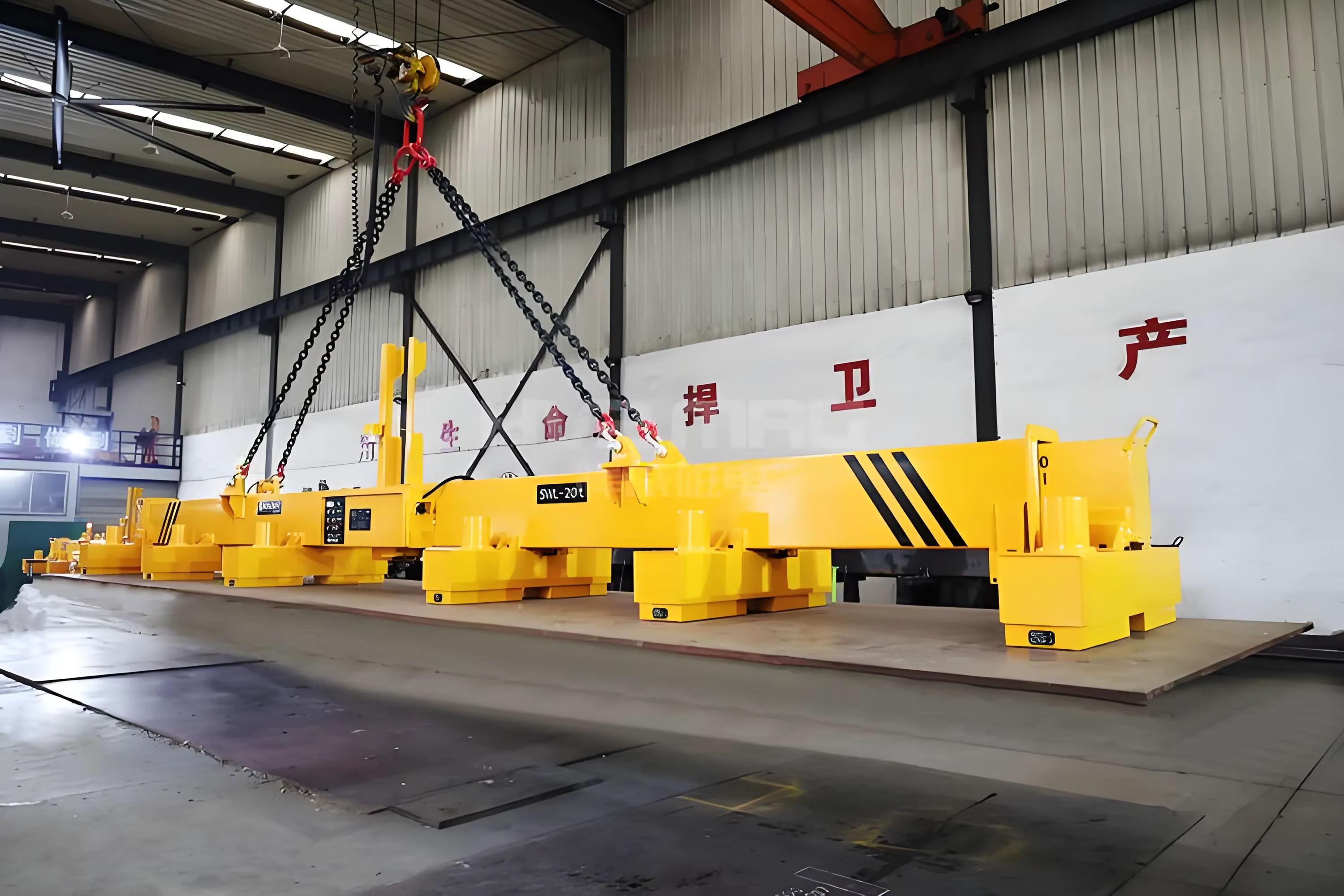
Lift long ferrous loads with multiple magnets supported by a beam rather than concentrating the load at one point.
View product ↗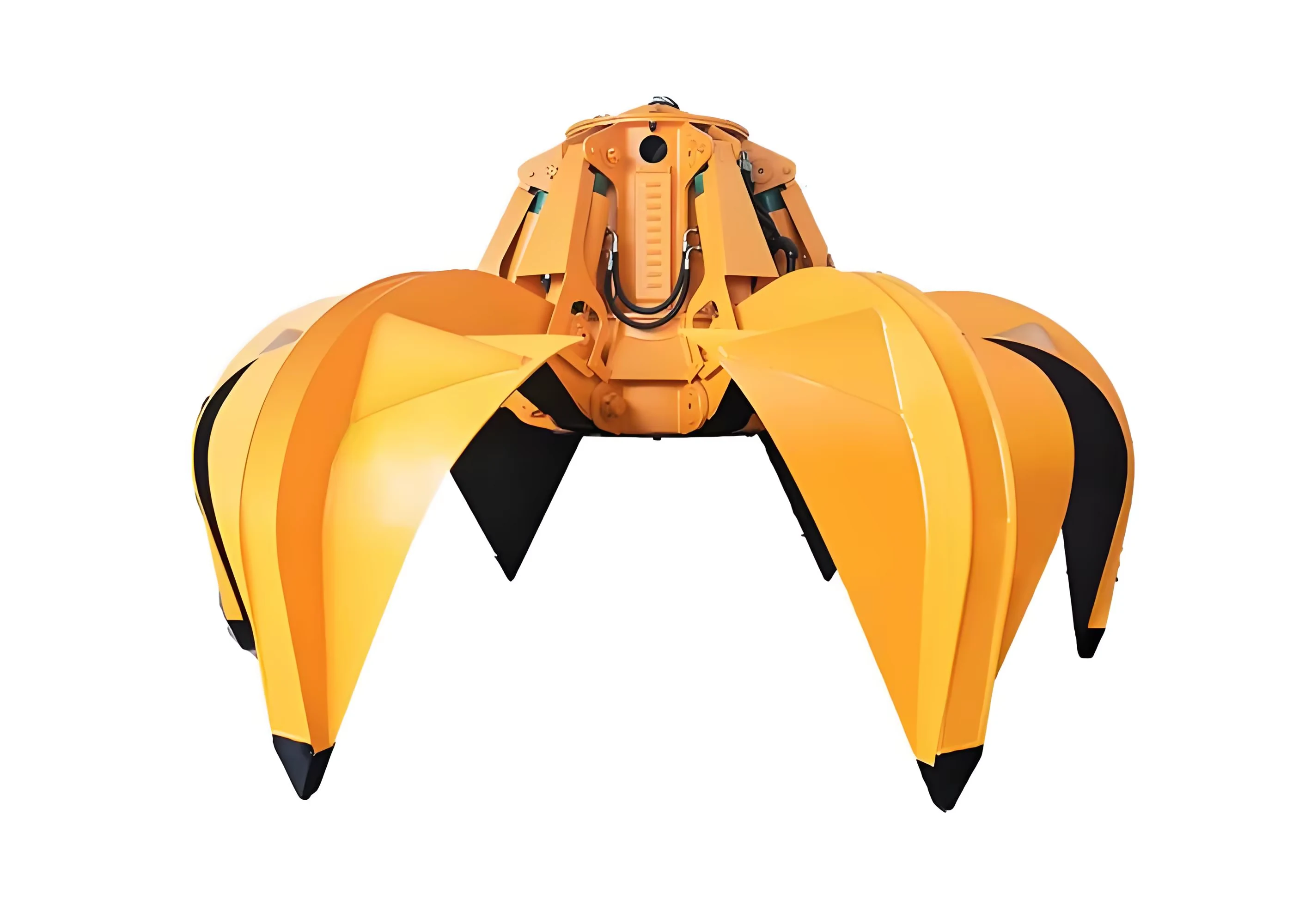
Curved tines close around long, irregular pieces that a two-shell bucket may not capture consistently.
View product ↗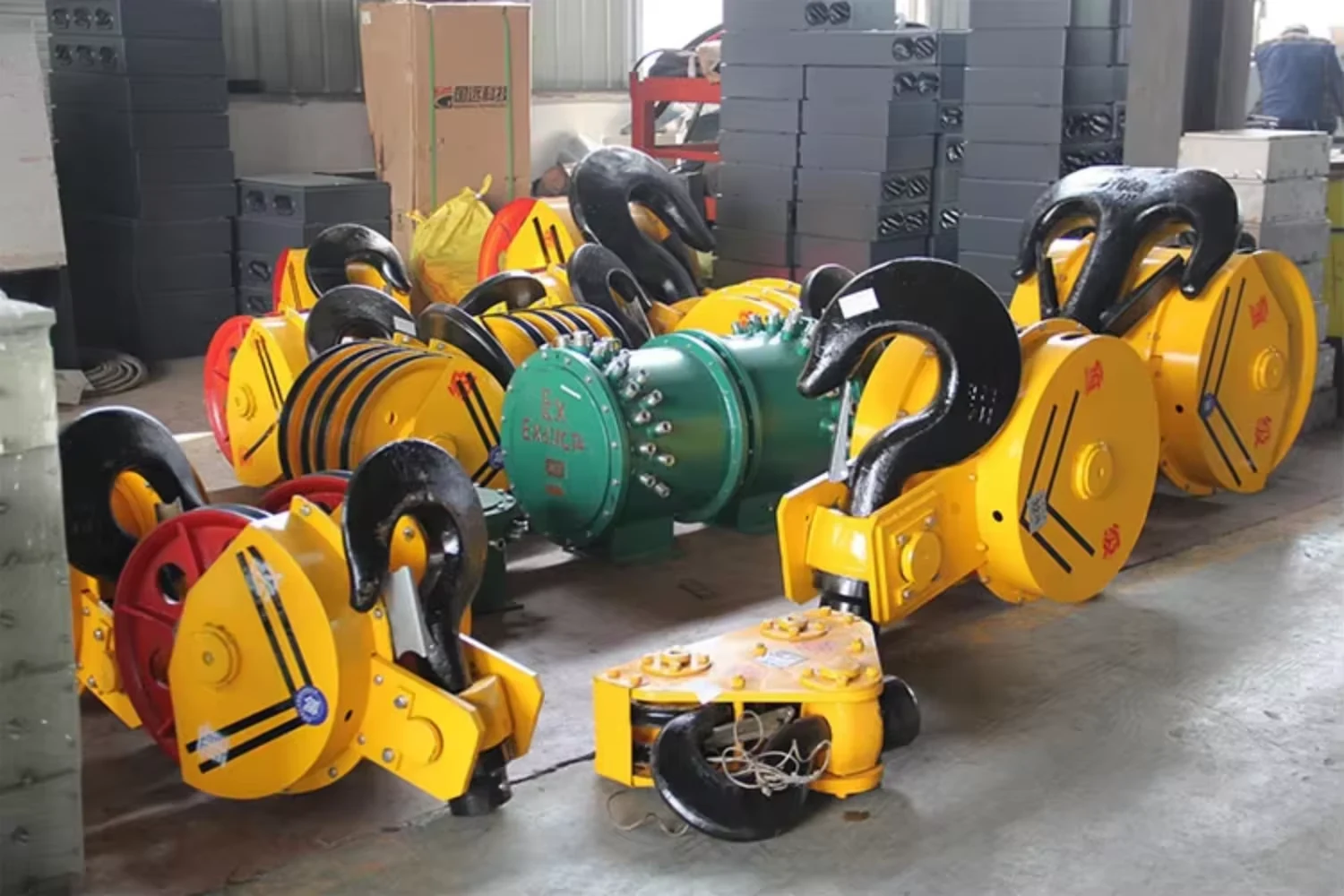
A replacement hook block must fit the complete hoist, not just share its tonnage label.
View product ↗Use these answers to prepare one technical and commercial brief for the selected unit.
Discuss this attachmentNo. A conventional lifting electromagnet requires suitable ferrous material. For aluminium or mixed non-ferrous scrap, discuss a mechanical grab or other engineered attachment.
Only if the selected magnet is expressly designed and approved for the actual material temperature. Send normal and peak values; do not assume a generic hot-load rating.
Surface coatings, scale, gaps and curvature reduce contact. Supply photos and thickness so the usable lift can be established for the actual load.
The electrical design should define alarms, any reserve supply, protected holding period and controlled set-down procedure for the selected duty.
Agree the material and geometry of the test loads, the operating and emergency functions, inspection records and site handover process in the order.
Send load photos, steel grade, maximum piece or bundle weight, thickness, temperature, surface coating, lift height and your crane's capacity and electrical data. The selected drawing and commercial offer can then identify the attachment, crane interface, documents, delivery and support.
Send my attachment enquiry ↗