
Match the actual shape
Choose solid rectangle, solid round bar, round tube or rectangular hollow section. Only dimensions relevant to that shape are required.
Bridge cranes for workshops and production lines.
Explore Overhead Cranes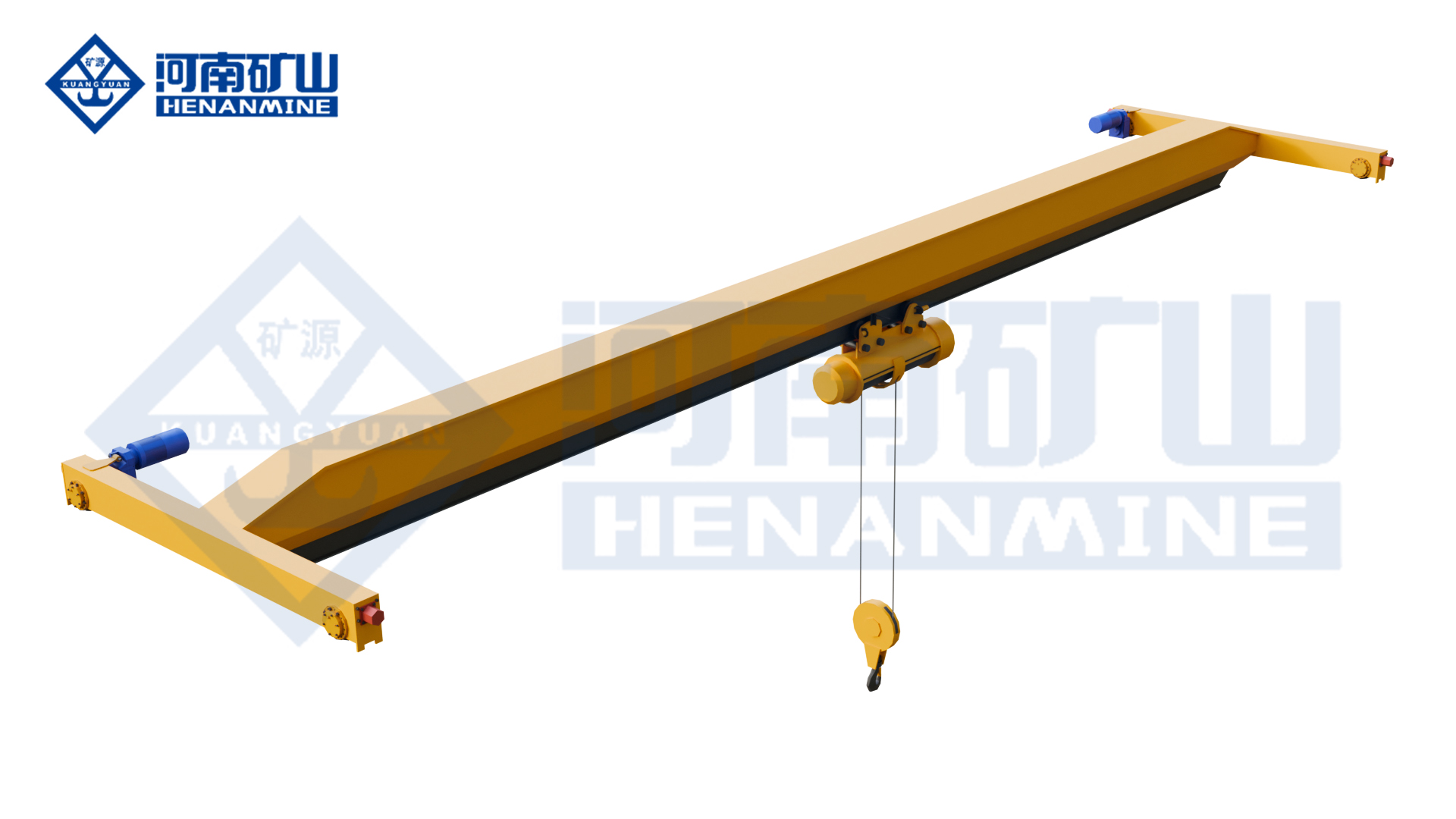
Ground-supported lifting for yards and construction.
Explore Gantry Cranes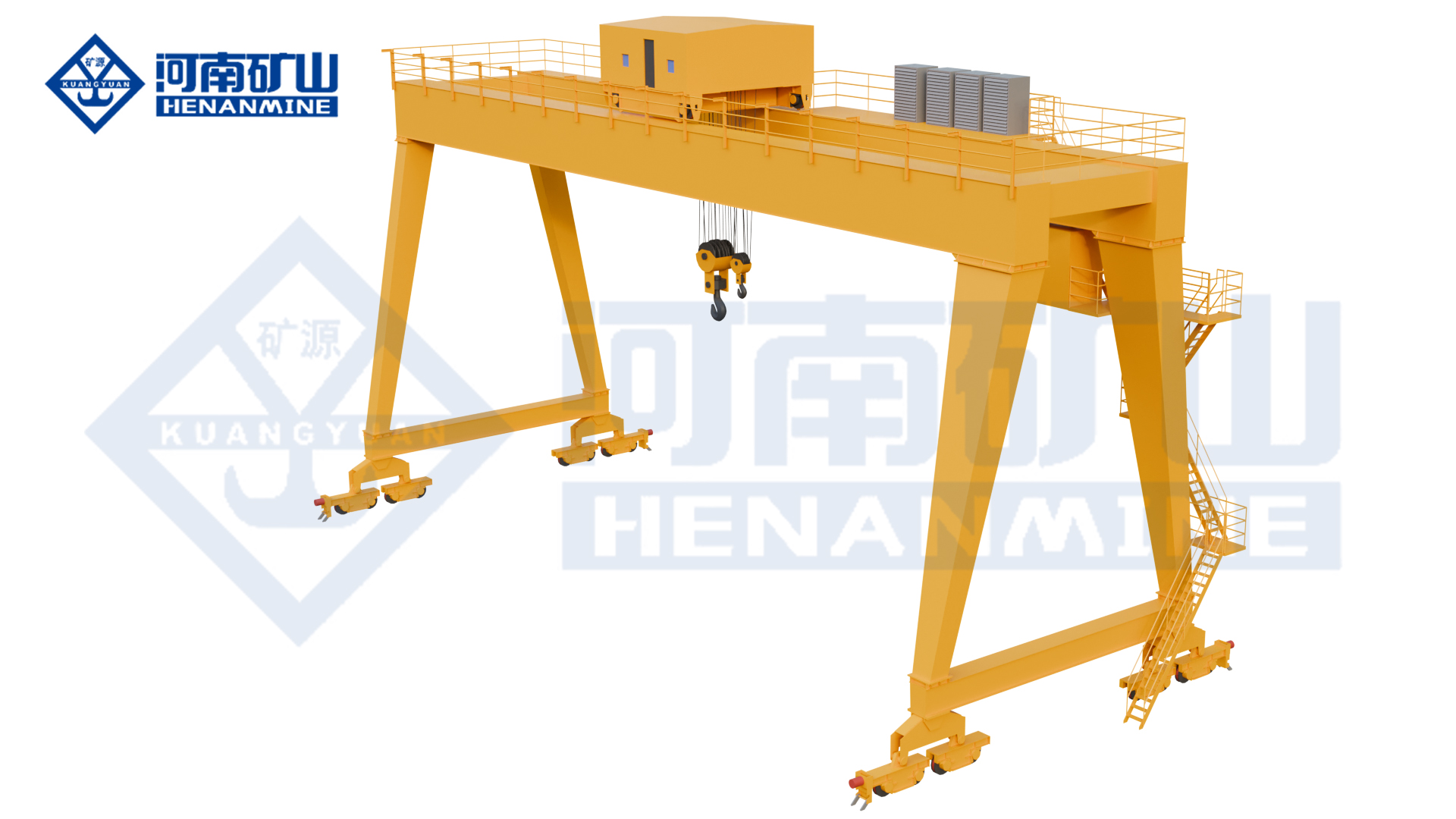
Wire rope and chain hoists for lifting points and cranes.
Explore Electric Hoists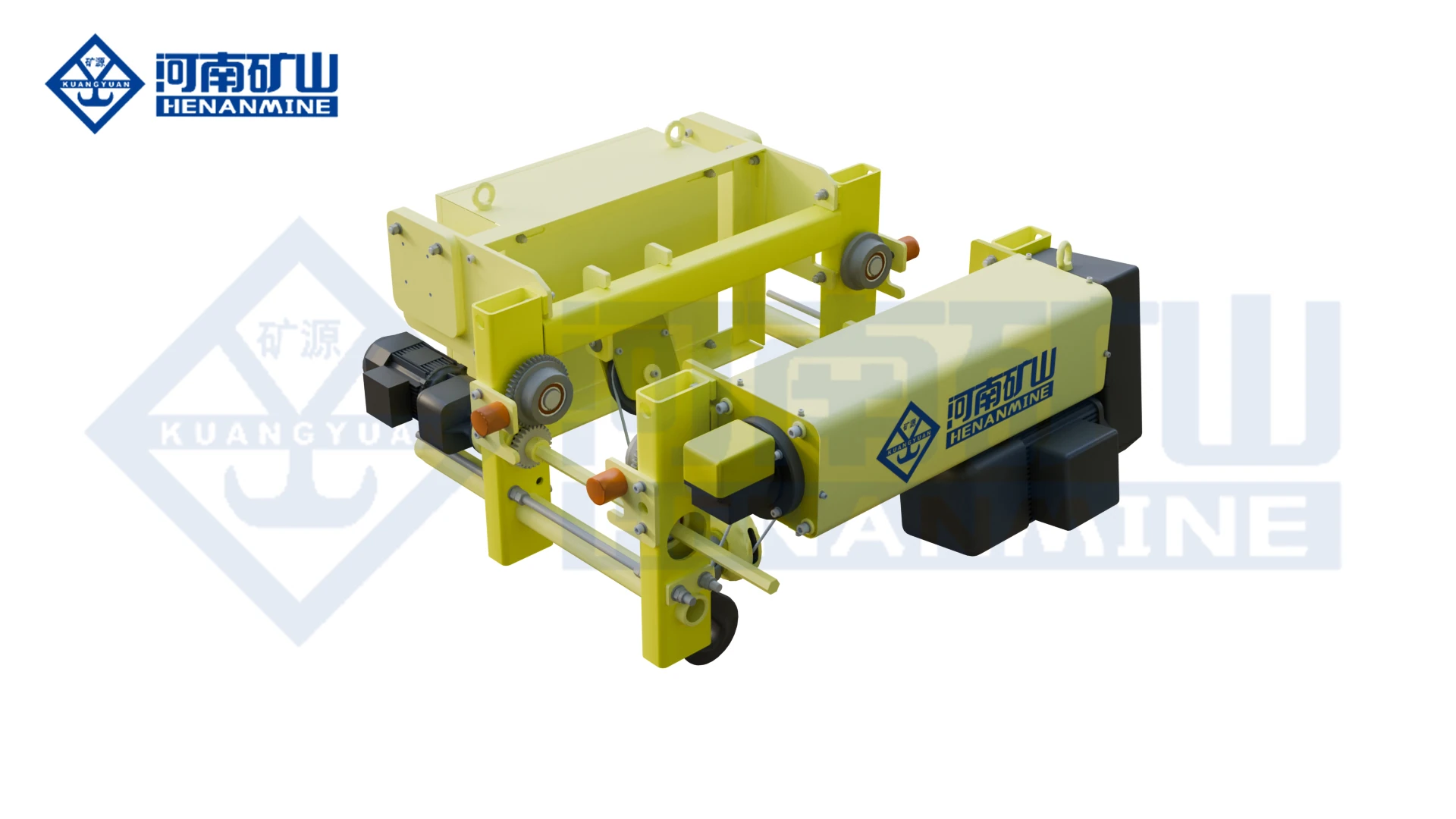
Wire rope lifting and pulling with a powered drum.
Explore Electric Winches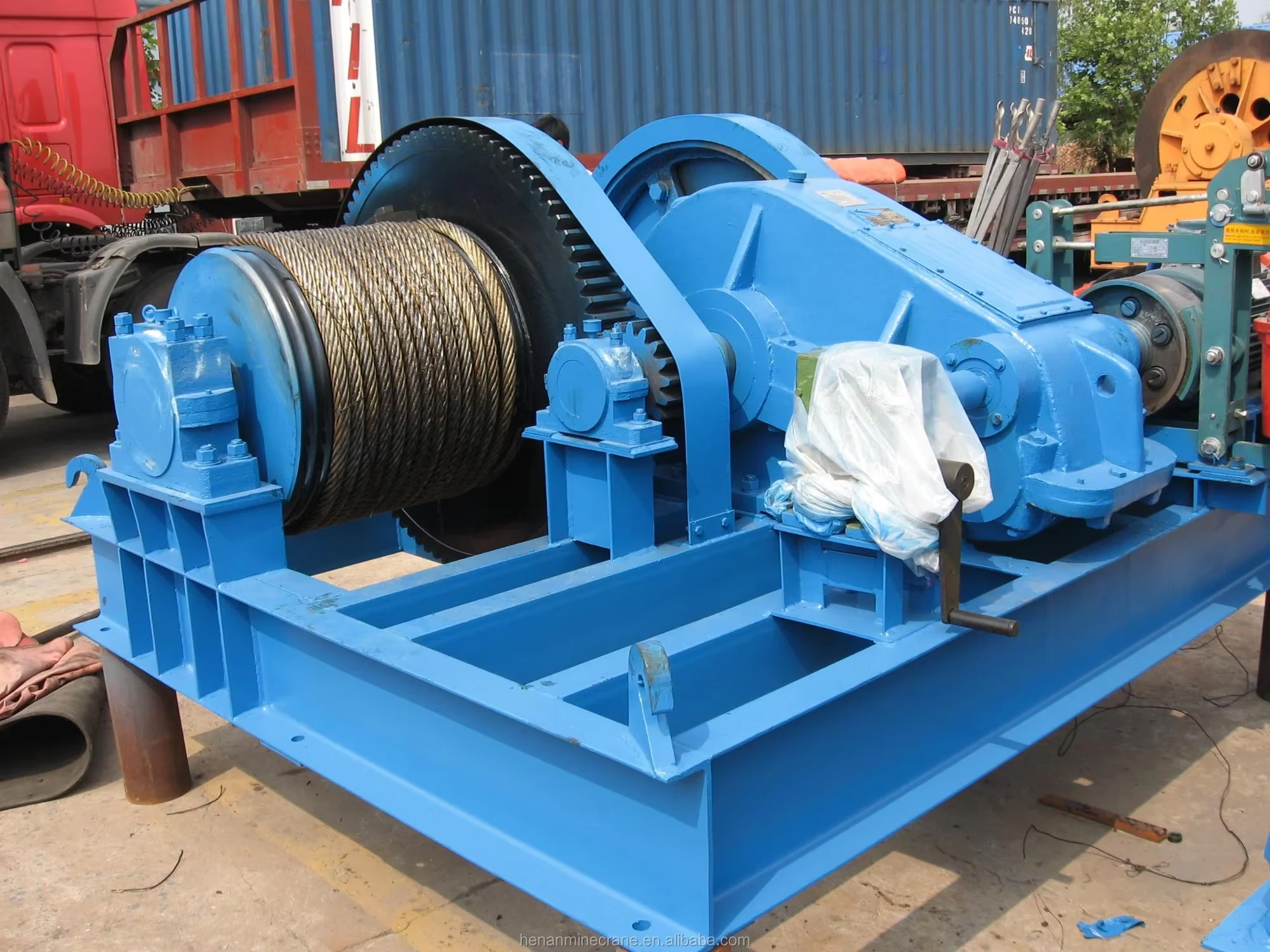
Grab buckets, magnets and hooks for your load.
Explore Lifting Attachments & Grabs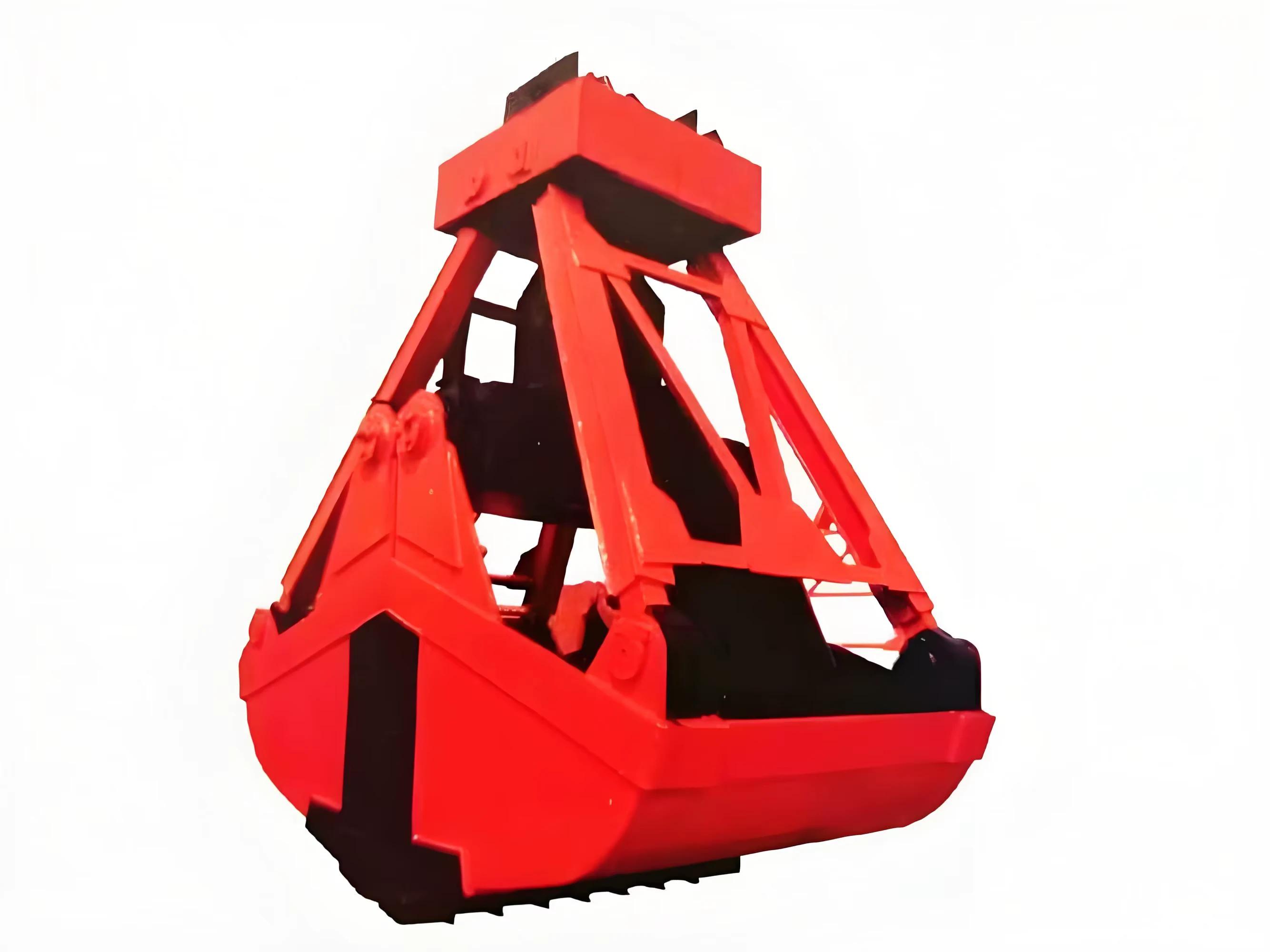
Mobile handling for containers, precast and yard loads.
Explore Rubber-Tired Gantry Cranes & Straddle Carriers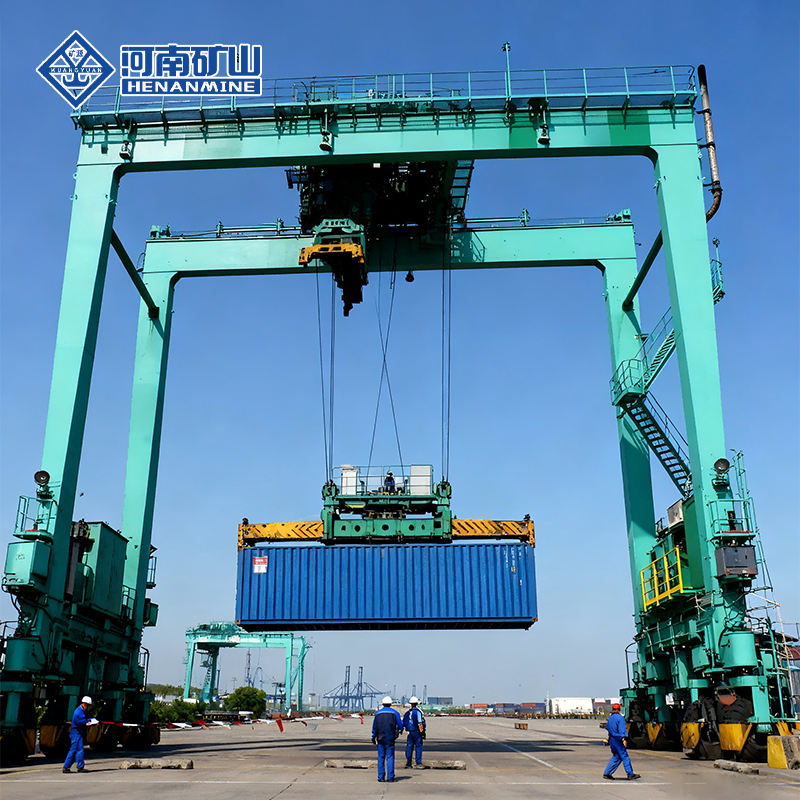
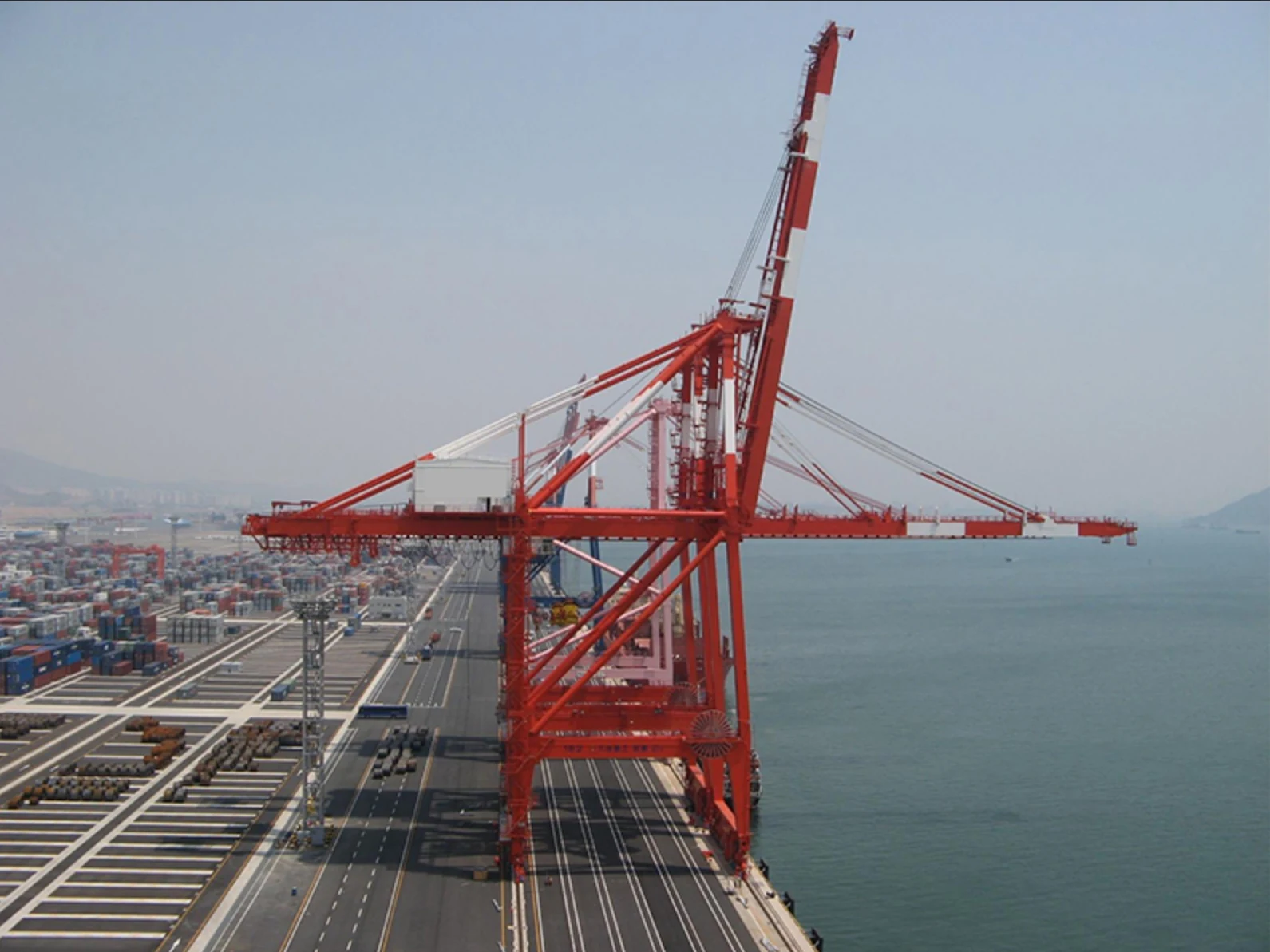
Lift and move vessels through boatyards and marinas.
Explore Marine Travel Lifts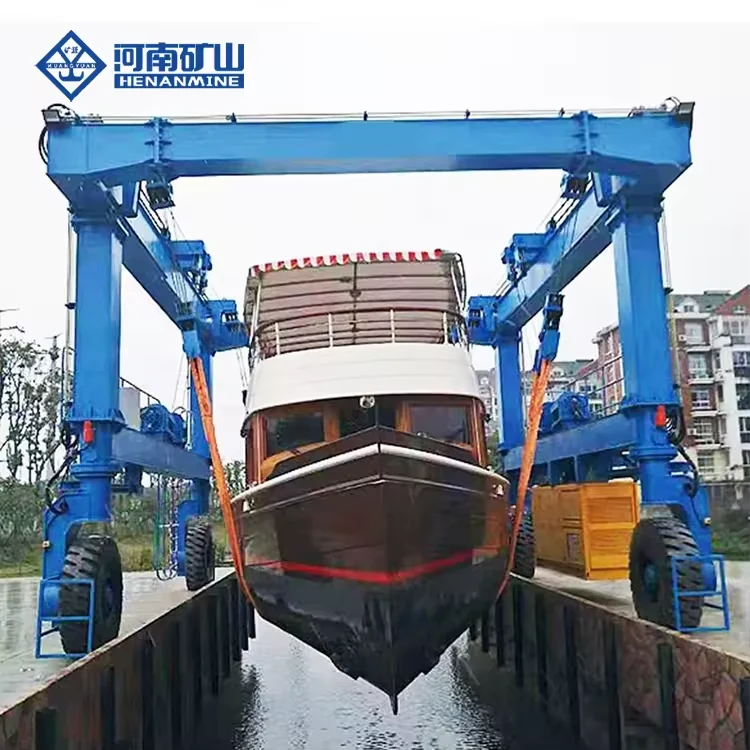
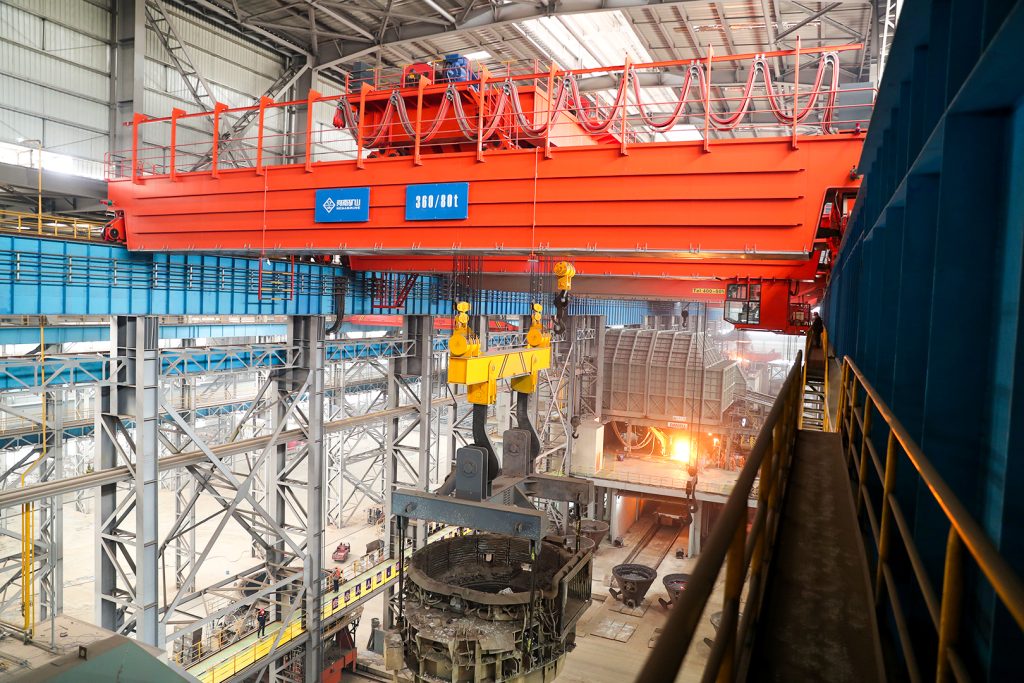
Ladle, slab, scrap and coil handling across steel production.
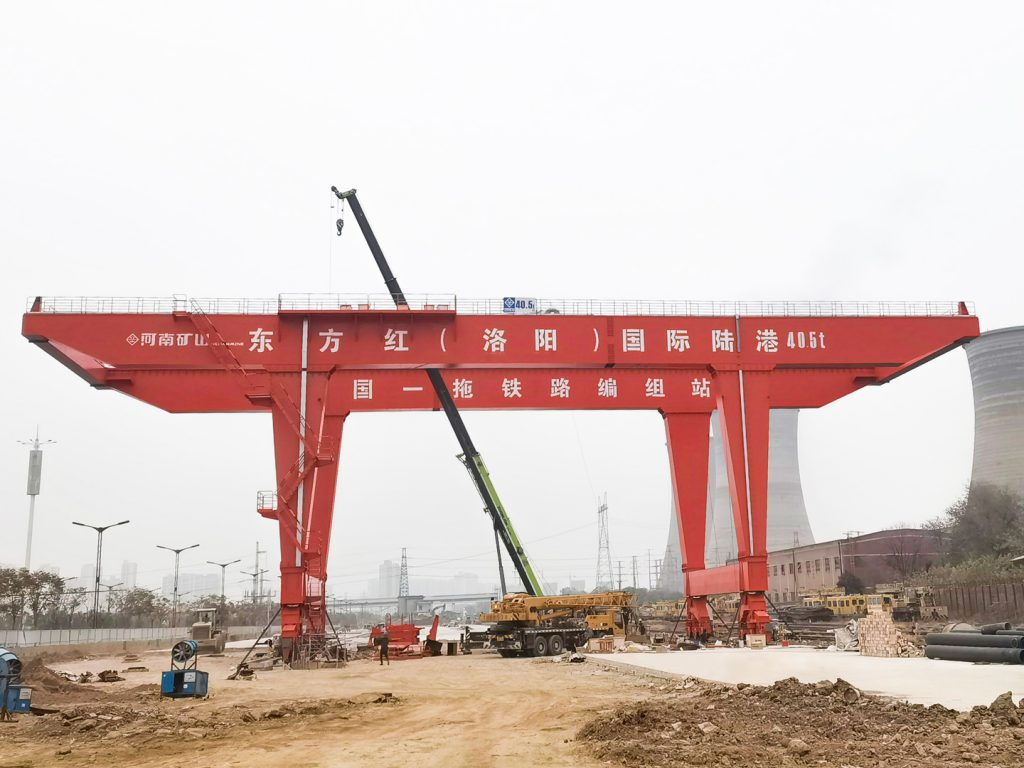
Container stacking and cargo transfers across terminals and rail.
Turbine installation, powerhouse maintenance and wind equipment assembly.
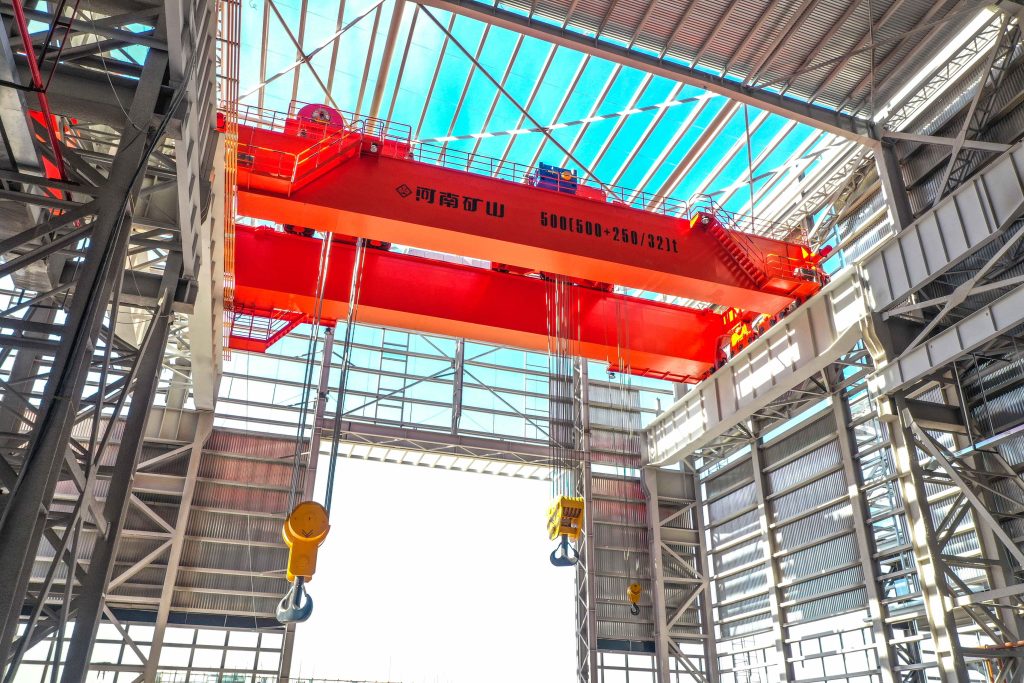
Controlled component transfer and positioning for precision assembly.
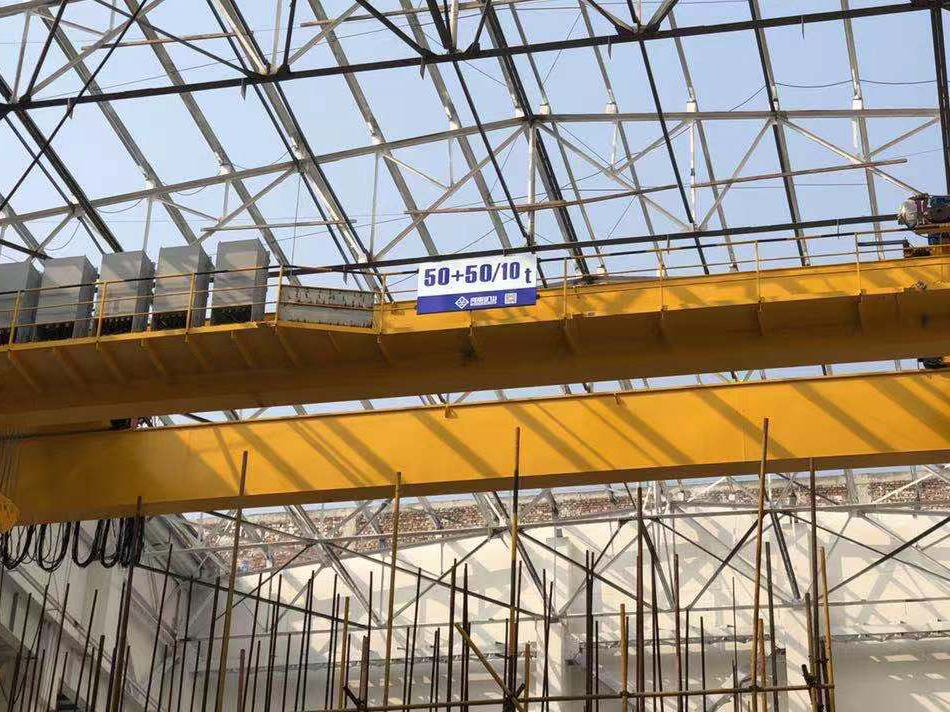
Heavy fabrication, production lifting and factory crane automation.
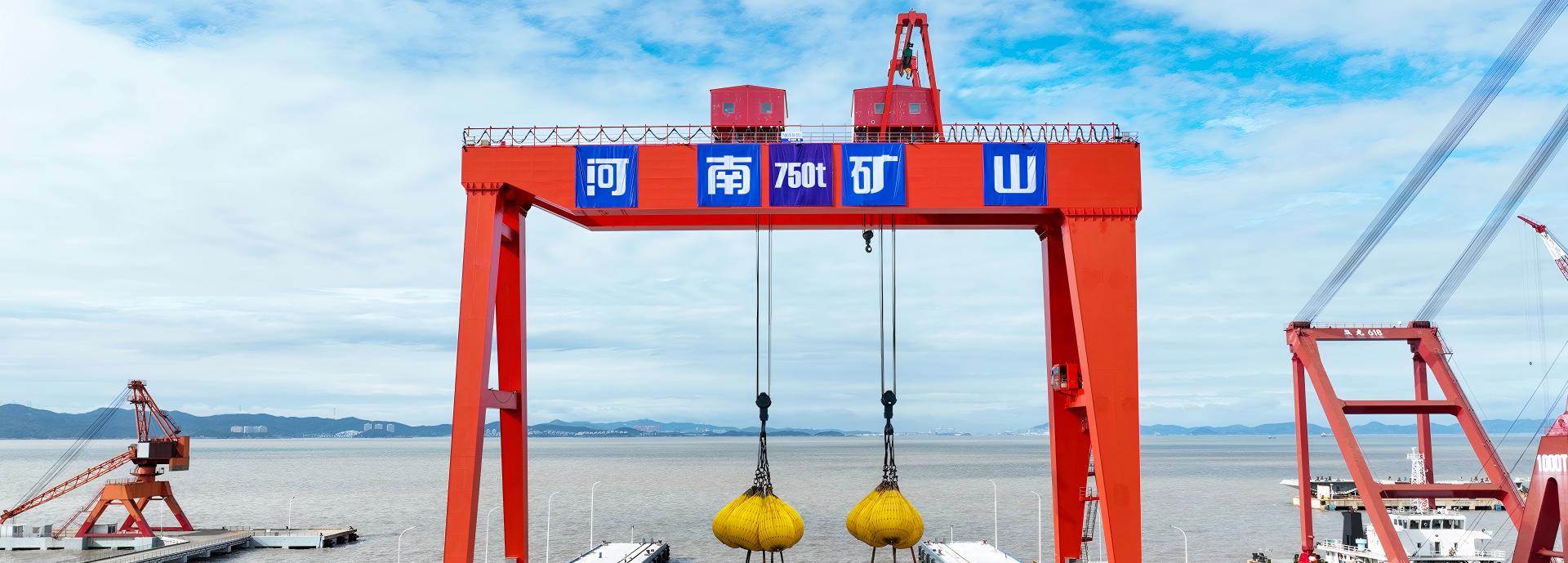
Process lifting for smelters, carbon blocks and anode materials.
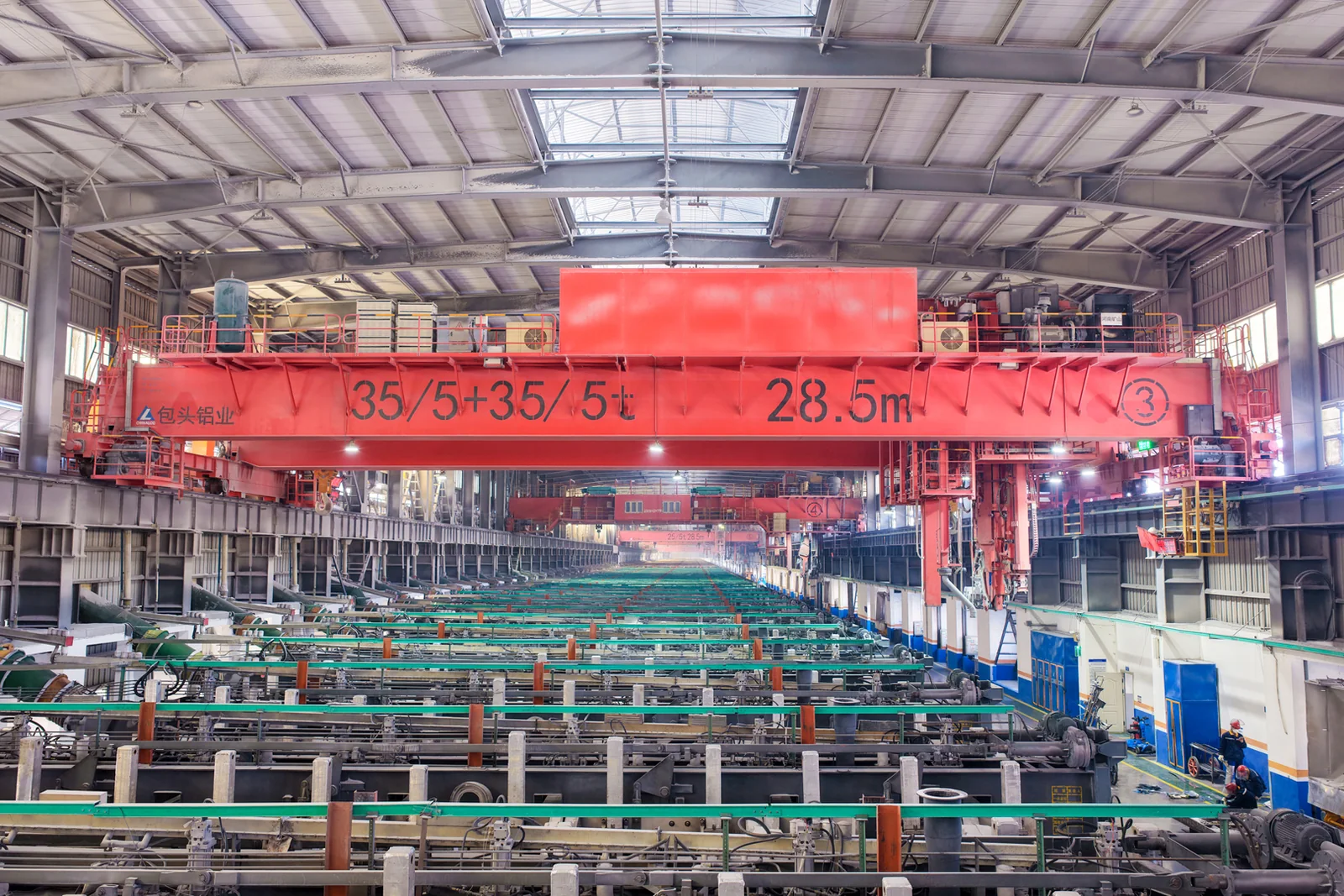
Clean lifting and classified protection for sensitive process areas.
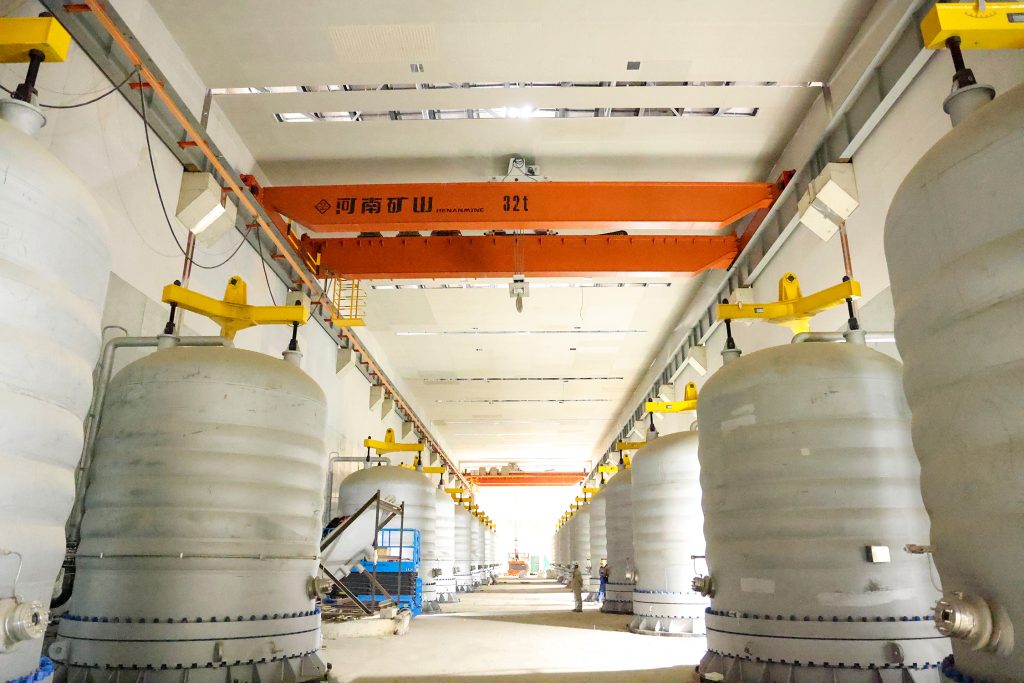
Bridge fabrication, metro construction and ship block assembly.
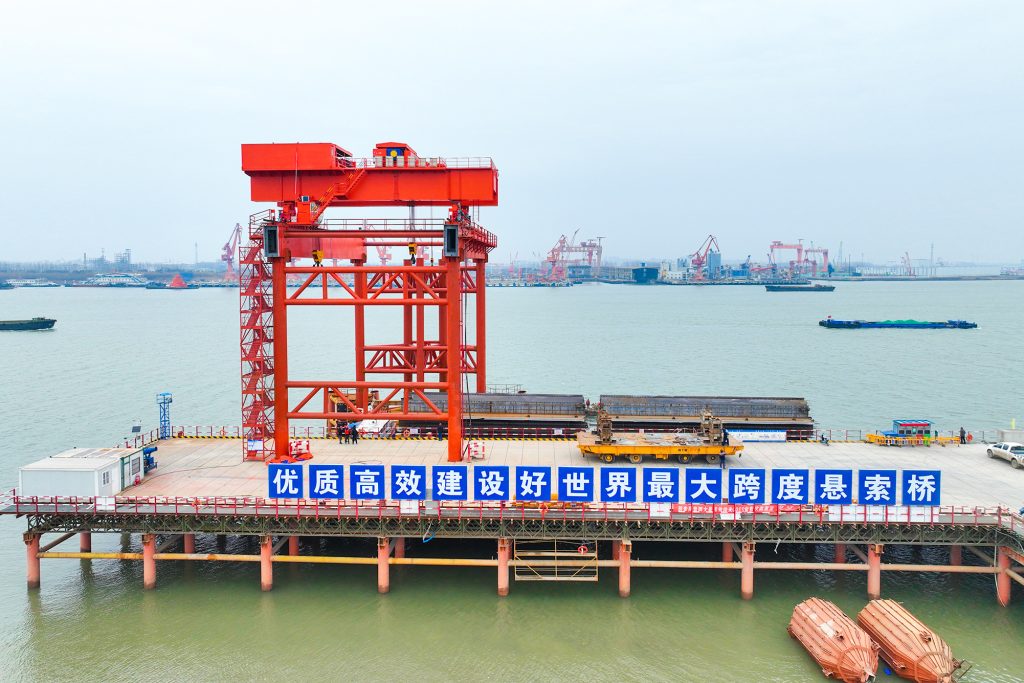
Automated storage and retrieval for plates, cables and bins.
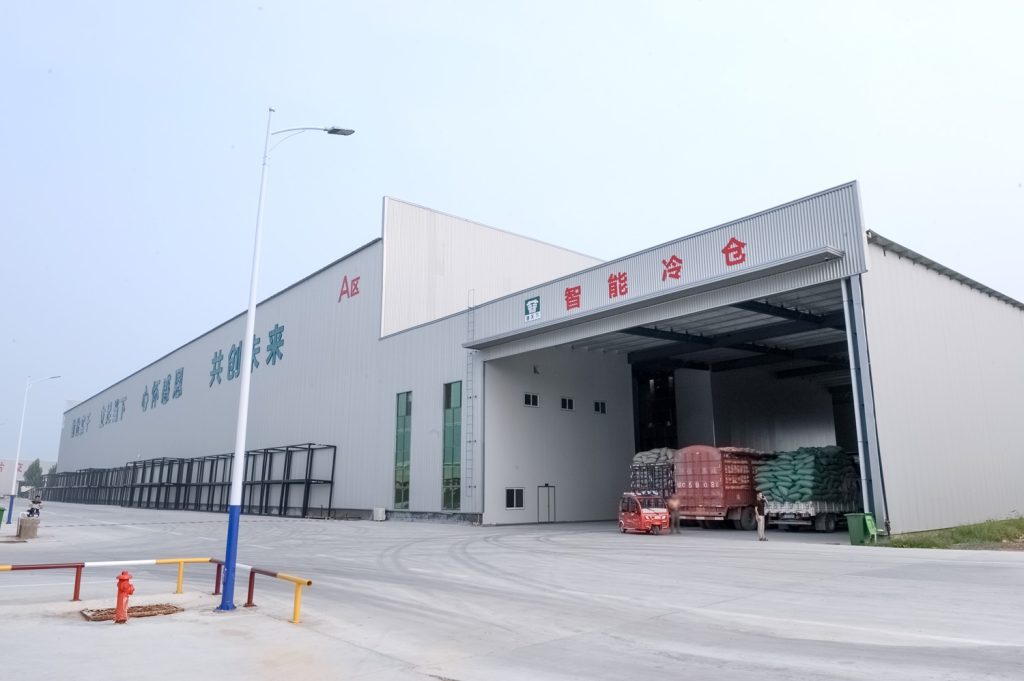
Follow project dispatches, crane engineering and factory acceptance.
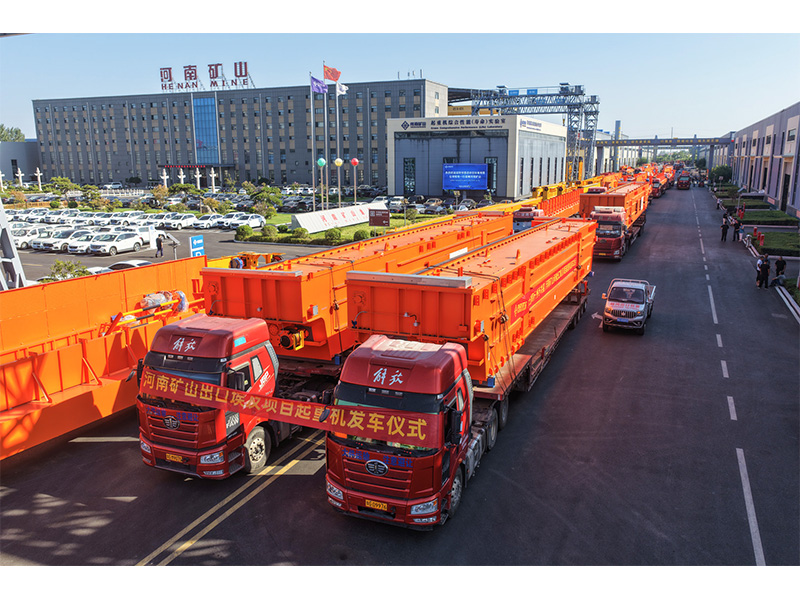
Dispatch, installation and equipment in service
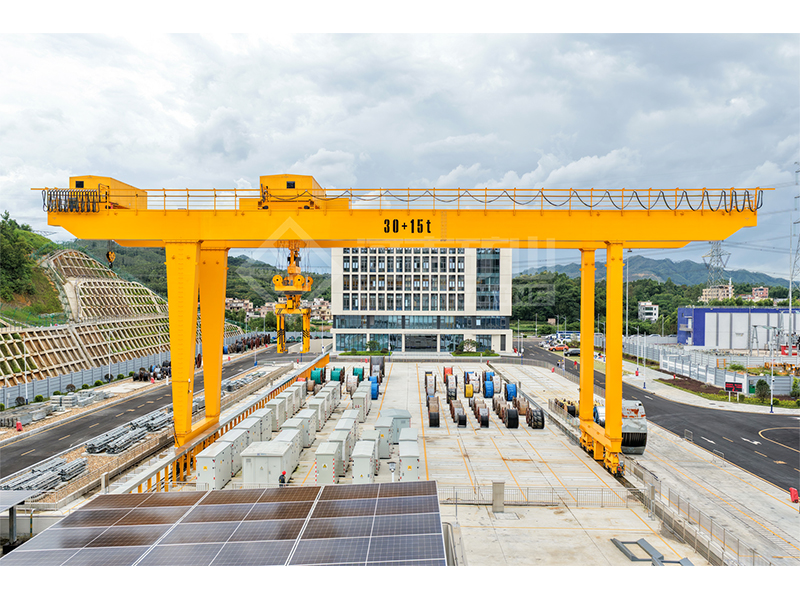
Crane configurations and handling technology
Factory inspections, acceptance and test programmes

Company developments, people and community programmes
Use this to estimate the mass of a uniform plate, round bar, tube or rectangular hollow section when dimensions are available but a weighing record is not.
Choose solid rectangle, solid round bar, round tube or rectangular hollow section. Only dimensions relevant to that shape are required.
Enter the piece length and section dimensions in millimetres, then the number of identical pieces.
Use mass per piece for a single item and total mass for the entire entered quantity. Add contents and lifting accessories elsewhere.
Shape solid rectangular plate; density 7,850 kg/m³; length 1,000 mm; width 100 mm; thickness 5 mm; quantity 1.
Material volume is 0.0005 m³ and mass is 3.925 kg. The mass per metre is also 3.925 kg/m because the example piece is 1 m long.
Total material mass multiplies the mass per piece by the entered quantity.
Mass per metre lets you compare lengths of the same section without changing the section dimensions.
The model uses nominal geometry. Corner radii, coatings, welds, tolerances and any material inside a tube are excluded.
Entering metres into millimetre fields, or choosing a solid bar for a hollow tube. Either mistake can produce a large mass error.
Mass = cross-sectional area × length × density × quantity (use m², m and kg/m³)
Solid rectangular area = B × H; solid round area = πD² / 4
Round tube area = π × [D² − (D − 2t)²] / 4
Box area = B × H − (B − 2t) × (H − 2t)
Calculate the metal and its contents separately with their own densities and dimensions, then add their masses.
Not necessarily. Supplier tables may include actual corner geometry and manufacturing conventions that this sharp-corner model excludes.