
Identify input rpm
Use the shaft speed at the actual operating frequency and load, rather than assuming synchronous motor speed.
Bridge cranes for workshops and production lines.
Explore Overhead Cranes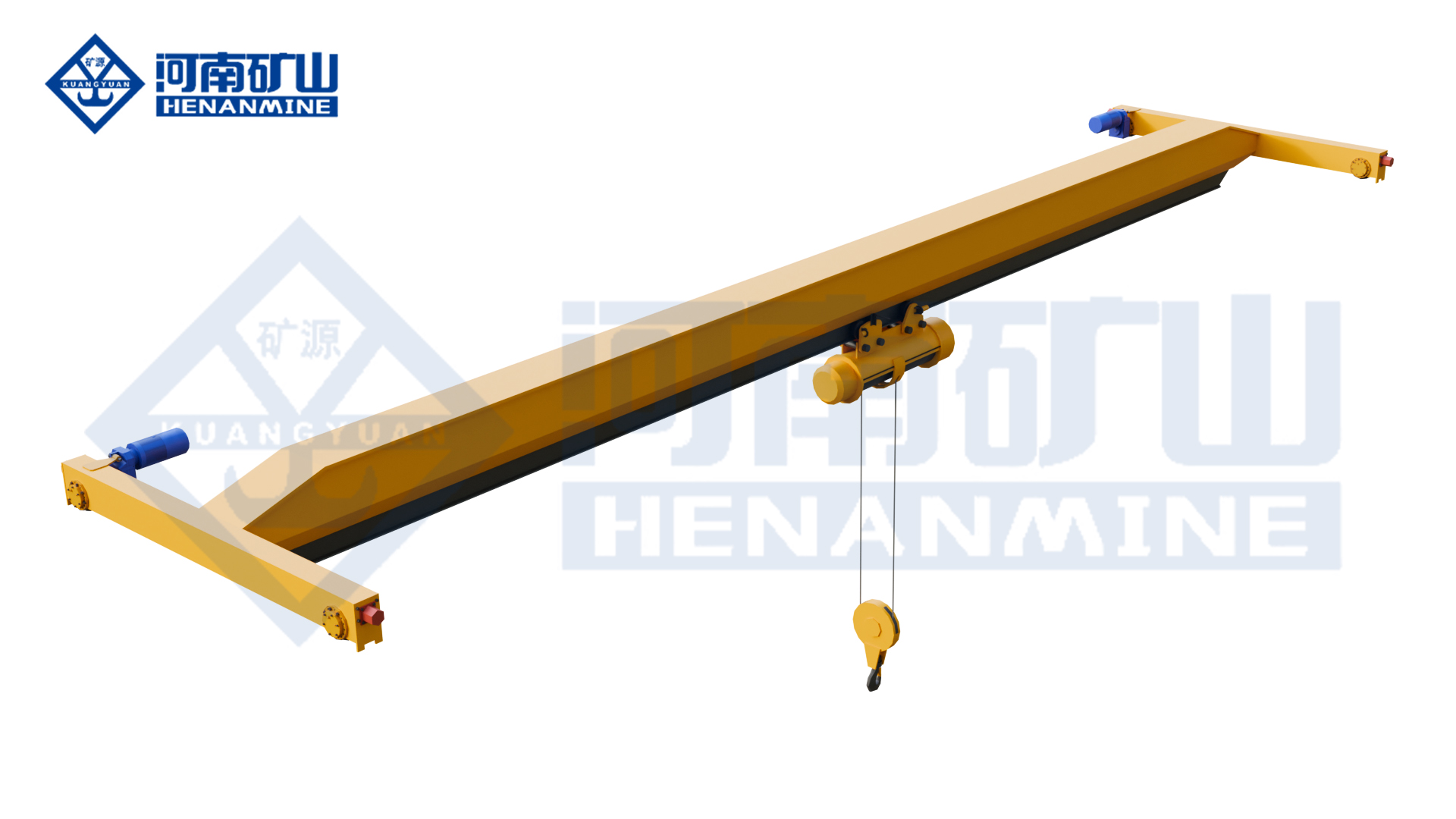
Ground-supported lifting for yards and construction.
Explore Gantry Cranes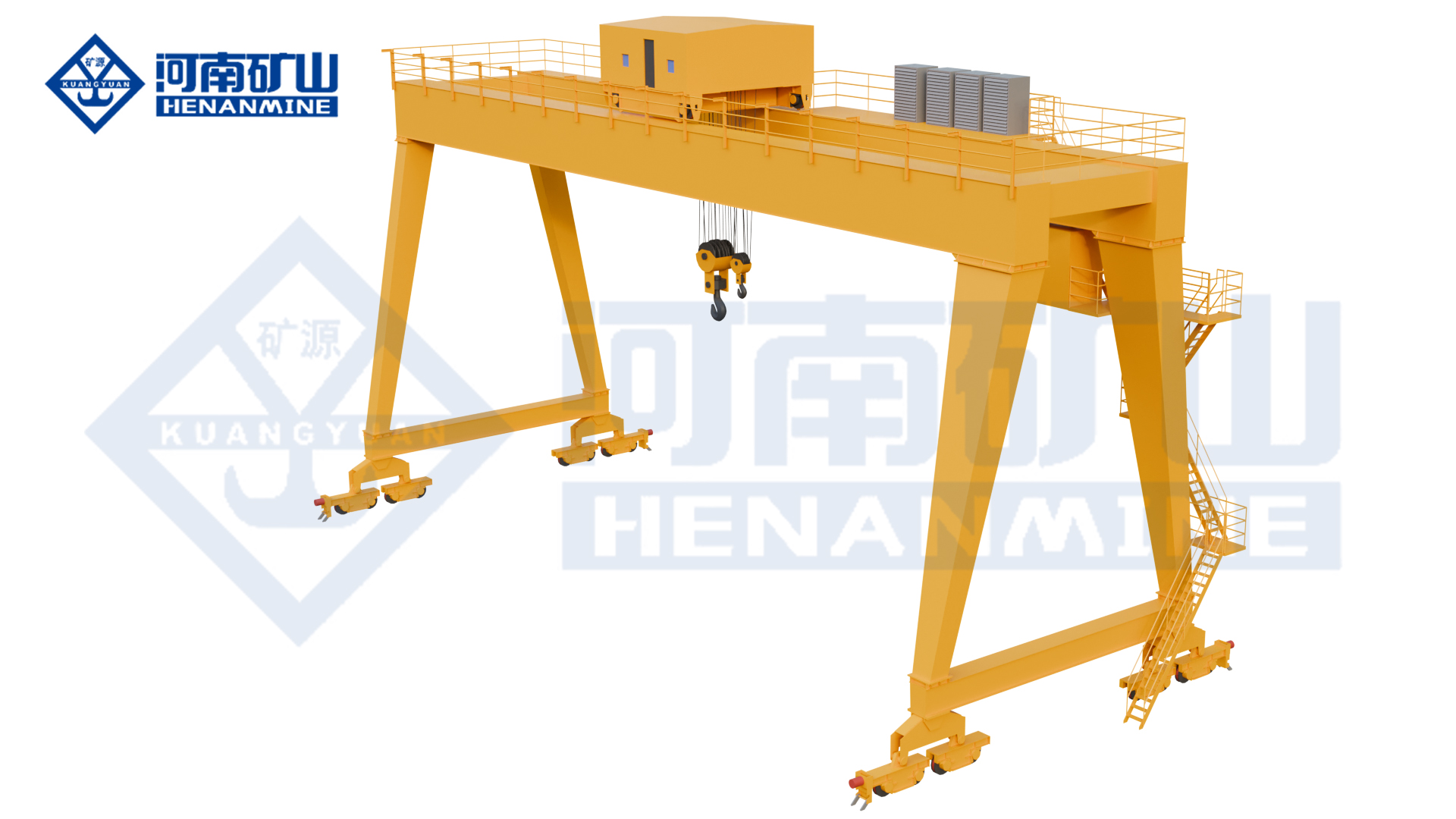
Wire rope and chain hoists for lifting points and cranes.
Explore Electric Hoists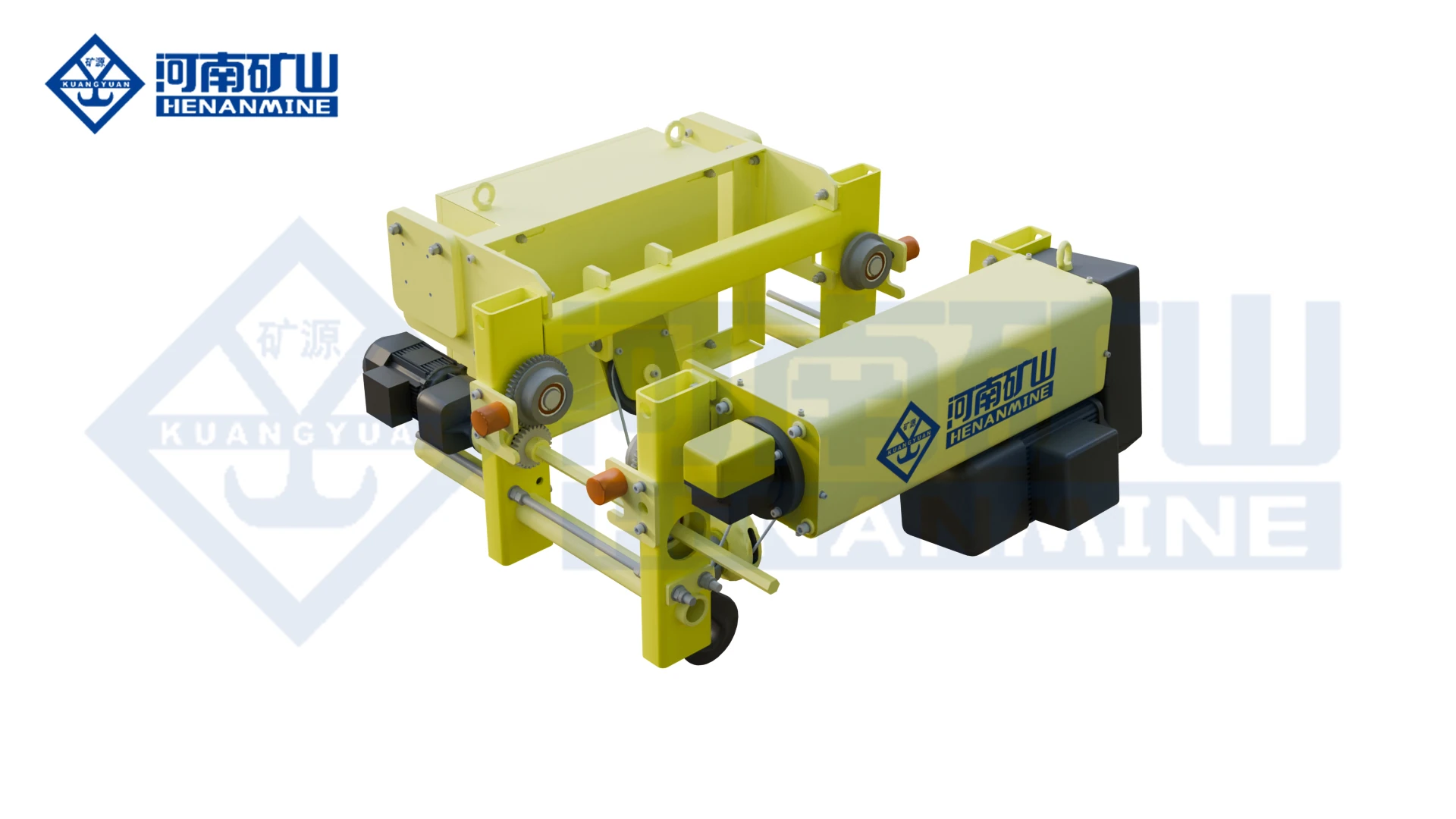
Wire rope lifting and pulling with a powered drum.
Explore Electric Winches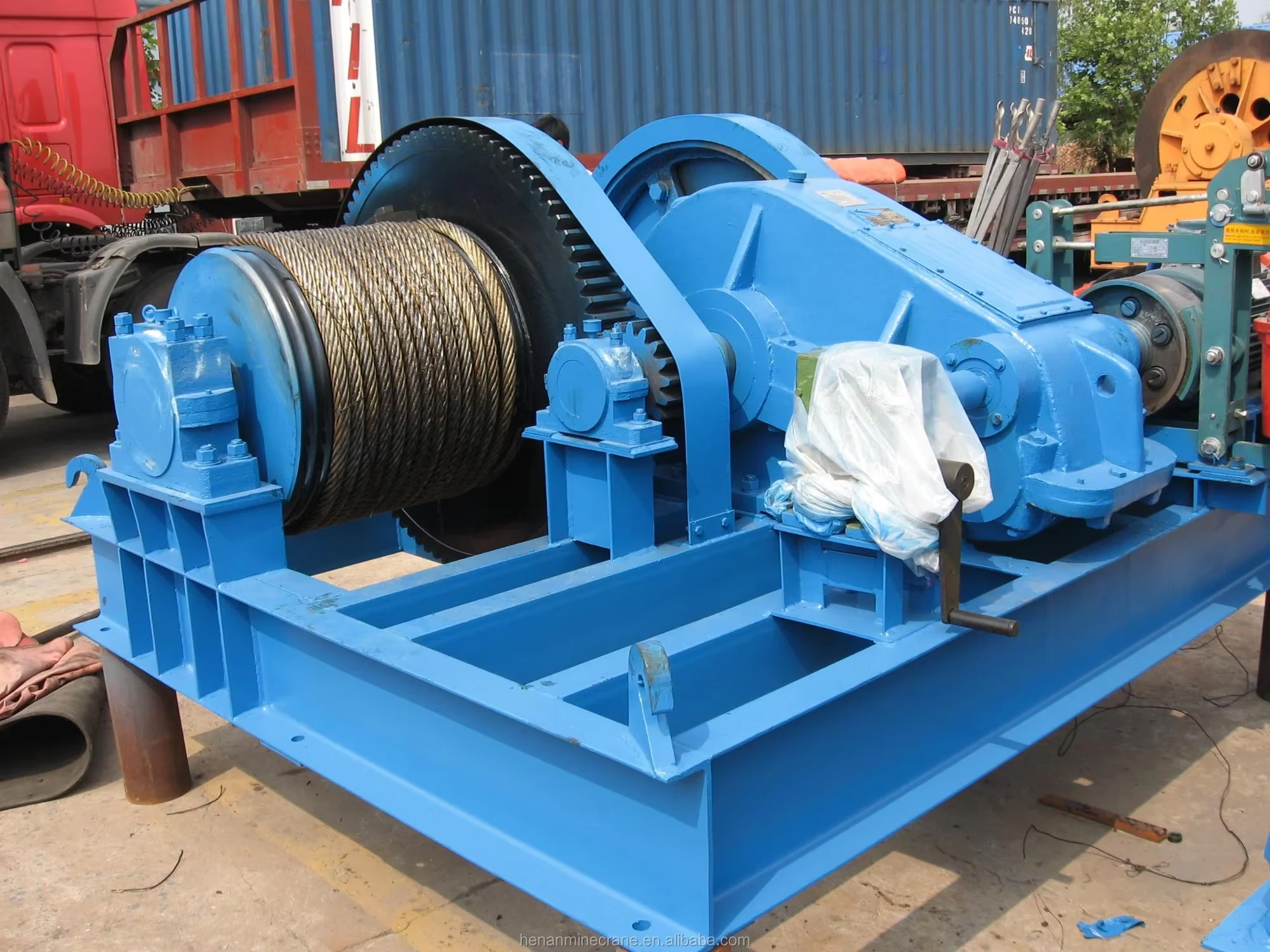
Grab buckets, magnets and hooks for your load.
Explore Lifting Attachments & Grabs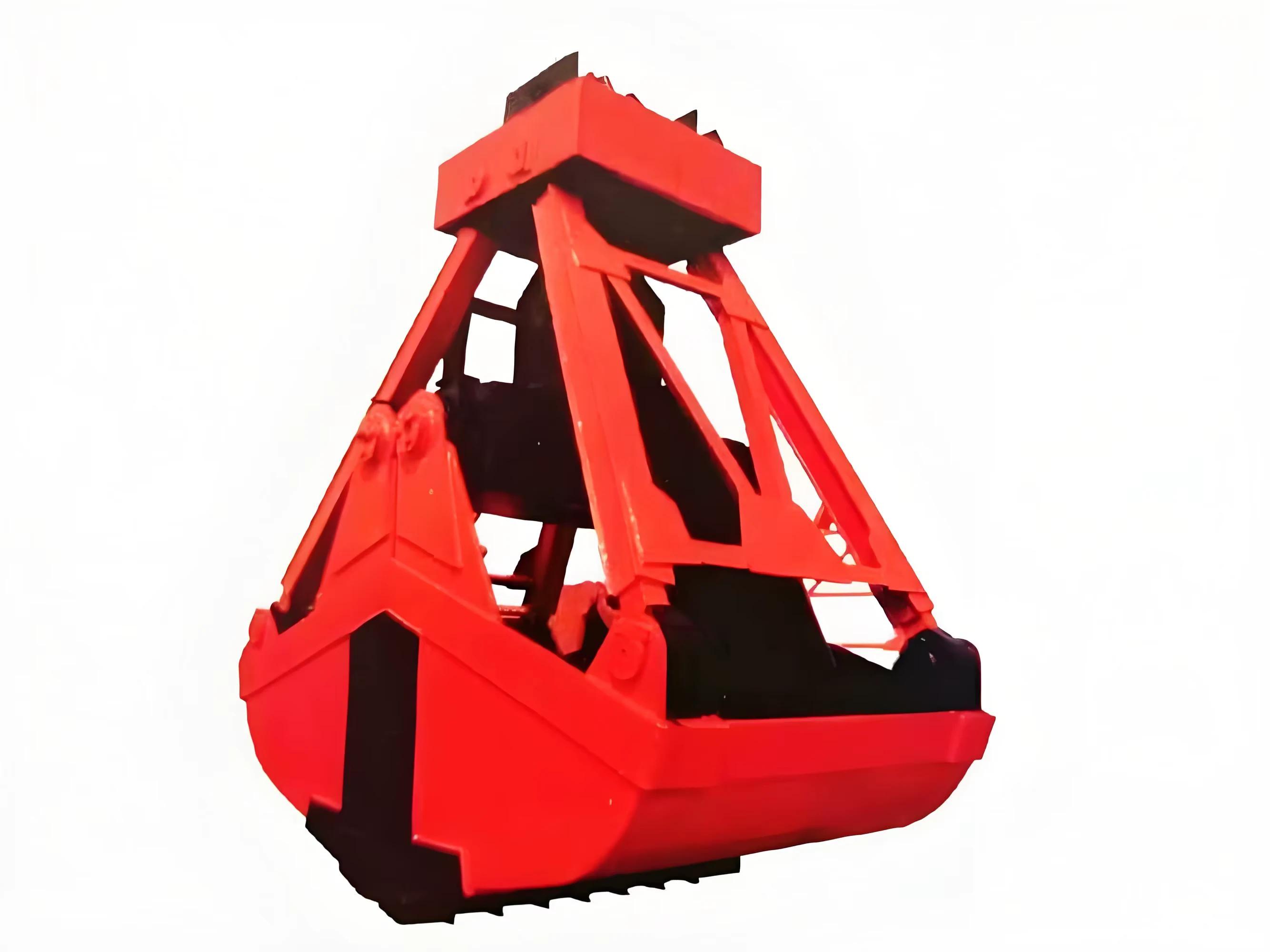
Mobile handling for containers, precast and yard loads.
Explore Rubber-Tired Gantry Cranes & Straddle Carriers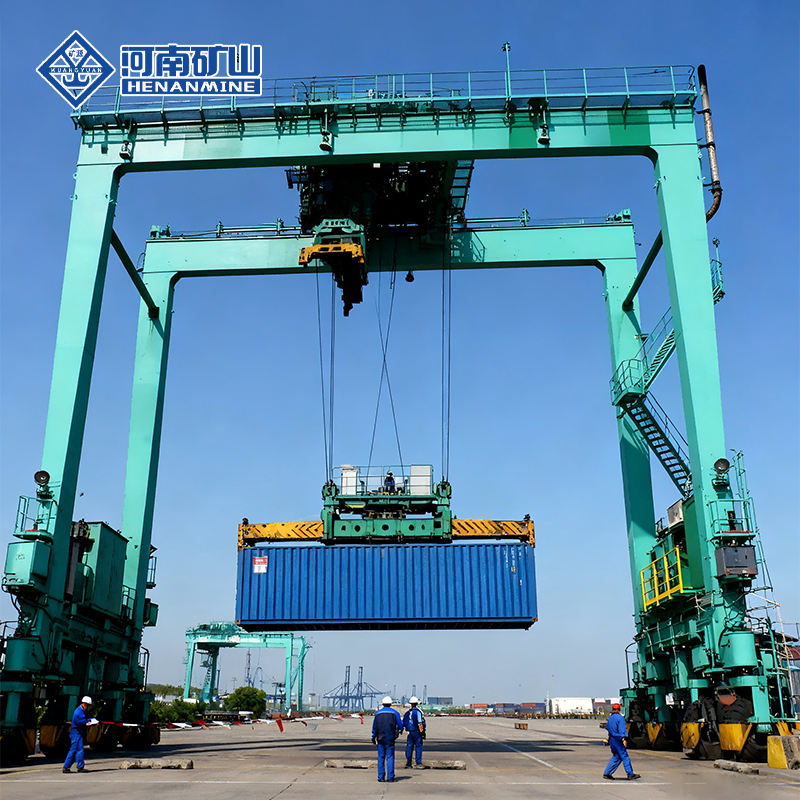

Lift and move vessels through boatyards and marinas.
Explore Marine Travel Lifts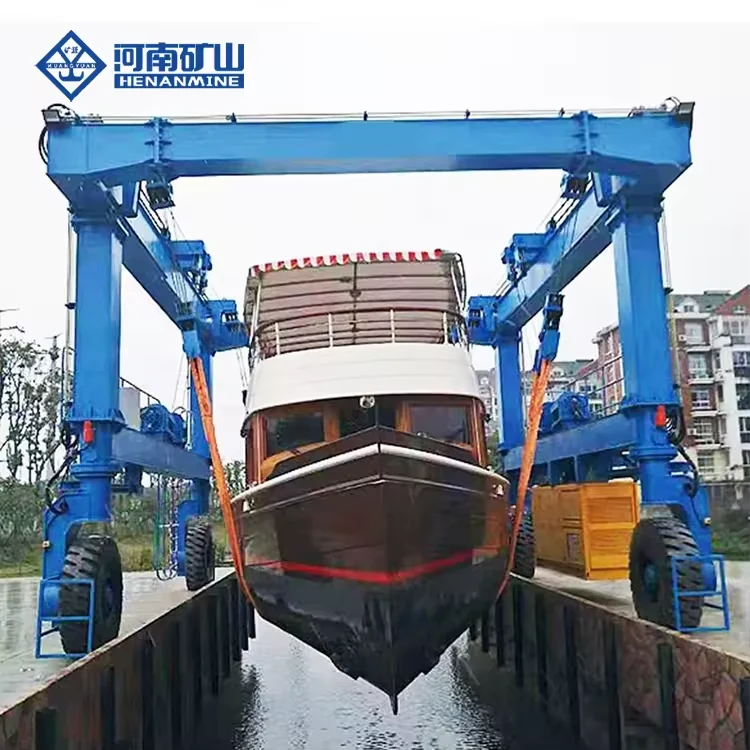
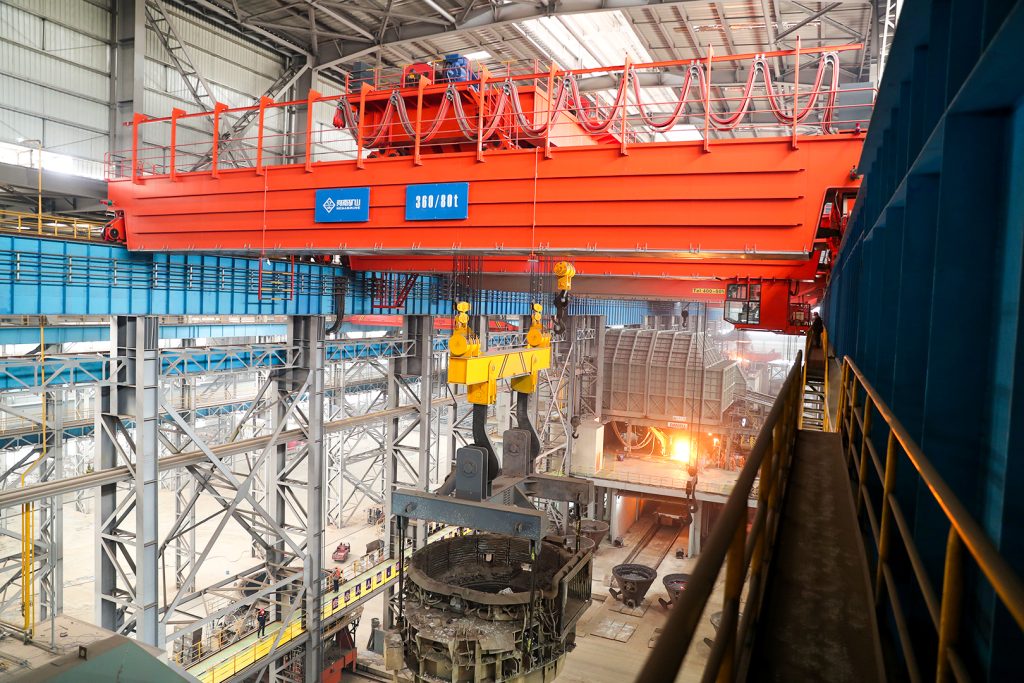
Ladle, slab, scrap and coil handling across steel production.
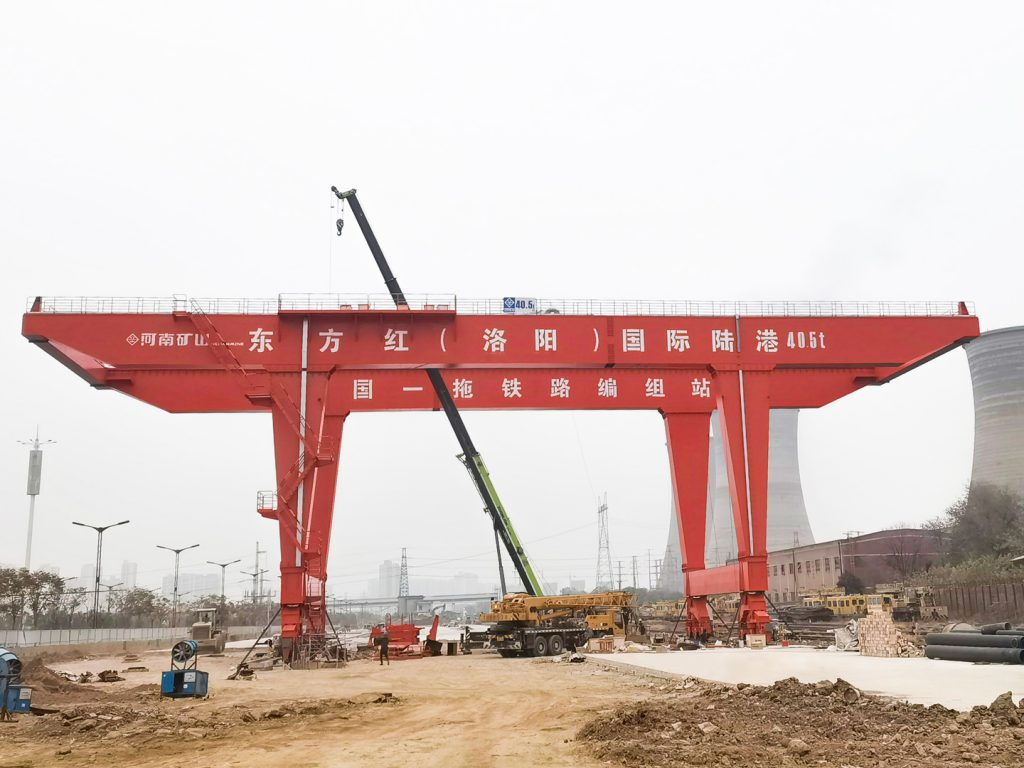
Container stacking and cargo transfers across terminals and rail.
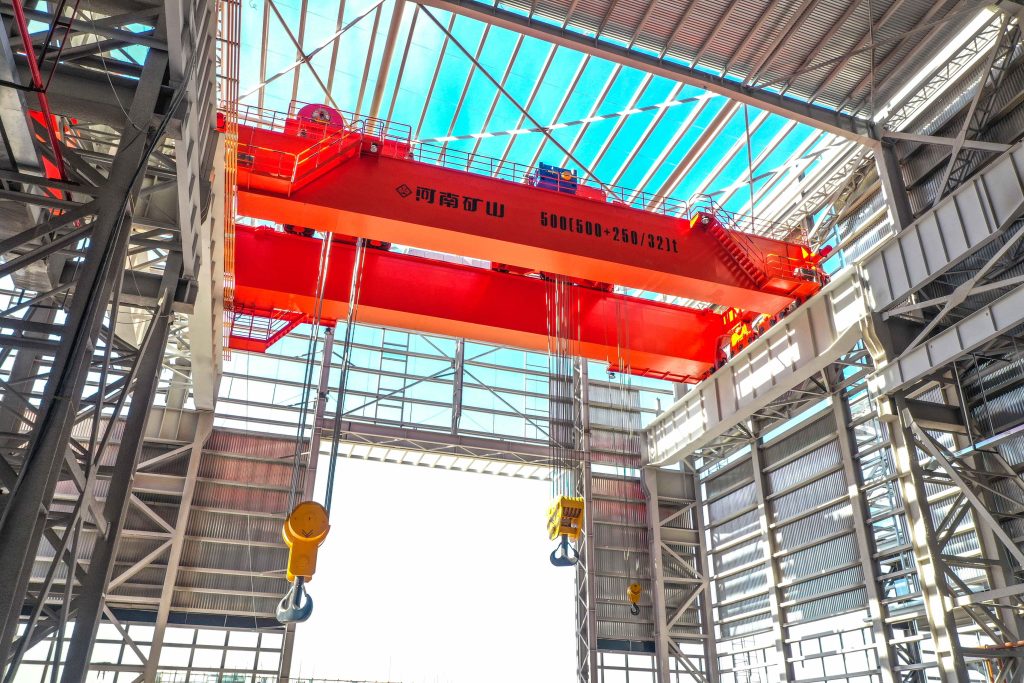
Turbine installation, powerhouse maintenance and wind equipment assembly.
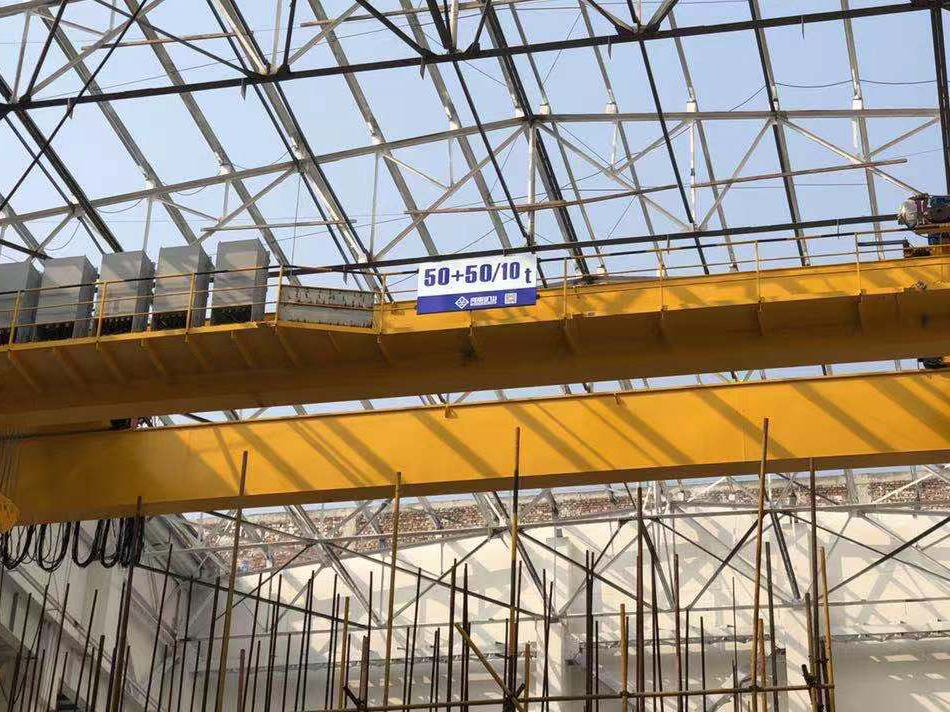
Controlled component transfer and positioning for precision assembly.
Heavy fabrication, production lifting and factory crane automation.

Process lifting for smelters, carbon blocks and anode materials.
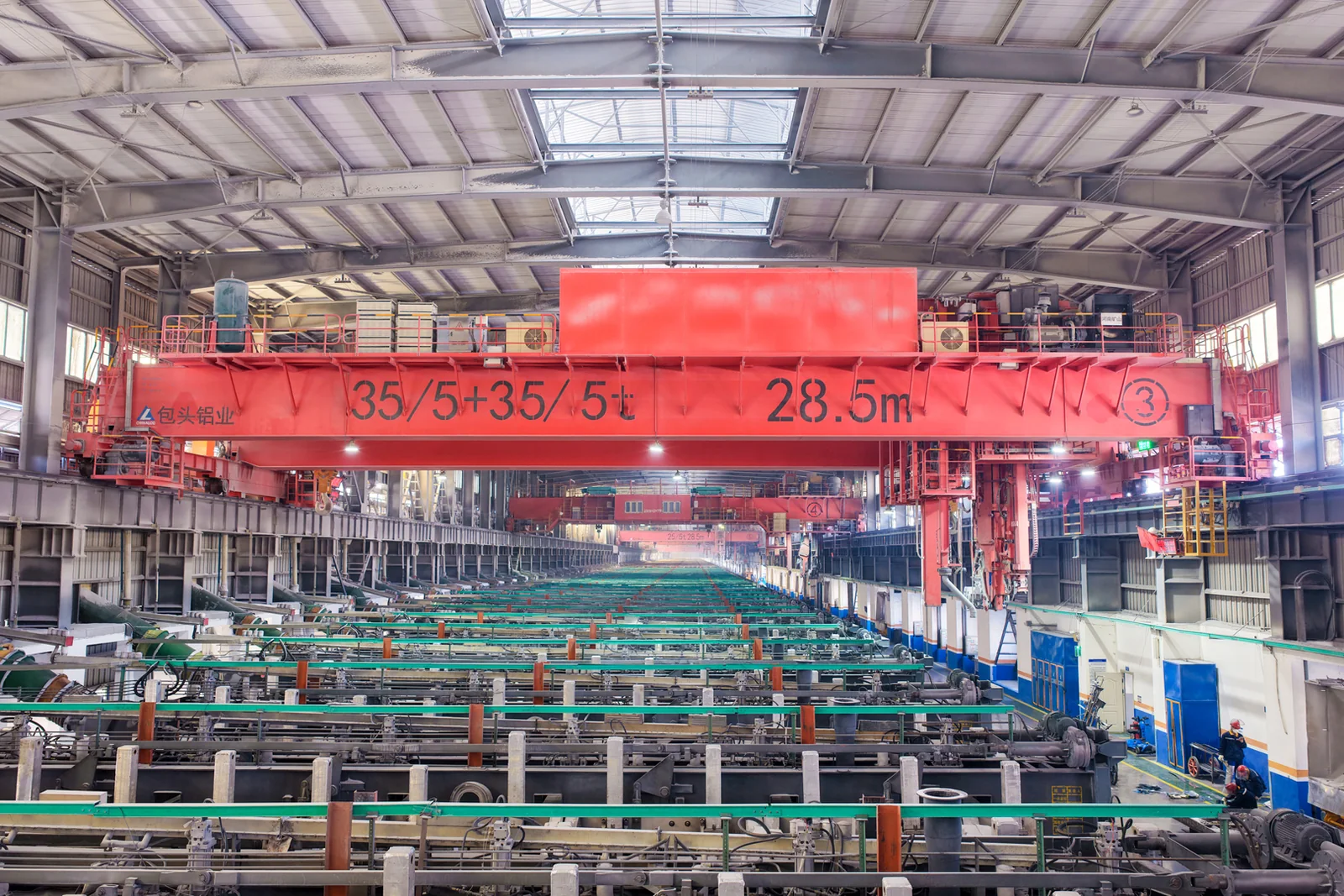
Clean lifting and classified protection for sensitive process areas.
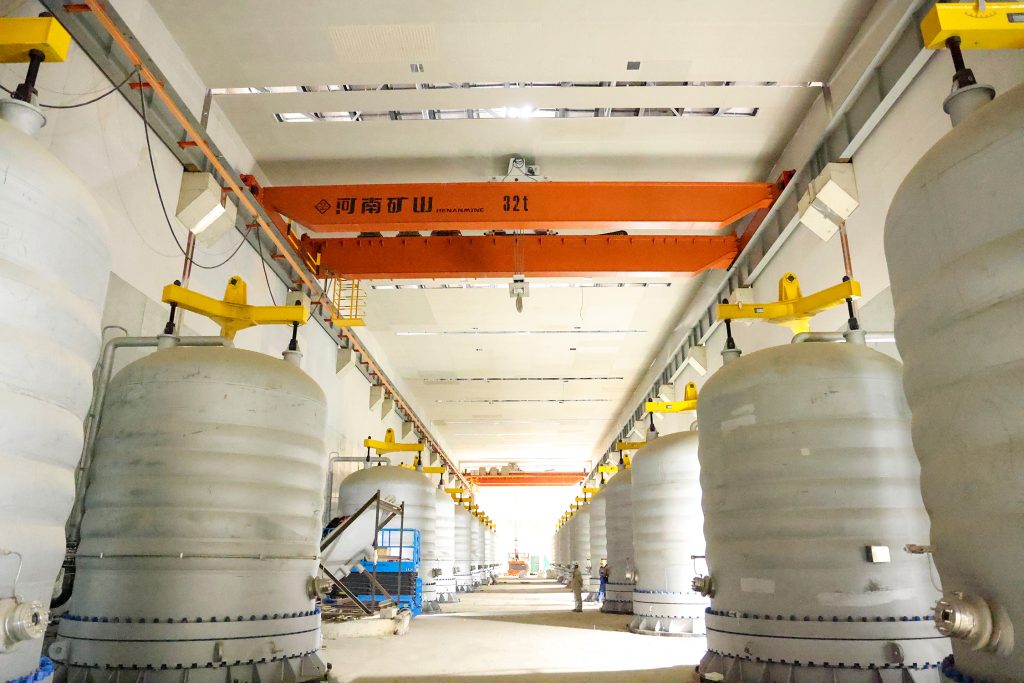
Bridge fabrication, metro construction and ship block assembly.

Automated storage and retrieval for plates, cables and bins.
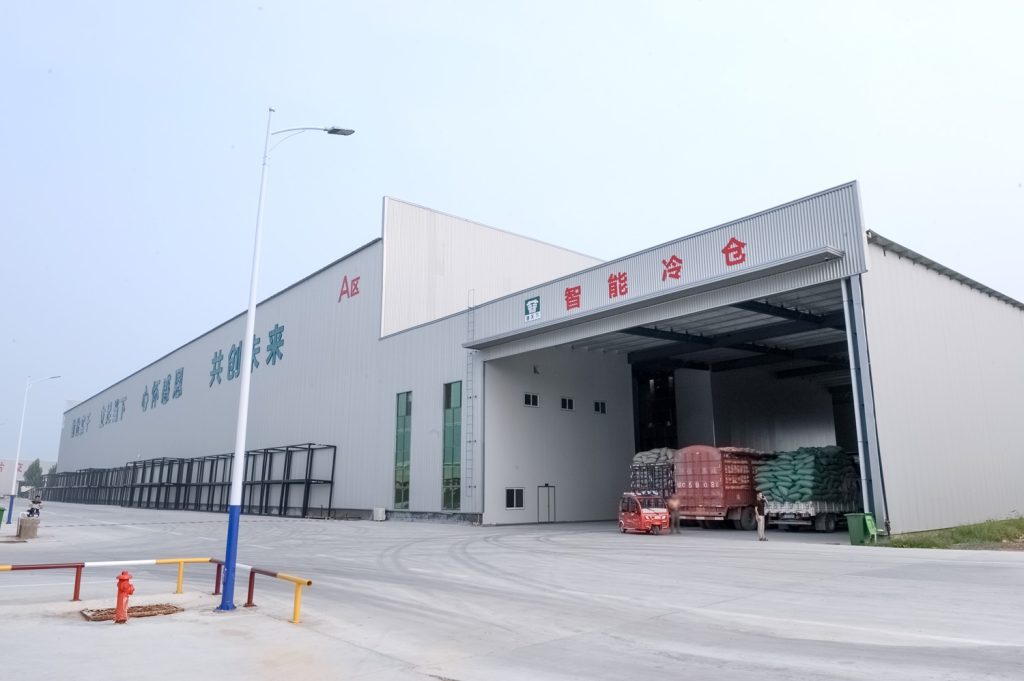
Follow project dispatches, crane engineering and factory acceptance.
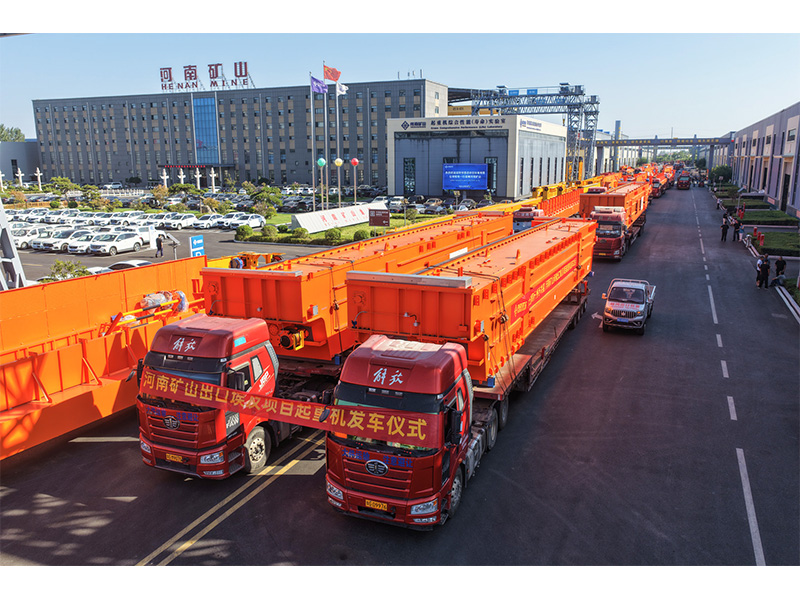
Dispatch, installation and equipment in service

Crane configurations and handling technology
Factory inspections, acceptance and test programmes

Company developments, people and community programmes
Translate a motor and gearbox proposal into wheel travel speed or drum rope speed.
Use the shaft speed at the actual operating frequency and load, rather than assuming synchronous motor speed.
Multiply the stage ratios to obtain the total input-to-output reduction ratio.
Check the output rpm and linear speed. For a reeved hoist, convert drum rope speed into hook speed separately.
1,450 rpm input, 50:1 total reduction and a 315 mm effective diameter.
The output turns at 29 rpm and produces about 28.698 m/min of wheel or rope line speed.
A larger effective diameter increases linear speed at the same output rpm.
The result assumes no slip and constant diameter.
The calculator does not determine transmitted torque, gearbox rating or motor power.
Using the bare drum diameter even though the rope centre-line diameter is larger and changes with winding layer.
n_out = n_motor / i
v = π D n_out
Only for a suitable single-part arrangement. With multiple supporting rope parts, ideal hook speed is lower and follows the reeving geometry.
Use it when it represents the assessed operating condition. A variable-frequency drive may run the motor at another speed.