

Marine Travel Lift Prices: Boat Hoist Budgets by Capacity
Conditional USD equipment estimates for marina, service-yard and large-vessel travel lifts, with vessel-fit and project-cost boundaries.
USD budget ranges · 30 October 2026 · 12 configurations
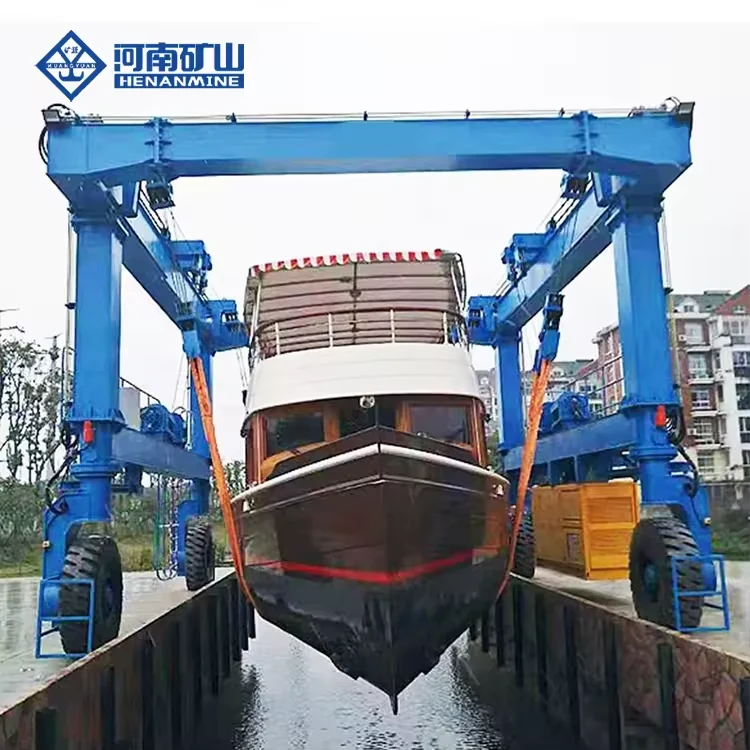
Marine Travel Lift Equipment Budget Ranges
Marine travel lift prices depend on the vessel’s actual loaded displacement, clear opening, lift height, yard surface, steering and power package. For an early budget, the 12 rows below show broad author-prepared USD equipment estimates across marina, service-yard and large-vessel planning classes. These are not manufacturer quotations or confirmed configurations. A capacity label alone does not establish that a lift fits a boat or its yard.
Capacity is shown as a metric-tonne screening class, not a vessel specification. Clear inside width is the distance between the inner faces of the legs; usable lifting height is the available support clearance. Neither dimension is fixed by a price row. Confirm both from the actual vessel fleet and facility geometry before treating any budget as comparable.
All amounts are conditional author budget estimates in USD, not factory quotations, used-equipment values or promised sale prices. Estimates cover a concept mobile lift package and generic sling-hardware allowance only. They assume a diesel-hydraulic baseline. Vessel displacement and suspended gear must be confirmed. Freight, import charges, civil works, site erection, commissioning and any engineered sling plan are excluded.
| Planning capacity class | Product configuration | Planning specification | Equipment budget | Typical fit |
|---|---|---|---|---|
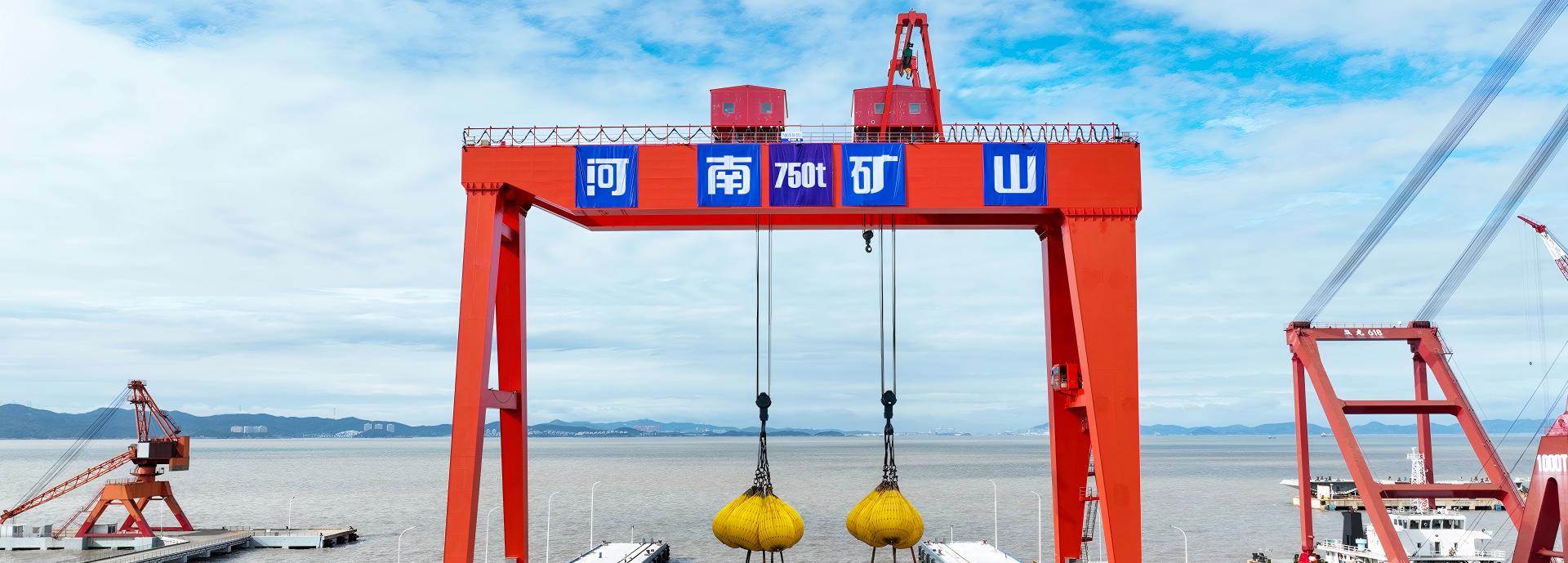
| 25 t planning classrated capacity | Concept budget classMarina / yacht-yard lift — 25 t class Marina / yacht-yard lift |
| USD $70,000–$115,000Planning estimate | Smaller marinas and yacht yards; fit depends on vessel beam and loaded mass. |
| 50 t planning classrated capacity | Concept budget classMarina / yacht-yard lift — 50 t class Marina / yacht-yard lift |
| USD $140,000–$215,000Planning estimate | Mid-size marinas and yacht-service yards, subject to actual fleet envelope. |
| 75 t planning classrated capacity | Concept budget classMarina / yacht-yard lift — 75 t class Marina / yacht-yard lift |
| USD $200,000–$320,000Planning estimate | Marinas with a heavier vessel mix or broader service-yard use. |
| 100 t planning classrated capacity | Concept budget classMarina / yacht-yard lift — 100 t class Marina / yacht-yard lift |
| USD $270,000–$420,000Planning estimate | Larger yacht and commercial marina budgets pending yard-fit review. |
| 25 t planning classrated capacity | Concept budget classService-yard mobile boat hoist — 25 t class Service-yard mobile boat hoist |
| USD $80,000–$135,000Planning estimate | Service yards seeking a compact mobile handling concept. |
| 50 t planning classrated capacity | Concept budget classService-yard mobile boat hoist — 50 t class Service-yard mobile boat hoist |
| USD $160,000–$260,000Planning estimate | Repair and haul-out yards with a regular mix of workboats and yachts. |
| 100 t planning classrated capacity | Concept budget classService-yard mobile boat hoist — 100 t class Service-yard mobile boat hoist |
| USD $320,000–$520,000Planning estimate | Higher-capacity repair-yard planning with layout and ground checks pending. |
| 200 t planning classrated capacity | Concept budget classService-yard mobile boat hoist — 200 t class Service-yard mobile boat hoist |
| USD $650,000–$1,080,000Planning estimate | Commercial repair yards handling substantially larger vessels or workboats. |
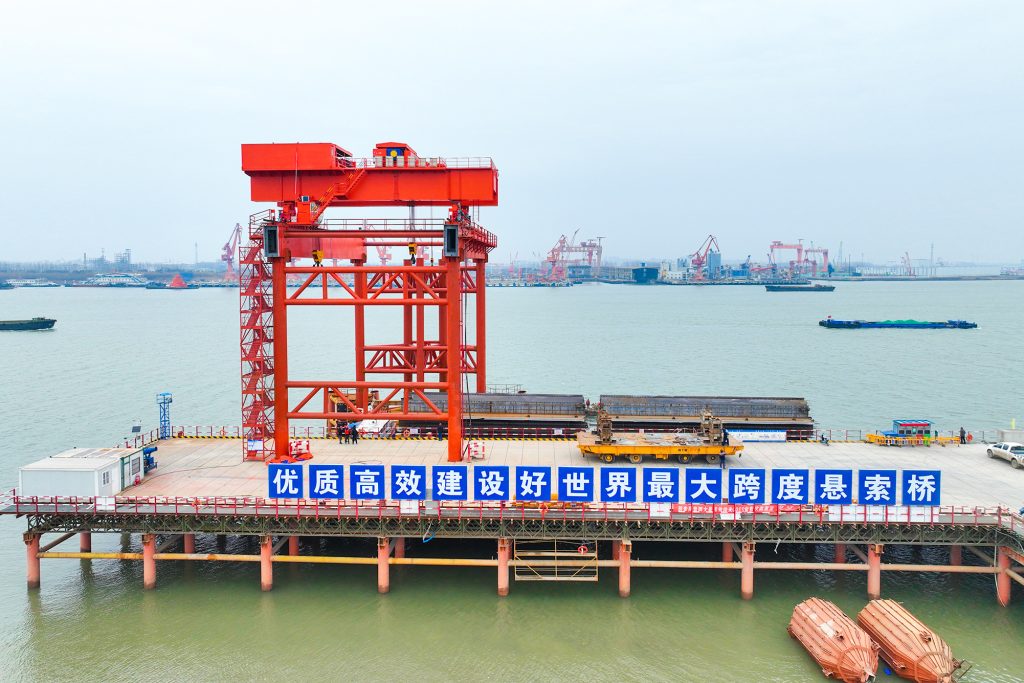
| 150 t planning classrated capacity | Concept budget classLarge-vessel travel lift — 150 t class Large-vessel marine travel lift |
| USD $420,000–$670,000Planning estimate | Shipyard and larger-vessel handling budget class; subject to facility engineering. |
| 300 t planning classrated capacity | Concept budget classLarge-vessel travel lift — 300 t class Large-vessel marine travel lift |
| USD $875,000–$1,425,000Planning estimate | Heavy commercial shipyard and refit budget planning. |
| 500 t planning classrated capacity | Concept budget classLarge-vessel travel lift — 500 t class Large-vessel marine travel lift |
| USD $1,590,000–$2,600,000Planning estimate | Large shipyard and heavy-vessel repair budget screening. |
| 1,000 t planning classrated capacity | Concept budget classLarge-vessel travel lift — 1,000 t class Large-vessel marine travel lift |
| USD $3,400,000–$5,850,000Planning estimate | Very large shipyard project screening before vessel and facility engineering. |
No matching configuration. Choose another option or reset the filters.
What a marine travel lift price covers
The table estimates the mobile lift equipment package: a concept frame, hydraulic lifting system, powered travel and steering, basic controls, and a generic allowance for sling hardware. The budget basis is diesel-hydraulic. It is not a supplier quote, model list, vessel assessment or site design.
A lift’s rated capacity cannot be selected from a boat’s length alone. The relevant mass is the vessel’s actual loaded displacement at haul-out, plus applicable suspended lifting gear. Hull shape, support points, load balance and lifting arrangement must be reviewed by qualified marine and equipment engineers. This guide intentionally supplies no sling count, spacing or sling plan.
The price ranges exclude freight, insurance, import duties and taxes, yard pavement or ground improvements, haul-out slip changes, field erection, commissioning, operator training and any specially engineered sling arrangement. Power beyond the assumed self-contained diesel-hydraulic package is also outside the allowance.
Define the lift and yard geometry
Inside clear width is the open distance between the inner faces of the lift’s legs. Measure the widest vessel, including catamarans or fender projections relevant to handling, then allow for the intended movement and site constraints. Overall machine width is not the same measurement. Widening the opening can change frame size and price.
Usable lifting height is the clearance available to raise and move the supported vessel. Check hull depth, keel or appendages, local water level and haul-out interface, and the required clearance while the boat crosses the yard. Determine maximum loaded displacement separately; length or beam is not a substitute for weight.
Measure the route from the water to storage or repair positions. The pavement and ground must support the machine’s wheel reactions under the planned load; a yard designer should verify those reactions against the site. Steering mode and turning envelope matter in narrow lanes. The diesel-hydraulic baseline can be replaced by an electric or other arrangement, changing the supply and project boundary.
These definitions explain the inputs behind a budget, not a site-specific machine. The price rows do not assert an inside width, lift height, steering system, sling layout or design capacity for any listed product.
Compare the same capacity on the same basis
The 50 t marina row is estimated at $140,000–$215,000, while the 50 t service-yard row is $160,000–$260,000. Both are planning ranges, not quotations. The difference illustrates a budgeting allowance for a more demanding yard-use concept; it is not a measured surcharge, supplier offer or proven specification difference.
For a valid supplier comparison, normalize the rated-load definition and suspended-gear treatment, inside width, usable lifting height, steering and travel mode, power source, controls, environmental protection, documentation, included sling equipment and delivery scope. A high-capacity label with a narrow clear opening may serve a different fleet from a lower-capacity lift with wider geometry.
Large-vessel rows have wider uncertainty because structural size, wheel reactions, yard route and handling systems depend strongly on the vessel and facility. Use the upper end as a screening allowance only, not as a reserve percentage or final project budget.
What changes a boat hoist budget
Capacity and structure. A larger rated load requires a different structural and hydraulic design. Frame geometry, lifted mass, wheel configuration and operating conditions affect the package; cost does not rise in a simple linear ratio to capacity.
Opening and height. Clear inside width and usable lifting height define the envelope around the hull. Wide catamarans, high topsides, deep keels or extra clearance may require larger structural dimensions. Define these dimensions before comparing prices.
Travel, steering and power. Steering modes and travel arrangement affect manoeuvrability and machinery. This guide uses a self-contained diesel-hydraulic basis; electric or hybrid drive, battery systems and yard charging infrastructure are separate choices and scope.
Marine environment and controls. Salt exposure, washdown, temperature, control position, remote functions and monitoring can change materials, protection and equipment. State the operating environment and required functions; these ranges promise no coating, controls package or certification.
Sling equipment. Sling material, support points and arrangement must suit the vessel and be engineered and approved for the lift. The price table contains only a generic budget allowance for ordinary sling hardware; it does not describe a particular lifting arrangement.
Separate the machine from yard investment
Plan project cost as lift equipment + packing, freight and insurance + import charges + haul-out and pavement works + site power or charging + erection and commissioning + separately engineered lifting gear. The table represents only equipment and generic sling hardware. It gives no construction price because haul-out slips, drainage, access, pavement capacity and local installation conditions are unknown.
Before comparing proposals, place each offer on the same delivery basis and record exclusions beside the equipment amount. Confirm whether assembly, start-up, travel route equipment, initial parts and operator instruction are included or separately contracted. Do not treat ex-works machinery value as delivered, installed project cost.
For large-vessel facilities, the ground and water-side interfaces can be as important as the lift package. Have the yard engineer verify ground bearing and route loads using final manufacturer wheel reactions. This guide cannot determine whether an existing pavement or launch slip is adequate.
Check the boat, lifting system and travel route
Start with verified vessel weight at the intended lift condition. Include slings and other lifting gear in the rated-load check. Then confirm maximum hull beam, keel or appendage depth, actual lifting height and where the boat travels after it leaves the water. A price guide does not set sling positions; vessel and lift designers must approve them.
Measure the narrowest route and turning areas between the haul-out slip, service bays and storage lanes. Provide the final lift’s wheel reactions to the civil engineer, who can compare them with the pavement and ground. Tidal range, launch-ramp slope, water depth and dock height can also change access to the lift position.
These checks may narrow the suitable equipment class, but they do not replace technical review. Capacity bands are for budgeting and should not be used to promise that a lift can safely handle a particular hull.
Marine Travel Lifts price questions
Compare the same lifting task, equipment scope and site responsibilities.
How much does a marine travel lift cost?
The estimates in this guide range from about $70,000 for a 25 t marina concept to $5.85 million at the upper end of the 1,000 t large-vessel concept. All figures are conditional USD equipment estimates, not current quotations. Freight, site works, erection and commissioning are excluded.
How much does a 50 ton marine travel lift cost?
The guide shows $140,000–$215,000 for a 50 t marina/yacht-yard concept and $160,000–$260,000 for a 50 t service-yard concept. The ranges use the same metric-tonne capacity class but different planning allowances. They do not represent offers or establish fit for a particular boat.
Does a boat’s length determine lift capacity?
No. Confirm the vessel’s loaded displacement at haul-out and account for applicable suspended lifting gear. Length and beam help define the clear opening and handling geometry, but neither establishes the lifted mass.
What does inside clear width mean on a travel lift?
Inside clear width is the unobstructed distance between the inner faces of the machine’s legs. It must accommodate the actual vessel and handling clearances. It differs from overall machine width, and the price table does not set a fixed opening.
Are slings included in these prices?
The planning model contains a generic sling-hardware allowance only. It specifies no sling type, count, spacing or position. An approved sling arrangement must be engineered for the vessel and lifting system; unusual gear or special designs are not priced here.
Do these estimates include freight and installation?
No. They cover conceptual lift equipment and a generic sling-hardware allowance. Freight, insurance, import charges, pavement and haul-out works, site power, field erection, commissioning and operator training are outside the estimates.
View Marine Travel Lift Options
Compare marina, service-yard and large-vessel travel lift categories.