Beam and structure fabrication
Laser cutting, U-groove forming, robotic welding and controlled workpiece positioning.
Bridge cranes for workshops and production lines.
Explore Overhead Cranes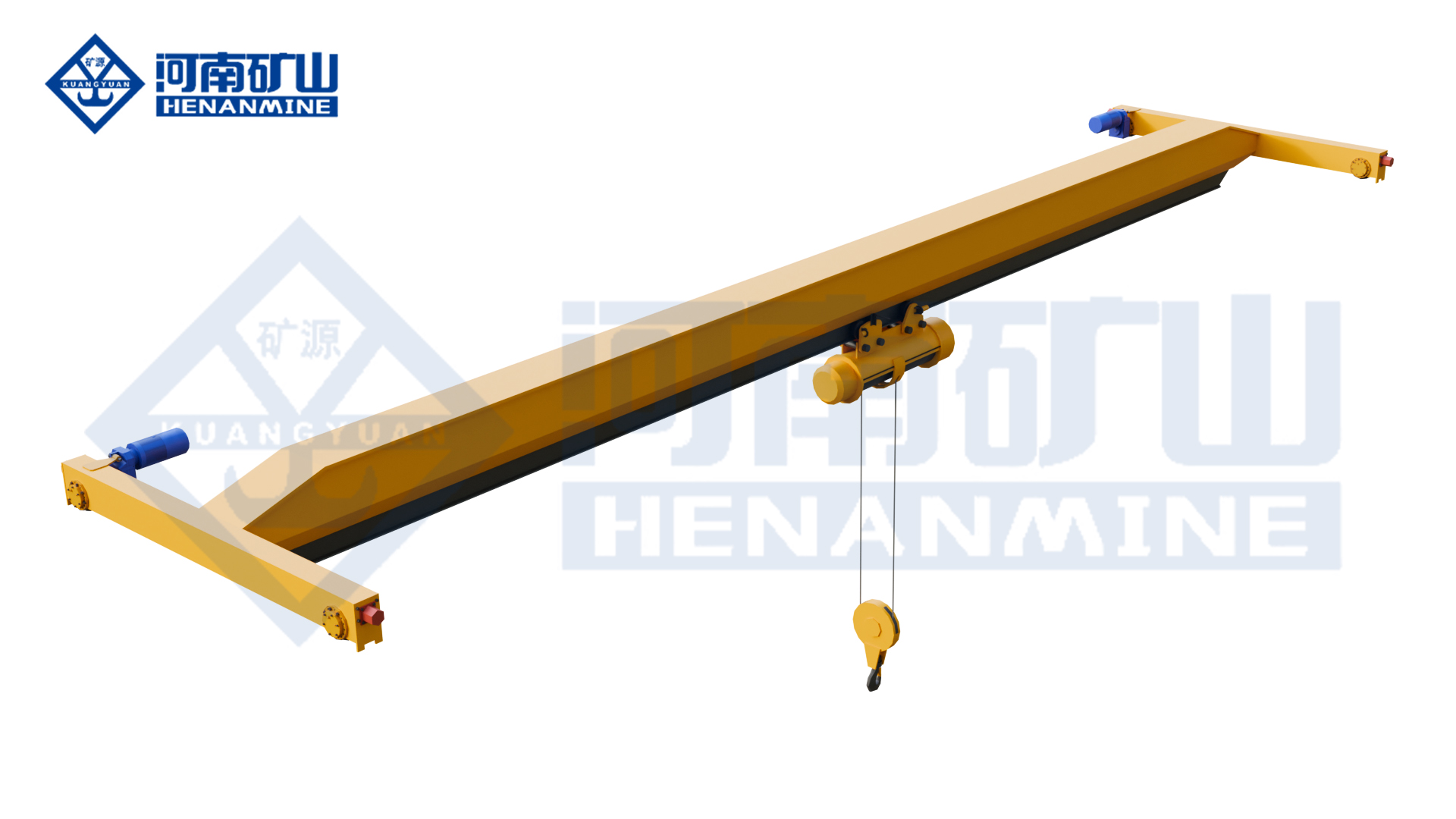
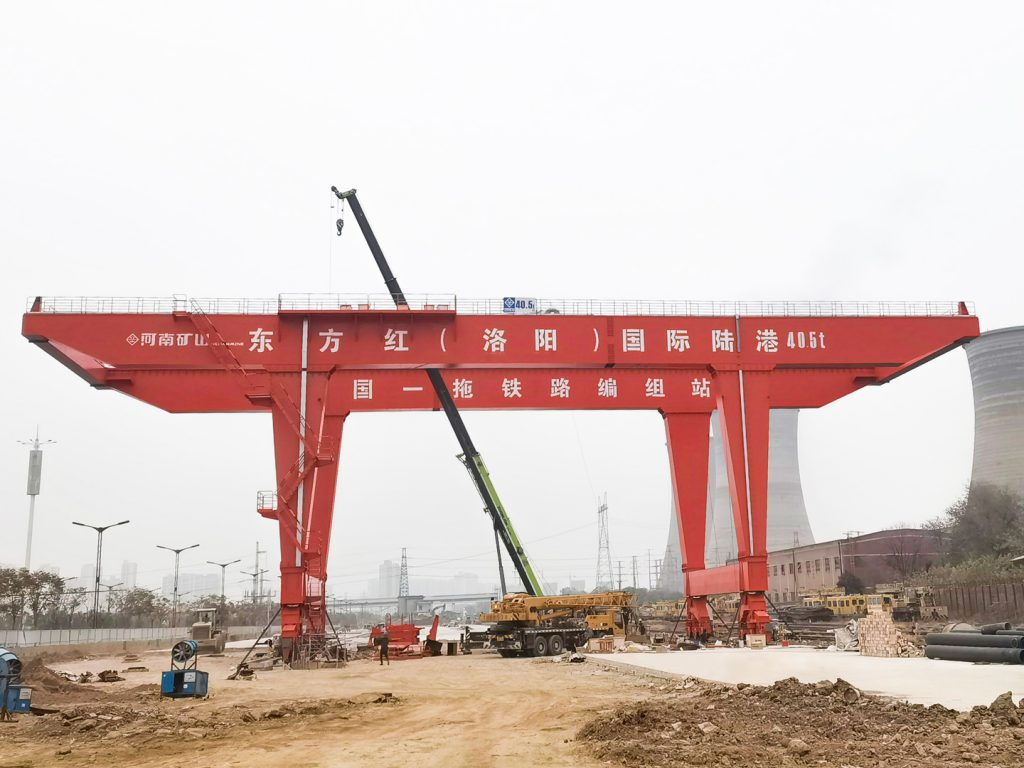
Ground-supported lifting for yards and construction.
Explore Gantry Cranes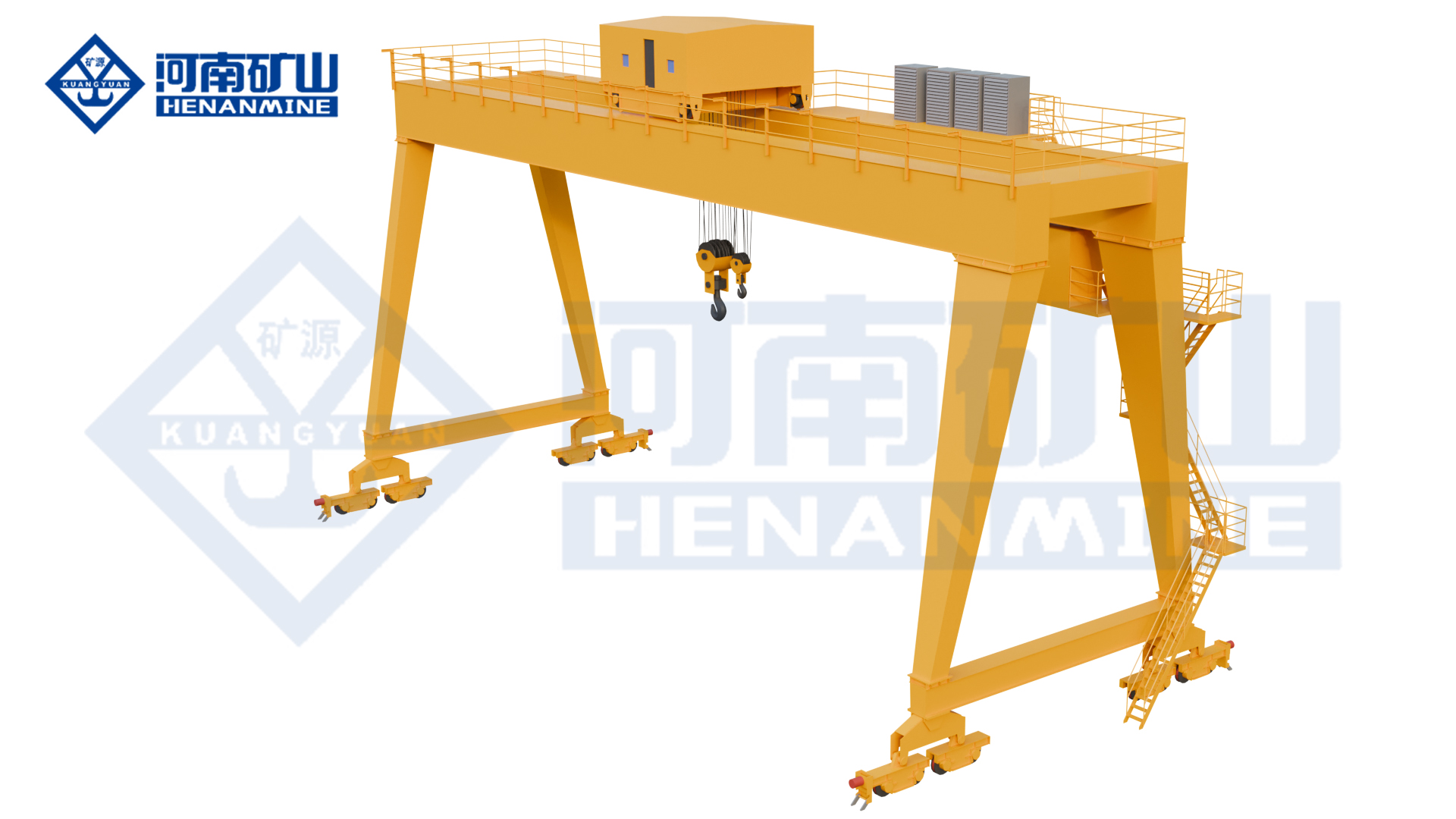
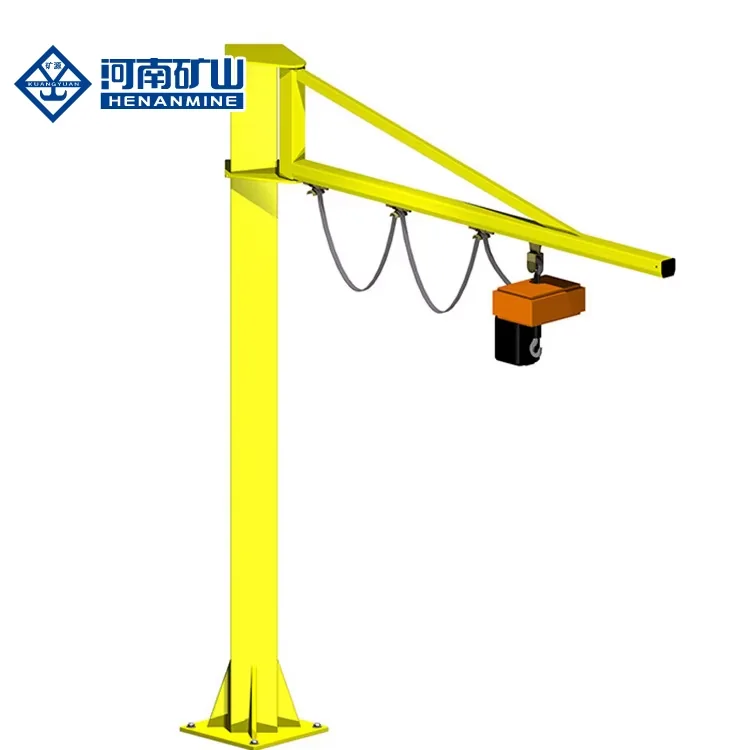
Wire rope and chain hoists for lifting points and cranes.
Explore Electric Hoists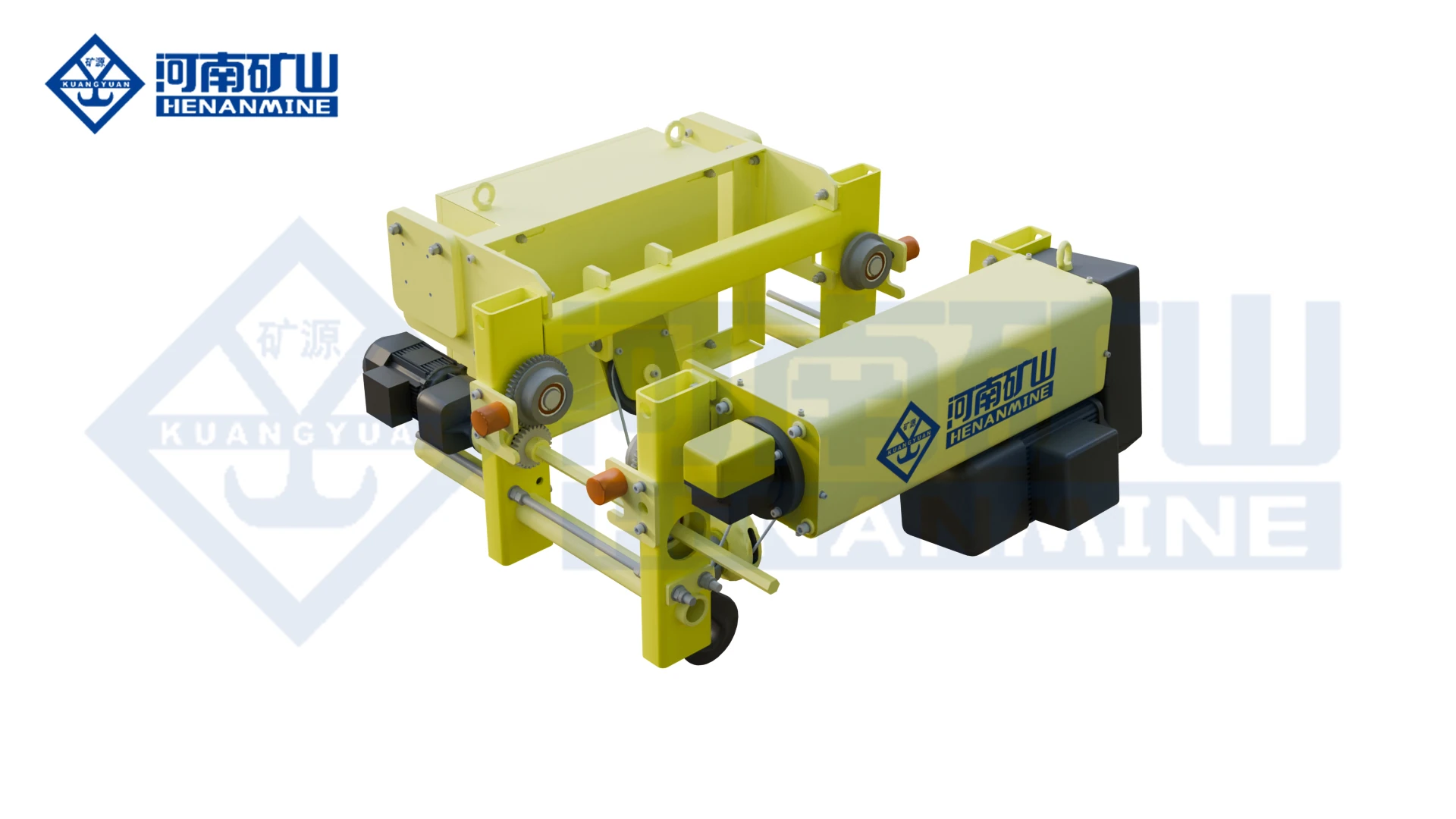
Wire rope lifting and pulling with a powered drum.
Explore Electric Winches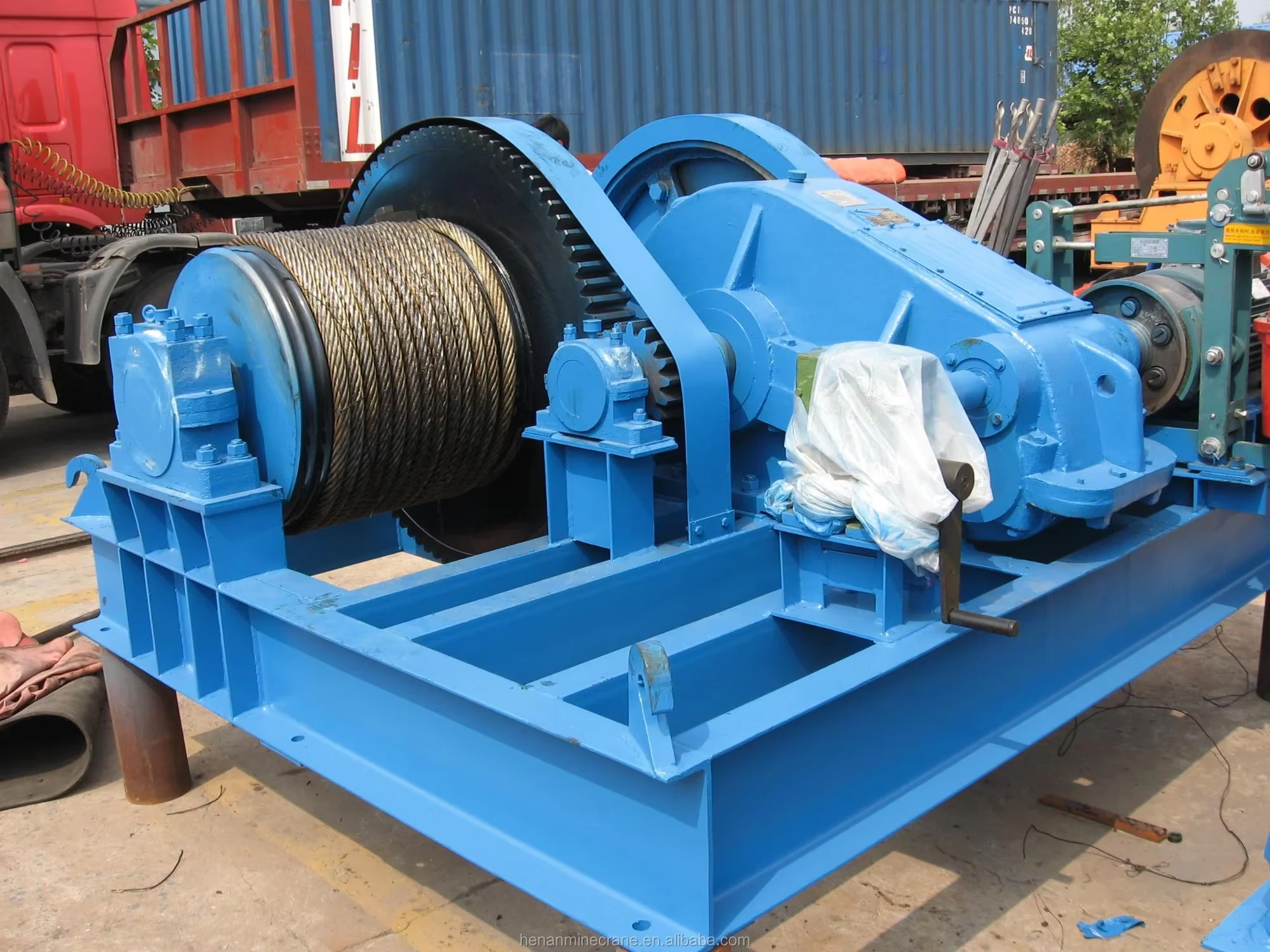
Grab buckets, magnets and hooks for your load.
Explore Lifting Attachments & Grabs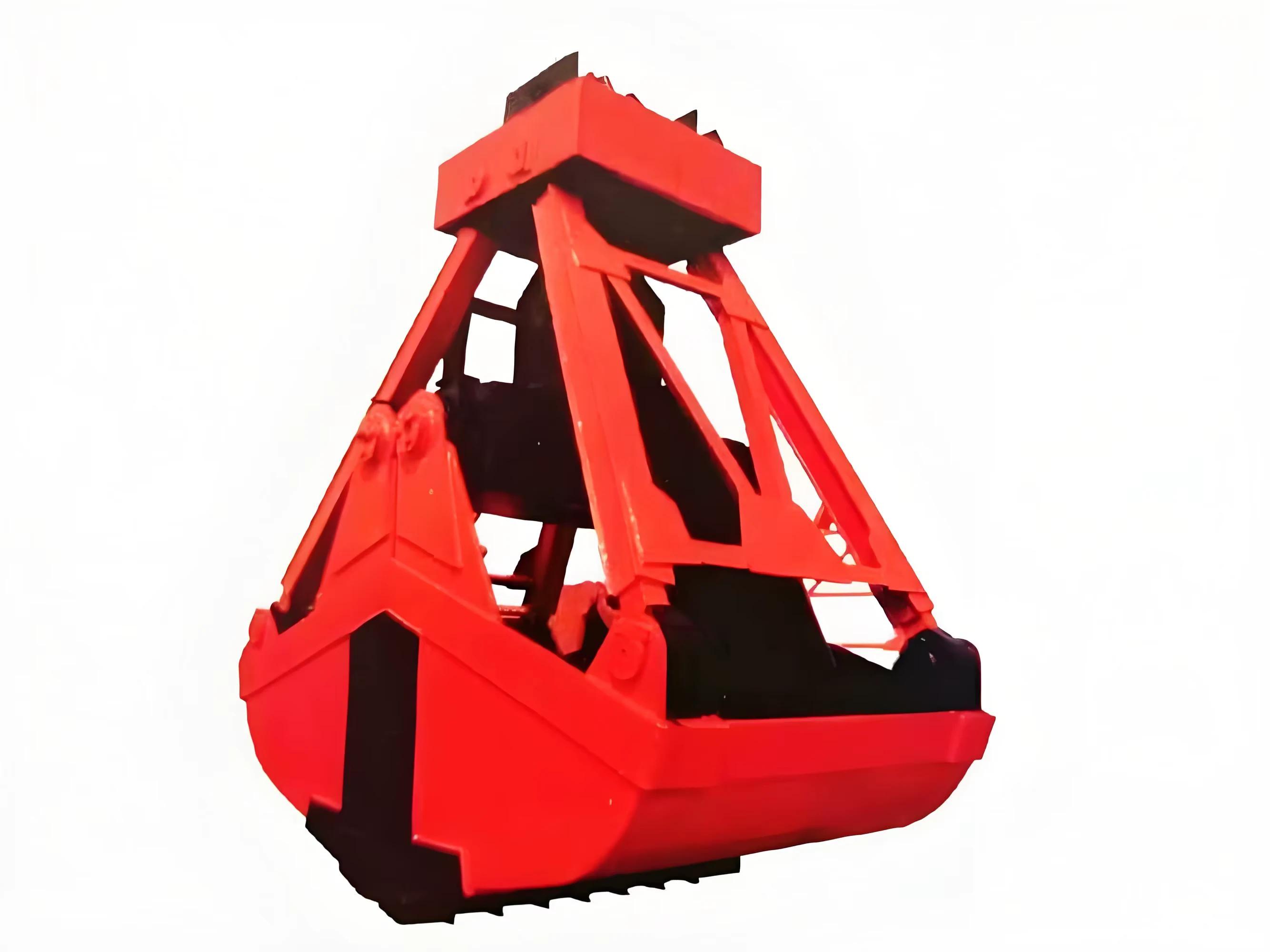
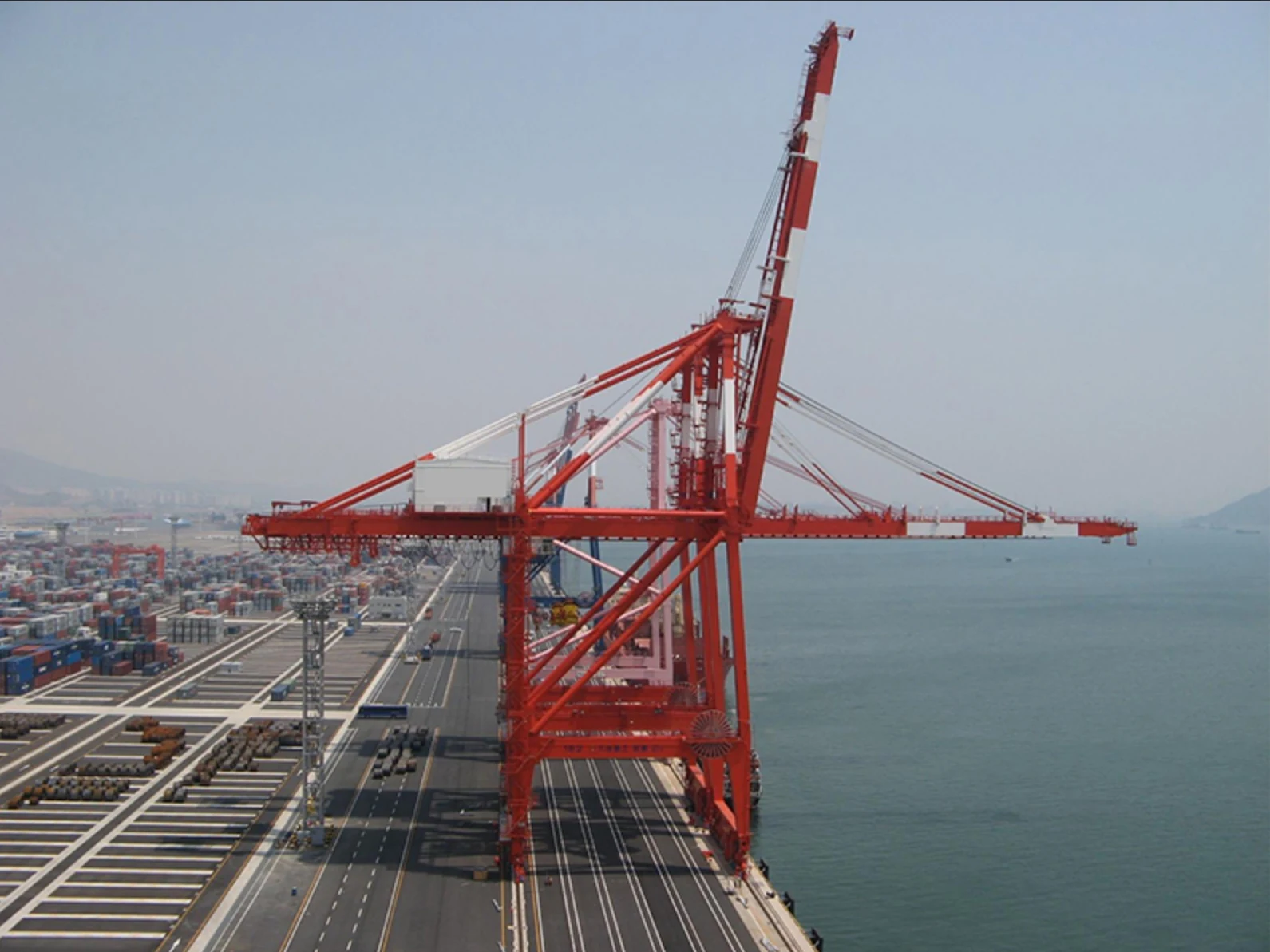
Mobile handling for containers, precast and yard loads.
Explore Rubber-Tired Gantry Cranes & Straddle Carriers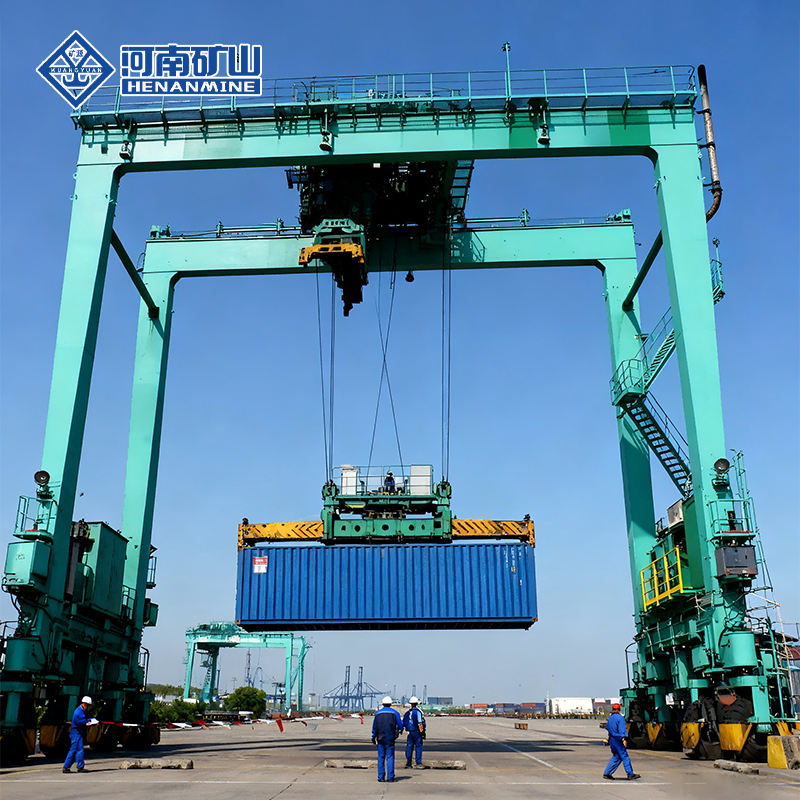
Lift and move vessels through boatyards and marinas.
Explore Marine Travel Lifts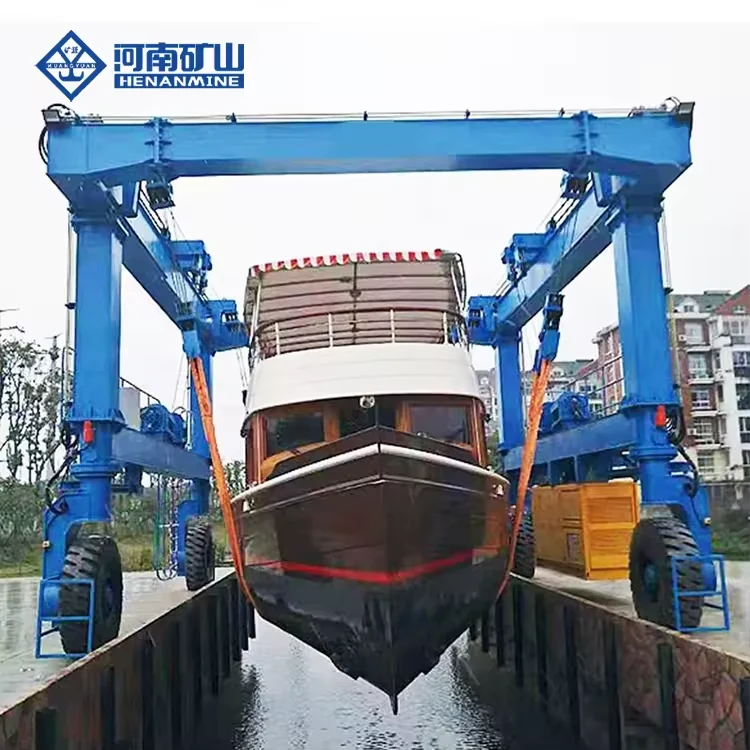
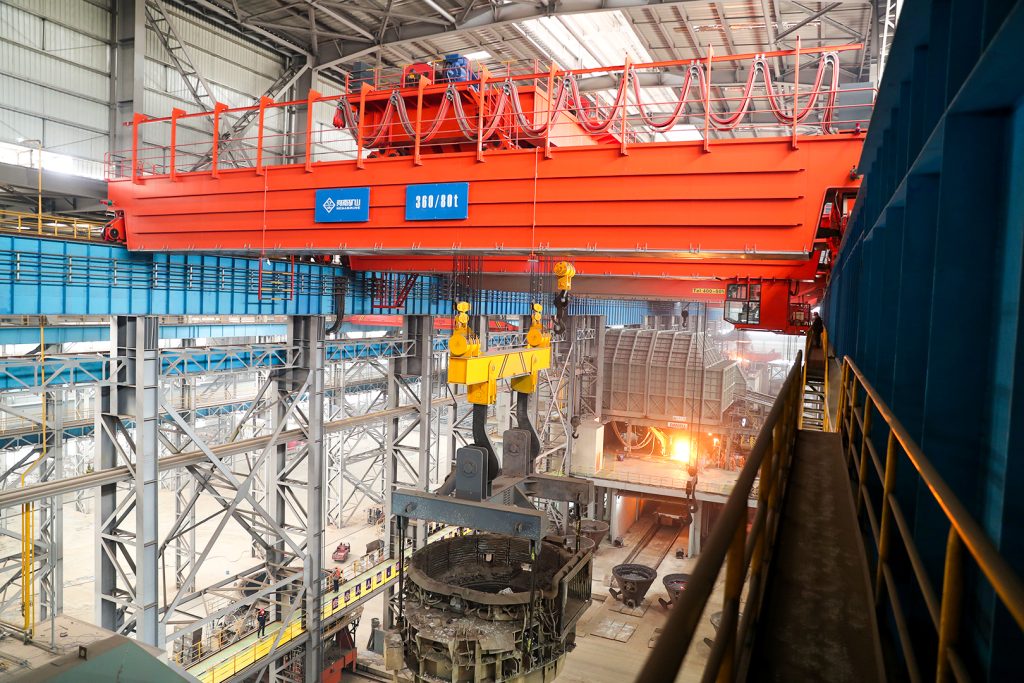
Ladle, slab, scrap and coil handling across steel production.
Container stacking and cargo transfers across terminals and rail.
Turbine installation, powerhouse maintenance and wind equipment assembly.
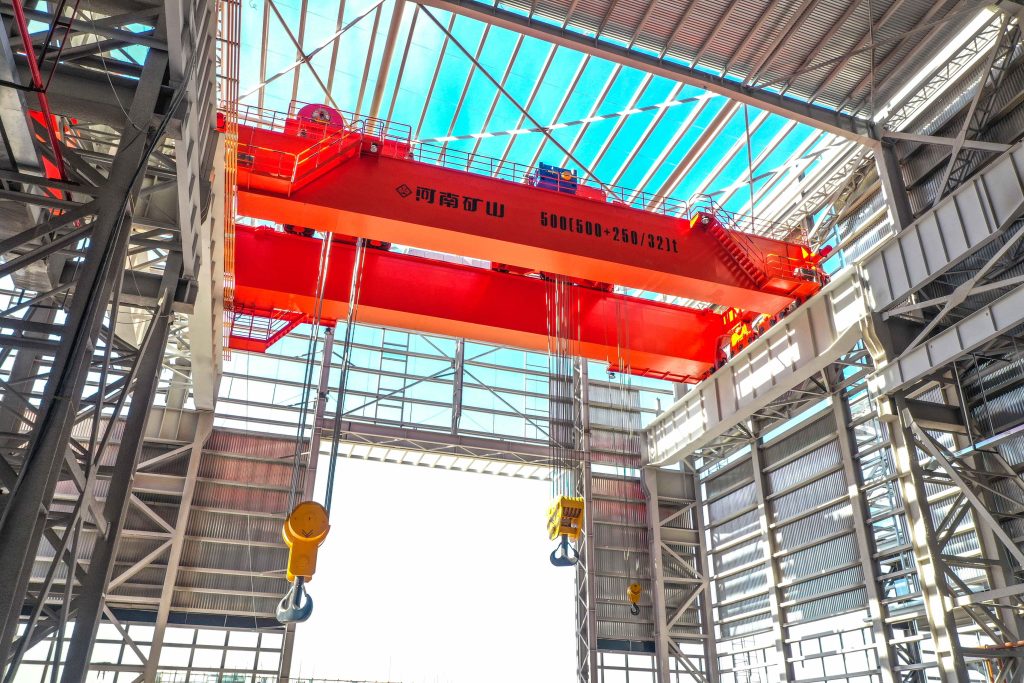
Controlled component transfer and positioning for precision assembly.
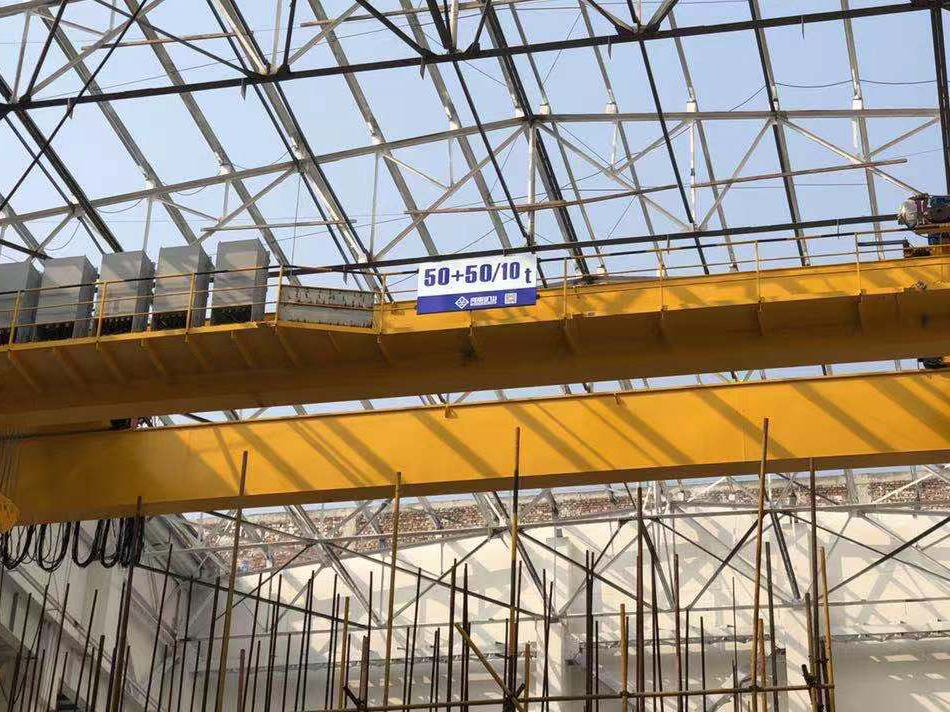
Heavy fabrication, production lifting and factory crane automation.
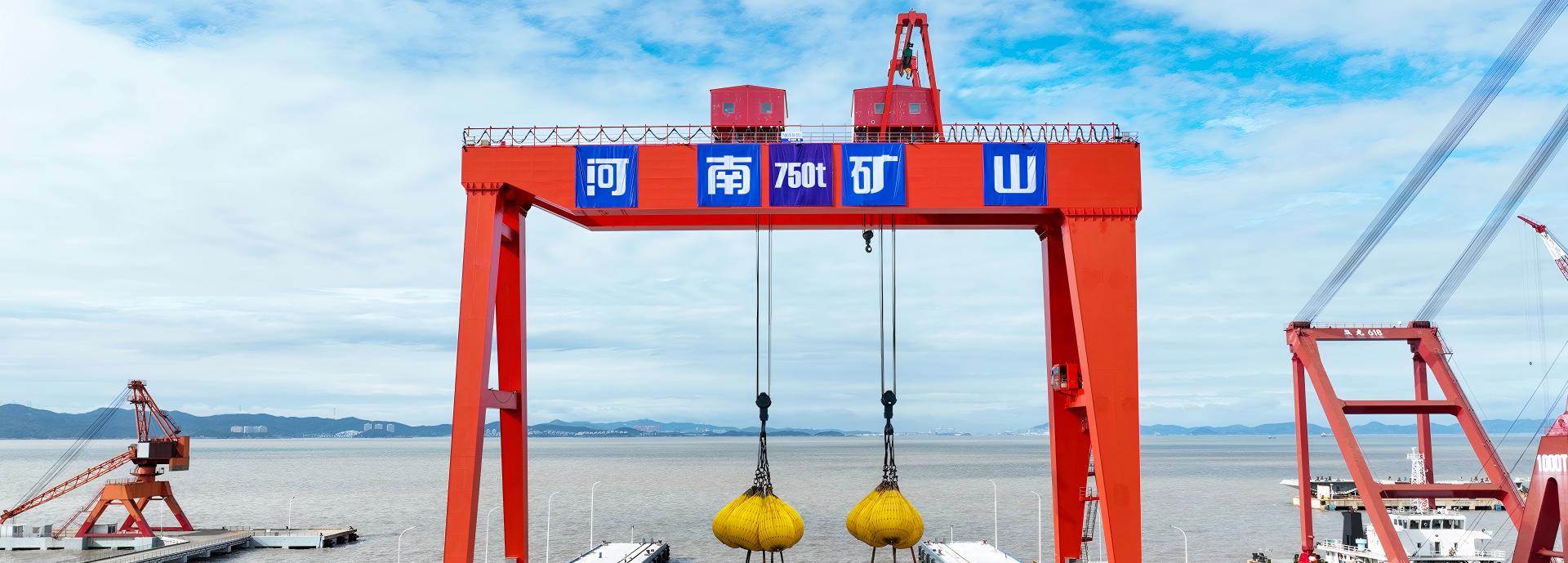
Process lifting for smelters, carbon blocks and anode materials.
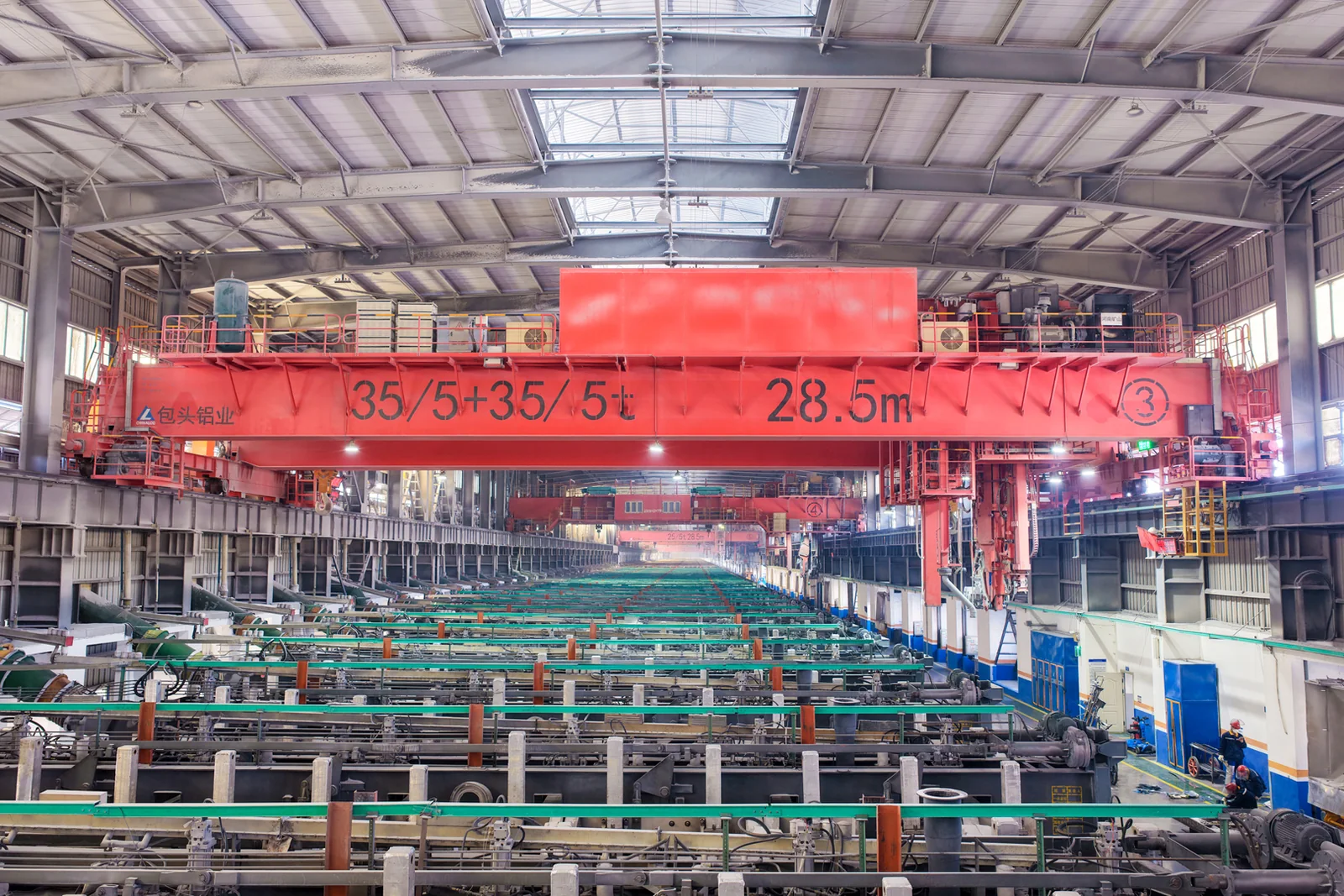
Clean lifting and classified protection for sensitive process areas.
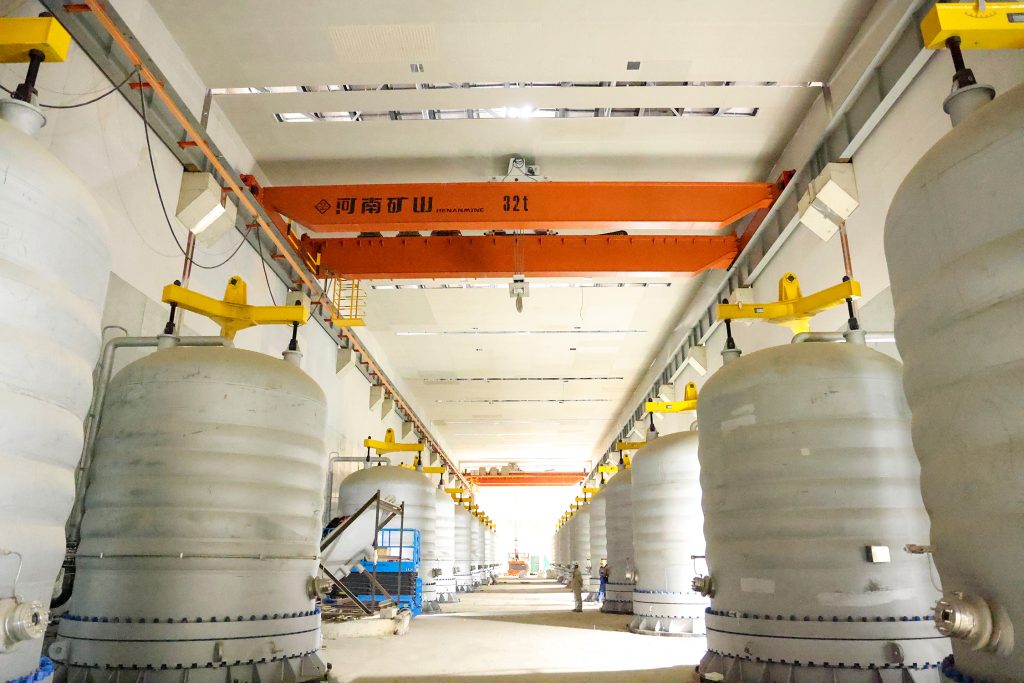
Bridge fabrication, metro construction and ship block assembly.
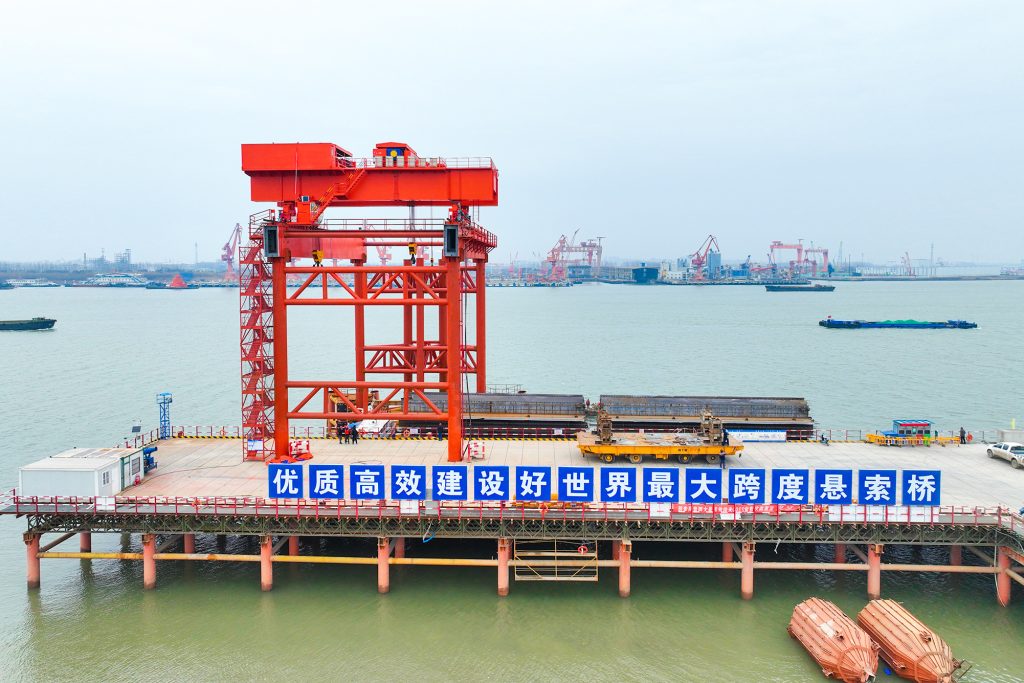
Automated storage and retrieval for plates, cables and bins.
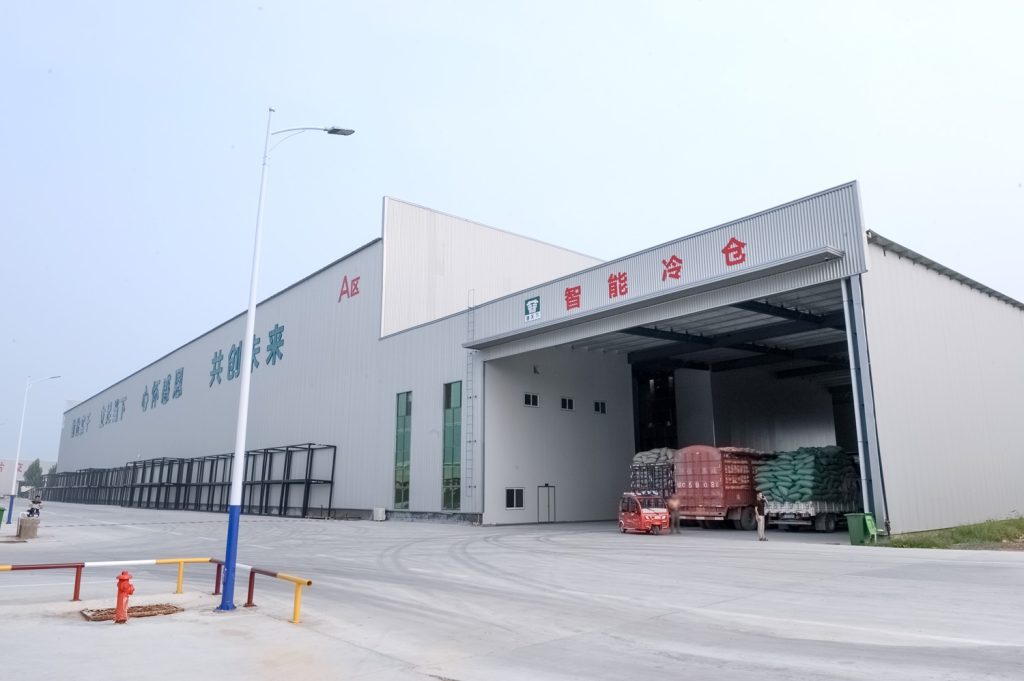
Follow project dispatches, crane engineering and factory acceptance.
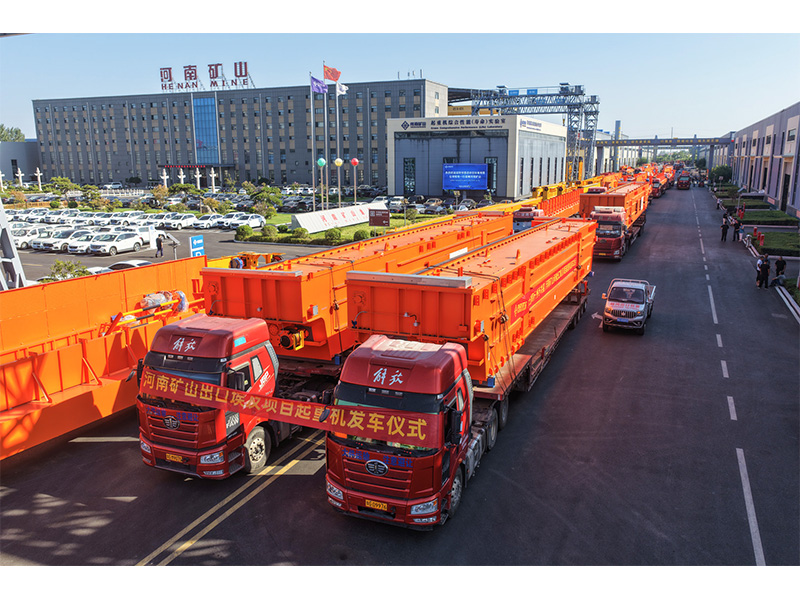
Dispatch, installation and equipment in service
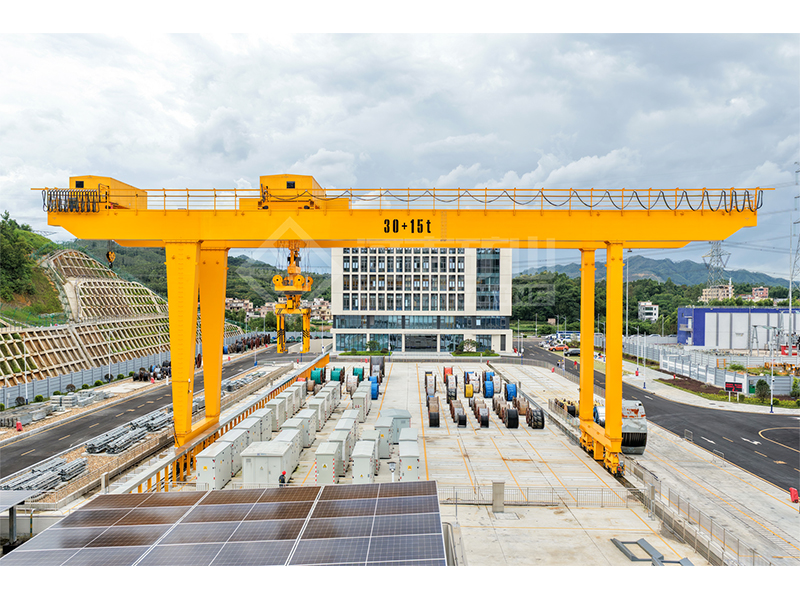
Crane configurations and handling technology
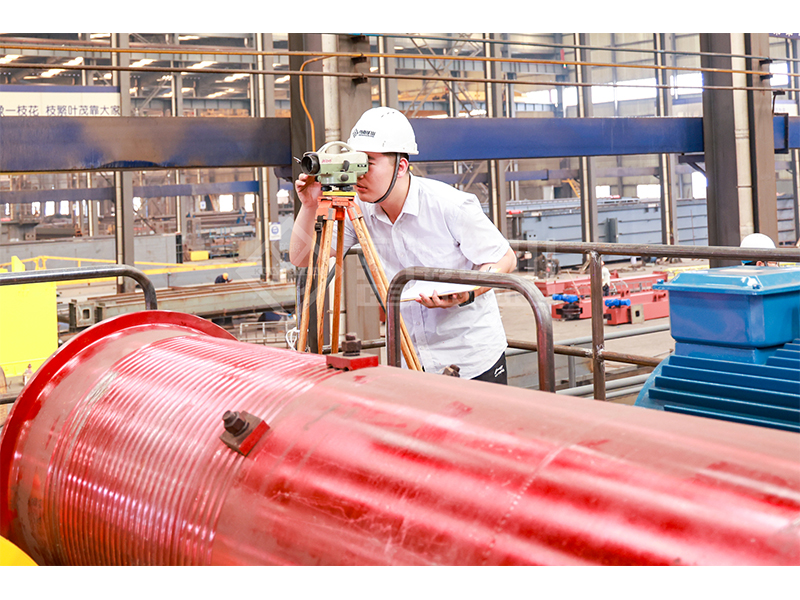
Factory inspections, acceptance and test programmes

Company developments, people and community programmes
Fabrication · Machining · Inspection
See how crane beams, end carriages and mechanical components move through welding, machining, heat treatment and inspection at Henan Mine Crane.
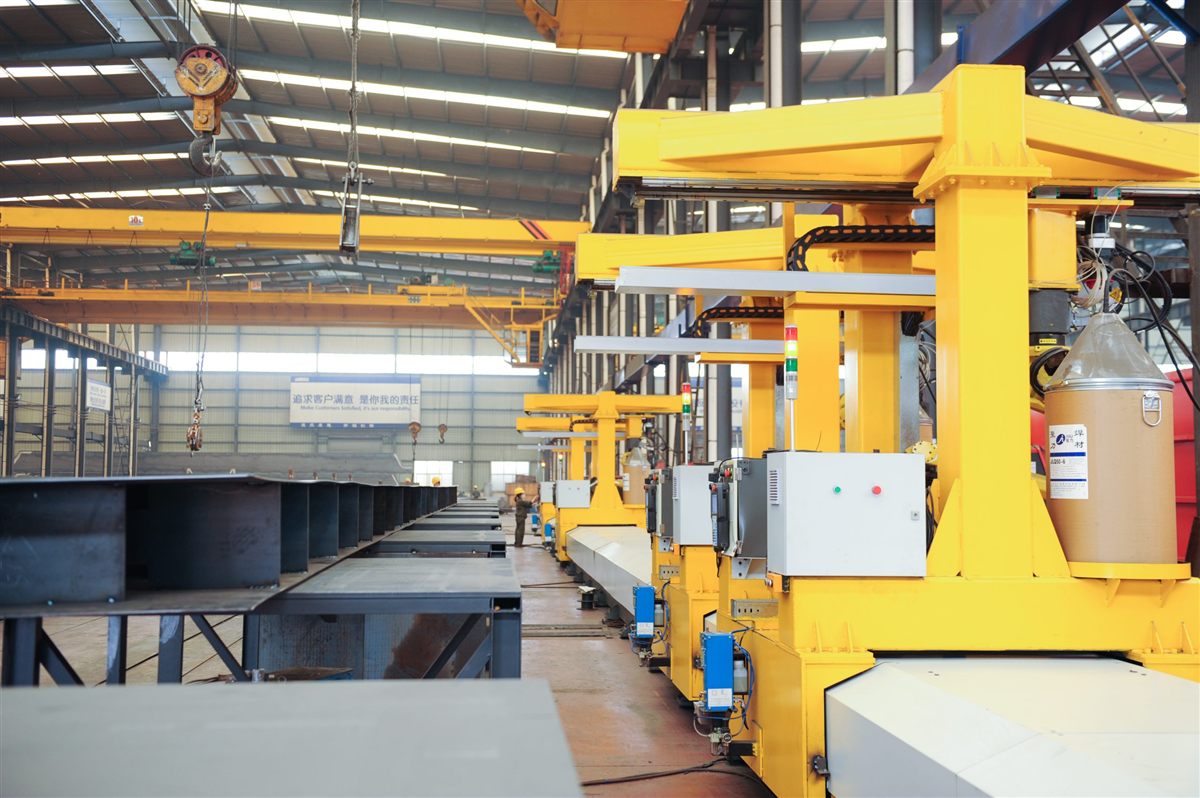
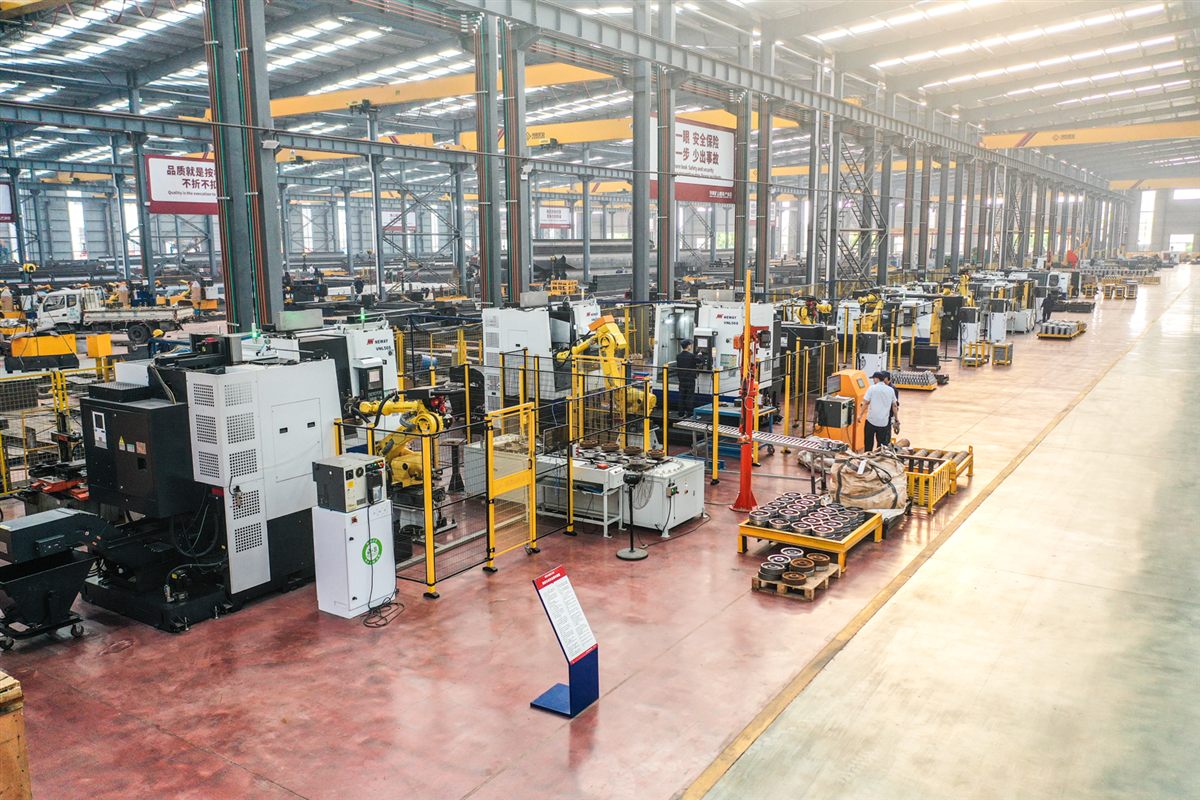
Crane manufacture brings together structural fabrication, precision machining, drive components and electrical assembly. Henan Mine Crane operates production facilities for these connected stages, with robotic equipment used alongside operator loading, setup and inspection.
For buyers, the useful question is how the equipment supports the crane being ordered. A standard workshop bridge crane, a wide-span gantry crane and a process crane can require different fabrication routes, inspection points and component arrangements. The agreed technical specification should connect those requirements to the supplied equipment.
Dedicated workstations address inner seams in double-girder main beams. Operators load and initially position the workpiece; a hydraulic turning system changes its orientation, and the robot locates and welds the seam. This arrangement gives the welding equipment access to internal joints that are difficult to reach during conventional fabrication.
Single-girder production uses flexible beam lines and inner-seam robotic welding stations. End-carriage welding robots, stiffener assembly stations and turning platforms are also part of the manufacturing equipment range. The combination supports repeatable fabrication steps while retaining operator involvement where setup and product variation require it.
When reviewing a crane order, confirm the required welding and inspection standards, structural details and documentation. The presence of a robotic welding line does not replace the project-specific inspection and acceptance requirements.
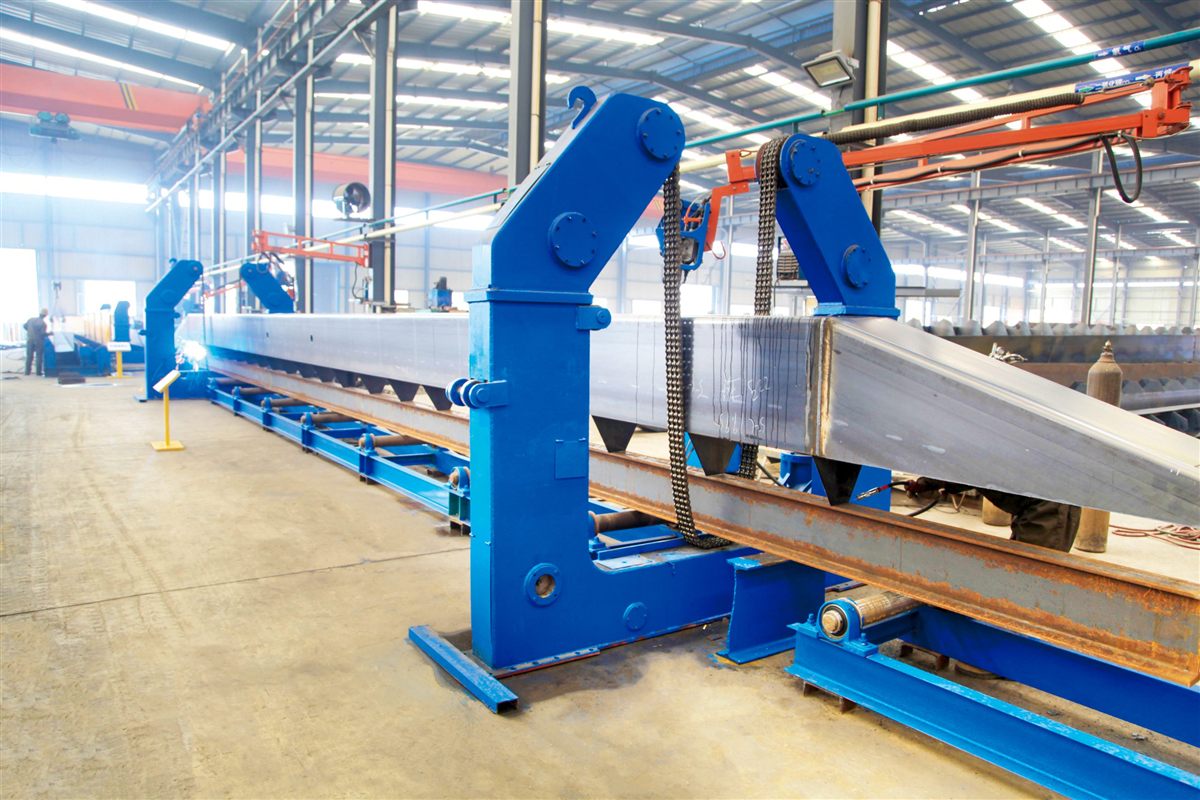
CNC floor boring and milling machines and gantry machining centers support the manufacture of crane structures and mechanical components. Dedicated facilities also cover wheel forging and rolling, gear production and wheel-and-axle machining.
Heat-treatment equipment includes automated quenching and tempering, annealing furnaces and carburizing furnaces. Different components need different material properties; the material, treatment and inspection requirements should therefore be selected for the part and duty, rather than applied as a generic specification to the complete crane.
Laser cutting, U-groove forming, robotic welding and controlled workpiece positioning.
Wheel forging and rolling, gear machining and dedicated wheel-and-axle production equipment.
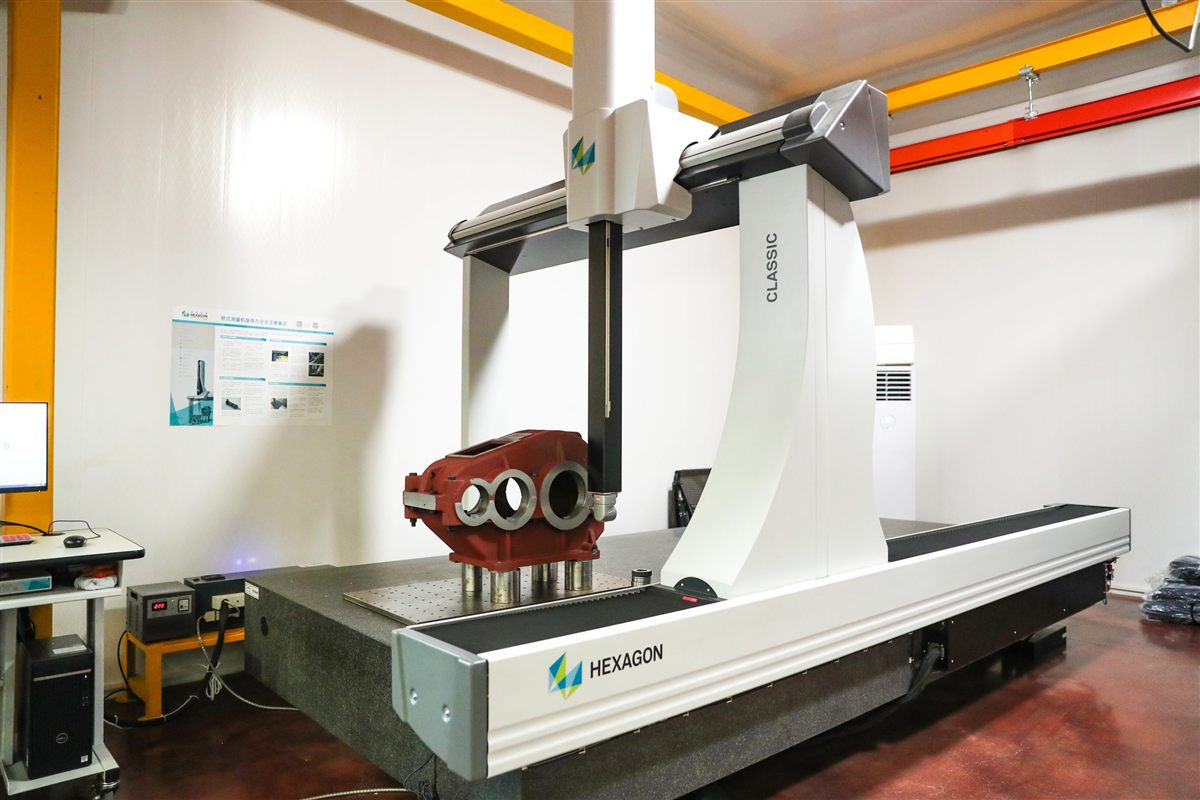
Coordinate-measuring equipment and machining inspection support checks against the approved part requirements.
Robotic coating and automatic spray equipment form part of the production facilities. The appropriate surface preparation, coating system and inspection criteria depend on whether the crane will work indoors, outdoors or in a more demanding environment.
Coordinate-measuring equipment supports dimensional checks on suitable components. Other inspections should be defined by the crane design, applicable standards and contract. Buyers can use the manufacturing review to identify which measurements, material records or test reports are needed for their own acceptance process.
Start with the load, span, lifting height, working frequency and installation conditions. Then review the proposed fabrication, component and inspection scope against the actual application. Photographs of factory equipment are useful context; the order documents define what will be supplied.
For a factory visit or technical review, focus on the production stages that matter to your crane. Identify the structural parts, drive assemblies, coating requirements and inspection records you need to review. Confirm any witness inspection or third-party participation before production planning is finalized.
| Review item | Questions for your order |
|---|---|
| Fabrication | Which structural and welding requirements apply to the selected crane? |
| Machining | Which dimensions and interfaces require recorded inspection? |
| Protection | Which surface preparation and coating system suit the operating environment? |
| Acceptance | Which tests, records and inspection hold points belong in the contract? |
No. Robotic and automated equipment works alongside operators who load, position, set up and inspect products. The production route depends on the crane and component.
Delivery depends on the agreed design, component selection, order schedule and inspection scope. Confirm the delivery arrangement in the quotation and contract.
Send the crane capacity, span, lifting height, application, working frequency and project location. Include runway or building drawings and any required standards or inspection specifications.
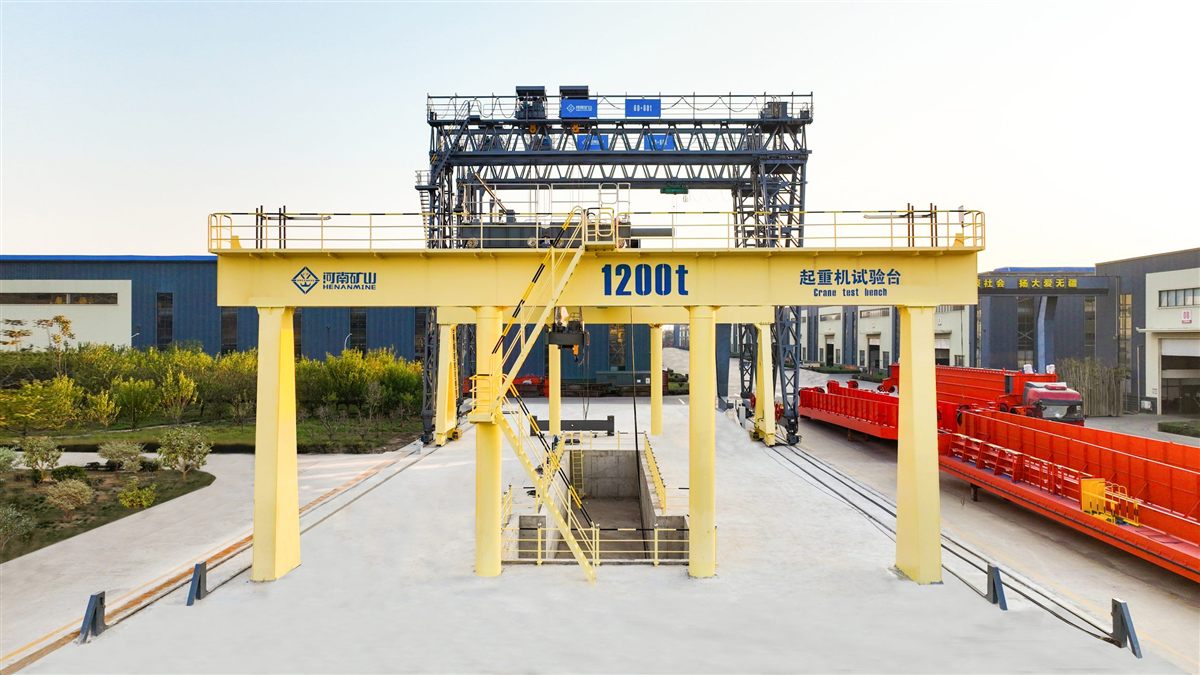
Specialist engineers, research partnerships and crane testing facilities.
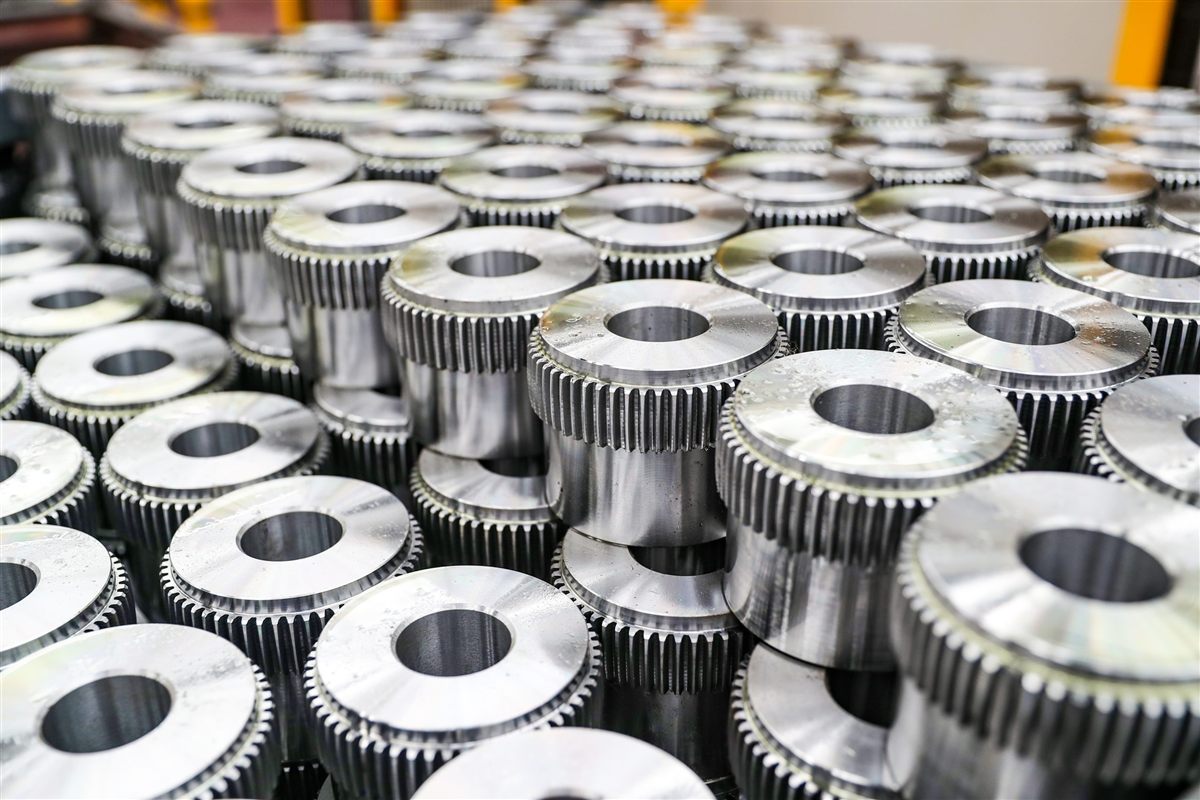
Reducers, motors, cables and lifting components coordinated with the crane system.
Discuss your requirements
Send the load, span, lifting height and operating conditions. Include drawings or an inspection specification if available.