
Travel components
Wheels, gears and mechanical interfaces selected for the crane travel arrangement.
Bridge cranes for workshops and production lines.
Explore Overhead Cranes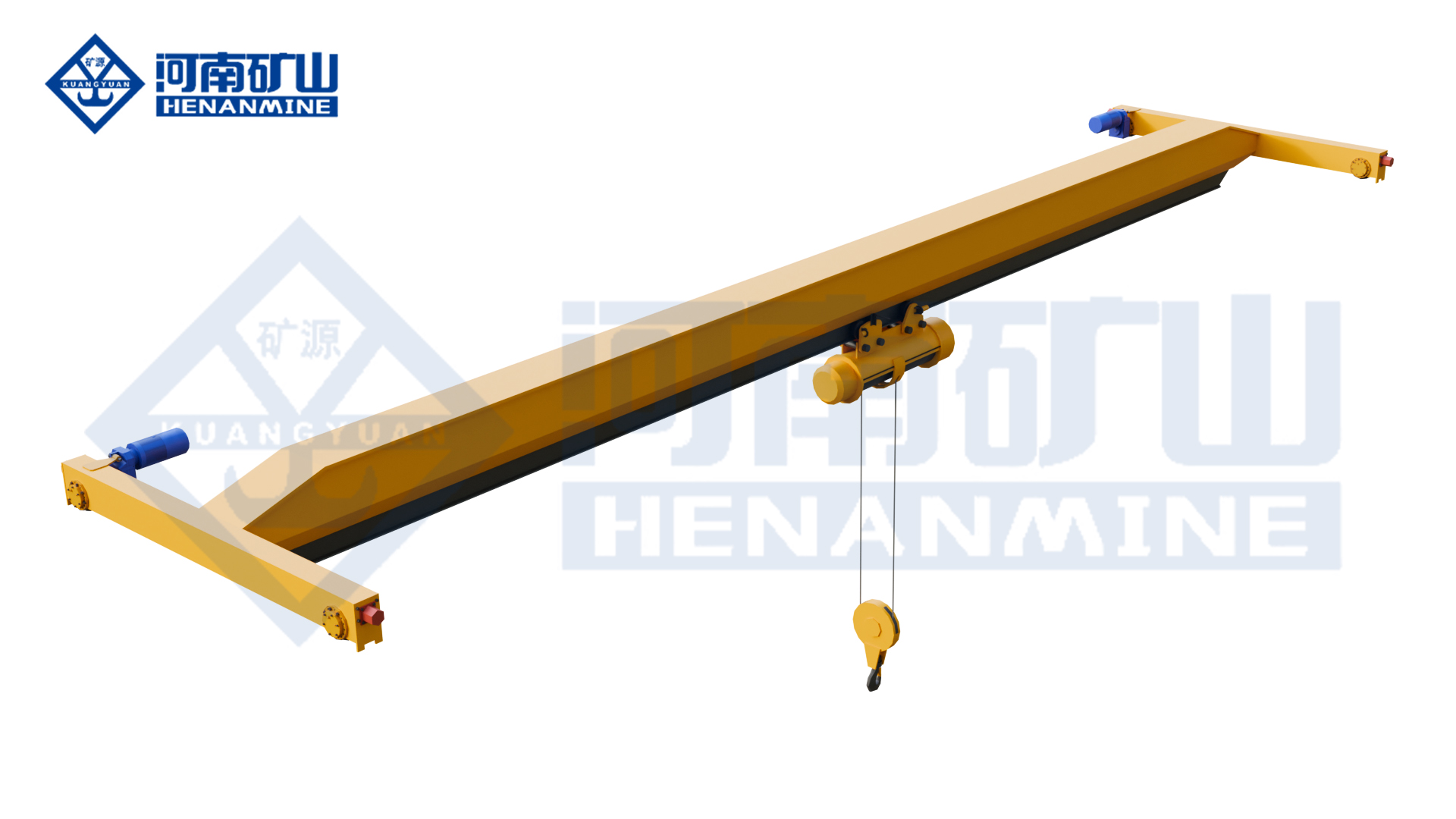
Ground-supported lifting for yards and construction.
Explore Gantry Cranes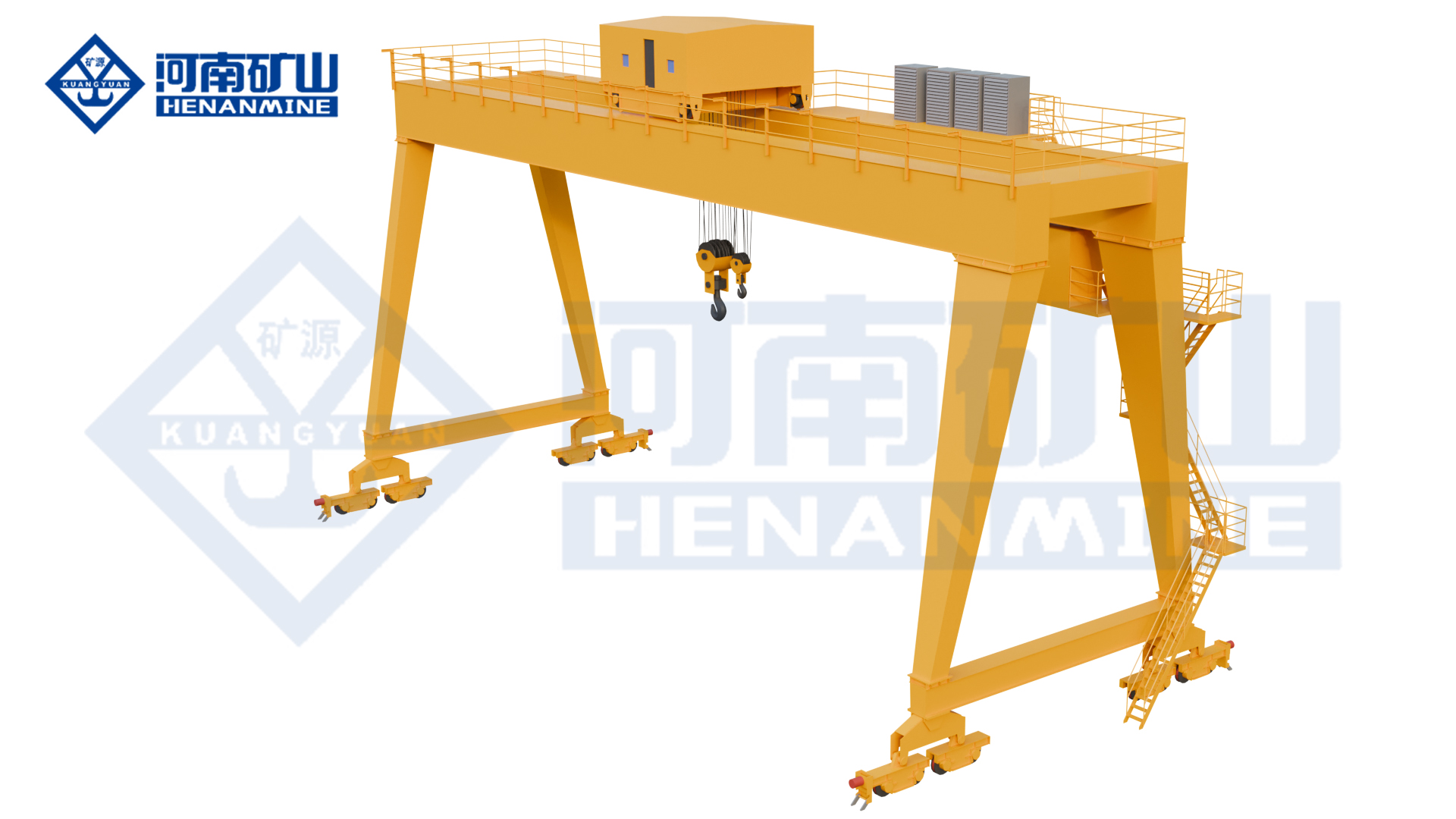
Wire rope and chain hoists for lifting points and cranes.
Explore Electric Hoists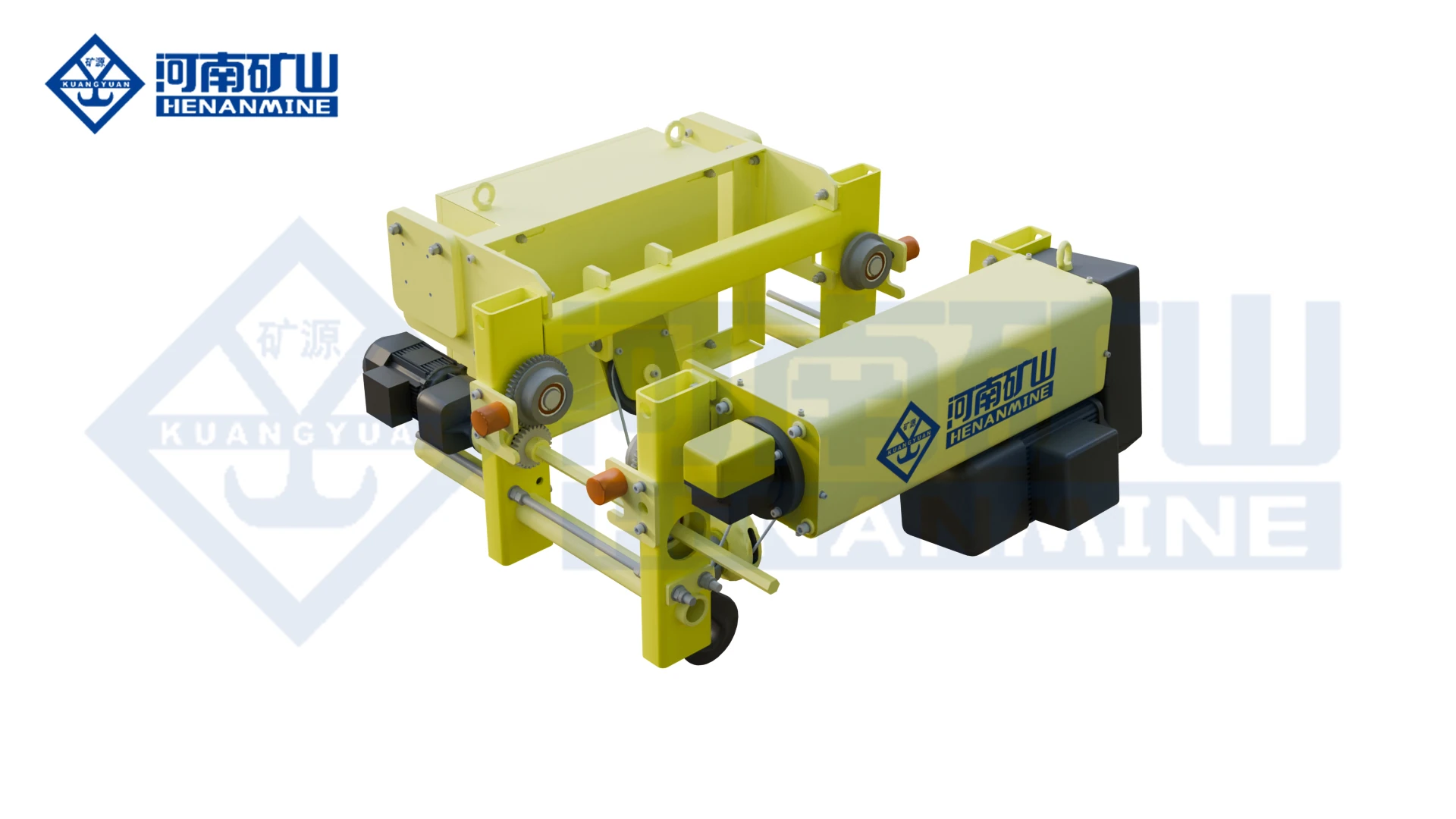
Wire rope lifting and pulling with a powered drum.
Explore Electric Winches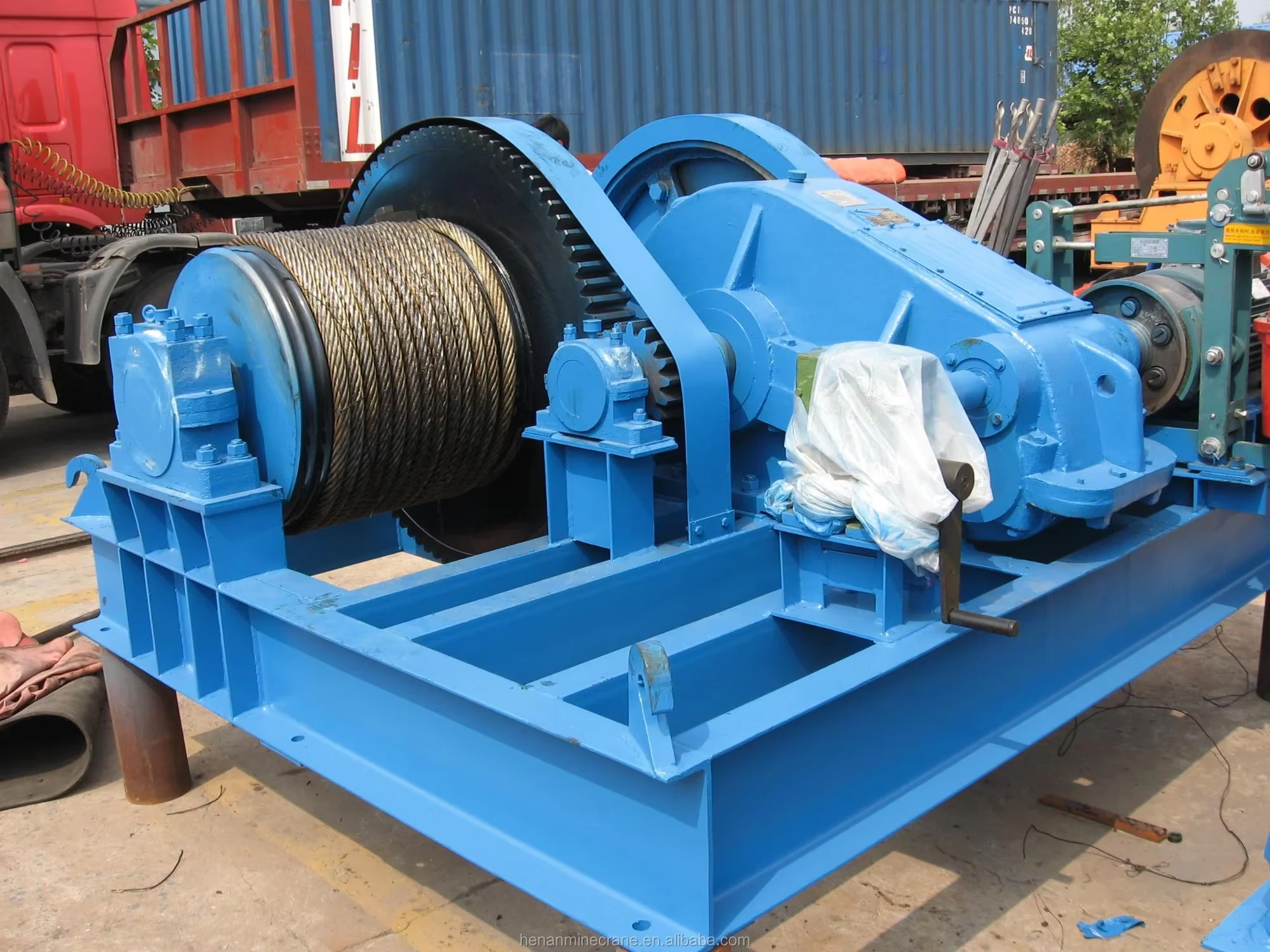
Grab buckets, magnets and hooks for your load.
Explore Lifting Attachments & Grabs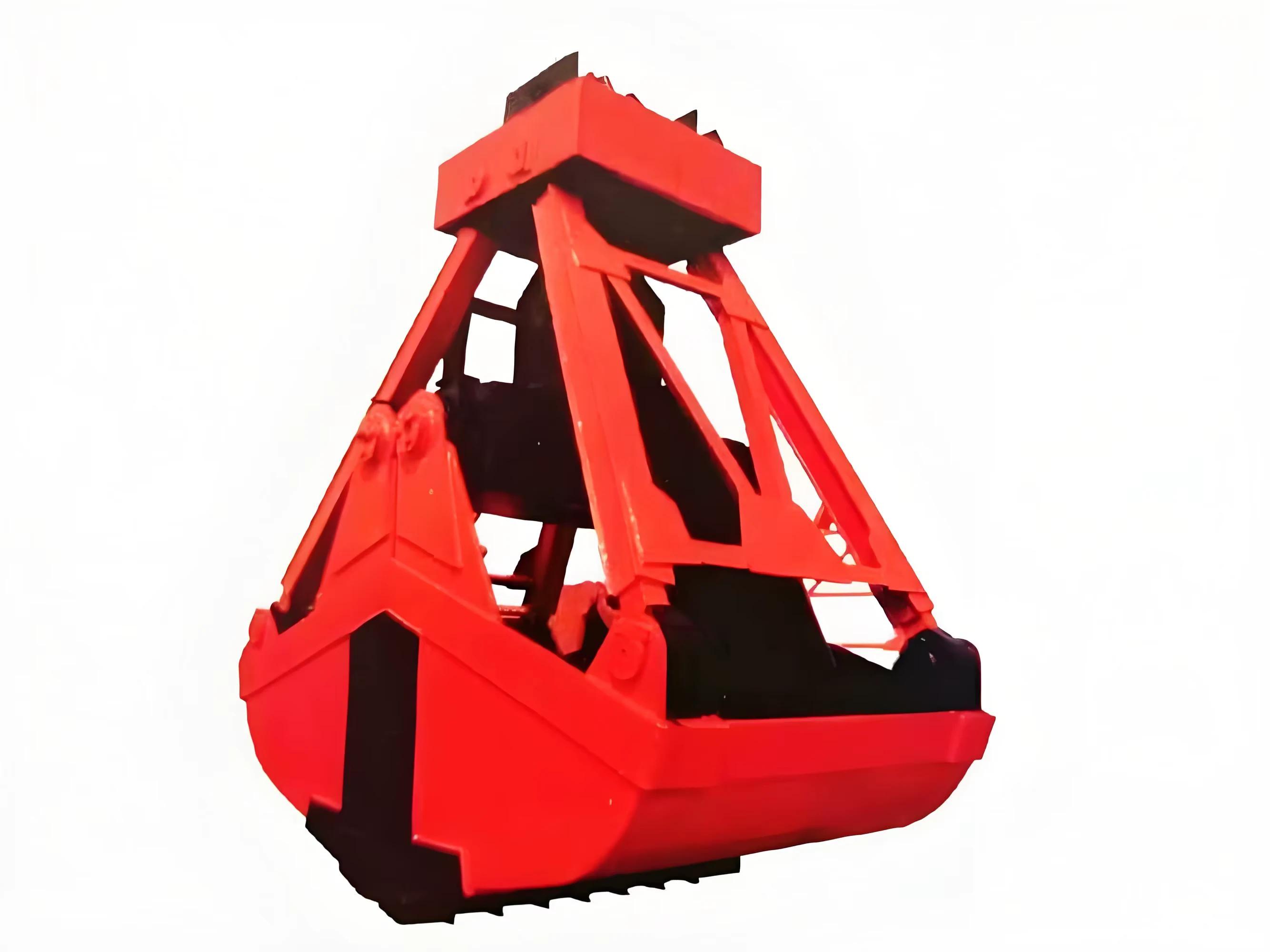
Mobile handling for containers, precast and yard loads.
Explore Rubber-Tired Gantry Cranes & Straddle Carriers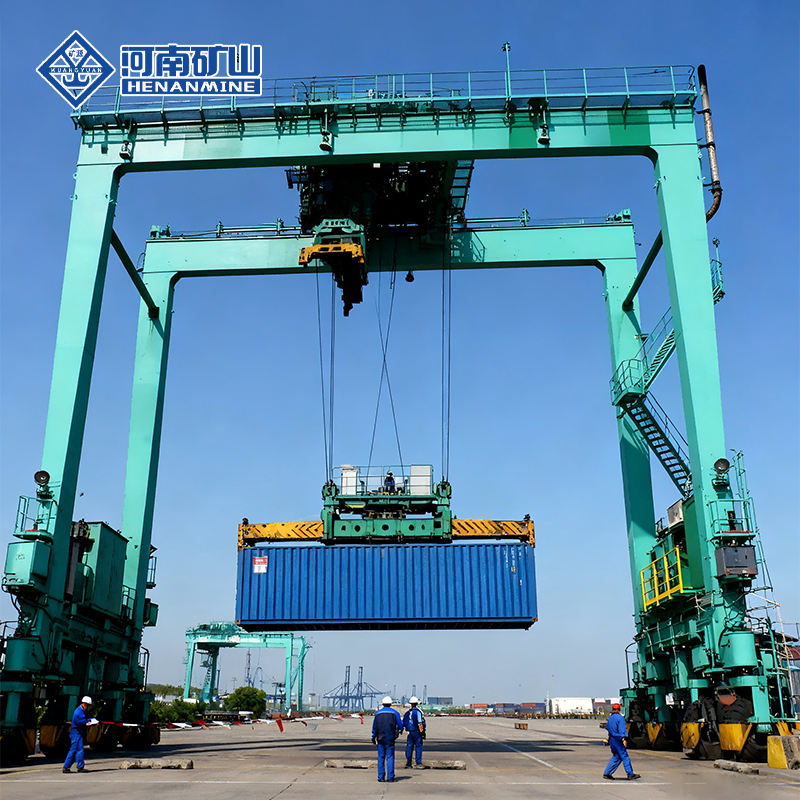
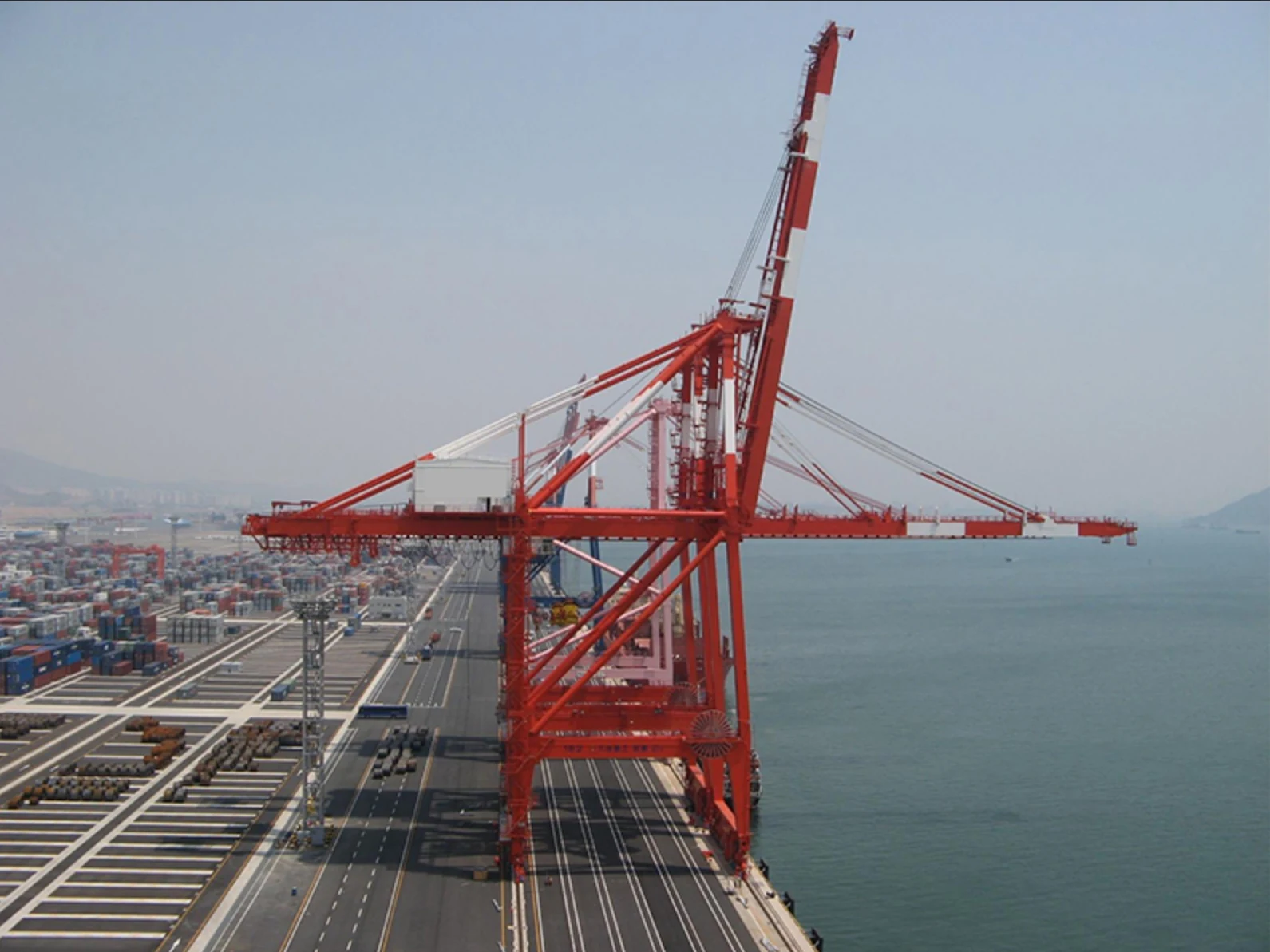
Lift and move vessels through boatyards and marinas.
Explore Marine Travel Lifts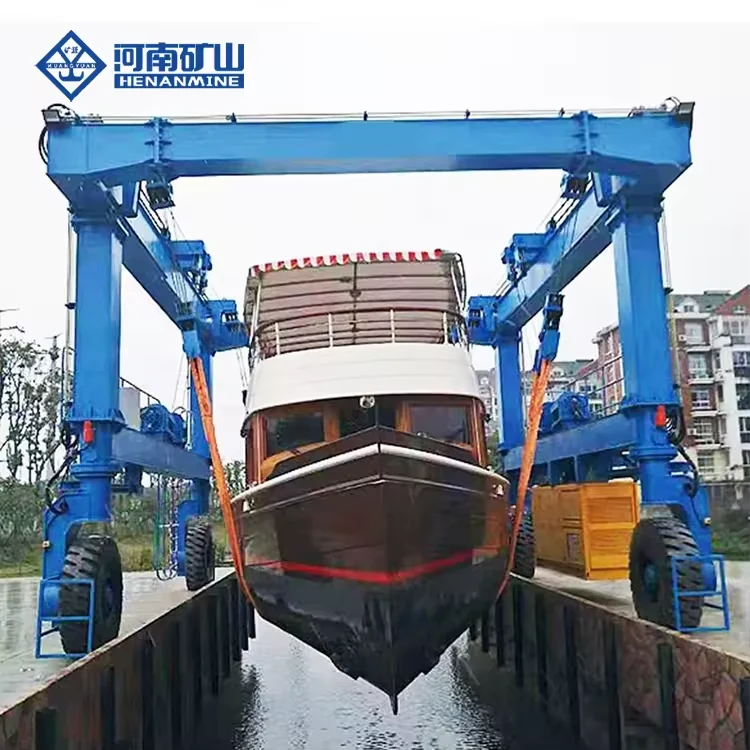
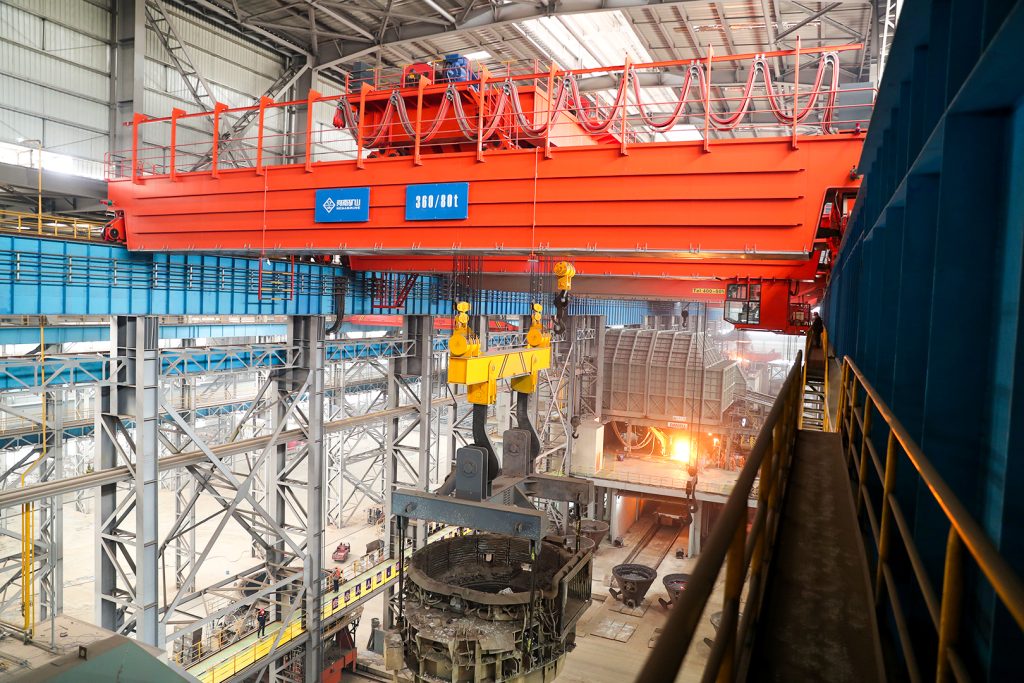
Ladle, slab, scrap and coil handling across steel production.
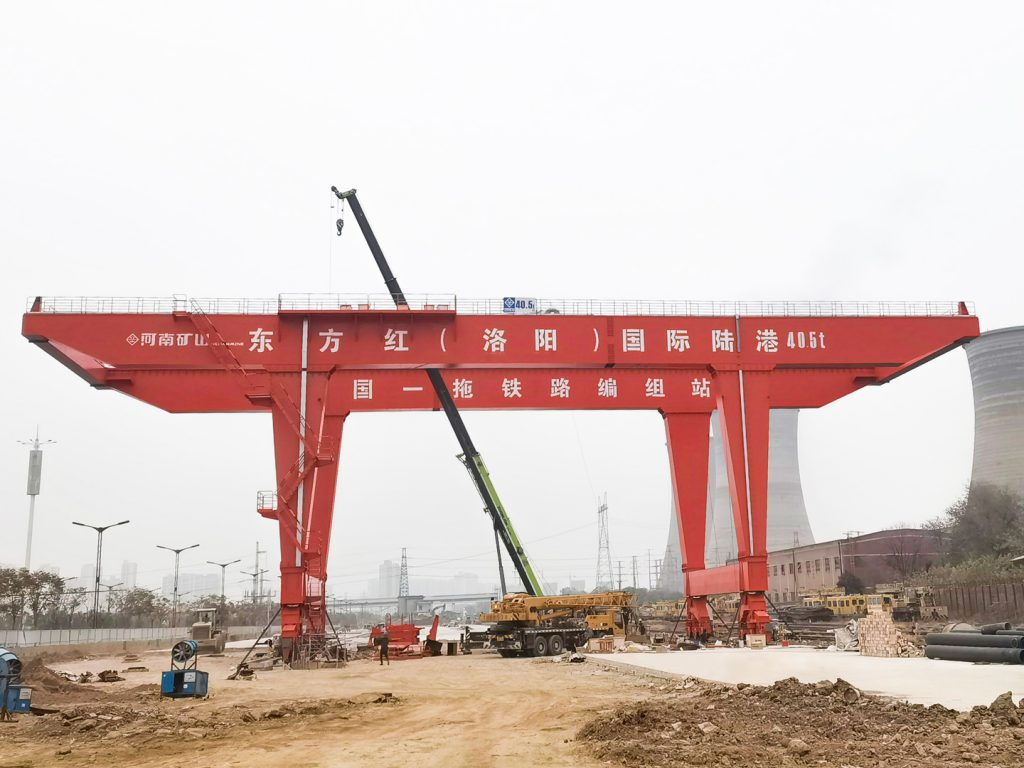
Container stacking and cargo transfers across terminals and rail.
Turbine installation, powerhouse maintenance and wind equipment assembly.
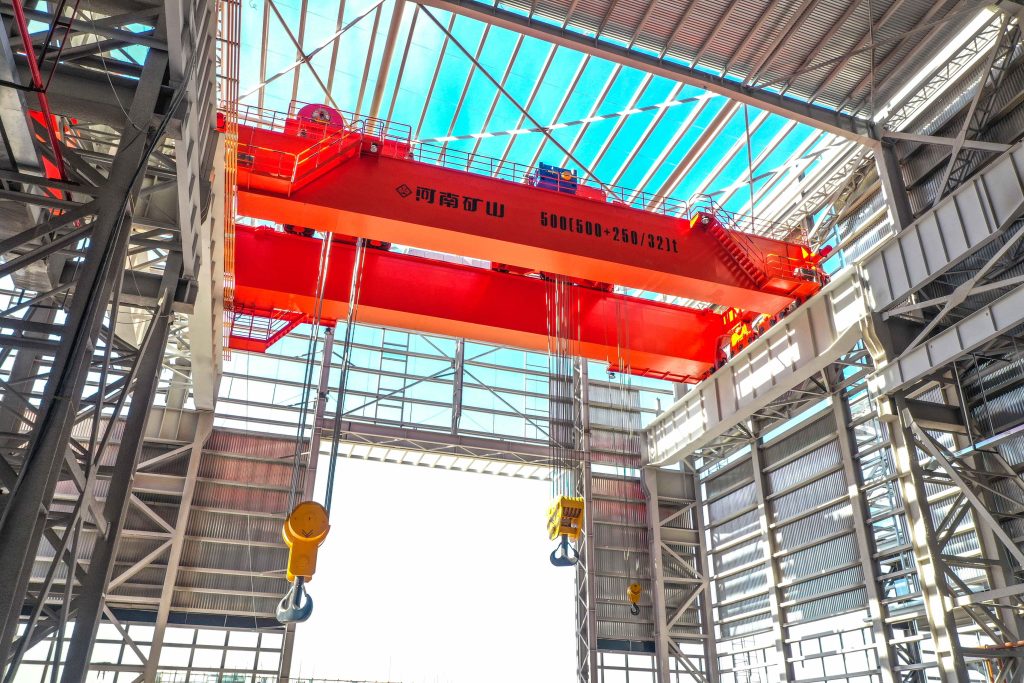
Controlled component transfer and positioning for precision assembly.
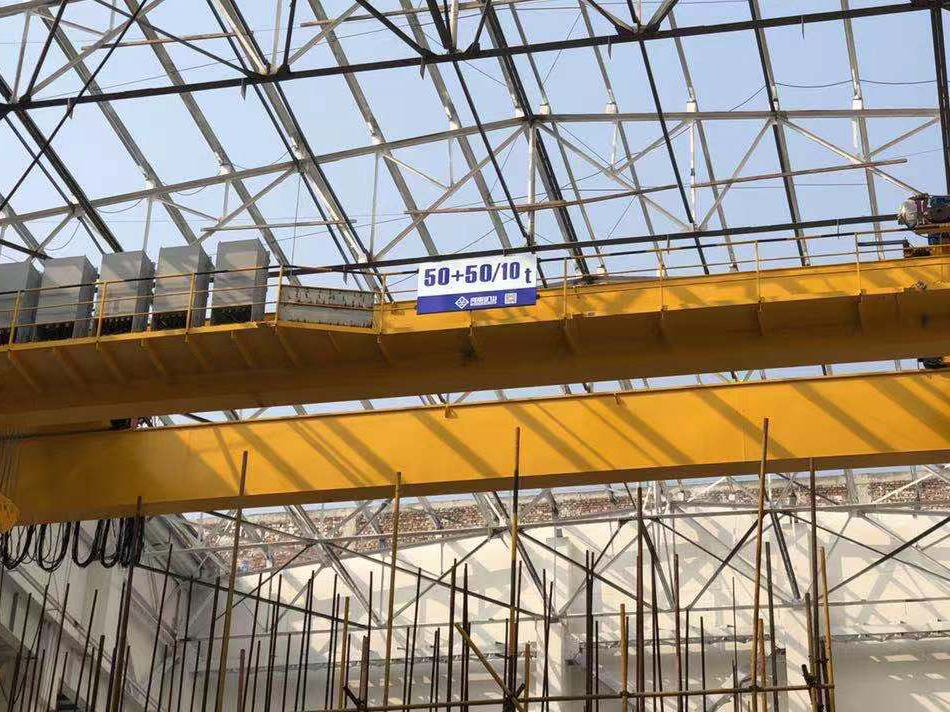
Heavy fabrication, production lifting and factory crane automation.
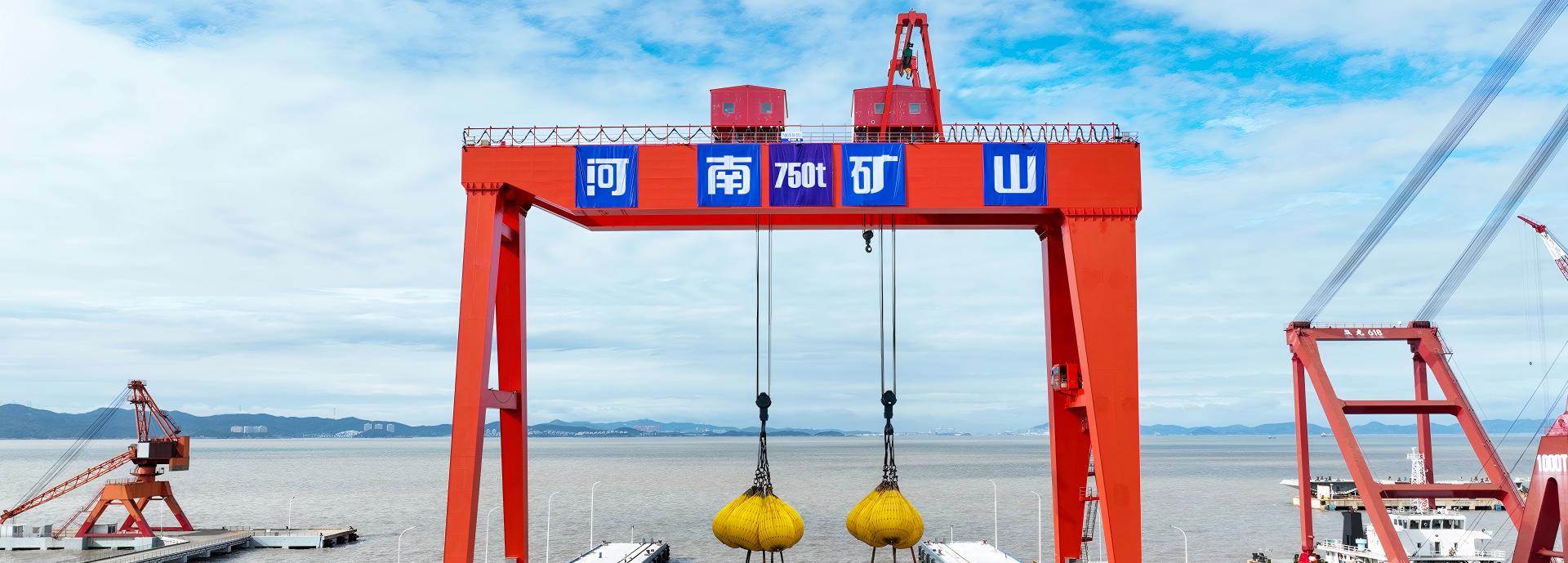
Process lifting for smelters, carbon blocks and anode materials.
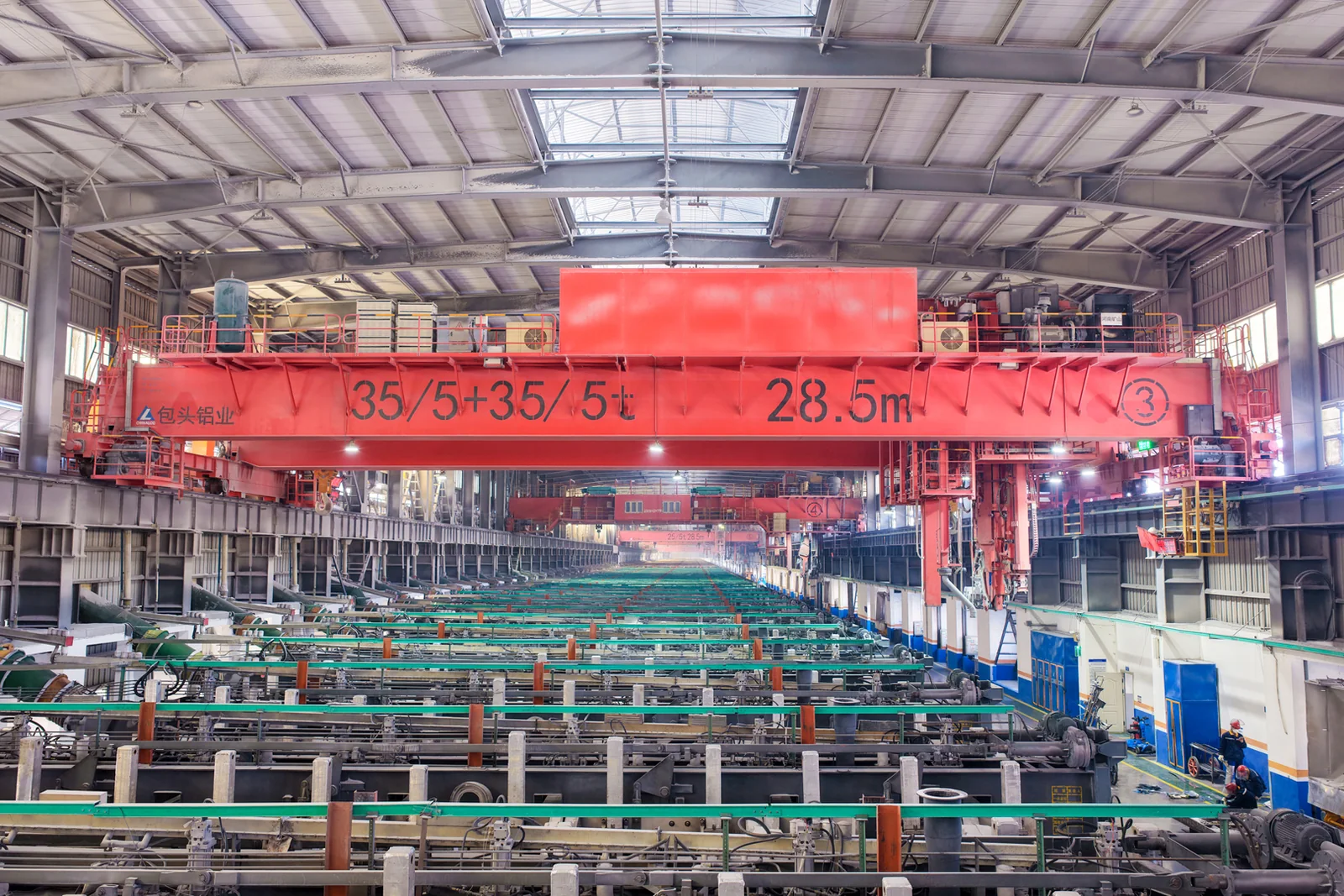
Clean lifting and classified protection for sensitive process areas.
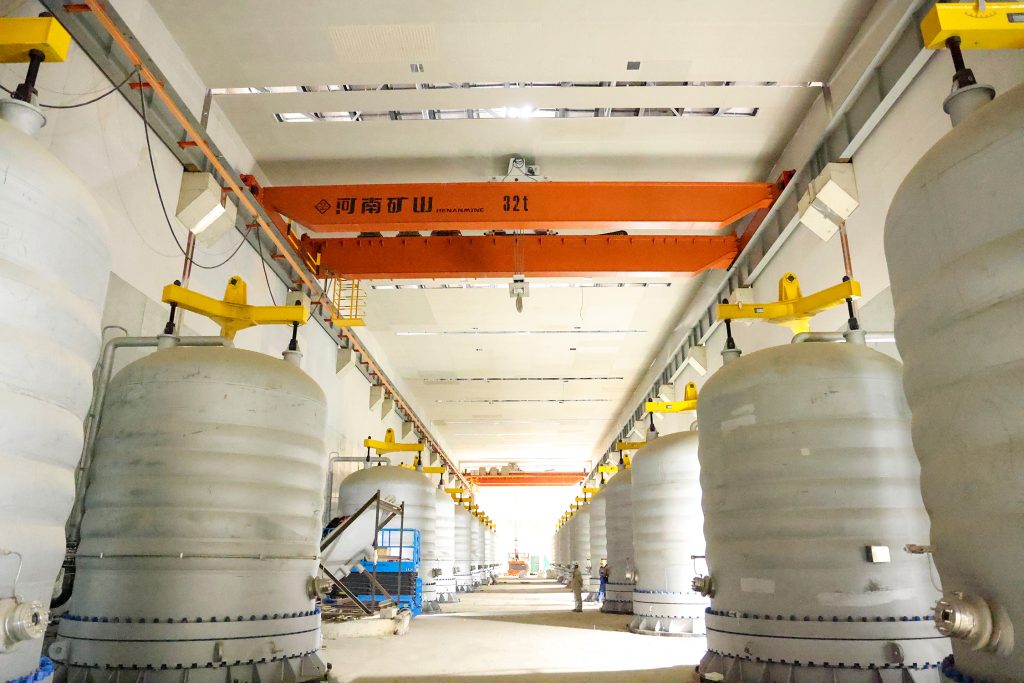
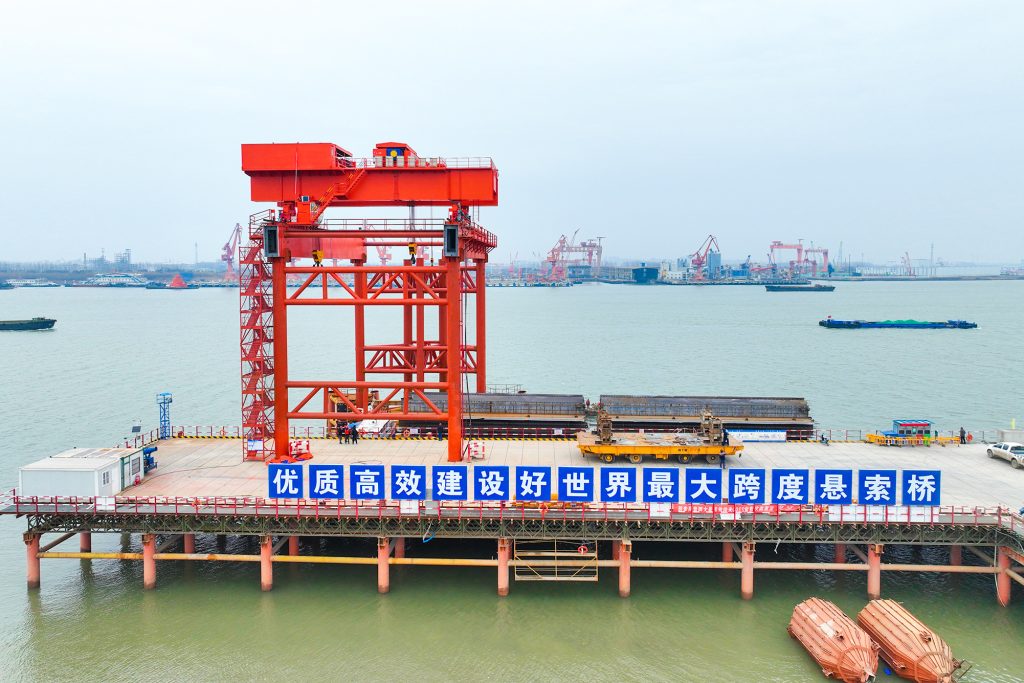
Bridge fabrication, metro construction and ship block assembly.
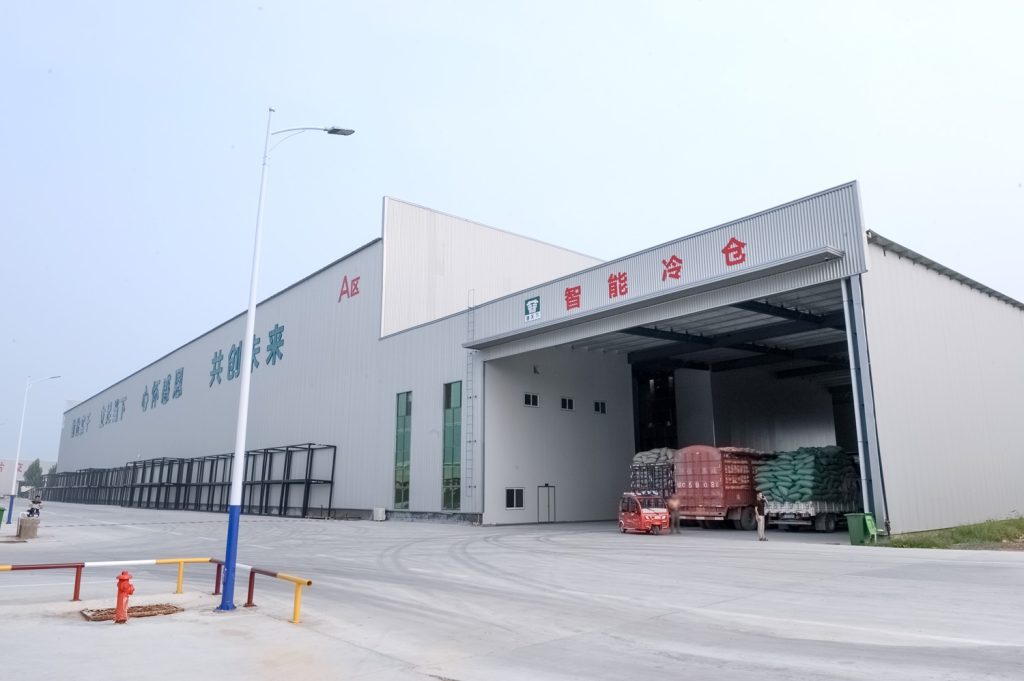
Automated storage and retrieval for plates, cables and bins.
Follow project dispatches, crane engineering and factory acceptance.
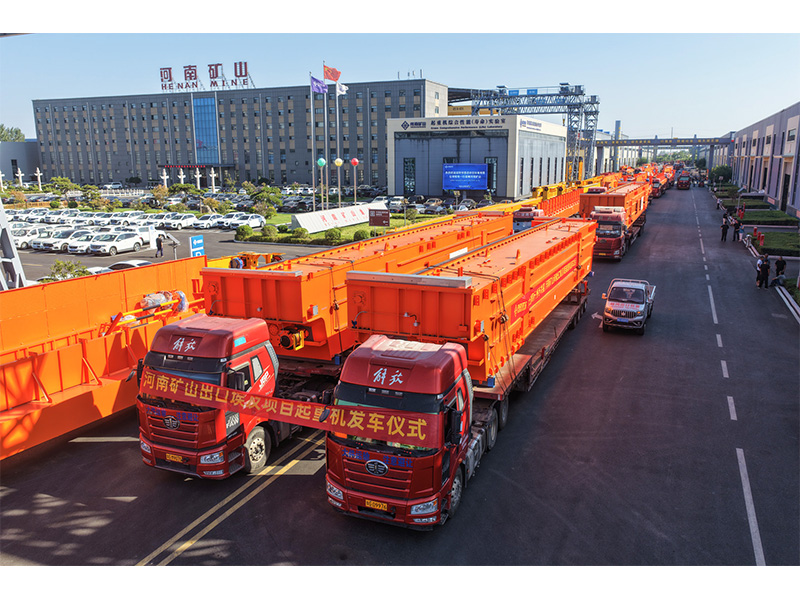
Dispatch, installation and equipment in service
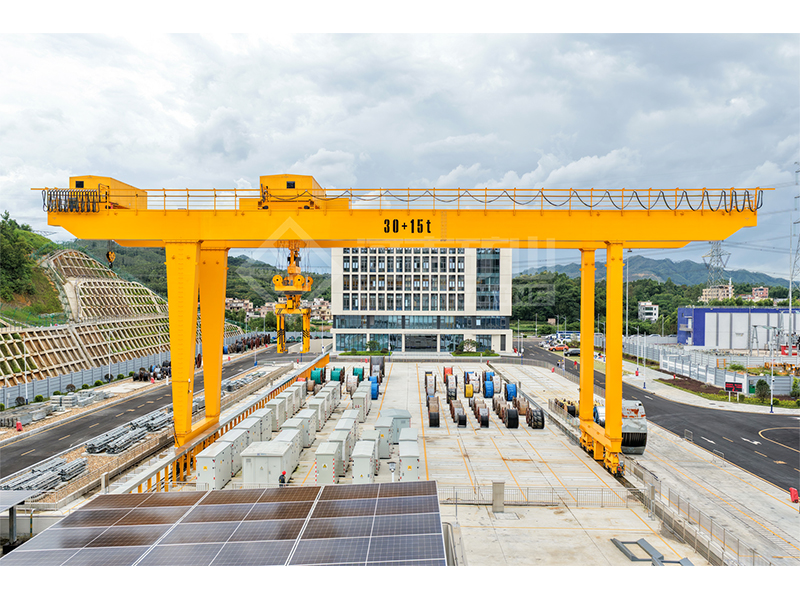
Crane configurations and handling technology
Factory inspections, acceptance and test programmes

Company developments, people and community programmes
Mechanical Drives · Cables · Electrical Integration
Reducers, motors, wheels, cables and controls must work as one crane system. Henan Mine Crane combines in-house component manufacturing with electrical integration and application-based component selection.
A crane depends on the connection between its structural parts, lifting mechanism, travel drives and controls. Component size, speed, torque, mounting dimensions and electrical requirements must match the complete design.
Henan Mine Crane has developed in-house manufacturing for core components including reducers, motors, cables and lifting attachments, together with electrical integration. The component facilities also include gears, wheels, cable chains and equipment housings.
This manufacturing range supports a coordinated equipment proposal. It does not mean that every part of every crane is made in-house. The selected crane, operating requirements and any customer-specified brands determine the final bill of materials and supply scope.
Mechanical components transmit motion and carry loads throughout the crane. Reducer ratio, motor selection, wheel dimensions and drive connections belong to the same system design. Selecting one item in isolation can leave an unsuitable speed, mounting arrangement or operating characteristic elsewhere in the mechanism.
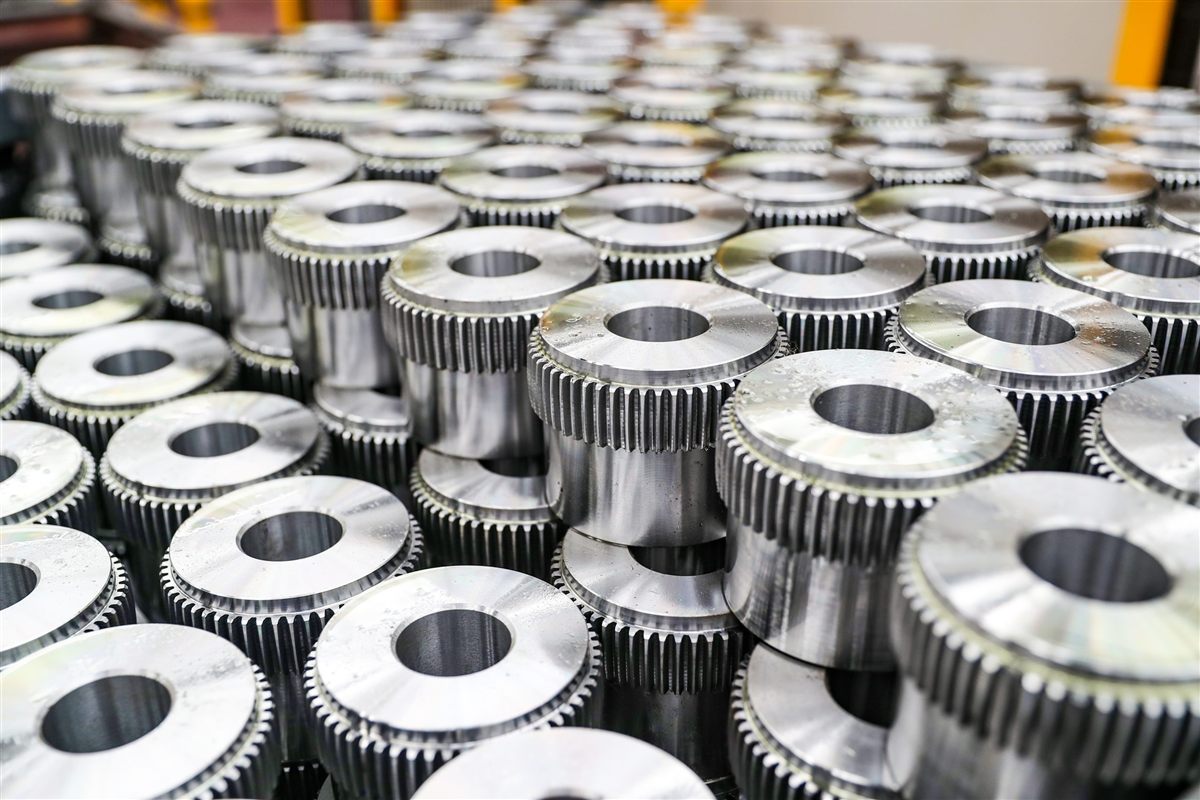
Component facilities include gear production, crane wheels, reducers and housings. Manufacturing equipment shown across the company facilities includes wheel forging and rolling, machining and heat-treatment equipment. The particular material and manufacturing route depend on the component requirements.
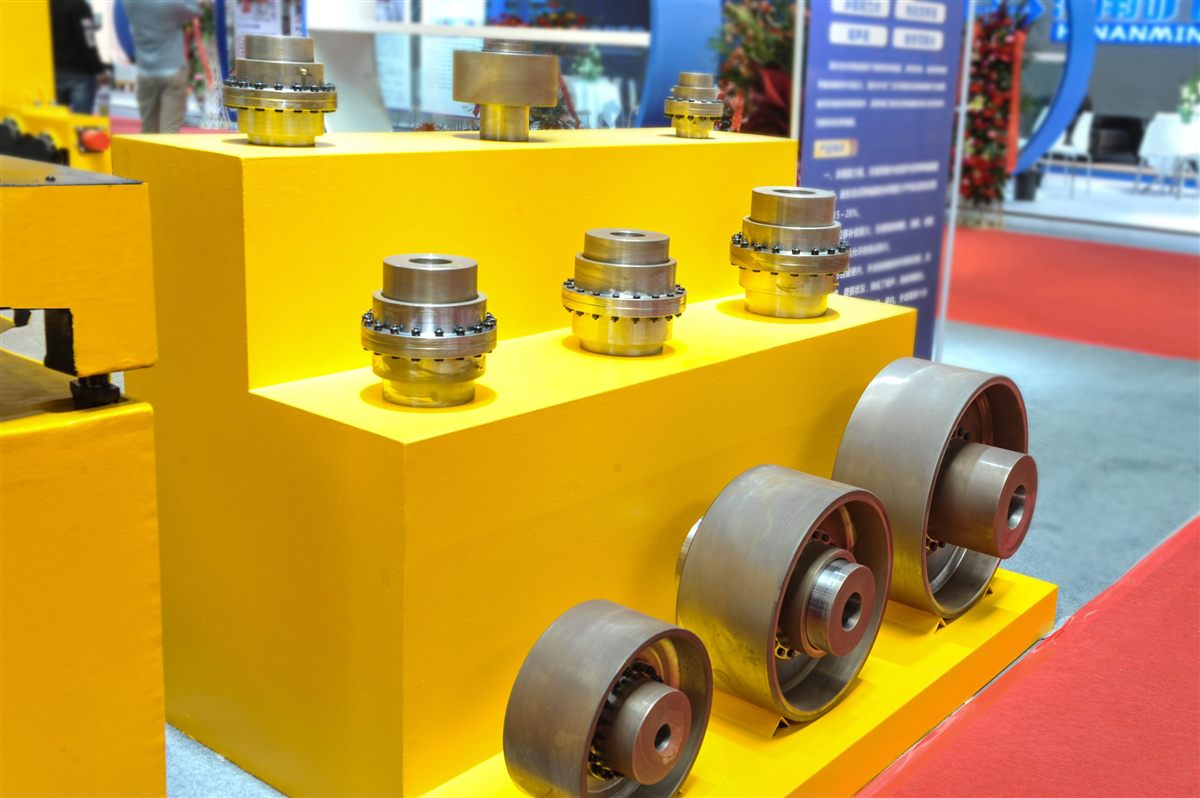
Crowned gear couplings are among the drive components used in crane systems. Their geometry can accommodate radial, axial and angular misalignment within the selected design limits. The coupling type and dimensions for an order should be confirmed against the approved mechanism arrangement.
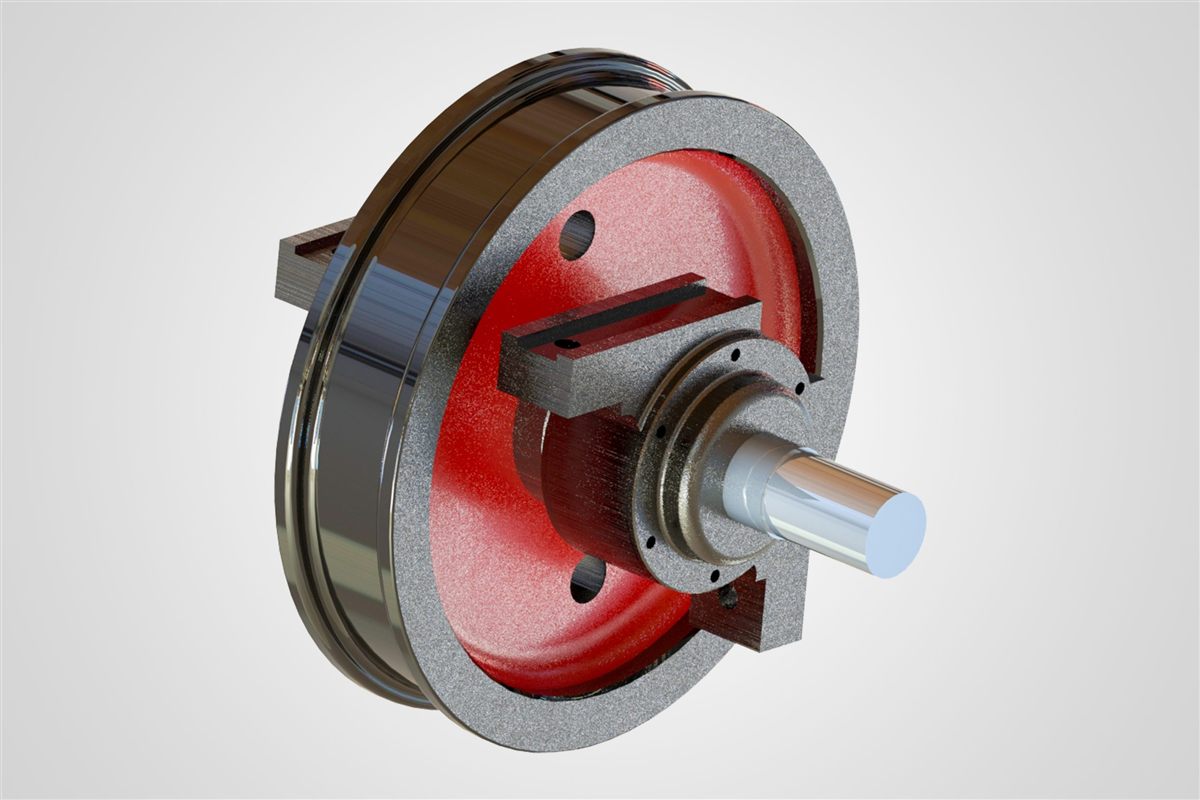
Wheels, gears and mechanical interfaces selected for the crane travel arrangement.
Reducers, motors and couplings coordinated with the required movement and operating duty.
Reducer and motor housings form part of the wider component manufacturing capability.
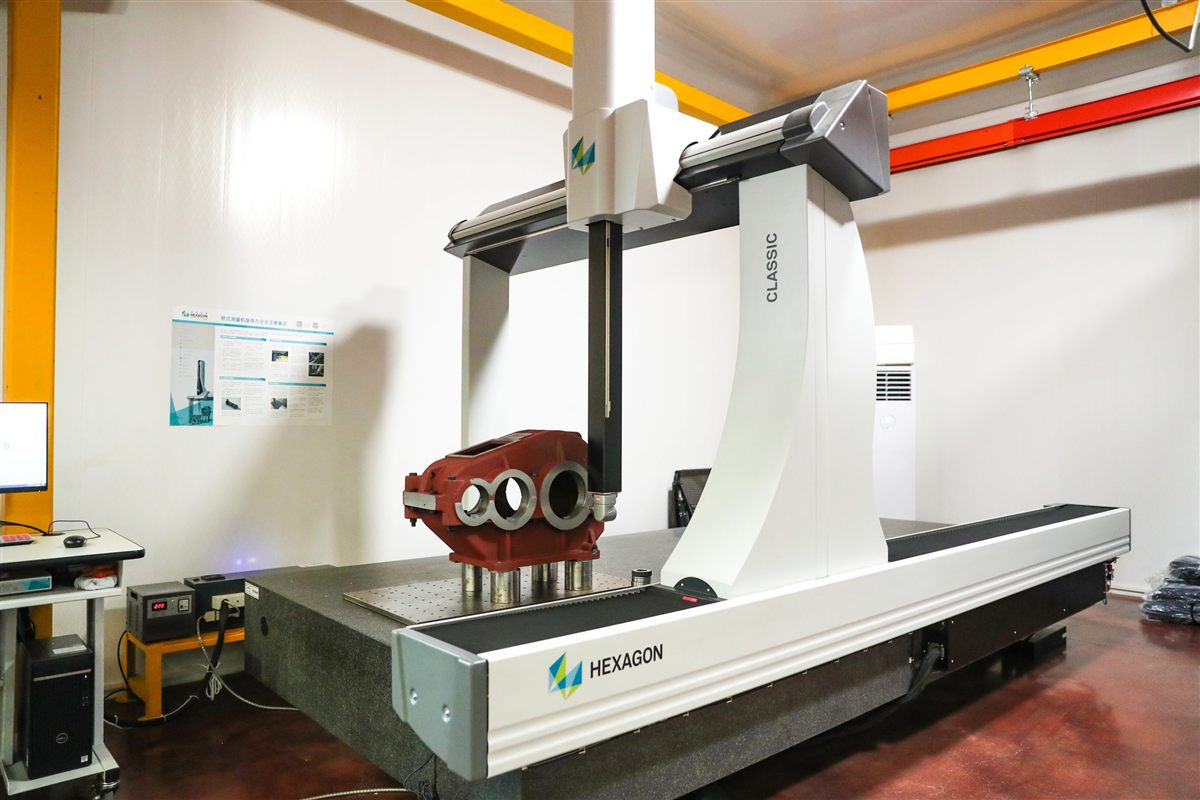
Electrical integration connects power supply, drives, controls and crane movement. In-house capability includes cable production and electrical integration, with cable chains and electrical cabinet enclosures also shown in the component range.
Specify the site voltage and frequency, control method and operating environment with the enquiry. Additional requirements may include travel limits, coordination between lifting mechanisms or integration with existing equipment. These functions should be described clearly so that the proposed control scope can be reviewed.
Component protection and cable selection depend on the actual environment and movement. Outdoor exposure, temperature, dust and other site conditions should be part of the technical discussion. A general component photograph cannot establish the enclosure protection or special-area suitability of the complete crane.
Compare quotations using the same crane duty, speed, lifting arrangement and control functions. Then review the main component schedule. Differences in drive configuration, control equipment or lifting attachment can change both the supplied system and its price.
If your plant uses approved brands or has a preferred spare-parts policy, identify those requirements before the proposal is finalized. Confirm which items are specified by brand and model, which are selected by the crane manufacturer and which will be supplied or installed by others.
The agreed bill of materials and technical documents define the order. Component manufacturing capability provides context for the proposal; it should be read alongside the equipment schedule, drawings and inspection requirements.
| Component group | Confirm before ordering |
|---|---|
| Mechanical drive | Motor and reducer arrangement, travel or lifting speed, and relevant interfaces. |
| Wheels and travel | Wheel dimensions, runway interface and travel arrangement. |
| Electrical system | Supply voltage and frequency, control functions and equipment scope. |
| Lifting attachment | Attachment type, handled material and load included in the lifting design. |
When requesting a replacement component, send the crane model and serial number together with a clear photograph of the component nameplate. A drawing number, original part number or previous supply record helps distinguish similar-looking parts.
For wheels and mechanical parts, include the available dimensions and mounting details. For motors, reducers and controls, record the existing model and rating information. Photograph the complete assembly as well as the individual part so its function and connection can be understood.
Replacement suitability depends on the installed equipment. Matching appearance alone is insufficient, and a new component should not be assumed interchangeable across crane models. Confirm the proposed replacement against the required interfaces and operating conditions before ordering.
In-house manufacturing covers several core component groups, alongside electrical integration. The actual component sources and brands depend on the crane design and agreed order scope.
Include approved brands, component specifications or plant requirements in your enquiry. Their suitability and supply scope can then be reviewed with the crane proposal.
Send the crane model and serial number, component nameplate, part or drawing number, photographs and relevant dimensions. Existing equipment details are needed to assess compatibility.
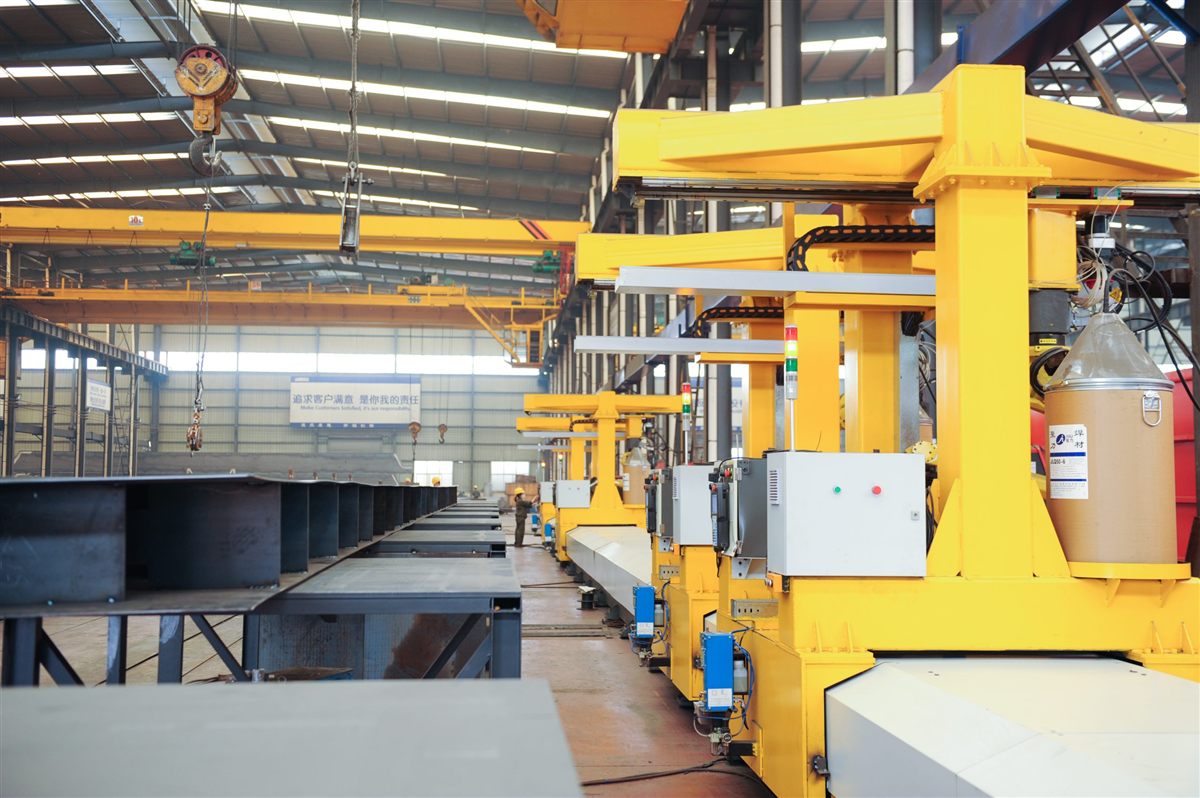
Robotic welding, CNC machining, heat treatment and dimensional inspection.
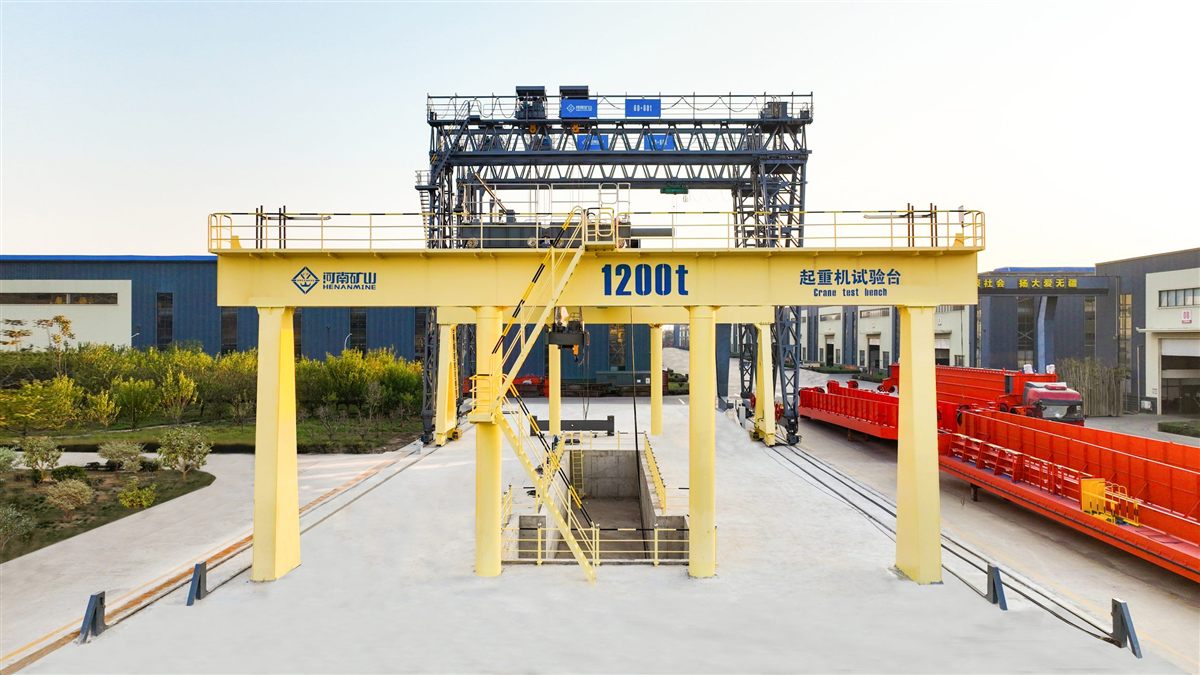
Specialist engineers, research partnerships and crane testing facilities.
Discuss your requirements
Send your crane requirements or installed-equipment details. Include preferred component brands and spare-part references where relevant.