
Transfer long blades
Define approved root and spanwise supports and overhang.
Bridge cranes for workshops and production lines.
Explore Overhead Cranes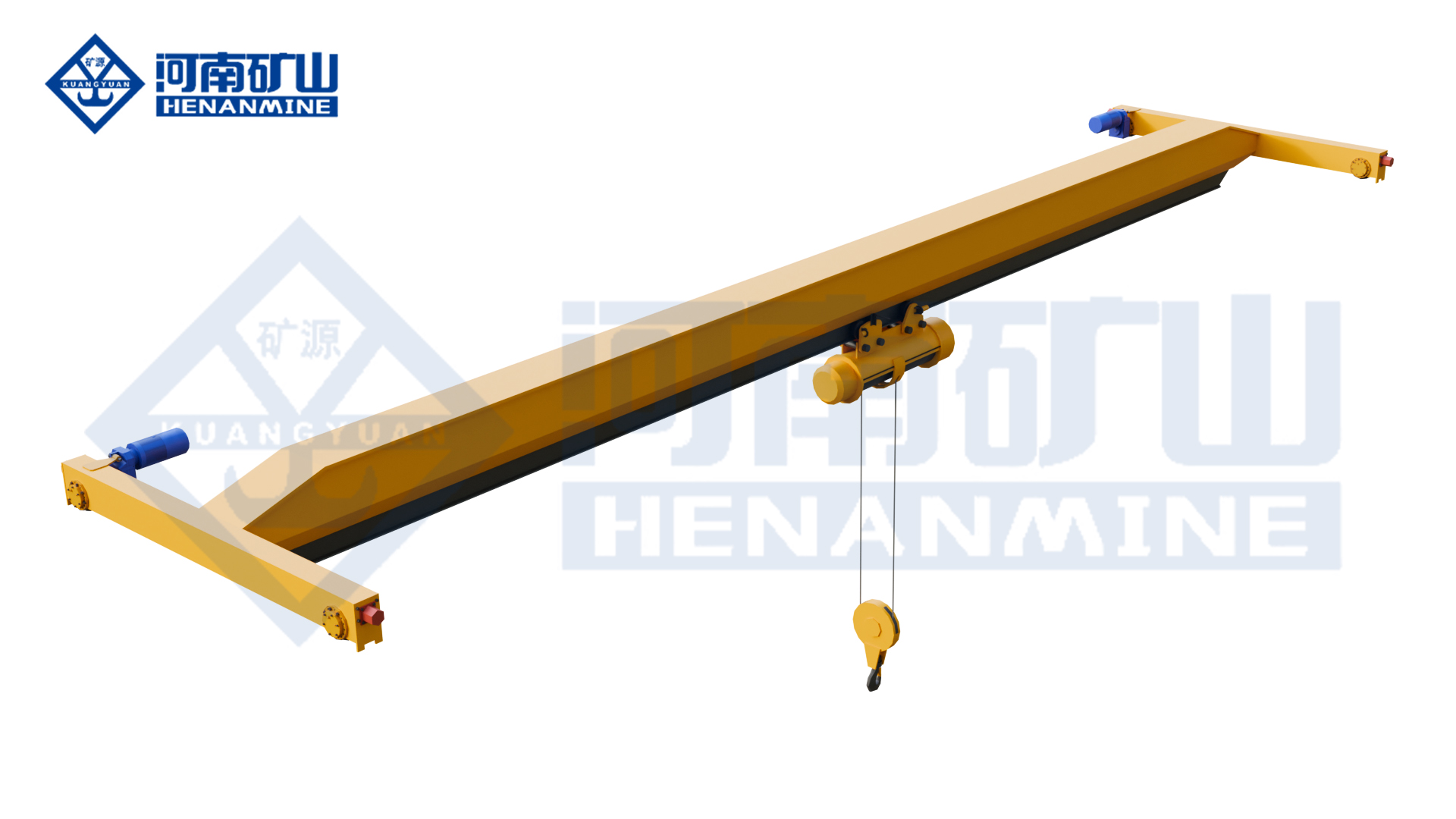
Ground-supported lifting for yards and construction.
Explore Gantry Cranes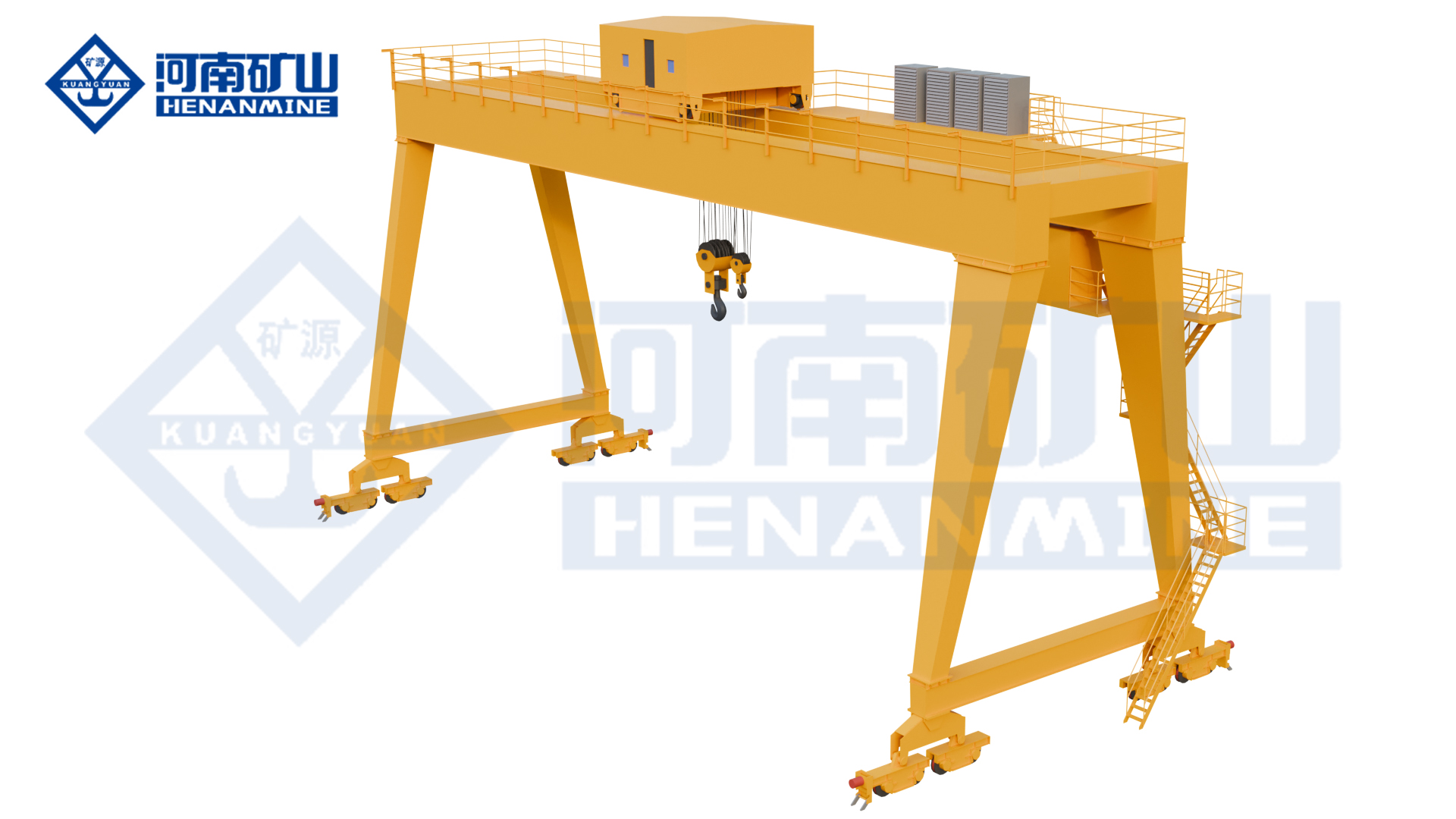
Wire rope and chain hoists for lifting points and cranes.
Explore Electric Hoists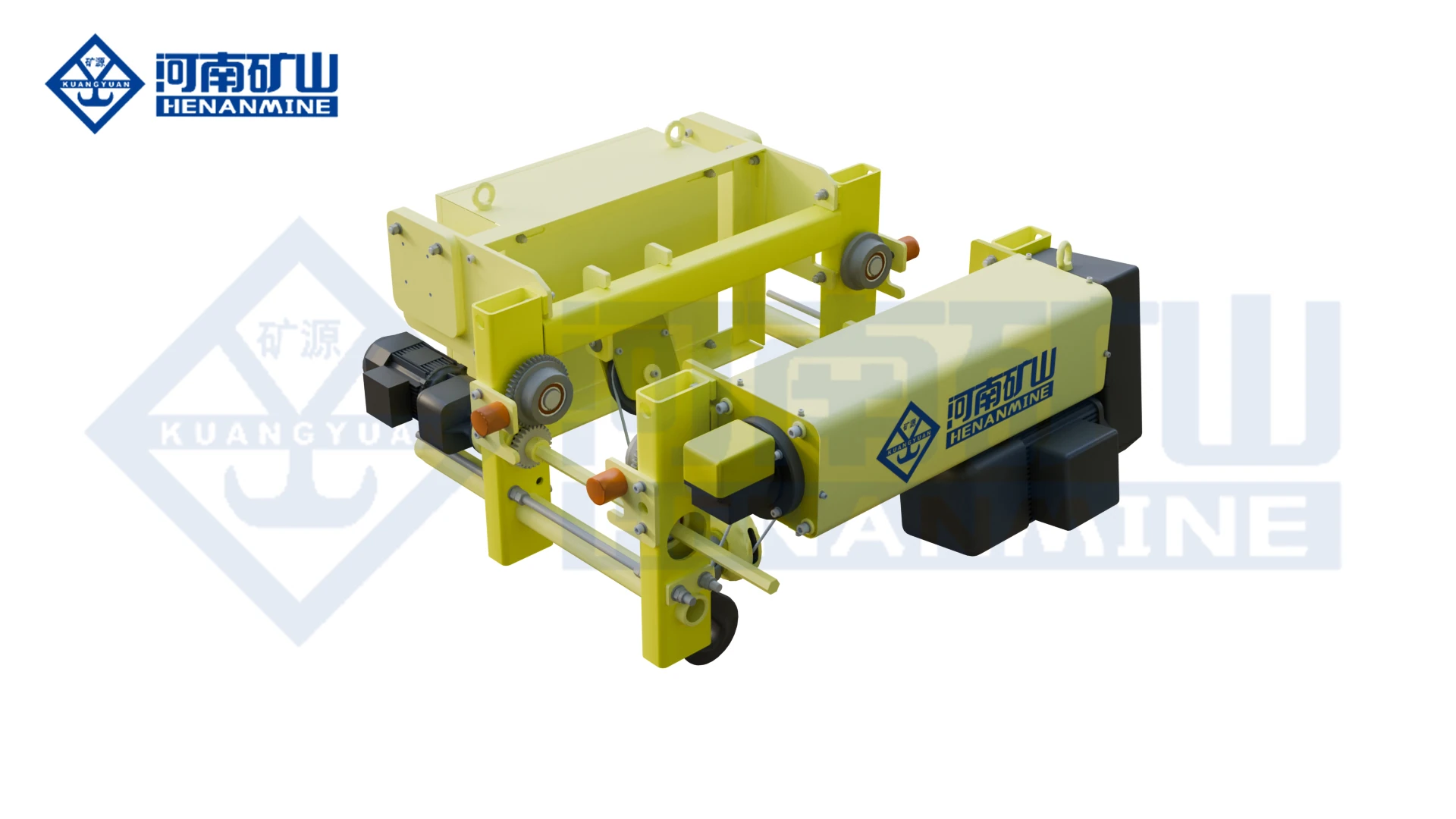
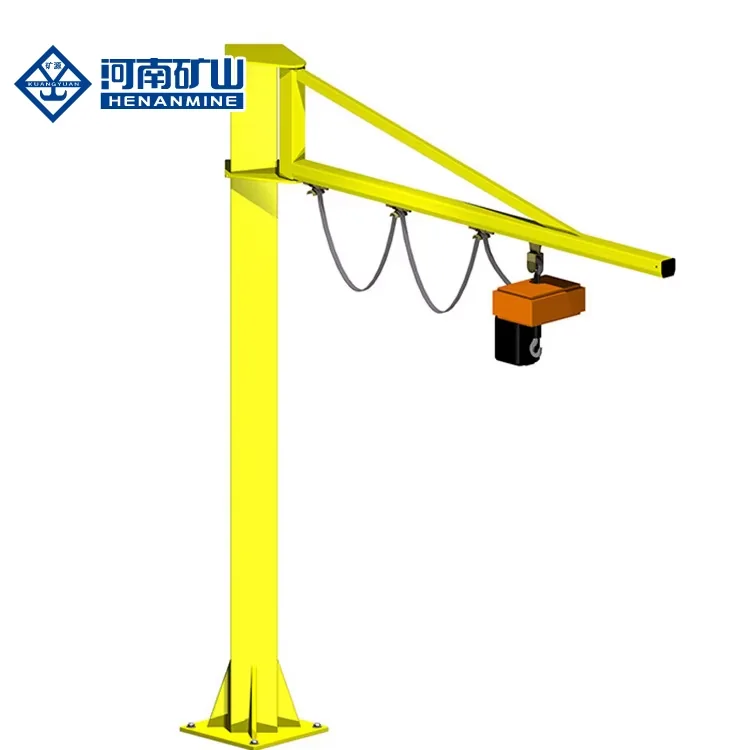
Wire rope lifting and pulling with a powered drum.
Explore Electric Winches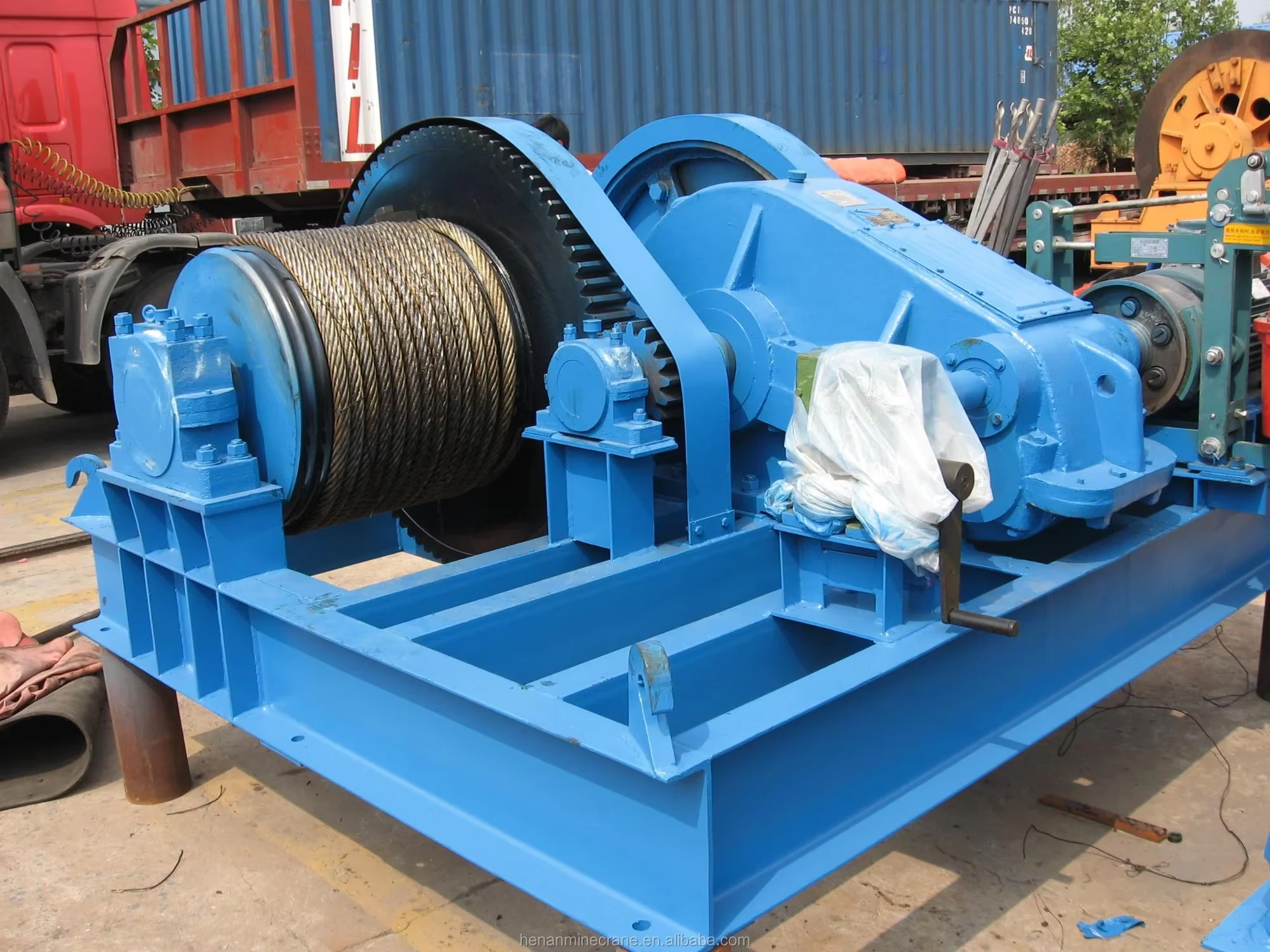
Grab buckets, magnets and hooks for your load.
Explore Lifting Attachments & Grabs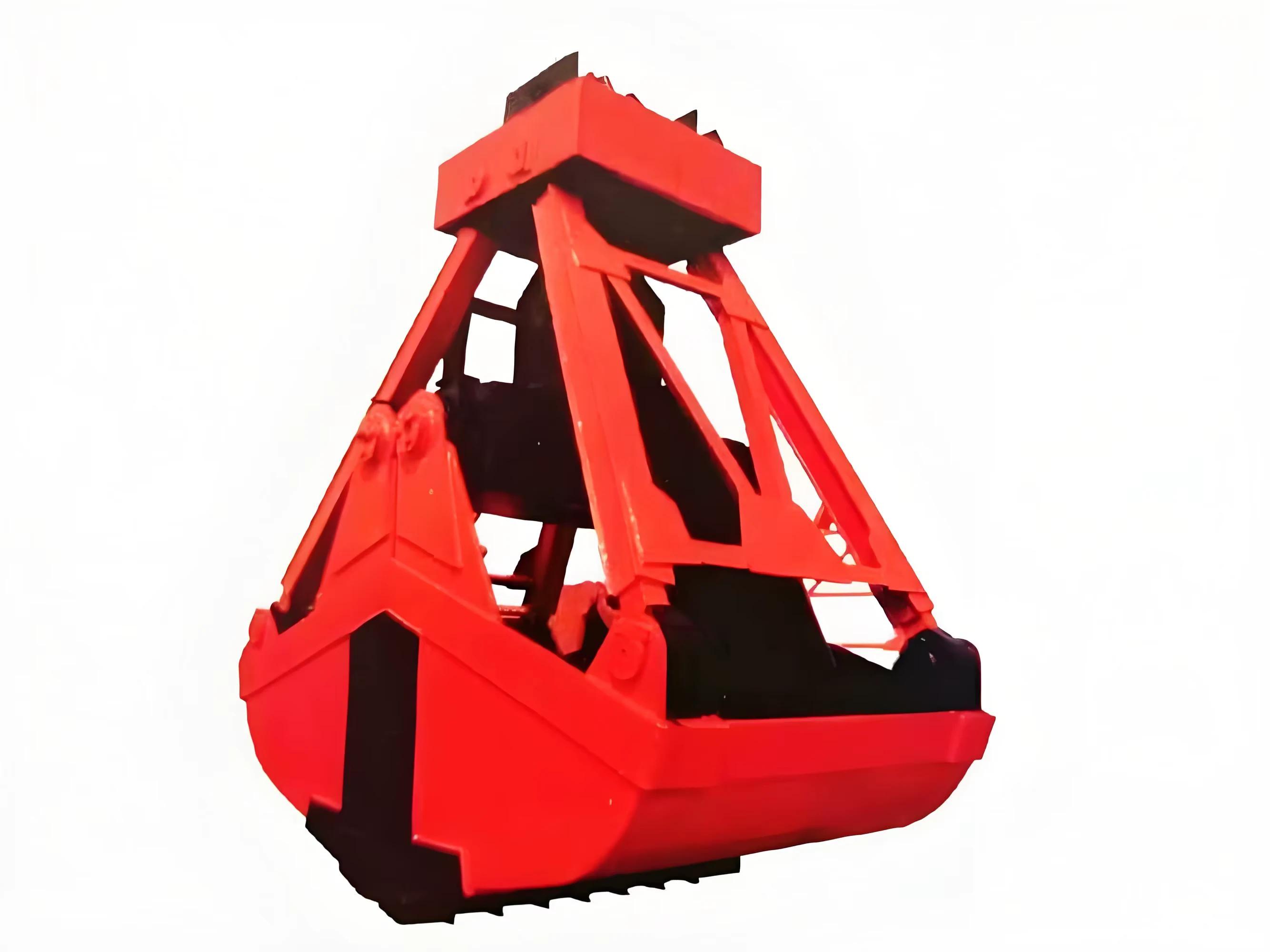
Mobile handling for containers, precast and yard loads.
Explore Rubber-Tired Gantry Cranes & Straddle Carriers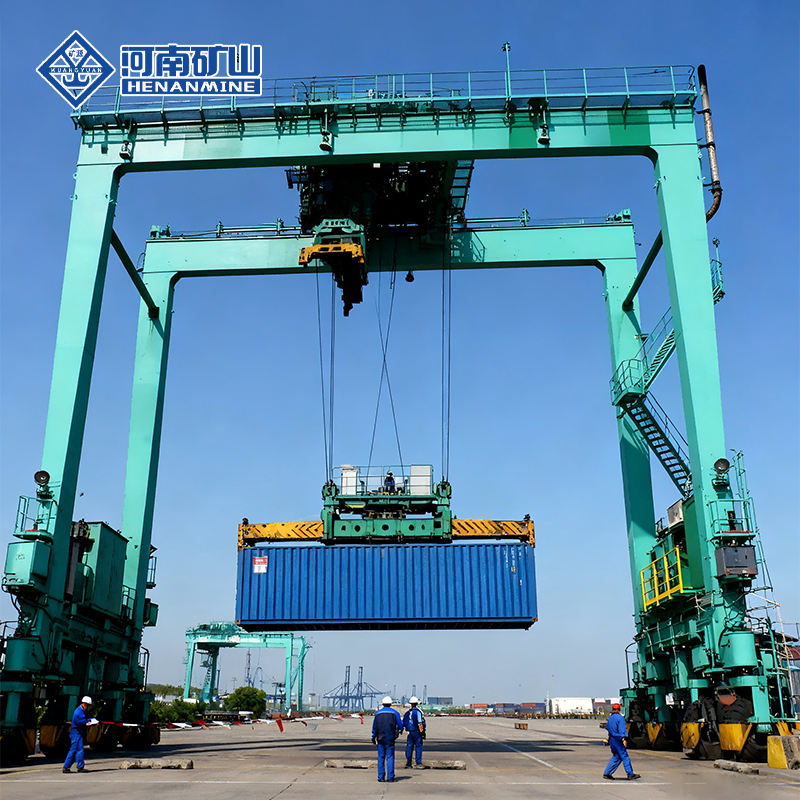
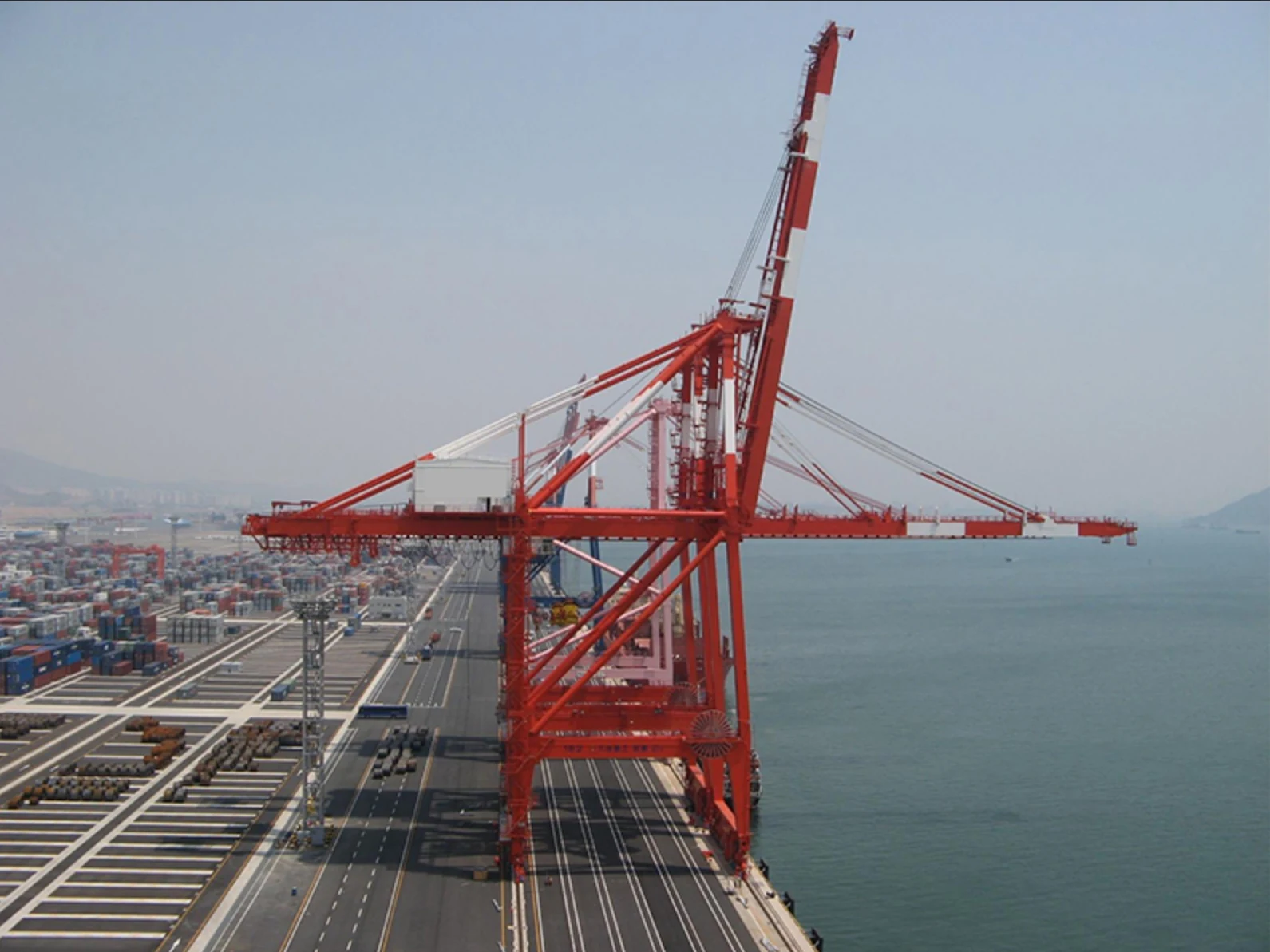
Lift and move vessels through boatyards and marinas.
Explore Marine Travel Lifts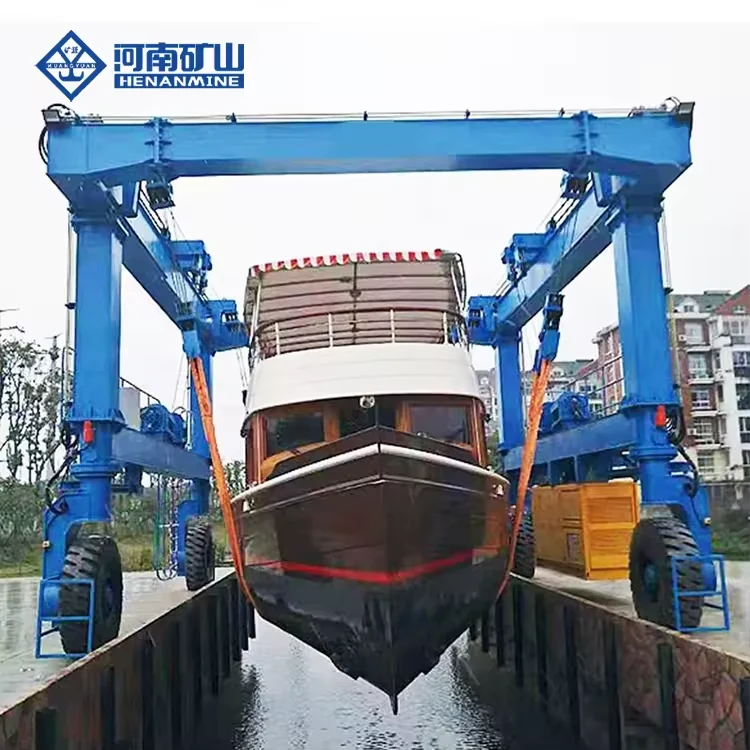
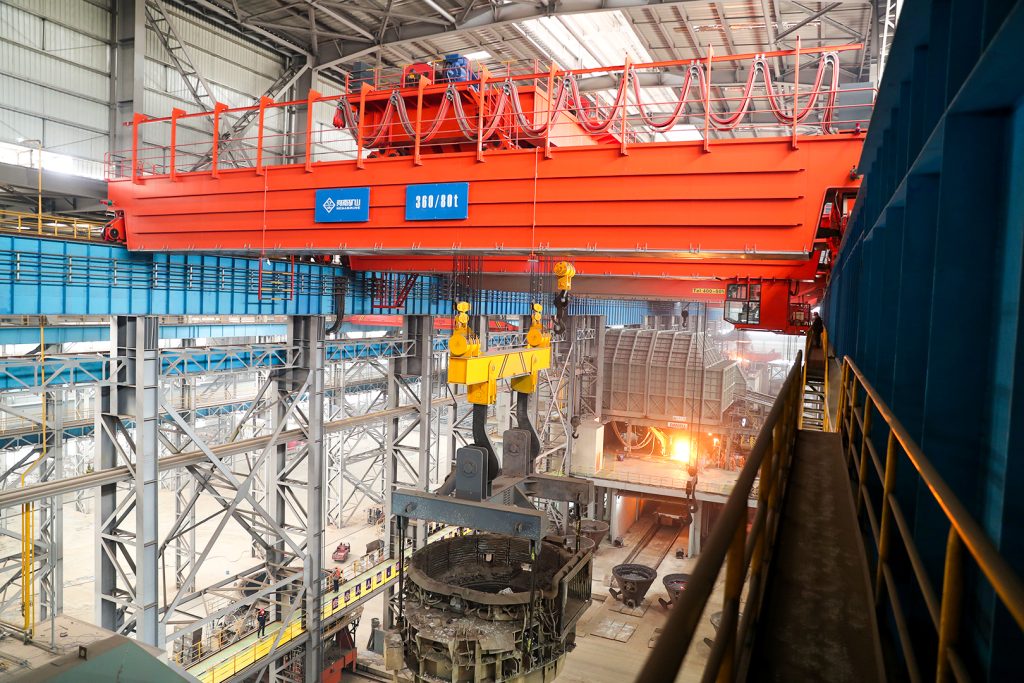
Ladle, slab, scrap and coil handling across steel production.
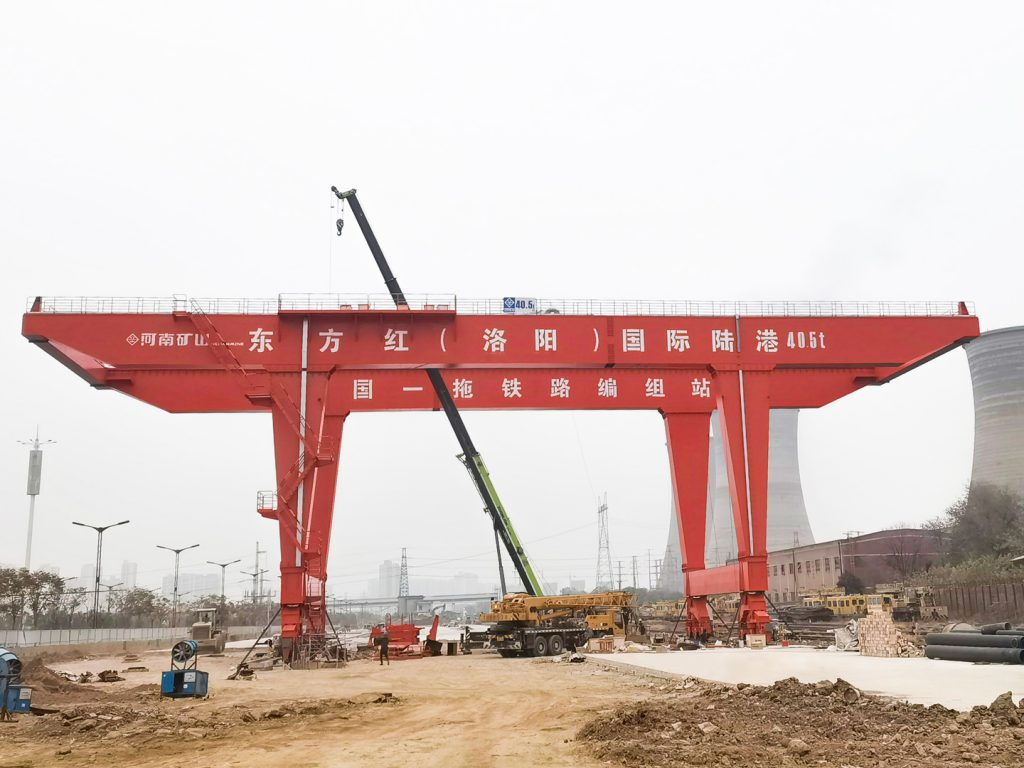
Container stacking and cargo transfers across terminals and rail.
Turbine installation, powerhouse maintenance and wind equipment assembly.
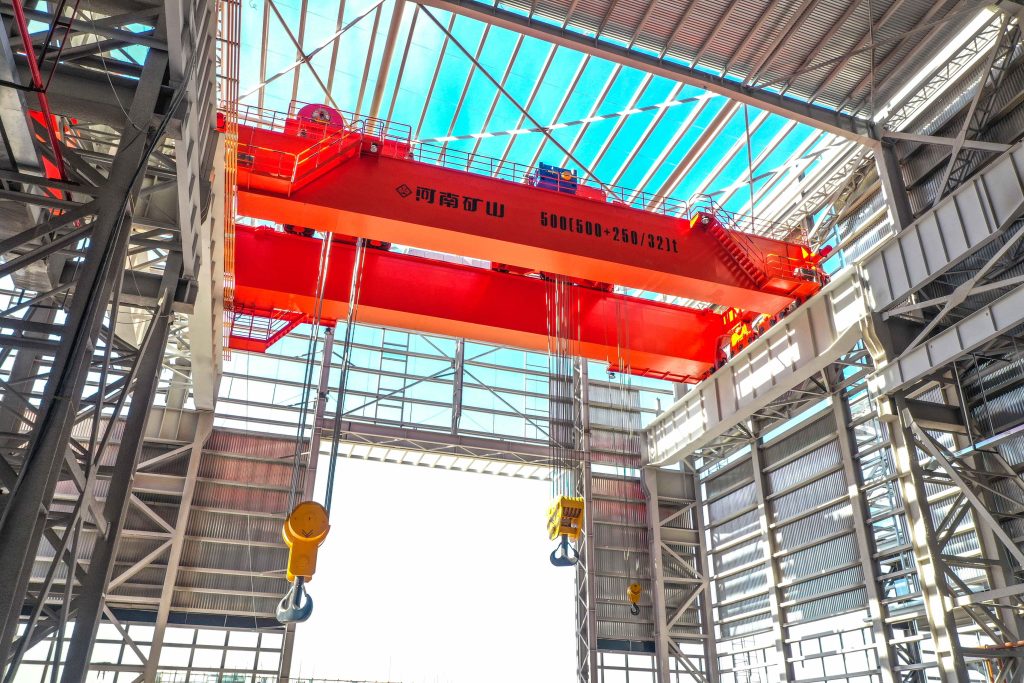
Controlled component transfer and positioning for precision assembly.
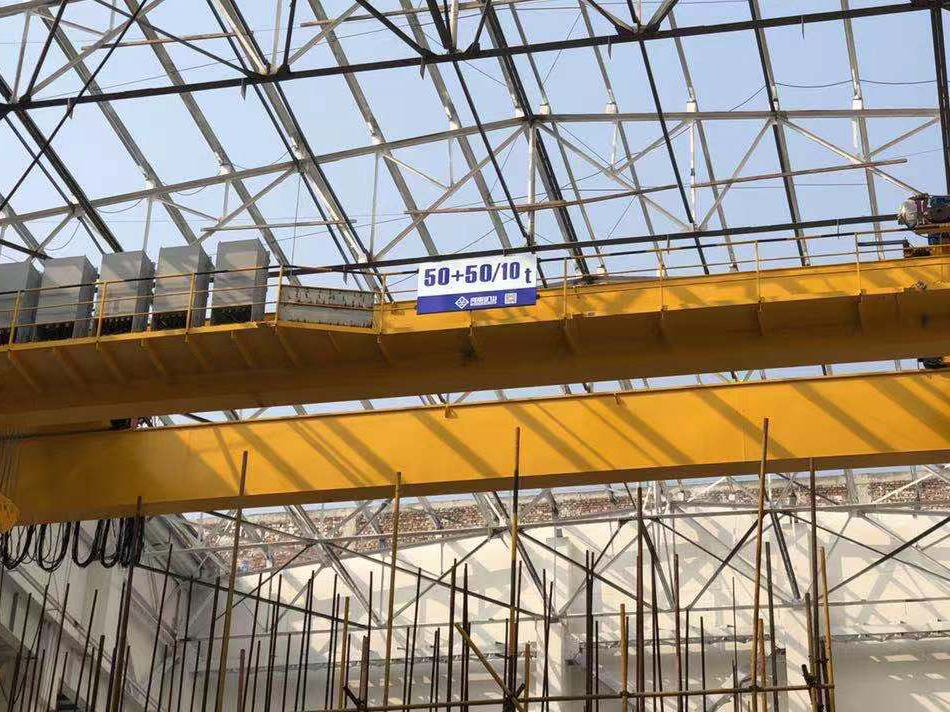
Heavy fabrication, production lifting and factory crane automation.
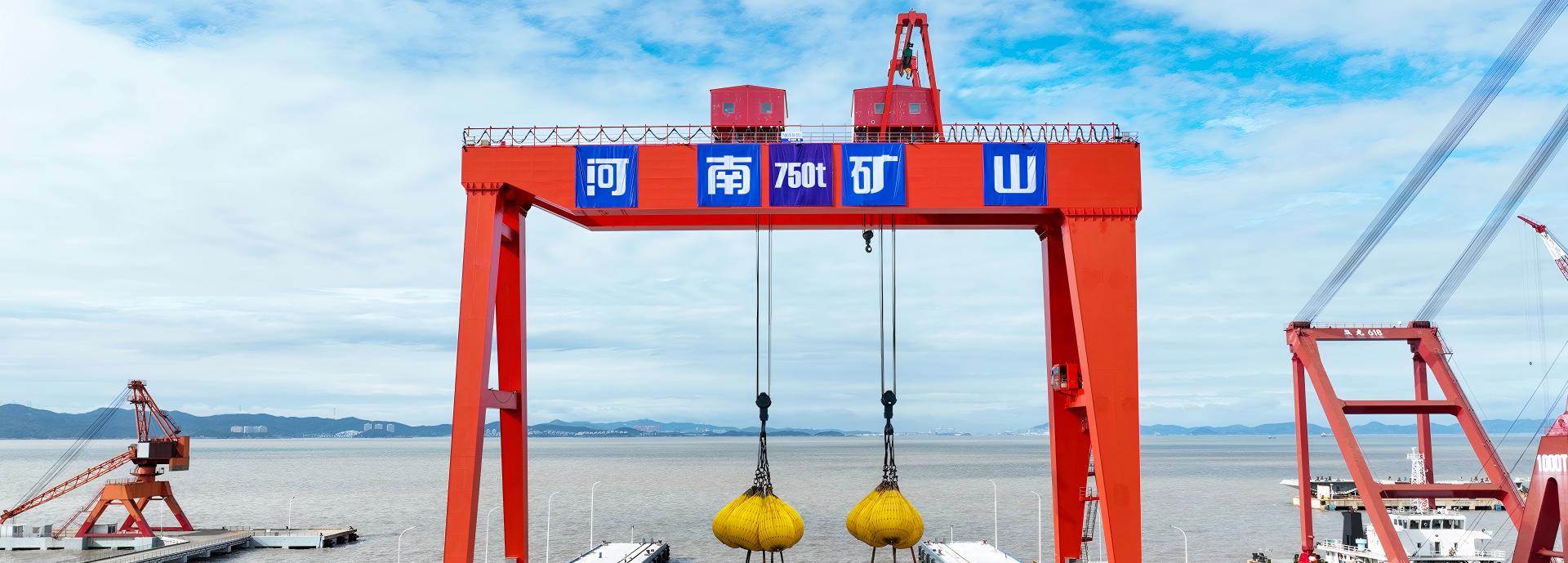
Process lifting for smelters, carbon blocks and anode materials.
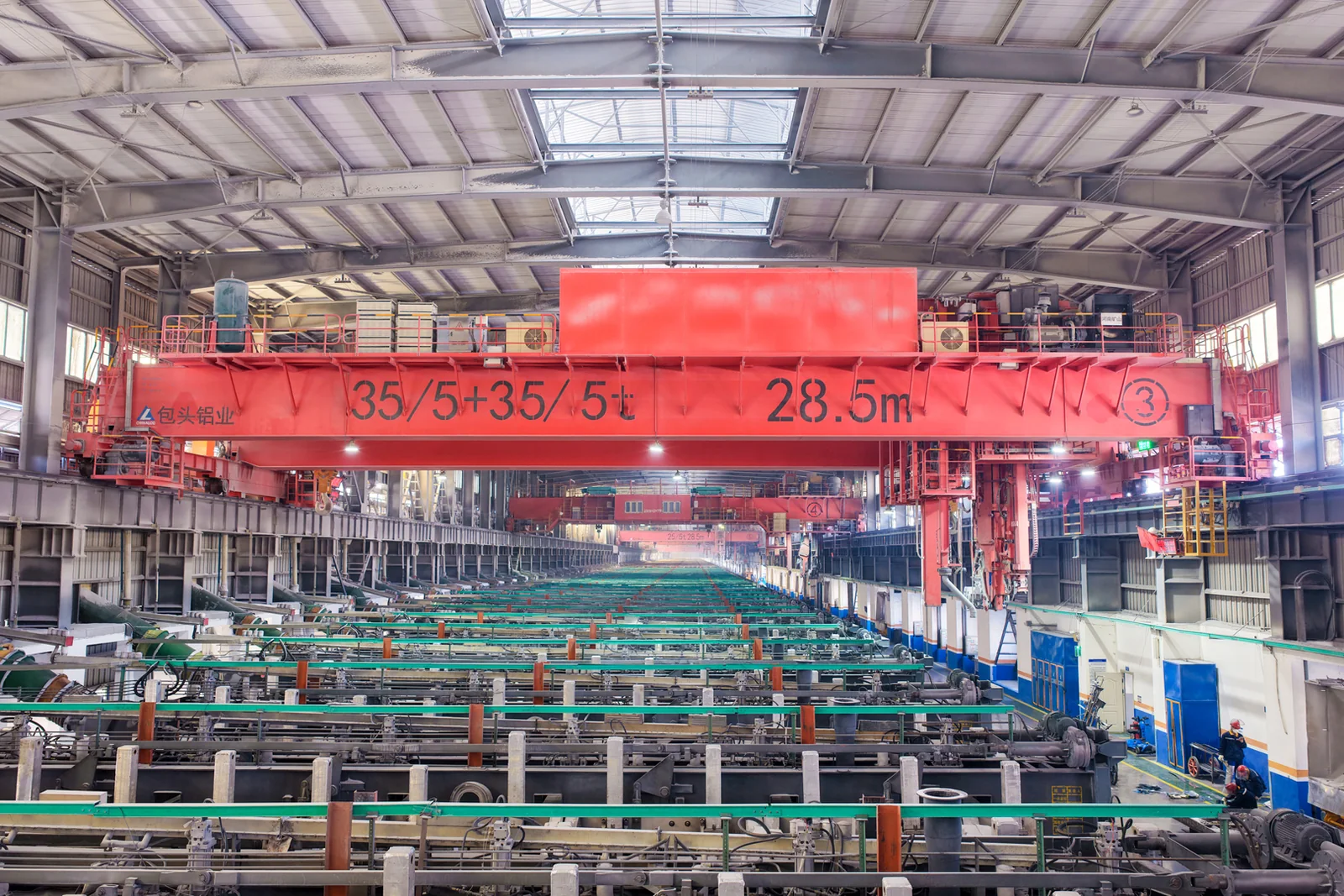
Clean lifting and classified protection for sensitive process areas.
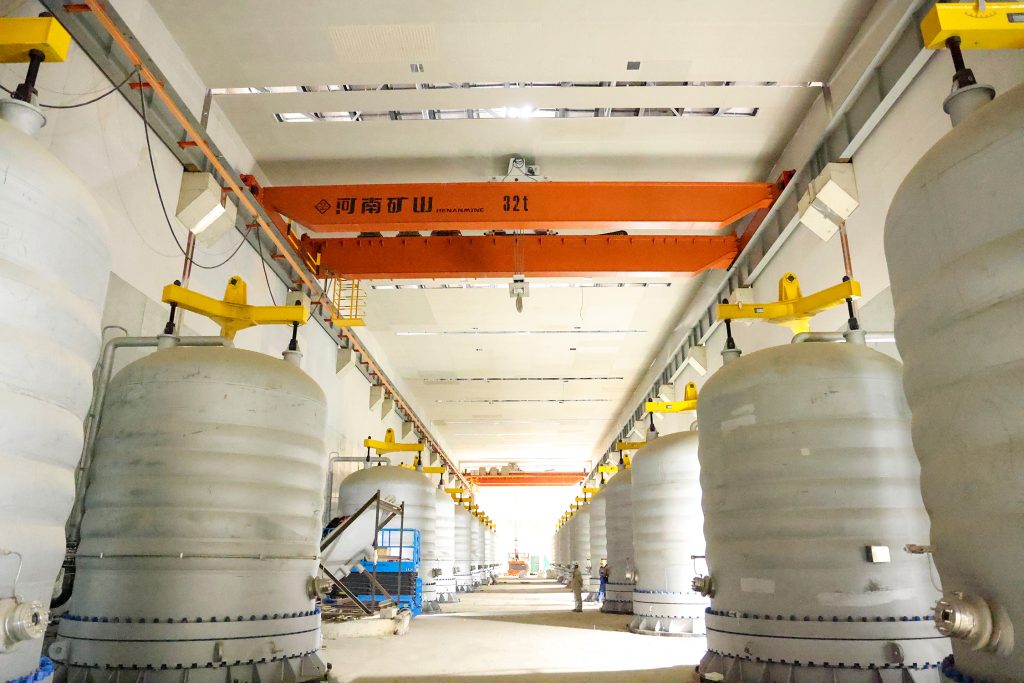
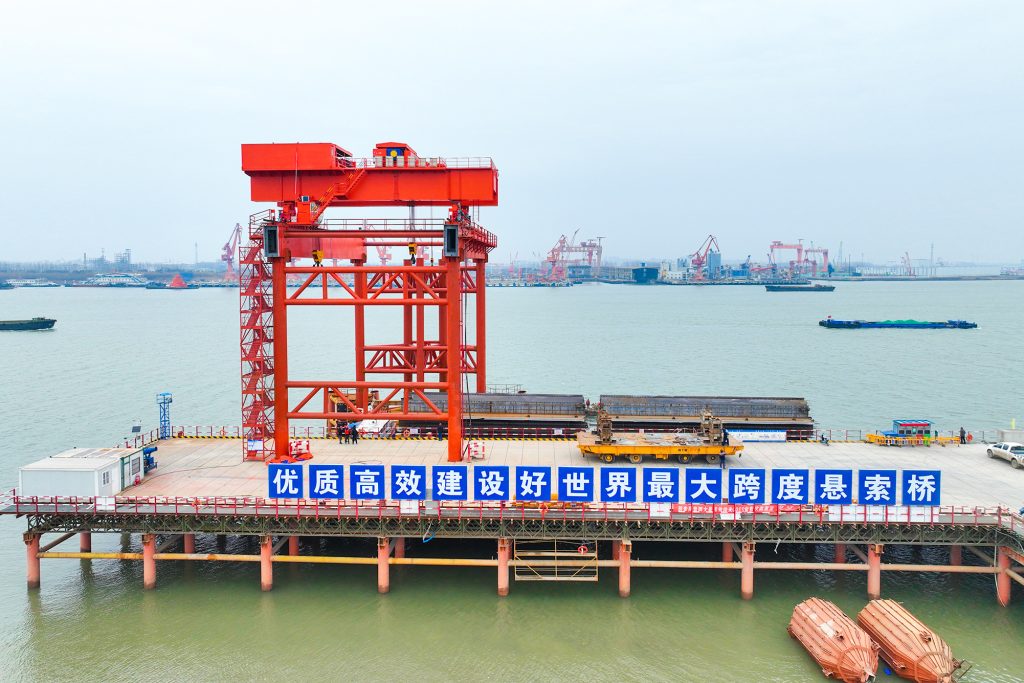
Bridge fabrication, metro construction and ship block assembly.
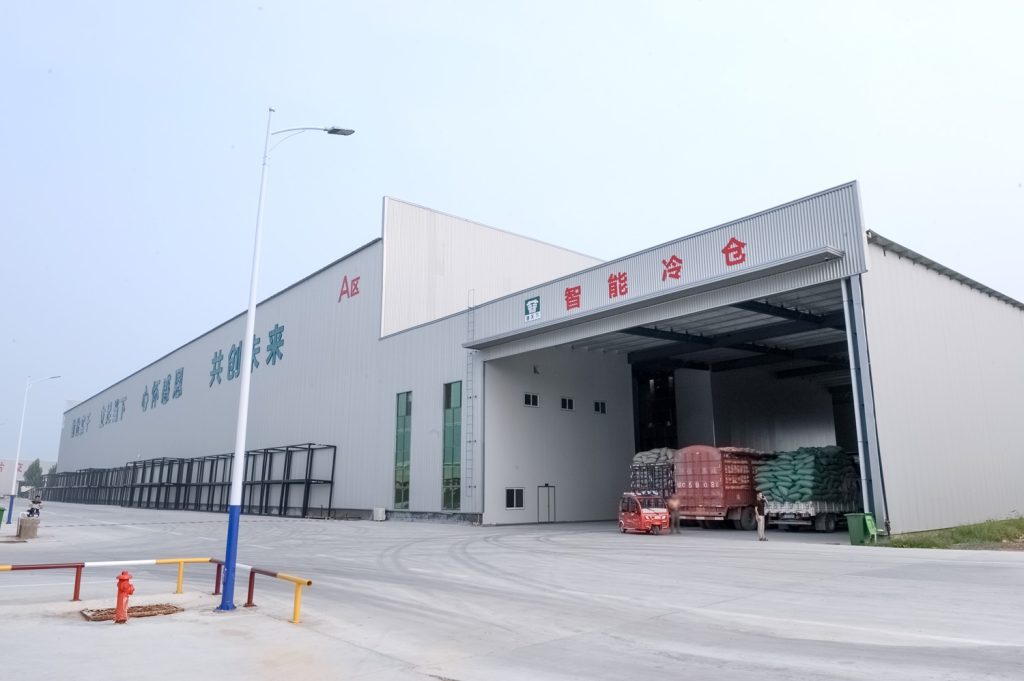
Automated storage and retrieval for plates, cables and bins.
Follow project dispatches, crane engineering and factory acceptance.
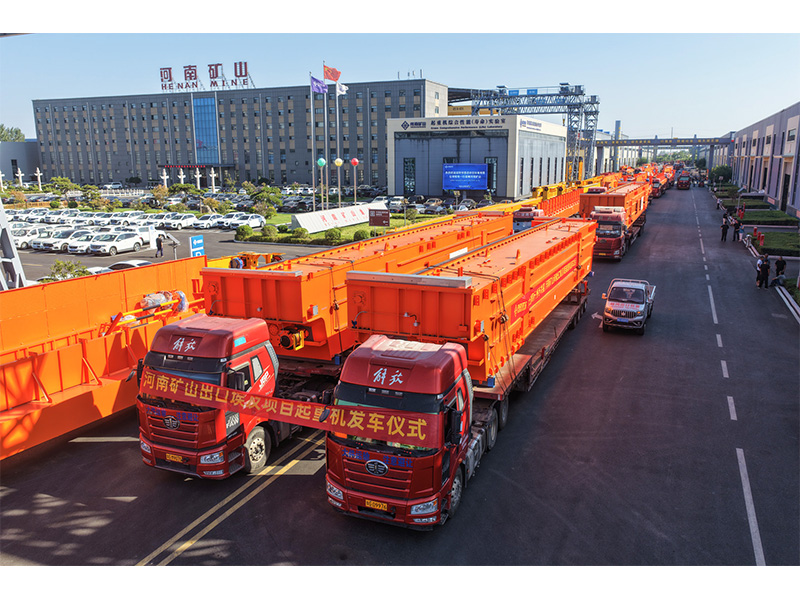
Dispatch, installation and equipment in service
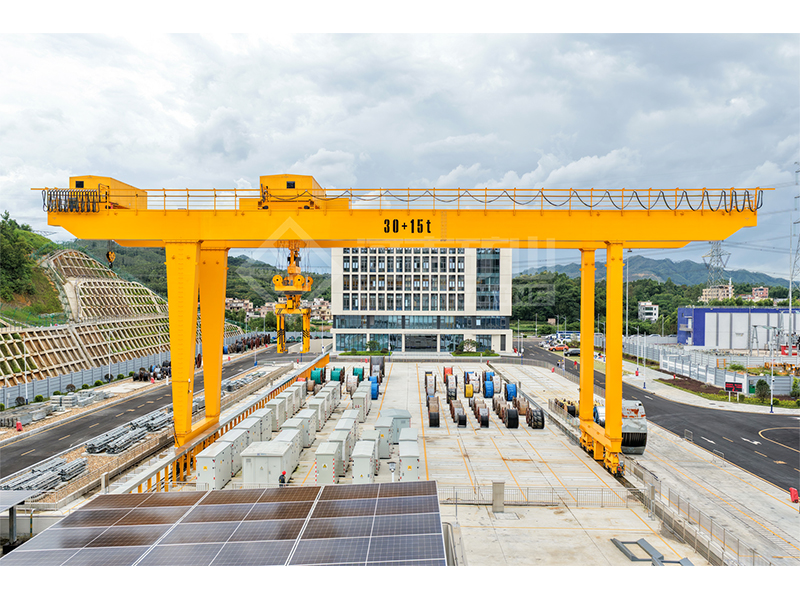
Crane configurations and handling technology
Factory inspections, acceptance and test programmes

Company developments, people and community programmes
Move turbine blades, tower sections or nacelles between production, storage and outbound transport.
Get a configuration and price matched to your load, dimensions, operating cycle and delivery destination.
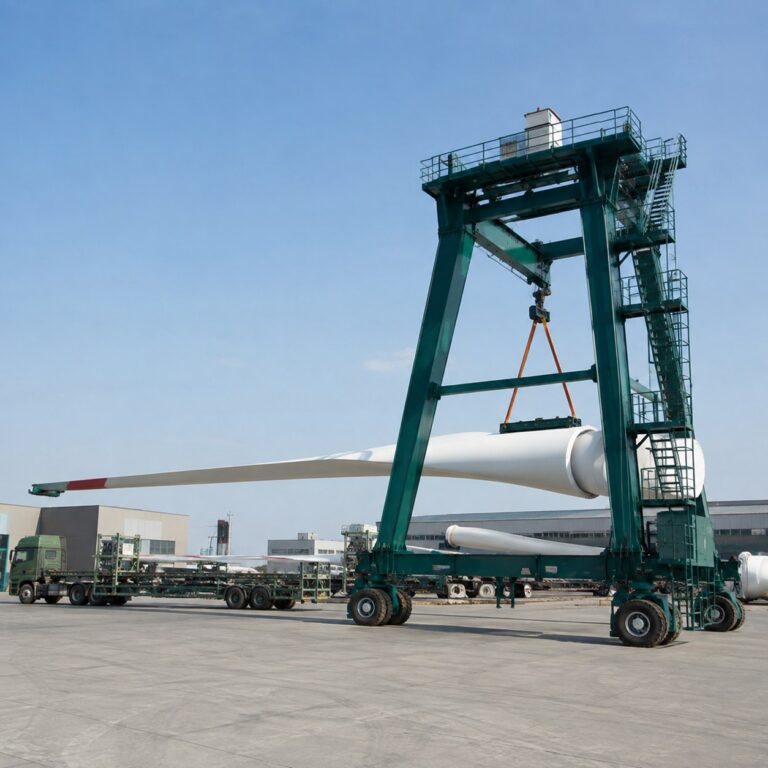
Choose a mobile carrier when long components need controlled two-point support along a plant route.
Define approved root and spanwise supports and overhang.
Check cradle geometry and rolling restraint.
Map trailer height, turning and wind exposure.
The technical offer should state the rated load basis, complete lifting tool, operating envelope, duty and governing site reactions for your order.
Compare the specifications and selection requirements
| Parameter | Reference selection range | Procurement check |
|---|---|---|
| Product / arrangement | Wind Turbine Straddle Carrier | Confirm the exact machine and lifting device in the offered drawing. |
| Rated load for your order | Selected for the complete component, attachment and rigging load | Include the attachment and rigging in the complete suspended mass. |
| Clear width / operating envelope | Set from the approved site and load drawing | Show the whole route, not only the pickup point. |
| Lifting height / under-clearance | Set from pickup, travel and placement | Include load depth, spreader or beam and safe clearance. |
| Duty / handling cycle | Select from lifts, loaded distance and shifts | State typical and maximum loads plus moves per hour. |
| Load families | Blade / tower / nacelle by design | Quote each attachment and rating separately. |
| Lifting points | Manufacturer-approved | Verify local reactions and deflection. |
| Route and steering | Surveyed loaded path | Include turns, slopes and overhead clearances. |
| Tire reactions / route | Calculated for the final selected machine | Check governing loaded, travel, braking and parked cases. |
What the final drawing must show: Rated load · clear width · lift and under-clearance · tire reactions · steering, brakes and controls
Send the heaviest load and its lifting points together with a dimensioned route. The quotation should state the selected machine, component-specific spreader or cradle, site reactions and acceptance method.
Provide the blade, tower section or nacelle, attachment mass, lifting points and centre of gravity.
Mark longest component sweep, turning zones, slopes and pavement on a drawing.
State loaded moves per hour, shifts, distances and required placement accuracy.
Provide bearing capacity, power, climate, access and destination requirements.
Ask each bidder to quote the same lifting arrangement, site interface, tests and dispatch milestone.
Request the general arrangement, rated lifting configuration, loaded-route envelope, turning clearances and site reaction schedule.
List the component-specific spreader or cradle, drives, braking, control and protection as included or excluded.
Set component lifting study, route envelope, loaded maneuvering and parking tests, freight, site services and dispatch date in the contract.
Align the selected equipment, technical documents, factory dispatch and site responsibilities before placing your order.
Request a quotation for one crane or a complete project package; confirm the minimum order for the selected configuration.
Agree the documents for the quoted crane and destination: applicable conformity documents, inspection and test records, operating manuals and the approved technical schedule.
Agree drawing approval, fabrication, machinery and control integration, factory testing, transport and commissioning milestones for the selected handling system.
Specify the documents required for your equipment, destination and site approval in the technical offer.
Agree the load cases, dimensions, operating envelope and supply schedule.
Set the inspection scope, acceptance criteria and customer witness points.
Confirm transport dimensions, shipping route, packing list and unloading access.
Agree site readiness, commissioning, load testing and operator training.
Request a written warranty schedule identifying the steel structure, drives, controls, power system and lifting attachment, with destination service and wear-part terms.
Request service and warranty terms ↗Include commissioning support, operator training, fault diagnosis and a critical-spares list. Define response arrangements and any on-site technician scope before the order.
Identify the equipment and personnel needed for unloading, installation and commissioning. Put responsibilities and acceptance requirements in the agreed project schedule.
Review related equipment against your load, site geometry and operating cycle.

Compare multiple lifting points and clearance around long wind-energy assemblies.
View details ↗Compare mobile bridge geometry for tower sections, nacelles and heavy modules.
View details ↗Review lifting arrangements against your handled load, route and operating cycle.
View details ↗Check the selection, commercial scope and installation requirements before ordering.
Only if separate approved lifting tools, ratings and travel envelopes are included in the quoted package.
Ask for a quotation for one complete machine. Confirm the commercial minimum and exactly which attachments and services are included.
List the destination-specific compliance documents, factory acceptance test and site load or travel tests in the purchase specification.
Request a dated factory dispatch commitment measured from deposit and approved drawings; show freight, erection and commissioning separately.
Send the component type and weight, approved supports, loaded route, turning space, site gradients and pavement information. Add the operating cycle and destination for a matched drawing, equipment scope, acceptance plan and dated quotation.
Discuss your project