Manufacturing evidence checked alongside the equipment
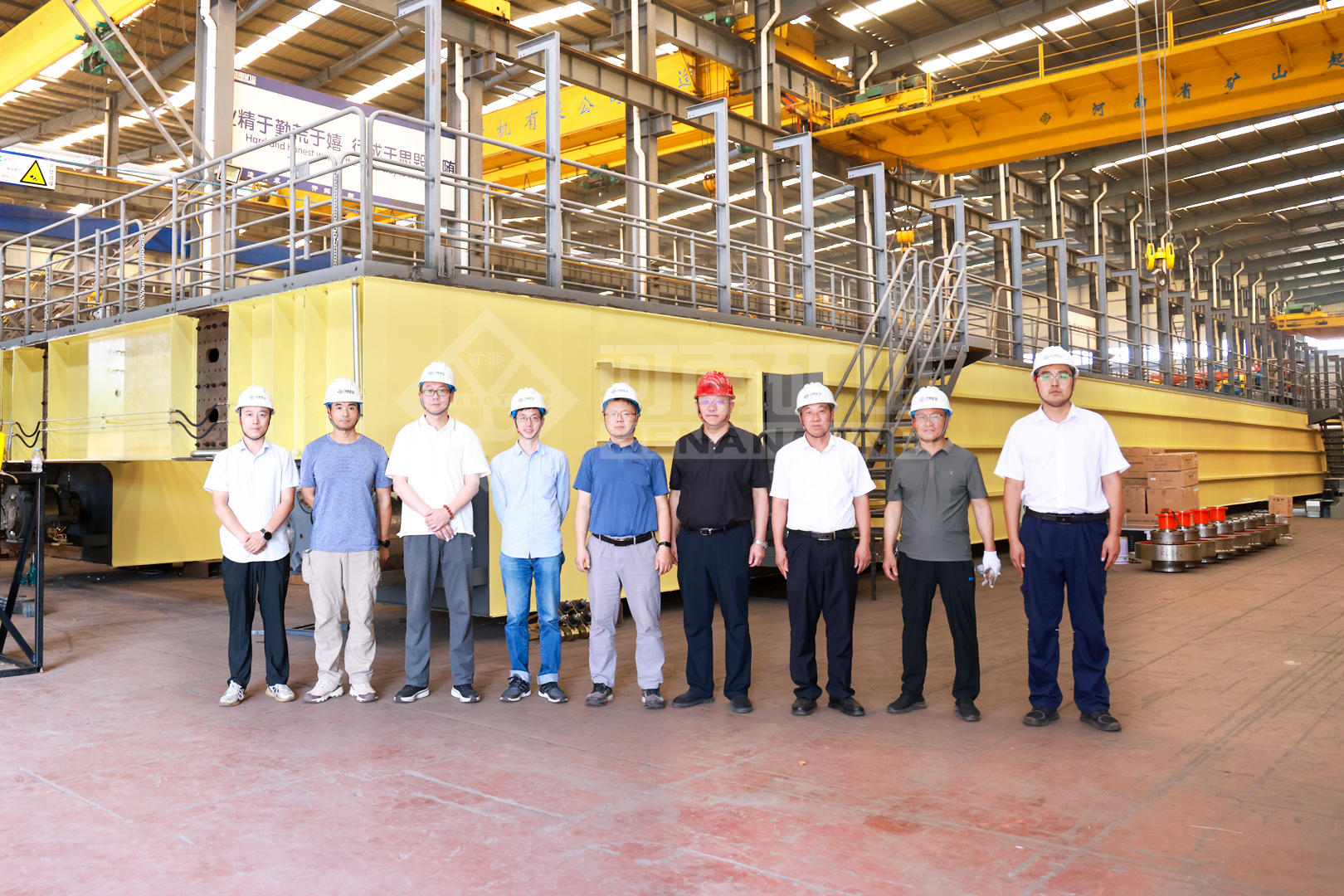
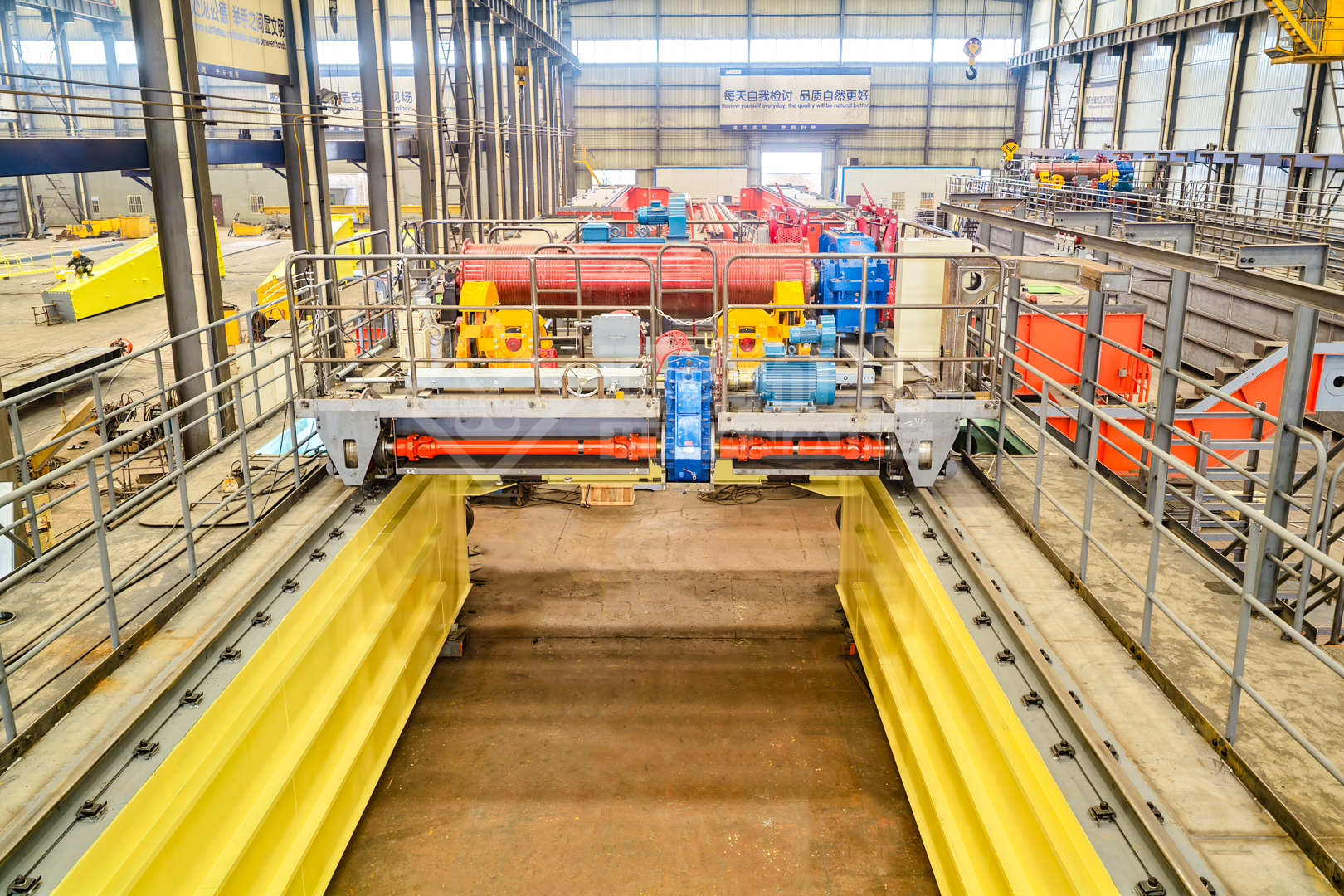
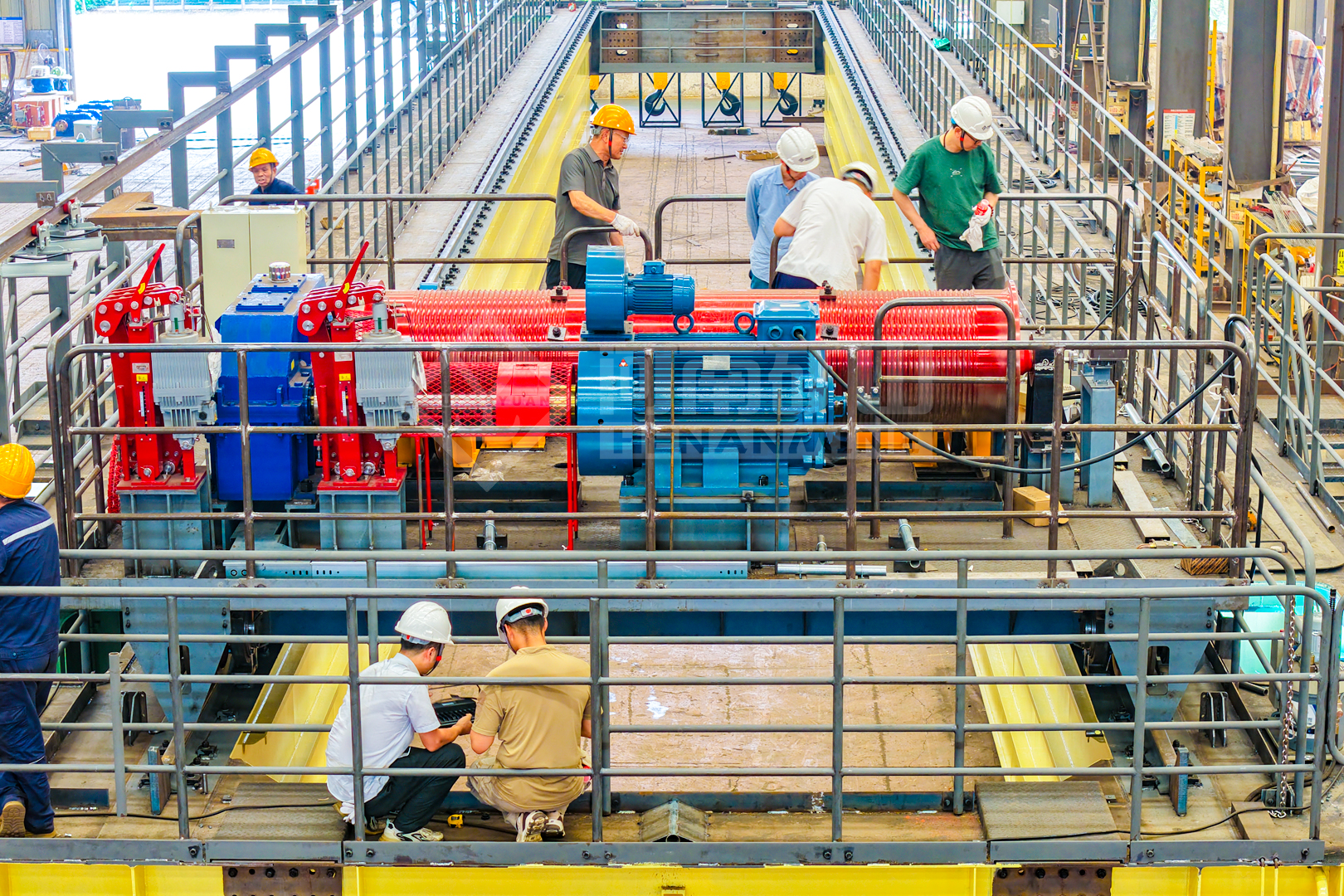
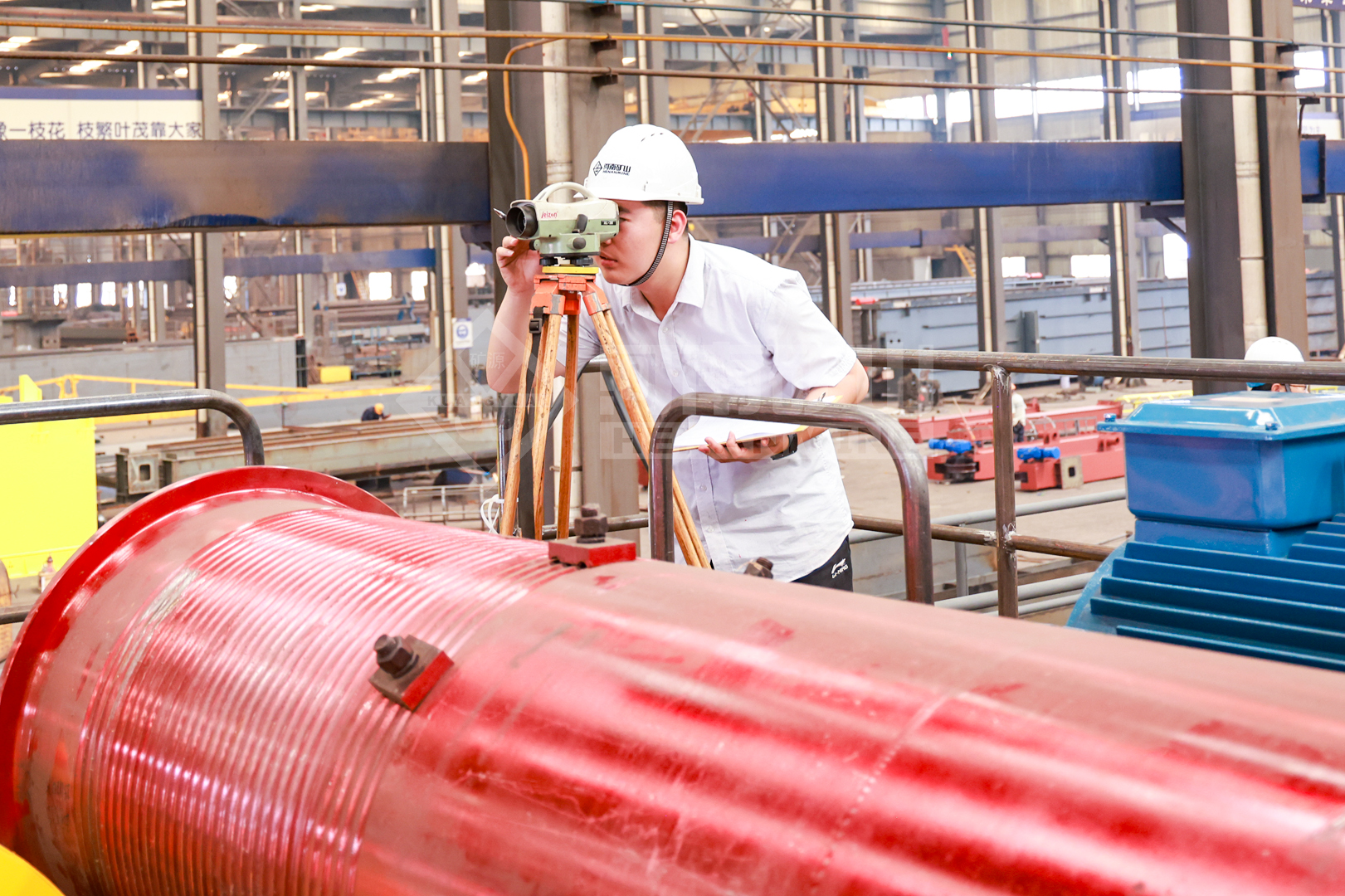
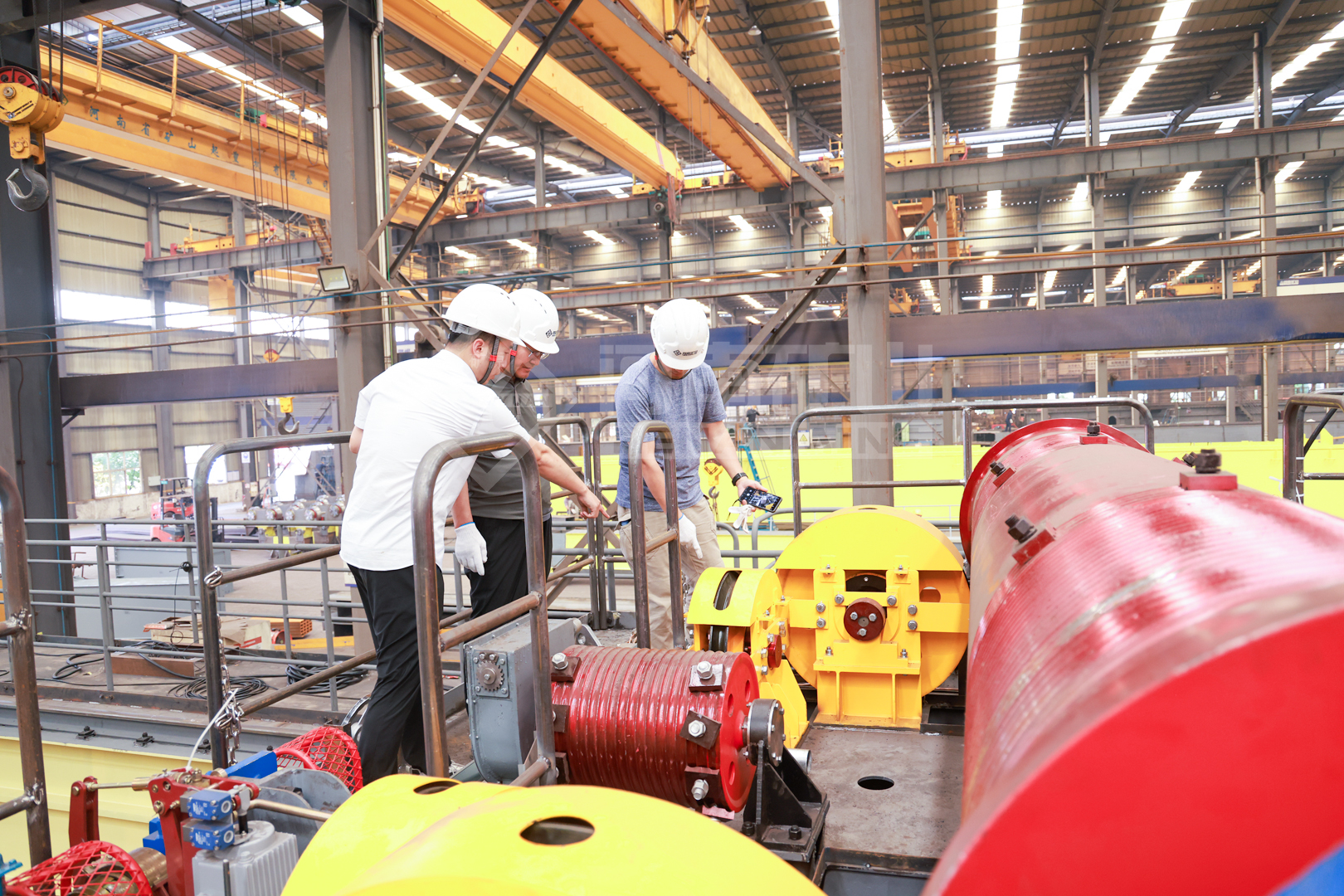
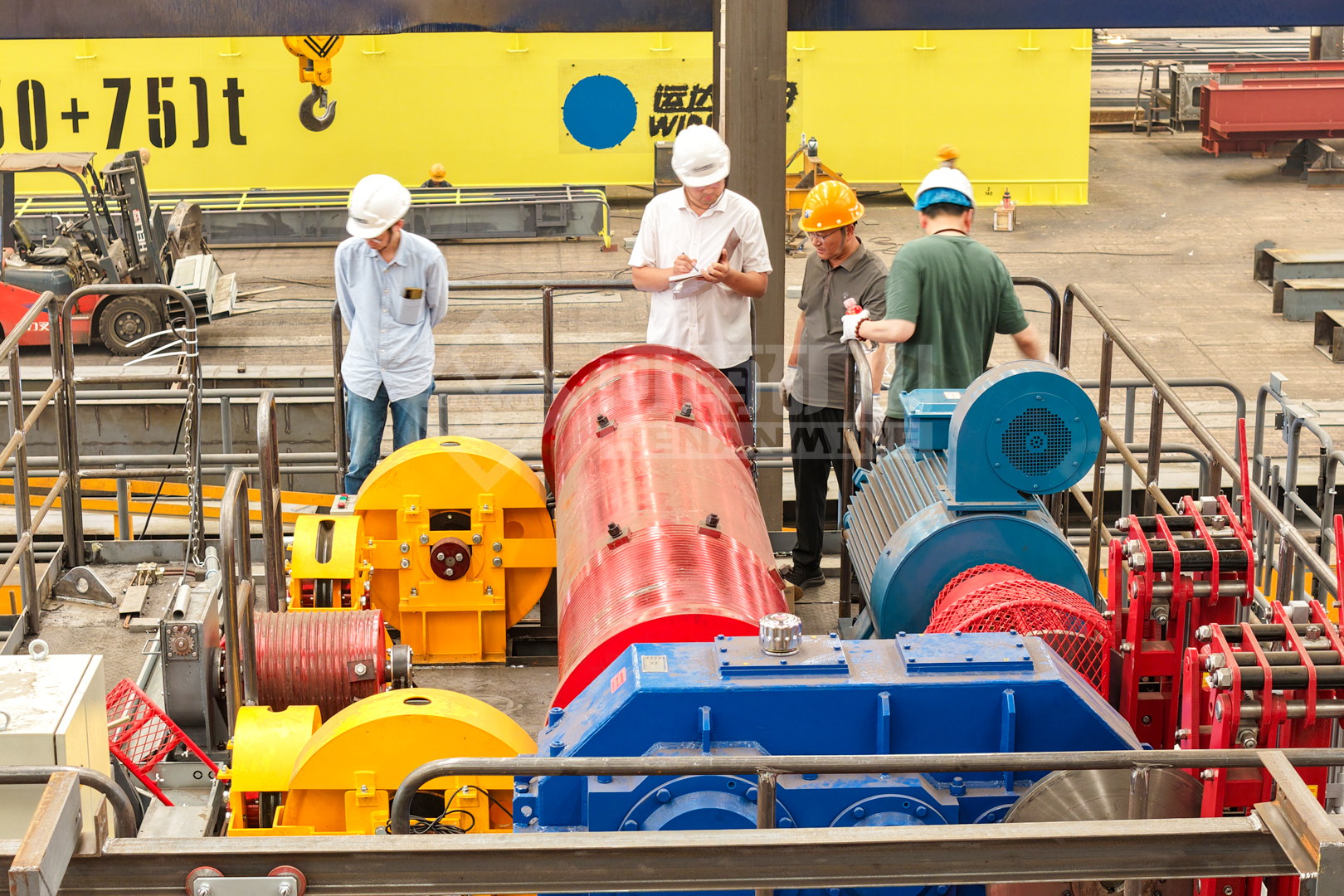
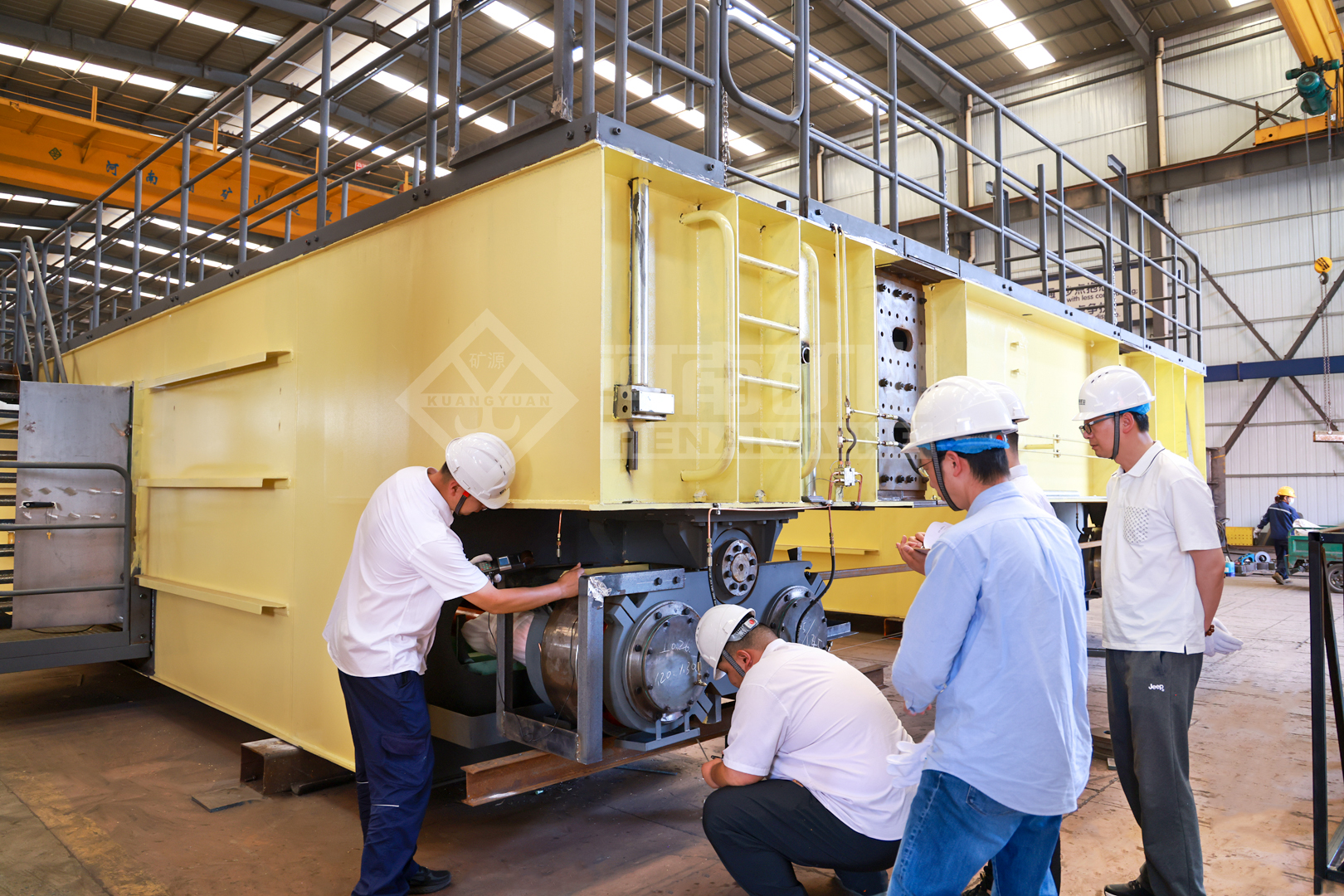
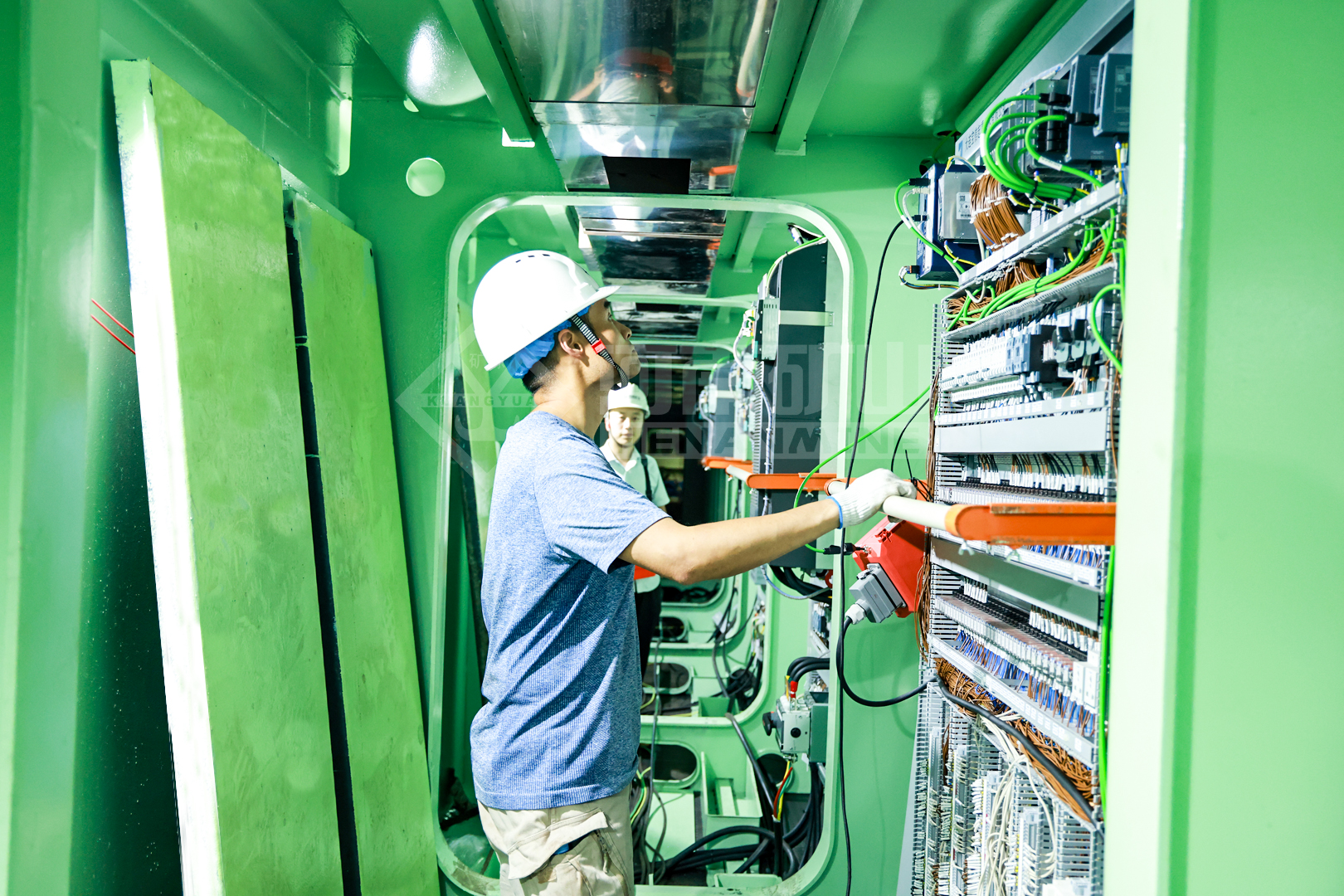
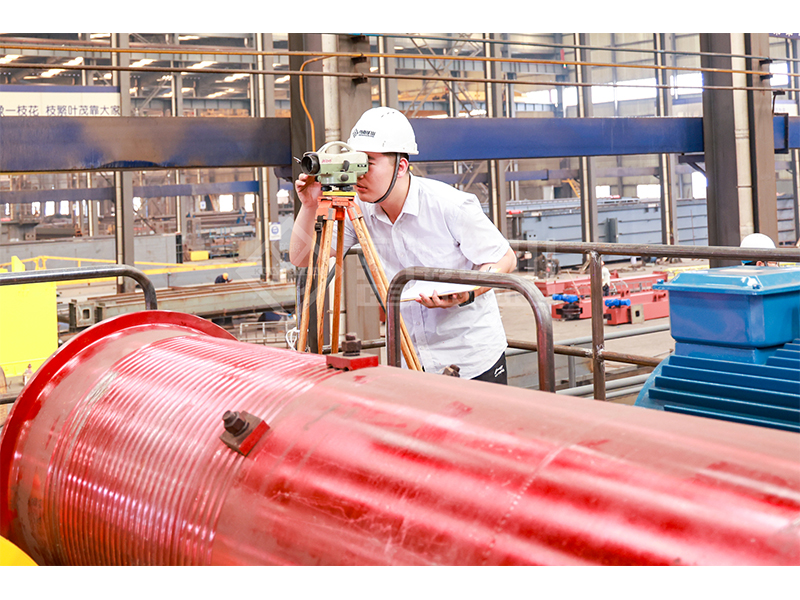
The inspection team examined the self-inspection records, material reports and non-destructive-testing documentation. Powered trials followed as part of the review. The inspected items met the project’s A-inspection outline and applicable national requirements.
For an industrial crane buyer, these records connect the finished equipment with its materials and fabrication checks. Reviewing them together with operating trials helps establish whether the delivered crane matches the agreed manufacturing and functional requirements.
Positioning and coordinated handling for automated work
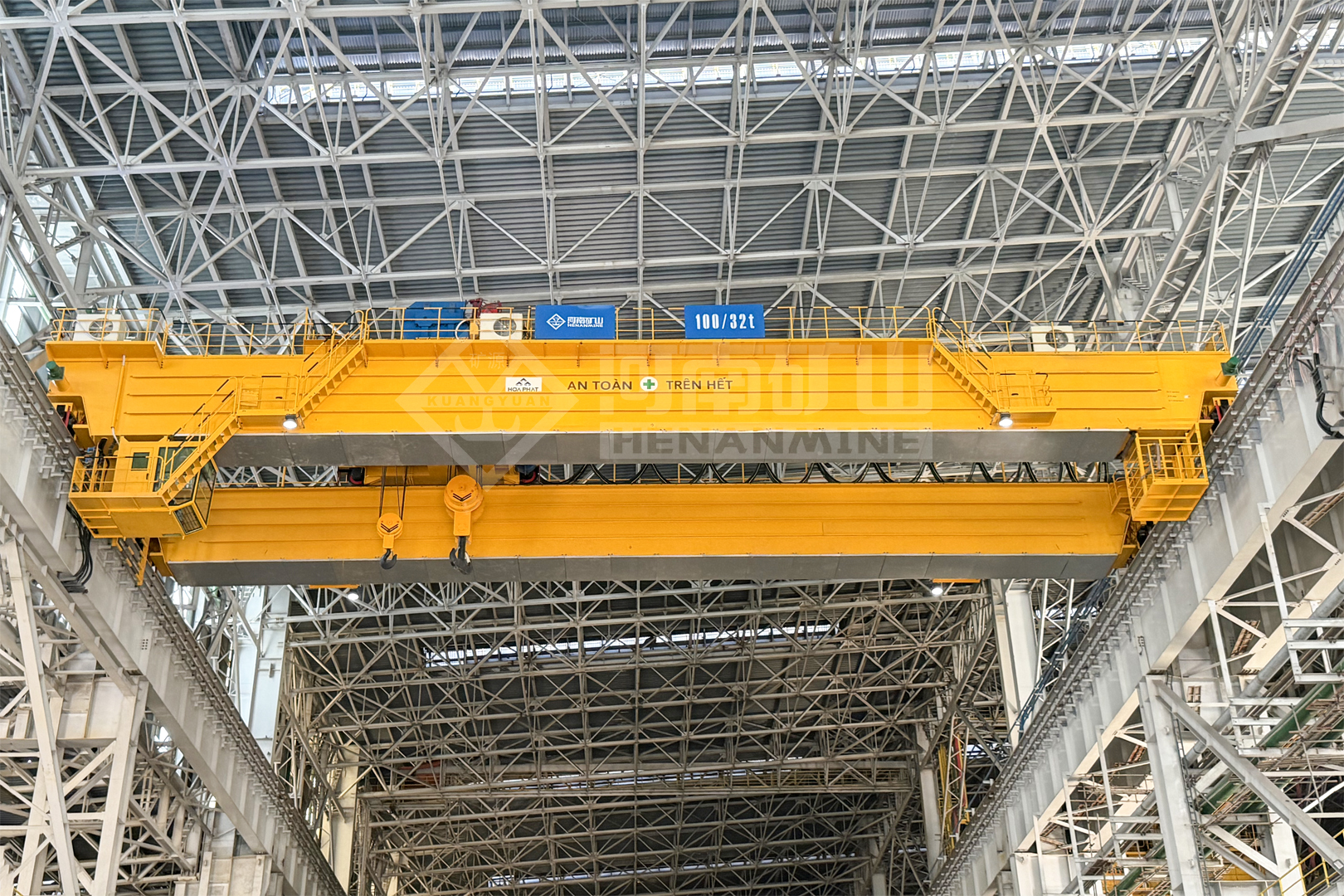
The crane package incorporates millimetre-level three-dimensional positioning, intelligent anti-sway control and flexible intelligent lifting tools. It is designed for unattended handling and coordinated operation by multiple cranes, with digital inventory traceability and predictive maintenance functions.
These capabilities make the lifting attachment, positioning system and transfer sequence important parts of equipment selection. Accurate placement depends on coordinated crane motion and a lifting tool suited to the load. Multi-crane operation also requires clear task handovers so that movement, load status and inventory information remain aligned.
Acceptance requirements for a comparable automated installation
A steelworks planning a similar installation needs an acceptance schedule that connects mechanical lifting functions with the automated workflow. Positioning checks, lifting-tool engagement, coordinated movements and inventory-data exchange each address a different part of the handling process.
The practical enquiry is therefore a defined handling task: the load and its lifting points, pickup and placement locations, operating frequency, and the equipment or warehouse system at each handover. These details allow the crane configuration and its acceptance tests to be considered together.
Photographs from this update