
Machine loading and unloading
Transfer workpieces between a staging pallet and a machine within one lifting arc. Check trolley approach, hook height, machine doors and the clearance above the load before selecting the boom.
Bridge cranes for workshops and production lines.
Explore Overhead Cranes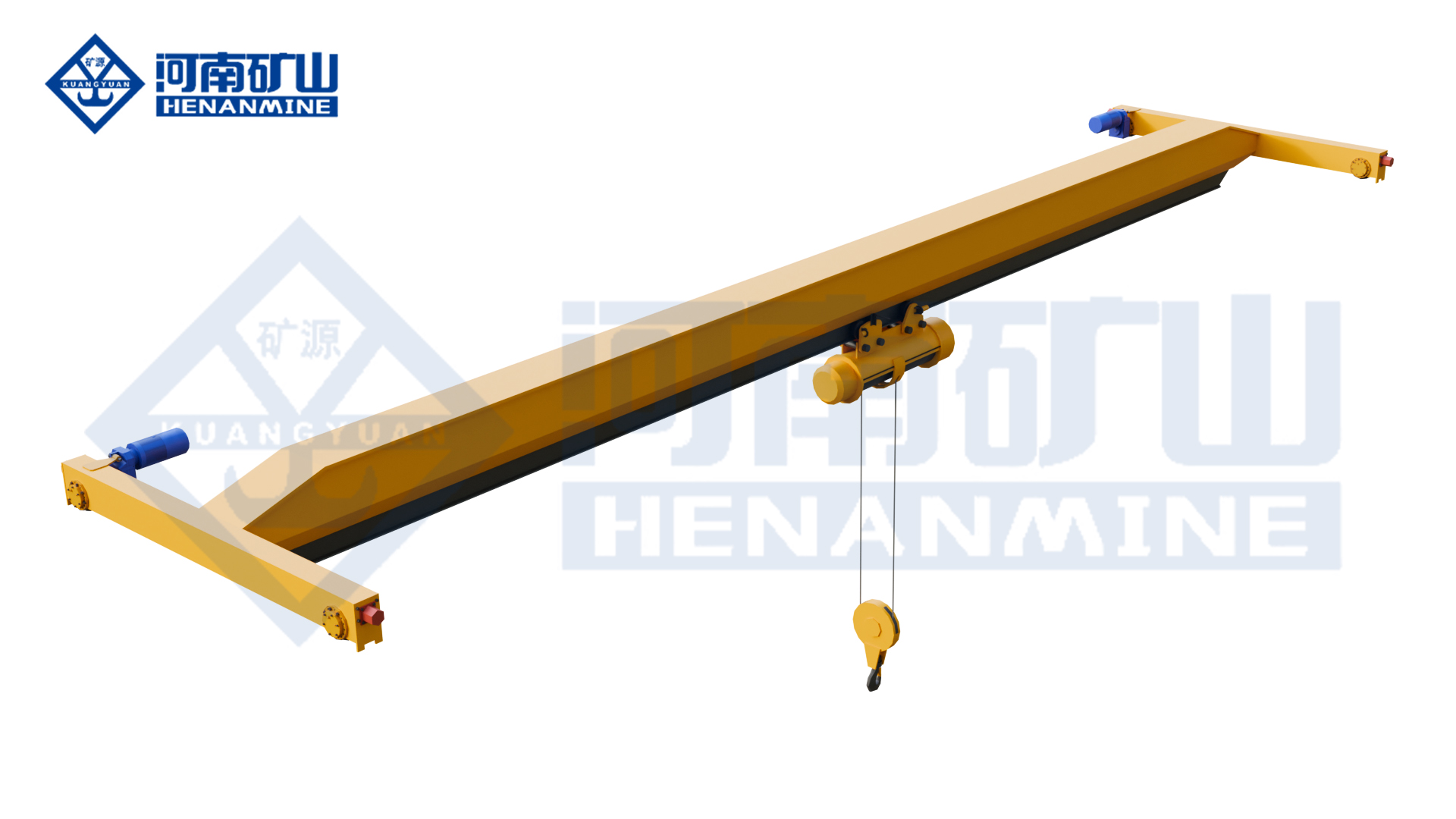
Ground-supported lifting for yards and construction.
Explore Gantry Cranes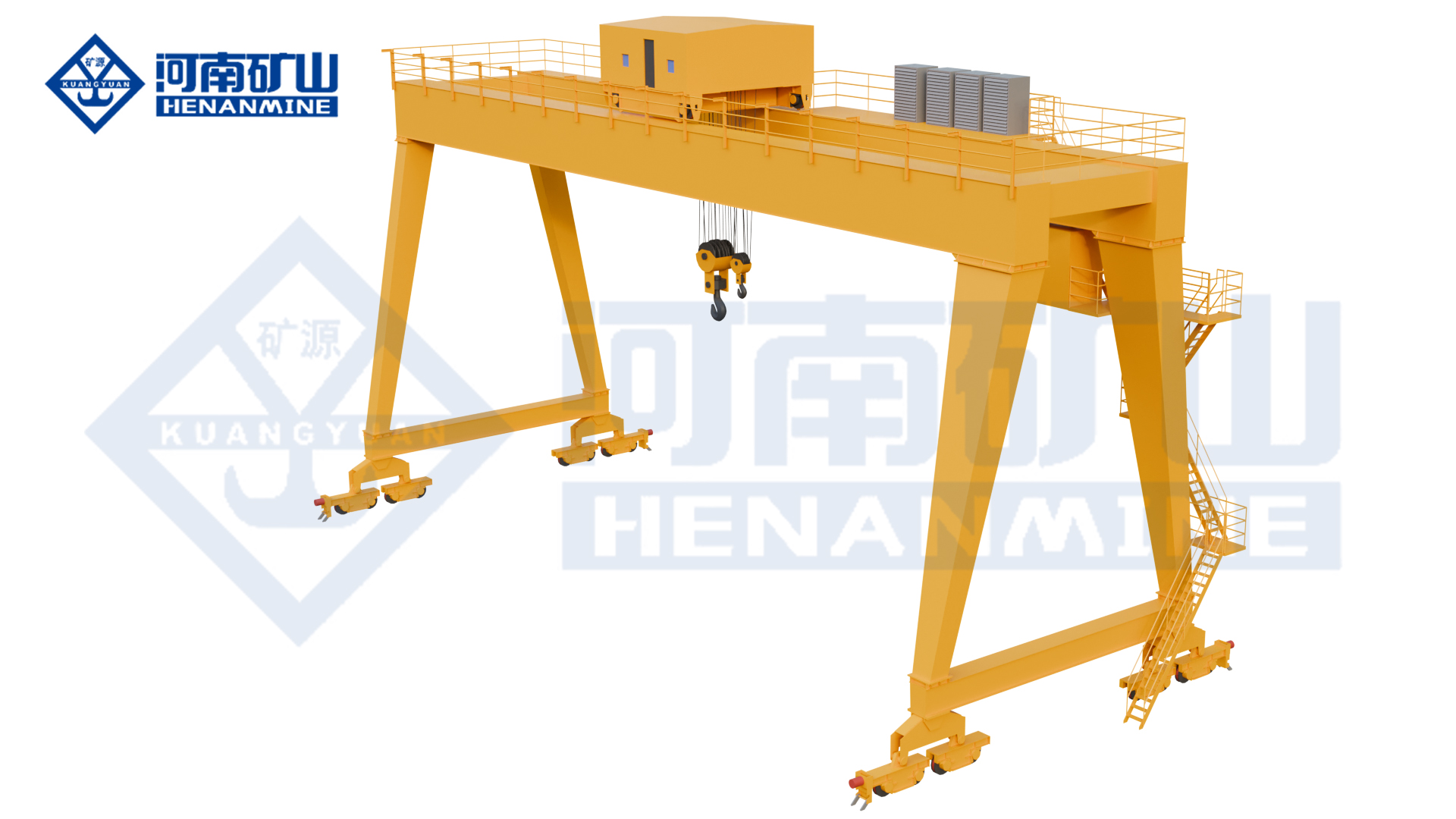
Wire rope and chain hoists for lifting points and cranes.
Explore Electric Hoists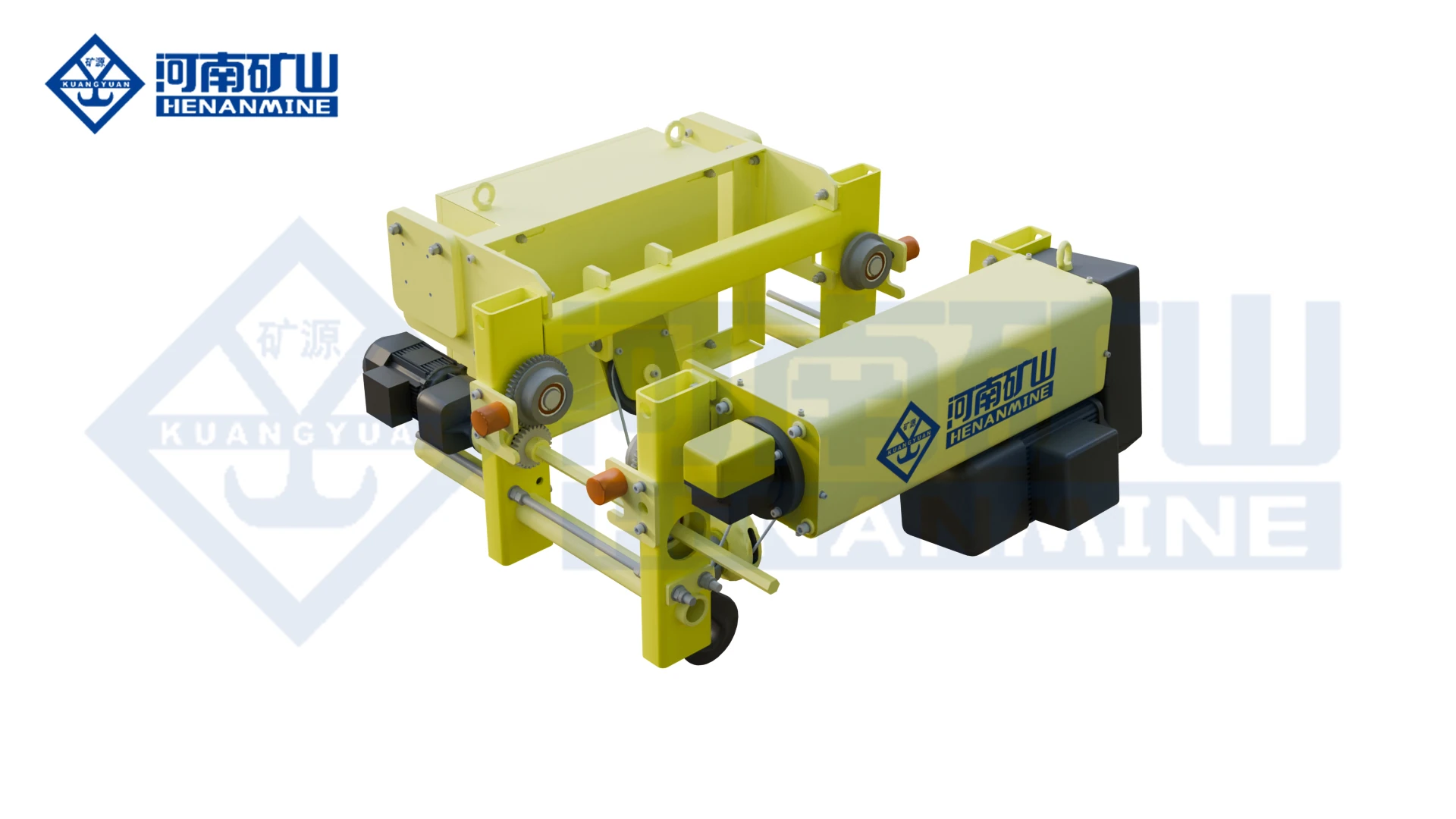
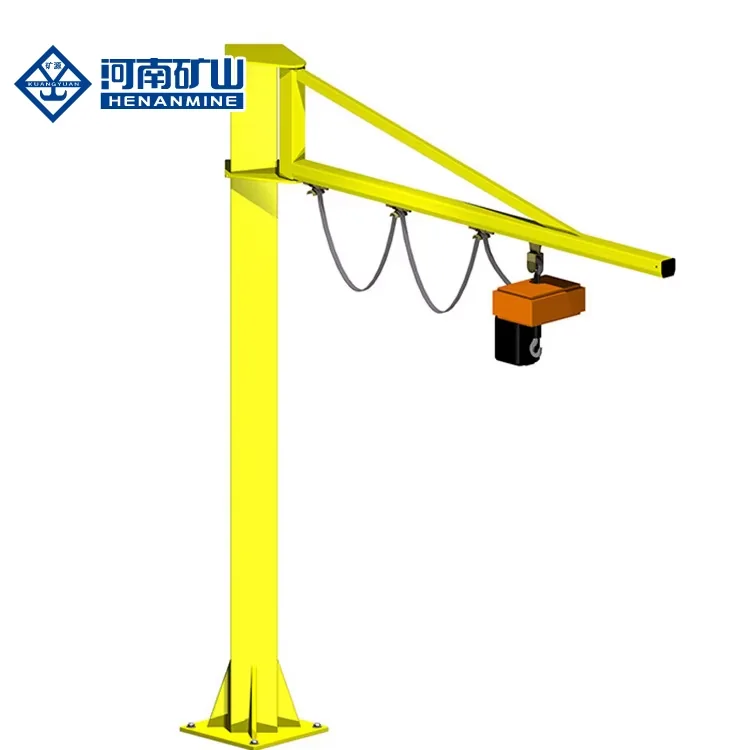
Wire rope lifting and pulling with a powered drum.
Explore Electric Winches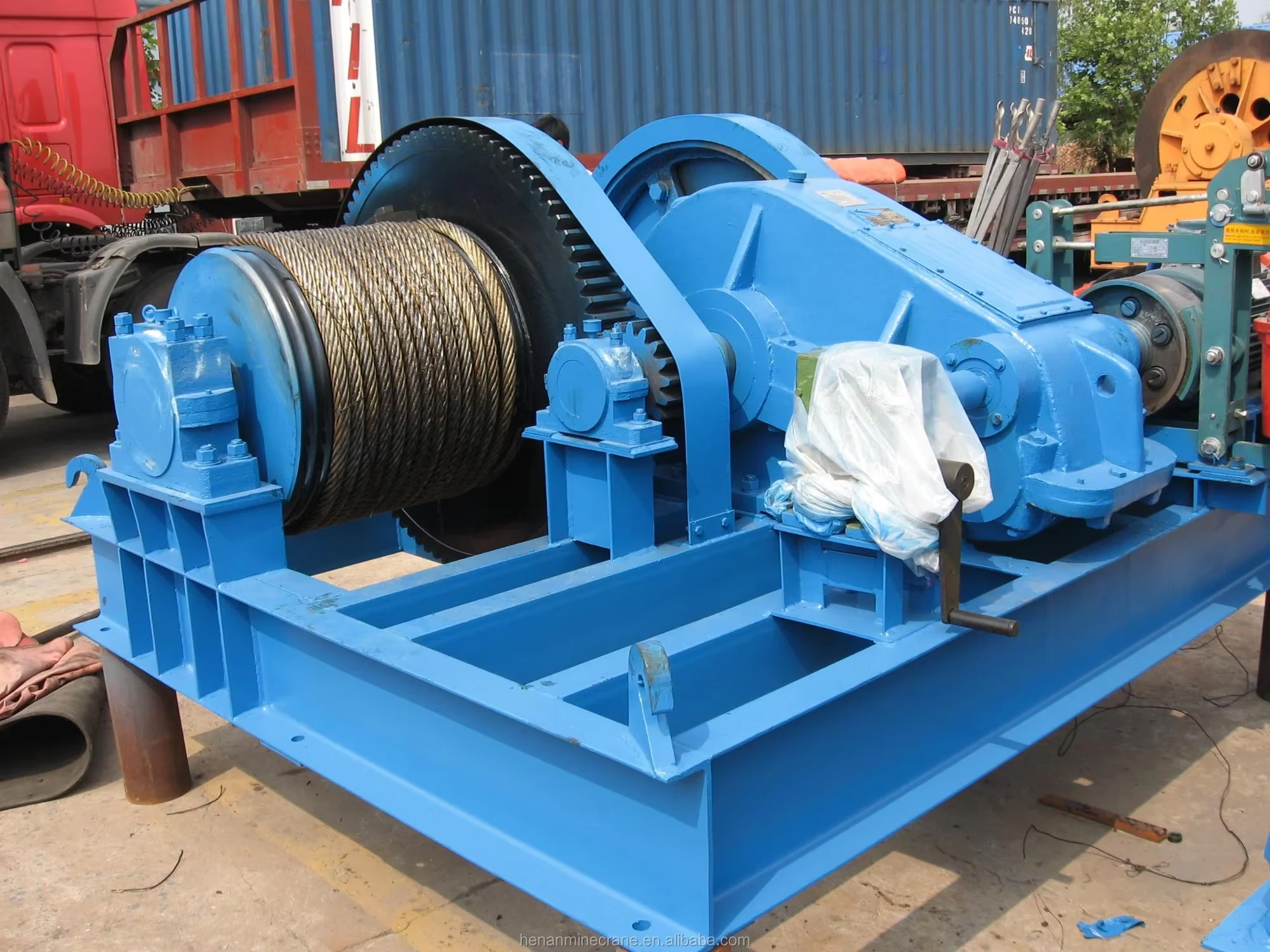
Grab buckets, magnets and hooks for your load.
Explore Lifting Attachments & Grabs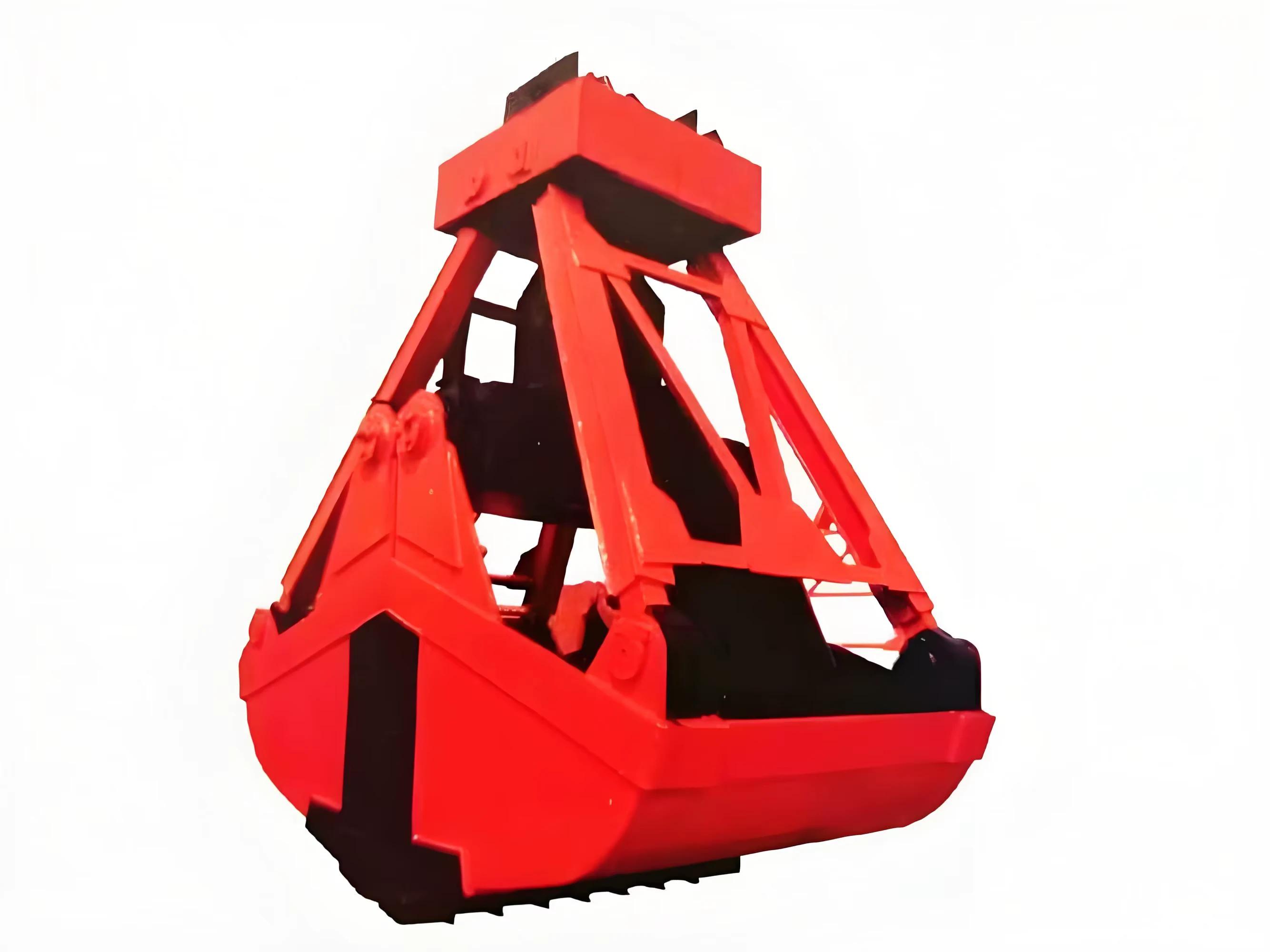
Mobile handling for containers, precast and yard loads.
Explore Rubber-Tired Gantry Cranes & Straddle Carriers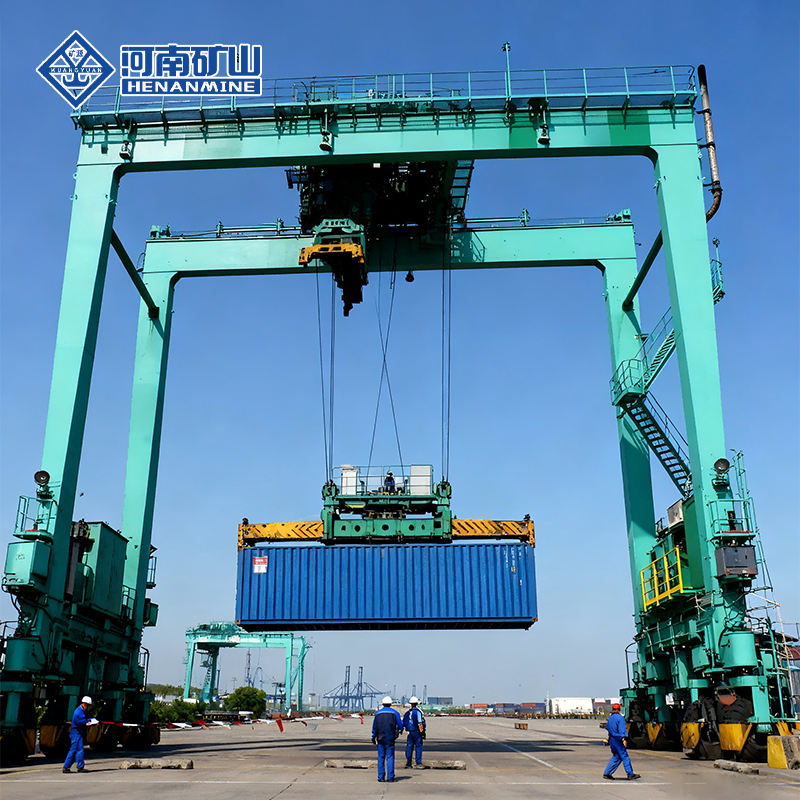
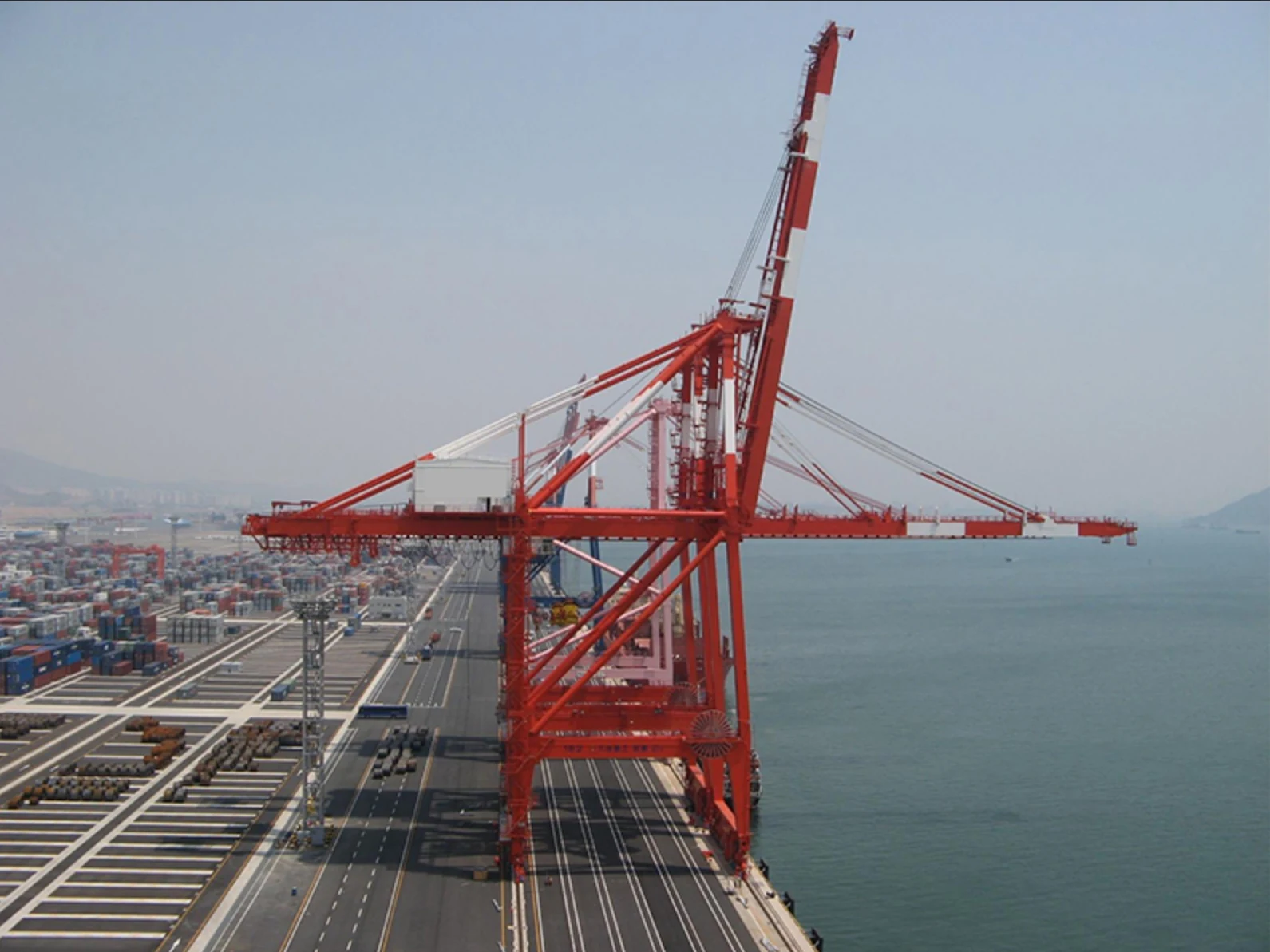
Lift and move vessels through boatyards and marinas.
Explore Marine Travel Lifts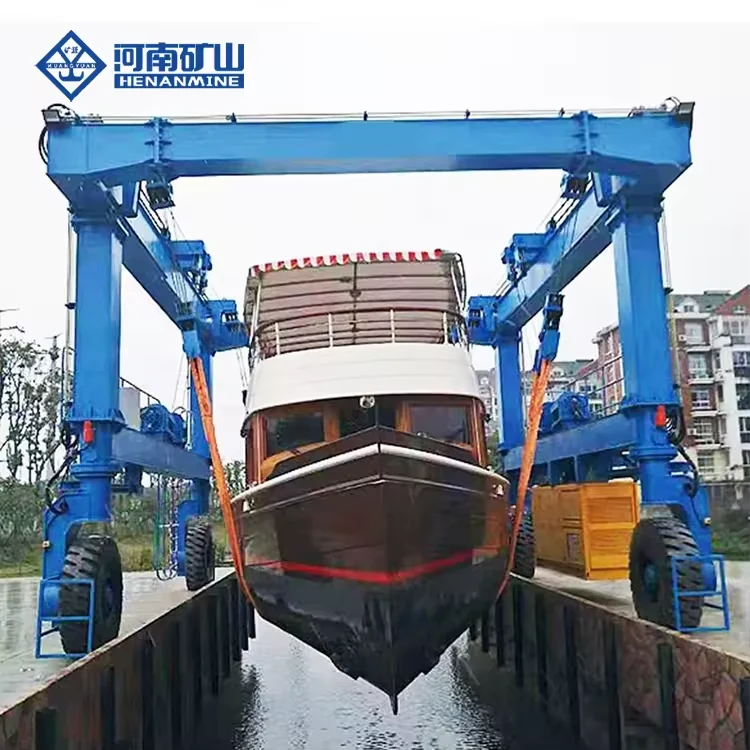
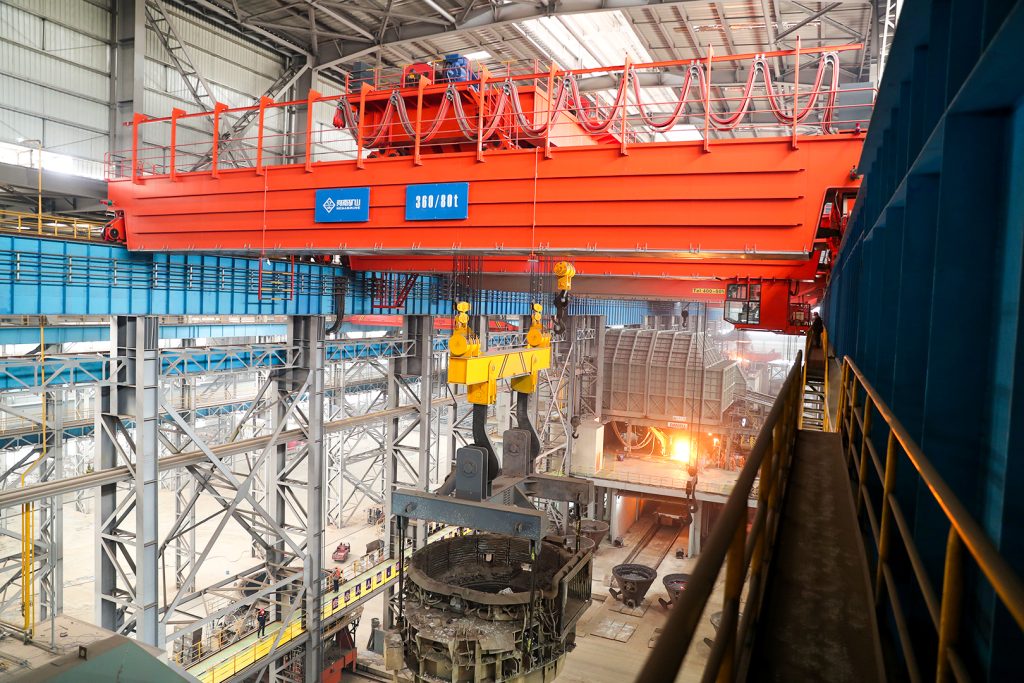
Ladle, slab, scrap and coil handling across steel production.
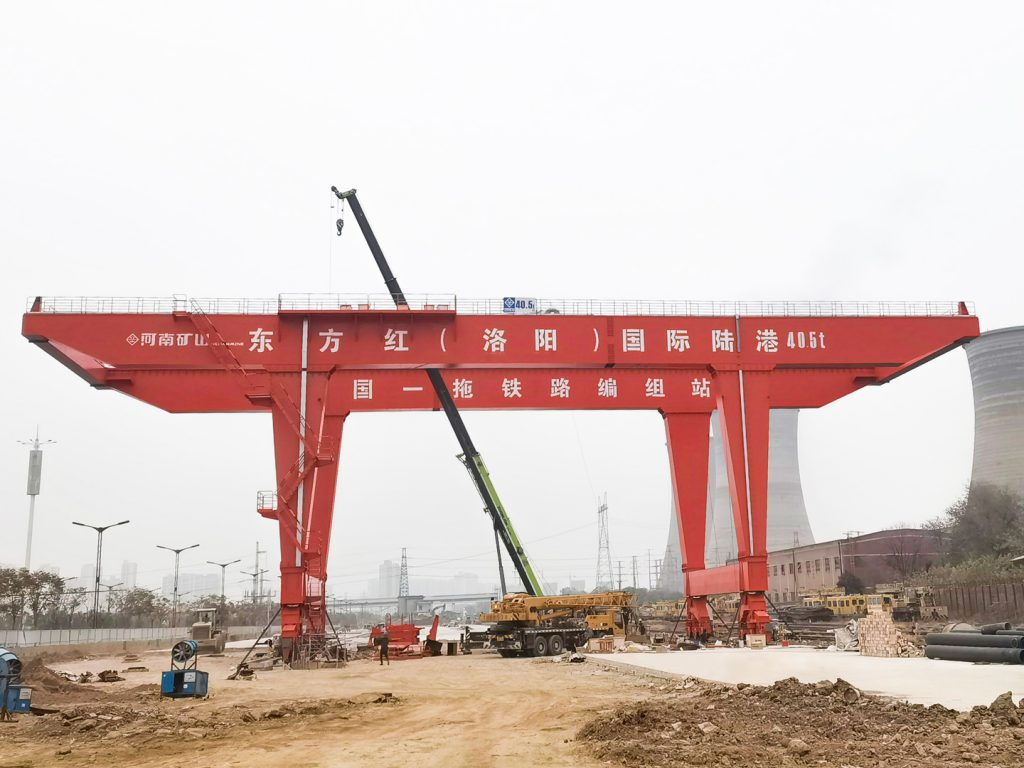
Container stacking and cargo transfers across terminals and rail.
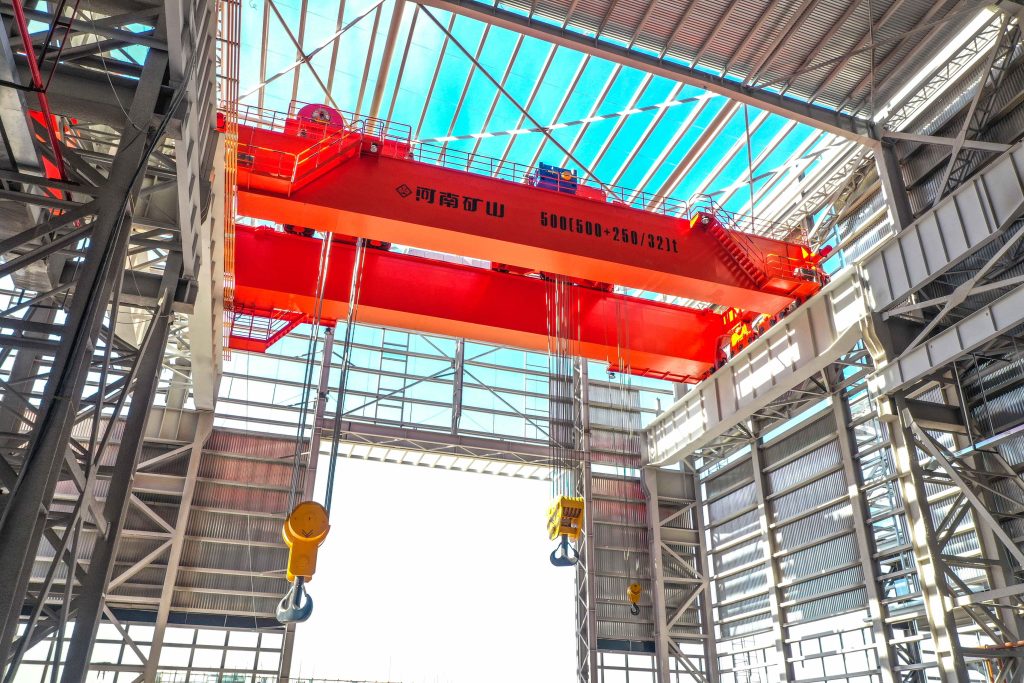
Turbine installation, powerhouse maintenance and wind equipment assembly.
Controlled component transfer and positioning for precision assembly.
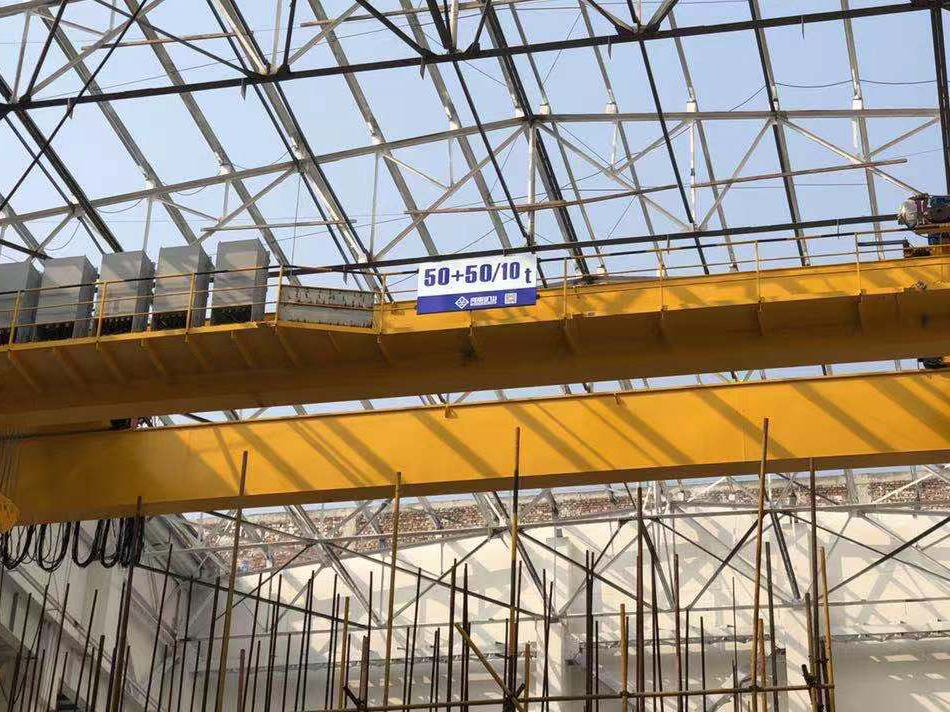
Heavy fabrication, production lifting and factory crane automation.
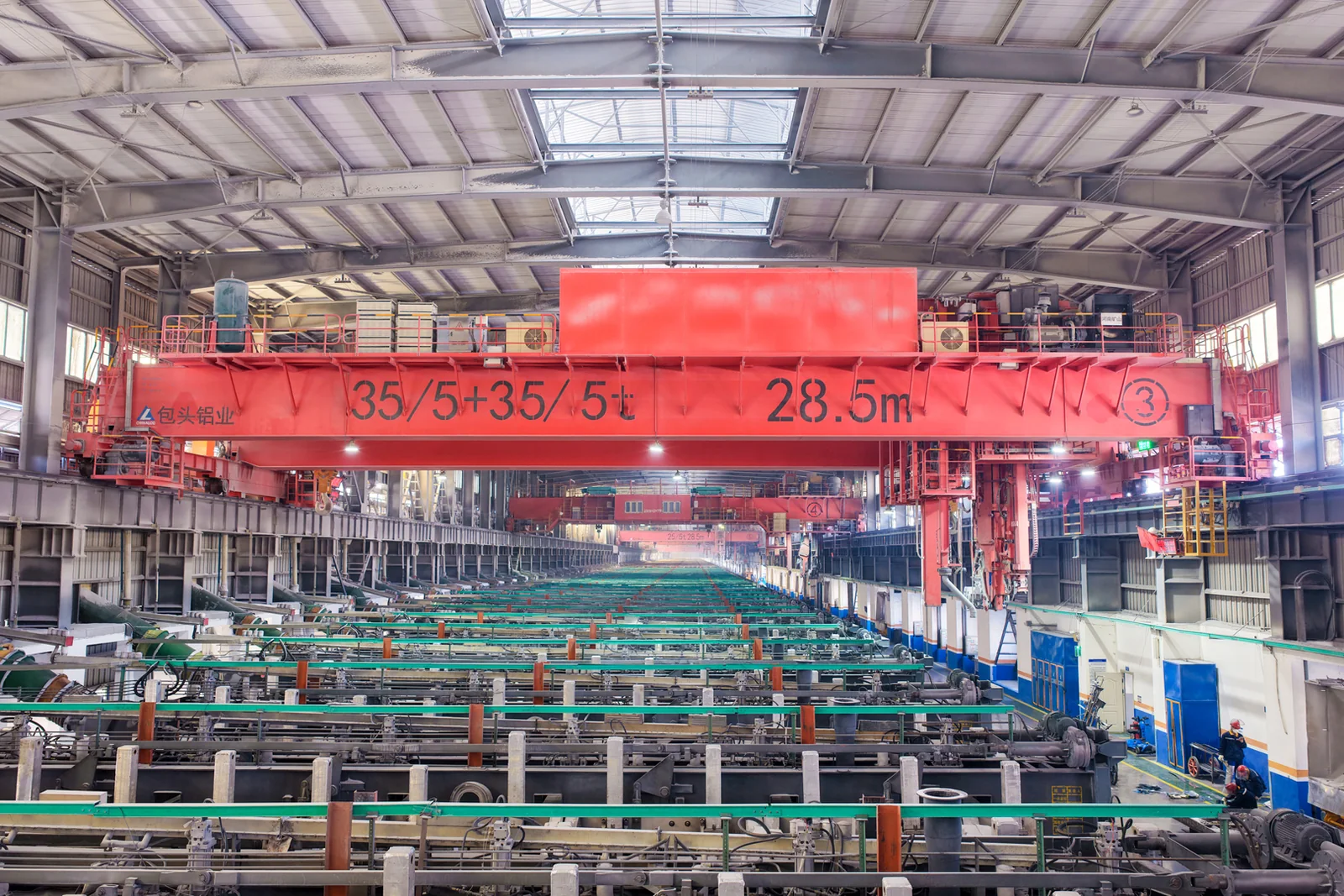
Process lifting for smelters, carbon blocks and anode materials.
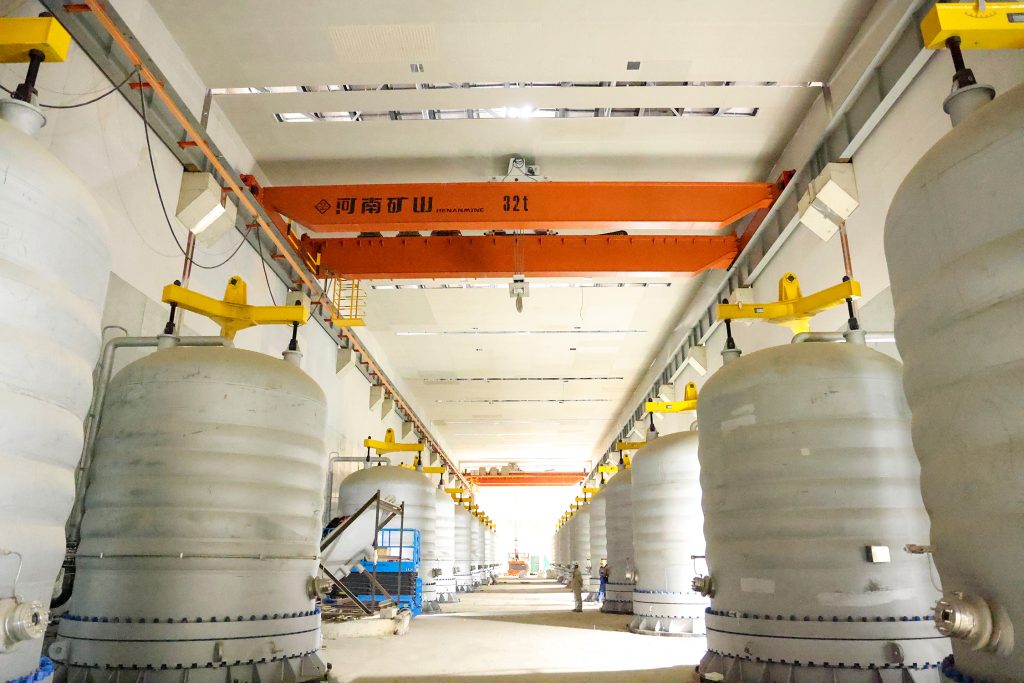
Clean lifting and classified protection for sensitive process areas.
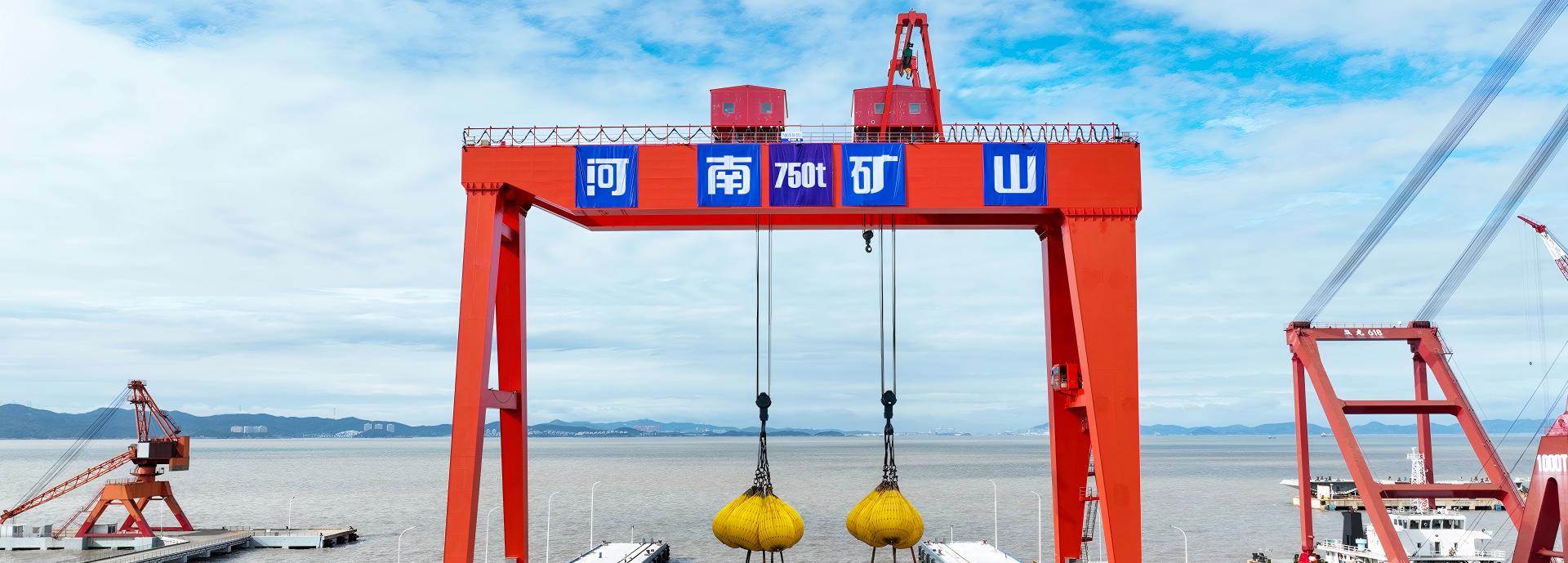
Bridge fabrication, metro construction and ship block assembly.
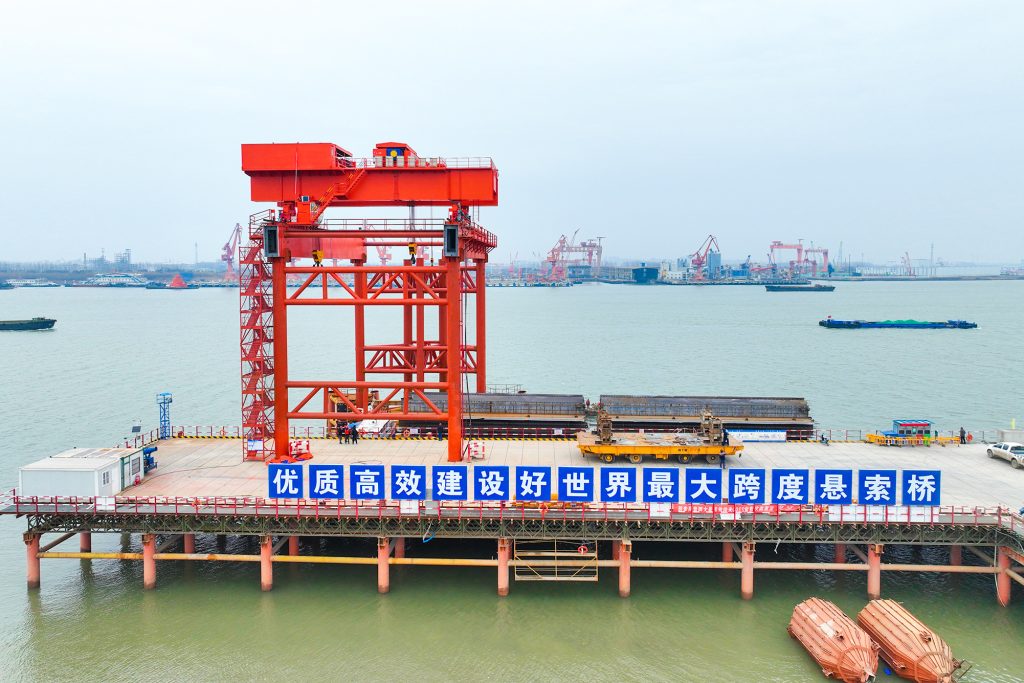
Automated storage and retrieval for plates, cables and bins.
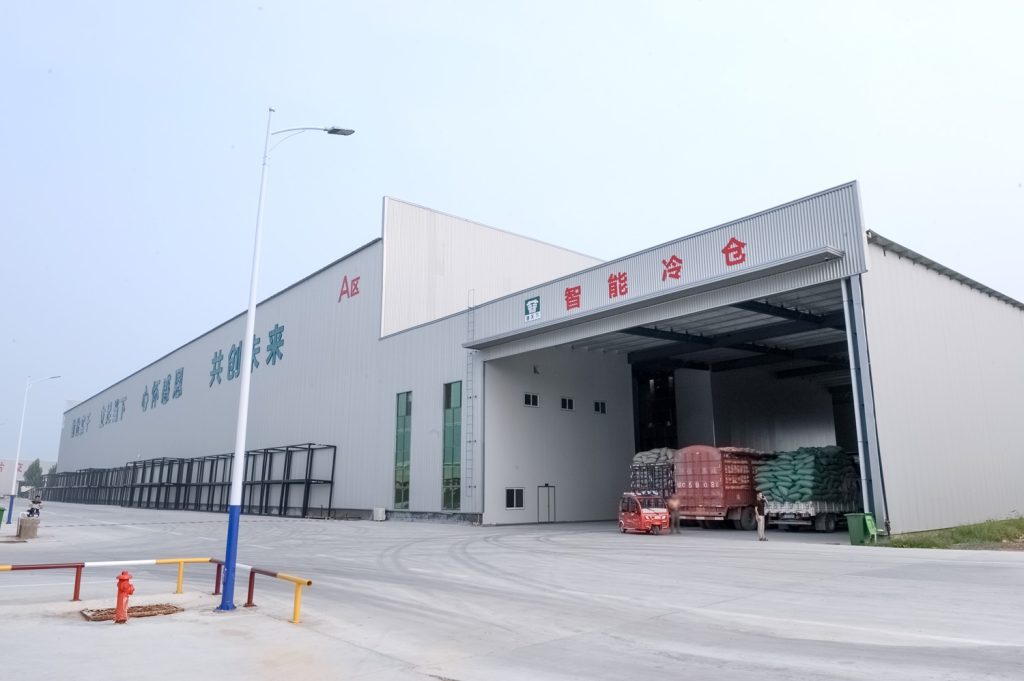
Follow project dispatches, crane engineering and factory acceptance.
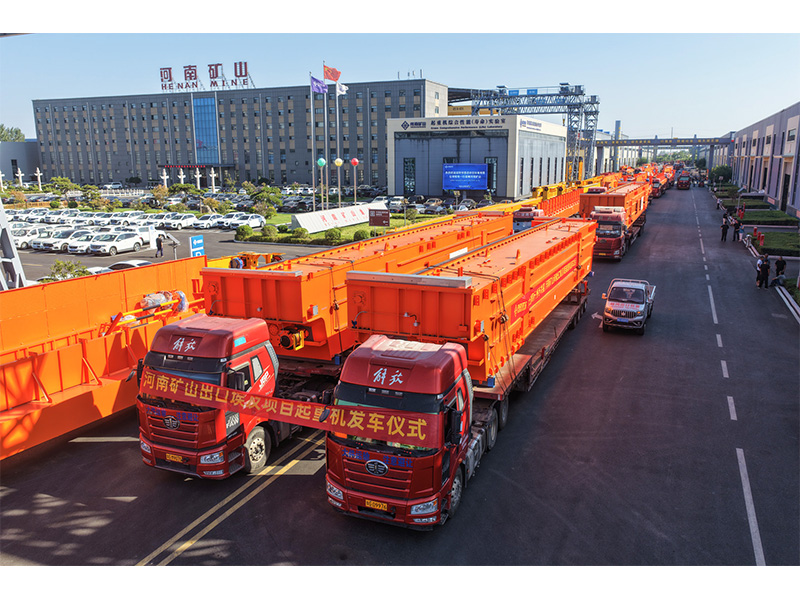
Dispatch, installation and equipment in service
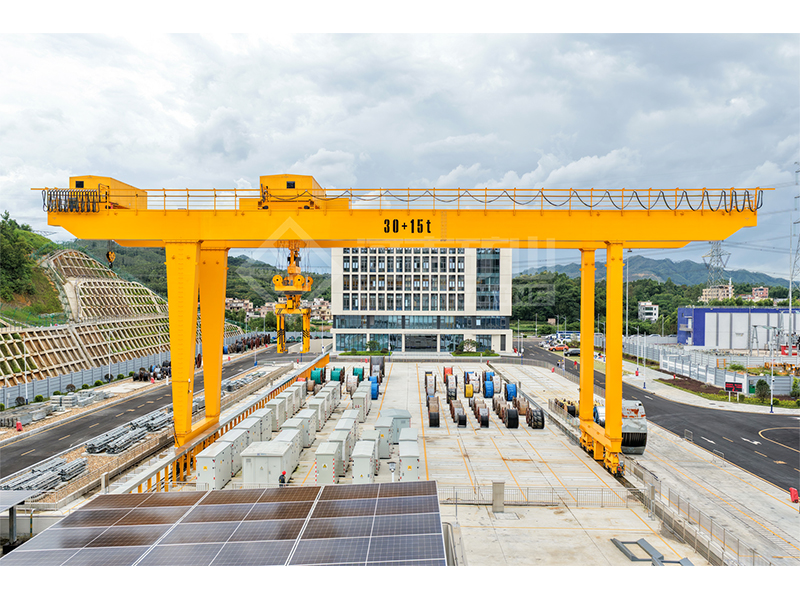
Crane configurations and handling technology
Factory inspections, acceptance and test programmes

Company developments, people and community programmes
Wall-mounted jib cranes lift and position loads within a local work area while keeping the floor clear of a freestanding crane column. A slewing boom and travelling hoist are supported by a suitable structural wall or building column. Select a Henan Mine Crane BX arrangement around the complete lifted load, usable hook reach, lifting height and verified building support.
Send the heaviest component and lifting tackle weights, a plan of the pickup and set-down points, and the wall or column details. These establish the crane capacity, hook coverage, bracket position and structural checks needed for a matched offer.
The 250 kg, 4 m radius and 5 m lifting-height figures describe one BX reference configuration. Other loads and dimensions require their own selected crane and support review.
Mount the crane beside a machine, assembly station or service position where a structural wall or building column is available.
Review the outer and inner hook positions, permitted slew, lifting height and obstructions together.
List the boom, brackets, hoist, trolley, slewing drive, electrics and site responsibilities on the same quotation.
Transfer workpieces between a staging pallet and a machine within one lifting arc. Check trolley approach, hook height, machine doors and the clearance above the load before selecting the boom.
Position motors, housings, fixtures and subassemblies at a defined workstation. Match the hoist speed and controls to the placement task and the operator's view of the suspended load.
Provide a lifting point beside fixed equipment for planned removal and replacement. Include the complete service load, withdrawal path and space needed to lower the component to a trolley or pallet.
Illustrative selection example: a 180 kg component plus 20 kg of lifting tackle gives a 200 kg suspended load. A 250 kg BX configuration can be considered if the pickup and set-down points fit its hook coverage. The 4 m radius alone does not establish inner approach, lifting height or building suitability; those require the selected drawing and support verification.
The 0.25 t load, 4 m working radius and 5 m listed lifting height form one BX reference. The 0.5 t and 1 t dimensions below are separate catalogue references; confirm their reach and lift on the selected drawing.
| Crane type and model | BX fixed wall-mounted slewing jib crane; mounted to a suitable structural wall or building column. |
|---|---|
| BX load selection range | 0.25–5 t supplier catalogue range; the paired reference here is 0.25 t / 250 kg. Match every requested capacity to its own reach and support design, including the lifted component, fixture and slings. |
| BX reference working radius | 4 m valid radius for the 0.25 t reference. Confirm the actual outer and inner hook positions on the order drawing. |
| BX reference lifting height | 5 m listed lifting height. Confirm the lowest and highest required hook positions and the hoist lift; this is not the bracket mounting height. |
| BX0.25 catalogue dimensions | Centre height 1.2 m; maximum length 4.326 m; listed crane weight 343 kg. Confirm the dimension definitions and supplied mass on the selected drawing. |
| BX0.5 catalogue dimensions | 0.5 t reference: centre height 1.6 m; maximum length 4.430 m; listed crane weight 389 kg. These are a separate configuration, not upgraded BX0.25 data. |
| BX1 catalogue dimensions | 1 t reference: centre height 2.56 m; maximum length 4.525 m; listed crane weight 768 kg. Confirm its selected reach, lift and mounting arrangement. |
| Slewing drive and permitted arc | Electric rotation is listed, with a 180° catalogue rotation reference. Confirm the selected drive, usable angle, stops, cable travel and site clearances. |
| Hoist and trolley | Electric chain or wire rope hoist as selected. State the lifting speed, hoist lift and manual or powered trolley requirement separately. |
| Catalogue motion speeds | Lifting: 8 or 8/0.8 m/min; trolley travel: 20 m/min in the supplier table. Confirm the selected hoist, drive, duty and speeds in the offer. |
| Controls | Pendant or radio remote control as specified. Confirm which lifting, trolley and slewing motions each control operates. |
| Electrical supply | Provide site voltage, phase and frequency. Itemise isolation, supply cable, cable management and control equipment in the offer. |
| Supporting structure and fixings | Verify the wall or column, brackets, bolts or anchors and connections for the selected crane reactions. Confirm bracket centre distances and access for installation. |
| Duty and environment | State lifts per hour, operating hours, typical and maximum load, temperature, indoor or outdoor exposure, dust and any hazardous-area requirements. |
| Selected-unit documents | Confirm the general arrangement, hook envelope, crane and hoist identity, support reactions, electrical information, instructions and agreed inspection or test records. |
This workshop installation places a slewing boom and electric chain hoist beside a building column, with the crane carried on column brackets above the floor. Check bracket spacing, fixing access, inner hook approach and the swept load envelope against the actual building before ordering.
Specify the crane as a working system. Powered lifting does not automatically include powered trolley travel or electric slewing, and the bracket design must match the verified support.
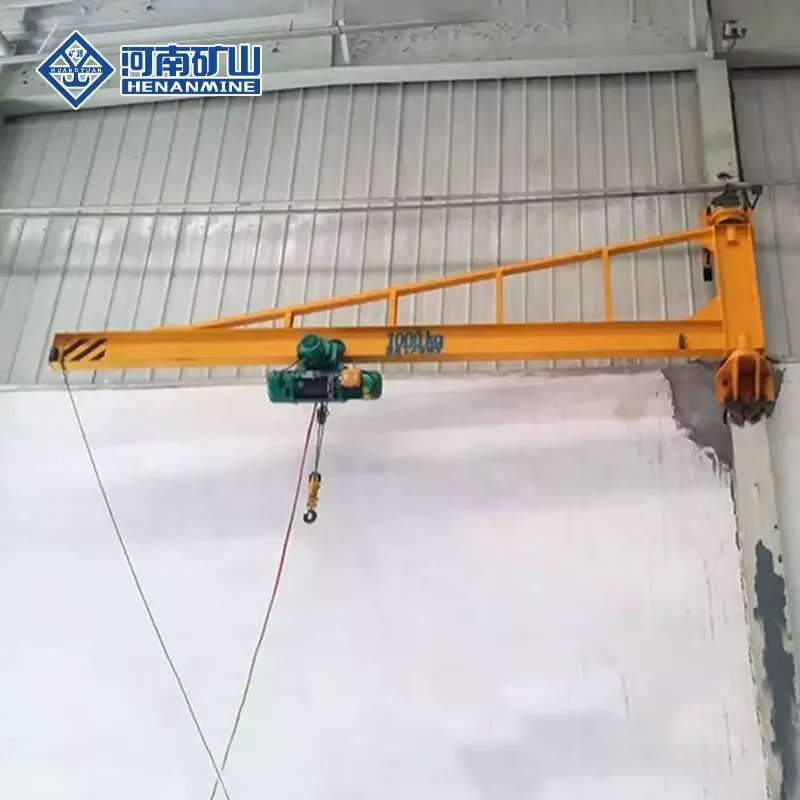
Choose an electric chain or wire rope hoist for the selected load, lift, headroom and duty. State single or dual lifting speed and manual or powered trolley travel; confirm the innermost and outermost usable hook positions.
Define how the boom is turned and the permitted operating arc. Coordinate stops, cable routing, doors, roof members and neighbouring equipment; do not assume a universal 180° or 360° rotation.
Match bracket geometry and fixing access to the building support. Include the reactions, connection details and any required building reinforcement in the design review before manufacture or site work.
Specify pendant or remote operation, electrical supply and isolation. State outdoor exposure, dust, corrosion and any hazardous-area classification so the offered equipment and protection match the site.
A useful offer identifies the selected crane, the building interface and what is included in the price. Review the same equipment and installation boundary across suppliers.
Request an itemised schedule for the boom, wall or column brackets, pins, hoist, trolley, slewing drive, controls, cables and fixings. Identify the quantity and every item supplied by the buyer or installer.
Published wall-mounted market references: 1 t at USD 4,500–6,000; 2 t at USD 6,000–8,500. Kino Cranes guide ranges, checked 23 October 2026; exact reach and package are unspecified. These are not Henan Mine Crane quotations or installed-project prices. Confirm the hoist, trolley, drive and brackets; obtain separate allowances for freight, duties, building work, installation and commissioning. Kino Cranes published price reference ↗
Request the general arrangement, hook coverage, support reactions, mounting and electrical information, operating instructions and agreed inspection or test records. Specify destination conformity requirements in the enquiry.
Put drawing approval, manufacturing, inspection, packing and dispatch dates in the written offer. Confirm delivery terms, destination, packing dimensions, unloading and import responsibilities.
Identify who verifies and prepares the support, installs the brackets and fixings, provides electrical power and completes commissioning. Obtain approval of the support and connections before installing the crane.
Agree warranty coverage, start date and support arrangements in writing. Retain crane and hoist identities, final drawings and a recommended list of electrical, brake, bearing, pin and hoist wear parts.
Review a floor-mounted column arrangement where the wall or building column is unsuitable, with its own foundation and anchorage design.
View product ↗Compare a jib that travels along a supported runway to serve several lifting positions down the side of a workshop.
View product ↗Compare pillar-mounted, wall-mounted and wall-travelling lifting arrangements around the coverage and supporting structure available.
Explore range ↗Resolve capacity, support, hook coverage and the supply scope before approving a wall-mounted crane.
A wall-mounted jib crane is a local lifting crane with a slewing boom attached to a suitable structural wall or building column. A hoist lifts the load and a trolley moves the hook along the boom. The fixed mounting avoids a separate freestanding crane column, but transfers the crane reactions to the building support.
No. The support and its connections must be checked for the reactions from the selected crane and operating loads. Provide structural drawings, material and section details, fixing access and site photographs. Ordinary masonry, cladding or an unverified column must not be assumed suitable; obtain structural approval before installation.
Add the component and all lifting tackle or attachments, then specify the required hook positions, hoist lift and duty. The BX reference on this page is 250 kg with a 4 m working radius and 5 m listed lifting height. Requests for 500 kg, 1 t, 2 t or another duty need a matched crane, reach and support design rather than an enlarged version of the 250 kg example.
A wall and surrounding equipment limit the usable slew. The permitted angle depends on the selected mounting and boom arrangement, clearances, stops and electrical cable routing. Provide the required pickup and set-down positions on a plan, then confirm the available arc on the selected drawing; do not assume a universal rotation angle.
Published market guide ranges are USD 3,000–4,500 for 500 kg, USD 4,500–6,000 for 1 t, and USD 6,000–8,500 for 2 t. These are Kino Cranes references checked on 23 October 2026, not Henan Mine Crane quotations. No single reach or itemised package is defined. Request a current offer that lists the boom, brackets, hoist, trolley, rotation drive and controls, then accounts for freight, duties, building work, installation and commissioning separately. Kino Cranes published price reference ↗
A wall-mounted jib transfers its loads into a suitable wall or building column. A pillar jib uses its own floor-mounted column and requires the selected foundation and anchorage. Choose around the available structure, required hook coverage, floor layout and total installed cost; a wall-mounted crane may still require building reinforcement.
No. This BX arrangement stays at one mounting position and slews across a local work area. A wall-travelling jib runs along a supported runway to serve several workstations along the building. The moving arrangement needs its own runway, drive and building-support review.
No. Hoisting, trolley travel and slewing are separate motions. Specify the drive and control for each one, including any two-speed or variable-speed requirement, travel limits and electrical feed. Pendant and radio remote control describe the command method, not the complete drive package.
Arm length is a structural dimension. Working radius describes a hook position measured from the slew axis, and the trolley and stops create inner and outer approach limits. Hoist lift and the highest hook position are also different from the bracket mounting height. Use a dimensioned drawing to check the full hook envelope.
Provide the load including tackle, required working radius, pickup and set-down positions, hook heights, lifts per hour, electrical supply and mounting-structure details. Add the destination, quantity, indoor or outdoor conditions and requested supply scope. A plan, elevation and clear photographs help identify obstructions and fixing access.
Send the complete lifted load, usable hook reach, required hook heights and wall or column details. Include a plan of the work area, site power, operating duty and destination so the crane, mounting and supply scope can be matched to the installation.
info@cranehenanmine.com