
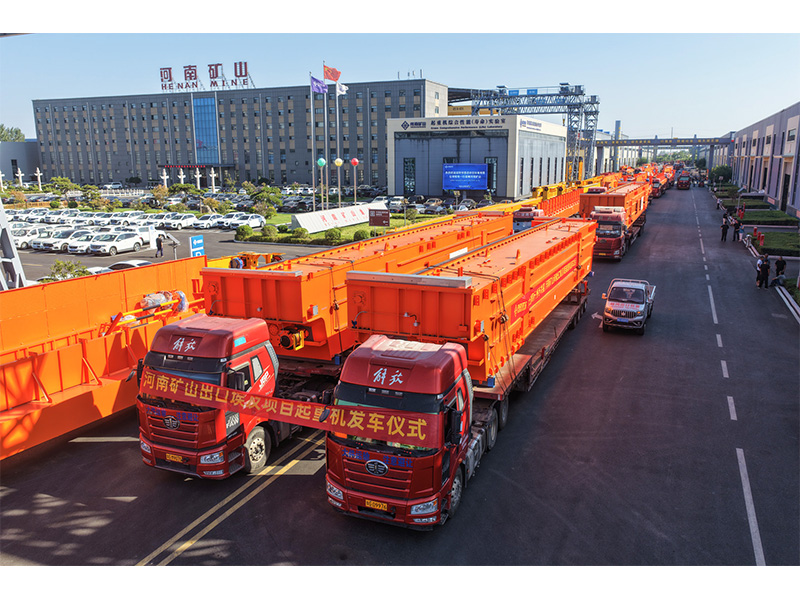

| Accepted systems | Twenty-four |
| Included arrangement | Six lower-rotating carrier-beam cranes |
| Site inspection | Xi’an Special Equipment Inspection Institute |
| Attachment controls | Servo extension and rotation |
| Operating modes | Remote, manual and tablet |
Rotating attachments for aerospace component handling
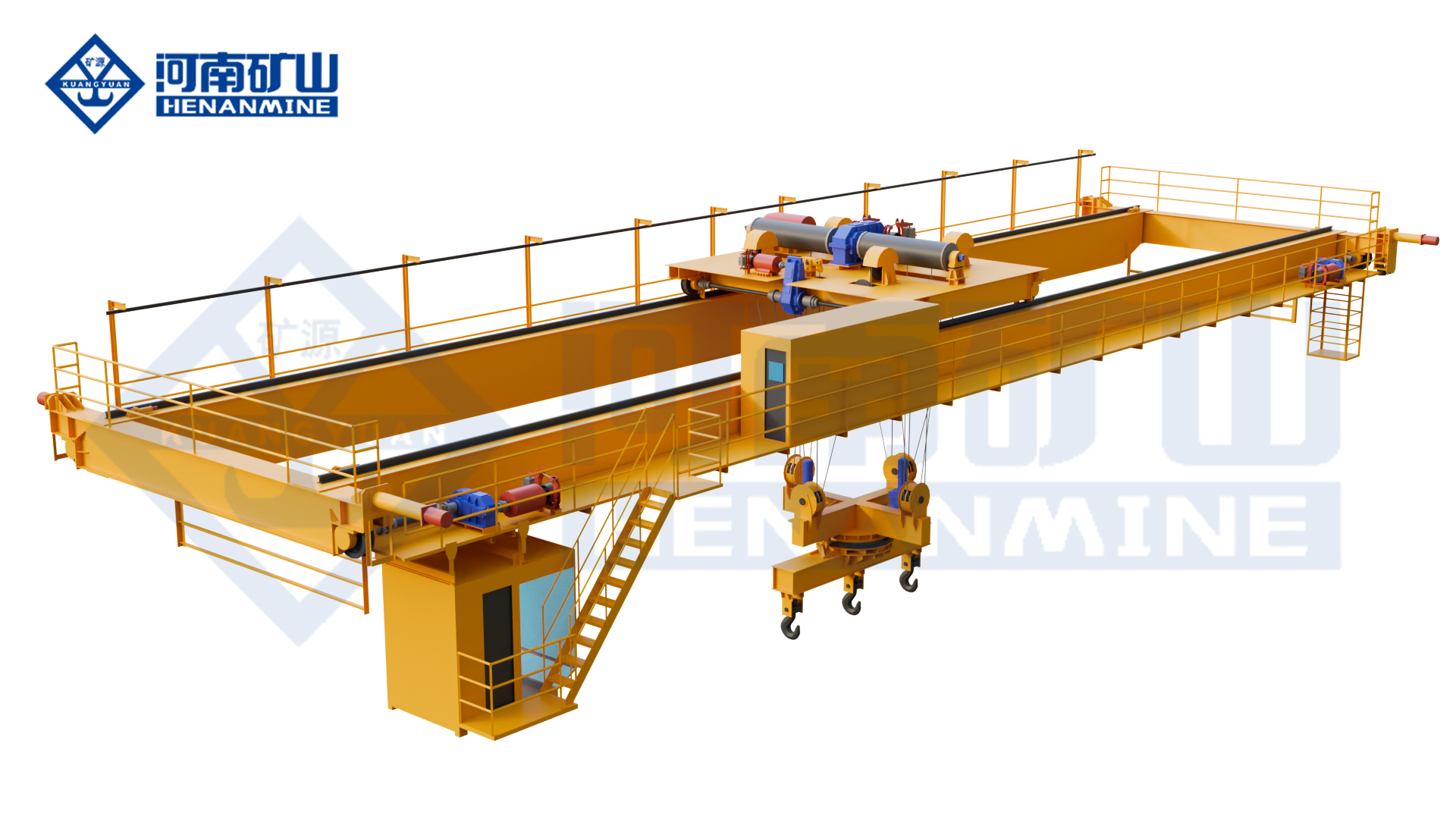
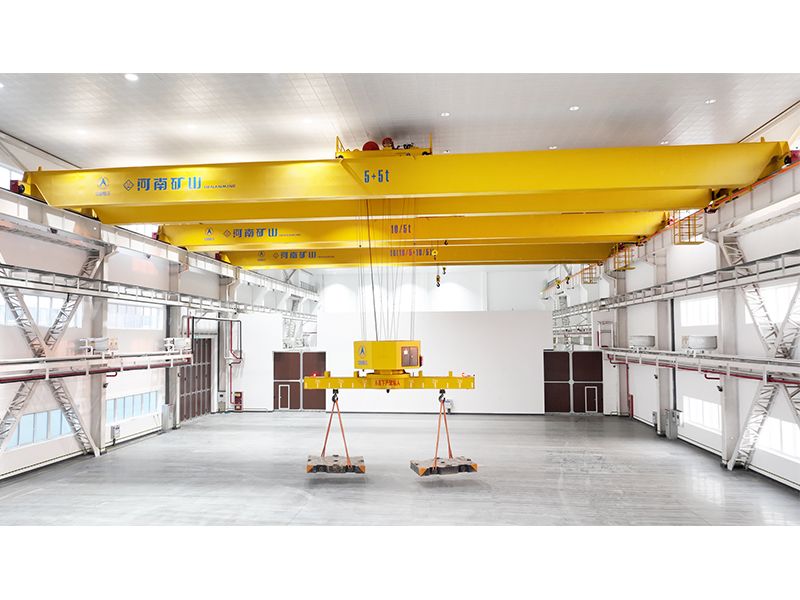
The carrier-beam cranes use automatically extending and rotating attachments. The arrangement connects the machine’s movement with the component interface and orientation required by the manufacturing task.
The six carrier-beam cranes form part of the twenty-four-system batch. The equipment’s capacity and attachment details need to be established for each handling task within a new project.
Closed-loop drives and several operating modes
PLC control and closed-loop vector drives coordinate the mechanisms. Anti-sway functions support controlled movement, while remote, manual and tablet controls provide several operating modes.
The control specification should identify when each mode is used and how control is transferred. Component pickup, orientation and placement must remain connected with the approved handling sequence.
Detection and remote equipment information
High-precision detection supports obstacle avoidance within the working area. Remote monitoring provides equipment information for the operating and maintenance team.
For a comparable installation, define the permitted travel areas, clearances, obstacle conditions and required data functions. Acceptance demonstrations should cover the load interface and the agreed protective responses.
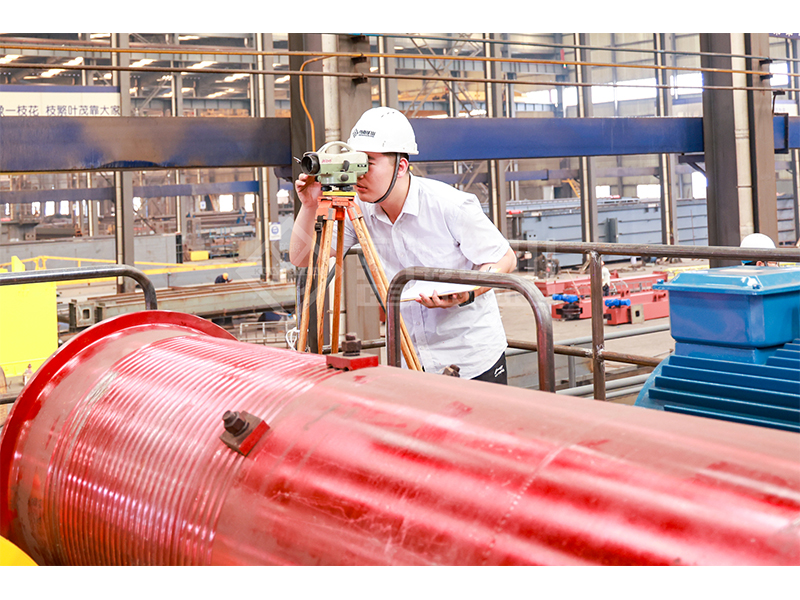
Site acceptance establishes the release milestone
The completed inspection established readiness for delivery into use. The batch follows an earlier 160 t + 160 t intelligent explosion-protected crane project; that earlier capacity belongs to a separate machine.
Send component drawings, lifting interfaces, working layout and the required positioning and inspection scope when enquiring about aerospace handling equipment.