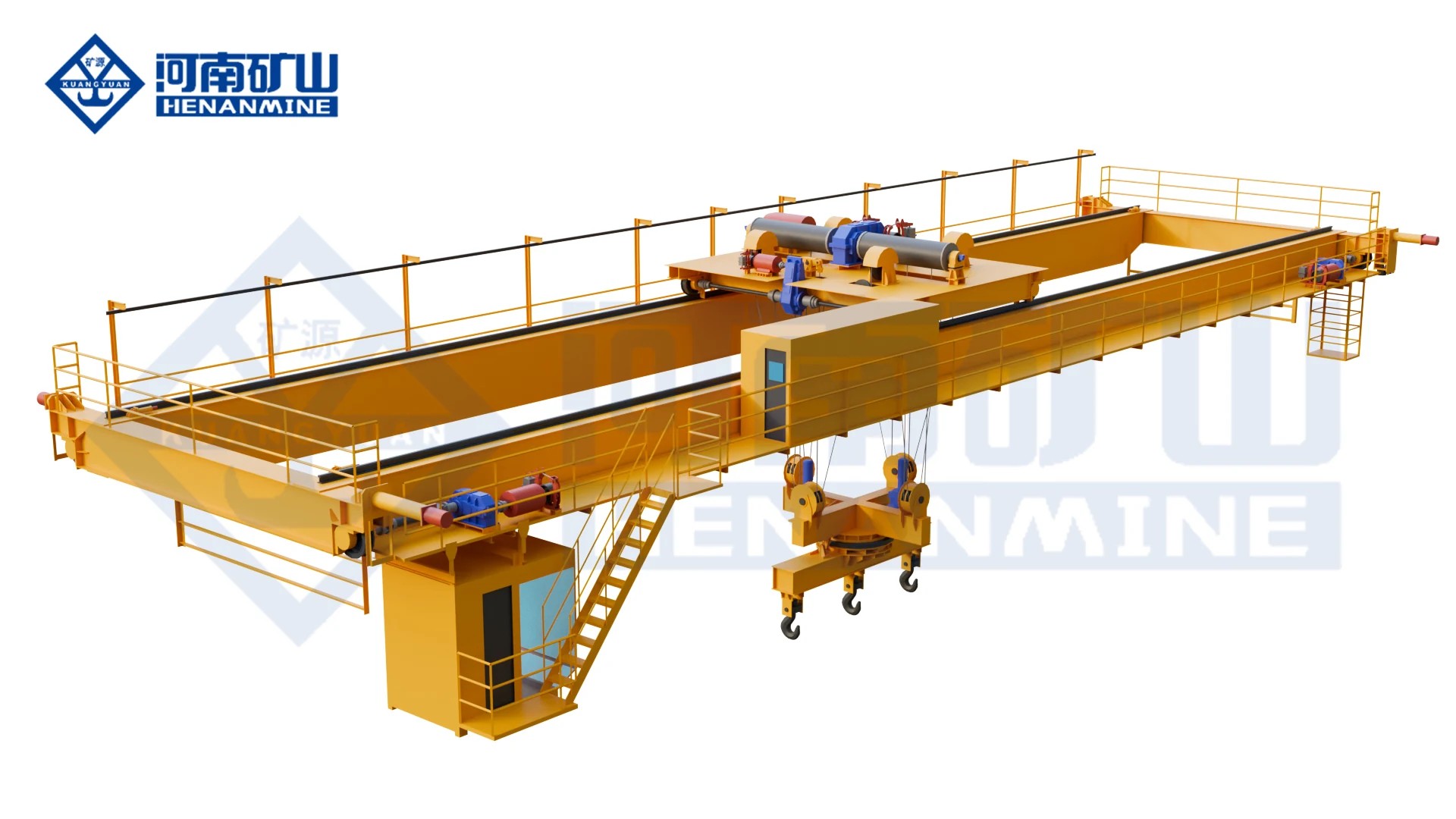
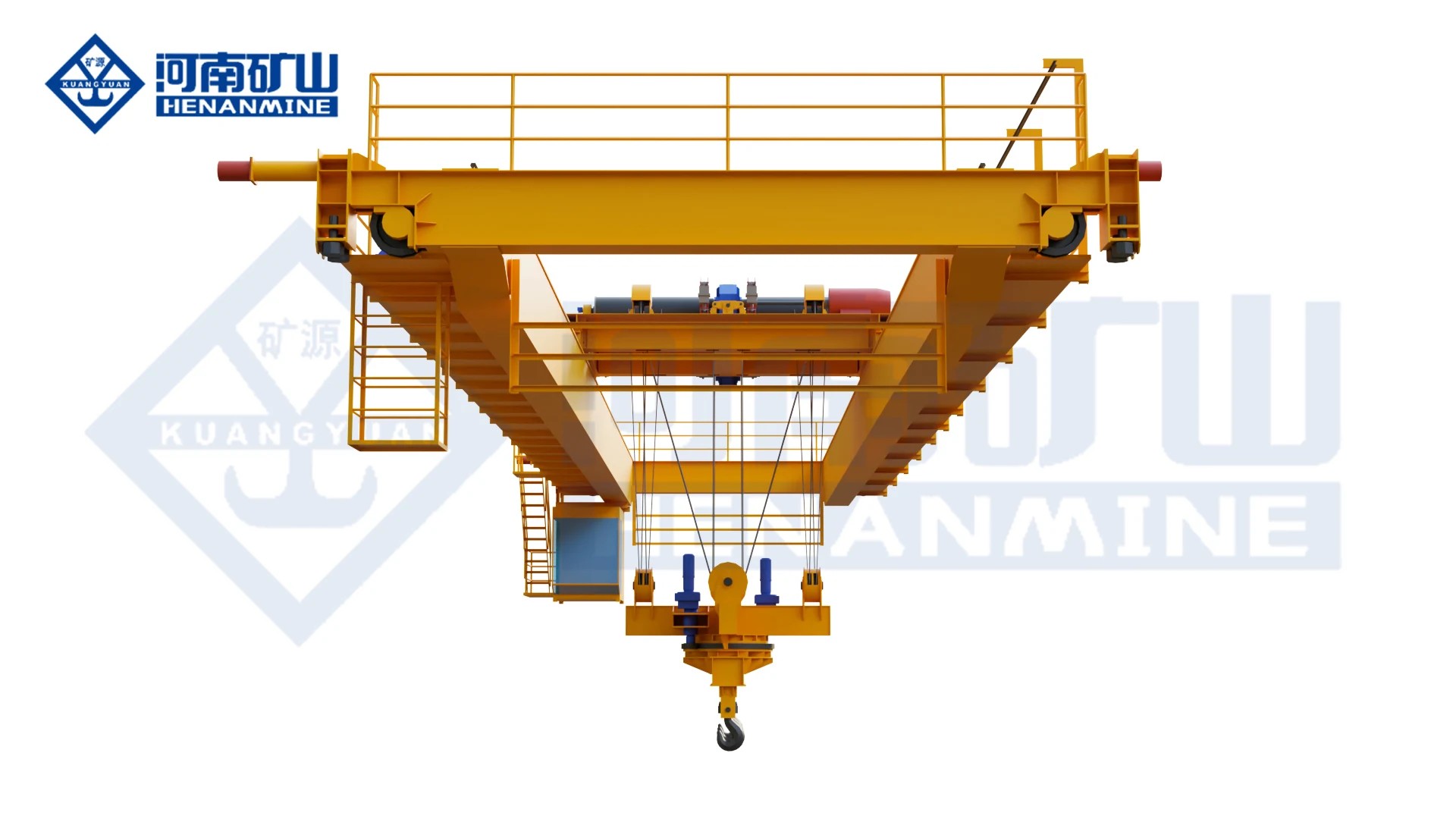
Does QJ come with both magnets and mechanical clamps?
The QJ platform can be configured with either lifting interface. The technical offer names the attachment supplied. If one crane must exchange magnets and clamps, specify that requirement so the mechanical connections, services, attachment identification, control permissions and storage can be designed and priced as part of the package.
When should I choose a clamp instead of magnetic pickup?
Review the actual material and product geometry. A clamp may suit a defined mechanical gripping task where magnetic contact is unsuitable or a mechanical grip is preferred. Specify access, grip range, permissible surface pressure and temperature. The attachment selection must establish the supported product load cases and grip conditions.
How does QJ differ from QLC?
Both use a lower rotating arrangement. QLC is a dedicated electromagnetic carrier-beam crane. QJ allows the lifting interface to be selected as an electromagnet or a mechanical clamp for the product. Compare attachment depth, payload, contact conditions, services and the required handling sequence for the same bay.
Does lower rotation mean turning the product over?
Lower describes where the rotating mechanism is located. It changes the product's horizontal direction in plan. If the operation also requires tilting, inversion or another change in load attitude, provide that sequence explicitly so a suitable attachment and lifting arrangement can be assessed.
How is the usable product payload established?
Crane selection includes the product, carrier beam, selected magnet or clamp and all other suspended equipment. The product must also meet the attachment's magnetic pickup or mechanical grip conditions. Request the explicit product payload, attachment weights, permitted load distribution and supported product range in the technical schedule.
What capacity, span and motion speeds are available?
The QJ arrangement is selected for the project. Product load cases, bay geometry, lifting levels, transfer distances, shifts and rotation frequency define capacity, span, lift, duty and speeds. The offer provides one matched set of values with the selected attachment and control package.
What happens if power is lost while holding a load?
The selected attachment determines the required response. An electromagnet needs its specified holding supply, monitoring and test conditions. A mechanical clamp needs its own defined grip-retention, actuator and control response. Include alarms, operator actions and any powered recovery functions in the order; one attachment's behaviour cannot establish the other's.
How accurately will the rotating beam stop?
Photoelectric angle sensing supports configured rotation limits and stopping, with a bidirectional V-rope arrangement and selected electrical anti-sway functions. Define any required angle, stopping or residual-sway performance using the actual product, speed, sequence and measurement conditions, then agree how it will be verified.
Can QJ handle hot coils or shaped steel products?
Provide product drawings, contact locations, mass, centre of gravity, pickup temperature and exposure time, together with workshop heat, dust and ambient conditions. The selected attachment, cables, actuation equipment and protective package must suit that task. Geometry and acceptable contact determine whether a magnet or a clamp is appropriate.
What should we compare in a QJ purchase order?
Compare the named crane and attachment, usable product load cases, controls, service connections and power-loss response. Include drawings, manuals, agreed tests and destination documents, plus manufacture and dispatch milestones, freight, erection, commissioning, training, warranty terms and spares. Any second attachment or exchange package belongs in the same explicit scope.