
Container loading and unloading
Transfer containers between defined vehicle and set-down positions. Check lifting height, spreader approach and clearances for the vehicles and containers used at the site.
Bridge cranes for workshops and production lines.
Explore Overhead Cranes
Ground-supported lifting for yards and construction.
Explore Gantry Cranes
Wire rope and chain hoists for lifting points and cranes.
Explore Electric Hoists

Wire rope lifting and pulling with a powered drum.
Explore Electric Winches
Grab buckets, magnets and hooks for your load.
Explore Lifting Attachments & Grabs
Mobile handling for containers, precast and yard loads.
Explore Rubber-Tired Gantry Cranes & Straddle Carriers

Lift and move vessels through boatyards and marinas.
Explore Marine Travel Lifts
Ladle, slab, scrap and coil handling across steel production.

Container stacking and cargo transfers across terminals and rail.

Turbine installation, powerhouse maintenance and wind equipment assembly.

Controlled component transfer and positioning for precision assembly.

Heavy fabrication, production lifting and factory crane automation.

Process lifting for smelters, carbon blocks and anode materials.

Clean lifting and classified protection for sensitive process areas.

Bridge fabrication, metro construction and ship block assembly.

Automated storage and retrieval for plates, cables and bins.

Follow project dispatches, crane engineering and factory acceptance.

Dispatch, installation and equipment in service

Crane configurations and handling technology

Factory inspections, acceptance and test programmes

Company developments, people and community programmes
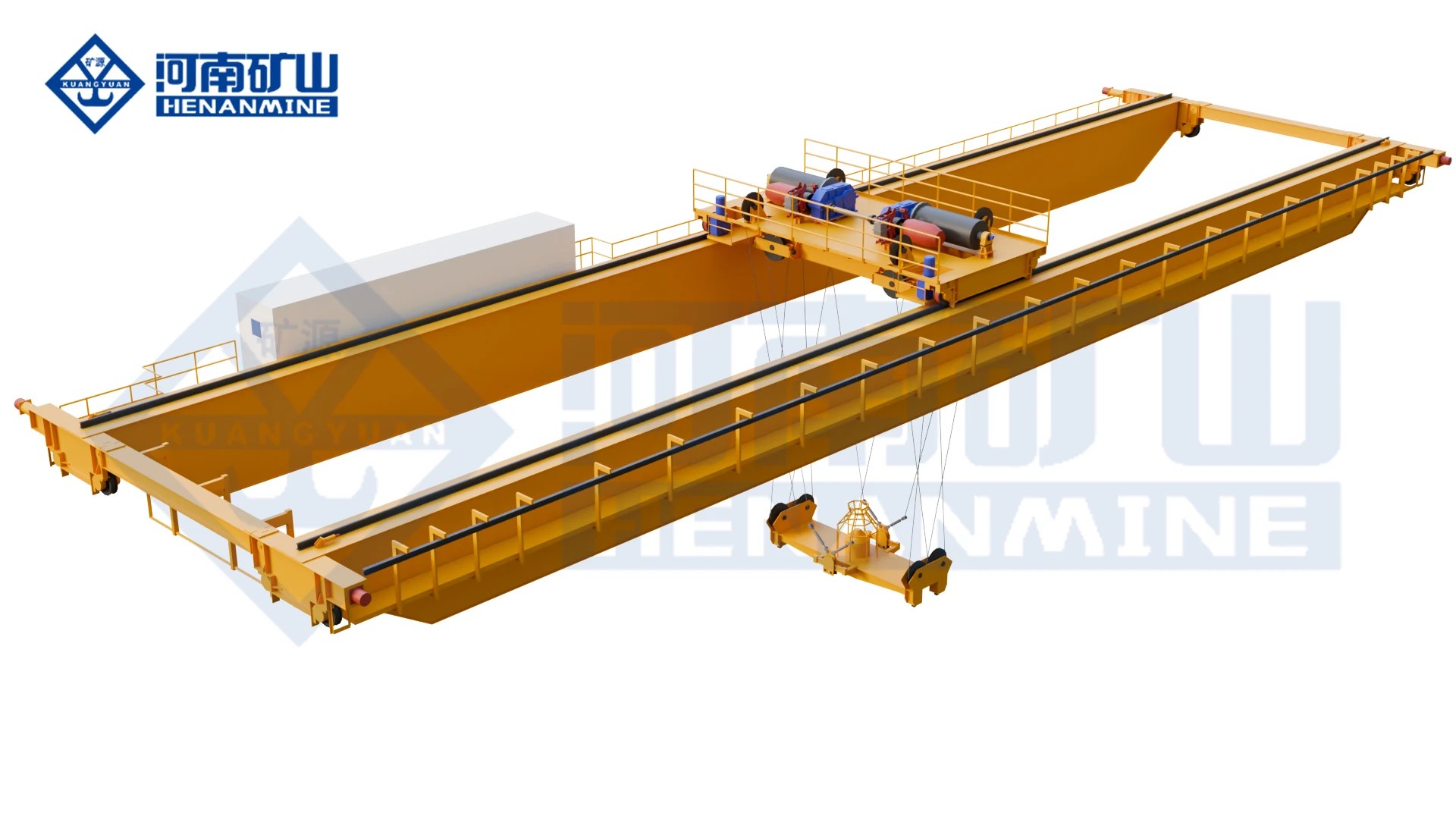
Load, stack and transfer containers within a fixed runway bay using a double-main-girder bridge and winch lifting system. The CQJ range covers 30–65 t rated selections and 18–35 m spans. Match the spreader, usable lift and travel coverage to the containers, vehicle positions and stacking plan.
Tell us what you need to lift and your approximate span. We’ll help you choose the lifting arrangement.
Start with the dimensions you already know. A workshop photo or sketch can help us recommend a configuration.
The overhead bridge serves a defined bay while the trolley moves the container across the span. Select coverage from the truck, rail or storage positions within that layout.
Choose the spreader and locking arrangement for the actual container size and gross mass. The offer identifies spreader weight, permitted container payload and the crane’s rated-load definition.
Ground, radio or cabin controls can be selected for the operating positions. Automation functions can be included with a defined positioning, locking-feedback and site-interface scope.

Transfer containers between defined vehicle and set-down positions. Check lifting height, spreader approach and clearances for the vehicles and containers used at the site.
Arrange the span and usable lifting height around the proposed stack pattern. Include container height, spreader envelope and the clearance needed to move over stored units.
Move containerized loads through a fixed handling zone at a factory or logistics facility. Match the crane cycle, travel length and controls to the required transfers per shift.
CQJ is an overhead bridge-crane arrangement. A ground-rail container gantry, rubber-tired gantry or dedicated ship-to-shore crane requires its own layout and specification.
Compare the available options for your lifting task. Capacity, span, lift height and speed are matched in the selected configuration.
| Model | CQJ |
|---|---|
| Crane arrangement | Double-main-girder overhead bridge on fixed elevated runways |
| Rated selection range | 30–65 t |
| Span selection range | 18–35 m |
| Lifting mechanism | Winch-type lifting system |
| Container interface | Selected container spreader and locking arrangement |
| Container sizes | Specified from the site container fleet and supplied spreader compatibility |
| Rated-load definition | Container payload and complete suspended load identified separately in the technical offer |
| Reference lifting-height envelope | 8–20 m; usable lift selected for the stacking and loading layout |
| Reference working-duty envelope | A6–A7; duty matched to transfers per hour, load spectrum and operating shifts |
| Reference hoisting-speed envelope | 5–20 m/min; selected with the load and operating cycle |
| Reference bridge-speed envelope | 15–45 m/min; trolley speed selected separately and both stated in the offer |
| Runway length | Selected for the fixed container-transfer route |
| Operator controls | Ground, radio or cabin arrangement |
| Power feed | Cable or conductor supply selected for the runway and current demand |
| Automation | Selected functions and site interfaces agreed with the handling process |
| Power supply | Destination voltage and frequency selected with the electrical package |
| Operating environment | Indoor/outdoor exposure, wind and corrosion conditions specified for the actual installation |
| Selection item | CQJ family / arrangement | Value to agree for the site |
|---|---|---|
| Rated load | 30–65 t selection range | Permitted container mass, spreader weight and rating definition |
| Span | 18–35 m selection range | One rail-centre span covering the required loading/storage positions |
| Usable lift | Reference 8–20 m envelope | Container height, stack height, spreader depth and clearance |
| Duty and speeds | Reference A6–A7; hoisting 5–20 m/min; bridge travel 15–45 m/min | Actual loaded/empty speeds, separate trolley/bridge speeds and handling cycle |
| Spreader / controls | Selected spreader with ground, radio or cabin control | Container compatibility, locking feedback and any automation functions |
Capacity and span ranges describe the CQJ family. They are not complete matched combinations for every load, lift and speed; the quotation defines the actual crane, spreader and operating cycle together.
| Handling requirement | Information to provide | Configuration to specify |
|---|---|---|
| One container size | Container dimensions, gross mass and corner-fitting arrangement | Compatible spreader, locks and suspension |
| Mixed container sizes | Full container-size range and changeover frequency | Selected fixed-size or adjustable spreader arrangement |
| Stacking | Number of tiers, container heights, aisle/row positions | Usable hook/spreader travel and clearance above the stack |
| Automated movement | Job positions, operating sequence and site signals | Positioning, locking feedback, interlocks and agreed interface functions |
Container dimensions and the selected spreader determine compatibility. Twin-container lifting, special cargo and automated functions are separate named configurations.
Compare the overhead bridge and lifting arrangement with the proposed runway bay. The supplied spreader and container compatibility are identified on the equipment schedule.
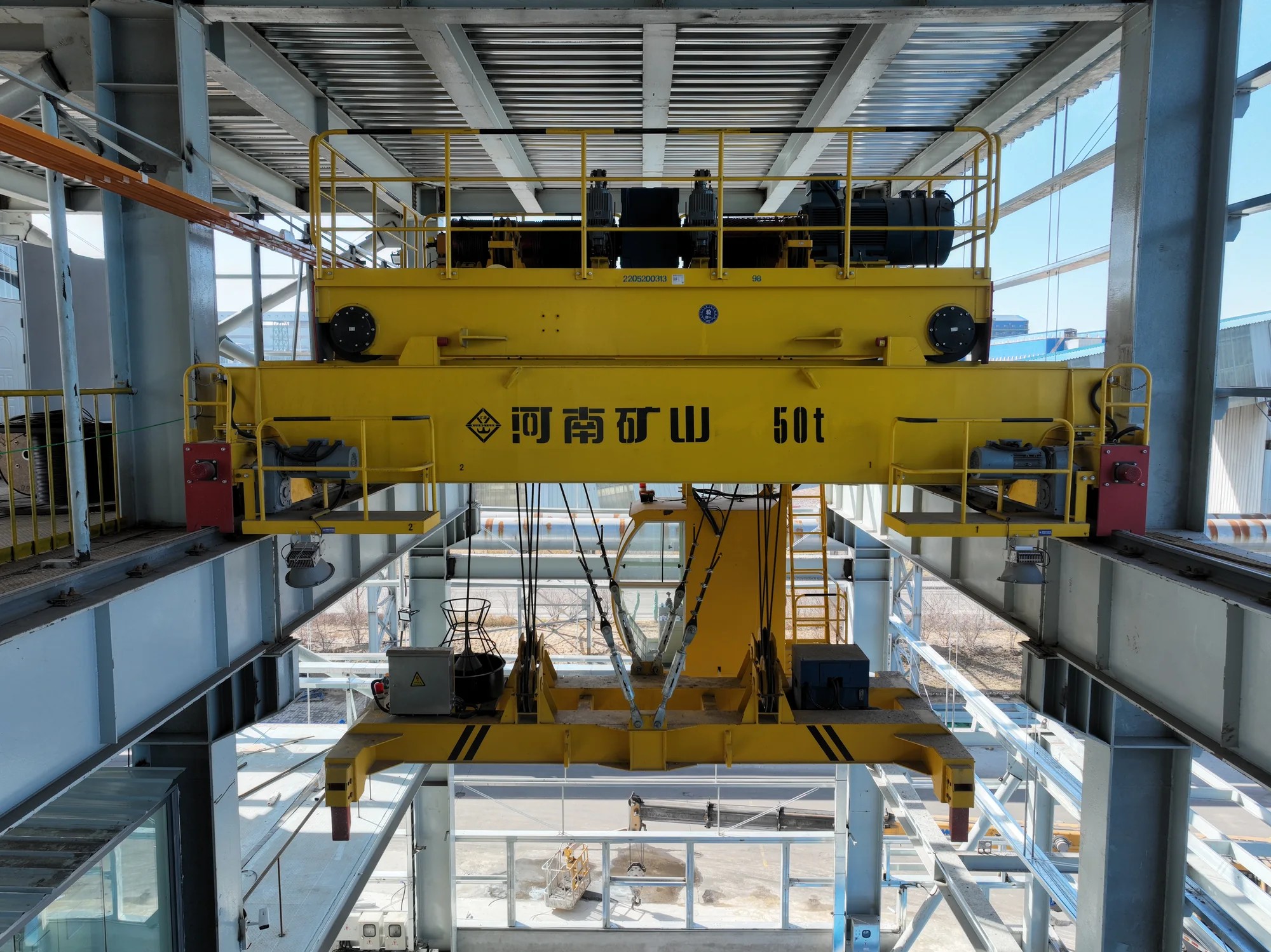
A useful selection binds rated load, spreader, span and lift to the actual container route. The same nominal tonnage does not define stack height or throughput.
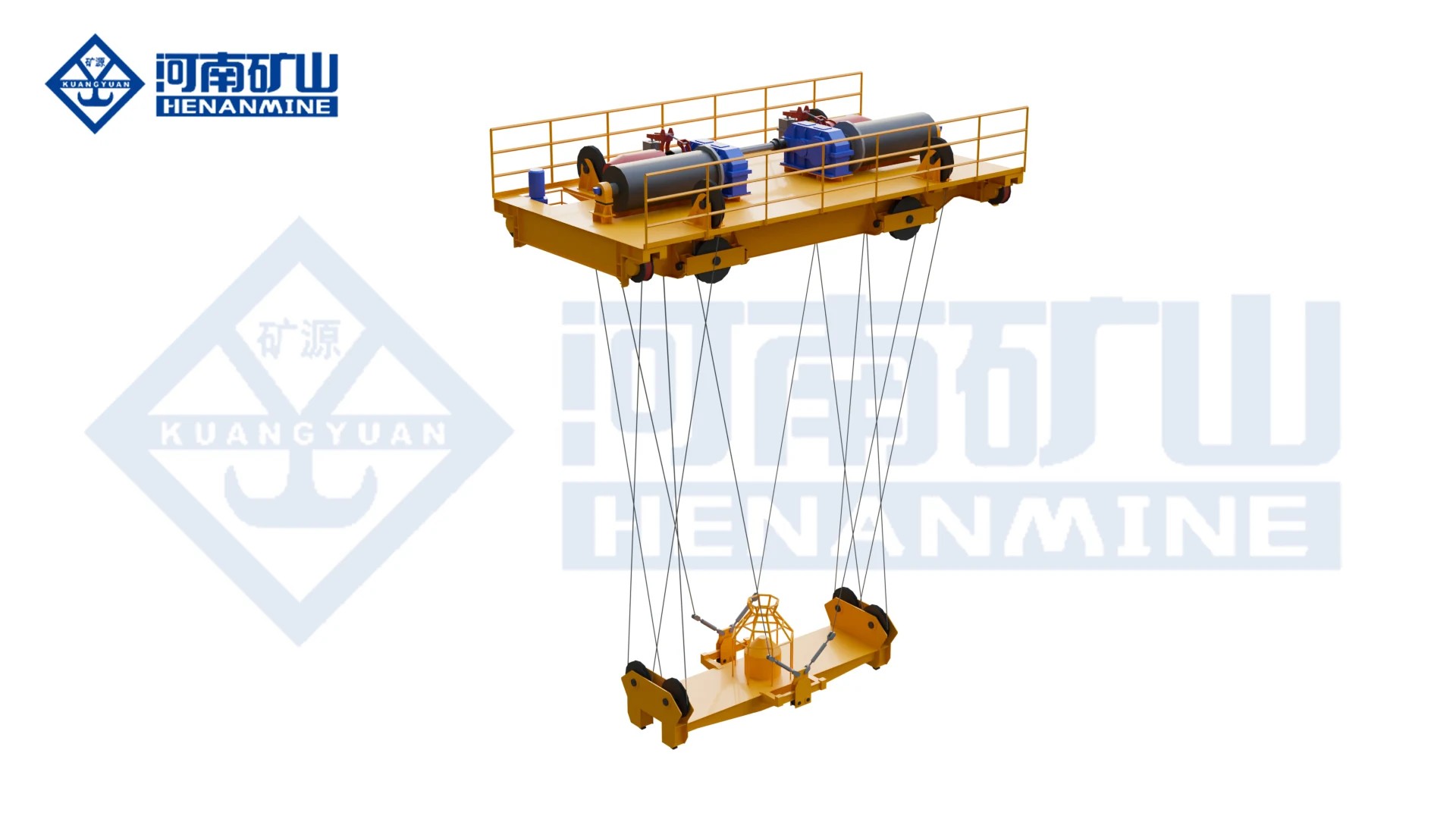
List the container lengths, heights and maximum loaded mass. State the corner-fitting and locking requirements, and whether one size or a mixed-size spreader is needed.
Identify the supplied spreader, suspension equipment and any special attachment. Agree the permitted container payload and whether the stated rating is at the spreader or for the complete suspended load.
Mark truck/rail loading points, storage rows and stack heights. Select span, travel length and lift for the full spreader/container envelope.
State transfers per hour, operating shifts and travel distances. Select cabin, ground or radio control, and any positioning, locking feedback or automation interface needed.
Compare the equipment, documentation, delivery and service scope for the configuration you need.
Request one CQJ crane or a container-handling project quantity. State the required rated load, span and spreader for each bay.
Itemize bridge, winch trolley, spreader, locking/feedback equipment and controls. Identify runways, rails, cable/conductor supply, freight, erection, automation interfaces and commissioning separately.
Request the crane/spreader layout, rated-load definition, container compatibility, stacking coverage, electrical drawings, manuals and agreed crane/spreader inspection and test records.
Schedule dispatch after crane geometry, spreader selection, controls and inspection scope are agreed. Coordinate spreader supply, electrification and site readiness with the installation programme.
Agree erection, electrification, spreader connection and commissioning with representative containers or test loads. Include lock indication, travel limits and any automated-position checks in handover.
The order defines duration, commencement and coverage for the crane, winch, spreader and controls. Include replacement parts and service responsibilities for twistlocks, cables, brakes and any position sensors.
Review fixed rail-mounted and rubber-tyred arrangements for container-yard duties.
Find the arrangement, equipment options and order information that suit your application.
No. CQJ is an overhead bridge supported on elevated runway tracks. A rail-mounted gantry carries its bridge on ground-supported legs and uses a different structural and site layout.
The CQJ family lists 30–65 t rated selections and 18–35 m spans. The actual capacity and span are quoted with the selected spreader, lift, duty and speeds.
Confirm the rating definition. The quotation should identify net container mass and the spreader/suspension weight, stating whether the rated value applies at the spreader or to the complete suspended load.
Only the sizes covered by the supplied spreader and locking arrangement are permitted. Provide the full container fleet so a fixed-size or adjustable arrangement can be selected.
Start with pickup level, container height and required stack height, then allow for spreader depth and travel clearance. Nominal hoist travel alone does not define how many tiers the crane can stack.
Ground or radio control can suit visible working positions, while a cabin can provide another operating viewpoint. Select visibility, permitted operator positions and any camera or feedback functions for the actual bay.
Automation can be configured for the defined handling process. Agree job positions, positioning requirements, spreader locking feedback, interlocks and site communication before selecting the controls.
No. Throughput includes pickup, lock/unlock, hoisting, travel and placement. State the travel distances and loaded/empty cycle so the required transfers per hour can be evaluated.
CQJ is selected around a fixed overhead handling bay. Outreach to a vessel, quay structure and marine operating requirements need a separate site-specific review or a dedicated ship-to-shore crane.
Load rating, span, lift, spreader, speeds, controls and operating exposure define the package. Include runway/electrification, freight, installation and inspection scope so offers can be compared on the same basis.
Tell us what you need to lift, your project location and any dimensions you already know. We’ll help you choose a suitable configuration.
info@cranehenanmine.com
