Skip to content
Henan mine crane co., ltd. Get a project quote
YH / METALLURGICAL & PROCESS LIFTING

YH Quenching Overhead Crane

Move a heated workpiece from the furnace to full immersion within your heat-treatment window. YH combines fast lifting and travel with double brakes, emergency power and thermal protection. The crane is selected around the complete sequence: pickup, furnace exit, transfer, alignment, bath entry and withdrawal, with the fixture, motion profile and interrupted-cycle response defined together.

Process function
Furnace-to-bath transfer
Motion selection
Complete quenching sequence
Protection package
Double brakes and emergency power
Bath interface
Fixture, opening and immersion stroke
Process-matched liftingDefined load & duty

Start with the information you already have. A load drawing and workshop sketch help us recommend a configuration.

01
Select for the required process interval

Calculate pickup, furnace exit, loaded travel, alignment and immersion together. The selected speeds and motion profile address the defined furnace-to-immersion condition and its timing.

02
Fit the movement to the workpiece and bath

Match the fixture, load orientation and vertical travel to the usable bath opening and depth. Specify approach, entry, full immersion and withdrawal as distinct stages where the process requires them.

03
Define the response to an interrupted cycle

Double brakes and emergency power are included in the YH arrangement. Agree the required holding or controlled movement at each stage, with the supplied functions verified in the acceptance scope.

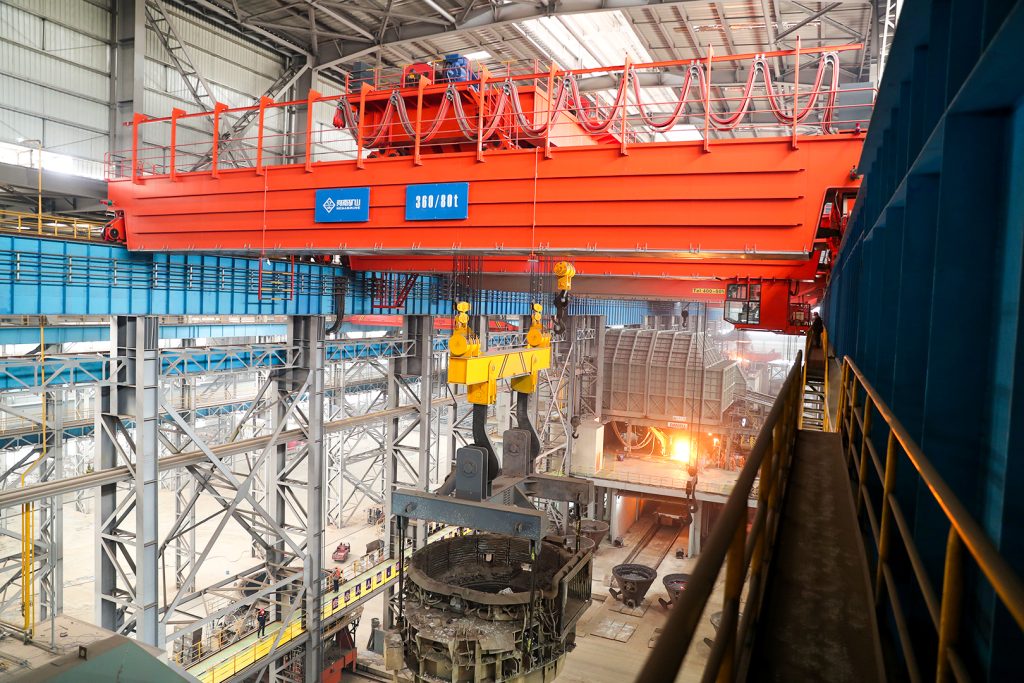
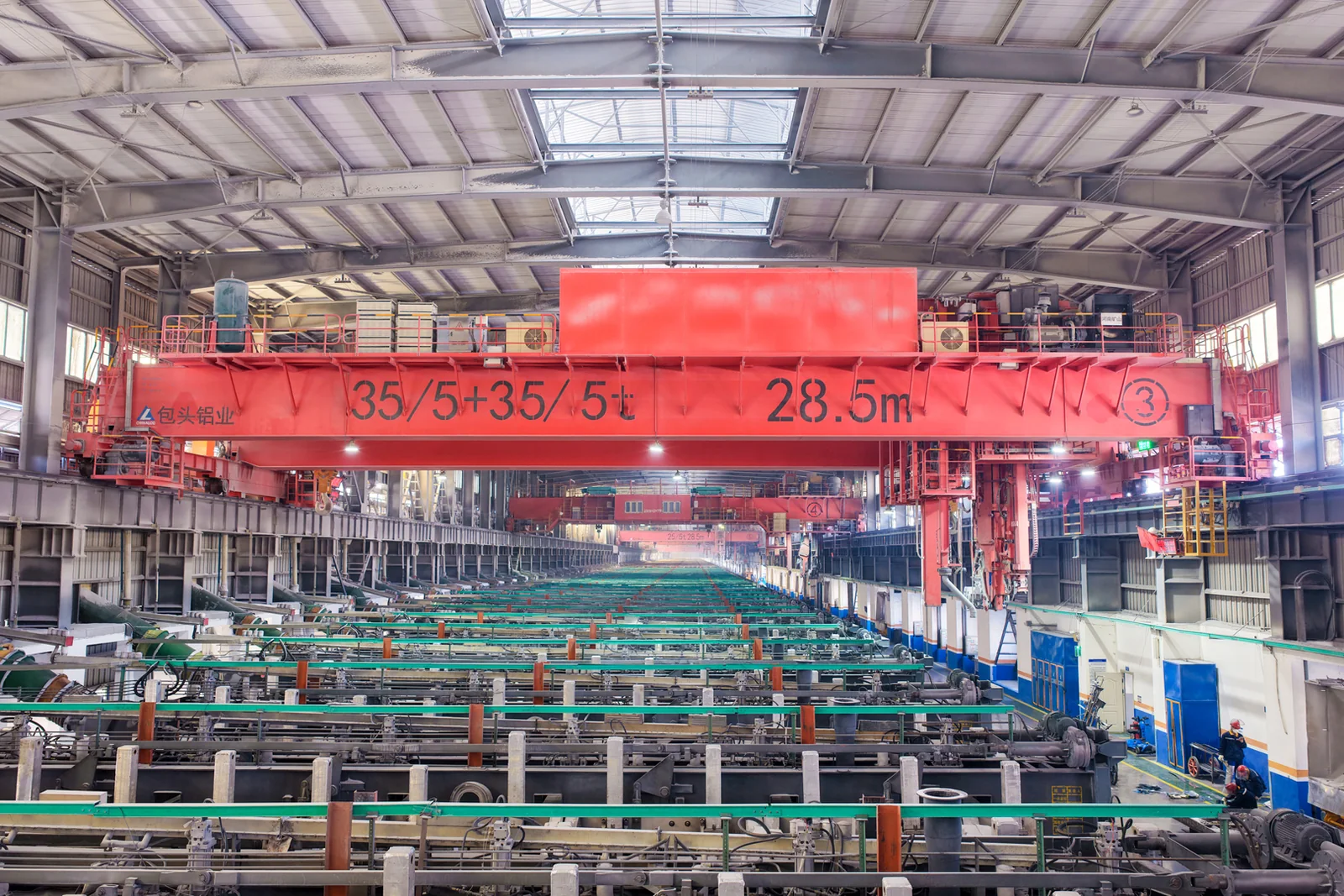
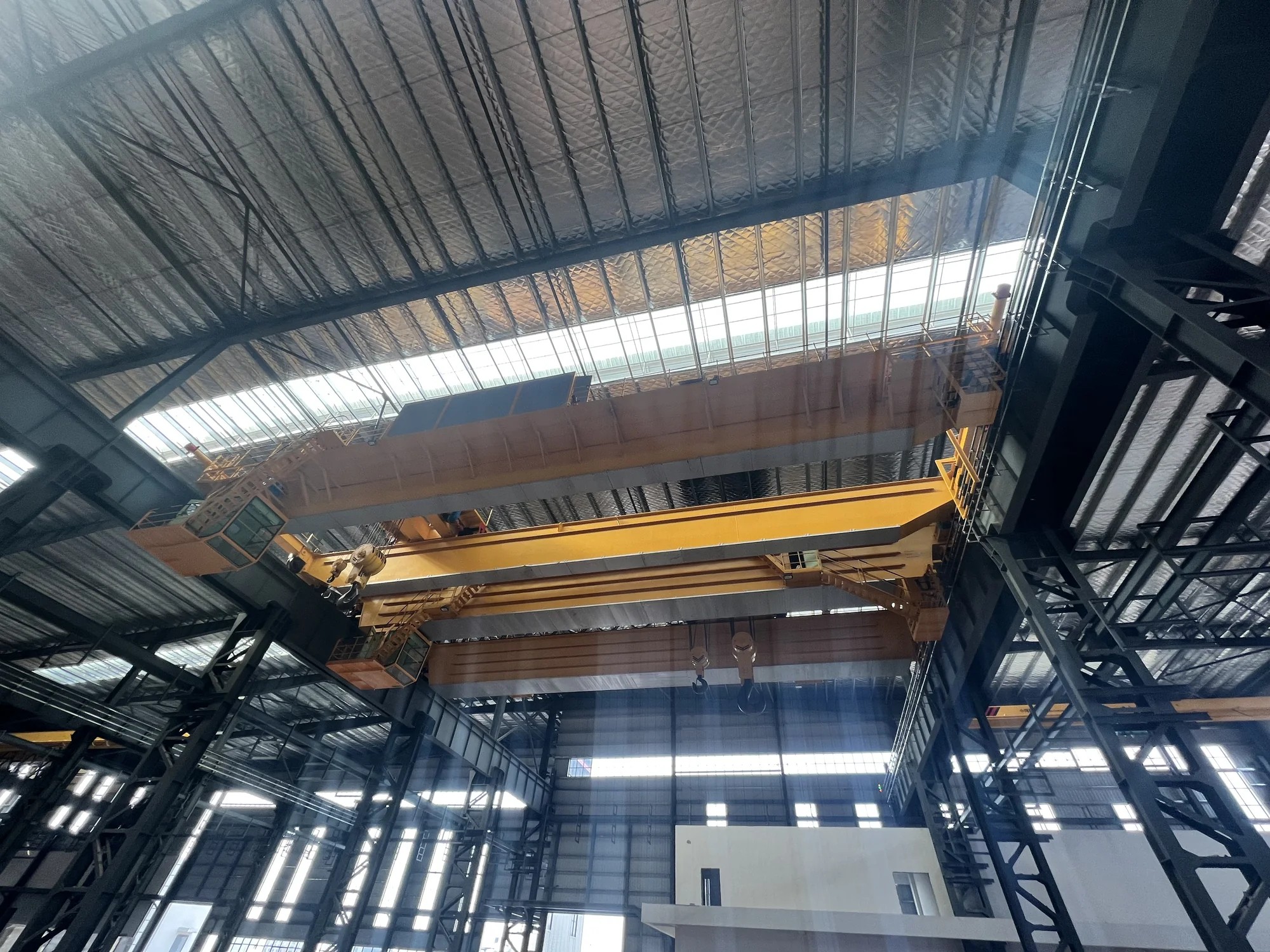
YH overhead bridge installed inside a workshop
01 / APPLICATIONS

Coordinate the furnace, fixture and quench bath.

01

Forged components and individual workpieces

Transfer suitable heated shafts, rings or other components to the bath using a fixture matched to their mass, orientation and designated lifting points. Set the timing brief from the required process result.

02

Batch heat-treatment handling

Move a fixture or basket of parts between defined furnace and immersion positions. Include fixture weight, load distribution, bath-entry clearance and relevant retained liquid during withdrawal.

03

Programmed quenching sequences

Optional programmed controls can coordinate positions and lifting or lowering stages. Define furnace and bath signals, permitted transitions, operator interventions and recovery steps with the plant's process team.

Immersion speed is selected from the heat-treatment process. Transfer time, full immersion depth and permitted bath-entry conditions are specified with the workpiece and quench medium.

02 / TECHNICAL SPECIFICATIONS

YH specifications and configuration options

Compare the available options for your lifting task. Capacity, span, lift height and speed are matched in the selected configuration.

ModelYH
Crane typeMetallurgical overhead crane for heat-treatment quenching
Handled loadHot workpiece plus fixture and suspended lifting equipment
Rated capacitySelected for complete suspended load and handling sequence
SpanMatched to production-bay rail-centre distance
Vertical travelMatched to furnace pickup, bath level and full immersion/withdrawal
Transfer intervalMaximum furnace-to-immersion time specified by the process
Hoisting/lowering speedFast motion package matched to approach, immersion and withdrawal
Trolley and bridge speedSelected from transfer distance and complete cycle time
Working dutySelected from batch weight, cycles per hour and shifts
BrakingDouble-brake arrangement
Emergency powerIncluded; power-loss response specified for the process
Thermal protectionHeat protection for main girders, end beams and specified equipment
ControlOperator control with optional programmed automatic sequence
Automation optionsAutomatic positioning, handling and rapid lift/lower sequence
Bath/fixture interfaceMatched to bath opening, depth and workpiece orientation
Quench mediumSpecified for splash, vapour, corrosion and any hazardous-area requirements
Power supplyThree-phase voltage and frequency matched to destination supply

Compare model configurations

Process stageRequirement to defineCrane configurationAcceptance result
Pickup and furnace exitHot workpiece/fixture mass, orientation and pickup levelAttachment, vertical stroke and lifting speedRequired clearance from the pickup position
Furnace-to-bath transferDistance and maximum transfer intervalTravel speeds, acceleration and positioningComplete transfer within the agreed interval
Bath approach and immersionOpening, liquid level, depth and entry conditionsApproach speed, lowering profile and immersion strokeRequired immersion position and timing
Withdrawal and returnExtraction profile, retained fluid and placement positionSelected raising speed and travel sequenceControlled extraction and placement
Power interruptionRequired response at each process stageDouble brakes, emergency power and control functionsSpecified response verified at commissioning

A nominal hoist-speed range does not define the full quenching cycle. The order states actual speeds, timing, vertical stroke and power-loss response for the selected workpiece, fixture and bath.

03 / EQUIPMENT VIEWS

See the quenching lifting arrangement and bridge.

Compare lifting positions and attachment layout with your furnace and bath. The ordered arrangement identifies fixture envelope, immersion stroke and motion controls.

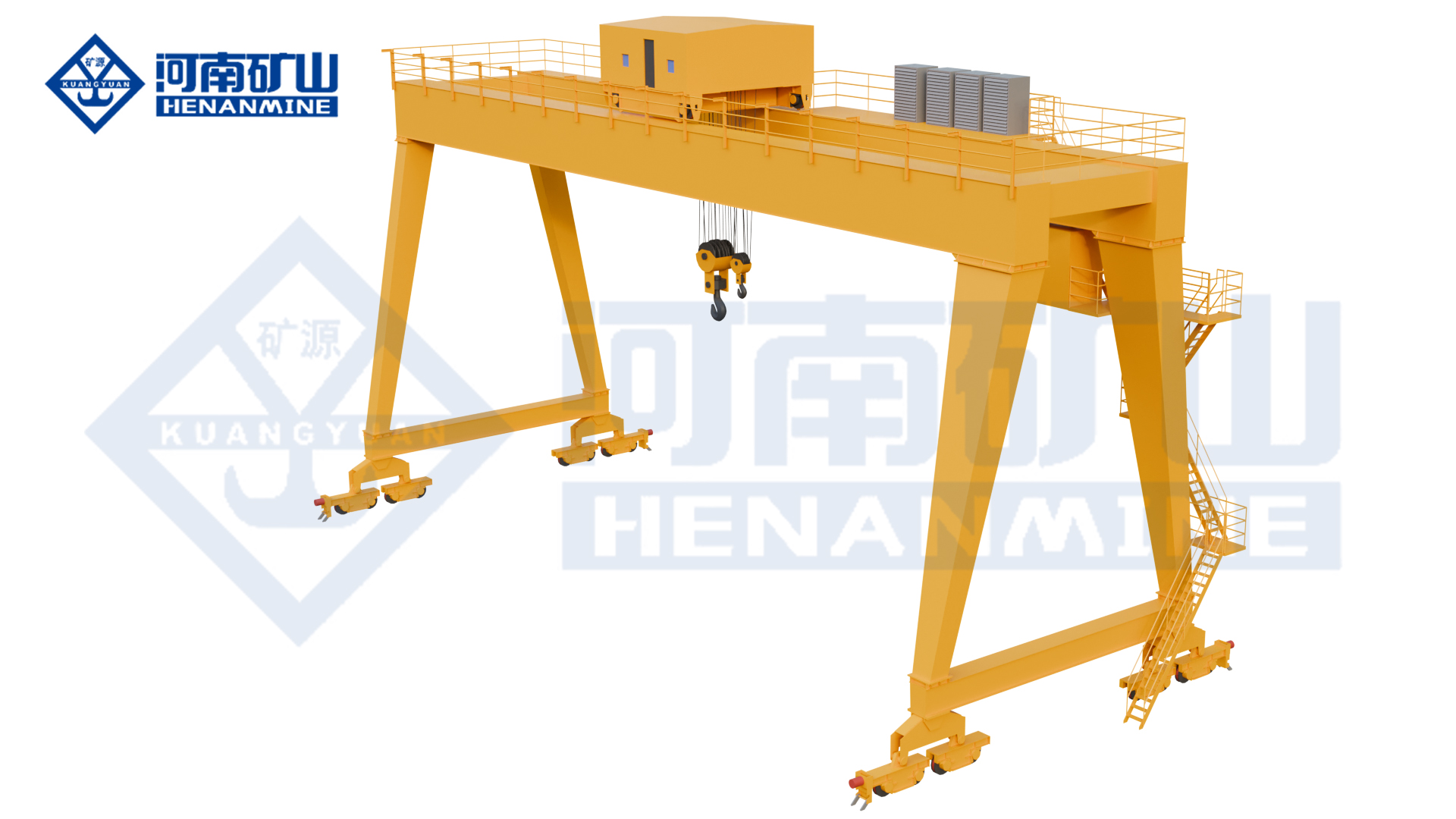
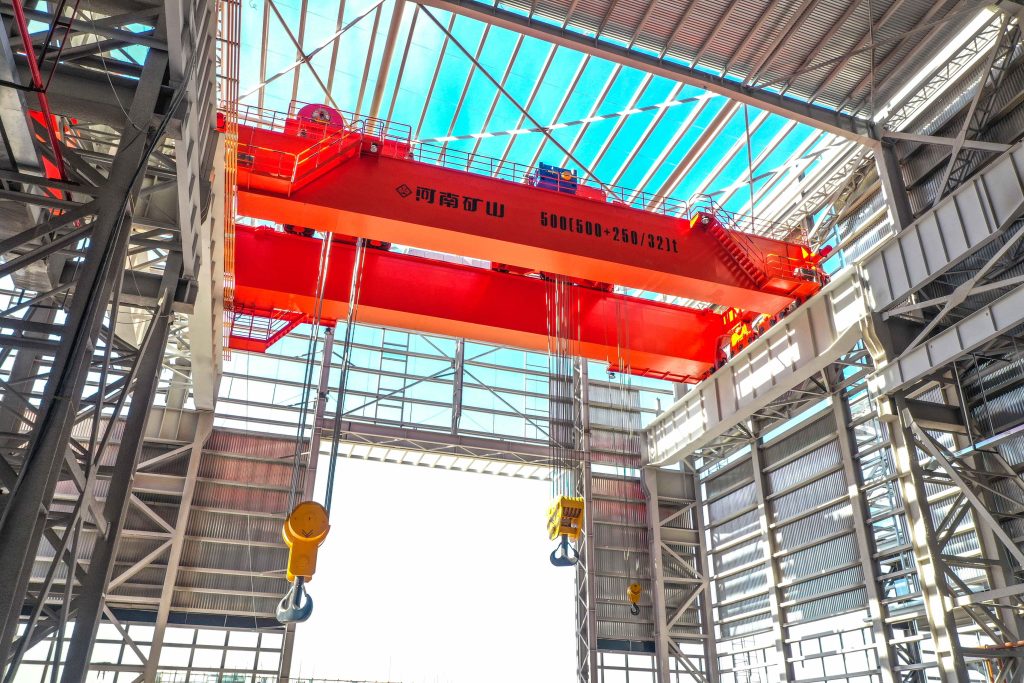
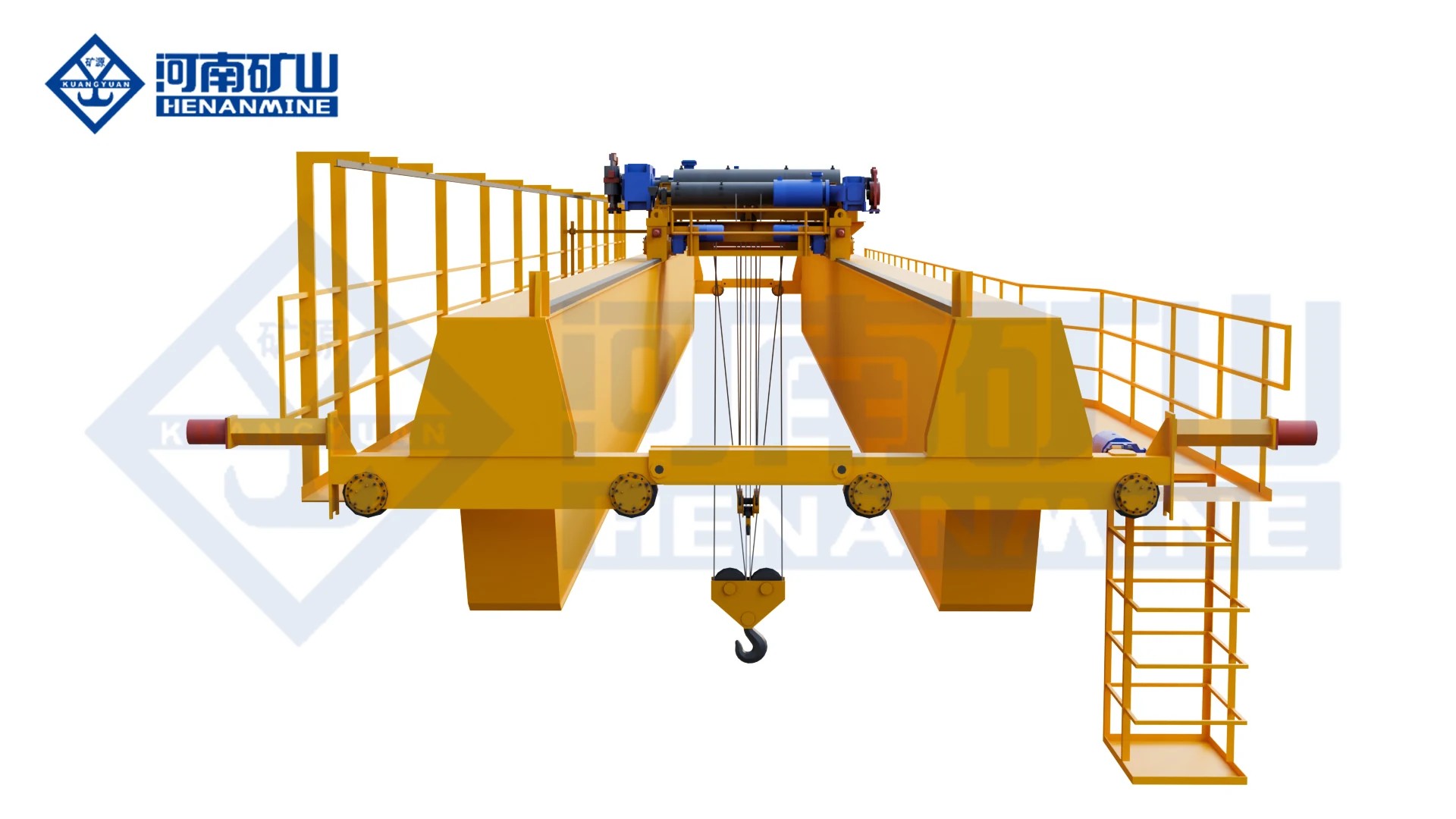
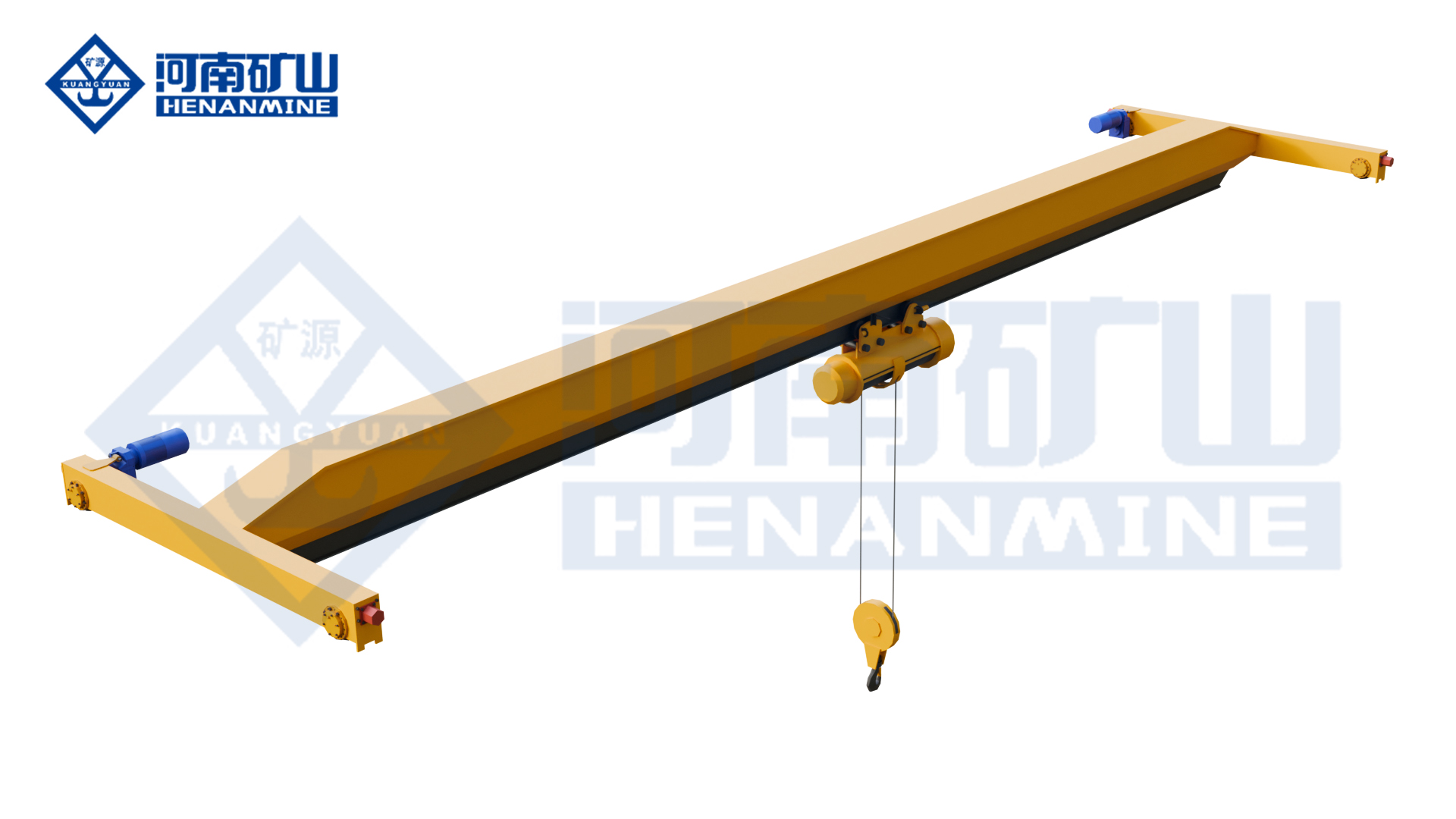
YH bridge end and hoisting arrangement
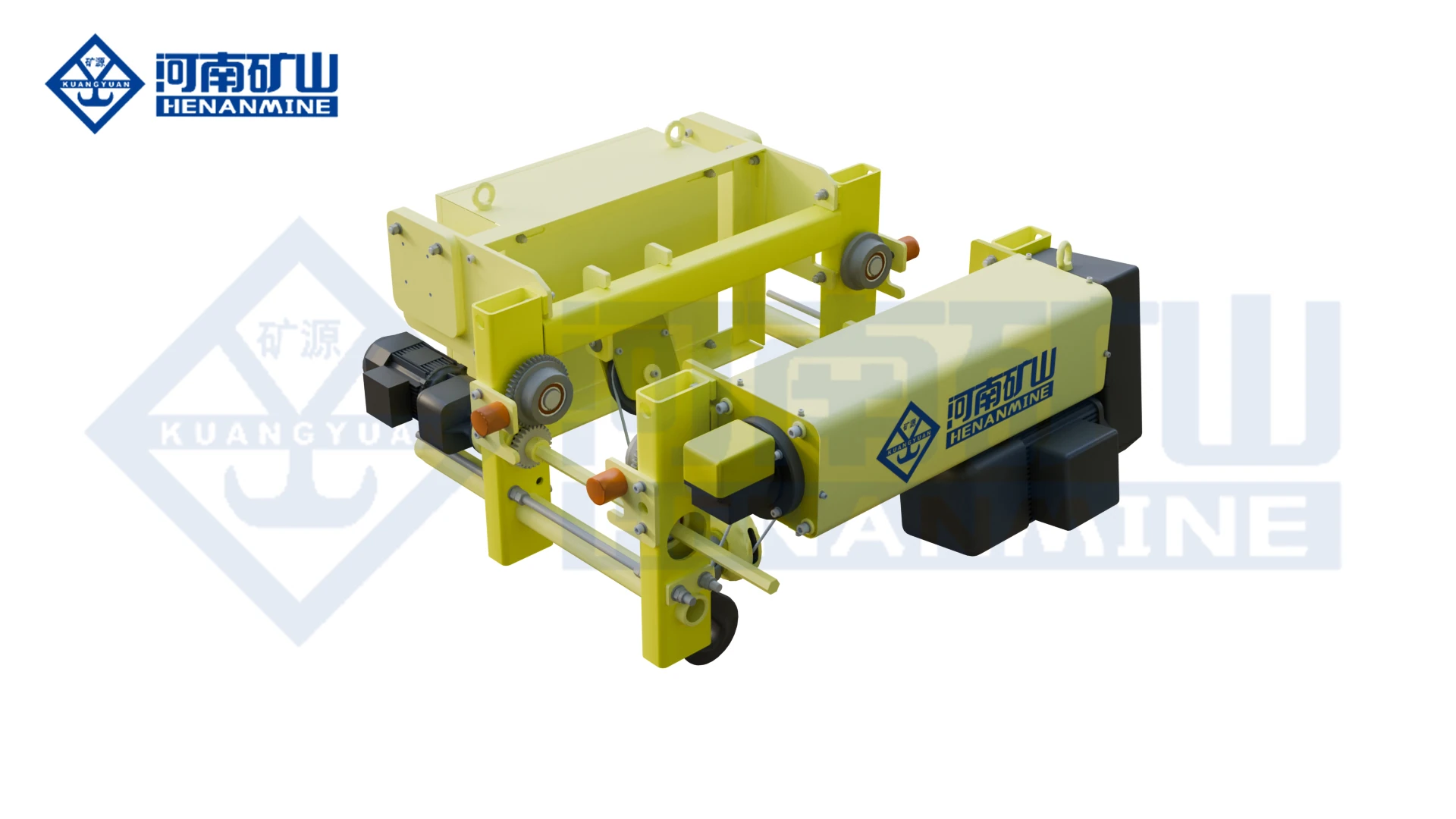
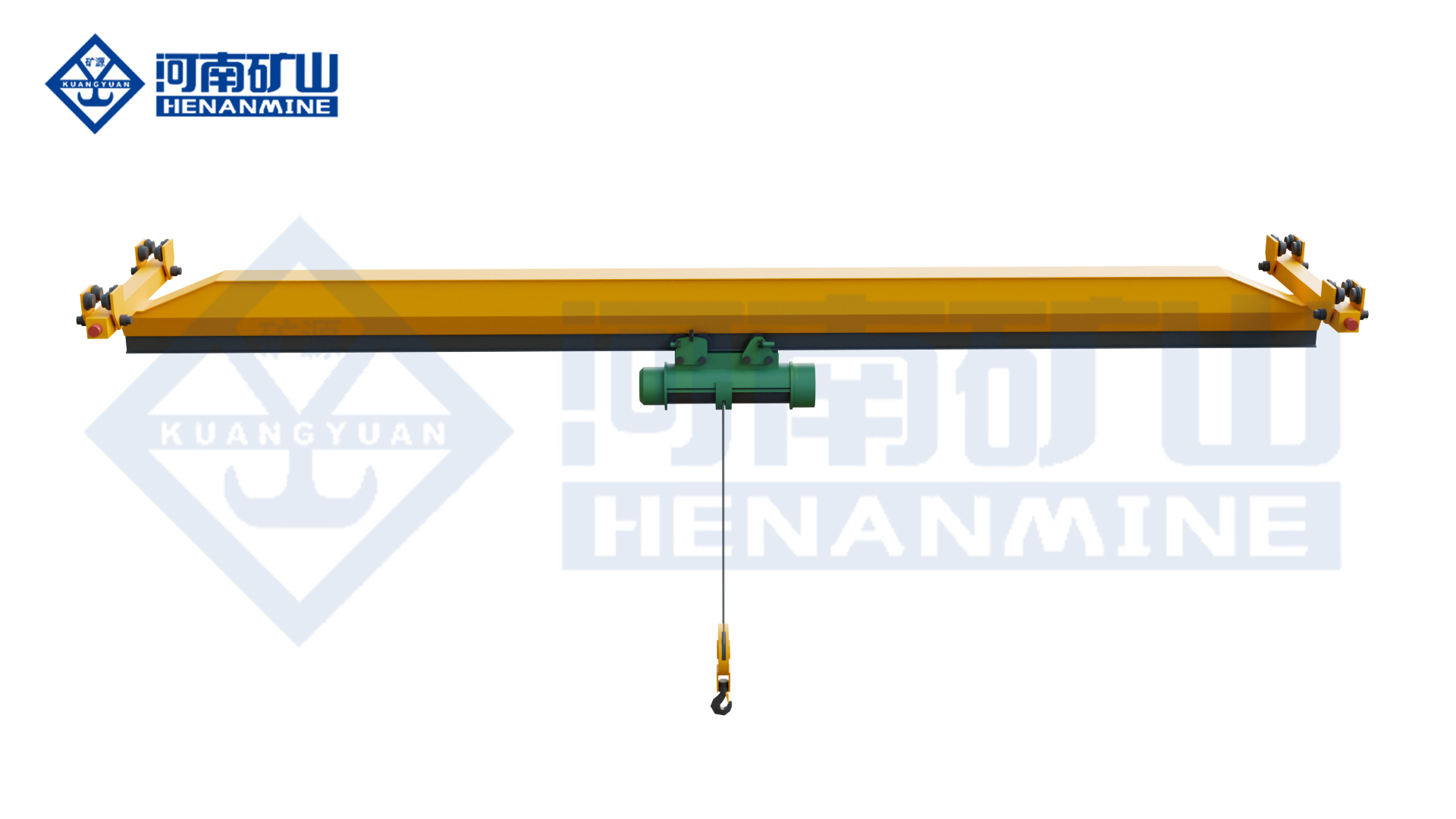
YH open winch trolley and hook assembly
04 / CONFIGURATION

Configure YH around your production task.

Begin with the maximum furnace-to-immersion interval and the workpiece/fixture geometry. Select load, travel, acceleration, approach, immersion stroke and power-loss response as one process-specific motion schedule.

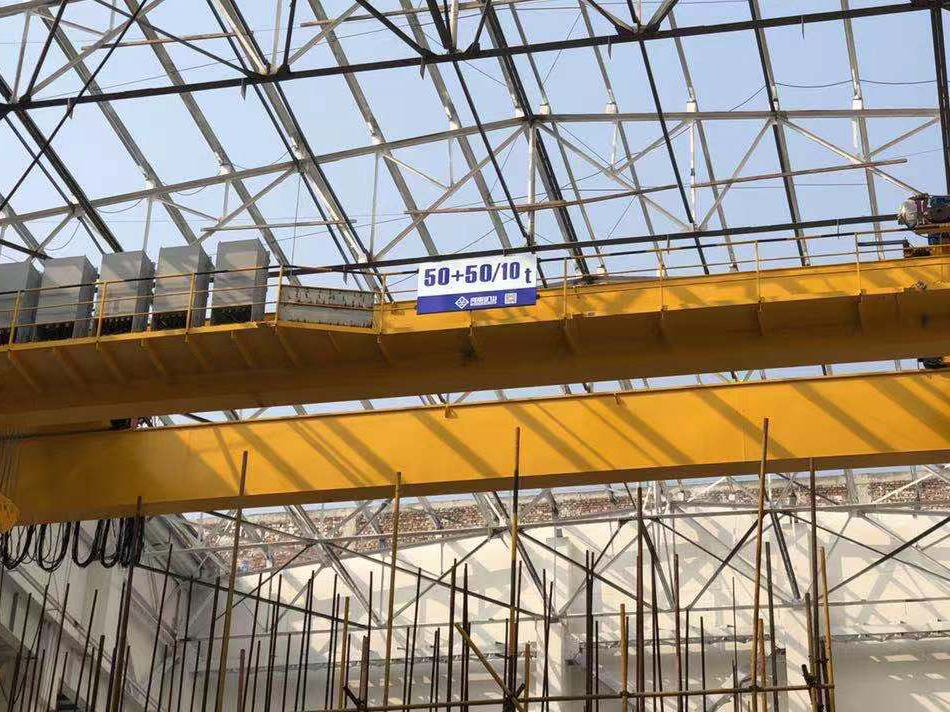
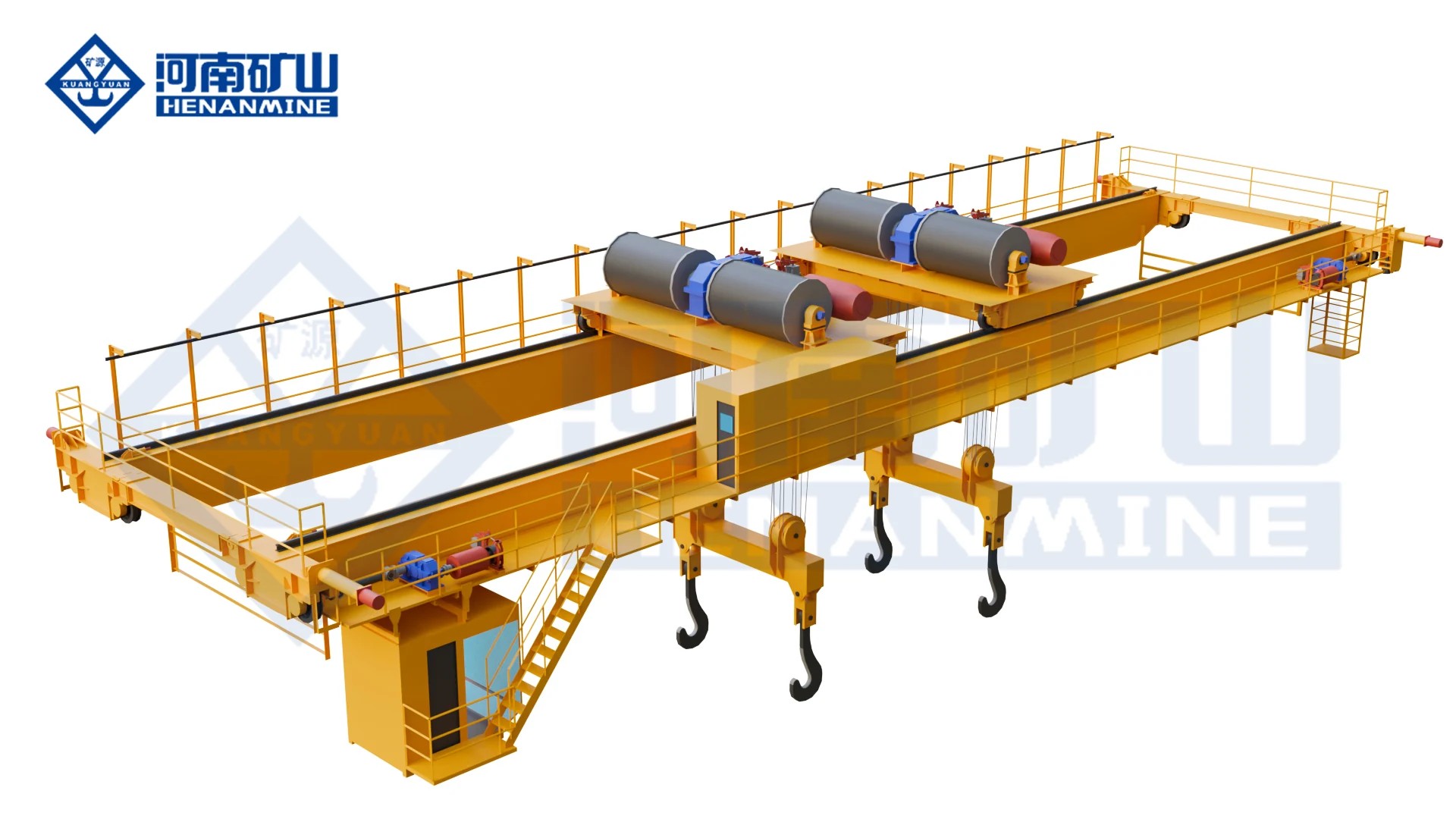
YH quenching-crane bridge and lifting trolley
01 / SELECTION

Workpiece, fixture and extraction load

Give maximum workpiece and fixture weights, lifting points and orientation. Include suspended equipment and relevant retained-liquid load during withdrawal when defining the handling conditions.

02 / SELECTION

Complete transfer and immersion timing

Define when timing starts and which immersion condition ends the interval. Include furnace exit, acceleration, travel, alignment, approach and lowering so every required stage is represented.

03 / SELECTION

Bath opening and vertical stroke

Provide usable opening, liquid level, depth and surrounding obstructions. Check fixture envelope, full immersion depth, withdrawal clearance and the highest and lowest permitted hook positions.

04 / SELECTION

Braking and emergency-power functions

State the required response to mains failure at pickup, transfer, entry and immersion. Identify which holding or motion functions the emergency supply supports and how transition and recovery will be tested.

05 / SELECTION

Quench medium and heat exposure

Identify the liquid, splash, vapour, corrosion and workpiece temperature, with ambient and radiant exposure stated separately. Review any hazardous-area requirement alongside the thermal and environmental package.

06 / SELECTION

Programmed sequence and plant signals

Specify optional automatic positions, feedback and furnace/bath interlocks. Agree operating permissions, manual intervention, interruption handling and the control signals exchanged with plant equipment.

05 / PURCHASING & HANDOVER

Define the equipment,
documents and delivery scope.

Request one schedule covering the crane, lifting mechanism, fixture interface, double brakes, emergency power, thermal protection and controls. Agree timing and stroke verification, emergency-response tests and any plant-sequence commissioning, with installation support, training, destination documents and recommended spares identified in the offer.

Define the complete equipment package

Identify the bridge, lifting mechanisms, lifting attachment, heat protection, controls and power feed. State the selected operating modes and equipment boundaries in the offer.

Agree the drawings and acceptance evidence

Request the arrangement, lifting-interface drawing, load-and-motion schedule, electrical information, safety-function description and agreed factory/site checks for the ordered crane.

Make the price boundaries clear

List rails, runway steelwork, attachments, automation, weighing, spares, packing, freight, erection and commissioning as included, optional or excluded.

Coordinate delivery with the plant

Agree drawing approval, manufacturing, testing and dispatch milestones for the selected configuration. Include access, shutdown windows and the destination in the delivery plan.

Plan installation and process trials

Define erection supervision, power and runway preparation, protection checks, attachment fit, trial operation and operator training, with responsibilities agreed before site work.

Specify warranty, service and spare parts

Record the warranty terms and commencement, service arrangements and recommended brake, rope, drive, control and attachment spares for the equipment supplied.

01Technical alignment

Agree load, lifting device, route, duty, thermal conditions and operating modes.

02Approved arrangement

Coordinate hook coverage, attachment fit, runway reactions and site responsibilities.

03Factory checks & dispatch

Complete the agreed checks and records, then coordinate packing and shipment.

04Site handover

Confirm erection, commissioning, operator training and service arrangements.

DOCUMENTS TO AGREE

Technical schedule · General arrangement · Attachment interface · Runway loads · Electrical information · Safety-function description · Agreed inspection records · Operation and maintenance manuals

07 / PROCUREMENT QUESTIONS

Before you order
your YH crane.

Review the lifting task, configuration and quotation scope. We can help develop a crane proposal from the project information available.

What defines a YH quenching-crane specification?

The specification connects the workpiece and fixture to a required furnace-to-bath sequence. It identifies complete load, working coverage, immersion stroke, selected motion speeds, timing, double brakes, emergency power and thermal conditions for that process.

Where should the transfer-time requirement start and finish?

State the process team's timing convention explicitly, such as the defined furnace pickup or exit condition through to the required immersion state. Include every crane movement within that interval so suppliers calculate and verify the same sequence.

Will a high maximum lowering speed guarantee the quenching interval?

The whole sequence determines the interval. Pickup, furnace exit, acceleration, horizontal travel, alignment, approach and bath entry all take time. The proposal should give the selected motion profile and timing for the actual layout and load.

Which load should be used for crane selection?

Include workpiece, fixture, basket or lifting equipment and every other suspended component. Relevant retained-liquid load during withdrawal is considered with the extraction and handling conditions. Identify batch-weight variation and the required load orientation.

Which bath dimensions affect the lifting arrangement?

Provide usable opening, liquid level, depth, surrounding obstructions and the orientation of the workpiece. These establish fixture clearance, full immersion depth, vertical stroke and the withdrawal position.

What happens if mains power fails during the cycle?

YH includes double brakes and emergency power. The order defines the required holding or controlled motion for each process stage and the functions supported by emergency power. If completing immersion after mains failure is required, include it as an explicit function with agreed verification.

Can the crane run a programmed sequence?

Optional programmed controls can coordinate positioning and lifting/lowering. Define furnace and bath signals, permitted transitions, feedback, operator intervention and interruption recovery. The quotation then identifies control boundaries and the commissioning checks for the supplied sequence.

Can YH be selected for oil or another quench medium?

Identify the actual medium and its splash, vapour, corrosion and any classified-area conditions. These are reviewed alongside workpiece heat and crane exposure so the selected equipment and any required protection documents match the installation.

How should we accept the crane's timing and emergency functions?

Agree the representative fixture and load, start and finish conditions, required motions and measurement method. Include stroke and clearance checks, braking and emergency-power response, and any furnace/bath signal tests in the factory and site acceptance responsibilities.

What determines the YH price and supply scope?

The load and fixture, span, vertical stroke, timing, speeds, thermal conditions and automation define the equipment. Compare the emergency-power and control scope with documentation, factory testing, freight, erection, process commissioning, training, warranty terms and spares. Request delivery dates against the agreed engineering and acceptance milestones.
GET A CONFIGURED QUOTATION

Request your YH
technical proposal.

Send the workpiece and fixture weight, furnace-to-bath layout, usable bath dimensions and maximum interval to the required immersion condition. We can develop the YH lifting arrangement and motion sequence around your heat-treatment process.

  • Crane and lifting device matched to the load
  • Clear configuration and supply boundaries
  • Drawing, testing and site-support scope

info@cranehenanmine.com

PRODUCT SELECTEDYH Quenching Overhead Crane

Include workpiece orientation, quench medium, operating cycle and project destination when known. A process sketch and existing timing brief are useful starting points.

↑
YH Metallurgical CraneRequest your project quotation
Get a quotation ↗
YH equipment gallery
Enlarged product image