When should I consider an LDY crane?
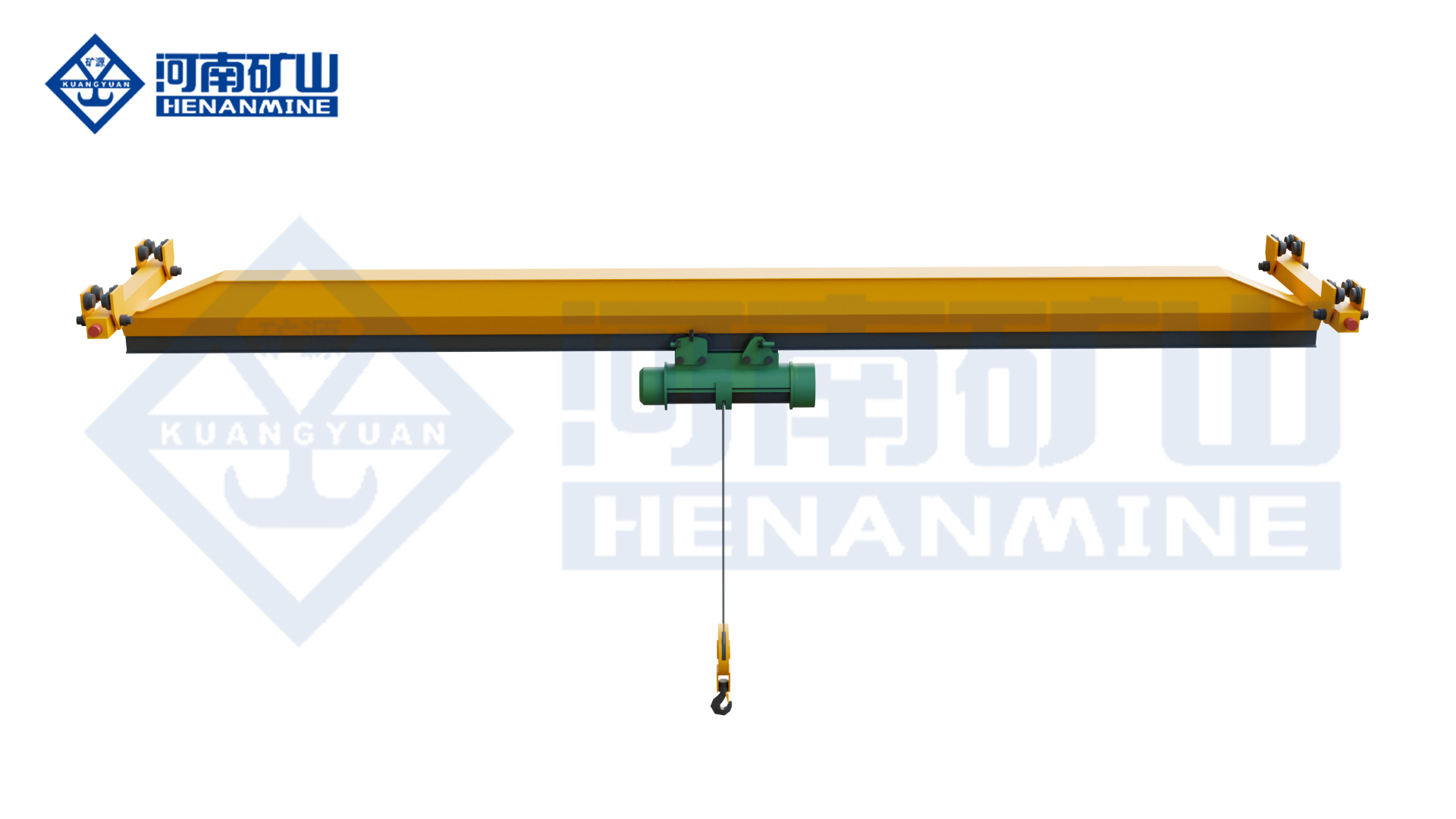
Consider LDY when a top-running single-girder layout provides the required coverage and a dedicated metallurgical hoist suits the specified ladle or hot-metal task. The complete load, working dimensions, heat conditions and operating cycle determine the selected package.
Can LDY be supplied for molten-metal handling?
Yes. LDY is a dedicated metallurgical-hoist design that can be configured for molten-metal service. The technical offer must identify the permitted ladle, complete suspended load, thermal conditions and safety package for that installation.
What distinguishes the LDY lifting mechanism from a general workshop hoist?
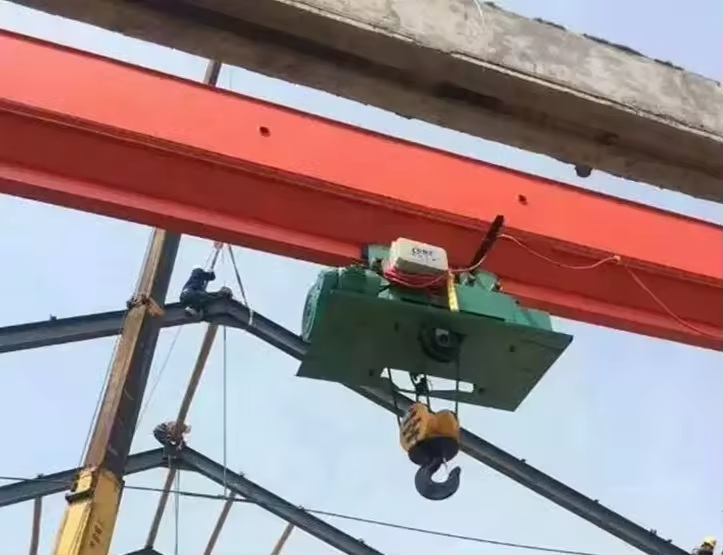
LDY uses a hoist intended for the specified metallurgical application, with process-related protection and a defined redundancy package. Compare the actual hoist specification, braking and limit functions, thermal provisions and agreed tests in the offer.
How do I calculate the load to include in my enquiry?
Add the maximum metal charge, empty ladle, carrier or lifting attachment and all other suspended equipment. Send empty and filled ladle weights separately when available, together with lifting-point and centre-of-gravity information.
Which lifting-speed options can I compare?
The LDY reference schedule lists single-speed and main-and-creep lifting options. The selected hoist determines the speed available for the ordered load and duty. Describe the transfer distance and final approach needed at the ladle station so speed selection serves the whole task.
What do you need to check the crane against my workshop?
Send a drawing or sketch showing rail-centre span, runway length, rail level, roof clearance and pickup and placement positions. Request an arrangement with hook approaches and maximum wheel reactions so the crane and building interface can be reviewed together.
Does a ladle transfer crane also provide pouring movement?
Define the pouring method separately. Hook lifting and travel provide transfer and placement; any required tilting attachment, connection and control function must be identified in the supplied scope and permitted operating sequence.
How should I describe the heat at the lifting position?
Give metal temperature, workshop air temperature and radiant exposure separately. A layout or photograph showing the hot source, the crane's distance from it and the time spent above it helps define shielding and component protection.
What should an LDY purchase order and handover cover?
Identify the crane, metallurgical hoist, load interface, protection functions, controls and heat package, with arrangement drawings, electrical information, manuals and agreed inspection records. State delivery milestones, destination documents, warranty terms, installation and commissioning responsibilities, training and brake, rope, limit and drive spares.