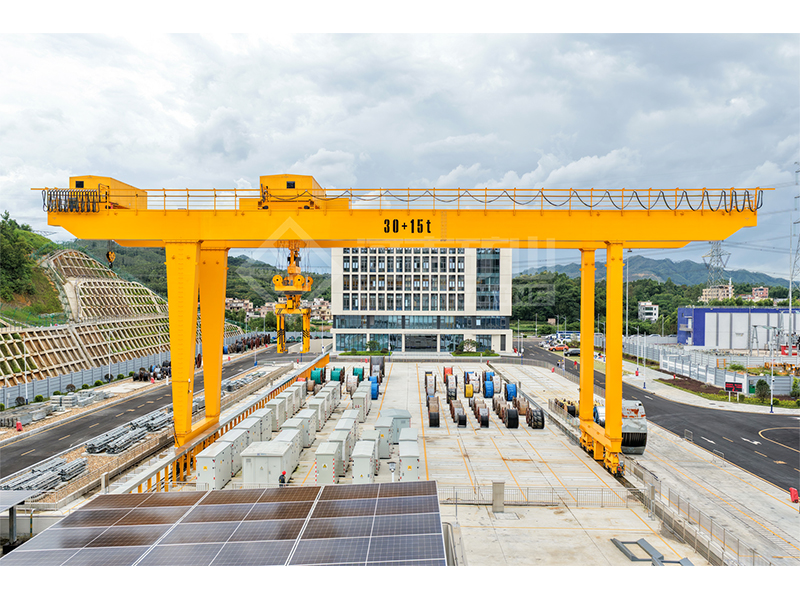

| Application | Oil-pipeline steel-pipe manufacturing |
| Transmission | Rack and pinion for lift and travel |
| Positioning | Millimetre-level transfer control |
| Interfaces | MES and WMS task exchange |
| Operator information | Onboard HMI and work records |
Guided mechanisms for controlled transfer
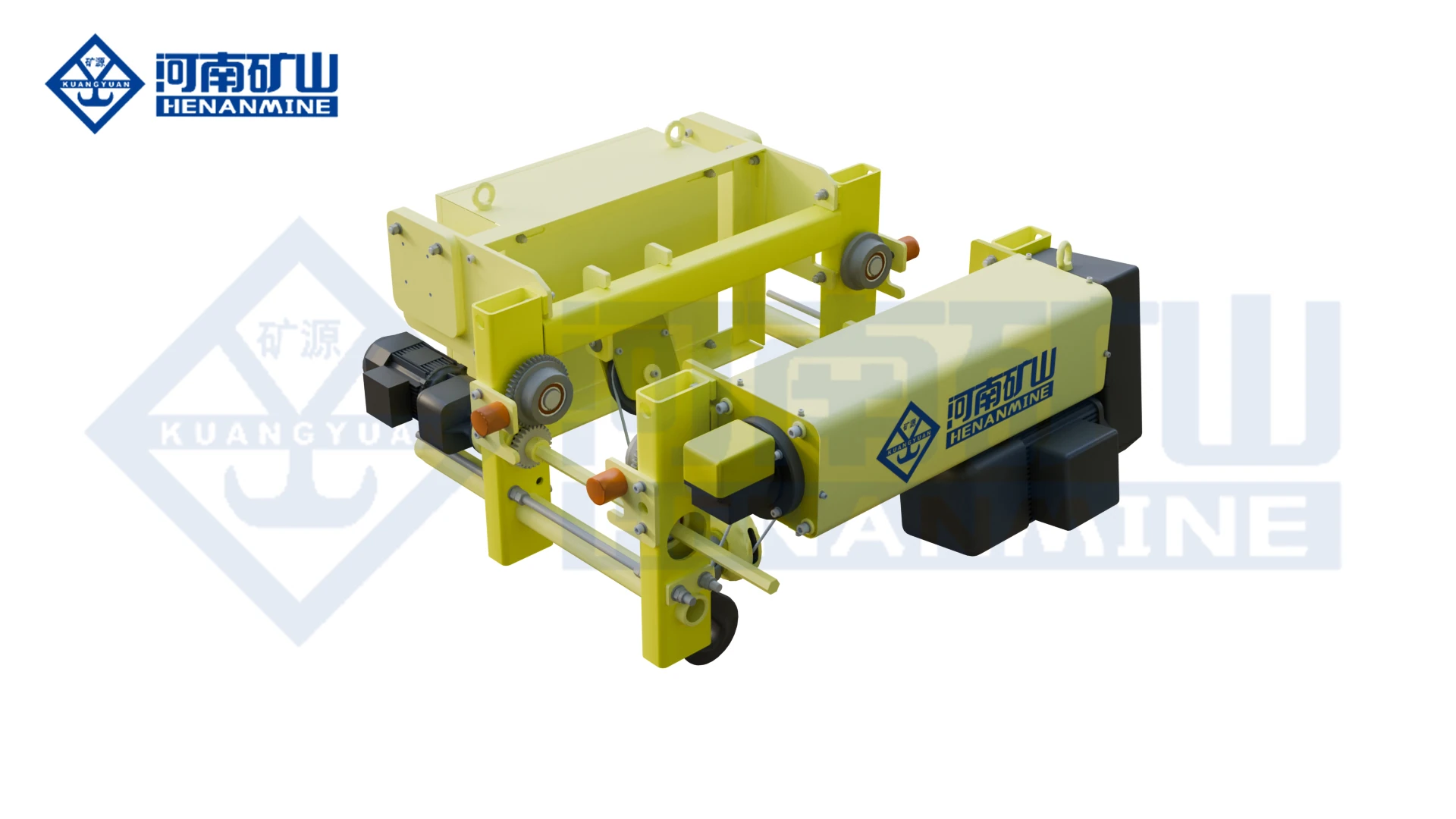
Both lifting and travel mechanisms use rack-and-pinion transmission with guide wheels and rails. The arrangement provides a defined movement path for the pipe-transfer operation.
PLC control and variable-frequency drives support millimetre-level transfer positioning. Laser-guided positioning helps align the handling movement with the designated locations.
MES and WMS interfaces coordinate tasks
The system supports command exchange with manufacturing execution and warehouse management systems. It can receive tasks, plan the handling path and return progress information within that interface arrangement.
An onboard HMI displays equipment status and provides access to work records. The operator’s view connects the current machine condition with the handling sequence.
Specify the pipe range and transfer stations
Provide pipe lengths, diameters, weights and any restrictions on contact or surface marking. Include pickup and delivery positions, supports, storage layout and the required transfer frequency.
Define the command and confirmation exchange with MES or WMS, together with the response to missing material or an interrupted task. These requirements establish the control scope as well as the mechanical handling arrangement.
Verify the full transfer sequence
Acceptance should demonstrate representative pipes moving through the agreed stations, including identification, positioning and task completion. Exception handling and operator intervention should be checked within the commissioning programme.
Send the pipe range and material-flow layout so the equipment can be configured for the production process.