
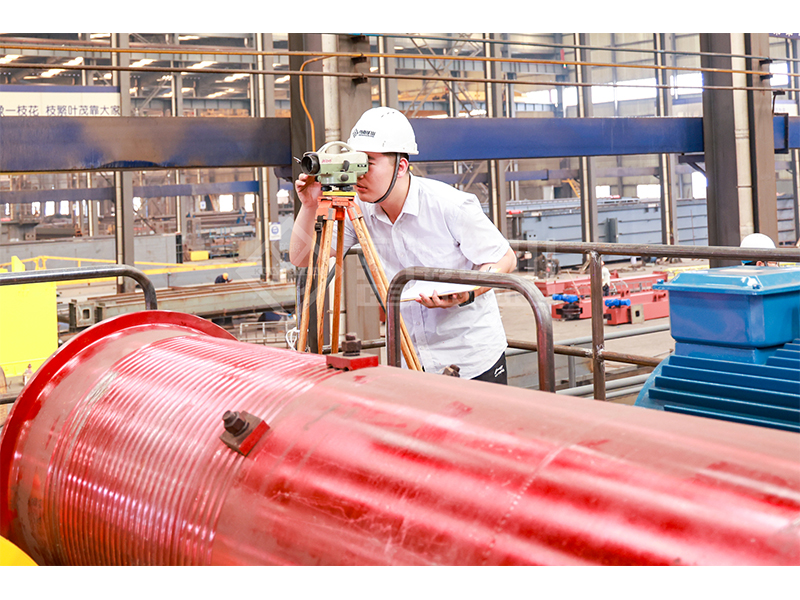

Flange wear results from contact between the wheel flange and rail side. Its location and progression help distinguish a runway defect, wheel geometry problem or travel-drive imbalance; the pattern is evidence, not a final diagnosis.
01Which signs deserve investigation?
| Warning sign | What it can indicate | Useful inspection record |
|---|---|---|
| Bright rubbed surface, burrs or a thinning flange | Repeated side contact | Wheel ID, flange side, thickness and dated photos |
| Grinding or scraping during travel | Flange contact, rail damage or another mechanical fault | Travel direction and exact runway location |
| Crane drifts or runs skewed | Guidance, geometry or drive imbalance | Loaded/unloaded behavior and both travel directions |
| Wear returns after wheel replacement | Original cause remains unresolved | Previous repair scope and new wear measurements |
| Cracks, spalling or loose components | Potentially serious component damage | Isolation and assessment by qualified personnel |
Polished contact marks alone do not establish remaining safe life. A competent inspector must compare the measurements and damage with the equipment manufacturer’s criteria and the applicable rules. Do not use an online percentage as a universal discard limit.
02Separate the main causes before buying parts
Runway geometry: gauge variation, lateral misalignment, height differences, poor joints or support movement can change the wheel/rail relationship along the travel path. Wear concentrated at a repeated location makes that area a survey priority.
Crane and wheel geometry: wheel alignment, bridge squareness, worn bearings and unequal rolling diameters can promote skewing. Replacement wheel geometry and installation need to match the design, including any specified tread profile and orientation.
Travel-drive behavior: different brake response, drive output or control behavior can pull the two sides unevenly. Verify both mechanical and electrical conditions instead of adjusting motor settings to conceal a rail problem.
Wheel/rail selection: material, heat treatment and profile affect service performance. Harder replacement wheels are not an automatic improvement; the selected wheel and rail must work together under the actual loads.
03Measure wear as a trend
Identify each wheel and measure from a repeatable reference using the approved profile or drawing. Record flange thickness, tread condition, diameter where required, rail condition and the operating context. Repeat at the interval set by the inspection plan and increase attention when deterioration accelerates.
Keep loaded and unloaded observations separate. A fault that appears only at particular load positions may require a structural and deflection review. Avoid dismantling the evidence before recording the original wheel and rail contact pattern.
Once the cause is established, the wheel flange wear repair guide sets out the correction and replacement sequence.
04What do replacement wheels cost?
| Drawing reference | Wheel only, USD each | Idle wheelset, USD each | Active wheelset, USD each |
|---|---|---|---|
| L758, Ø400 mm | $248 | $985 | $1,030 |
| L764, Ø500 mm, double flange | $410 | $1,640 | $1,720 |
Third-party PDF price schedule retrieved 28 October 2026; publication date not stated. These are drawing-specific references, not Henan Mine quotations; confirm the current price before ordering. Reference ranges are $248–$410 per wheel, $985–$1,640 per idle wheelset and $1,030–$1,720 per active wheelset. These examples do not establish interchangeability or motor/reducer inclusion. Freight, tax, runway survey, rail correction, access, installation and acceptance testing are separate.
Use these figures to distinguish component supply levels, not to price the diagnosis. The purchasing decision is whether a bare wheel can be fitted correctly or a complete replacement assembly better matches the repair plan. Specify the drawing, shaft/bearing interfaces and required documents before comparing offers.
05Buyer questions
Is flange wear always caused by poor rail alignment?
No. Wheel geometry, bridge alignment, bearings, travel drives and wheel/rail selection can contribute. The inspection should test the likely causes against the actual wear pattern.
Can a crane keep working with a worn flange?
That depends on measured damage and the applicable inspection criteria. Cracks, severe wear or other unsafe conditions require isolation and a qualified assessment before further operation.