


CRANE KNOWLEDGE · PRACTICAL ANSWERS
Crane FAQ: Selection, Installation, Safety and Support
This crane FAQ helps you compare lifting systems, plan an installation and understand the responsibilities that continue after delivery. Choose a crane by matching the load, movement, working duty, environment and supporting structure as one system.
Use the categories to find a specific question. Final equipment selection and operating limits should follow the approved project specification and the requirements at the installation site.
Find your topic
10 topics · 66 questions
66 questions · all topics
No matching questions
Try a broader term, such as load, power or installation, or return to all topics.
Planning and crane selection
Start with the handling task, available space and the cost of owning the complete system.
How do I choose between an overhead, gantry and jib crane?
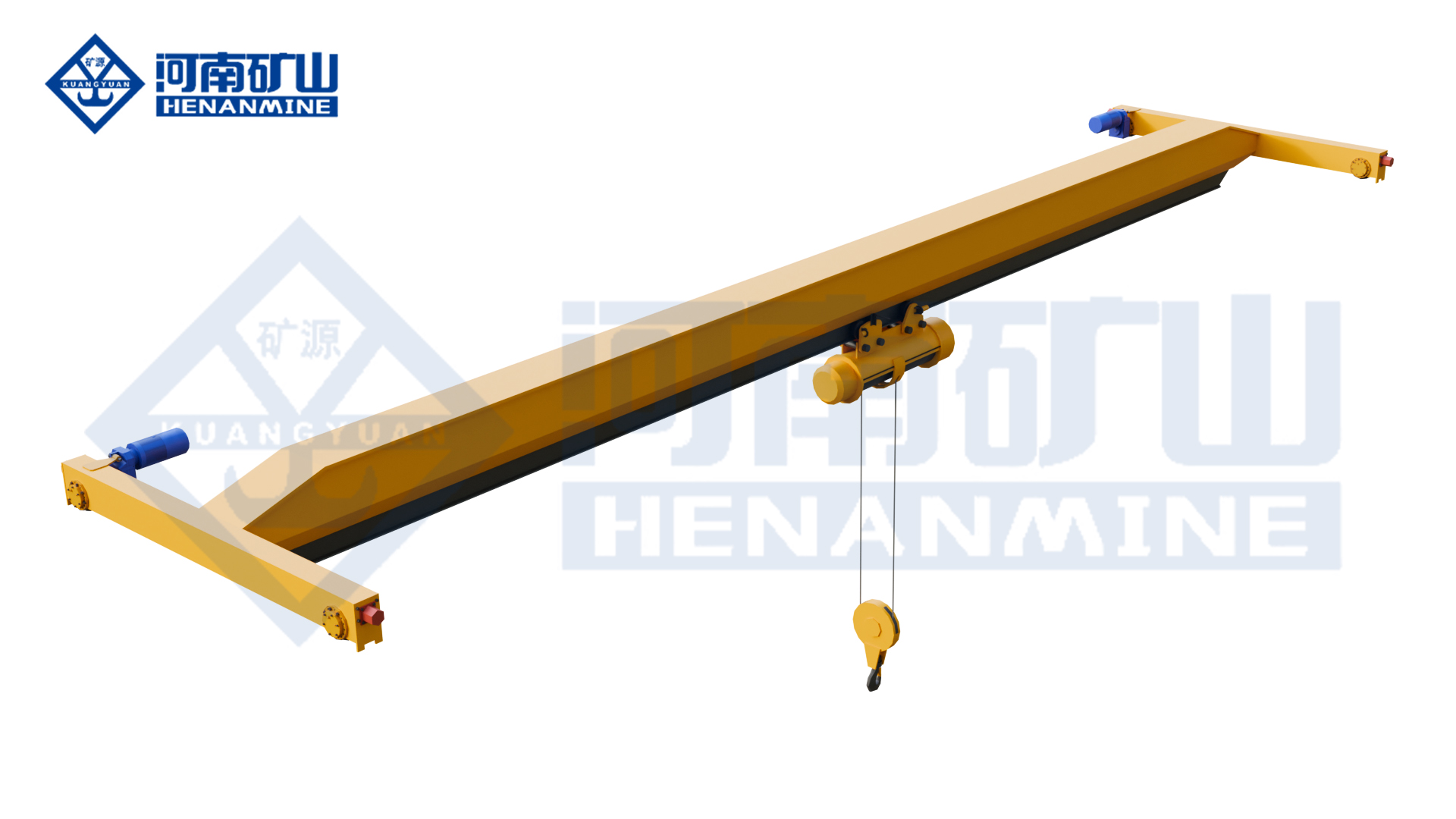
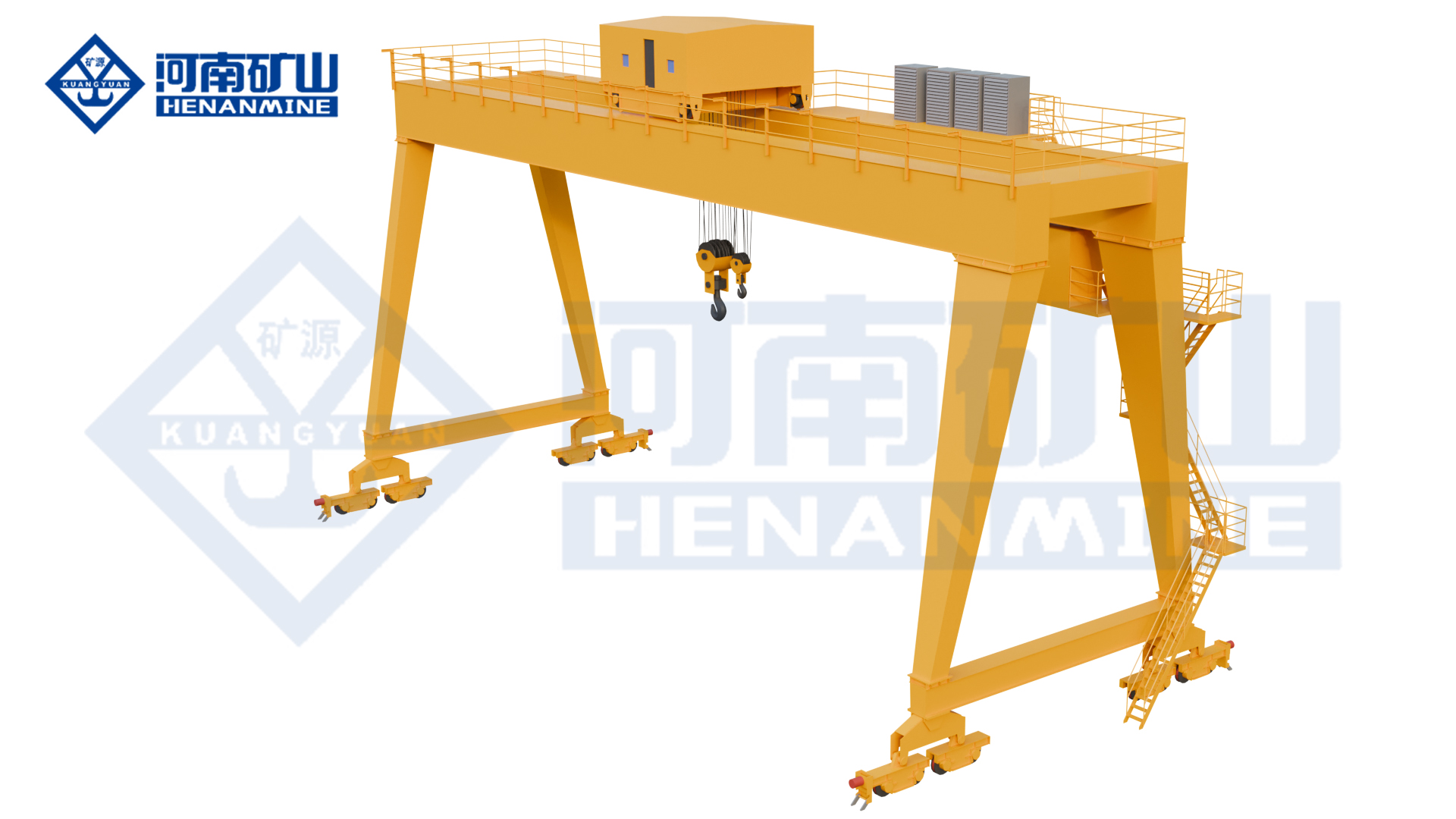
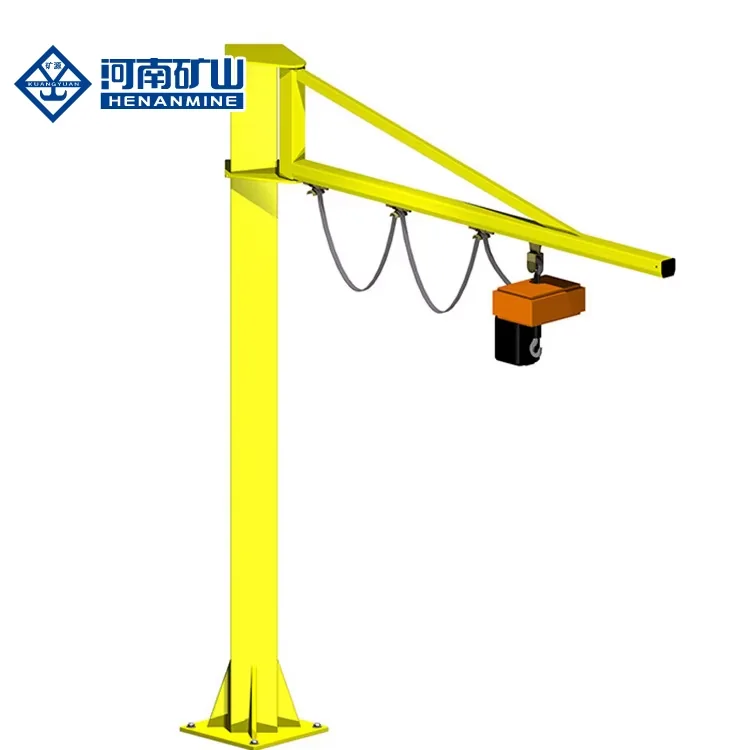
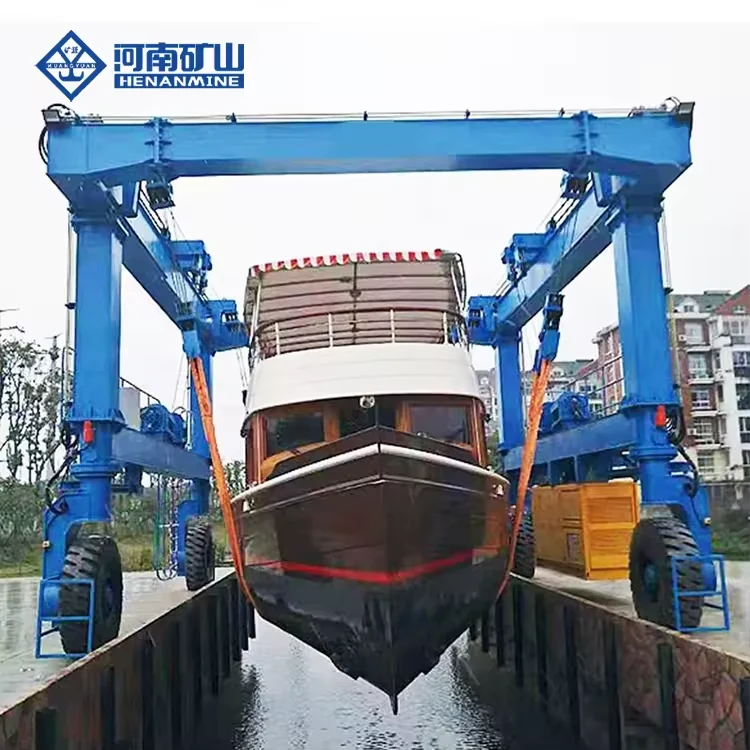
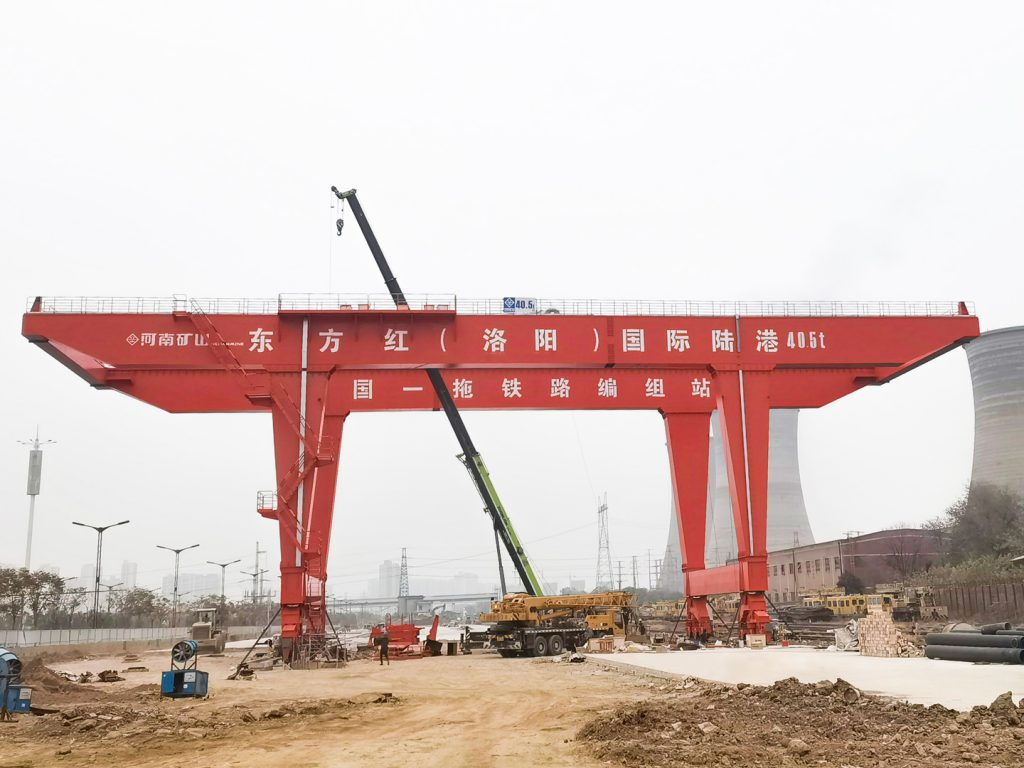
Choose by the area the load must reach and how the crane can be supported. An overhead crane covers a rectangular bay from elevated runways. A gantry supports its bridge on legs, while a jib serves a local work area around its support.
Then check the load path, frequency of use, hook coverage and interference with vehicles or production. The right arrangement should fit the handling sequence as well as the heaviest lift.
Link to this answerWhat do span, lifting height and hook approach mean?
Span normally means the centre-to-centre distance between the runway rails of a rail-mounted bridge or gantry crane. Specify the vertical hook travel and the highest and lowest hook positions against a stated reference level; confirm how the supplier defines “lifting height”.
Hook approach is the closest the hook can reach to a side or end boundary. These dimensions differ from building width and roof height, so compare the actual hook working envelope with your loading and unloading positions.
Link to this answerHow much lifting capacity should I specify?
Base capacity on the heaviest planned suspended load in its approved lifting configuration, including the applicable lifting accessories. Also assess load dimensions, centre of gravity and how frequently heavy loads will be handled.
A capacity allowance for a defined future product can be sensible, but an arbitrary percentage is not a substitute for engineering. Larger ratings may change the crane, runway, foundation and power requirements; they do not permit overloads during normal operation.
Link to this answerCan a crane be customised for an existing production process?
A crane can be engineered around a defined process, but the changes must be evaluated together. Different spans, hook heights, travel speeds, attachments and control functions affect loads, clearances and how the system is operated.
For an existing plant, a layout and operating sequence help reveal restrictions that a capacity specification misses. Confirm the final arrangement and performance requirements in the approved technical specification rather than relying on a model name.
Link to this answerHow should I compare two crane quotations?
Compare the same technical duty and supply boundary before comparing price. Capacity, span and lifting height are only the starting point: speed, workload, control functions, environmental protection and included accessories can produce materially different systems.
Check whether runway steel, rails, electrification, installation, testing, documentation and freight are included. Then consider access for maintenance, spare-part identification and the cost of production interruptions. A lower equipment price can accompany a larger site-work or ownership cost.
Link to this answerShould I replace an old crane or modernise it?
Modernisation is worth assessing when the existing structure and runway remain suitable for the future load and workload. Controls, drives or lifting equipment may be upgrade candidates, but replacing one component does not establish the condition or remaining life of the whole crane.
Compare a documented condition assessment and engineering review with replacement, including downtime and conformity requirements. Increasing capacity or changing the process also requires the supporting structure to be checked.
Link to this answerOverhead crane arrangements
Compare bridge layouts, support arrangements, headroom and different ways to cover a work area.
What is the difference between single-girder and double-girder overhead cranes?
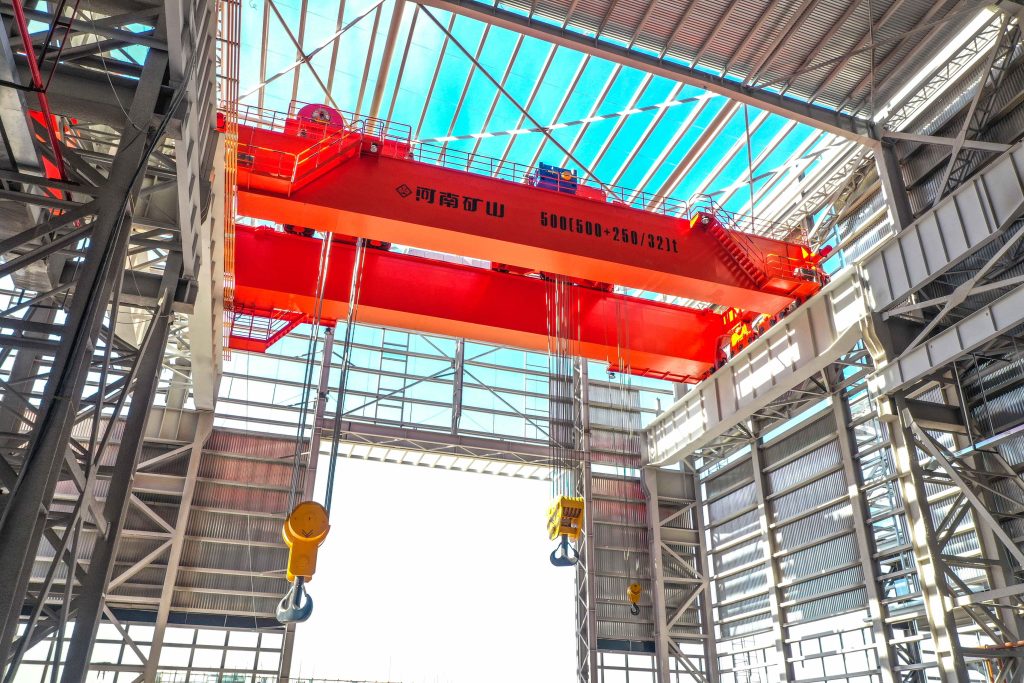
A single-girder crane has one main bridge girder; a double-girder crane has two. The practical difference depends on the hoist or trolley arrangement, span, load, duty and required hook position.
Double-girder layouts can accommodate different trolley and access arrangements, while a single-girder solution may suit a simpler handling task. There is no universal capacity threshold that makes one compulsory. Compare approved dimensions, wheel loads and working performance for your application.
Link to this answerHow do top-running and underhung cranes differ?
A top-running bridge travels on rails above its runway beams. An underhung bridge travels on the lower flange of suitable runway beams. Their load paths, end approaches and structural interfaces differ.
Underhung does not mean any roof structure can carry the crane, and top-running does not automatically require new columns. The building engineer must verify the proposed supports and loads. Compare actual hook coverage and clearances rather than choosing solely from the arrangement name.
Link to this answerWill a low-headroom crane solve a low-roof problem?
A low-headroom lifting arrangement can reduce the space between its support level and the highest usable hook position. It may recover useful lifting height, but it cannot remove the clearance needed for the crane, roof services, load and lifting accessories.
Check a dimensioned section showing the roof, runway, highest hook and tallest load. Also check hook approach and maintenance access: gaining vertical space can change the space needed elsewhere in the bay.
Link to this answerWhat does “European-style” mean for an overhead crane?
“European-style” is a market description often used for compact crane and hoist arrangements; it is not a complete technical specification or proof of certification. Products using the label can have different mechanisms, controls and design bases.
Evaluate the stated duty standard, rated load, dimensions, drive functions and documentation. If a regulation or project specification applies, request evidence for the exact supplied configuration. A style description cannot replace those requirements.
Link to this answerCan two trolleys on one crane lift a load together?
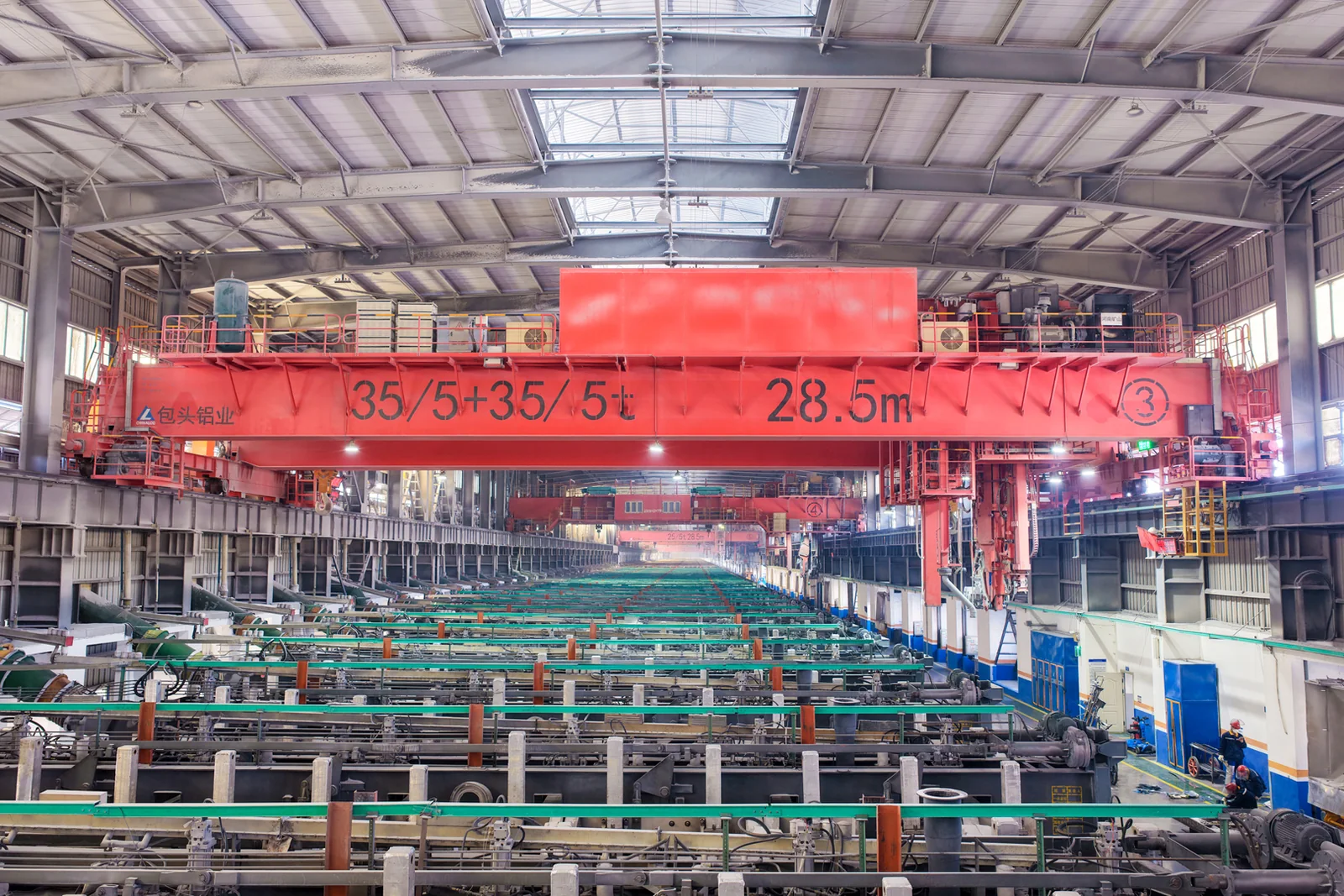
Only when the crane is designed and approved for the proposed combined operation. Two trolley ratings do not automatically add up to the crane’s permitted combined load. Trolley positions, girder loading, wheel reactions and unequal load sharing all matter.
The specification must define independent and combined operating modes, permitted loads and control arrangements. A long or flexible load may also need a planned lifting method; matching trolley speeds alone does not prove that both hooks carry equal weight.
Link to this answerWhen is a workstation crane, monorail or jib a better choice?
These arrangements are useful when the handling task is local or follows a defined route. A monorail follows its track; a jib serves the area within its permitted rotation and radius; a workstation bridge can cover a specific production cell.
Compare pickup and set-down positions, obstructions and how the operator attaches the load. A smaller system may reduce unnecessary travel, but it must still provide the required capacity, duty, support strength and safe working space.
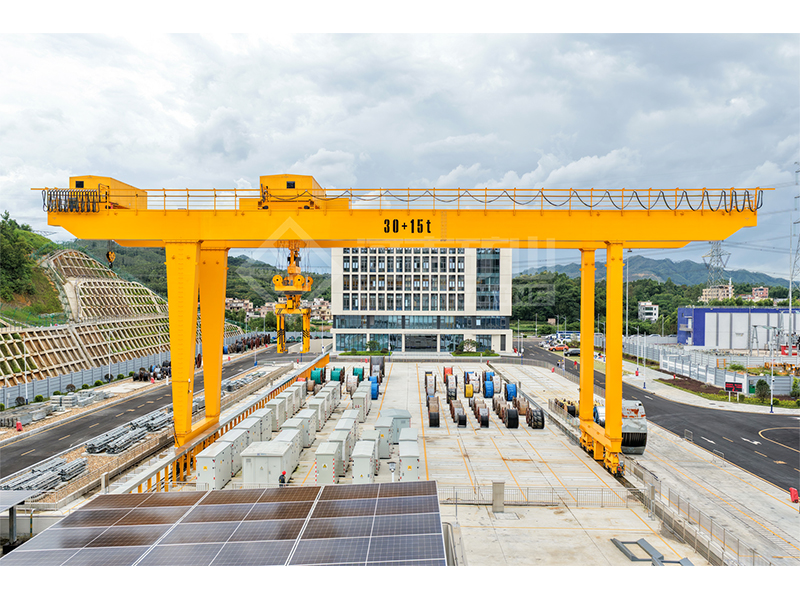
Link to this answerGantry cranes and outdoor work
Plan yard coverage, travel routes, ground support and exposure to weather.
What is the difference between a full gantry and a semi-gantry crane?
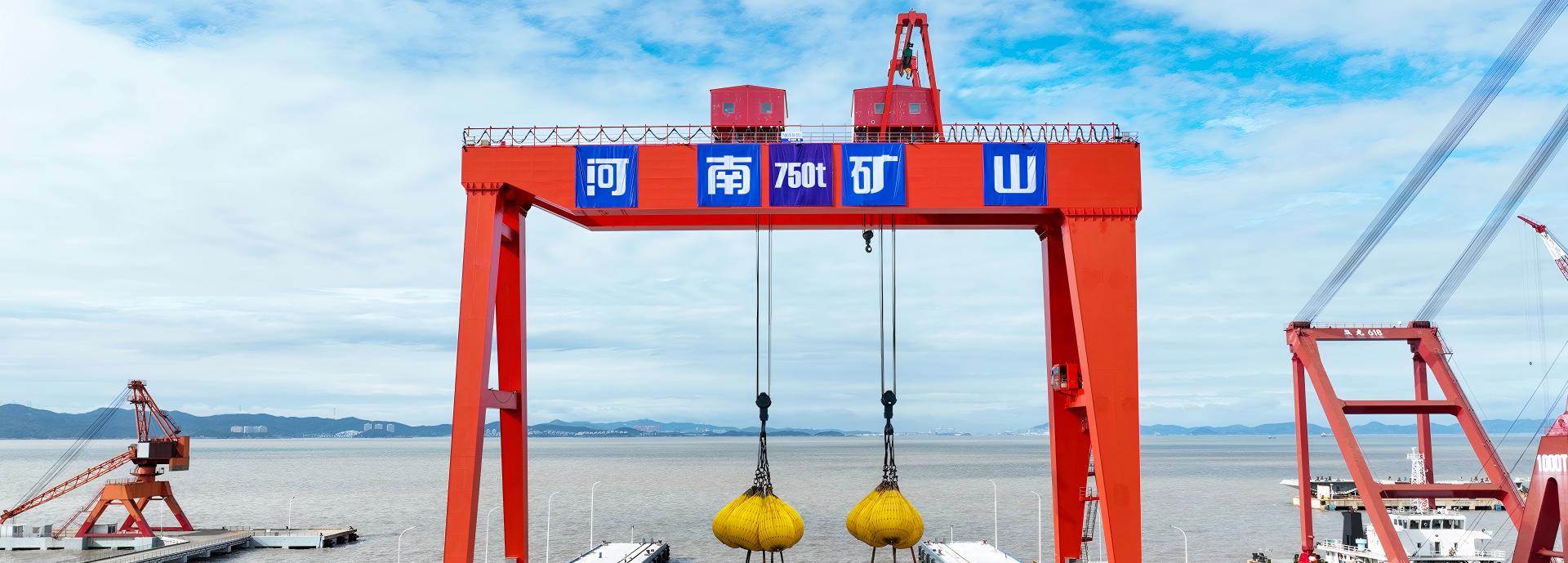
A full gantry carries its bridge on legs on both sides. A semi-gantry uses a ground-supported leg on one side and an elevated runway on the other. The semi-gantry arrangement can fit work alongside a building or an existing production bay.
Both need verified support loads and a clear travel route. For a semi-gantry, coordinate the ground rail, elevated runway and building structure as one system, including pedestrian and vehicle interaction around the moving leg.
Link to this answerShould I choose a rail-mounted or rubber-tyred gantry crane?
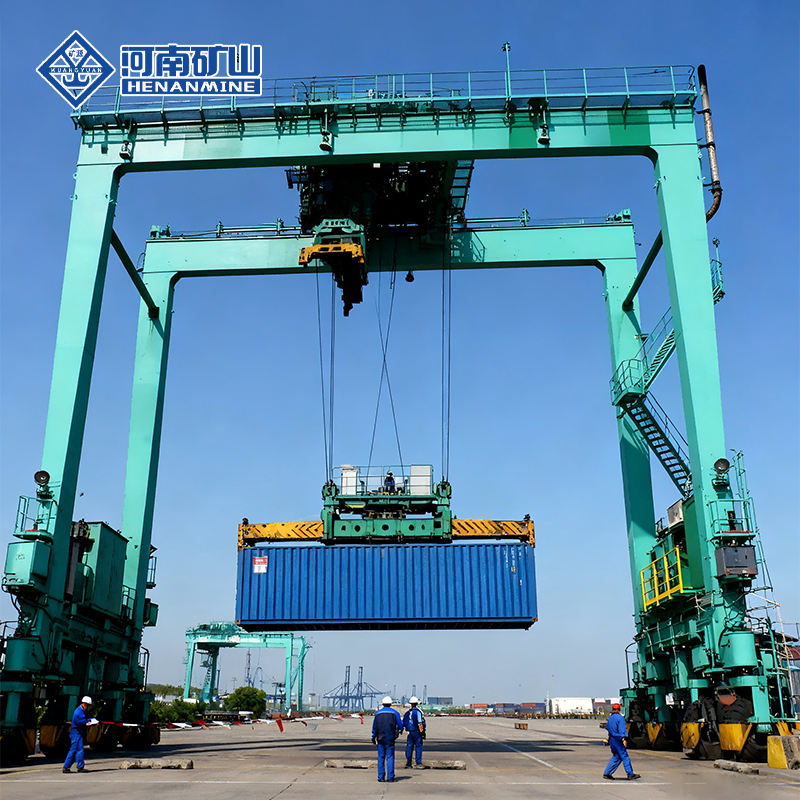
Rail-mounted cranes suit a defined travel corridor. A rubber-tyred arrangement can offer a different yard layout and relocation capability, but its steering modes, ground loading and permitted travel conditions must match the project.
Compare the full route, turning space, slopes, pavement condition and power arrangement. Rubber tyres do not make ground preparation unnecessary, and a rail-mounted crane still needs foundations and alignment suited to its wheel loads and operating environment.
Link to this answerWhat does a gantry cantilever allow me to do?
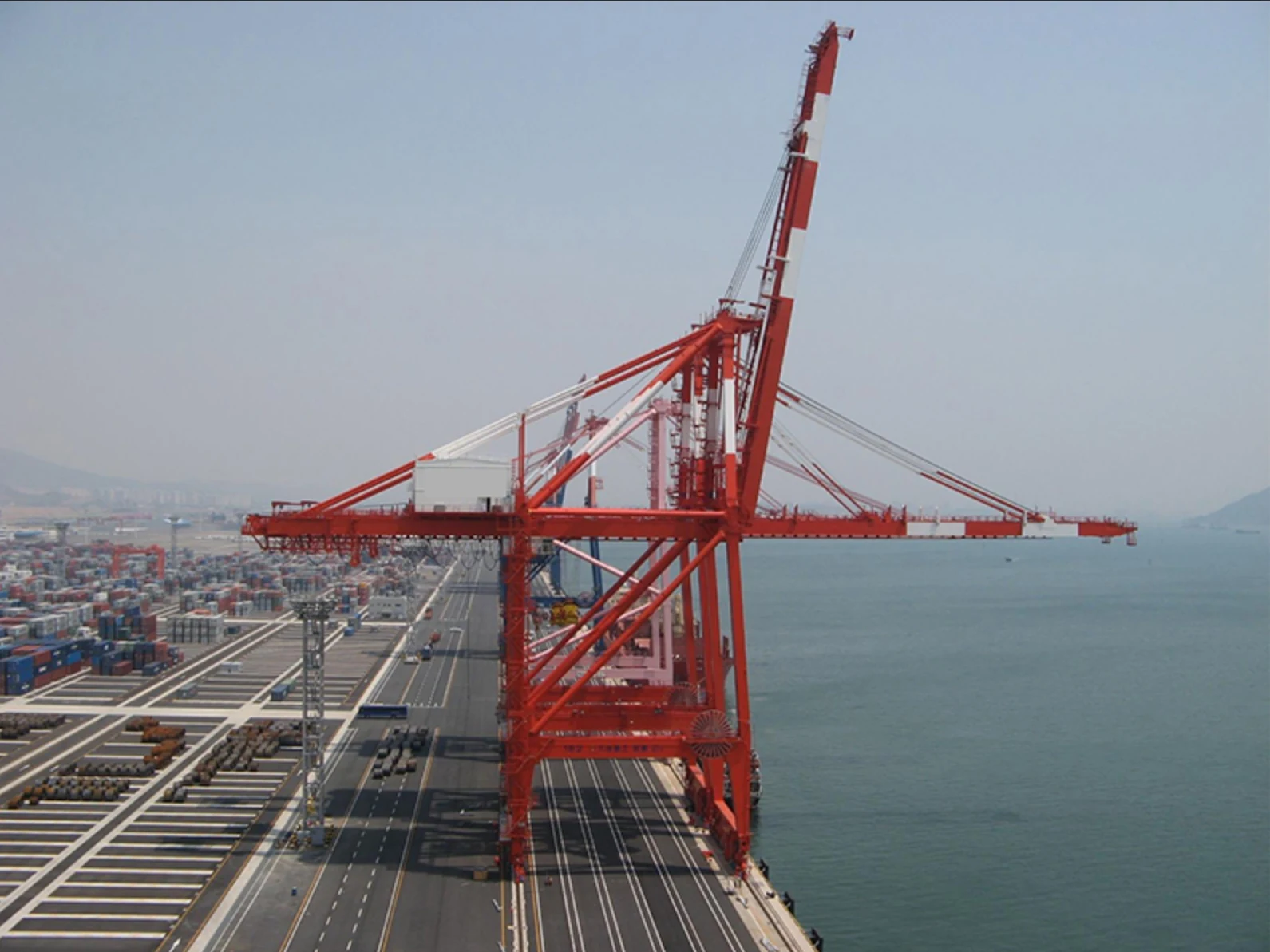
A cantilever extends the working bridge beyond a supporting leg, allowing the hook to serve positions outside the main span. This can help with truck loading or material transfer beside the crane’s travel corridor.
Its useful reach is the approved hook working area, not simply the steel overhang length. Confirm the permitted load and hook positions on each side, together with clearances and stability requirements. Do not assume every part of an overhang permits the same lifting operation.
Link to this answerCan a gantry crane operate in strong wind?
Only within the operating limits defined for that crane, load and site. Wind acts on both the crane and the suspended load; a large panel can create a serious handling problem even when its weight is modest.
Specify the site wind conditions, load surface area and out-of-service arrangements during design. The operating procedure must define when to stop work and how the unloaded crane is secured. Brakes, rail clamps and storm anchors have different functions and are not interchangeable.
Link to this answerCan I install gantry rails on an ordinary concrete yard?
Do not decide from slab thickness alone. The ground, reinforcement, foundations, rail support and drainage must be assessed against the crane’s wheel reactions, travel forces and site conditions.
Existing pavement may have unknown strength, joints or buried services that affect suitability. Have the responsible civil or structural engineer use the manufacturer’s load data and actual ground information. A generic concrete thickness cannot establish that a yard is ready for a gantry crane.
Link to this answerWhat changes when a crane moves between indoor and outdoor areas?
The complete travel route must be covered by the design. Rain, condensation, corrosion, temperature changes and wind can affect electrics, brakes, lubrication and the structure, including areas where the crane passes through a building opening.
Check weather exposure and the enclosure requirements of individual components, as well as drainage and cable routing. A protective coating or an enclosure rating alone does not demonstrate suitability for every outdoor condition.
Link to this answerHoists and lifting mechanisms
Match the lifting unit, speed, reeving and hook arrangement to the actual job.
Should I choose an electric chain hoist or a wire-rope hoist?
Choose by the required load, lifting height, working duty, headroom and handling method. Both types have suitable industrial applications; the lifting medium alone does not determine quality or suitability.
Compare the actual hoist’s speeds, permitted operating time, starts, hook travel and maintenance needs. Chain storage and rope-drum dimensions can affect the layout. For repeated production lifts or a long lift path, check the complete mechanism specification rather than applying a general “lighter versus heavier” rule.
Link to this answerHow are a hoist, winch and trolley different?
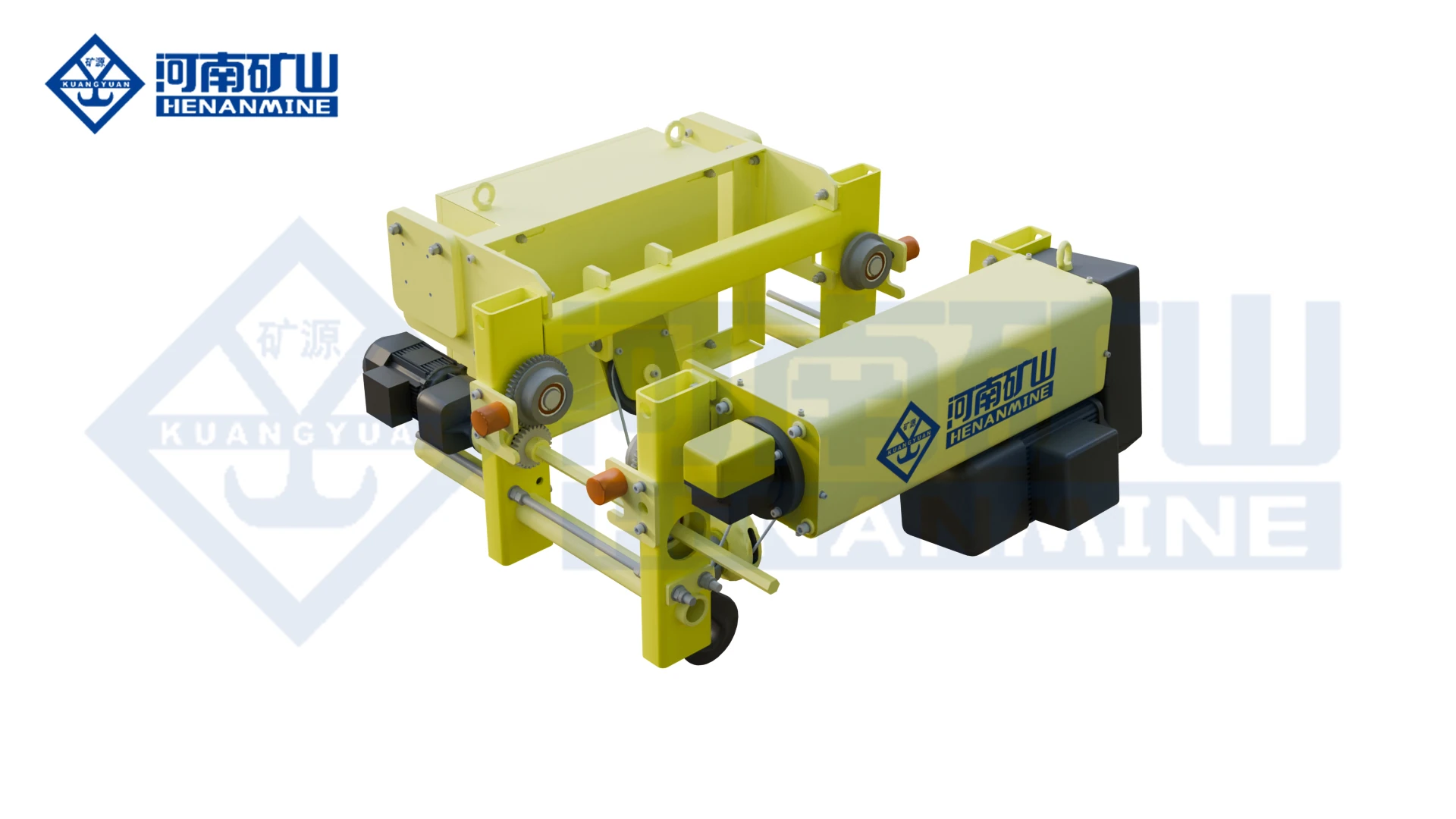
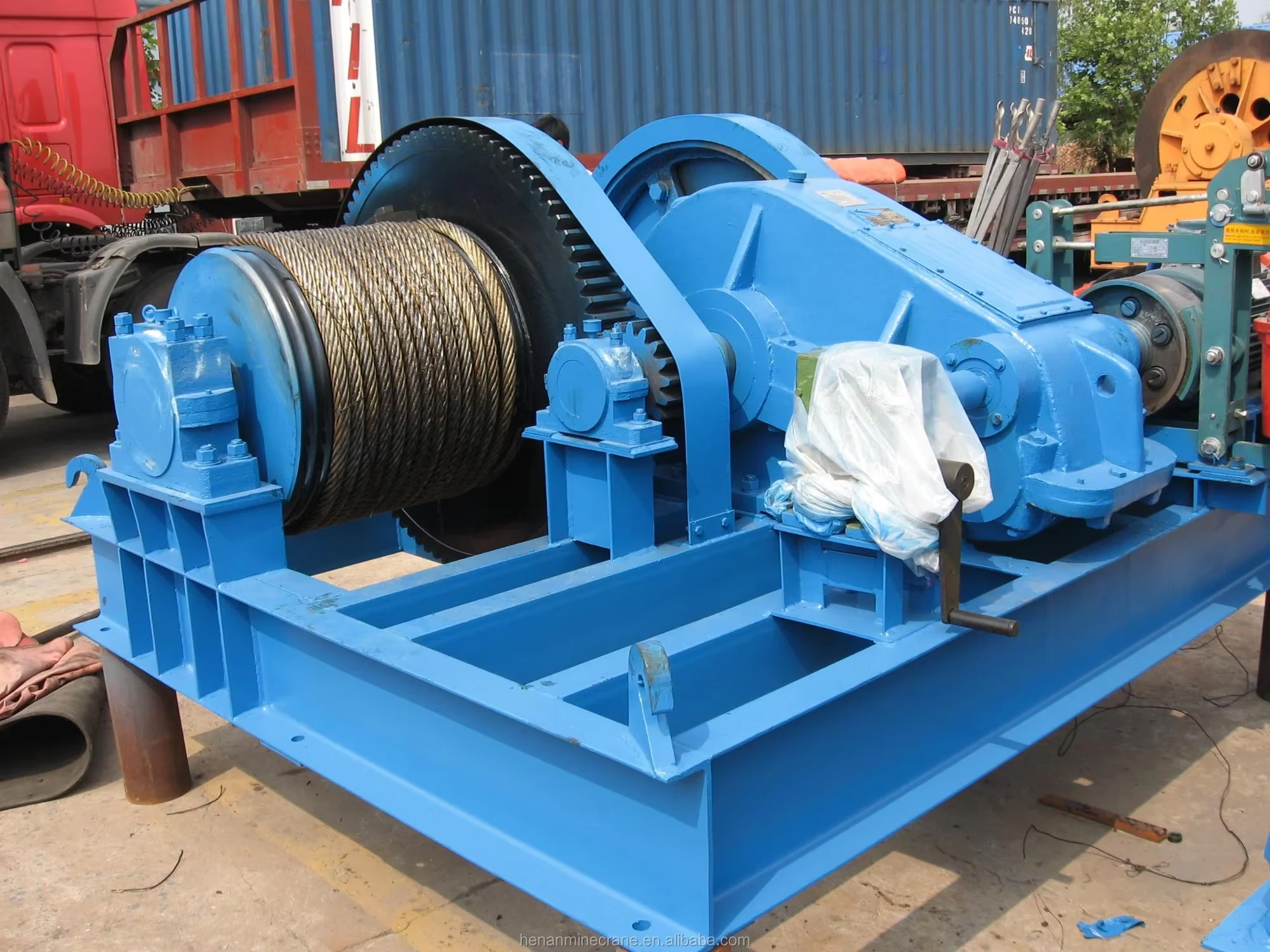
A hoist is intended to raise and lower a load. A trolley carries the lifting unit along a beam or bridge. A winch winds rope on a drum, but its permitted pulling direction, braking and lifting use depend on its design.
Do not substitute a pulling winch for a suspended-load hoist merely because their stated forces look similar. Check the intended use, rated load, support arrangement and safety functions of the complete assembly.
Link to this answerWhen do I need two-speed or variable-speed lifting?
A slow lifting speed can help with final positioning, while a faster speed may reduce travel time over a long lift. Two-speed and variable-speed drives provide different ways of achieving that movement.
Choose the speed range from the handling sequence, load behaviour and required cycle time. Frequent inching and starts affect the mechanism’s duty and heating. A variable-speed drive also needs a compatible motor, brake and control design; adding one alone does not establish better positioning accuracy.
Link to this answerWhy do rope reeving and hook drift matter?
Reeving describes how the rope runs through the drum and sheaves. It affects the lifting arrangement, rope loading and how the hook moves as the hoist raises or lowers.
Some arrangements cause a horizontal change in hook position through the lift. Where a load must align closely with a fixture or shaft, check the specified hook movement over the required height. Do not assume that more rope falls, or a “true vertical lift” label without dimensions, resolves every positioning requirement.
Link to this answerCan a standard hoist lift into a deep pit or below floor level?
Only if the specified hook travel and lifting arrangement cover the complete depth. A below-floor lift can require different rope or chain capacity, limit settings and allowance for the lifting accessory and load.
The lowest hook position must preserve the manufacturer’s required rope or chain engagement and other safety limits. Also assess visibility, communication, the route through the opening and recovery of a load after a fault. Adding rope or chain without approval is not an acceptable extension.
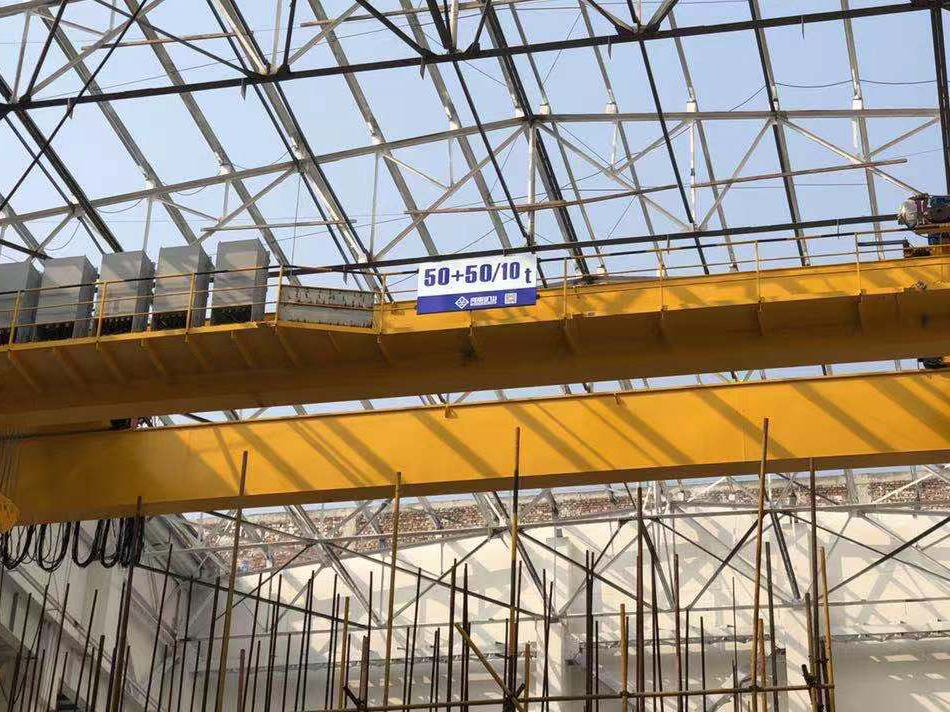
Link to this answerDoes a 50/10 t crane have a 60 t lifting capacity?
Not automatically. The notation commonly identifies a 50 t main hoist and a 10 t auxiliary hoist, but the approved specification must define each rating and any permitted simultaneous operation. It does not by itself authorise a 60 t combined lift.
An auxiliary hoist may handle smaller loads or assist a particular operation. Using both hooks to turn or share a load requires an approved arrangement and lifting plan, accounting for unequal load distribution and the crane’s structural limits.
Link to this answerLoads, hooks and attachments
Account for the complete suspended load and the limits of each handling device.
Does rated capacity include slings, lifting beams or a grab?
The suspended load must be checked using the manufacturer’s stated rating basis. Removable slings, a lifting beam, magnet or grab can consume part of the capacity available for the material itself. A dedicated crane may state its payload and attachment allowance separately.
Do not subtract an original hook block a second time if it is already included in the crane’s design basis. Confirm the approved total load, attachment mass and useful payload together; the material weight alone is not enough.
Link to this answerAre tonnes and tons the same in crane specifications?
No. A metric tonne is 1,000 kg, while a US short ton is approximately 907 kg and an imperial long ton is approximately 1,016 kg. A specification written only as “ton” can therefore be ambiguous.
State the unit explicitly in the quotation, drawings, nameplates and test documents. Use a consistent unit system when comparing the load, attachment weight and rated capacity; do not treat similar-looking numbers in different units as equivalent.
Link to this answerWhy does the centre of gravity matter if the load is below capacity?
Capacity does not guarantee a stable lift. If the lifting points and hook are not arranged for the actual centre of gravity, the load can tilt, shift or overload part of the rigging even while its total weight is below the crane rating.
The lifting method must account for load stiffness, lifting points, sling angles and possible changes in balance. For irregular assemblies, rotating loads or uncertain contents, establish the load information and a suitable lifting plan before operation.
Link to this answerCan I use the same crane with different lifting attachments?
Potentially, if each attachment and operating combination is suitable and approved. A hook, beam, grab, magnet or vacuum device changes more than the suspended weight: it can change headroom, load stability, controls and the consequences of a power failure.
Check mechanical and electrical interfaces, permitted payload, clearance and operating instructions for every configuration. Changing the attachment does not automatically change the crane’s rated capacity, and a higher-rated attachment cannot raise the crane’s limit.
Link to this answerHow do I choose the capacity of a grab crane?
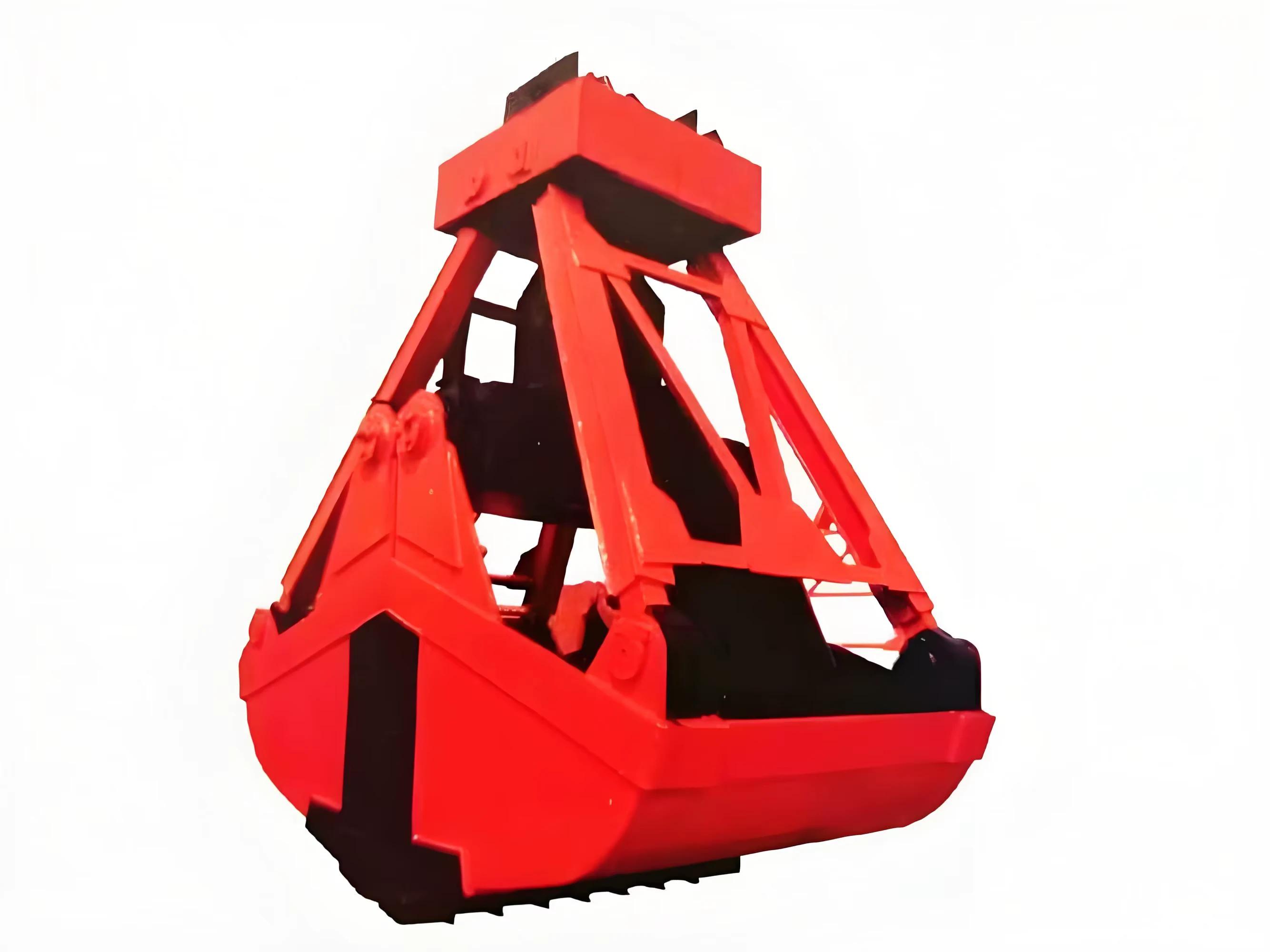
Choose the crane and grab together. Grab volume describes how much space the bucket holds, while the lifted material mass depends on bulk density, filling conditions and the material itself. The grab’s own mass also loads the crane.
For example, the same bucket volume can carry very different weights of dry and wet material. Define the material range, required handling rate and working cycle, then verify the permitted total suspended load and grab-control arrangement.
Link to this answerWill a lifting magnet handle every steel load of the same weight?
No. Magnetic holding performance depends on the material’s magnetic properties, thickness, shape, stiffness, temperature and contact with the magnet. Rust, paint, scale or an air gap can reduce effective holding performance.
Use the attachment’s approved load information for the actual material and arrangement. Flexible sheets, mixed scrap and multiple pieces introduce different fall risks. The handling system must also address loss of power, unintended release and exclusion of people from the load-fall area.
Link to this answerCan two cranes lift one load together?
A tandem lift needs a specific engineering and operating assessment. Adding the two nameplate capacities does not establish an allowable combined lift: load sharing can change as the cranes move, the load deflects or the centre of gravity shifts.
The plan must define each crane’s permitted load and position, rigging, coordinated movements, communication and responsibility for directing the lift. Check the supporting structures and load path as well. Treat tandem handling as a planned operation, not an improvised way to overcome insufficient capacity.
Link to this answerDuty and working environment
Define how often the crane works and the conditions its components must withstand.
What is crane duty class, and why does it matter?
Duty class describes the workload for which a crane or mechanism is selected. It considers how heavily and how often the equipment works, rather than simply its maximum lifted load.
Two cranes with the same capacity can need different mechanisms or design provisions if one makes occasional maintenance lifts and the other repeatedly handles heavy production loads. Define the load spectrum, cycles, operating time and expected service conditions so the applicable duty calculation reflects the real task.
Link to this answerCan I directly convert ISO, FEM, CMAA or other duty classes?
Do not assume a one-to-one conversion from a simple comparison table. Classification systems can use different definitions, workload assumptions and scopes; a whole-crane class is also different from an individual hoist or mechanism class.
State the required standard and edition, together with the actual load spectrum and operating pattern. Have the supplier establish the applicable classification on that basis. A similar description such as “heavy duty” does not prove that two differently classified offers are technically equivalent.
Link to this answerDoes an eight-hour shift mean eight hours of hoist running time?
No. Shift duration includes idle time, attachment work and other activities. Hoist running time is the time the lifting mechanism is actually operating; starts and repeated short movements can also affect its thermal duty.
Describe the typical cycle and peak period, including lift height, load distribution and lifts per hour. The supplier can then check both the mechanism’s workload and its permitted operating pattern. Average daily use alone may hide a demanding production peak.
Link to this answerCan a standard crane handle hot metal or work near a furnace?
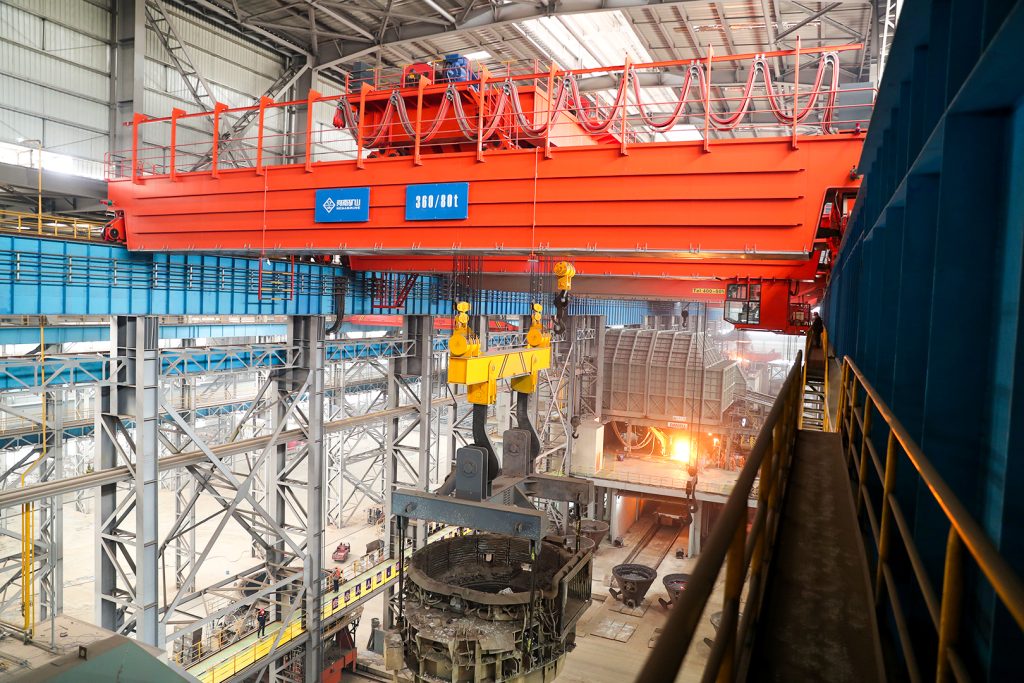
Do not assume so. Radiant heat, hot loads, dust and the consequences of a dropped load can require a crane specifically designed for that service. Ambient temperature alone does not describe the heat reaching ropes, brakes, cables or controls.
Define the material, load temperature, distance from the heat source and handling process. Molten-metal duty needs a dedicated assessment of the complete lifting system and applicable requirements; it is not established by adding a heat shield to a general-purpose crane.
Link to this answerWhat should be checked for cold-weather crane use?
Check the specified operating and storage temperatures for the complete crane. Low temperatures can affect structural material selection, lubricants, seals, cables and electrical equipment; ice and snow can also change outdoor travel and load handling.
The minimum temperature must be considered with workload, wind and exposure conditions. Use the approved cold-weather design and operating instructions. A single material grade or heater does not by itself make every component suitable for the site.
Link to this answerDo dusty, corrosive and cleanroom environments need the same protection?
No. Dust ingress, chemical corrosion and contamination control are different problems. A sealed enclosure may protect one electrical component without addressing corrosive vapour, particles released by the mechanism or cleanroom cleaning requirements.
Define the substances, concentration or exposure, cleaning process and required cleanliness where relevant. The design may involve different materials, coatings, seals or lubricants. If the dust can form an explosive atmosphere, hazardous-area requirements must be assessed separately from ordinary dust protection.
Link to this answerPower, controls and automation
Choose the electrical supply, operator interface and level of assisted or automatic movement.
What electrical supply must match the crane?
The supply must match the approved voltage, frequency and phase arrangement, with adequate capacity for the crane’s operating demands. Motors, brakes, control transformers and drives must be assessed as part of the electrical system.
Changing a motor connection or fitting a frequency inverter does not automatically make a crane compatible with a different supply. Also define the site connection, protective earthing, isolation and power-delivery boundary so the crane equipment and building installation can be coordinated.
Link to this answerHow is power delivered to a travelling crane and trolley?
Common arrangements include conductor systems, festoon cables and cable reels. The appropriate choice depends on travel length, movement, available space, current demand and exposure to the environment.
Check where the fixed site supply ends and the crane supplier’s electrification starts. Cable routing must accommodate travel without excessive strain, fouling or damage. An outdoor, corrosive or hazardous area can require a different arrangement from an otherwise similar indoor crane.
Link to this answerShould the crane use a pendant, radio remote or cabin?
Choose the interface that gives the operator suitable visibility and a safe working position for the actual handling task. A pendant keeps the operator physically connected to the crane; radio control permits a different position; a cabin may suit particular processes or environments.
Consider travel distance, obstructions, attachment work and communication with other people. The control design must address loss of signal, emergency stopping and authorised operation. Radio control does not remove the need for a clear view or a planned signalling method.
Link to this answerDoes anti-sway control eliminate load swing?
Anti-sway functions can help reduce swing caused by commanded crane movement within their designed operating conditions. Their effectiveness depends on the control method, suspended length, load and movement pattern.
They do not cancel wind, poor rigging, a side pull or every disturbance. Define the required handling performance and verify it with representative loads during acceptance. Operators still need a suitable load path, controlled movements and the operating instructions for that system.
Link to this answerWhat is needed before a crane can run automatically?
Automatic operation needs a defined process and a protected operating area, not just programmed travel coordinates. The system must handle position feedback, load or attachment status, access control, faults and safe stopping.
Specify how the crane interacts with production equipment and how people enter for loading or maintenance. Acceptance should test the intended sequences and relevant failure responses. Automatic positioning, assisted handling and fully automatic operation are different scopes and should be named clearly in the specification.
Link to this answerWhat happens to a suspended load if power fails?
The hoist’s designed holding brake should apply on loss of power, but the complete response depends on the equipment and attachment. An electrically held magnet, for example, introduces a separate risk that a hook-hoist brake does not resolve.
The project needs a defined power-loss and restart procedure, including load retention, access restrictions and recovery by authorised personnel. Do not assume every crane has a backup supply or emergency lowering function; confirm those features and their limits in the supplied design.
Link to this answerSafety, standards and hazardous areas
Define the applicable requirements, protective functions and limits of intended use.
Which standards or certificates should I require?
Start with the destination country’s legal requirements and the project specification. Then identify the applicable design, electrical, lifting and conformity requirements for the exact crane configuration and intended service.
A company quality certificate, a component approval and a machine conformity document serve different purposes. Check the scope, model, issuing details and required technical records rather than accepting a collection of logos. Define the required documentation before ordering so it can be included in the agreed supply.
Link to this answerWhich safety features should a crane include?
The required functions follow from the crane design, operating risks and applicable rules. Braking, travel and hoist limits, emergency stopping, load protection, guards and warning arrangements need to be considered as a coordinated system.
Additional functions such as collision avoidance or restricted travel zones depend on the layout and interaction with other equipment. A feature list does not establish safe operation on its own: its settings, failure response and verification must suit the actual installation.
Link to this answerDoes an explosion-proof hoist make the whole crane explosion-proof?
No. A hoist approval covers its stated equipment and conditions; it does not automatically cover the bridge drives, electrification, controls, attachments or mechanical ignition risks of a complete crane.
The site’s hazardous-area classification, gas or dust characteristics, temperature limits and local conformity requirements must guide selection. Verify the marking, model, certificate scope and any special conditions of use for the supplied system. “Explosion-proof” is not a general promise that equipment can be used in every hazardous area.
Link to this answerCan a general-purpose crane pull a load sideways or lift people?
Use a general-purpose material-handling crane only within its approved intended use. Side pulling can impose horizontal forces and create instability or rope problems; it must not be improvised to drag a load into position.
A normal material hook arrangement is not a personnel-lifting system. Any exceptional operation needs the appropriate engineered equipment, authorisation and requirements for that use. Keep people clear of suspended loads and plan the route so materials can be moved without passing over them.
Link to this answerWho should operate a crane, and is training still needed with remote control?
Operators must be trained, competent and authorised for their assigned equipment and tasks under the applicable site and local requirements. A radio remote changes the interface; it does not remove the need to understand load limits, rigging, signalling and abnormal conditions.
Training should cover the actual controls, protective functions, permitted handling method and response to a defect or power failure. Do not assume a certificate from another crane type or jurisdiction automatically covers the installed industrial crane.
Link to this answerMay I continue working if a limit switch or overload device keeps stopping the crane?
Stop the affected operation and have authorised personnel investigate the cause. Repeated activation may indicate an overload, obstruction, incorrect setting, electrical fault or another condition that requires assessment.
Do not bridge the device, defeat an interlock or increase a limit to keep production moving. The crane should return to service only after the cause is corrected and the relevant protective functions are restored and verified. A hoist travel limit is a protective device, not the normal way to stop every lift.
Link to this answerBuilding, runway and installation
Coordinate crane geometry and loads with structural design, assembly and acceptance.
What crane loads does the building engineer need?
The engineer needs the specified wheel reactions and relevant vertical, horizontal and dynamic design actions for the approved crane arrangement. Rated lifting capacity alone does not describe the forces carried by the runway, columns or foundations.
Trolley position, crane weight, wheel spacing and multiple cranes can change the governing load case. Use coordinated manufacturer data and the applicable design basis; do not size supporting steel simply by copying a beam from another crane with the same capacity.
Link to this answerWhat should be measured on an existing runway?
A survey should establish the geometry and condition relevant to the new crane, including span, alignment, levels, rail details, support positions and available clearances. It should also identify joints, stops, access arrangements and nearby obstructions.
Nominal building drawings may not reflect the installed condition. Agree the survey method and acceptance tolerances with the responsible engineers before fabrication. A crane that fits the nominal span can still have travel or wheel-wear problems on a misaligned runway.
Link to this answerCan I add a crane to a building that was not designed for one?
Possibly, but the existing structure and foundations need an engineering assessment. Roof height and floor area alone do not establish that a building can accept crane loads or provide the required clearances.
An independently supported runway or another crane arrangement may be considered if the building cannot carry the loads. Check the resulting foundations, building interfaces and travel envelope together. The approved structural solution should be established before the equipment is manufactured.
Link to this answerAre rails, runway beams and foundations included with the crane?
Only if the contract includes them. Crane equipment, runway steel, rails, supporting columns, foundations and site electrical work can belong to different supply packages.
Define the interfaces as well as the items: who supplies load data, designs the supports, checks alignment and accepts the completed installation? A rail supplied with the crane does not imply that its supporting structure has been designed or approved. An agreed responsibility schedule helps prevent missing work between suppliers.
Link to this answerWhat must be ready before crane installation starts?
The installation team needs an approved method and a site prepared for the actual assembly sequence. Relevant supports, access, unloading areas, lifting equipment, electrical isolation and work-area controls must be available and suitable.
Confirm who provides assembly labour, mobile lifting equipment, working platforms and test loads where required. Installation supervision is a different scope from a complete installation service. Check these responsibilities against the contract and site plan before mobilising the team.
Link to this answerWhat should commissioning and acceptance check?
Acceptance should verify that the installed crane matches the approved specification and is fit for its intended operation. This includes the assembly and runway condition, electrical checks, movements, brakes, limits and other relevant protective functions.
The required load tests, examination and documentation depend on the applicable rules, manufacturer’s instructions and agreed acceptance plan. Do not apply a generic test percentage or assume a factory test replaces site acceptance. Record results and resolve safety-related defects before use.
Link to this answerCan an existing crane be moved to a different workshop?
Relocation needs a new suitability check. The new runway, span, clearances, power supply and support loads may differ even when the crane’s capacity still matches the load.
Inspect the crane’s condition and assess any modifications, dismantling and reassembly requirements. The destination’s regulations and intended workload also apply. Reinstallation and the required examinations or tests must be completed before operation; the original installation approval does not automatically cover the new location.
Link to this answerOrdering, delivery and maintenance
Clarify commercial scope, handover, inspections, spare parts and long-term support.
Why is there no single price for a crane of a given tonnage?
Tonnage describes only one part of the specification. Span, lift, duty, speeds, controls, environmental requirements and attachments affect equipment cost, while runway work, installation and delivery affect the project total.
Compare prices on an agreed configuration and delivery scope. An indicative product price is not a firm budget for an installed system, and a historic price may not reflect the present project. Use the technical and commercial offer to establish what is actually included.
Link to this answerHow long will manufacturing and delivery take?
The schedule depends on the final design, capacity, components and production plan. Separate the time until factory dispatch readiness from freight, customs clearance, site preparation, installation and acceptance.
Confirm the schedule’s starting conditions, such as technical approval and the agreed payment milestone, in the order. A published typical production range is a planning reference; it is not a confirmed arrival or operating date for every crane. Changes to the approved specification may also affect the programme.
Link to this answerHow are large cranes shipped internationally?
The transport arrangement depends on the component dimensions, mass, route and destination. A crane may be shipped in sections, with packaging and protection selected for the agreed transport method and storage exposure.
Before dispatch, coordinate package dimensions, lifting points, unloading equipment and access to the site. Confirm who handles freight, insurance, customs and local delivery under the agreed trade terms. A shipping term does not by itself define installation, unloading or the full technical supply.
Link to this answerWhich documents should be available at handover?
The agreed handover package should identify the supplied crane and provide the information needed for its safe operation and maintenance. Relevant records can include approved drawings, operating instructions, electrical diagrams, inspection and test results, and required conformity documents.
Confirm document language, format and any third-party witnessing before ordering. The package must correspond to the actual supplied configuration and installed changes. A generic catalogue or a certificate for a different model is not a substitute for equipment-specific records.
Link to this answerWhat warranty and after-sales support applies to my crane?
Use the written terms agreed for your order. Warranty coverage, exclusions, the claim process and responsibility for parts, freight or site work should be clear before purchase.
A manufacturing-defect warranty is different from routine maintenance, normal wear and consumable replacement. Also distinguish technical assistance, installation supervision and on-site repair. Refer to the current service information and contract for the applicable conditions rather than assuming every type of fault or service visit is covered.
Link to this answerWhat information is needed to identify a replacement part?
Use the crane or hoist model, serial number and equipment identification, together with the component’s marking and relevant drawing or parts-list reference. A clear photograph can help distinguish similar-looking versions.
Matching only the crane’s capacity is insufficient: brakes, ropes, contactors and other components can differ between configurations. Safety-related replacements must meet the approved specification. Have authorised maintenance personnel confirm compatibility before fitting an alternative part or changing a component rating.
Link to this answerHow often does a crane need inspection?
Use the applicable local requirements, the manufacturer’s instructions and an inspection plan based on the equipment’s use and environment. Pre-use checks, regular inspections and formal examinations serve different purposes and may have different intervals.
Heavy service, corrosive conditions, long storage, damage or major repairs can change what is needed. Do not apply one annual interval to every crane and attachment. Keep records, act on defects and have competent personnel define the appropriate scope and timing.
Link to this answerAre maintenance, inspection and load testing the same thing?
No. Maintenance preserves or restores condition; inspection or examination assesses it; a load test verifies specified behaviour under an approved test arrangement. Completing one does not automatically fulfil the others.
A routine examination does not necessarily require an overload test, and unnecessary testing can itself create risk. The need, method and timing of testing must follow the applicable requirements and competent assessment. Plan lubrication, wear checks and adjustments from the equipment instructions and actual service conditions.
Link to this answerWhat should I do if the crane develops an abnormal noise or fault?
Stop the affected operation, keep people clear and follow the site’s fault and suspended-load procedure. Report the symptoms and equipment identification to authorised maintenance personnel; do not keep cycling the crane to see whether the problem disappears.
Repairs require suitable isolation, protection from other equipment and control of stored energy. Before return to service, restore guards and safety functions and complete the necessary checks. Never bypass protection or work beneath an unsecured load to shorten a repair.
Link to this answerHow long should a crane last, and when should it be reassessed?
There is no reliable universal service life based only on age or capacity. Workload, load history, environment, maintenance and the condition of critical components all affect continued suitability.
Keep operating and inspection records so a competent assessment can compare actual use with the design basis. Reassess when the process changes, duty increases, significant damage occurs or major modifications are proposed. Replacing worn parts does not automatically reset the fatigue history of the crane structure.
Link to this answerDiscuss the crane your project needs
Henan mine crane co., ltd. can discuss the equipment arrangement and supply scope for your project. Use the relevant product or buying guide for the next level of detail, or contact us to clarify a specific application.
These answers support equipment planning. Approved drawings, the supplied operating manual and applicable site requirements govern installation and use. Site-specific engineering and safety responsibilities remain with the responsible parties.