

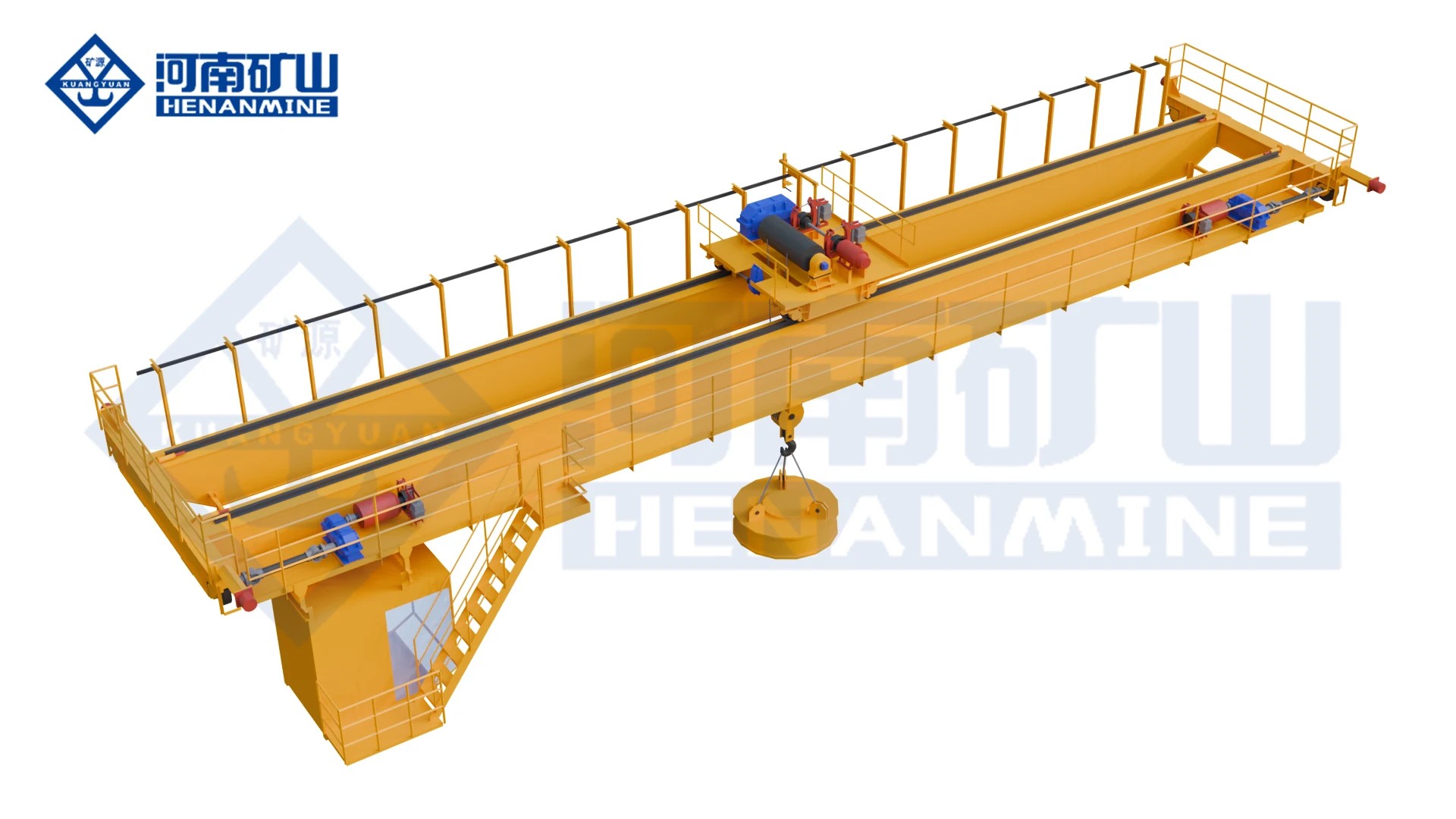
Select an electromagnetic crane from the material being lifted, the verified net payload and the operating cycle. The crane must carry the magnet, beam and rigging as well as the steel. Confirm magnetic performance on the actual material and agree power-failure retention, warnings and operating limits before choosing the bridge capacity.
01Match the magnet to the steel being handled
| Material | Selection priority | What changes the lift |
|---|---|---|
| Loose ferrous scrap | Magnet shape, pickup footprint and discharge control | Scrap density, piece shape and air gaps |
| Steel plate | Magnet spacing and plate support | Plate thickness, sag and unintended pickup of extra sheets |
| Billets or bars | Matched magnet beam and lifting-point distribution | Stock length, bundle condition and load balance |
| Hot material | Explicit temperature-rated magnet and duty | Material temperature and heat exposure time |
Use an electromagnet for suitable ferromagnetic material. Aluminium and many stainless-steel grades are unsuitable. Rust, scale, paint, surface curvature and gaps can reduce effective holding force. A laboratory pull-off figure on thick, clean steel does not establish safe payload on scrap or thin plate.
02Separate crane capacity from net steel payload
For a suspended magnetic package, include the magnet, lifting beam and carried rigging within the applicable crane rating. For example, an 8 t steel load plus a 1.5 t magnet and 0.5 t beam already totals 10 t before any additional carried accessories. The permissible load must still be checked against the complete rated arrangement.
The magnet’s effective load limit must also be established for the real steel condition. The smaller of the applicable crane and magnetic-system limits governs; a larger crane does not increase the magnet’s grip. For multiple magnets, agree load sharing and the consequences of one unit losing contact.
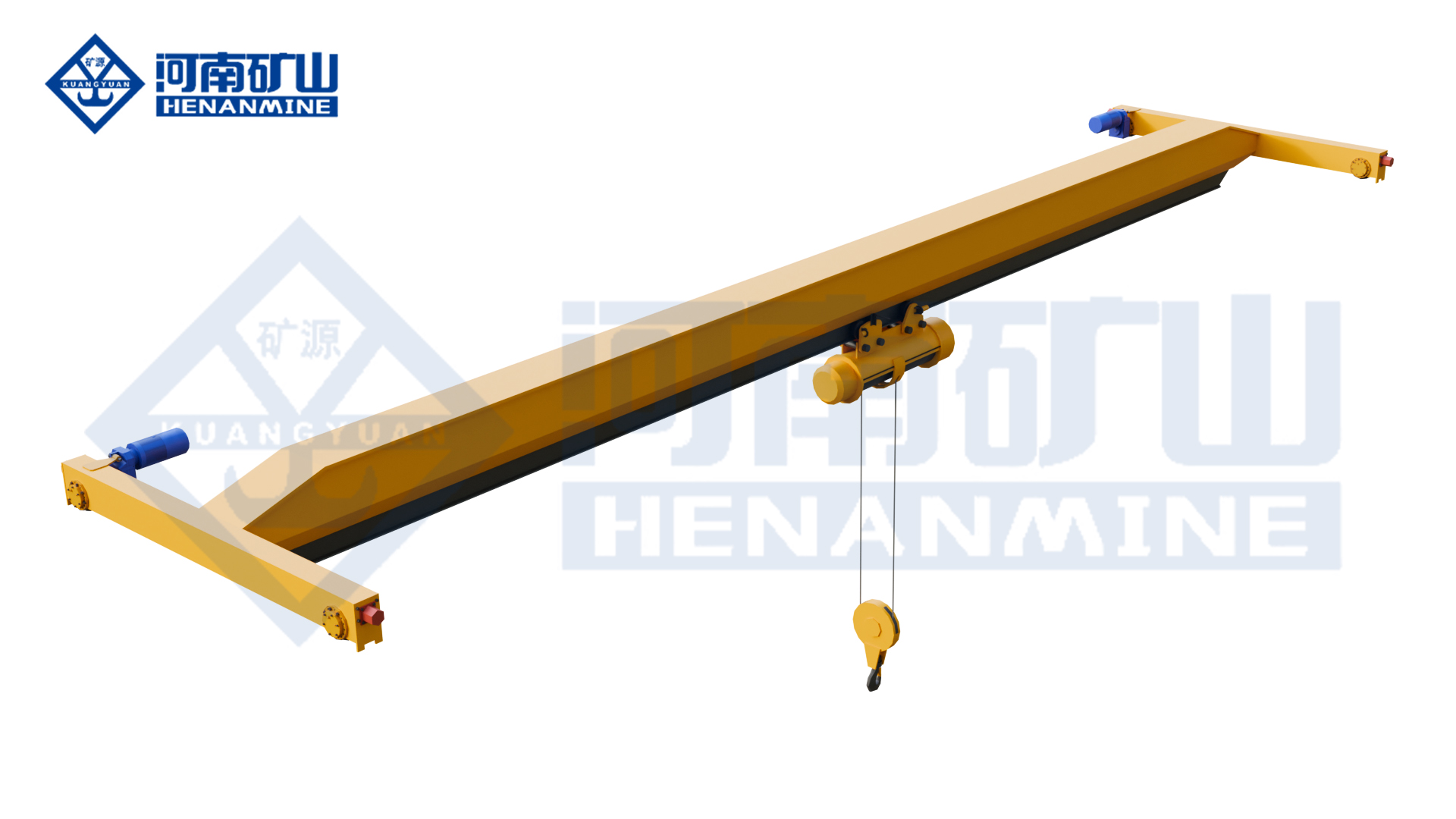
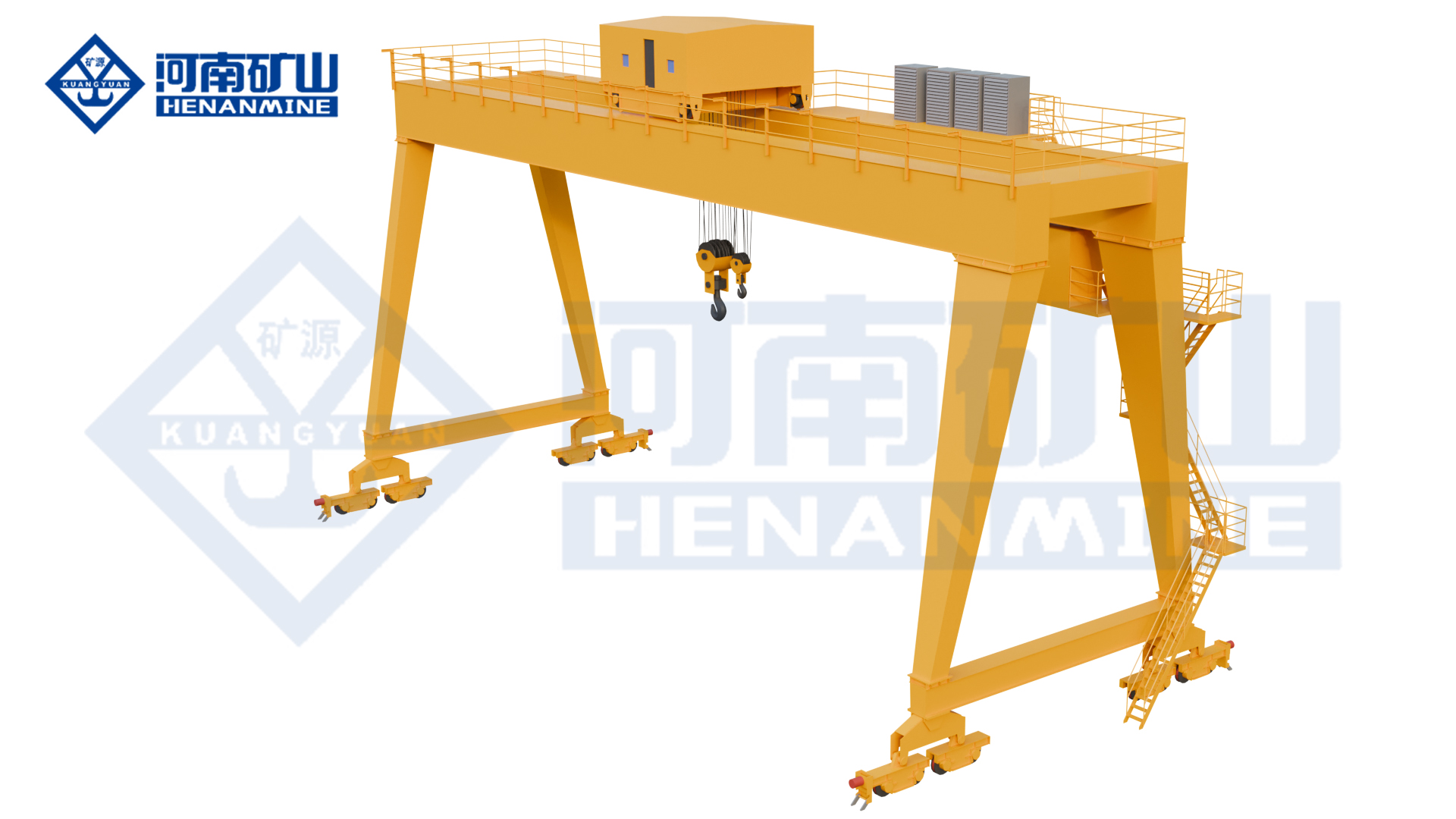
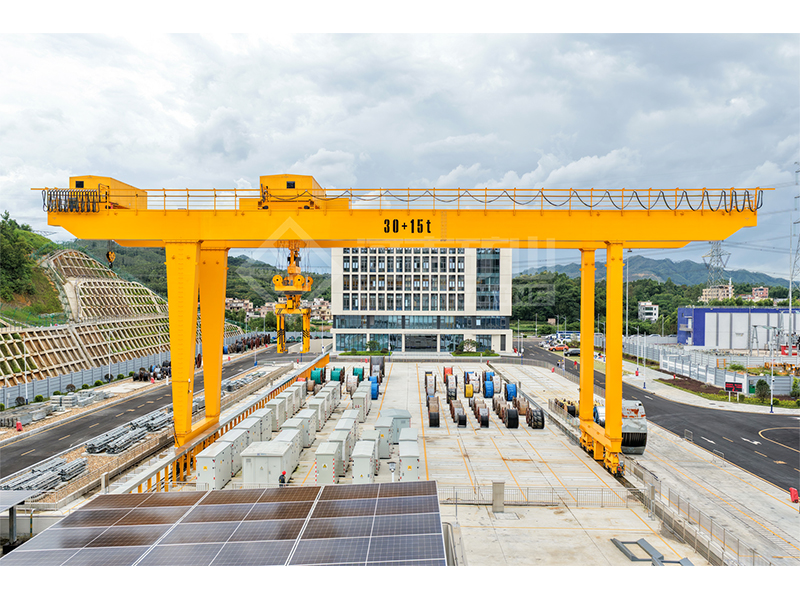
Review the QC electromagnetic overhead crane against the actual magnetic attachment and net production load, rather than selecting only from the bridge nameplate.
03Specify duty and power-loss protection
Match the crane duty and magnet energization cycle to the shifts, starts and typical loads. Magnet heating depends on on-time as well as the lifted mass. Hot-material work needs a stated temperature limit and exposure condition; a general-purpose magnet should not be assumed suitable.
For an electromagnetic system, agree automatic power-failure retention, battery monitoring, warning signals and the acceptance test. Emergency magnet power maintains magnetic holding for its specified duration. It does not automatically supply the hoist or crane travel motors, so the response procedure must account for a stationary suspended load.
Do not substitute a generic “20-minute backup” promise for a documented test condition. Retention duration depends on the selected magnet load, battery condition and design. Operators need a defined response and a controlled lifting area; magnetic lifting is not suitable for routes over people.
04Electromagnetic crane prices and supply scope
A public advertisement checked on 28 October 2026 lists USD $2,500–$20,000 per piece for a QC crane family carrying 5–32 ton labels. The listing spans multiple configurations and does not establish a complete operational magnetic system at either endpoint.
| Published price reference | USD range per advertised unit | Procurement meaning |
|---|---|---|
| Multi-model QC electromagnetic crane advertisement | $2,500–$20,000 | Screening reference only; capacity, span, magnet package and included equipment must be confirmed |
This is a third-party advertised range, not a Henan Mine quotation or a turnkey budget. A firm offer must identify the bridge and hoist, magnet or magnet beam, rectifier, cable system, emergency retention equipment and testing. Freight, runway, installation and commissioning also need explicit allocation.
Compare the cost per completed handling task only after net payload and cycle time are established. A cheaper bridge that requires extra lifts or omits the magnetic package is not an equivalent offer. No verified configured system price can be inferred from this advertisement.
05Buyer questions
Can one electromagnetic crane handle scrap and plate?
Possibly, with compatible attachments and controls, but the same magnet is not automatically suitable for both. Loose scrap pickup and supported plate lifting have different contact and load-distribution requirements.
Will the load drop immediately if the mains supply fails?
That depends on the magnetic system and its protection. An electromagnetic installation needs a specified power-loss strategy and tested retention performance. Never assume the crane has adequate backup simply because a battery is fitted.