






















Hazardous-area dossier
AEROSPACE CRANE SOLUTIONS
Explosion-Proof Solid Rocket Motor Handling
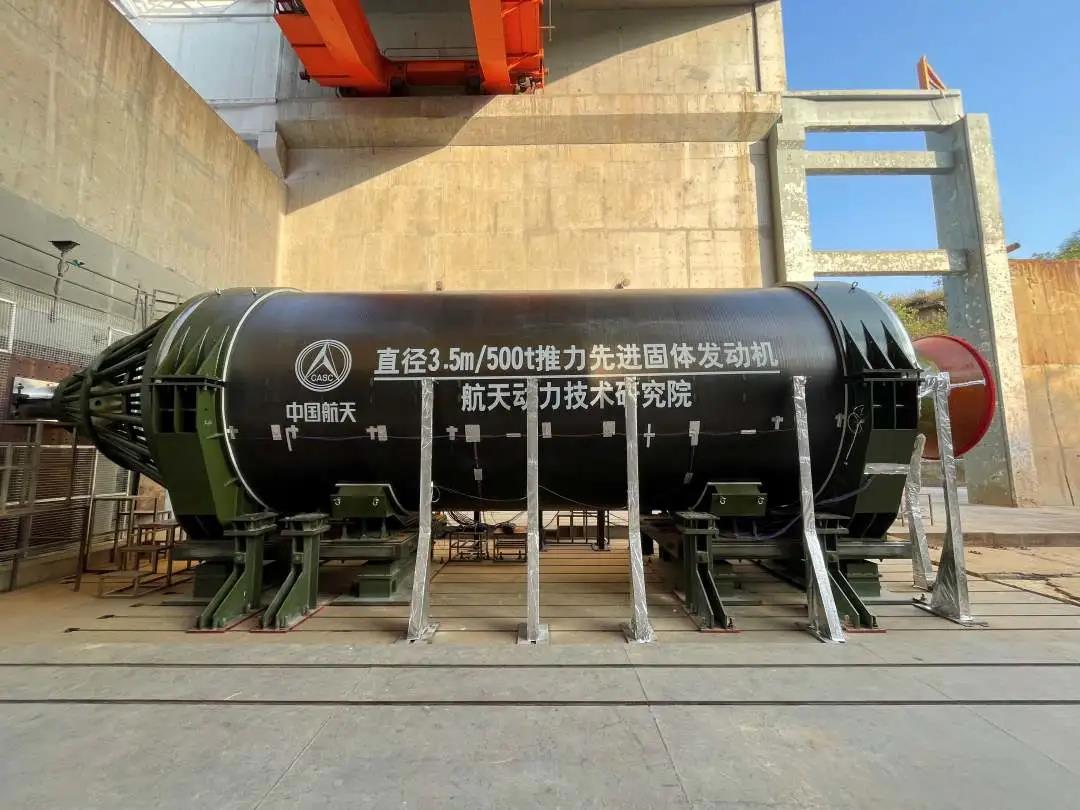
Solid rocket motor manufacturing can combine heavy assemblies with classified process zones, requiring the lift plan and equipment protection to be checked together.
ApplicationSolid rocket motor program
Project equipmentBuilt for this handling task
Site-specificLoad, route, duty and delivery scope
THE OPERATING CHALLENGE
Start with the component and the lift route.
Solid rocket motor manufacturing can combine heavy assemblies with classified process zones, requiring the lift plan and equipment protection to be checked together.
The lifted component, rigging, building clearances and control sequence need to be reviewed as one operating system.
Prepare the technical brief ↗Assembly and fixture masses
Trolley spacing and load sharing
Acceptance and monitoring requirements
ENGINEERED FOR THE APPLICATION
Lift large motor assemblies with protection matched to the process area.
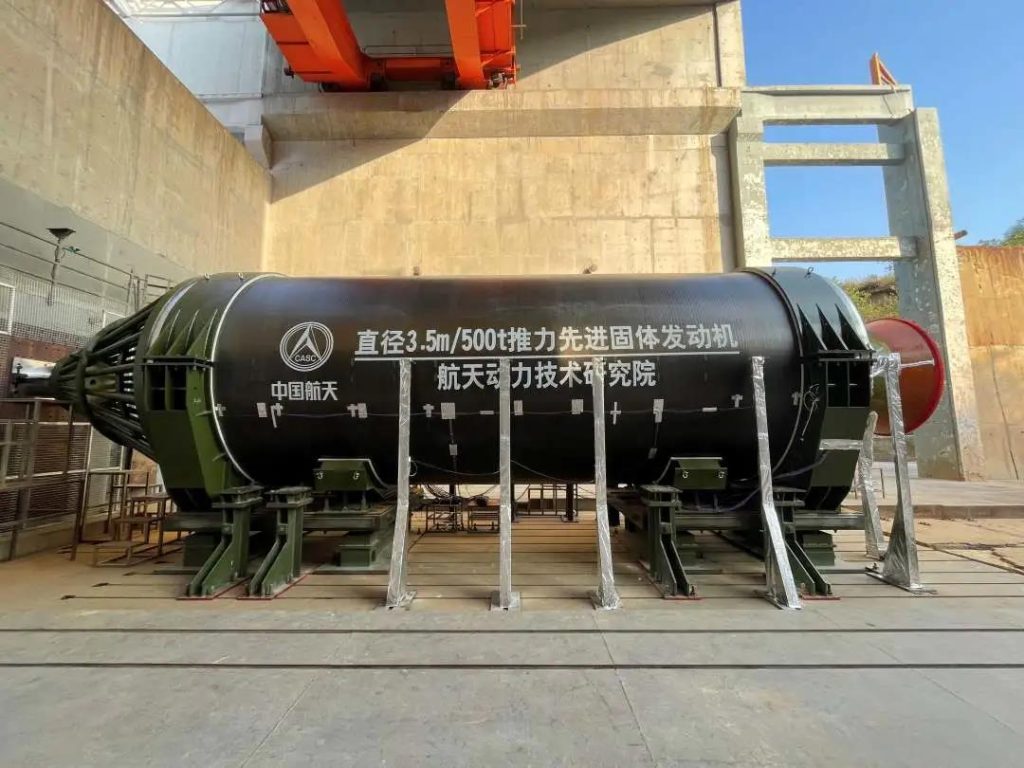
Define the component, fixture and bay route first, then select a double-girder crane and explosion-protection arrangement from the site's hazardous-area classification. Synchronized lifting and controlled positioning should be proven at the load condition.
Identify the process zone
Obtain the customer's formal area classification and operating restrictions.
Plan the heavy lift
Set attachment points, trolley spacing and travel route for the assembly.
Verify protection
Test movement and control functions under the agreed acceptance regime.
Hazard classification
Specify electrical and mechanical protection from the site's process-hazard assessment and applicable area classification. Confirm the required protection measures and documents for the complete crane.
Load balance
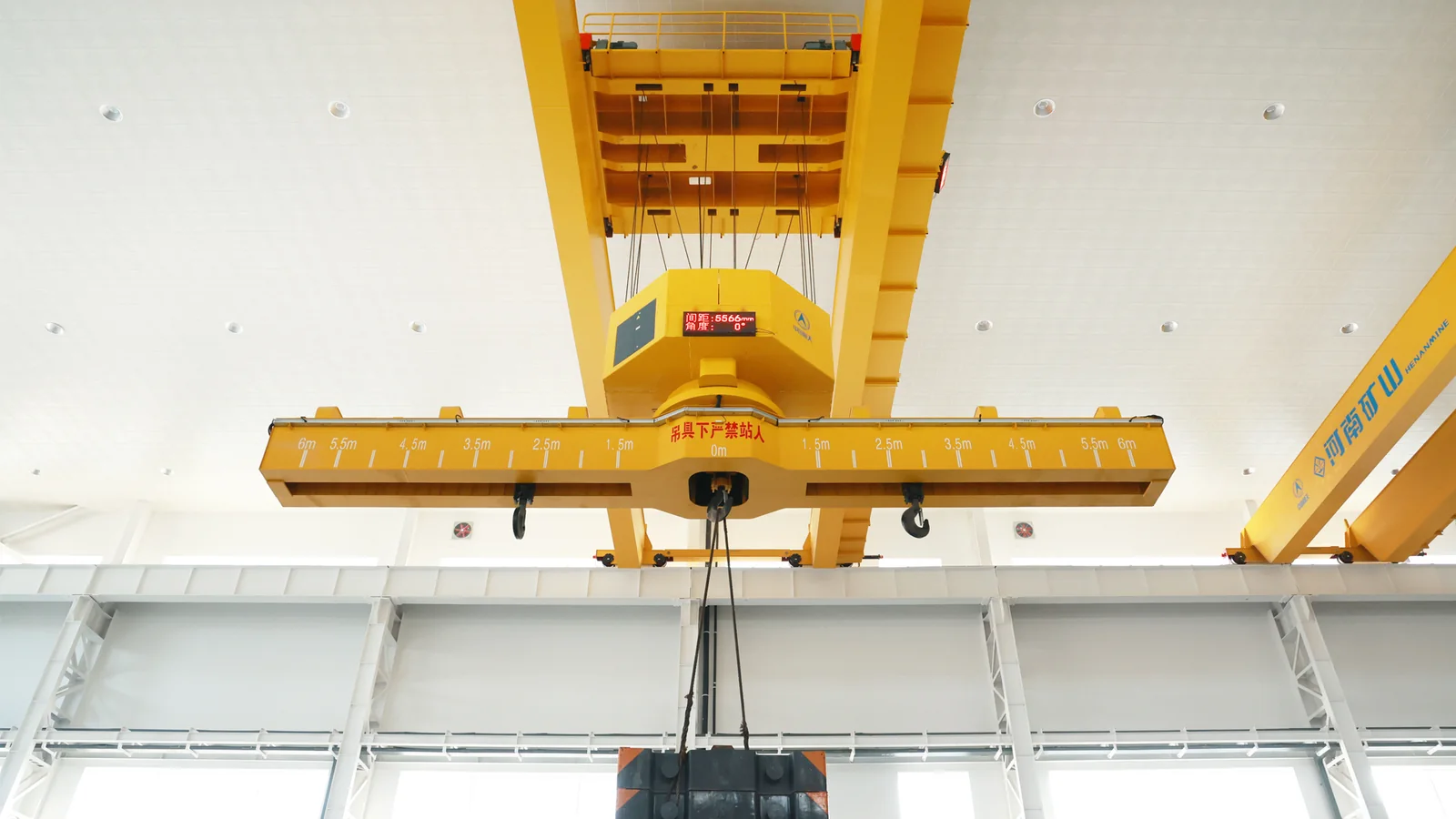
A dual-hoist lift needs defined synchronization and monitored distribution.
PROJECT IN OPERATION
Solid rocket motor program
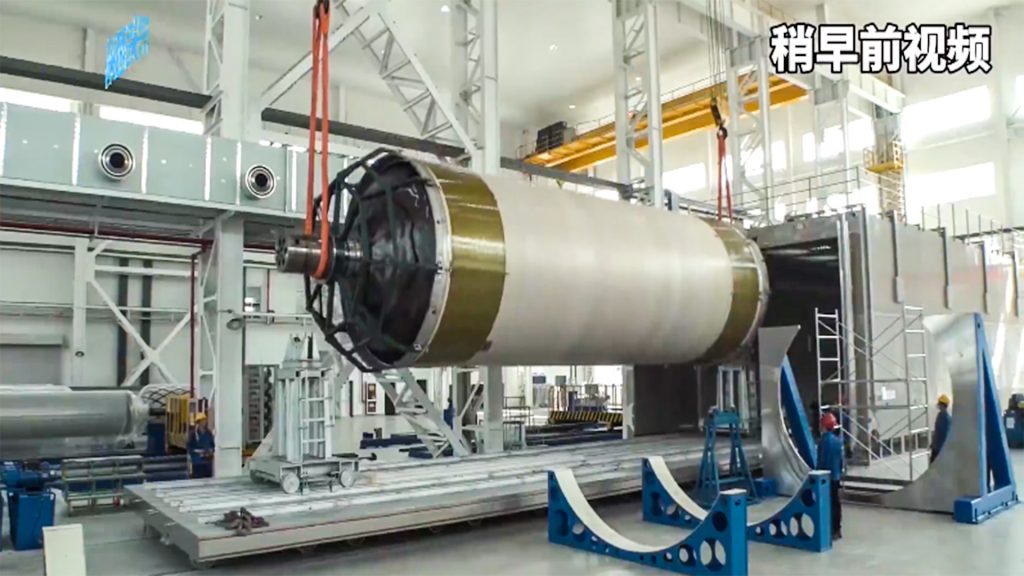
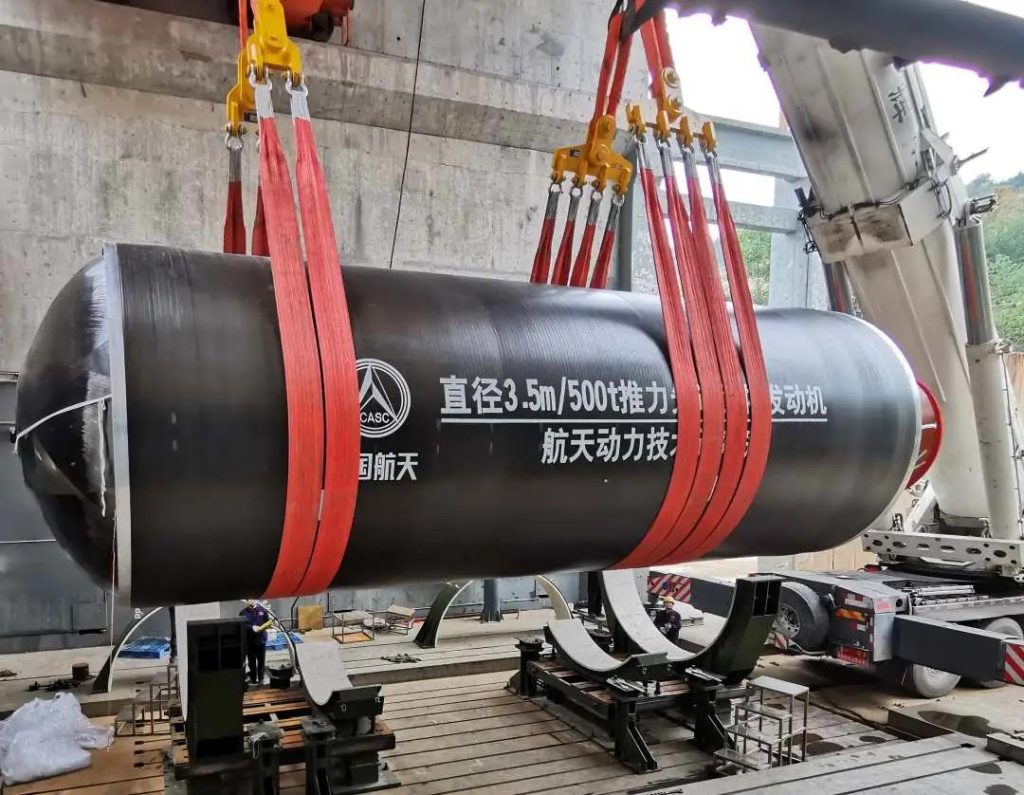
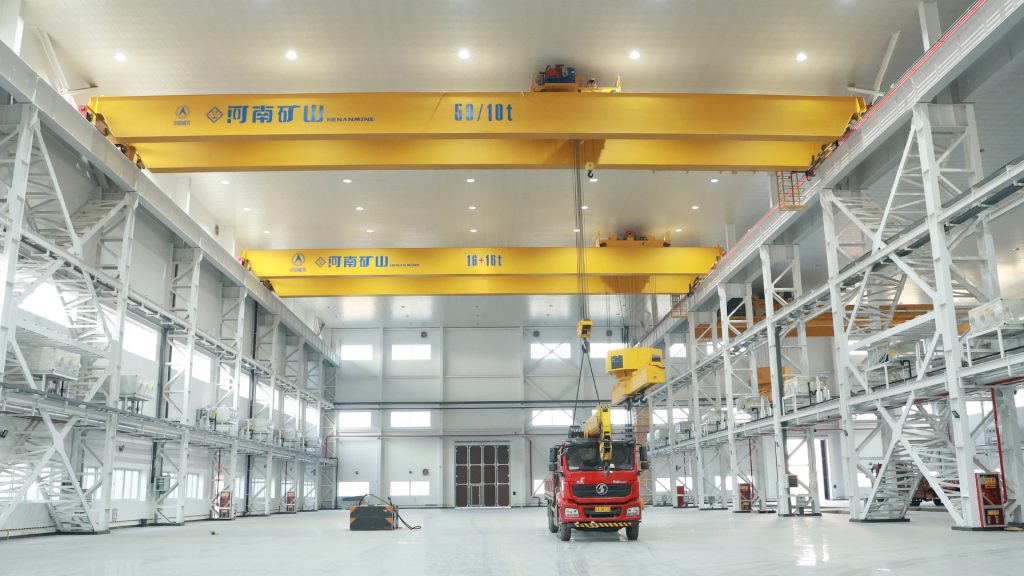
The project involved more than 60 crane units for aerospace customers, including a 160 t + 160 t explosion-proof electric double-girder bridge crane associated with solid-rocket-motor work.
Process fitExplosion-Proof Solid Rocket Motor Handling Solution
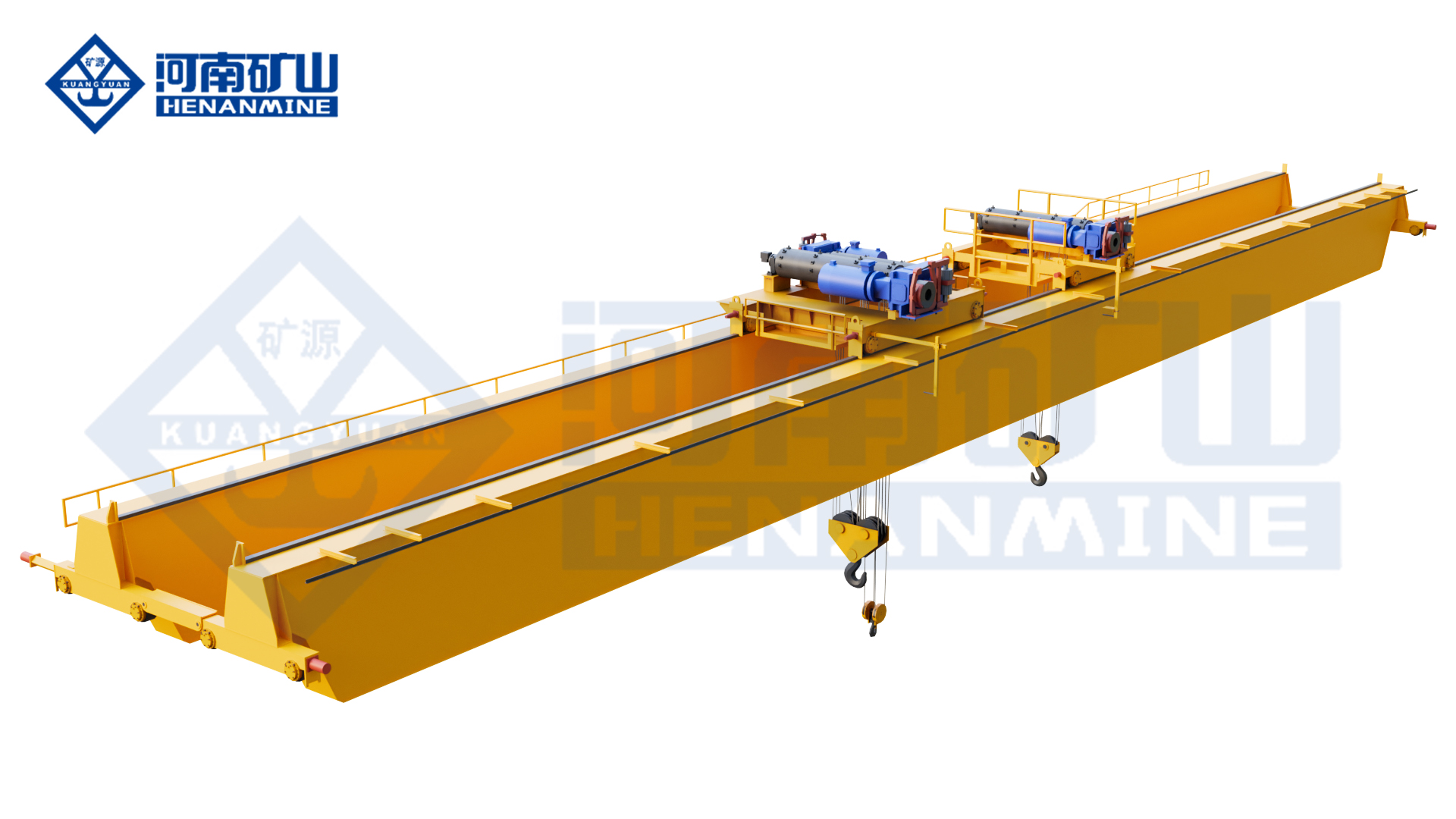
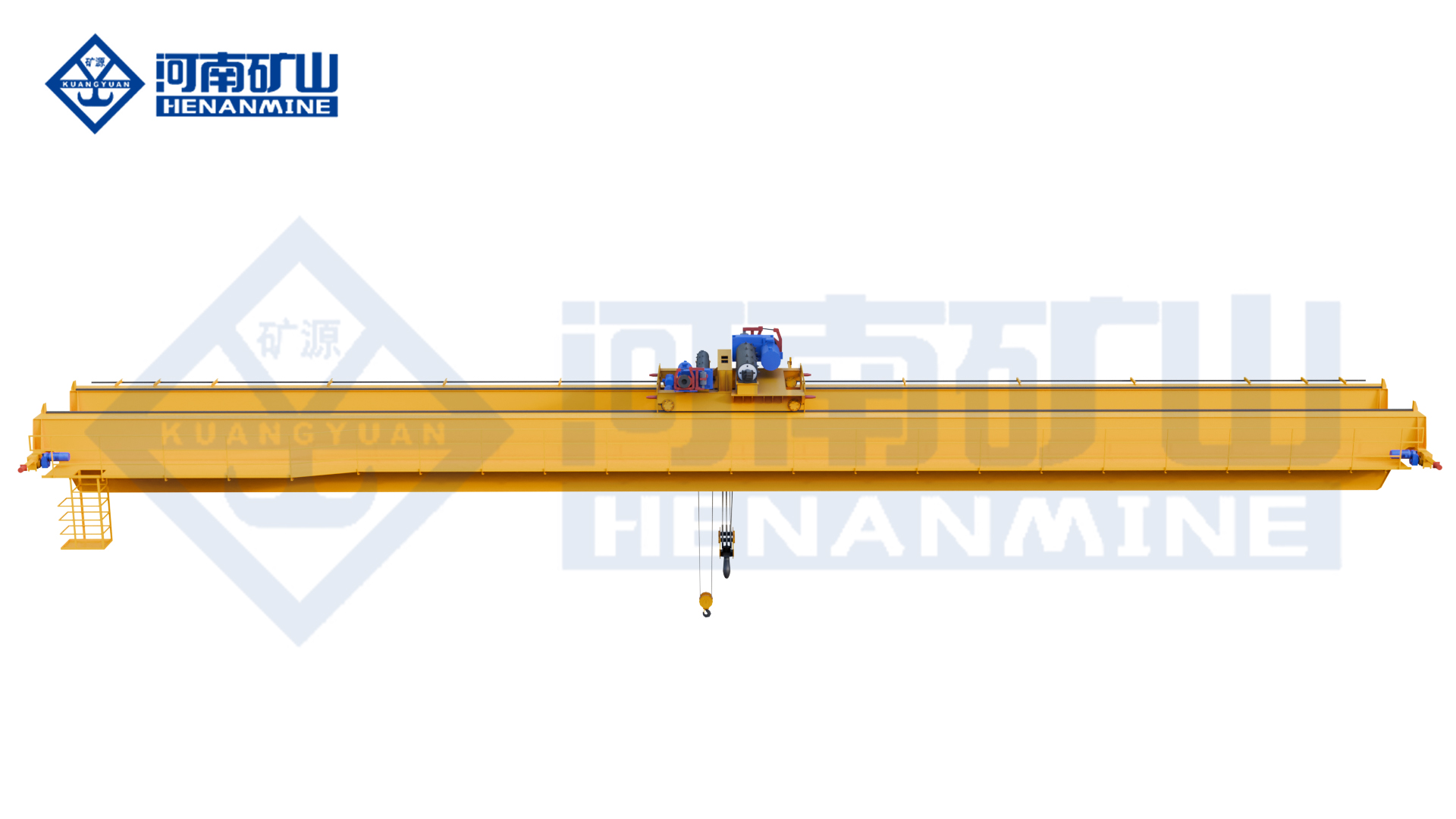
EquipmentDual-Trolley Explosion-Proof Bridge Crane / Explosion-Proof Double-Girder Bridge Crane
ProjectSolid rocket motor program
Technical reviewCustomer load and site drawings
SPECIFICATION FOR YOUR SITE
Define the operating brief before fixing a crane model.
Project figures above describe a delivered application. Your crane rating, dimensions, controls and documentation follow the approved site brief.
| Input | Information needed for this application | Confirm in the technical offer |
|---|---|---|
| 01 / Site requirement | Hazardous-area dossier | Process hazards, applicable area classification, required protection measures and the approval documents for the proposed crane. |
| 02 / Site requirement | Assembly and fixture masses | Load on each hoist, fixture mass, centre of gravity and the complete lifted-load cases. |
| 03 / Site requirement | Trolley spacing and load sharing | Minimum and maximum trolley spacing, per-hoist load limits, synchronization, load monitoring and permitted operating modes. |
| 04 / Site requirement | Acceptance and monitoring requirements | Protection, positioning, interlocks, monitoring and safe recovery requirements. |
| Destination and delivery | Country, project standards, quantity, freight and site services. | Documents, inspection and testing, packing, installation support and agreed delivery milestones. |
Have a preliminary layout?
Send the available load schedule and drawings. The missing inputs can be identified during technical review.
Discuss your project ↗FROM OFFER TO HANDOVER
Compare the complete lifting package.
The offer should state the equipment boundary, documents, inspections and site responsibilities for your destination.
Engineering
General arrangement, load basis, runway and utility interfaces, control and protection schedule.
Manufacture & inspection
Approved drawings, inspection plan and factory testing for the selected configuration.
Shipping & site work
Packing, freight, erection support, commissioning and operator training as specified.
Handover
Test records, manuals, maintenance instructions and agreed spare-parts list.
Order quantity, compliance and delivery schedule
Single-crane and multi-crane packages are available. Your quotation defines the destination standards, required certificates and inspection records, packing, site services and production schedule after drawing approval.
RELATED CRANES AND SOLUTIONS
Compare equipment for this operating task.
These product families and related applications provide a starting point. Final selection follows the load and site review.
BUYER QUESTIONS
Before you request a quotation.
What information is needed to specify this crane solution?
Send the full load and lifting-gear mass, route or bay drawing, operating cycles, working environment, controls and destination requirements.
Can the lifting system be configured for our component and workshop?
Yes. The equipment arrangement, attachment and controls are selected for the approved load, route, runway and process conditions.
What are the order quantity, certification and lead time?
We can quote a single crane or a coordinated fleet. The project offer states the agreed destination standards, inspection and test documents, manufacturing schedule after drawing approval, and shipping or site-service scope.
LET'S REVIEW YOUR PROJECT
Send your project brief. Get a crane proposal built around your process.
Share your load, layout, work cycle and destination. Our team can review the crane, lifting attachment and delivery scope together.
Send your project requirements ↗