
Equipment and component lifting
Use hook mode to move machinery parts, assemblies and maintenance equipment. Include slings, lifting beams and other below-hook equipment in the complete suspended load.
Bridge cranes for workshops and production lines.
Explore Overhead Cranes
Ground-supported lifting for yards and construction.
Explore Gantry Cranes
Wire rope and chain hoists for lifting points and cranes.
Explore Electric Hoists

Wire rope lifting and pulling with a powered drum.
Explore Electric Winches
Grab buckets, magnets and hooks for your load.
Explore Lifting Attachments & Grabs
Mobile handling for containers, precast and yard loads.
Explore Rubber-Tired Gantry Cranes & Straddle Carriers

Lift and move vessels through boatyards and marinas.
Explore Marine Travel Lifts
Ladle, slab, scrap and coil handling across steel production.

Container stacking and cargo transfers across terminals and rail.

Turbine installation, powerhouse maintenance and wind equipment assembly.

Controlled component transfer and positioning for precision assembly.

Heavy fabrication, production lifting and factory crane automation.

Process lifting for smelters, carbon blocks and anode materials.

Clean lifting and classified protection for sensitive process areas.

Bridge fabrication, metro construction and ship block assembly.

Automated storage and retrieval for plates, cables and bins.

Follow project dispatches, crane engineering and factory acceptance.

Dispatch, installation and equipment in service

Crane configurations and handling technology

Factory inspections, acceptance and test programmes

Company developments, people and community programmes
Handle equipment with a hook, loose material with a grab and ferromagnetic steel with an electromagnet. The QS changes attachments to serve all three jobs on one bridge, making it a practical choice when mixed lifting tasks share a bay and the operating schedule allows changeovers.
Tell us what you need to lift and your approximate span. We’ll help you choose the lifting arrangement.
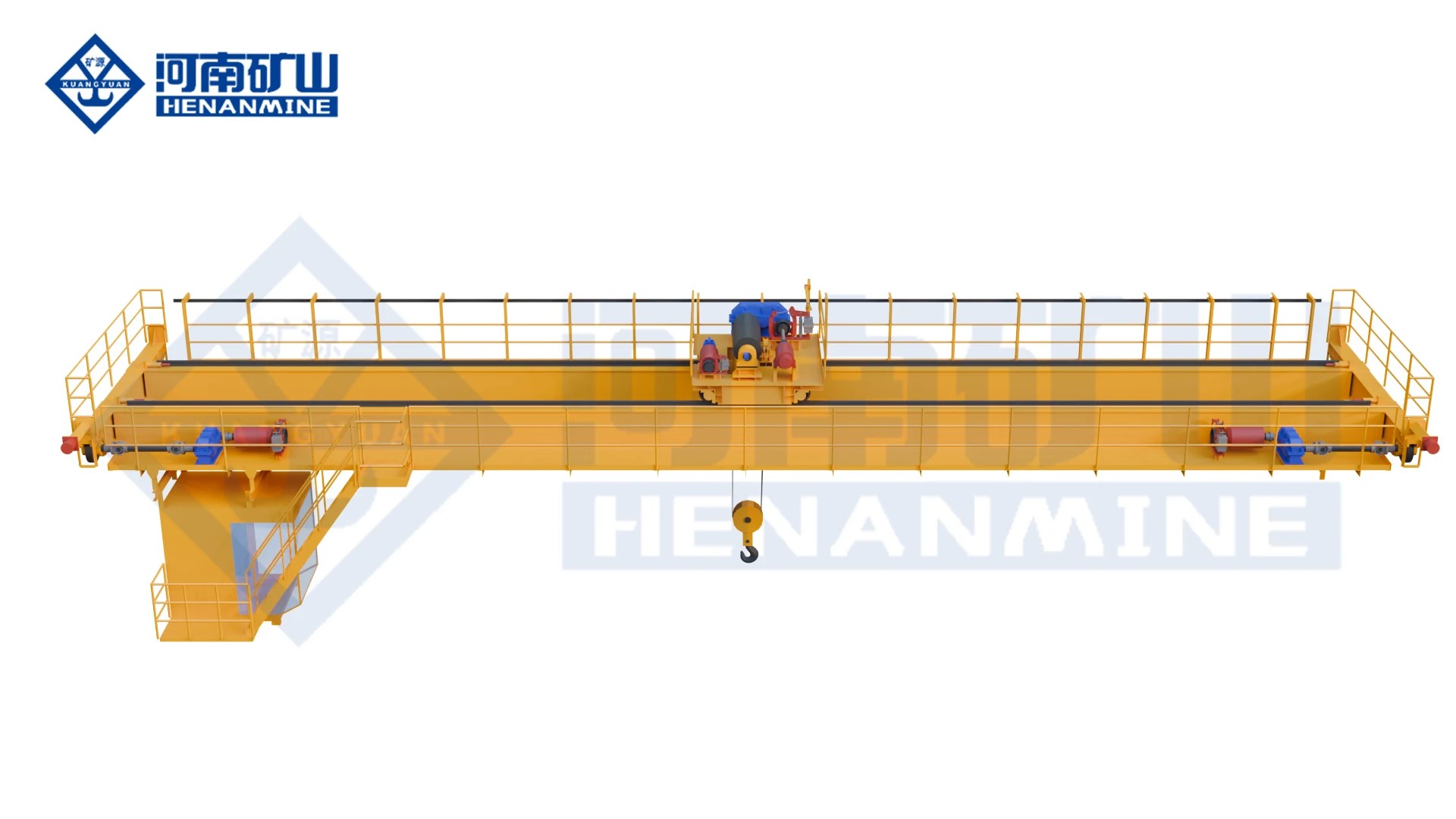
Start with the dimensions you already know. A workshop photo or sketch can help us recommend a configuration.
Use conventional rigging for machinery, a selected grab for loose bulk and a lifting electromagnet for compatible steel. Each attachment is selected around the material it actually handles.
Heavy-duty plug connections simplify electrical changeover between grab and magnet equipment. The quoted package defines which power connections, suspension parts and controls are included.
PLC and HMI controls organize the selected handling mode, with a master controller incorporating defined control positions, return-to-zero and locking features.
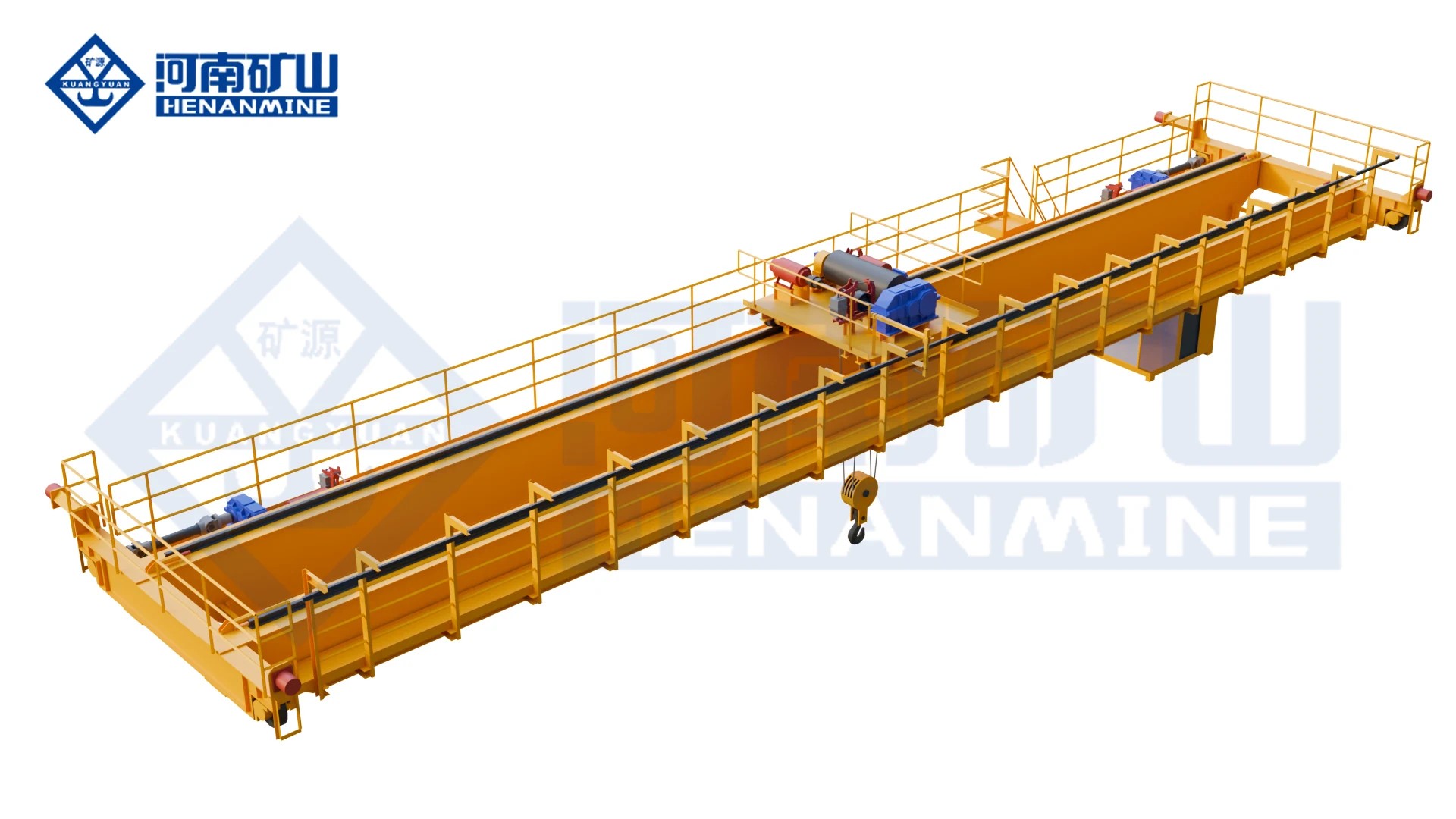
Use hook mode to move machinery parts, assemblies and maintenance equipment. Include slings, lifting beams and other below-hook equipment in the complete suspended load.
Fit a grab selected for the material density, lump size and filling behavior. Check the pickup and discharge cycle against the tonnes per hour required by production.
Fit an electromagnet selected for steel shape, contact condition and temperature. Define the holding-power package and the material payload separately from the magnet weight.
Choose QS when all three modes are needed. For predominantly continuous bulk or magnetic handling, a dedicated QZ, QC or QP arrangement may provide a more direct operating cycle.
Compare the available options for your lifting task. Capacity, span, lift height and speed are matched in the selected configuration.
| Model | QS |
|---|---|
| Crane type | Double-girder bridge with exchangeable hook, grab and electromagnetic lifting modes |
| Hook rating | Selected for the load plus rigging and any below-hook lifting equipment |
| Grab-mode loading | Grab self-weight plus maximum carried material |
| Magnet-mode loading | Magnet and suspension weight plus usable steel payload under specified pickup conditions |
| Span | Rail-centre distance selected for the required bay |
| Lifting height | Selected for pickup, discharge and the depth of each attachment |
| Working duty | Selected from the combined hook, grab and magnet operating schedule |
| Hoisting / travel speeds | Selected for the three operating cycles and required positioning |
| Electrical attachment connectors | Heavy-duty plugs with IP55 enclosure protection |
| Control platform | PLC module and HMI with master-controller operation |
| Controller functions | Defined operating positions, return-to-zero and locking |
| Power supply | Destination three-phase supply; grab and magnet circuits specified with their attachments |
| Mode changeover | Attachment connection and control selection defined in the supplied package |
| Magnet power-loss provision | Holding duration, alarm response and acceptance test specified where required |
| Operating mode | Material / load | Load used to size the crane | Configuration to agree |
|---|---|---|---|
| Hook | Machinery, parts and conventional suspended loads | Load + rigging + lifting accessories | Hook and any beam, sling or dedicated lifting fixture |
| Grab | Loose bulk material | Grab tare + material payload | Grab type, volume, density band and discharge cycle |
| Electromagnet | Compatible ferromagnetic steel | Magnet + suspension + steel payload | Magnet size, material condition, power and release control |
QS is configured around the three actual duties. The quotation states each mode’s permissible load and the selected capacity, span, lift and speeds together; an attachment change does not increase the crane rating.
| Item | Hook mode | Grab mode | Magnet mode |
|---|---|---|---|
| Suspension | Selected hook and rigging | Specified grab suspension | Specified magnet chains or lifting frame |
| Attachment service | As required by lifting fixture | Power/control suited to selected grab | Magnet supply, release circuit and cable arrangement |
| Operating input | Load weight and lift positions | Density, volume, fill condition and throughput | Steel shape, surface, temperature and pickup pattern |
| Changeover provision | Clear attachment parking position | Isolation and positive connection checks | Isolation, plug connection and selected holding-power checks |
IP55 is the stated connector enclosure rating. It is not an explosion-protection marking for the crane or attachment.
Compare the double-girder bridge, trolley and hook layout. The supplied grab and magnet equipment, their connections and permitted loads are identified separately in the quotation.
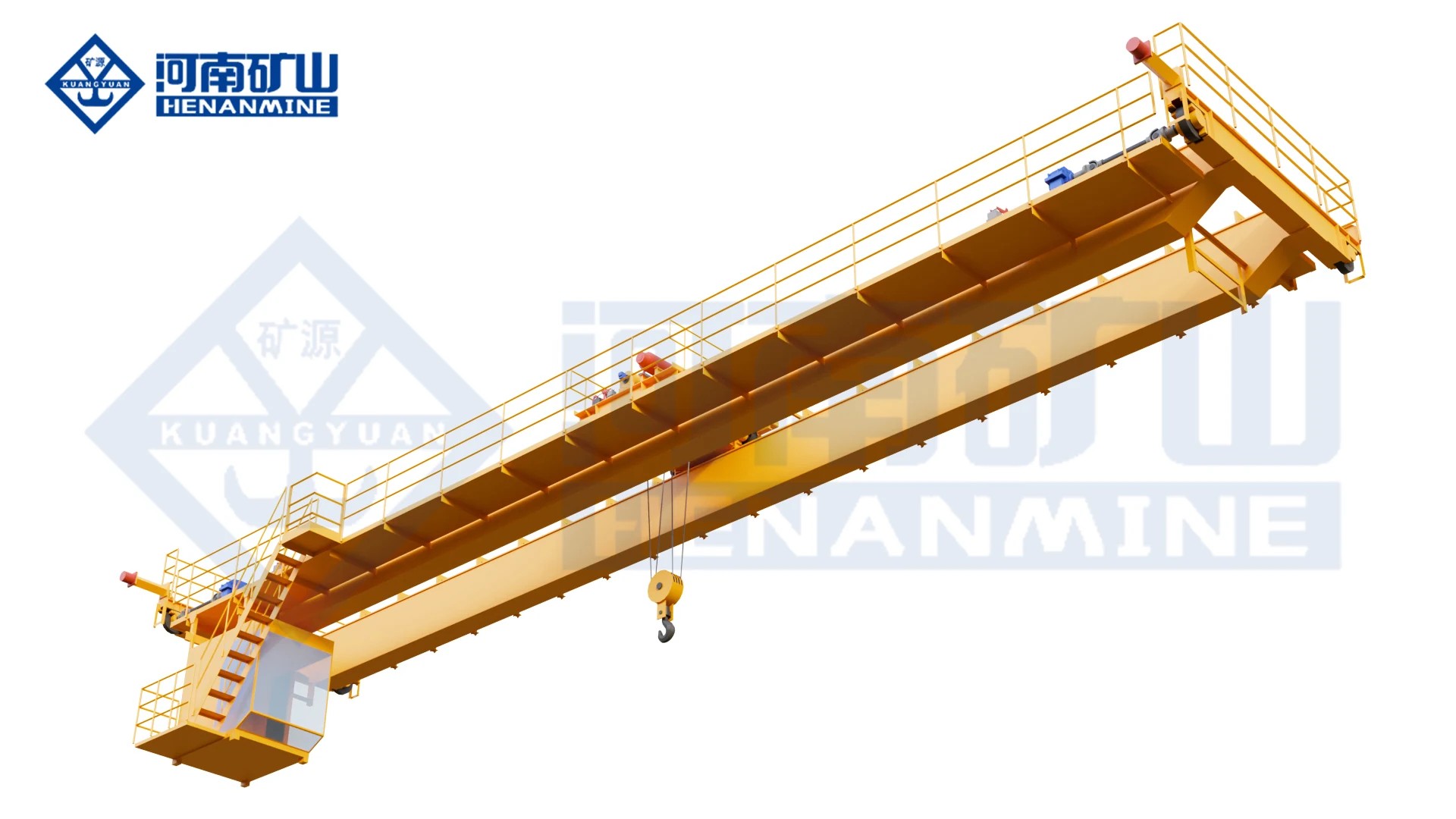
The right QS selection combines material data with the time available to change attachments. One nominal hook capacity does not define grab payload or magnet performance.
List the maximum hook load, loaded grab and loaded magnet separately, including attachment and rigging weights. Select the bridge and mechanisms for the governing case.
For the grab, provide bulk density, lump size, moisture and required throughput. For the magnet, provide steel dimensions, surface condition and pickup temperature.
Define the suspension connection, attachment parking position, plug arrangement and mode selection. Agree the isolation and changeover procedure for the supplied attachments.
State hours in each mode, lifts per hour and typical travel distance. Select speeds and duty from the combined schedule rather than from the lightest task.
Compare the equipment, documentation, delivery and service scope for the configuration you need.
Request one QS crane or a project batch, with the required hook, grab and magnet equipment listed individually in the offer.
Price the crane, hook arrangement, selected grab, magnet, plug connections, cables and control functions. List magnet power equipment, attachment storage stands, rails, electrification, freight and site services explicitly.
Specify arrangement drawings, permitted mode loads, grab and magnet data, electrical interfaces, changeover instructions and the agreed inspection and test records.
Production and dispatch are scheduled after the three load cases, attachment suppliers and power/control interfaces are agreed. Include attachment delivery and factory changeover checks in the programme.
Include assembly, attachment connection, control-mode checks and handover tests for all three supplied modes. Define local lifting equipment, test loads and operator training in the installation scope.
The order states warranty duration, commencement and coverage for the bridge and each attachment, including controls and magnet power equipment. Obtain replacement-part details for grab wear items, plugs, cables and any holding battery.
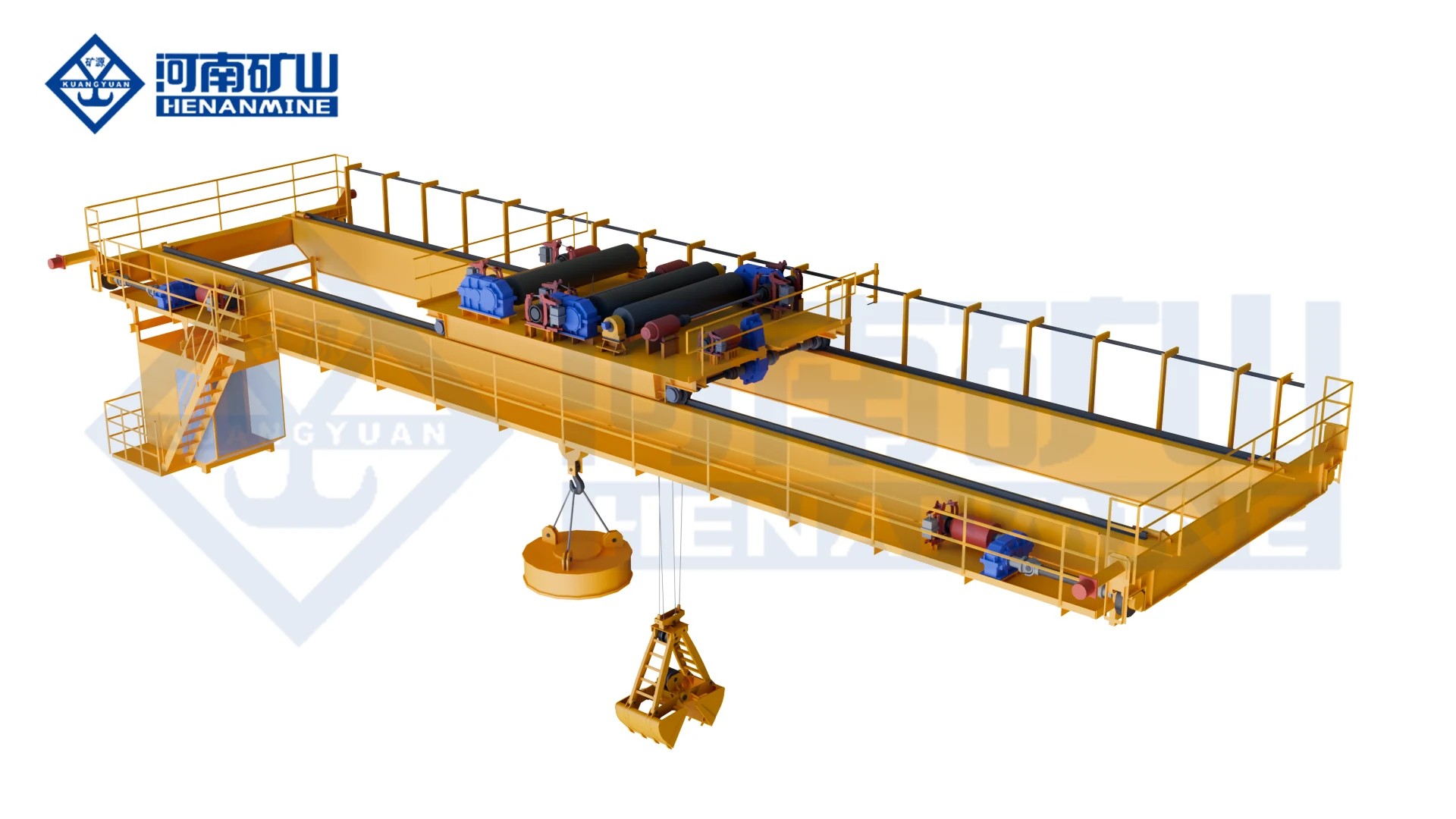
Separate grab and magnet lifting mechanisms on one trolley for mixed bulk and steel handling.
Compare this model ↗
Hook and grab lifting functions configured for conventional loads and bulk solids.
Compare this model ↗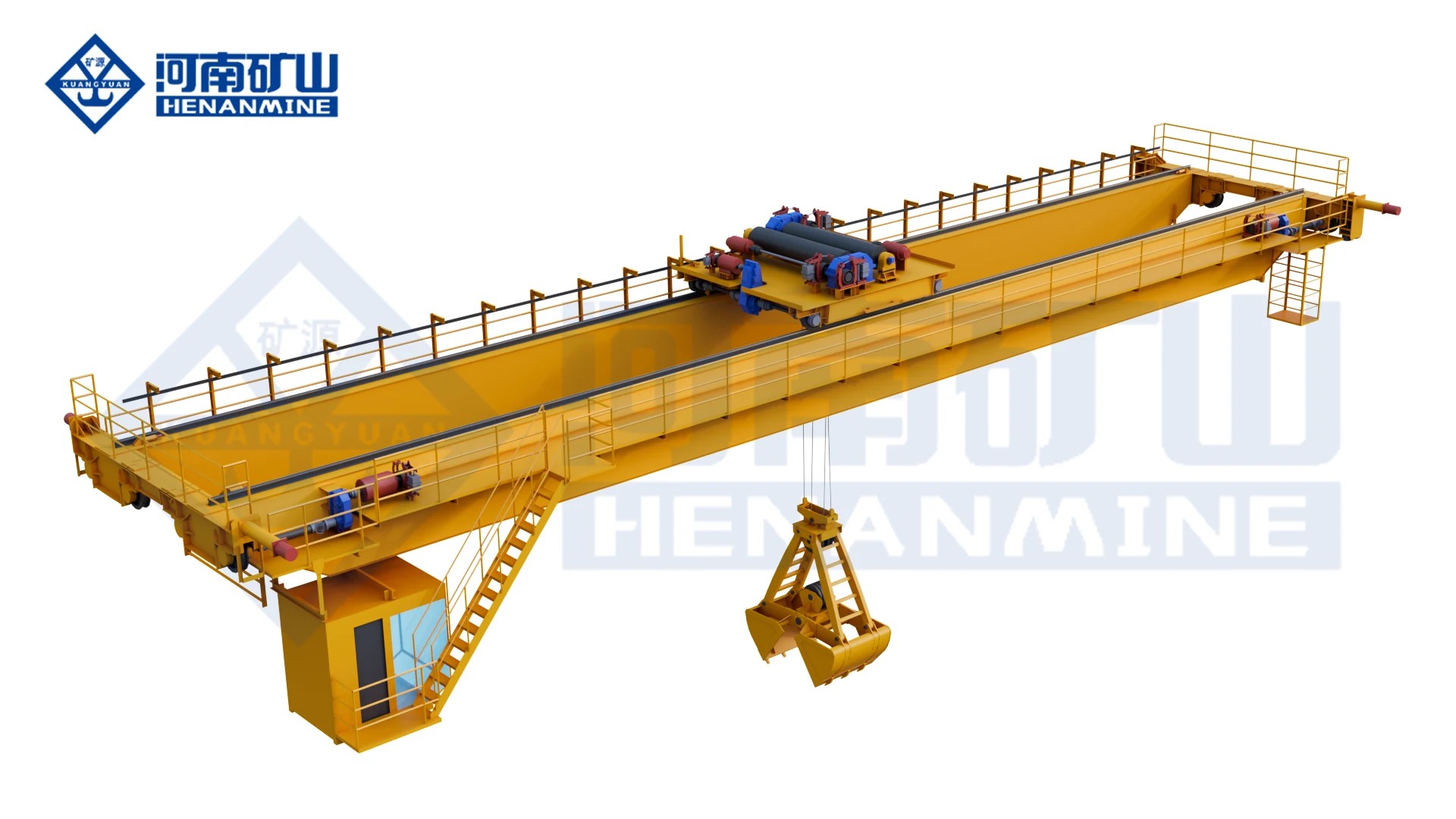
Dedicated four-rope grab crane with bucket volume matched to bulk density.
Compare this model ↗Find the arrangement, equipment options and order information that suit your application.
QS provides three handling modes by changing lifting attachments. The supplied arrangement defines how the hook, grab and magnet connect and which devices are parked between tasks.
The bridge has a permitted suspended-load limit. Grab payload must allow for grab weight; magnetic steel payload must allow for magnet and suspension weight and remain within the magnet’s capacity for the actual steel. State the allowable load in each mode.
This arrangement is intended for attachment changeover. Plan the work as separate operating modes. If production requires simultaneous material flows, compare dedicated cranes or a different lifting arrangement.
Bulk density, filling behavior, lump size, material moisture and the crane’s allowable suspended load determine the grab selection. Required throughput then checks whether the resulting payload and complete cycle meet production needs.
Magnetic pickup depends on the material being sufficiently ferromagnetic. Identify the steel grades and mixed-material content, together with shape, surface condition and temperature, before a usable magnetic payload is selected.
Heavy-duty electrical plugs support connection changes, but total changeover also includes parking the attachment, isolating services, changing the mechanical connection and checking the selected mode. Agree the actual procedure and time target for the supplied equipment.
No. IP55 describes enclosure protection of the stated connector. A hazardous-area application needs a separately selected mechanical and electrical protection package with matching marking and documents.
Compare QP when grab and magnetic handling are the recurring jobs, and QEN when hook and grab handling are sufficient. QS adds the third mode where that additional flexibility is useful to the operating schedule.
Send the three material descriptions, maximum complete loads, bulk density and throughput, steel pickup conditions, span, lift and hours spent in each mode. State which attachments and installation services the price must include.
Tell us what you need to lift, your project location and any dimensions you already know. We’ll help you choose a suitable configuration.
info@cranehenanmine.com