
Empty zinc-pot removal and replacement
Lift the empty pot with a suitable attachment and move it along the agreed removal route. Include pot dimensions, centre of gravity and any residual material in the load information.
Bridge cranes for workshops and production lines.
Explore Overhead Cranes
Ground-supported lifting for yards and construction.
Explore Gantry Cranes
Wire rope and chain hoists for lifting points and cranes.
Explore Electric Hoists

Wire rope lifting and pulling with a powered drum.
Explore Electric Winches
Grab buckets, magnets and hooks for your load.
Explore Lifting Attachments & Grabs
Mobile handling for containers, precast and yard loads.
Explore Rubber-Tired Gantry Cranes & Straddle Carriers

Lift and move vessels through boatyards and marinas.
Explore Marine Travel Lifts
Ladle, slab, scrap and coil handling across steel production.

Container stacking and cargo transfers across terminals and rail.

Turbine installation, powerhouse maintenance and wind equipment assembly.

Controlled component transfer and positioning for precision assembly.

Heavy fabrication, production lifting and factory crane automation.

Process lifting for smelters, carbon blocks and anode materials.

Clean lifting and classified protection for sensitive process areas.

Bridge fabrication, metro construction and ship block assembly.

Automated storage and retrieval for plates, cables and bins.

Follow project dispatches, crane engineering and factory acceptance.

Dispatch, installation and equipment in service

Crane configurations and handling technology

Factory inspections, acceptance and test programmes

Company developments, people and community programmes
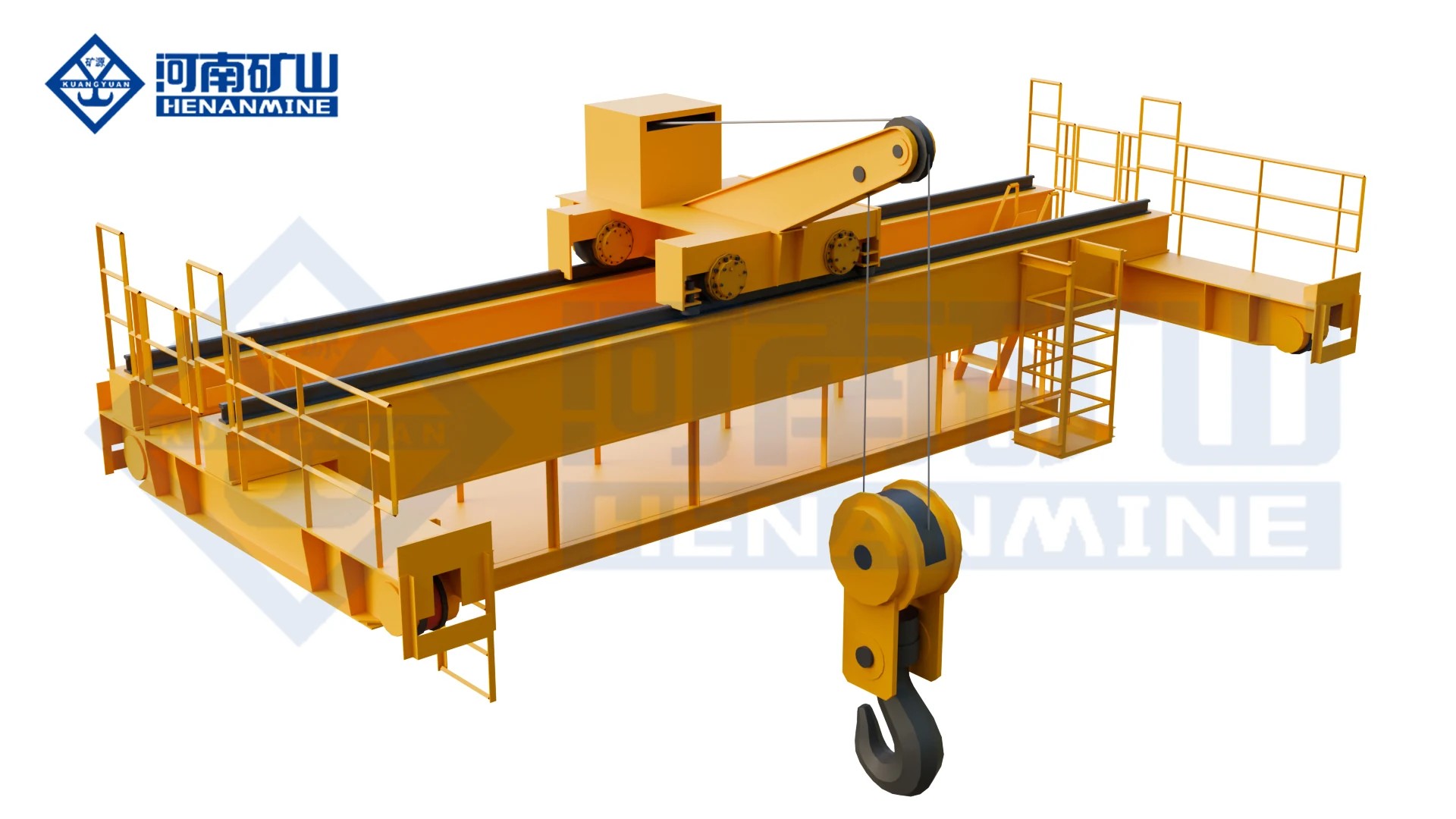
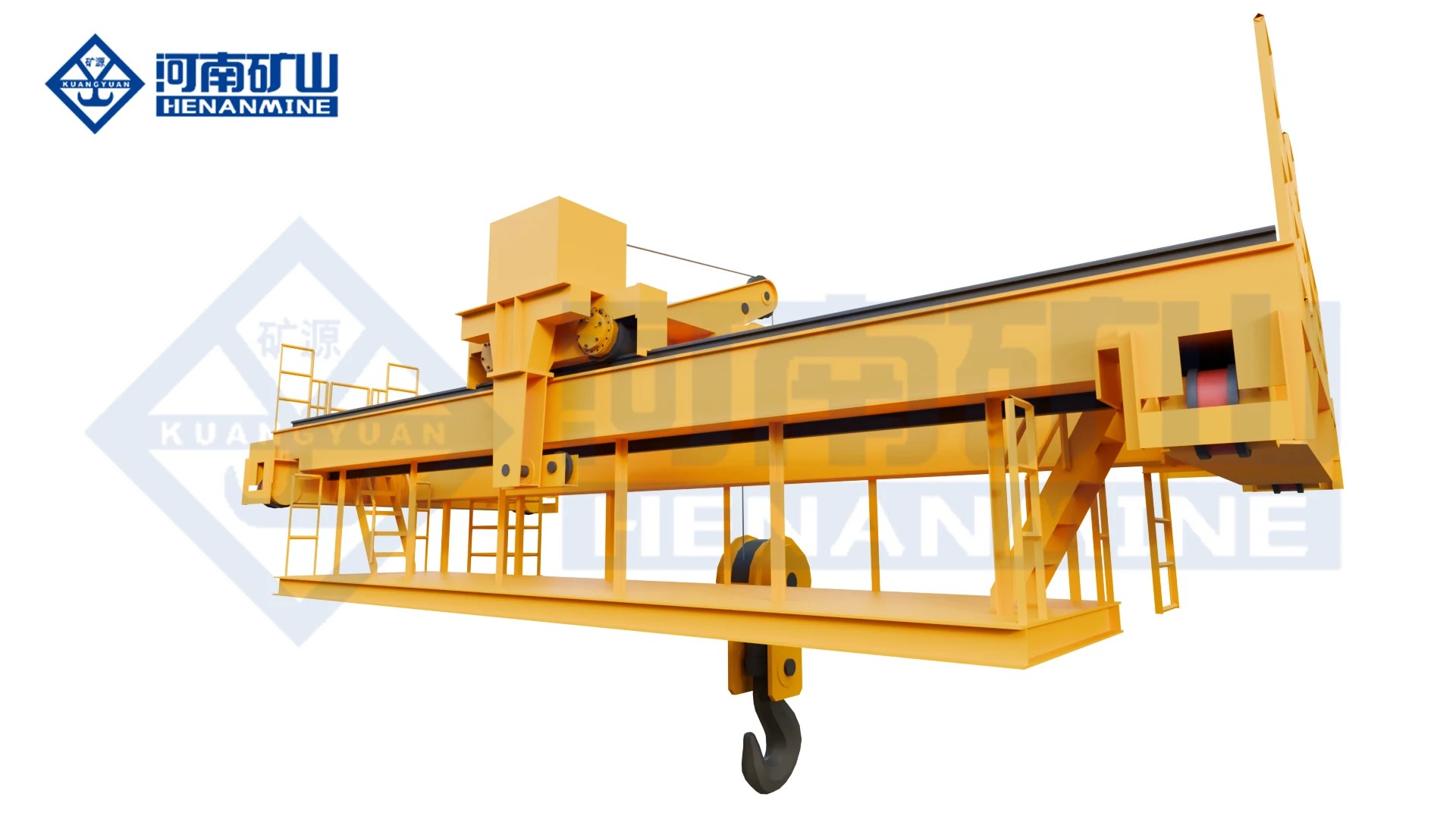
Lift an empty zinc pot or maintenance component from a position beyond the normal bridge envelope. QDXG uses a trolley cantilever extending perpendicular to the main girders to bring the hook over the service position. Match the empty-pot load, required reach and extraction route to the galvanizing line.
Tell us what you need to lift and your approximate span. We’ll help you choose the lifting arrangement.
Start with the dimensions you already know. A workshop photo or sketch can help us recommend a configuration.
The trolley cantilever extends outside the main-girder area to provide vertical lifting at a location the normal bridge envelope may not reach.
The empty pot, residual contents, lifting frame and removal route define the actual lift. Reach and permissible load are selected together rather than treating tonnage and overhang independently.
Speed-controlled hoisting and travel support deliberate pickup and placement near the galvanizing line. Select the lifting fixture and approach speeds around the pot and surrounding plant.
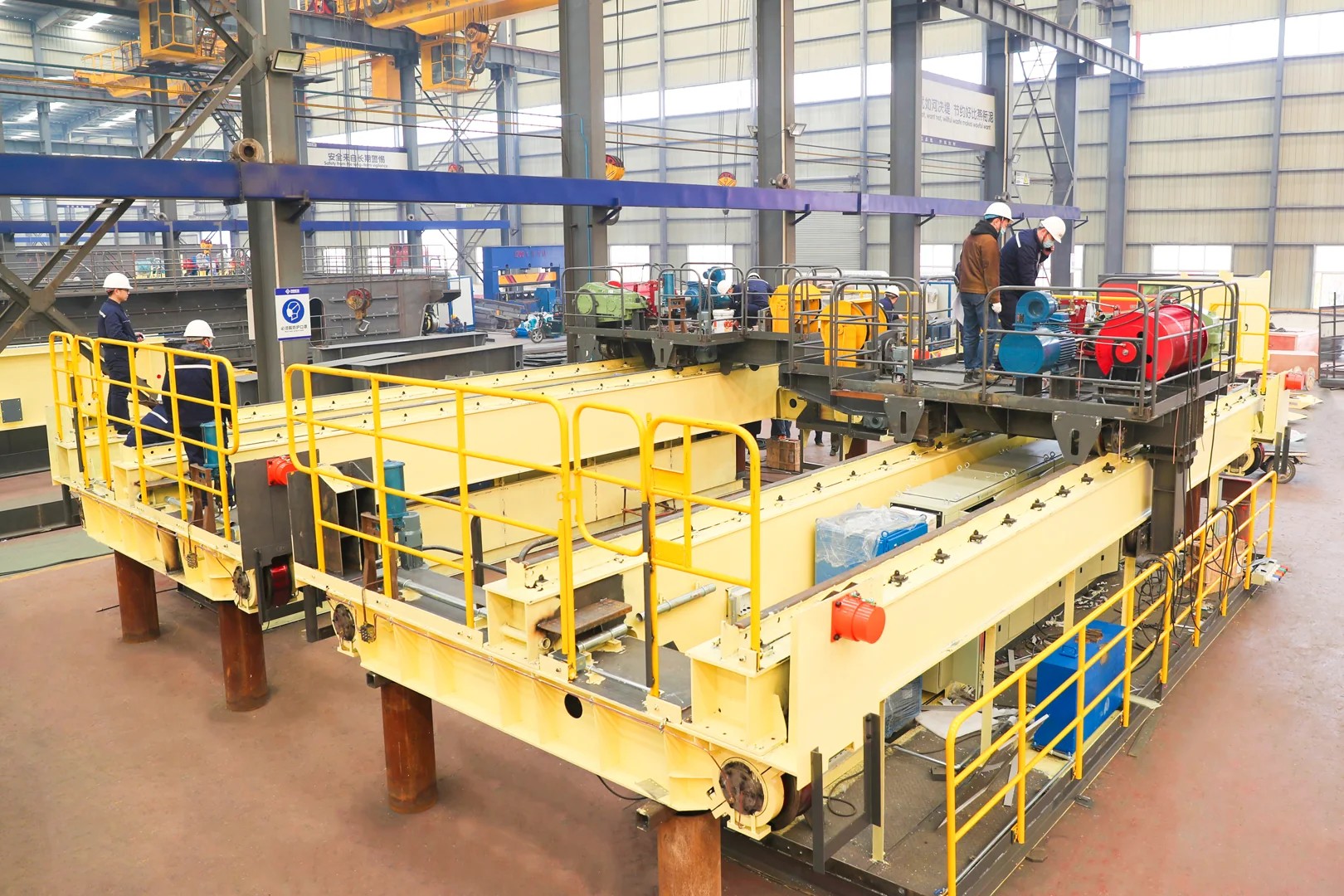
Lift the empty pot with a suitable attachment and move it along the agreed removal route. Include pot dimensions, centre of gravity and any residual material in the load information.
Handle pot-related components and selected heavy service equipment. Define lifting points, access restrictions and the position at which each component must be removed or installed.
Use a selected cantilever to reach a maintenance position outside the normal bridge envelope. The offer states the hook position and permitted load for that outreach.
The defined service duty is empty-pot and equipment handling. A full pot containing molten zinc or another special hot-material duty requires a separately reviewed lifting configuration.
Compare the available options for your lifting task. Capacity, span, lift height and speed are matched in the selected configuration.
| Model | QDXG |
|---|---|
| Primary service | Empty zinc-pot lifting and galvanizing equipment maintenance |
| Bridge platform | Selected bridge arrangement with a cantilevered trolley |
| Trolley cantilever direction | Perpendicular to the main girders |
| Effective reach L | Horizontal distance from cantilever-side main-girder trolley-rail centreline to hook centre |
| Permissible load at outreach | Specified with effective reach and trolley/bridge load positions |
| Reference capacity envelope | 5–32 t; actual rating selected with empty-pot load and outreach |
| Reference span envelope | 10.5–31.5 m; final span selected for the workshop |
| Reference lift envelope | 6–24 m; usable lift selected for the pot-removal route |
| Reference duty envelope | A5–A6; duty matched to the actual service/handling schedule |
| Hoisting / travel speeds | Selected for controlled extraction, transfer and placement |
| Lifting interface | Hook and selected pot/component lifting fixture |
| Motion controls | Speed-controlled lifting and travel with selected positioning functions |
| Thermal / process exposure | Pot temperature, ambient temperature, radiant heat and process medium specified separately |
| Mechanical components | Alloy-steel gears, wheels, drums and shafts within the selected equipment package |
| Power supply | Destination three-phase voltage and frequency specified with the drives and controls |
| Maintenance access | Selected around pot extraction, inspection and service-component replacement |
| Service lift | Load information | Reach and lifting route | Configuration to agree |
|---|---|---|---|
| Empty-pot replacement | Pot + retained material + lifting fixture | Required outreach at extraction and placement | Permitted load at reach L, hook travel and fixture |
| Pot-related equipment service | Component and rigging weight, lifting points | Access around the installed galvanizing line | Hook coverage and controlled approach speeds |
| Beyond-girder maintenance position | Complete load at the extended hook position | Perpendicular trolley cantilever and travel limits | Outreach-specific load rating and operating limits |
| Other hot/process duty | Material, temperature and complete suspended load | Separate handling and exposure conditions | Dedicated review of the lifting and protection package |
The reference capacity envelope does not establish the same rating at every cantilever position. The technical offer binds load, effective reach L, usable lift and operating conditions together.
| Item | Reference / definition | Value confirmed for the order |
|---|---|---|
| Capacity | 5–32 t family envelope | Complete load and permitted rating at the actual outreach |
| Span | 10.5–31.5 m family envelope | One rail-centre span matched to the service bay |
| Usable lift | 6–24 m family envelope | Pot extraction height, route and placement level |
| Working duty | A5–A6 family envelope | Load spectrum and service/transfer frequency |
| Effective reach L | Rail-centre to hook-centre horizontal distance | Required outreach and position-specific load schedule |
These family ranges are selection references, not complete capacity/span/reach combinations. The selected cantilever and lifting fixture determine the ordered configuration.
Compare the trolley arrangement with the pot location and removal route. The selected drawing identifies effective reach L, usable hook travel and the permissible load at the required positions.
Send the pot and service-area layout, including where the hook must stand during extraction and placement. The crane is configured around that lift.
Provide the pot mass, dimensions, centre of gravity and lifting points. Include residual zinc/lining or other retained material and the fixture in the complete suspended load.
Define the horizontal distance from the cantilever-side main-girder trolley-rail centreline to hook centre. Agree the rated load at that reach and any other working positions.
Mark the pot opening, removal height, adjacent equipment and maintenance laydown position. Match hook travel and trolley/bridge movement to the complete route.
State pot/component temperature, radiant heat and process exposure separately. Select protection, normal/approach speeds and operator visibility for the actual maintenance work.
Compare the equipment, documentation, delivery and service scope for the configuration you need.
Request one QDXG crane or a galvanizing-line project quantity. Identify the pot and service loads and required outreach for each installation.
List the bridge, cantilever trolley, hoist/hook, fixture and controls. Identify thermal/process protection, rails, electrification, freight, shutdown-side erection, commissioning and spares separately.
Request the pot/service layout, effective-reach and permitted-load schedule, wheel reactions, fixture information, electrical drawings, manuals and agreed inspection/test records.
Engineering and production dates are agreed after the pot layout, cantilever load case, fixture and removal route are confirmed. Schedule dispatch and site commissioning around the maintenance shutdown.
Agree erection and commissioning at the pot/service positions. Verify cantilever travel limits, lifting and approach functions and the agreed load cases before the maintenance lift.
The order states duration, commencement and coverage for the bridge, cantilever trolley, lifting mechanism and controls. Identify fixture wear, thermal exposure limits and recommended brake, drive and rope spares.
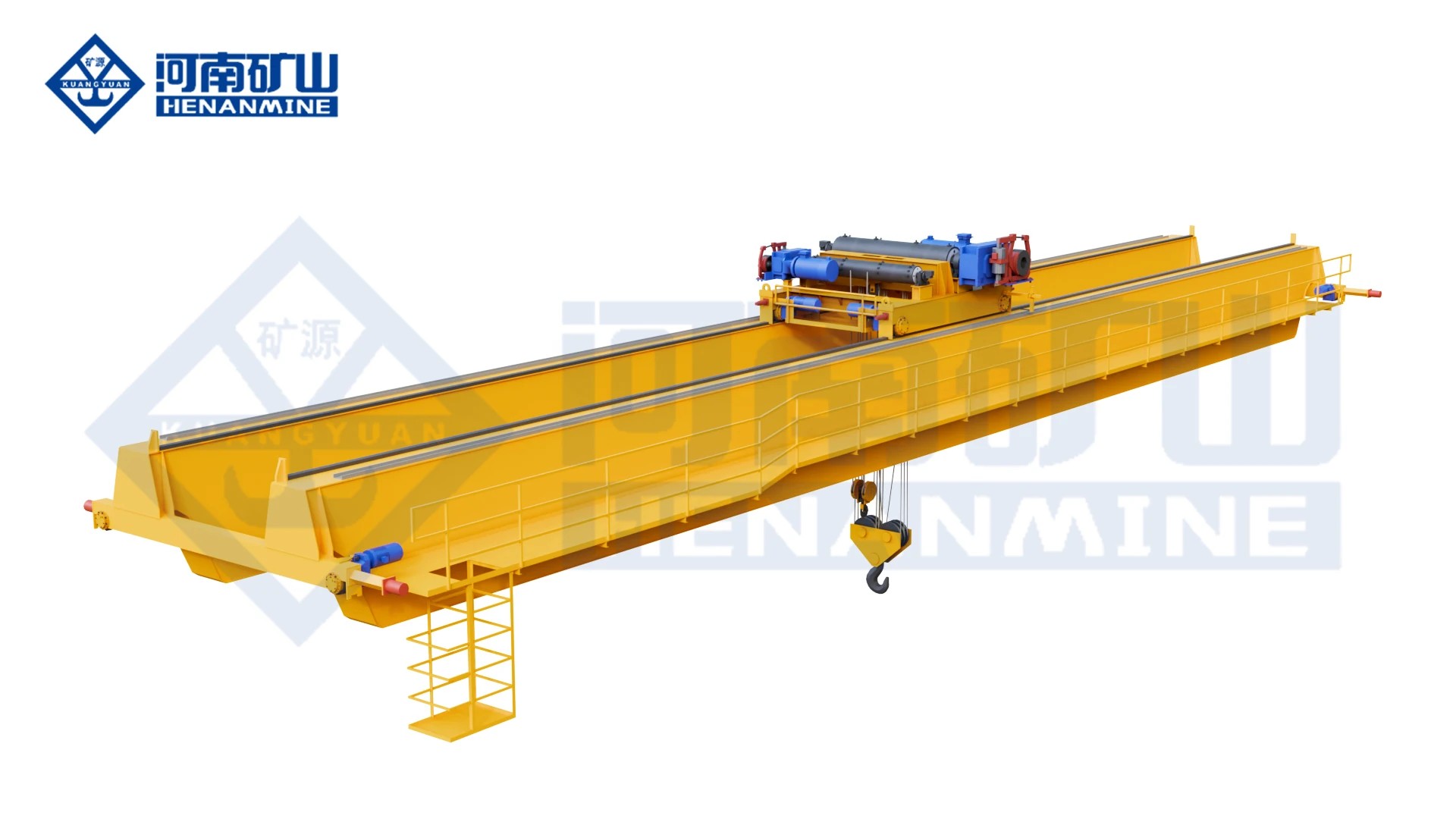
Lift machinery and workshop components with a conventional winch-trolley crane and a selected single or main/auxiliary hook arrangement.
Compare this model ↗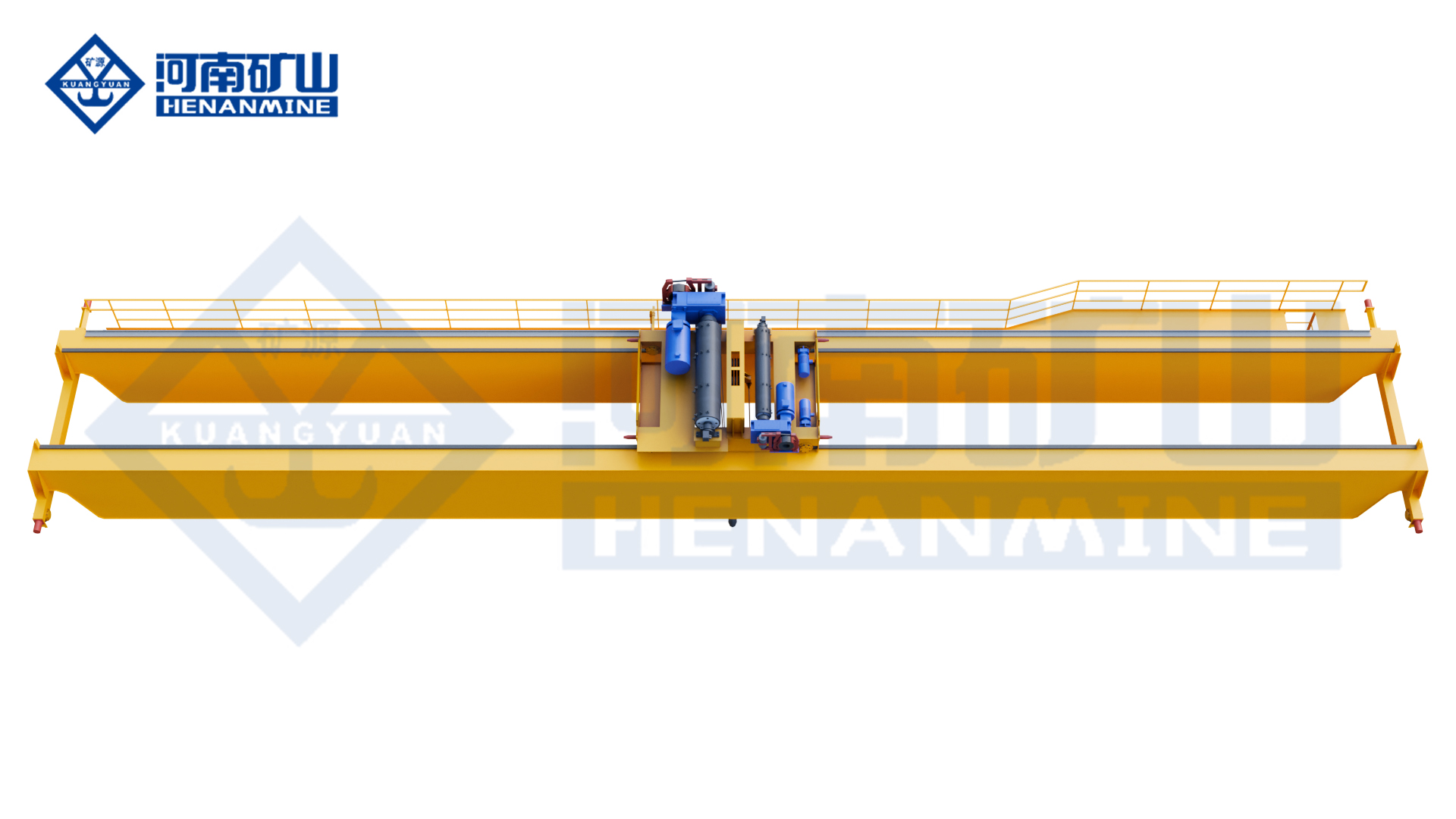
Position production loads with modular hook lifting, stepless speed control and optional electronic anti-sway.
Compare this model ↗Find the arrangement, equipment options and order information that suit your application.
It is a galvanizing-workshop service crane for empty zinc pots and equipment maintenance. Its trolley cantilever provides vertical lifting beyond the normal main-girder envelope.
L is the horizontal distance from the cantilever-side main-girder trolley-rail centreline to hook centre. It is not simply the physical length of steel projecting beyond the bridge.
Only the position-specific load schedule establishes the permitted load. Capacity, reach and trolley position affect the cantilever and crane load case, so state the required weight at the actual hook position.
Include the pot itself, any retained zinc or lining relevant to the lift, the lifting frame and other suspended equipment. Provide the centre of gravity and intended lifting points as well.
The defined service duty here is empty-pot handling. A loaded pot or molten-metal lift requires a separately reviewed lifting system and protection package; it should not be assumed from the zinc-pot crane name.
Use the extraction height required to clear the pot opening and surrounding equipment, then follow the complete transfer and placement route. Include the lifting fixture depth and hook approach.
The defining arrangement is a service hook on a cantilevered trolley. A magnet or another specialized attachment is a separate selected load-handling package, not an implied standard feature.
Pot/component temperature, workshop air temperature, radiant heat reaching the crane and exposure time are different conditions. State them separately so protection and component selection suit the actual lift.
Provide the shutdown dates with the pot and route information. Engineering, manufacture, dispatch and commissioning milestones can then be agreed as part of the project programme.
It should state capacity at the required reach, span, lift, fixture, controls and protection. Identify installation, test scope, freight and spares so the quoted package covers the actual maintenance lift.
Tell us what you need to lift, your project location and any dimensions you already know. We’ll help you choose a suitable configuration.
info@cranehenanmine.com