54 Cleanroom and Explosion-Proof Cranes for Hongyuan’s Polysilicon Project
A 54-unit package combines cleanroom explosion-proof double-girder hoist cranes and dust-explosion-proof single-girder cranes.
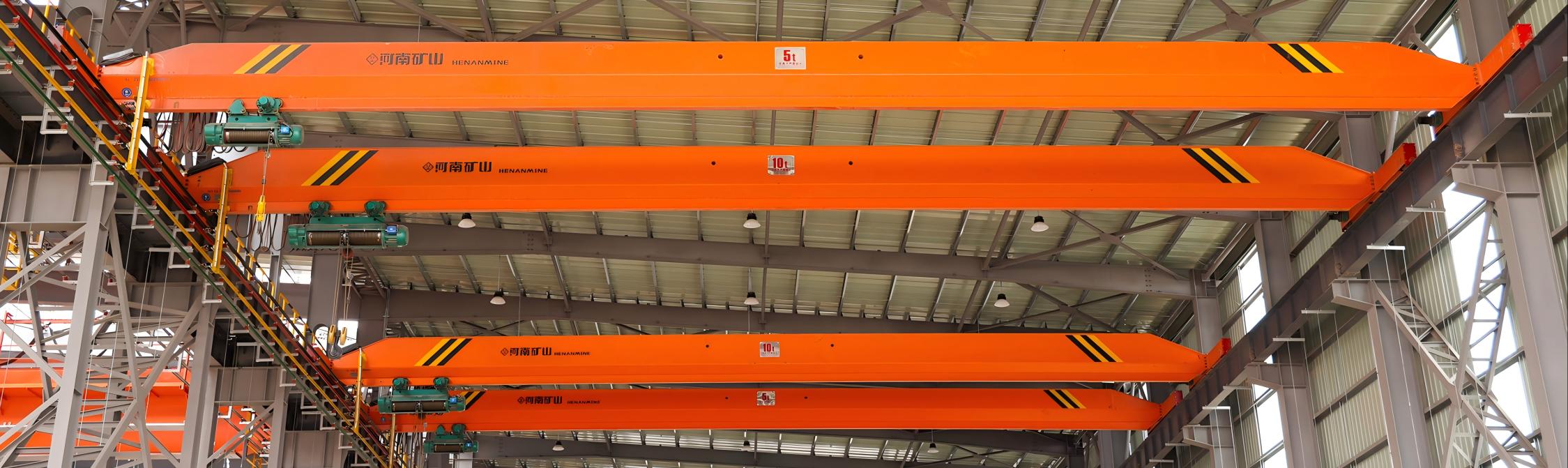
The project and its handling task.
Henan Mine Crane manufactured 54 crane units for Hongyuan Energy’s 100,000-tonne high-purity crystalline-silicon project. The equipment includes cleanroom explosion-proof electric-hoist double-girder cranes and dust-explosion-proof single-girder cranes.
The project combines contamination control with hazardous-area operation. Intrinsically safe and flameproof components, variable-frequency drives, corrosion-resistant antistatic coating and dedicated permanent-magnetic dust-recovery devices form part of the supplied approach.
Control particles and ignition risks in high-purity silicon production.
Polysilicon production can demand both a clean environment and protection for classified gas or dust zones, with lifting equipment operating near sensitive process tools.
Confirm cleanliness target and the formal gas or dust classification.
Select hoist and attachment arrangements for equipment maintenance and material transfer.
Test cleaning, electrical protection and operating interlocks at the site.
Test cleaning, electrical protection and operating interlocks at the site.
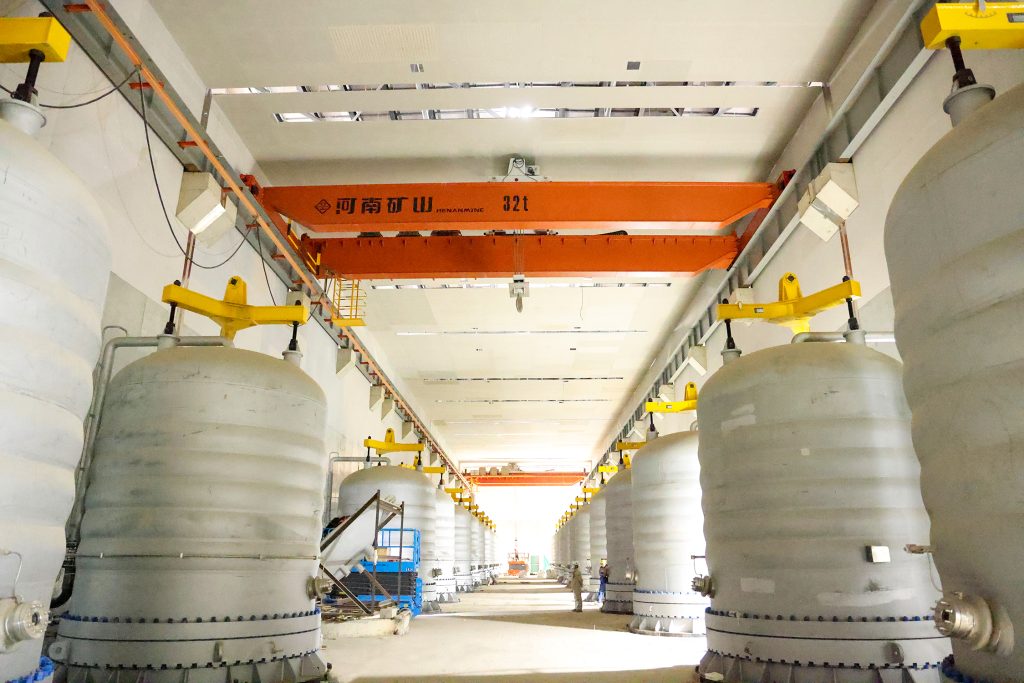
The equipment behind this project.
The project combines contamination control with hazardous-area operation. Intrinsically safe and flameproof components, variable-frequency drives, corrosion-resistant antistatic coating and dedicated permanent-magnetic dust-recovery devices form part of the supplied approach.
- Quantity54 crane units
- Plant context100,000-tonne high-purity crystalline-silicon project
- Crane typesCleanroom explosion-proof hoist double girders and dust-explosion-proof single girders
- Hazard protectionIntrinsically safe and flameproof components
- Contamination controlDedicated dust recovery and antistatic coating
- MotionVariable-frequency drives
What to compare with your own project.
Match the project configuration to your load, layout and operating sequence before selecting a crane package.
| Design area | This project configuration | Define for your site |
|---|---|---|
| Quantity | 54 crane units | Cleanroom class and cleaning regime. Define the required operating envelope and acceptance checks in your technical brief. |
| Plant context | 100,000-tonne high-purity crystalline-silicon project | Gas or dust zone documentation. Define the required operating envelope and acceptance checks in your technical brief. |
| Crane types | Cleanroom explosion-proof hoist double girders and dust-explosion-proof single girders | Process-load dimensions. Define the required operating envelope and acceptance checks in your technical brief. |
| Hazard protection | Intrinsically safe and flameproof components | Certification and acceptance requirements. Define the required operating envelope and acceptance checks in your technical brief. |
| Contamination control | Dedicated dust recovery and antistatic coating | Cleanroom class and cleaning regime. Define the required operating envelope and acceptance checks in your technical brief. |
| Motion | Variable-frequency drives | Gas or dust zone documentation. Define the required operating envelope and acceptance checks in your technical brief. |
See the equipment and working environment.
Explore the equipment arrangement and handling environment.
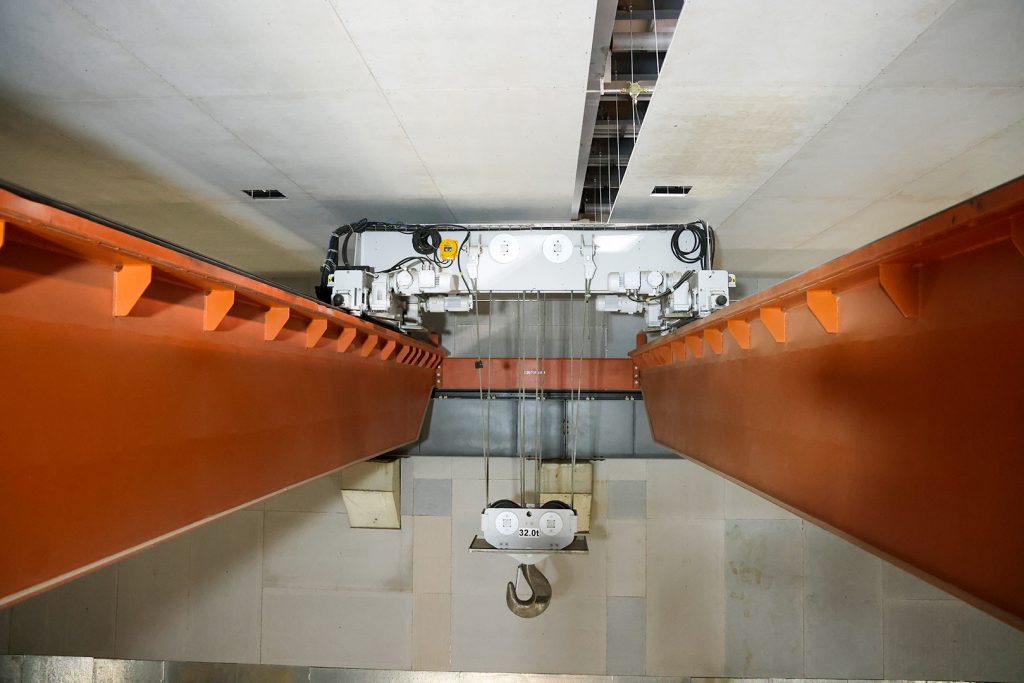
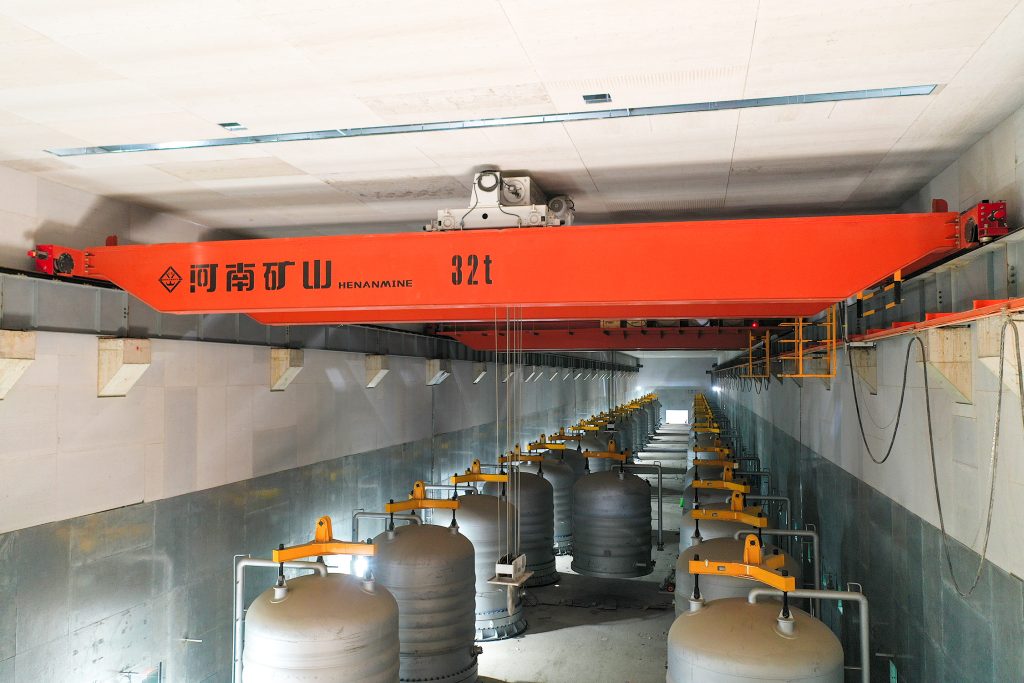
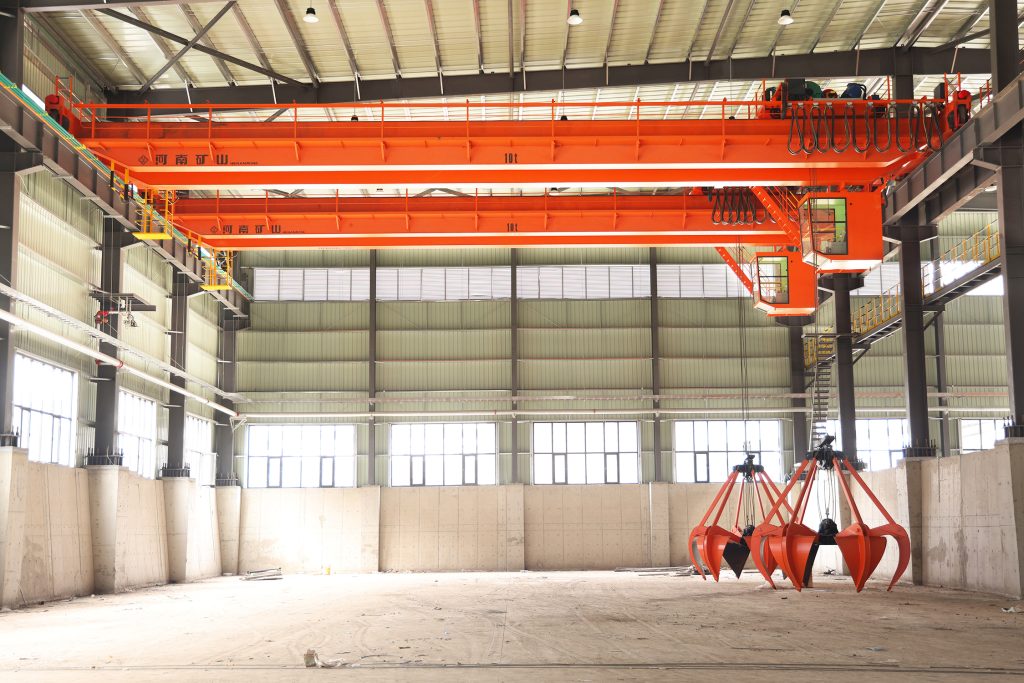
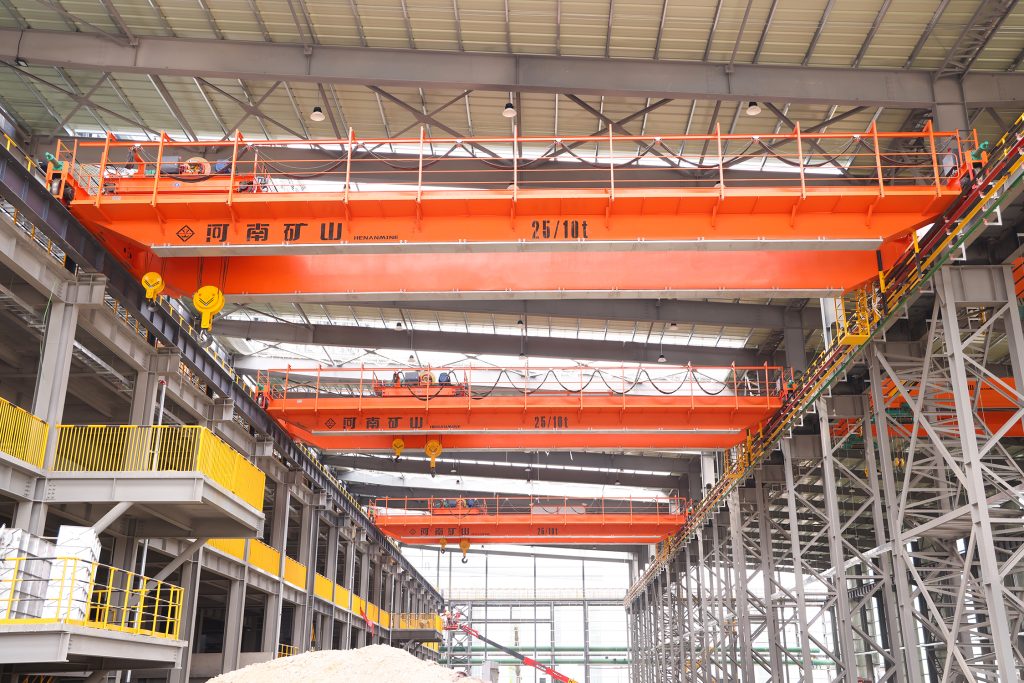
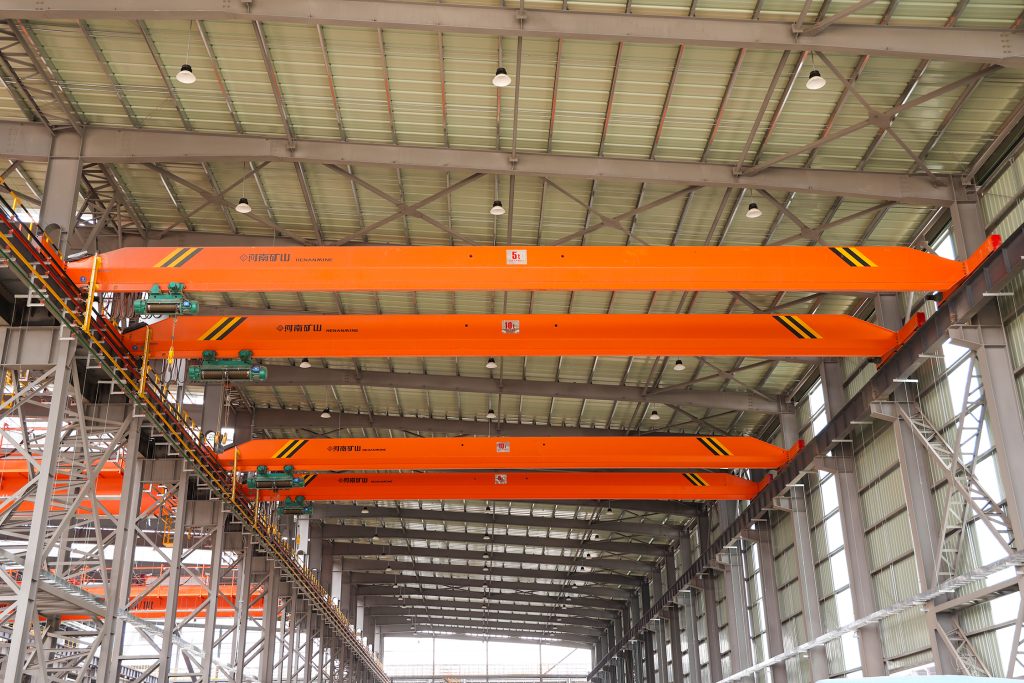
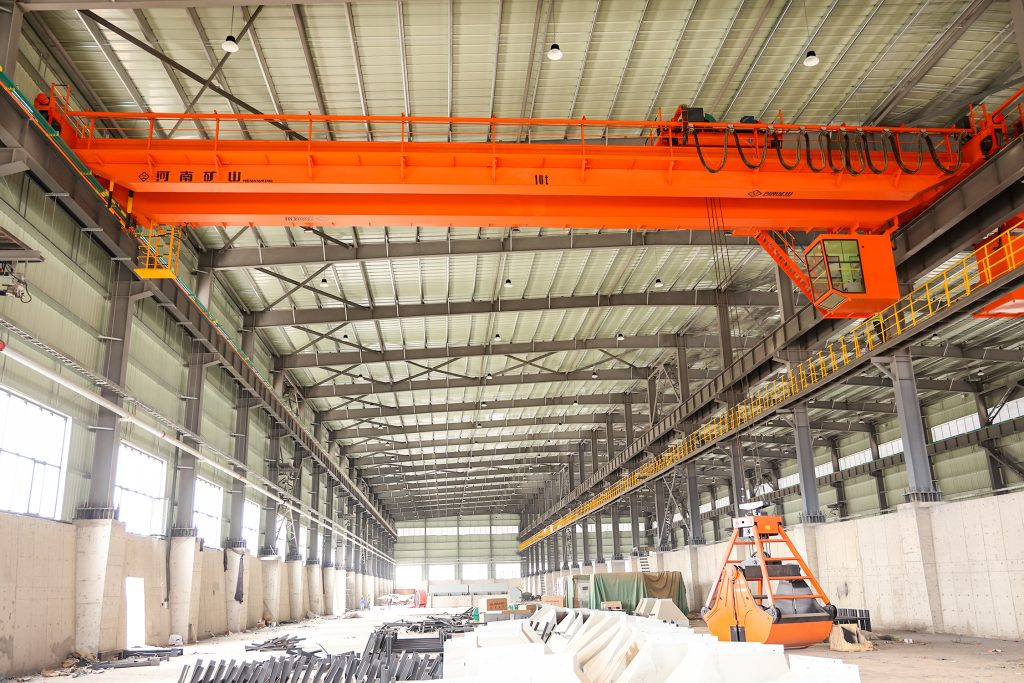
Equipment programme manufactured.
The equipment programme addresses the project’s combined cleanroom and hazardous-area conditions. Its configuration separates contamination control, motion and explosion protection into coordinated crane requirements.
For a similar project, separate the cleanliness and hazardous-area requirements, then combine them in the crane specification. Select sealed or low-particle components, explosion-protected drives and controls, and safe handling routes for each process room.
Continue from the project to the right crane family.
Use the project as a reference and specify the crane against your own yard layout and cargo.
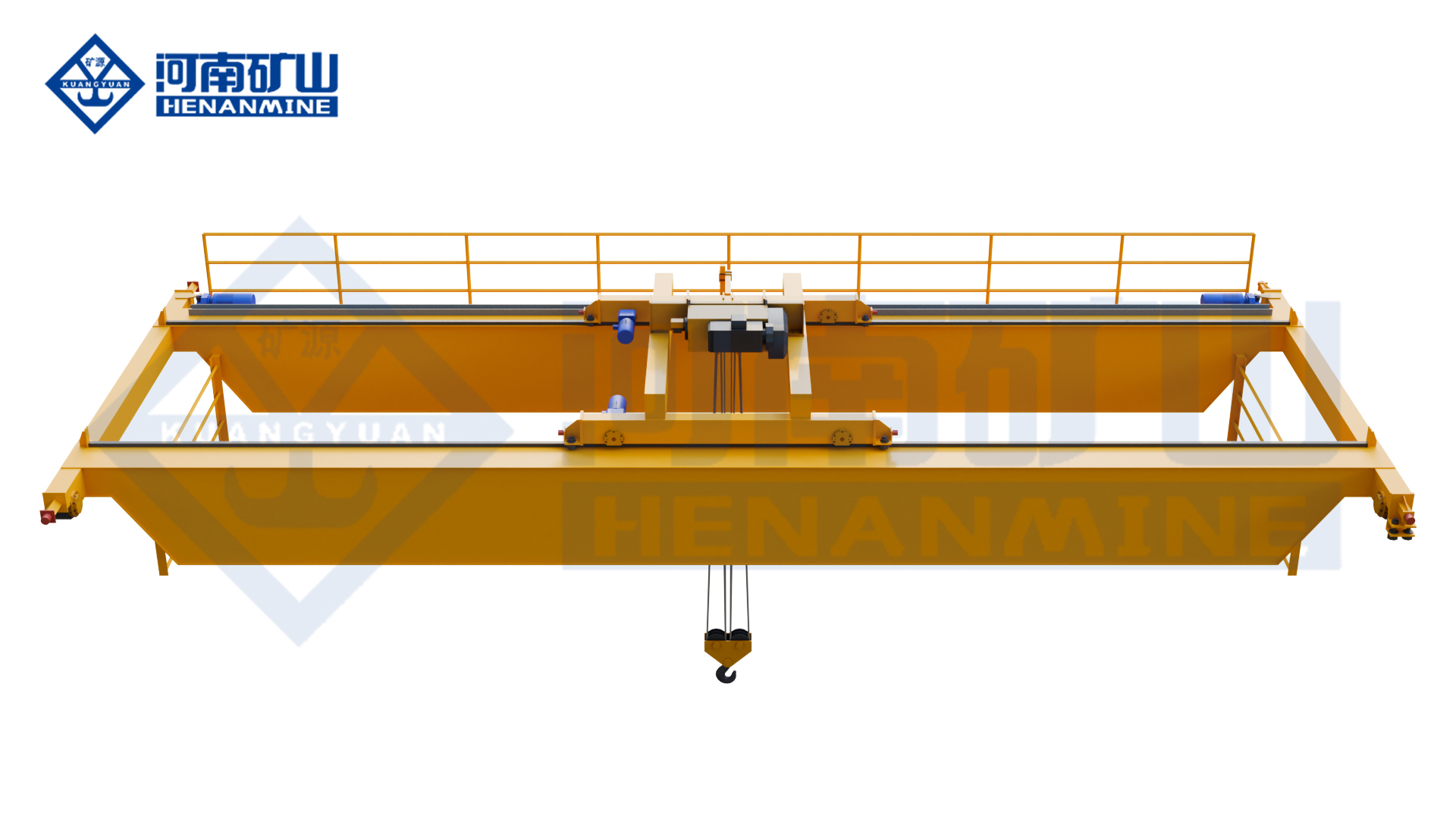
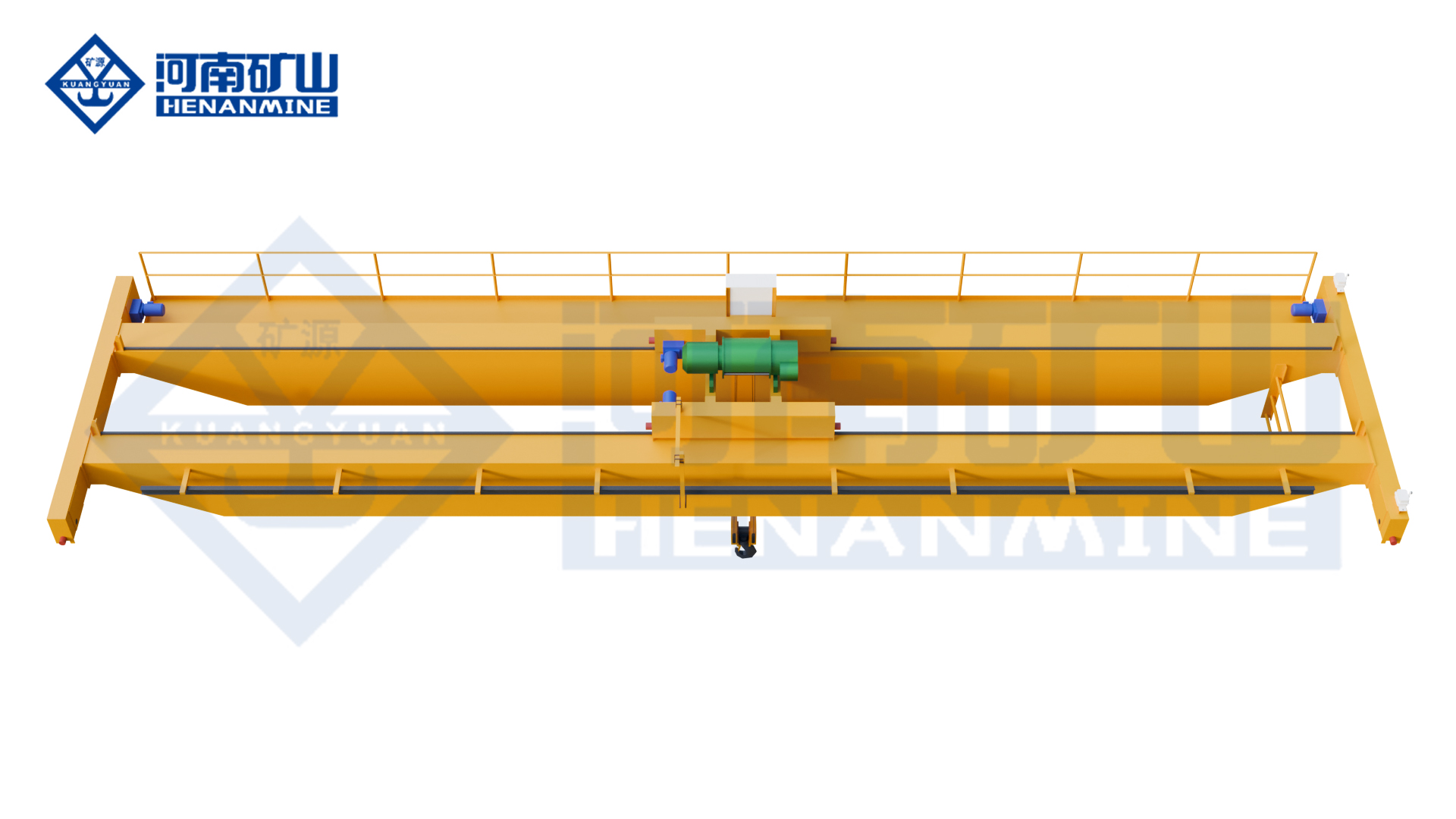
Prepare a comparable crane quotation.
Share the load schedule and site drawings. Separate the cleanliness and hazardous-area requirements, then combine them in the crane specification. Select sealed or low-particle components, explosion-protected drives and controls, and safe handling routes for each process room.
We can quote a single crane or a coordinated fleet. The offer sets out the destination standards, required certificates and inspection records, manufacturing programme after drawing approval, shipment, installation support and agreed acceptance scope.
- Cleanroom class and cleaning regime
- Gas or dust zone documentation
- Process-load dimensions
- Certification and acceptance requirements
- Destination standards, quantity and inspection documentation
- Manufacturing programme, shipment, commissioning, training and spares
Questions before specifying a similar crane.
Can the same project crane be supplied for my site?
We customize the capacity, span, lifting height, attachment and controls to the load, building or yard layout and operating cycle. Cleanroom class and cleaning regime is one of the inputs to review before final equipment selection.
How are certification, quantity and lead time agreed?
Single-crane and fleet enquiries are welcome. Define the destination and required standards in the enquiry. The project offer confirms certification and inspection documents, the quantity, drawing approval and manufacturing schedule, with the shipping and site-service boundaries.
What should acceptance and after-sales support include?
Agree the inspection plan, representative load and functional tests, operator training, maintenance instructions, spare-parts scope and fault-recovery procedures. For this application, include certification and acceptance requirements in the technical review.
Planning a similar lifting project?
Send your layout, load and operating requirements. We can develop a customized crane package and delivery scope for your site.