
Manufacturing workstations
Raise parts into a fixture or machine at a dedicated assembly point without reserving floor space for mobile lifting equipment.
Bridge cranes for workshops and production lines.
Explore Overhead Cranes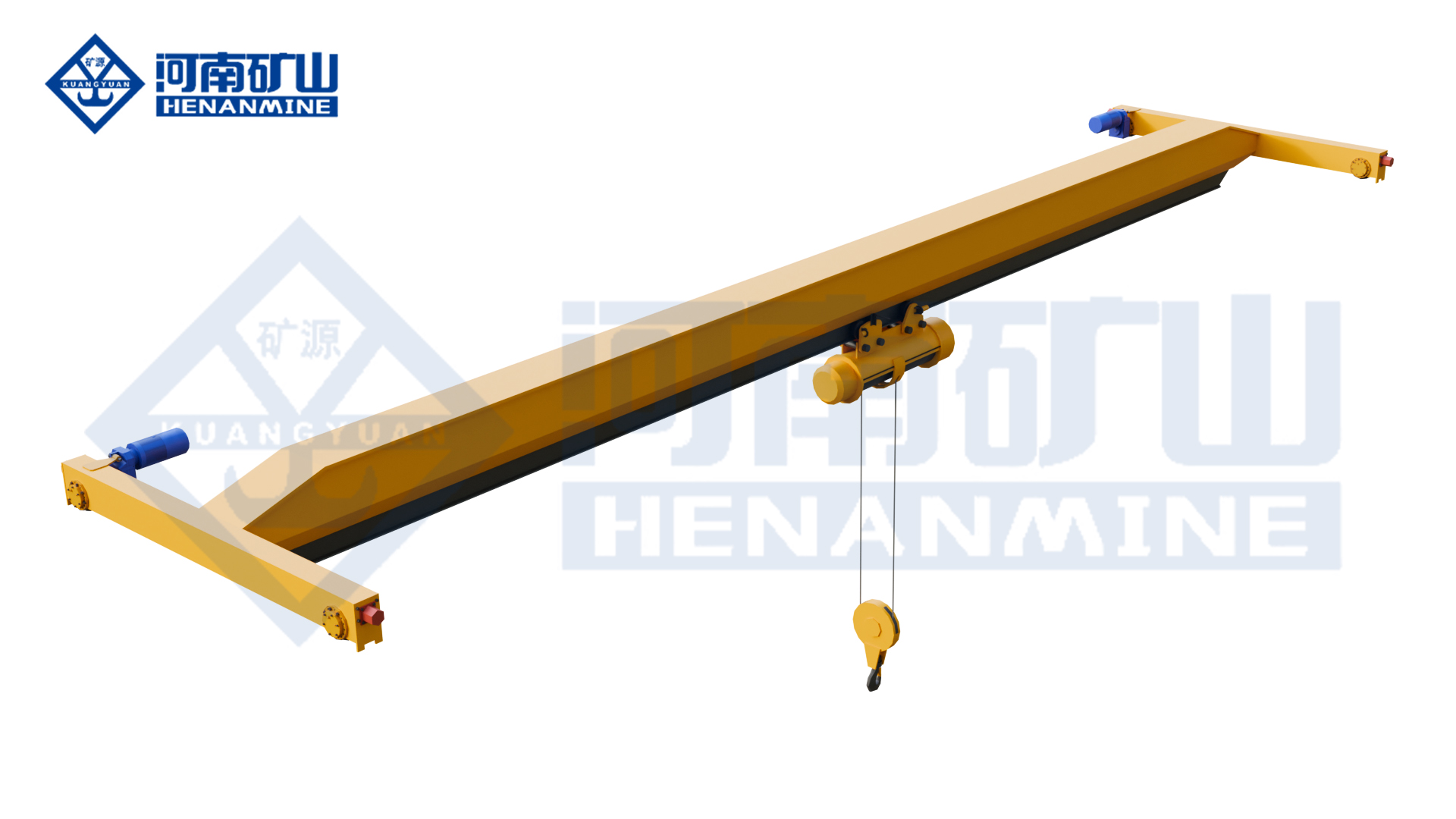
Ground-supported lifting for yards and construction.
Explore Gantry Cranes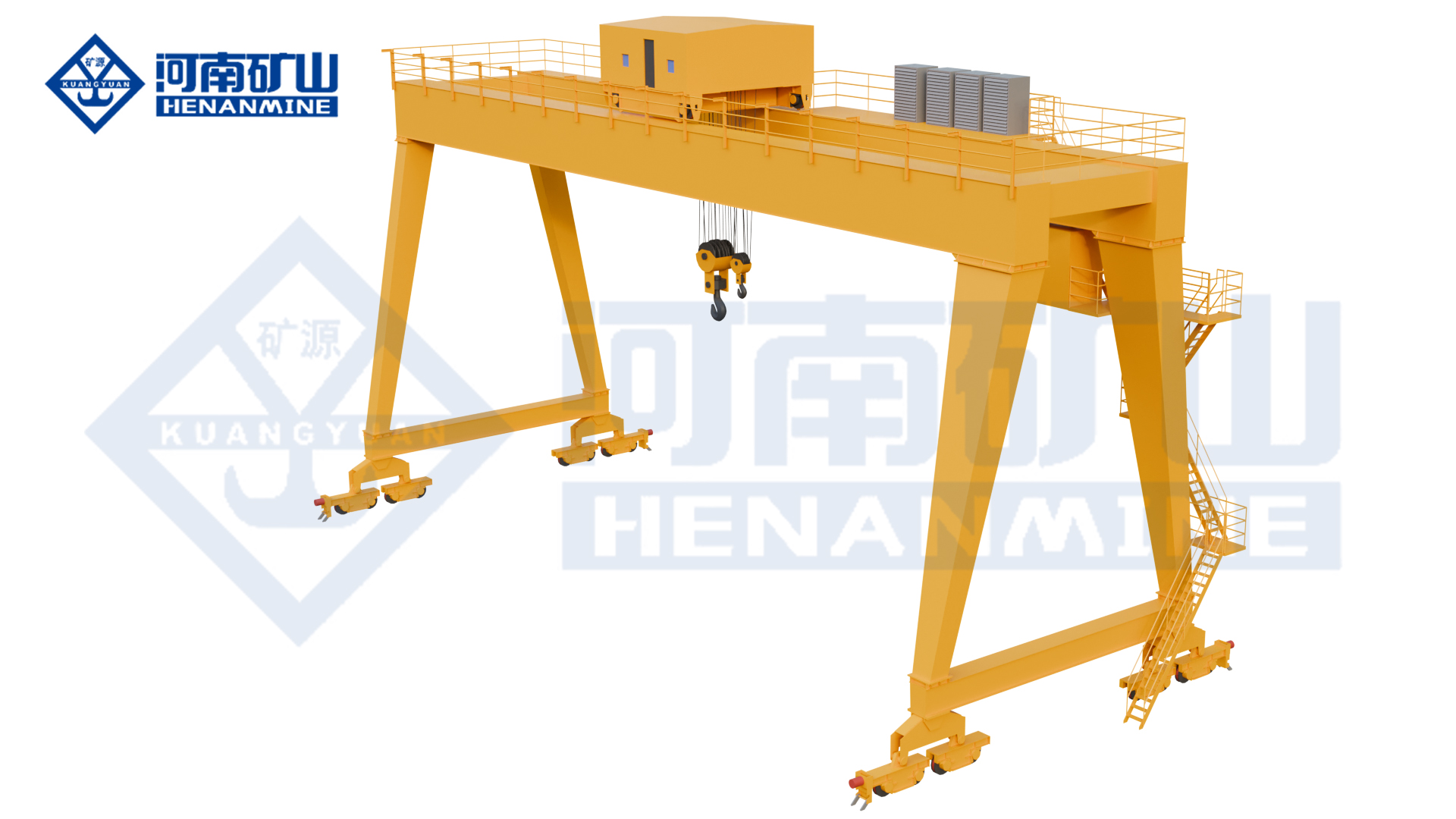
Wire rope and chain hoists for lifting points and cranes.
Explore Electric Hoists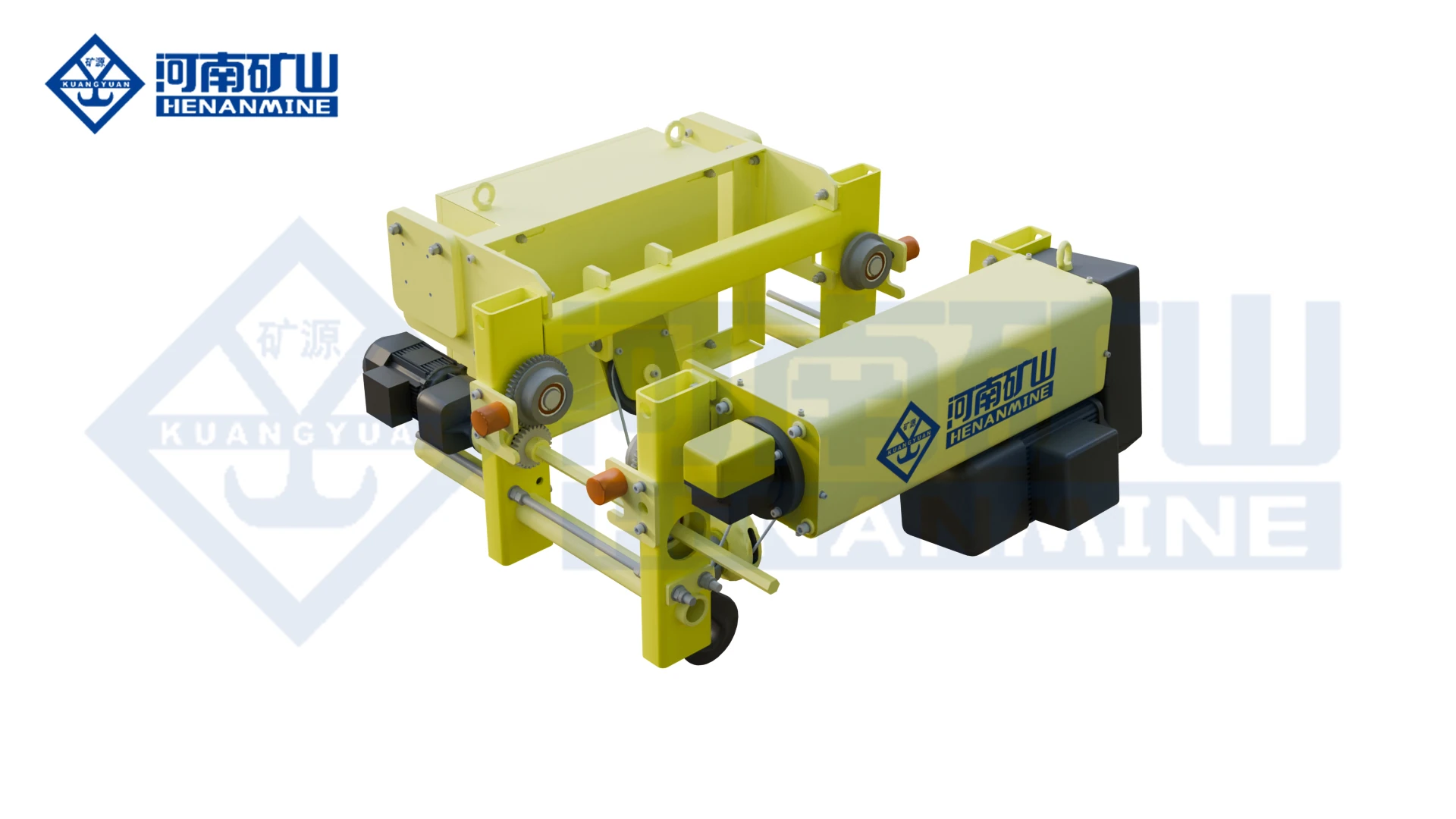
Wire rope lifting and pulling with a powered drum.
Explore Electric Winches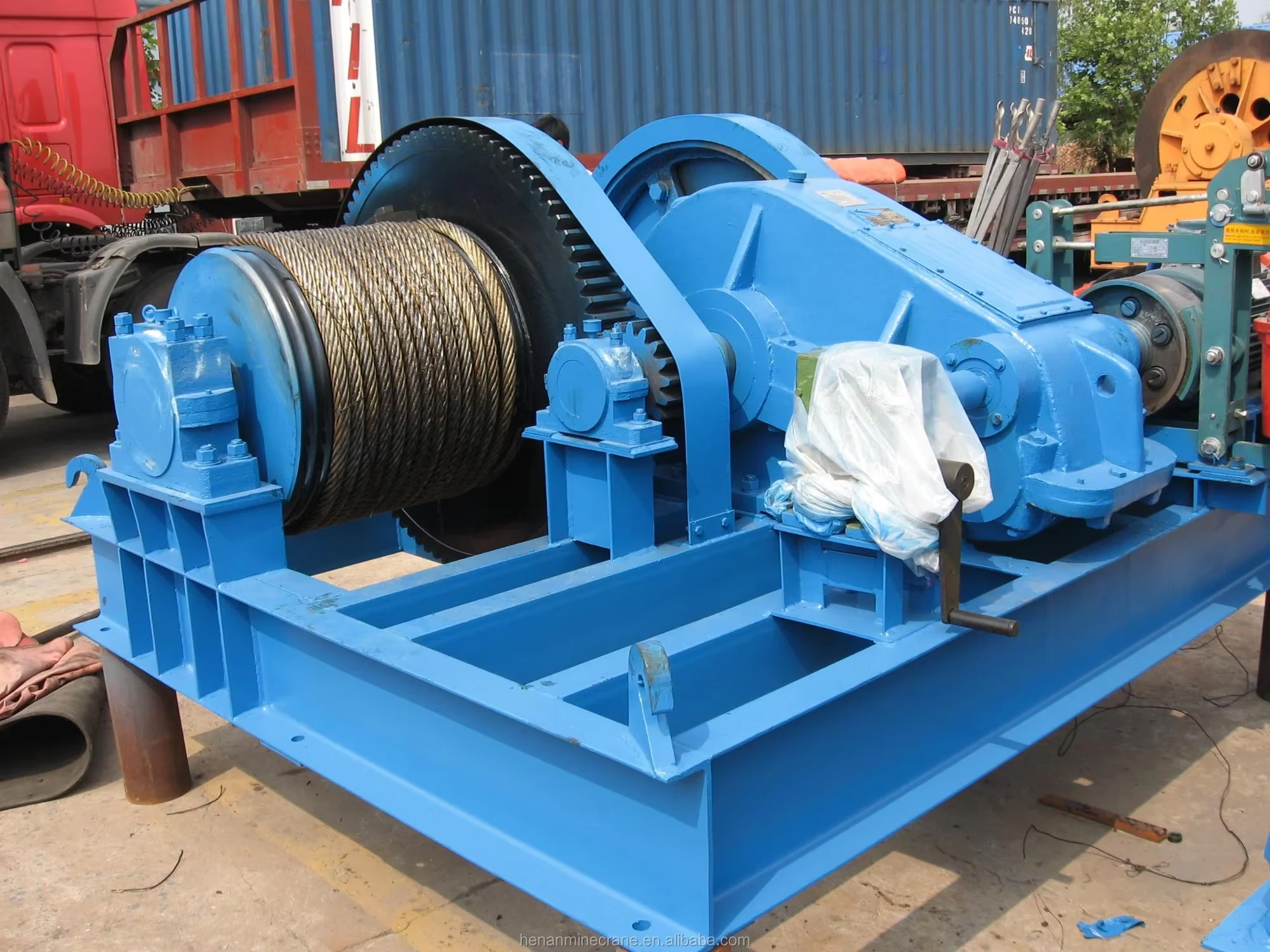
Grab buckets, magnets and hooks for your load.
Explore Lifting Attachments & Grabs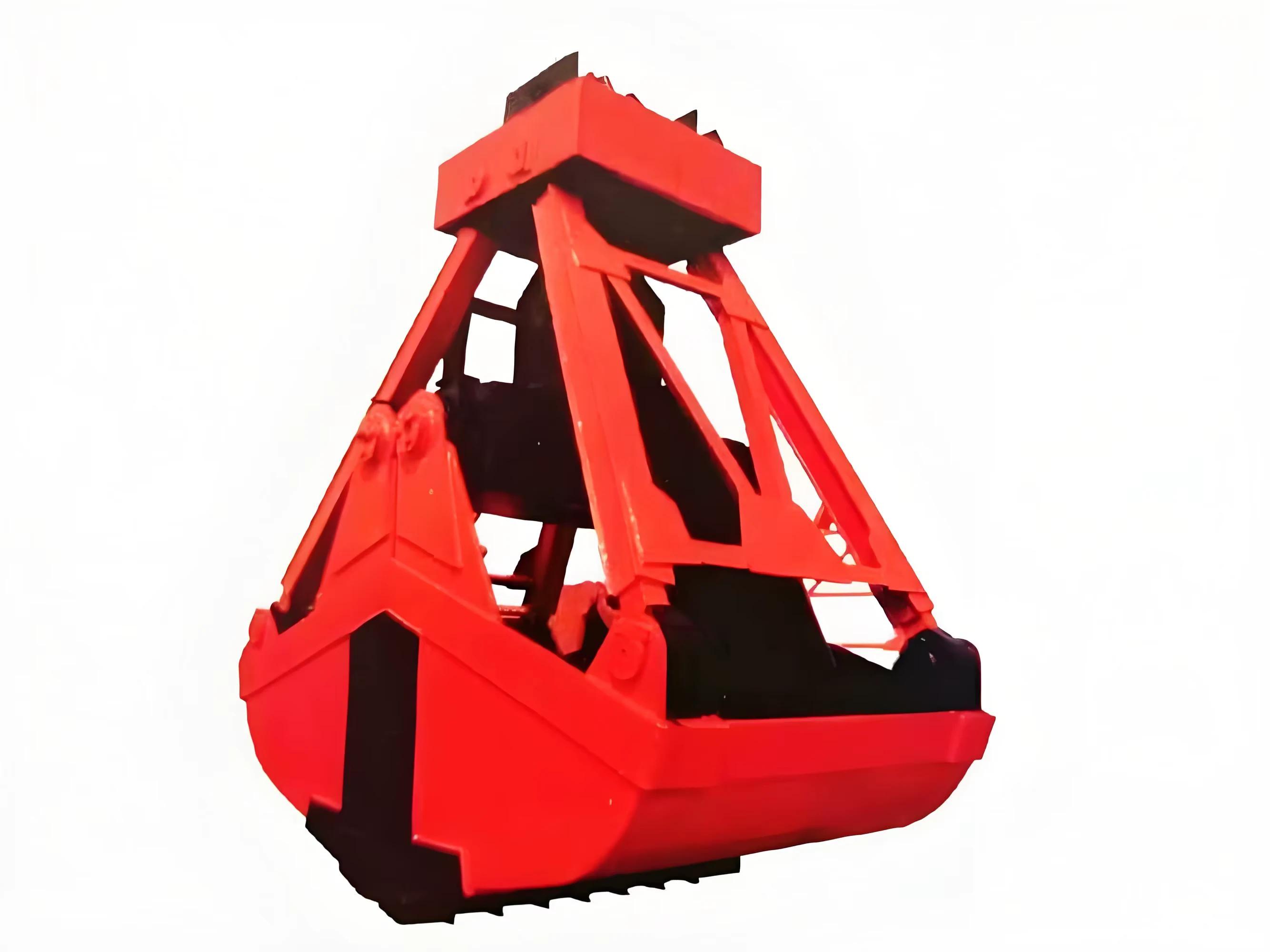
Mobile handling for containers, precast and yard loads.
Explore Rubber-Tired Gantry Cranes & Straddle Carriers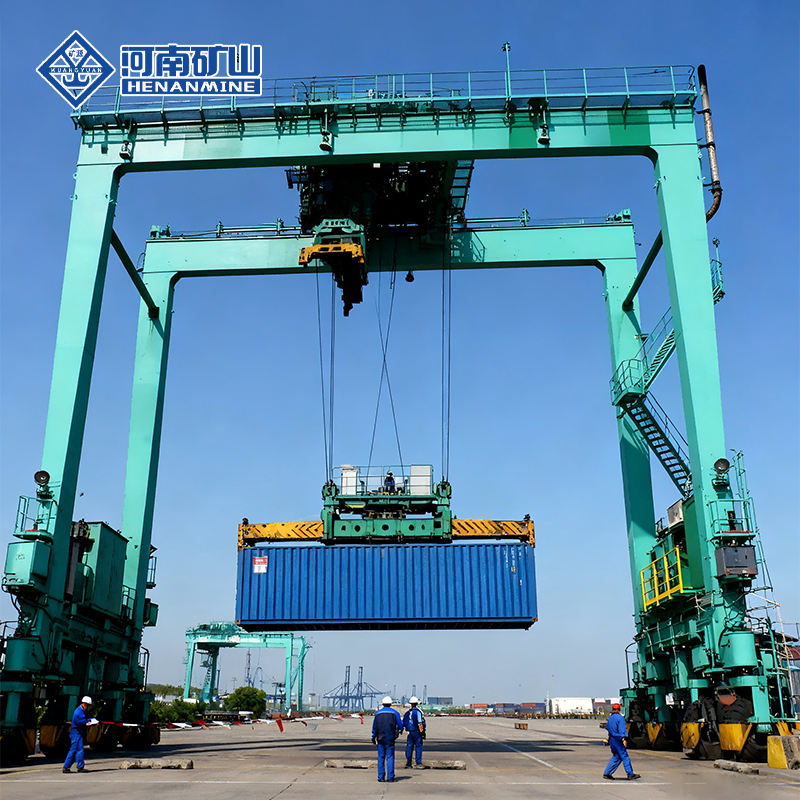
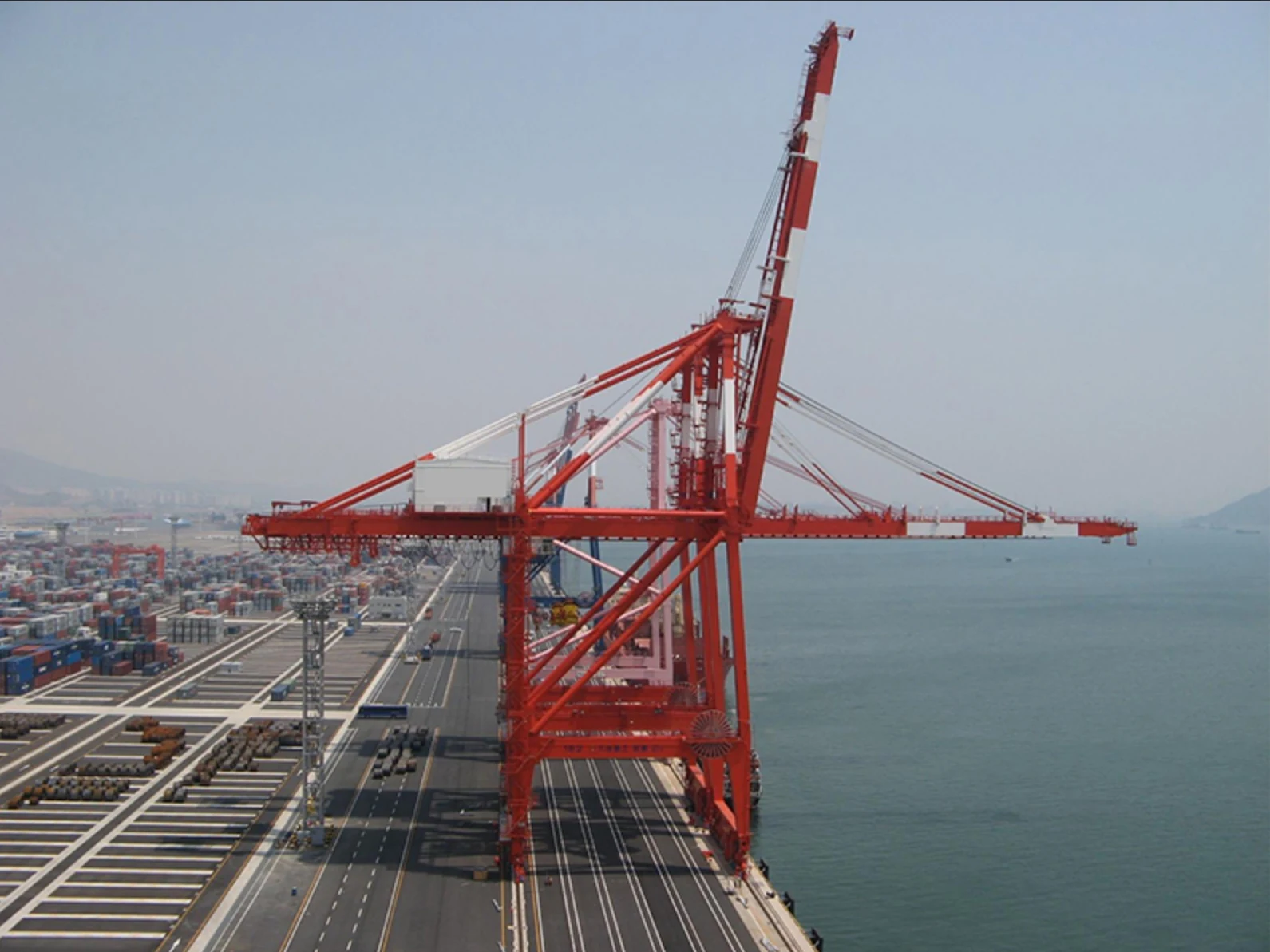
Lift and move vessels through boatyards and marinas.
Explore Marine Travel Lifts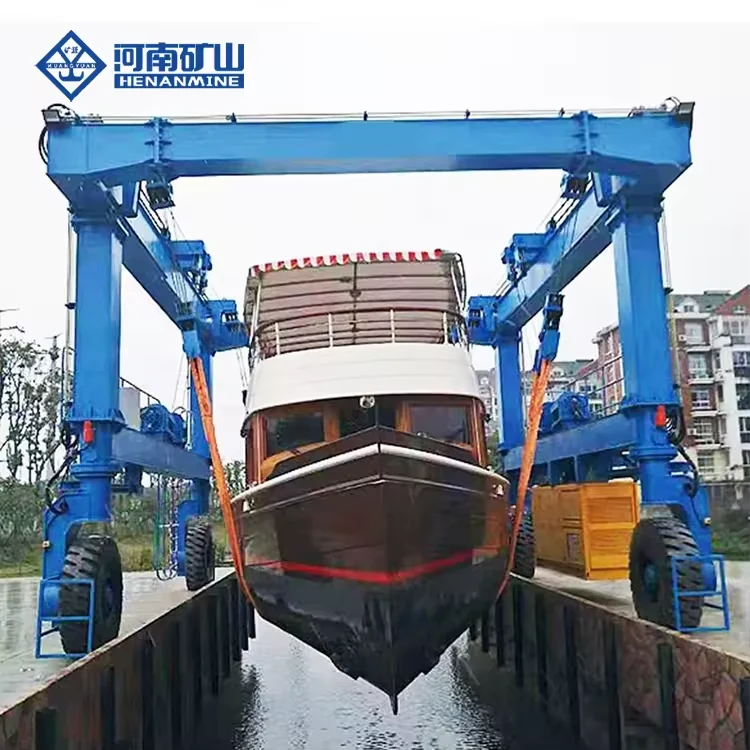
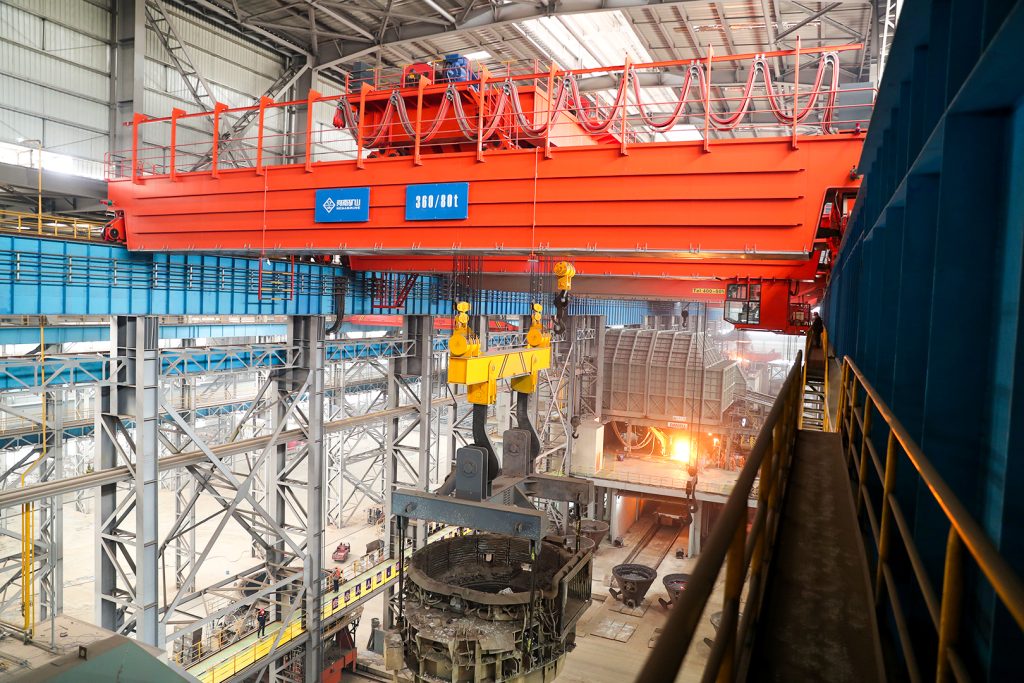
Ladle, slab, scrap and coil handling across steel production.
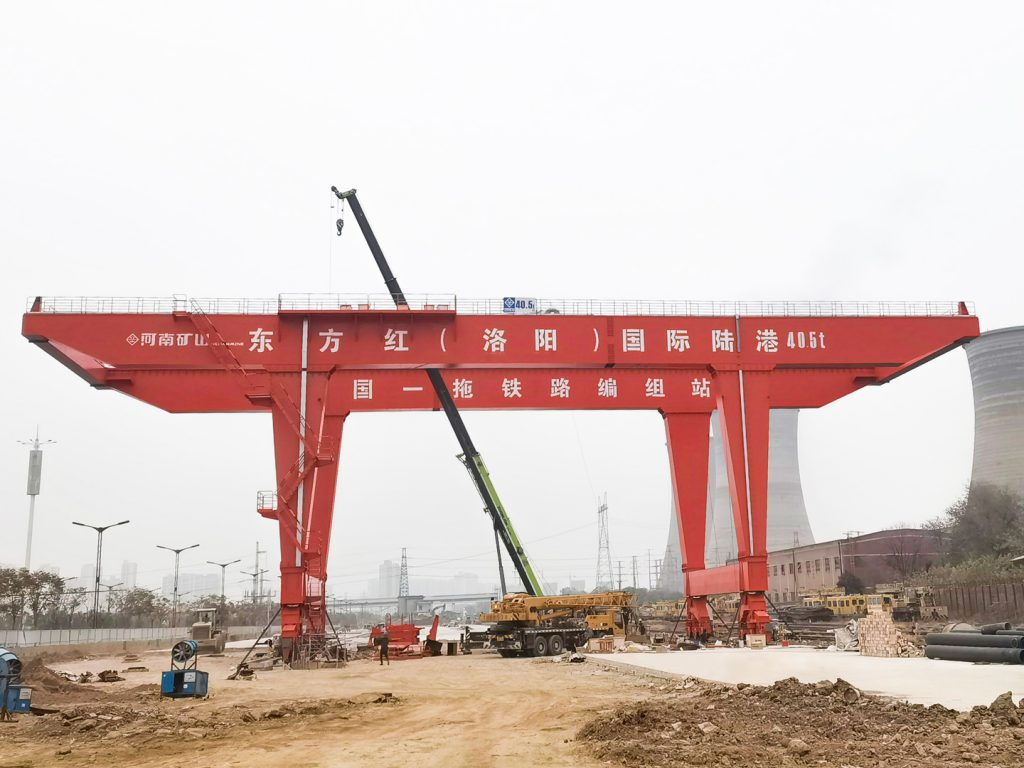
Container stacking and cargo transfers across terminals and rail.
Turbine installation, powerhouse maintenance and wind equipment assembly.
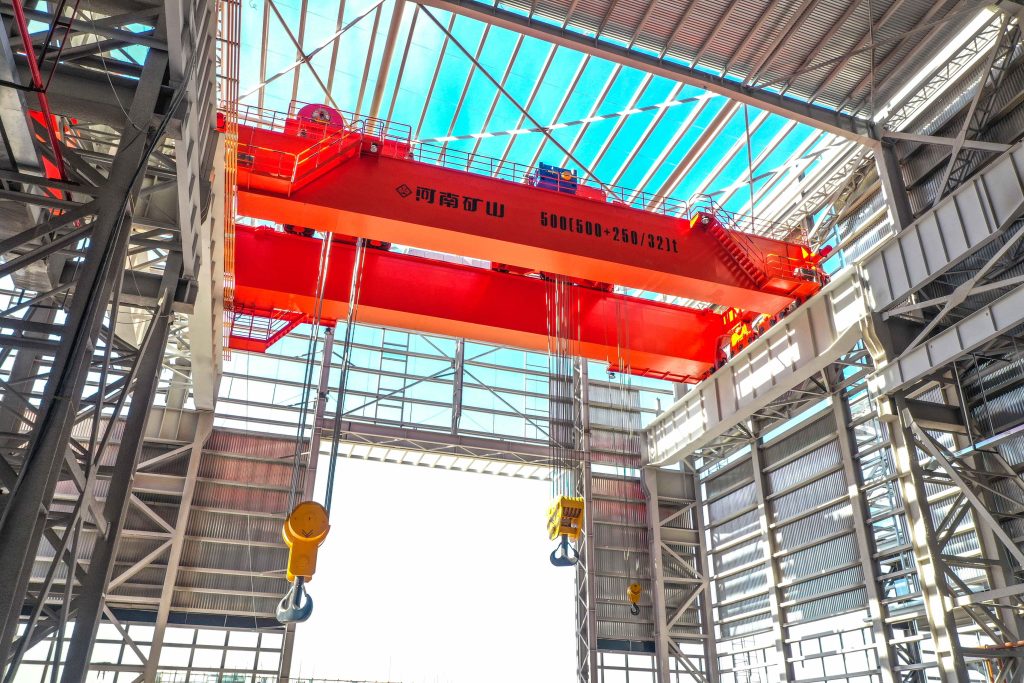
Controlled component transfer and positioning for precision assembly.
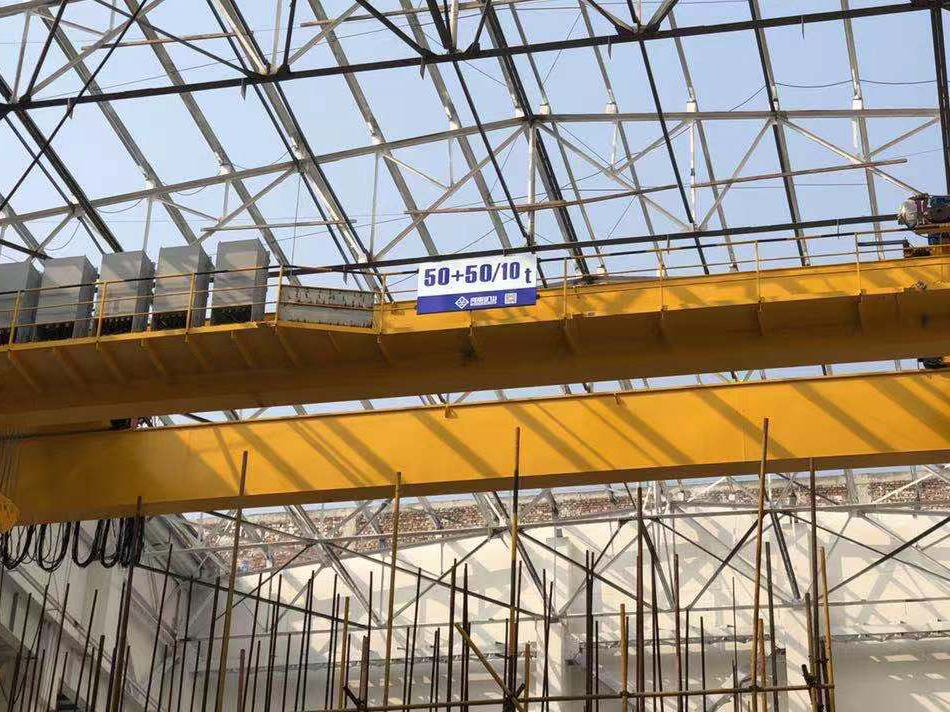
Heavy fabrication, production lifting and factory crane automation.
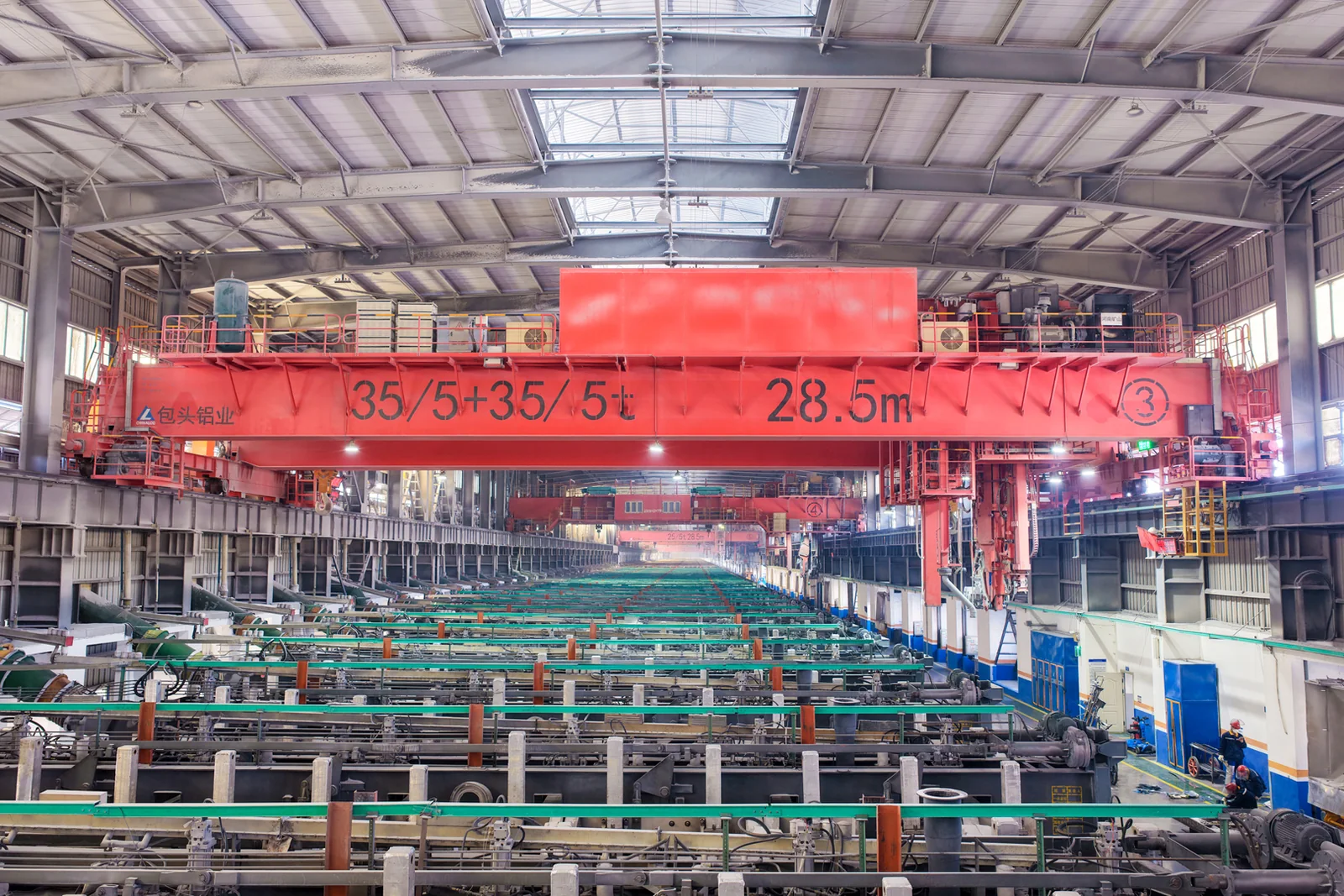
Process lifting for smelters, carbon blocks and anode materials.
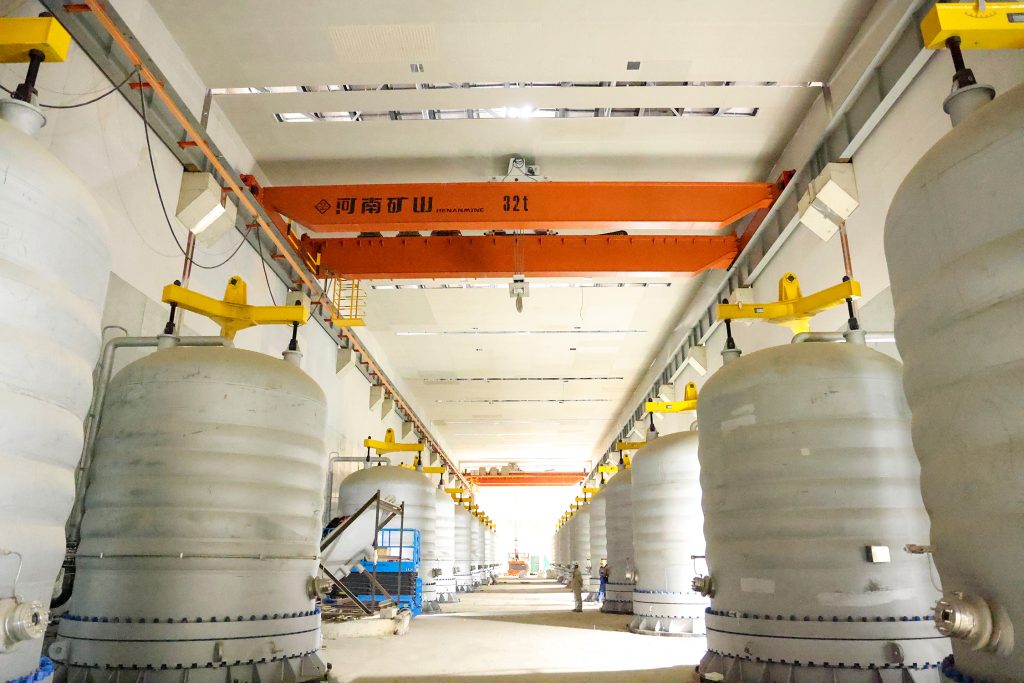
Clean lifting and classified protection for sensitive process areas.
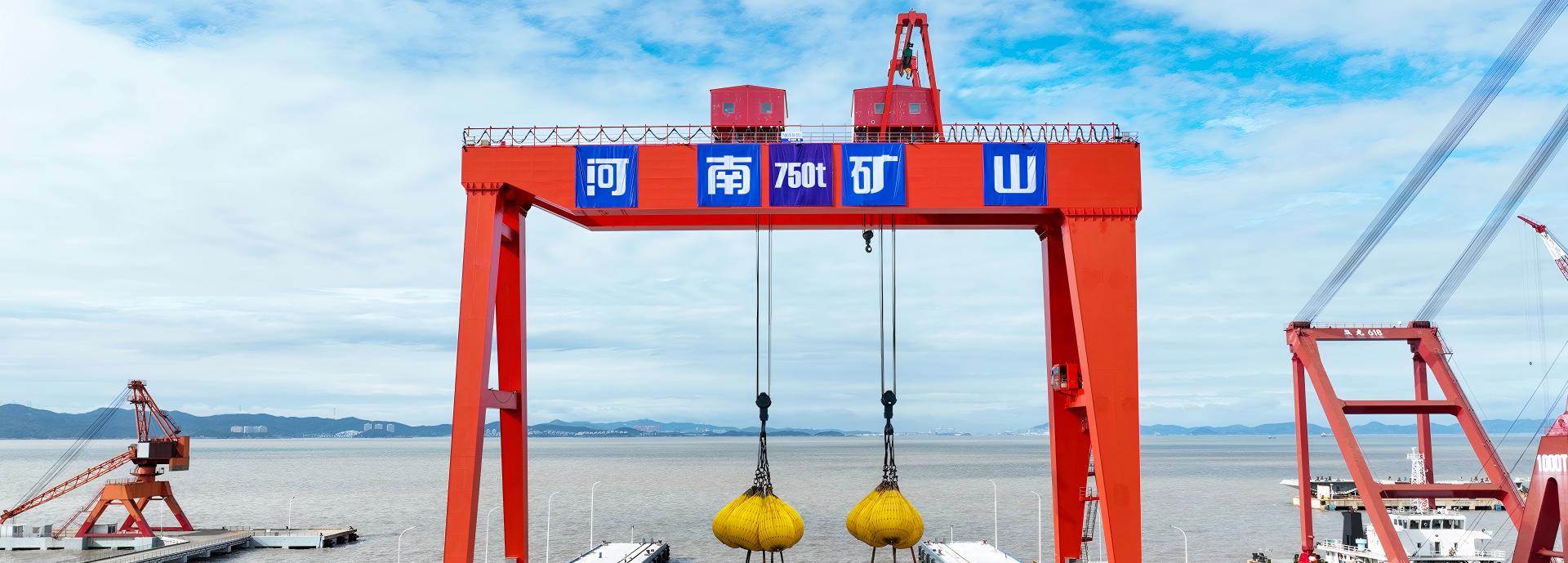
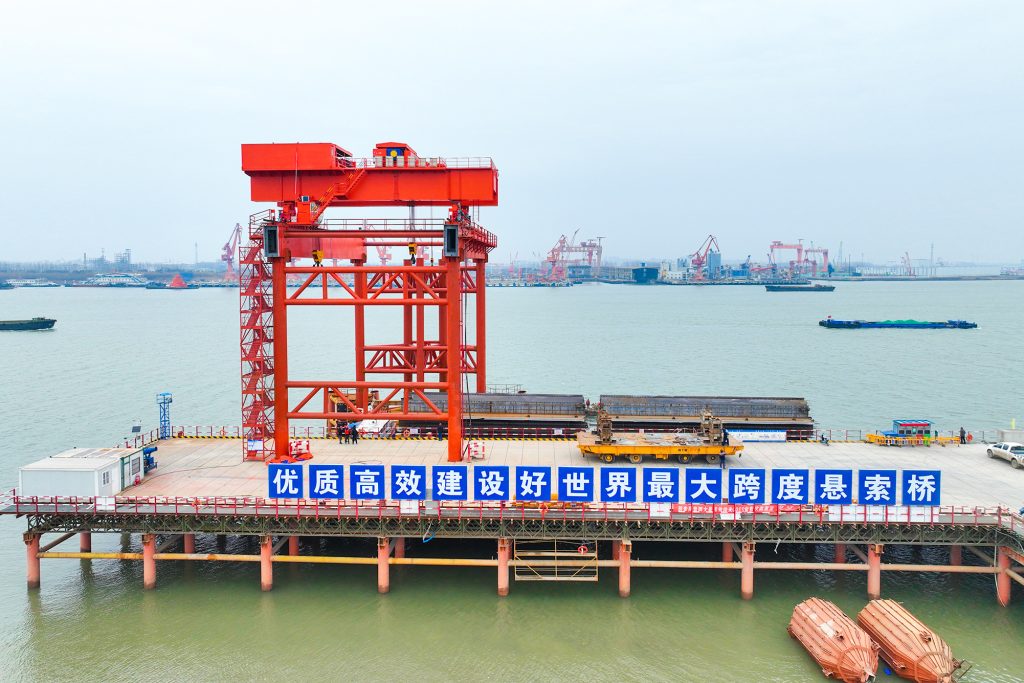
Bridge fabrication, metro construction and ship block assembly.
Automated storage and retrieval for plates, cables and bins.
Follow project dispatches, crane engineering and factory acceptance.
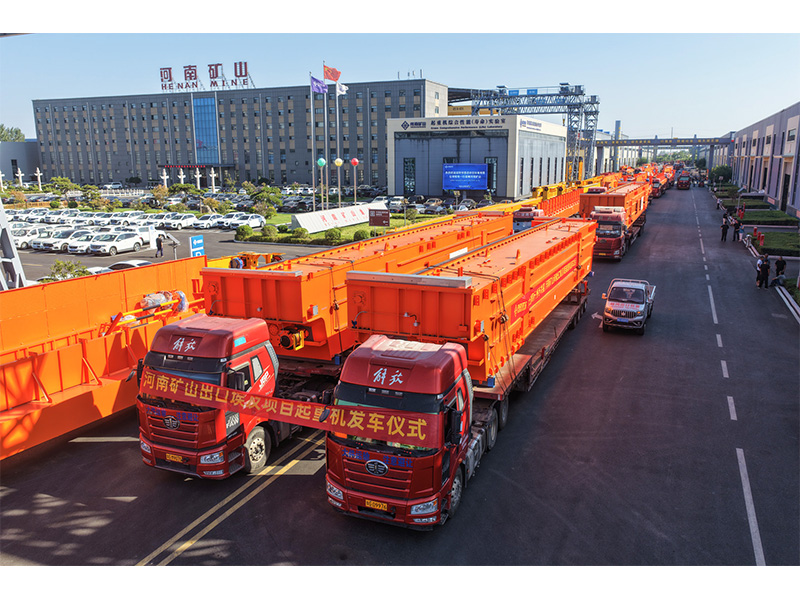
Dispatch, installation and equipment in service
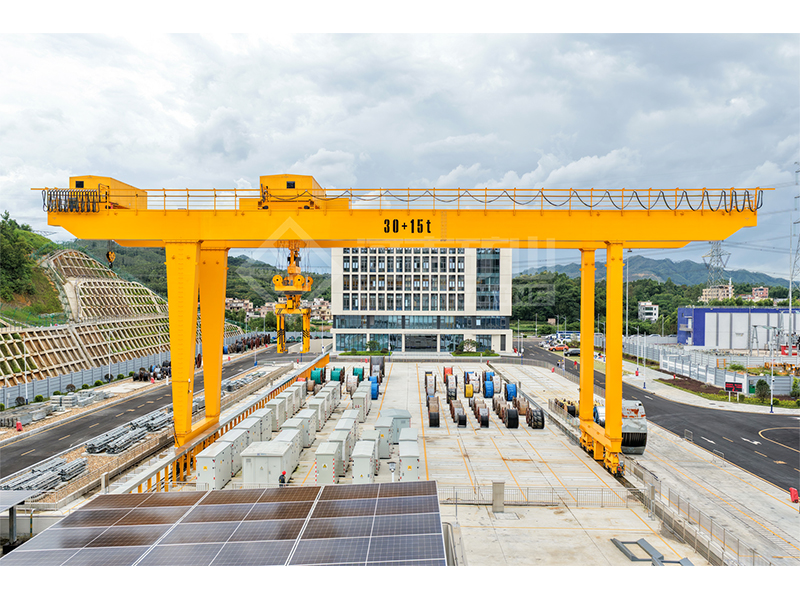
Crane configurations and handling technology
Factory inspections, acceptance and test programmes

Company developments, people and community programmes
Lift and lower at a defined workstation without installing a travelling trolley. A top-hook chain hoist can serve a rated beam, bracket or jib lifting point when the suspended load only needs vertical movement at that position.
Choose fixed top-hook suspension when the lifting point does not need to move along a beam. Specify the complete suspended mass, upper and lower hook positions, support rating, duty and site power; then compare actual load, chain falls, speed and headroom on the selected unit schedule.
Specify the selected unit, installation interface and supply boundary in one comparable quotation.
Use where loads are raised and lowered at the same position; choose a matched travelling trolley if the hook must move along a beam.
Measure from the rated support to the highest required hook position and leave space for the hoist body and stored chain.
The quotation should pair rated load, chain falls, usable travel, speeds, supply voltage and working duty for the actual offered hoist.
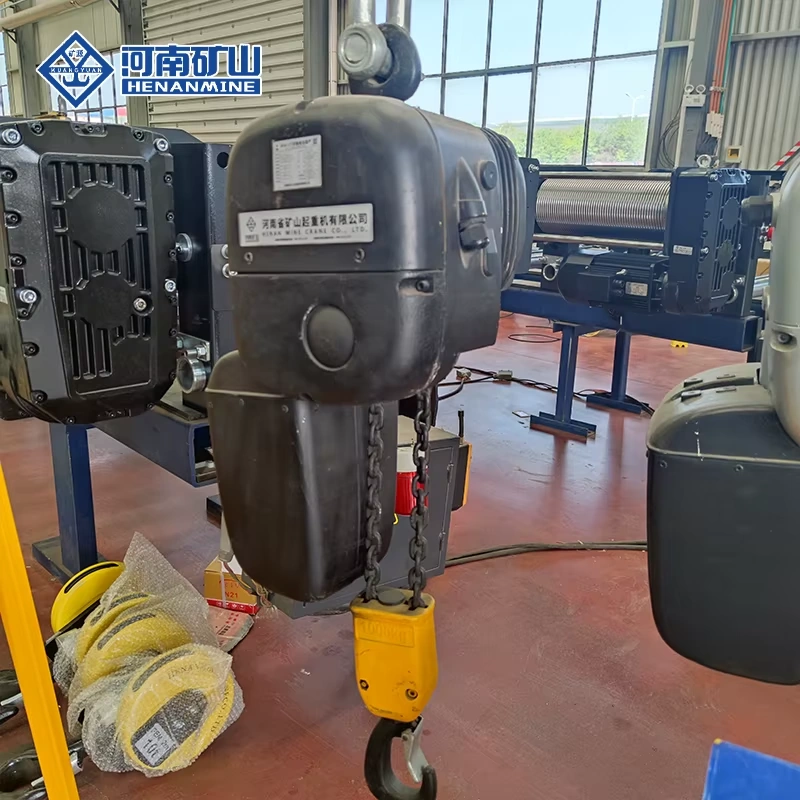
A fixed chain hoist is a compact answer when the load path is vertical and the support is already in the right place. The purchasing question is whether the selected hook can reach both ends of the lift safely.
Raise parts into a fixture or machine at a dedicated assembly point without reserving floor space for mobile lifting equipment.
Remove a pump, motor or tooling assembly at a rated overhead point, then plan the separate route for moving the load away.
Combine vertical hoisting with a suitably rated jib's coverage, with both pieces of equipment checked for the same load case.
This configuration has no powered horizontal travel of its own. If the load must move along an I-beam, compare the travelling chain-hoist arrangement and its beam interface.
These installation choices share the same fixed vertical-lift principle. The support, hook position and operator location determine the appropriate unit and accessories.
The building support must be verified for the hoist, rigging and dynamic lifting load.
The jib structure and hoist must be checked together; a hoist rating does not establish jib capacity.
If the load must travel sideways after lifting, define a separate trolley or handling system.
Swipe to compare the complete selected configuration
| Configuration | Support arrangement | What to measure | What the offer must confirm | Buyer check |
|---|---|---|---|---|
| Fixed workshop beam | A rated beam or bracket above one workstation. | Support capacity, attachment geometry, hook travel and available space for the chain container. | Top suspension, installation height, selected chain length and control-cable reach. | The building support must be verified for the hoist, rigging and dynamic lifting load. |
| Jib lifting point | A rated point on a jib arm serving a defined work area. | Jib capacity at operating radius, rotation envelope and load approach. | Suspension interface, hook coverage, control position and any movement restrictions. | The jib structure and hoist must be checked together; a hoist rating does not establish jib capacity. |
| Service or maintenance station | A fixed lift for occasional component removal or replacement. | Heaviest assembly including rigging, removal height, lift frequency and access path. | Duty, upper and lower limits, handling of removed parts and maintenance access. | If the load must travel sideways after lifting, define a separate trolley or handling system. |
Load, height, chain falls and speed are selected together for the exact unit. Do not combine independent catalogue maxima into an unsupported configuration.
A tonnage request is only the beginning. Send the support and hook path so the selected hoist can be installed and operated as intended.
Include the workpiece, slings, lifting beam and fixtures in the maximum load.
Mark the lowest pickup and highest placement points and show the available headroom above the load.
Show the rated beam, bracket or jib point, mounting height and space for the hoist body and chain container.
State lifts per hour, shifts, voltage and frequency, operator position and required speed or precise placement.
The fixed arrangement is simple only when the complete installation has been measured. The drawing should show the support point and both ends of usable hook travel.
Check support strength, suspension hardware, side loading restrictions and clearance from nearby services.
Keep the hanging chain and container clear of machinery, personnel routes and the moving load.
Choose pendant or agreed remote operation, cable length and the site voltage and frequency for the actual unit.
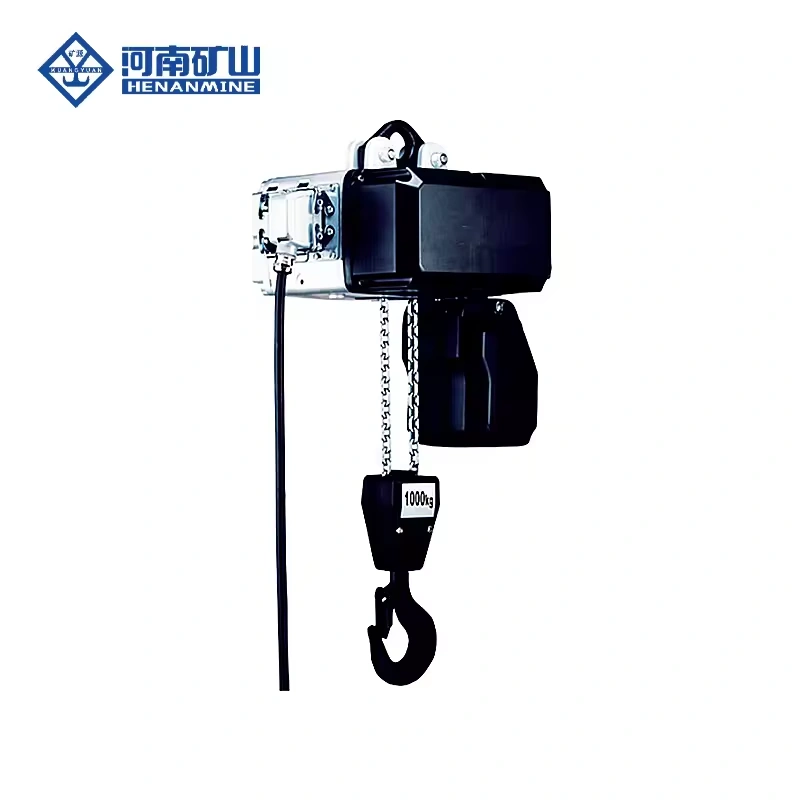
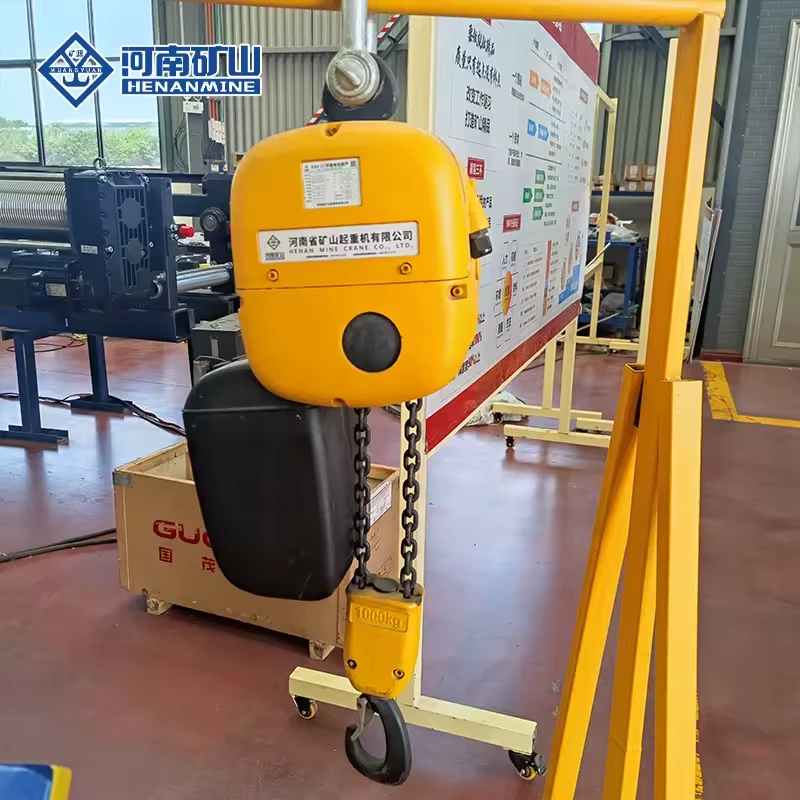
Compare quoted packages at the same load, lift and duty. An incomplete supply can leave the support, control or chain length unresolved at installation.
Obtain the exact rated hoist, suspension fitting, chain length and container, control station and limits on one itemised schedule.
Request the selected-unit drawing, operating instructions, test record and electrical documentation required for the destination.
Agree pre-dispatch function checks, site support verification, electrical connection and commissioning responsibility.
Confirm inspection intervals, chain and brake service information, parts identification and warranty support.
The written quotation should confirm the minimum order and list one complete selected hoist package rather than a bare motor unit.
Confirm model and serial identification, test records, electrical documents and any market-specific requirement before order.
The offer should separate technical approval, manufacture, factory inspection, dispatch and transit.
Agree commissioning responsibility, parts availability and how faults will be reported and resolved.
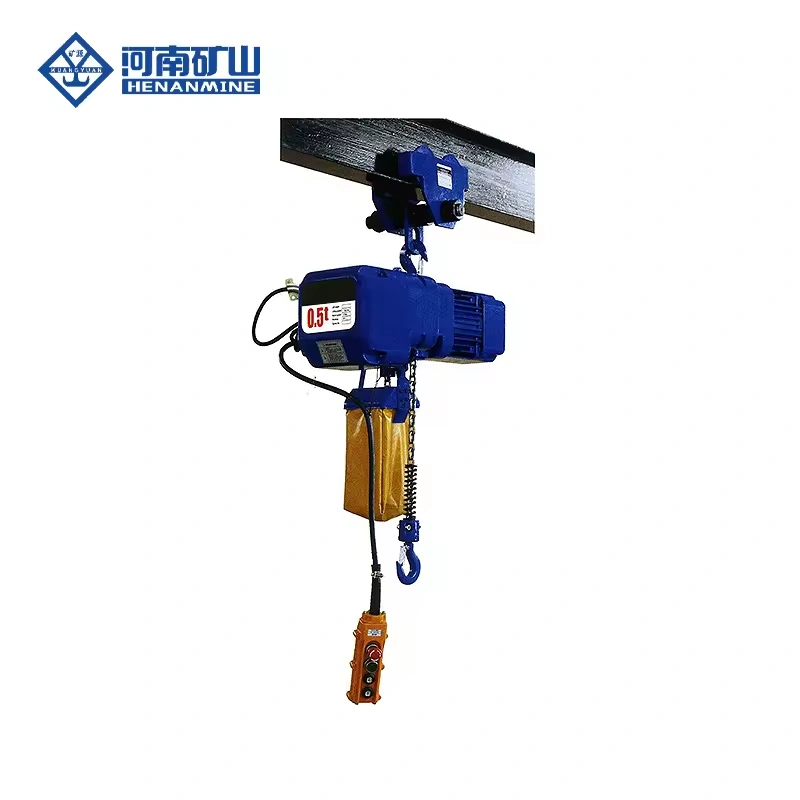
Choose beam travel when the load needs horizontal movement.
View configuration ↗Compare fixed and travelling arrangements side by side.
View configuration ↗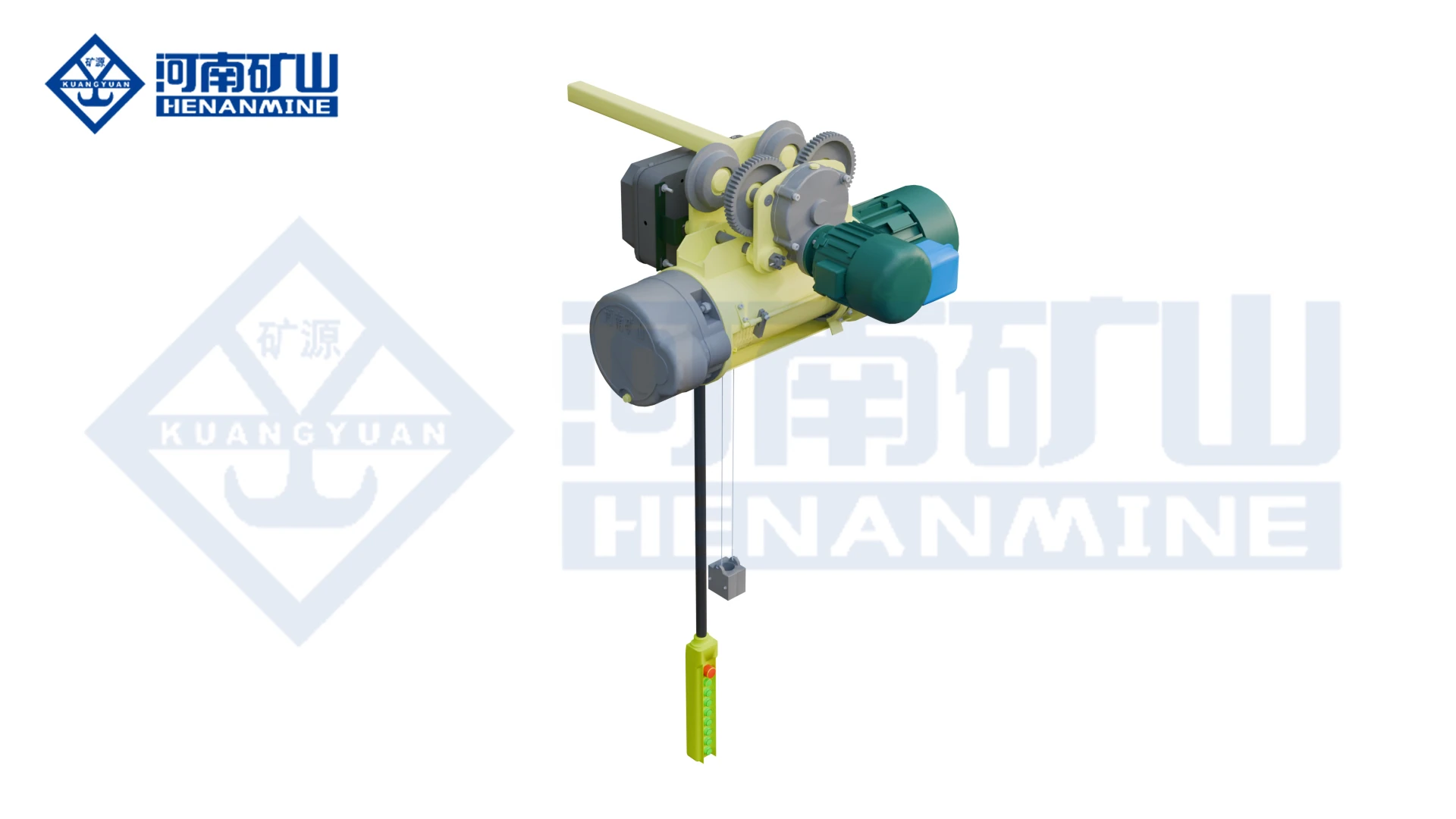
Compare a wire rope design for a different lifting duty or hook travel.
View configuration ↗Resolve fit, delivery and scope before placing the order.
No. It lifts vertically at the rated suspension point. For beam travel, specify a chain hoist with a matched trolley and verify the beam dimensions and travel route.
No. The exact unit must also provide the required usable hook travel, duty, speed, suspension fit, power and chain-container clearance.
Show the support point, rated structure, mounting height, highest and lowest hook targets, nearby obstructions and operator position.
Share the load and support details. We will return a selected arrangement with the hook dimensions and supply scope needed for purchase.
Request a fixed-hoist offer