
HENAN MINE CRANE / HAZARDOUS-AREA LIFTING
BKS Explosion-Proof Electric Wire Rope Hoist
Lift and position equipment in a classified work area with a BKS flameproof wire rope hoist. Configure the lifting unit and trolley around the complete load, hook travel, available headroom and the explosion-protection requirements of your site.
Send the required capacity, lifting height, power supply and project location. Include the hazardous-area classification or required equipment marking when available so the quotation can define the lifting unit and protected installation together.
ModelBKS
Lifting mechanismElectric wire rope
Protection designFlameproof family
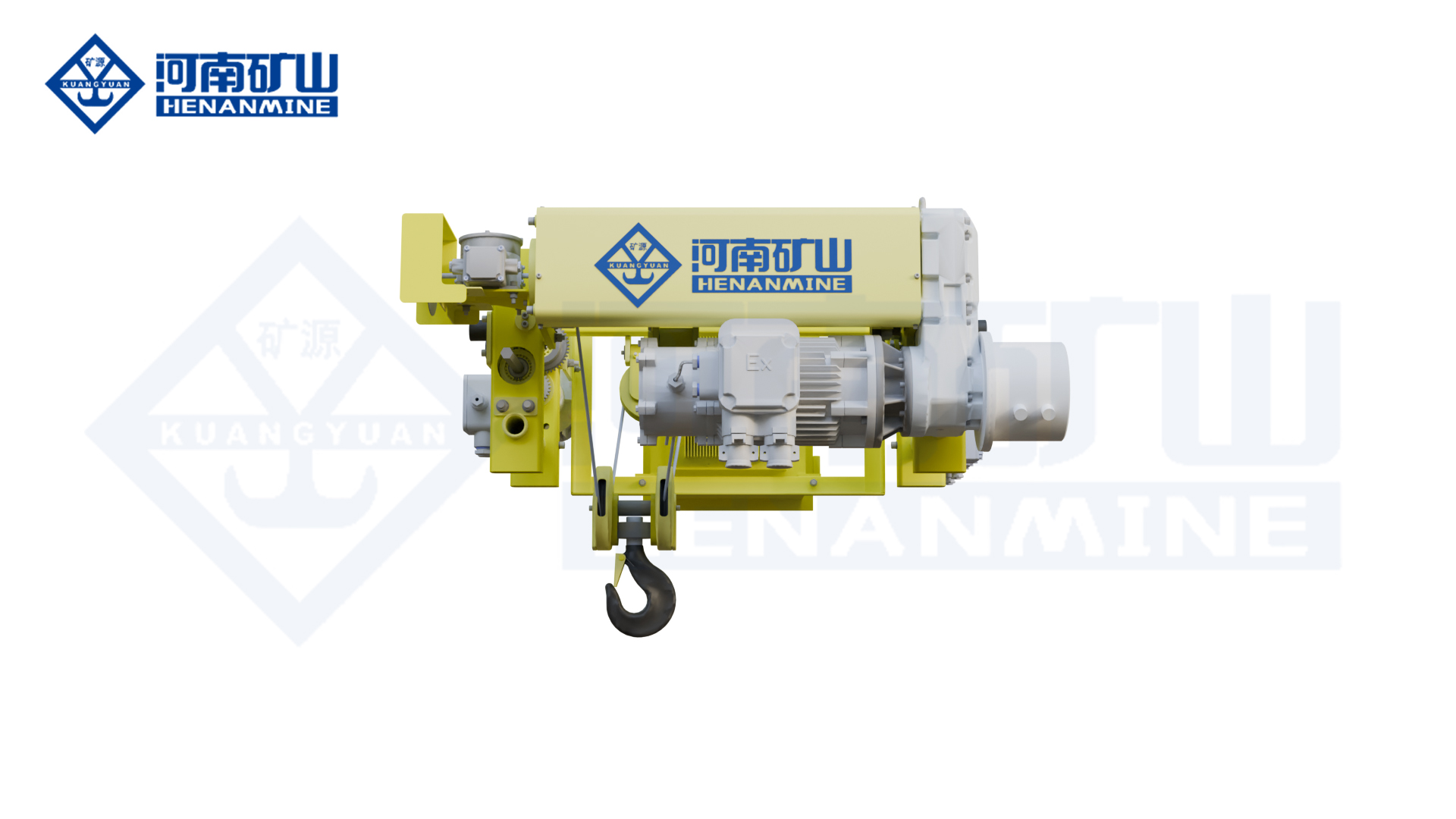
Shown arrangementTrolley-mounted hoist
Your quotation pairs the lifting specification, equipment marking, drawings and agreed supply scope.
01 / BEFORE YOU ORDERA defined lifting package
Pair rated load, hook travel, speeds and duty on one technical schedule for the equipment offered.
02 / BEFORE YOU ORDERTravel where the process needs it
Add a matched trolley when the hook must move between positions along a suitable beam or crane.
03 / BEFORE YOU ORDERDocuments matched to the unit
Agree the equipment marking, protected component scope and destination documents before ordering.
01 / APPLICATIONS
Start with the lifting task, then match the proposed assembly to the area classification and installation.
BKS hoists for classified maintenance and material handling
Transfer along a process bay
Move a load between pickup and service positions with a compatible trolley. Define the route and which drives, controls and power-feed parts enter the classified area.Plant retrofits and restricted space
Compare the highest usable hook position, end approach and maintenance access with existing pipework, equipment and supporting steel.The exact equipment marking and approval scope must match the site. Gas or vapour protection does not establish suitability for combustible dust.
02 / TECHNICAL SELECTION
Use one technical schedule to define the exact rated load, hook travel, speeds and protection scope being purchased.
BKS technical selection & specification checklist
| Product model | BKS explosion-proof electric wire rope hoist |
|---|---|
| Protection design | Flameproof wire rope hoist family; exact offered marking and certificate scope to match the site |
| Rated capacity | Selected for the maximum workpiece plus below-the-hook lifting equipment |
| Lifting height | Specified from the required highest and lowest hook positions |
| Lifting and travel speeds | Paired with the selected capacity, operating cycle and protected drives |
| Mounting | Trolley-mounted arrangement shown; a fixed lifting-point requirement needs a specific engineered offer |
| Trolley interface | Beam flange or host-crane interface, wheel loads and approach dimensions checked on drawing |
| Duty | Specified from load pattern, lifts per hour and shifts per day |
| Power supply | Site voltage, phase and frequency stated in the offer |
| Controls | Operator position, required motions, pendant or proposed remote interface defined in the protected scope |
| Area classification | Applicable zone or division, substance group and site standard supplied by the project |
| Temperature and ambient conditions | Required temperature classification and site ambient conditions matched to the offered equipment |
| Electrical boundary | Hoist, trolley drive, controls, cable entries and power-feed interfaces identified together |
| Approval dimensions | Headroom, hook envelope, end approach and inspection clearances |
| Documents | Exact equipment identification, applicable approval and test records, drawing, wiring information and operating instructions |
Request the selected-unit data sheet and arrangement drawing before technical approval. Dimensions, performance and protection documents belong to the exact configuration offered.
03 / CONFIGURATIONS
Discuss these installation options with your enquiry. The technical offer confirms which arrangement can be supplied for your project.
Choose the lifting and travel arrangement
Swipe to compare the installation requirements
| Arrangement to discuss | Lifting task | Mechanical checks | Protected scope to define |
|---|---|---|---|
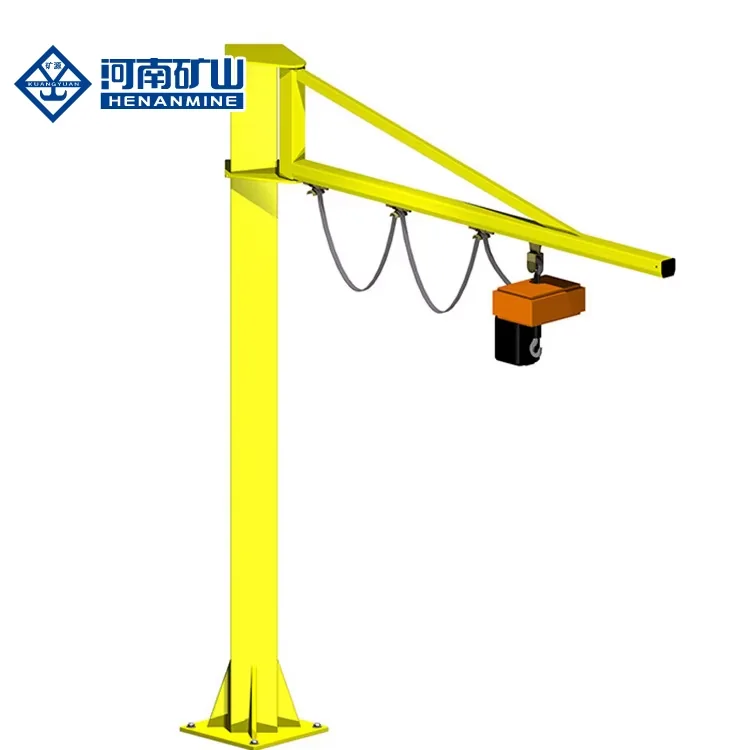
| Fixed lifting-point proposal | Vertical lifting at one rated support, subject to the engineered offer | Suspension, highest hook position and maintenance access | Hoist, controls and connection interface at the lifting point |
| Beam-travelling hoist | Lift and carry the load along one beam | Beam section, trolley fit, travel length and end approach | Hoist, trolley drive, operator controls and travel power feed |
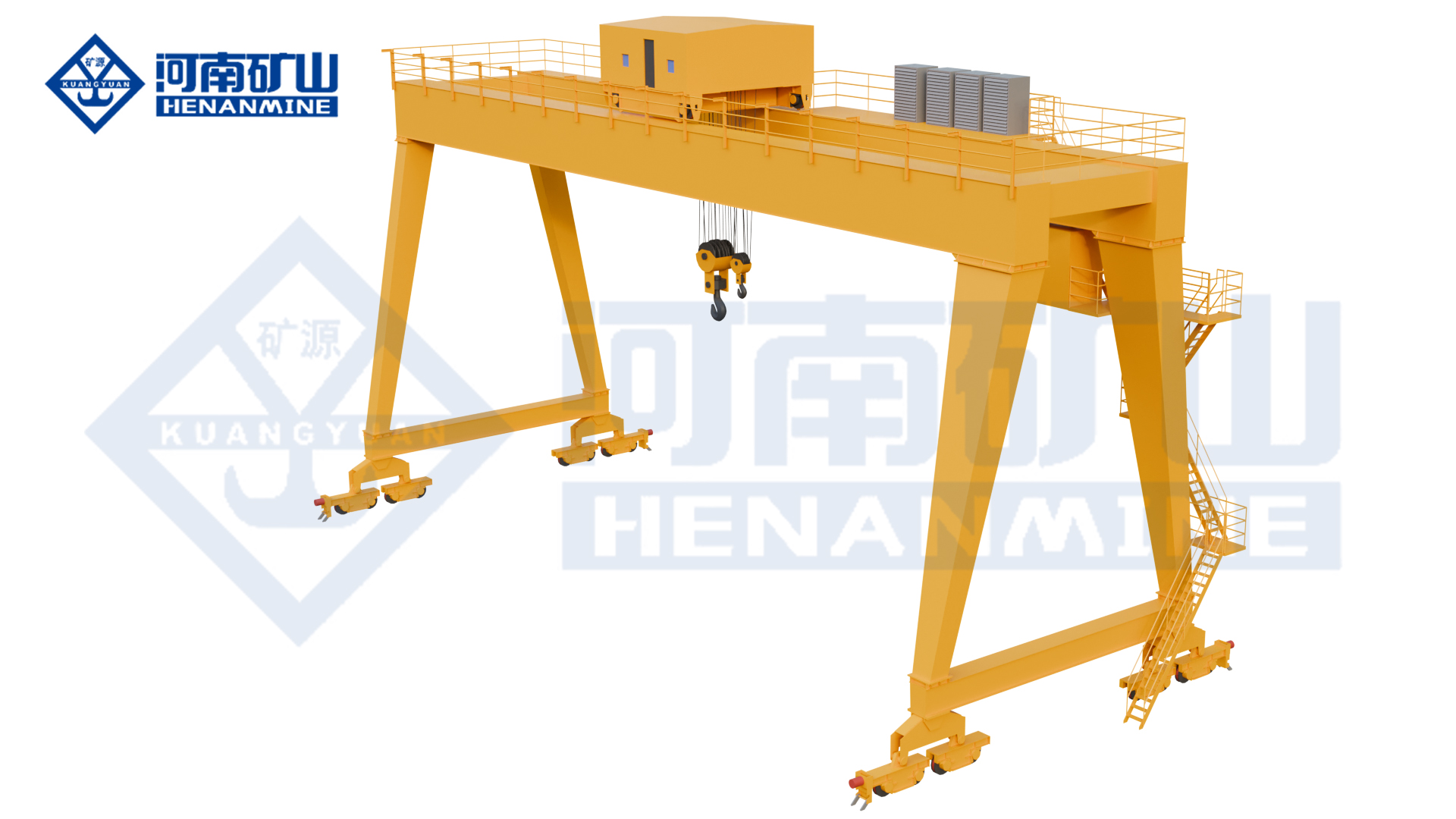
| Hoist within a crane system | Lifting as part of a matched overhead or gantry crane | Crane rating, trolley interface, hook coverage and wheel reactions | All supplied components operating within the classified boundary |
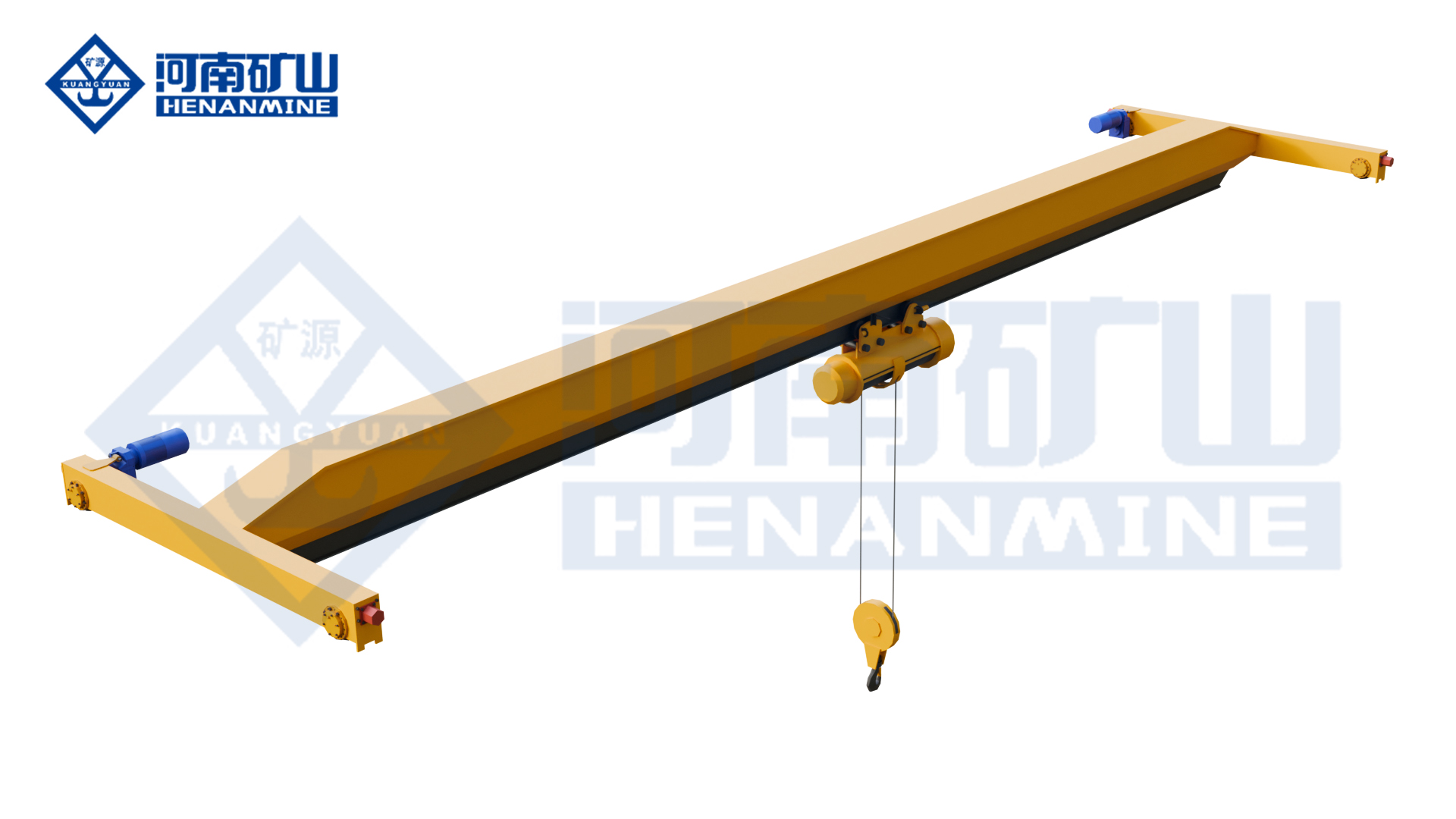
The product images show a trolley-mounted BKS hoist. A fixed lifting-point proposal requires its own suspension design and written technical offer.
04 / EQUIPMENT VIEWS
Use the product views alongside a dimensioned approval drawing to review the offered arrangement.
Review the BKS trolley and drive layout


05 / SUPPLY SCOPE
Compare the complete package, from the lifting unit to the documents and installation interfaces.
Define what is included with your BKS hoist
Selected hoist and trolley
Identify the rated load, rope length, drum and hook arrangement, trolley where required, selected speeds and duty on one equipment schedule.Controls and electrical interfaces
List the control station, motion commands, limits, emergency stop, power feed and protected electrical components included in the offer.Drawings and inspection records
Agree the dimensioned arrangement, equipment marking, relevant approval documents, inspection plan and functional test records for the unit supplied.Installation and maintenance support
Define the installation boundary, final connection, site acceptance, operating instructions, replacement components and service responsibilities.
06 / BKS HOIST PRICE
Request a configuration-specific BKS price
BKS pricing depends on the selected capacity, lifting height, mounting, duty, controls and required protection scope. Ask for the exact equipment marking and document schedule alongside the equipment price.
Compare the same package in each offer: a lifting unit alone can omit the powered trolley, travel power feed, control station or destination documents. Ask for separate prices where you need optional controls, spares, packing, freight, installation or commissioning.
Confirm quotation currency, validity, delivery terms and the agreed inspection scope. The final offer should identify what is included before technical approval and production.
Request an itemized BKS quotation
07 / ORDERING & SERVICE
Agree the commercial terms with the technical scope
One lifting point or a plant package
Send a one-unit requirement or the quantity needed across the plant. The quotation confirms the accepted quantity and complete equipment package.Identify the exact offered assembly
Request the model, equipment marking, document references and component schedule. Include the required destination approval in the enquiry.Dates in the written offer
Agree technical approval, production, inspection and dispatch milestones, then confirm transport time and delivery responsibilities separately.A defined after-sales scope
Set the warranty period, exclusions, service route and spare-parts identification in writing. Include installation and periodic-inspection responsibilities.
08 / RELATED EQUIPMENT
Standard hoists below are for areas where the site assessment permits them. Confirm explosion-protection requirements separately for any classified installation.
Compare other electric wire rope hoists
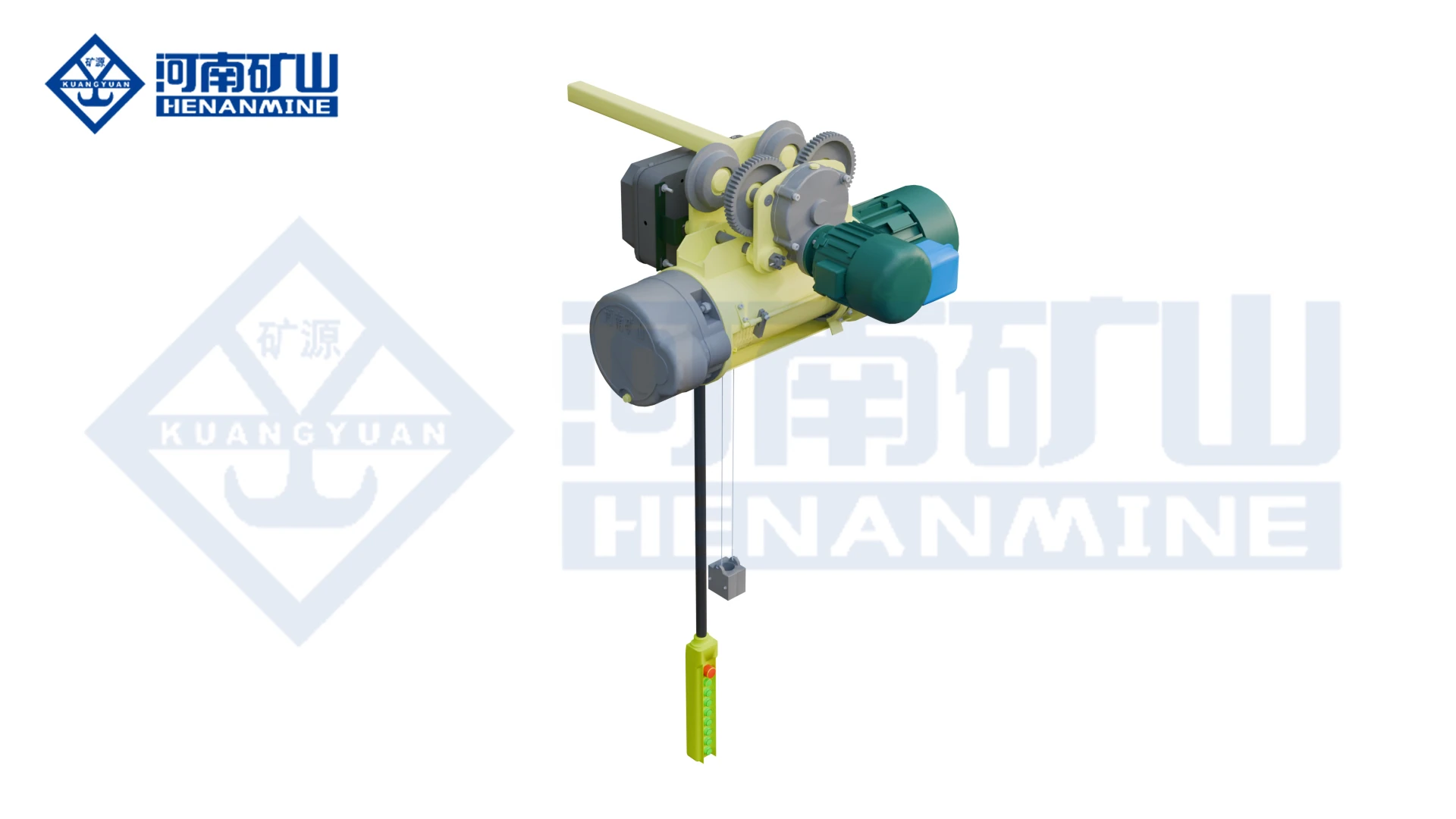
CD Electric Wire Rope Hoist
Conventional wire rope lifting where the site assessment permits standard equipment.
View hoist details ↗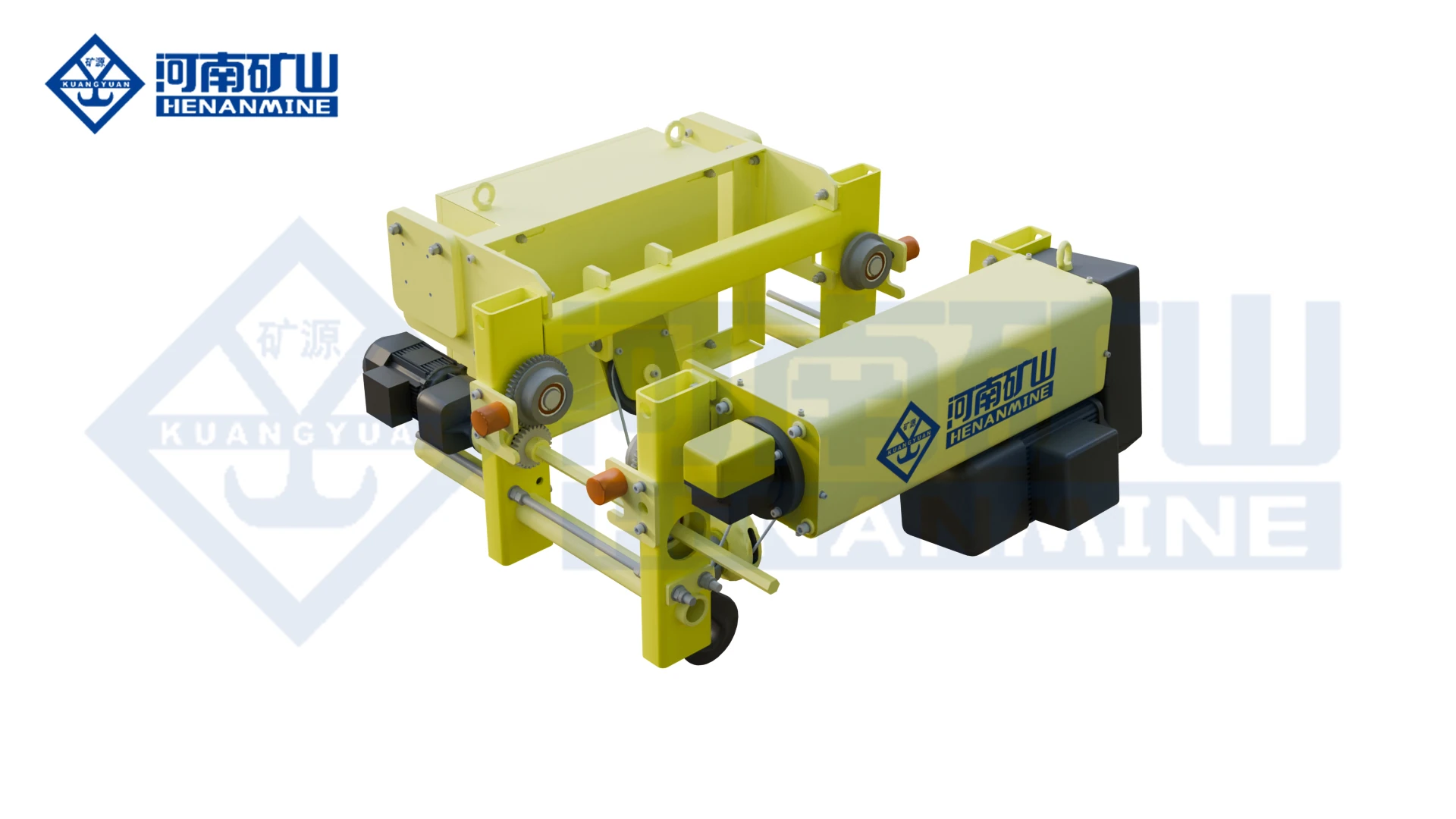
KS Modular Electric Wire Rope Hoist
Modular lifting for non-classified work areas and matched crane installations.
View hoist details ↗Wire Rope Electric Hoists
Wire rope hoist families for different mounting, headroom, duty and protection requirements.
View hoist details ↗
09 / BUYER QUESTIONS
Answers for matching the hoist, installation and quotation to your project.
BKS explosion-proof hoist purchasing FAQs
What is a BKS explosion-proof wire rope hoist?
BKS is a flameproof electric wire rope hoist family for selection around a classified lifting application. It uses a wire rope lifting mechanism; the exact capacity, mounting, speeds and explosion-protection scope belong to the unit offered.
Which area classification and certificate do I need?
Use the plant's area assessment and destination requirements. Provide the zone or division, substance group, temperature requirement and ambient conditions, then match them to the exact equipment marking and documents. Suitability is established for the offered assembly and installation.
Are ATEX or IECEx documents included?
State the approval required for your destination before ordering. Ask the offer to identify the applicable documents and exact model coverage, including the trolley and controls where supplied. The BKS model name alone does not establish ATEX or IECEx certification. Request the exact offered equipment documents and scope.
Can a gas-area hoist also work around combustible dust?
Gas or vapour protection does not automatically establish suitability for combustible dust. Identify the substance and the site's classification. Request a separate technical assessment and an explicitly matched equipment and document scope before selecting a dust-area configuration.
How do I choose capacity and lifting height?
Include the workpiece and all below-the-hook attachments in the load. Measure the required highest and lowest hook positions and describe the operating cycle. The supporting structure review also includes hoist and trolley self-weight and applicable operating loads.
Can the hoist run on my existing beam?
Send the beam section, flange dimensions or crane trolley drawing, plus the route length and required end approach. The selected trolley must fit the actual track, and the existing structure must carry the installation loads.
Are the trolley, pendant and remote controls included?
Their inclusion depends on the quoted package. Define lifting and travel motions and the operator's position, then require the offer to identify each supplied drive, control and electrical interface within the classified area.
What should I send for a BKS quotation?
Start with complete load or required rated capacity, lifting height, quantity, power supply and destination. Add the area classification or required marking, mounting details and expected duty. A beam photo or plant sketch is useful when a full drawing is not yet available.
Can I replace an existing explosion-proof hoist?
Send the old nameplate, certificate references if available, installation dimensions and current site classification. Check the replacement hoist, controls, travel interface and supporting structure together; a matching tonnage alone does not establish compatibility.
HENAN MINE CRANE / TECHNICAL QUOTATION
Get a BKS explosion-proof hoist quotation
Send the complete load, hook travel, quantity, site power and destination. Add the plant classification or required equipment marking so the offer can cover the right hoist, trolley and protected electrical scope. Send your BKS requirementsBKS Explosion-Proof HoistProject quotation
Get a quotation