China
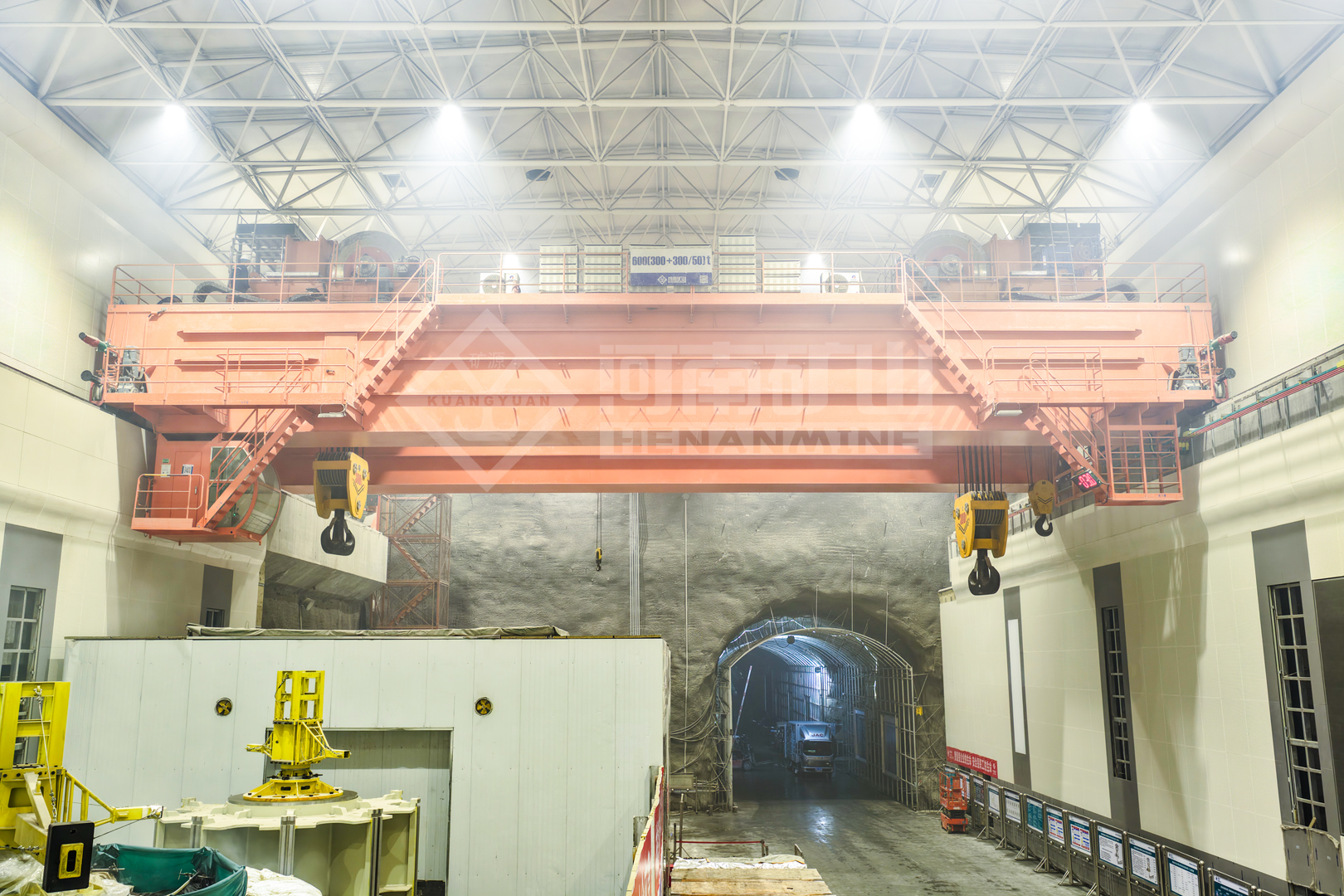
600 t Low-Headroom Overhead Crane for a Pumped-Storage Powerhouse
A 600 t overhead crane combines a low-headroom arrangement with synchronized dual hooks, anti-sway and digital monitoring.
Read the project case ↗Compare powerhouse, wind-energy, thermal-power and precision equipment-handling projects.
A 600 t overhead crane combines a low-headroom arrangement with synchronized dual hooks, anti-sway and digital monitoring.
A 600 t overhead crane combines a low-headroom arrangement with synchronized dual hooks, anti-sway and digital monitoring.
Read the project case ↗Choose the operating environment, then review the project location, equipment and delivery or acceptance stage.
A 600 t overhead crane combines a low-headroom arrangement with synchronized dual hooks, anti-sway and digital monitoring.
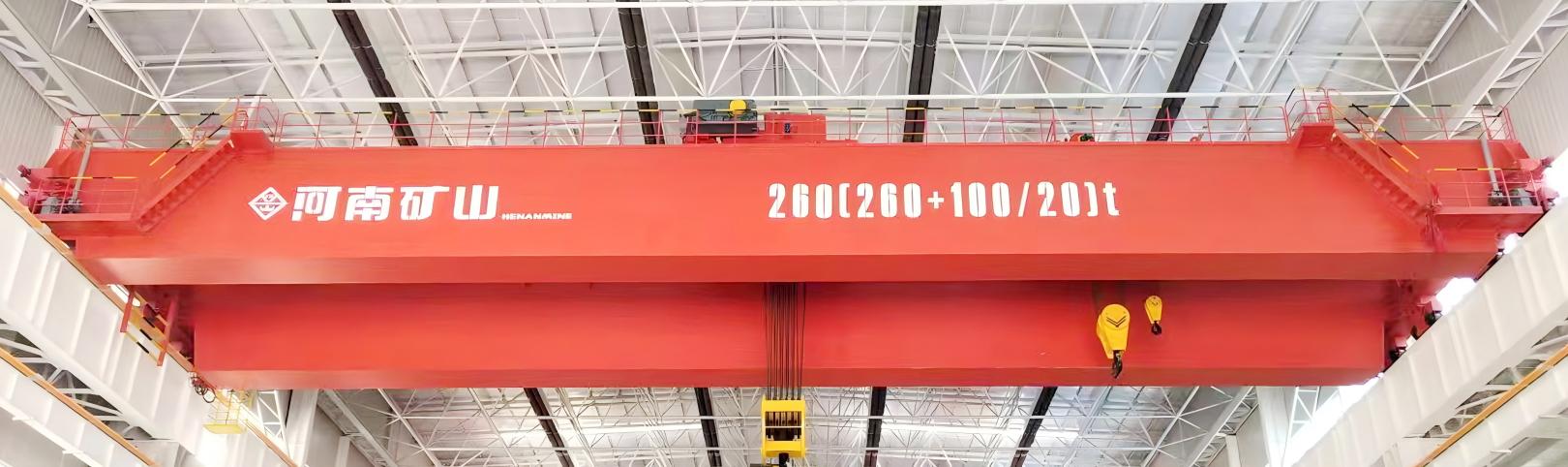
Dozens of crane units support offshore wind assembly with high lift, synchronized hooks and digital monitoring.
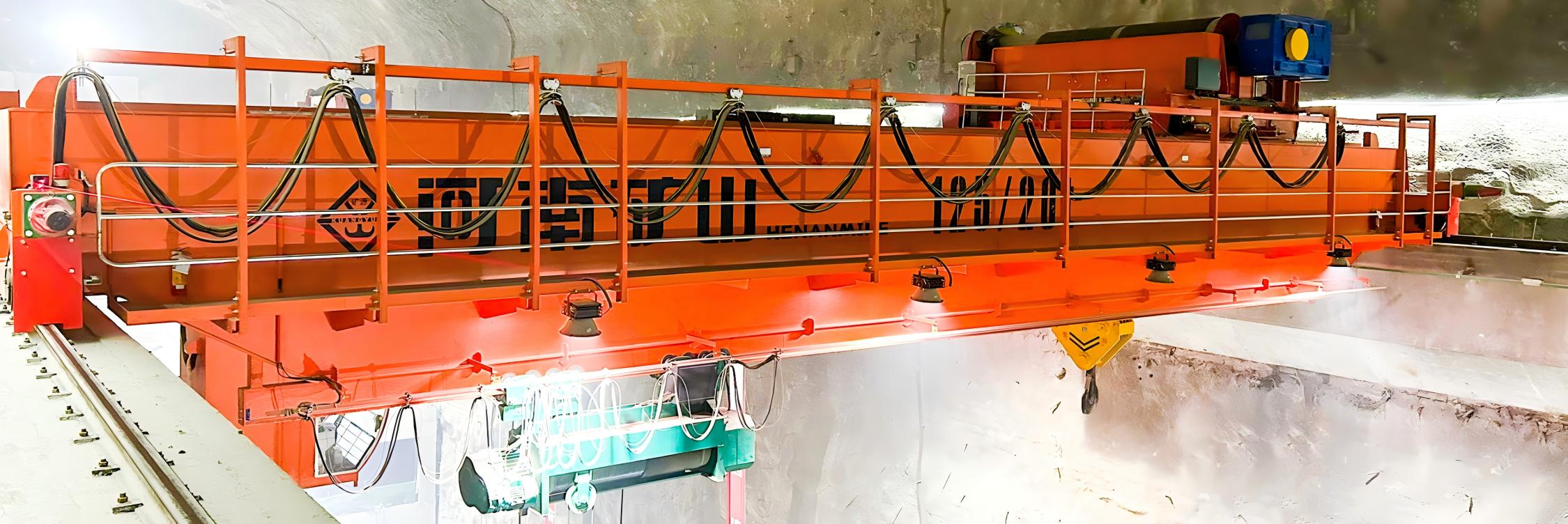
Overhead cranes including 125 t equipment support underground pump-station unit lifts with synchronized lifting points and diagnostic monitoring.
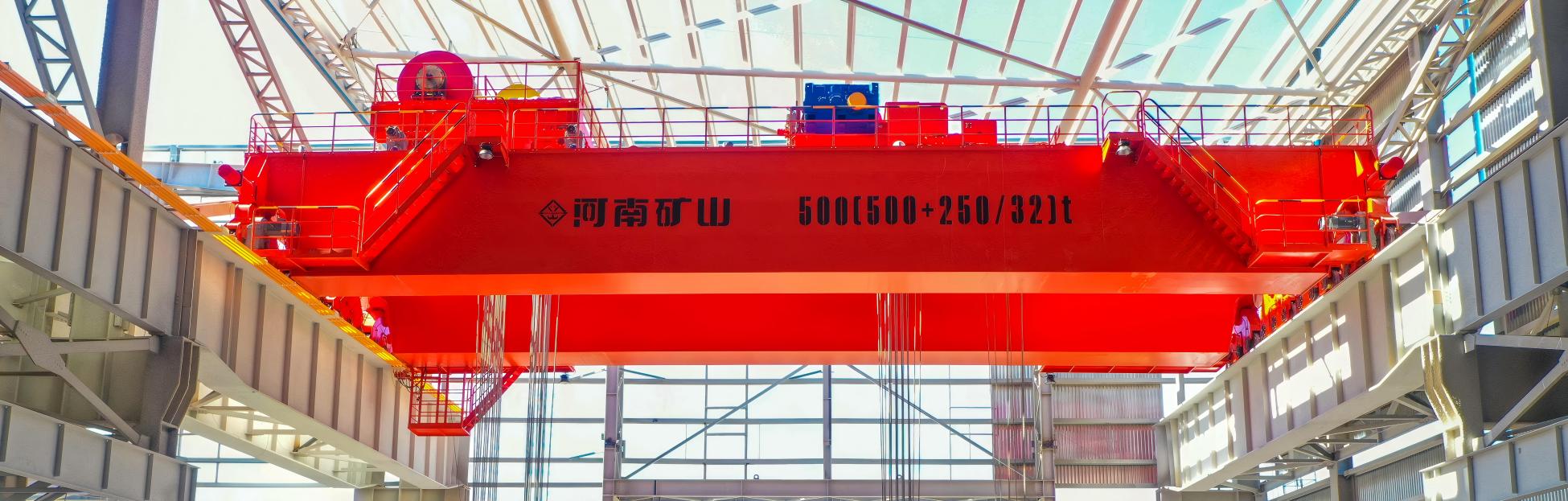
A 500 t double-trolley overhead crane is part of a 43-unit first-phase package for offshore wind equipment handling.
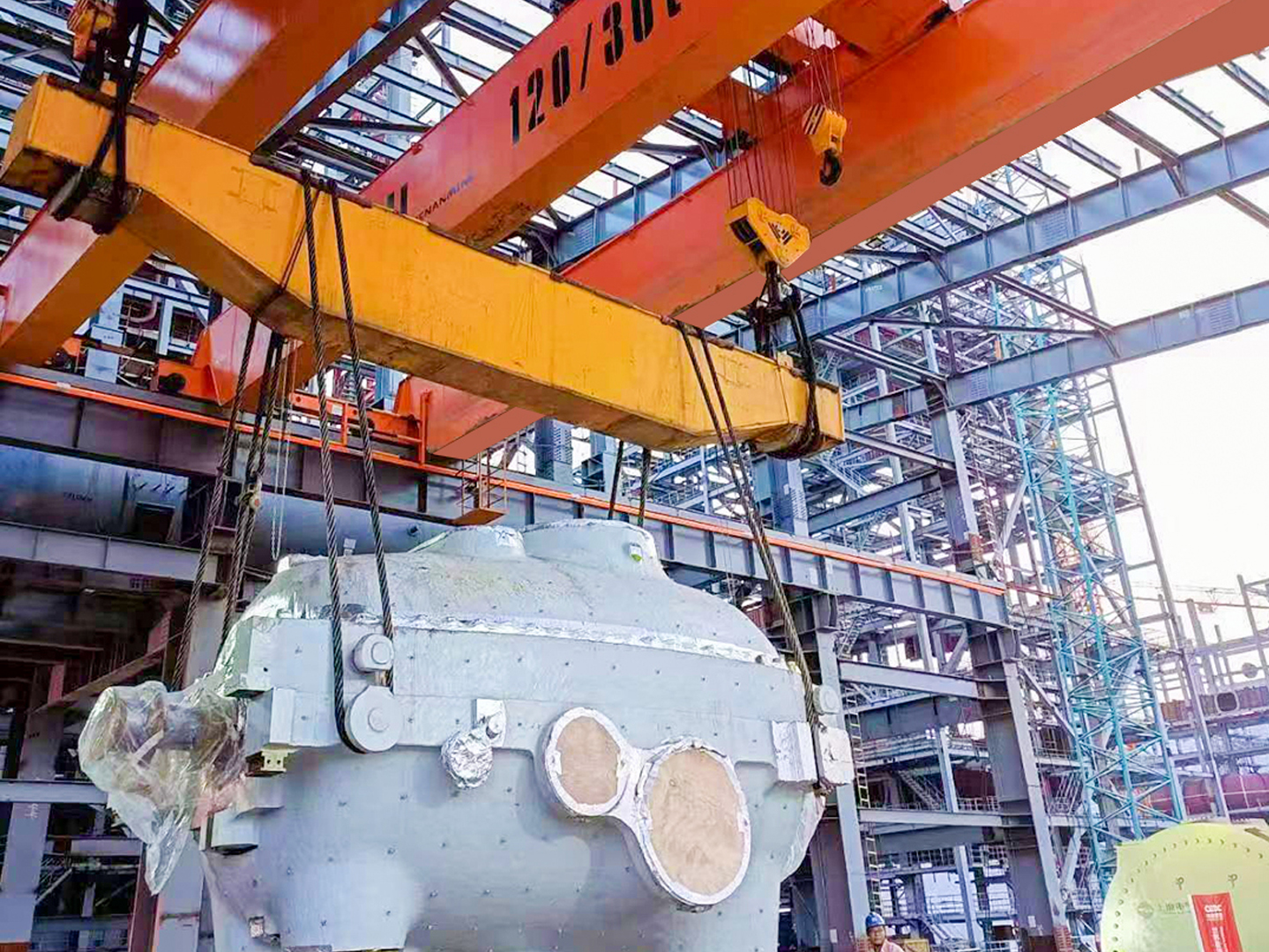
Two new-design 120 t double-girder cranes support installation work for three 380 MW thermal-power units.
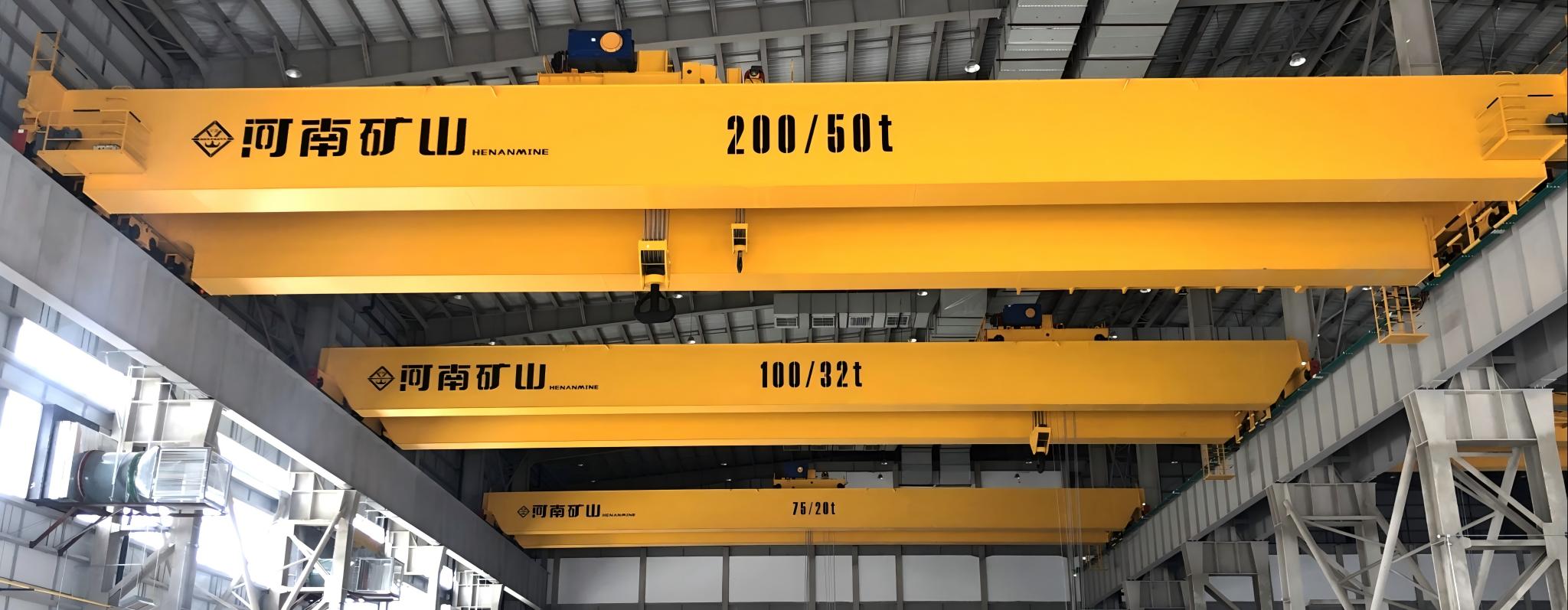
Large-span, full variable-frequency cranes support wind-turbine main-unit production and assembly with modular equipment interfaces.
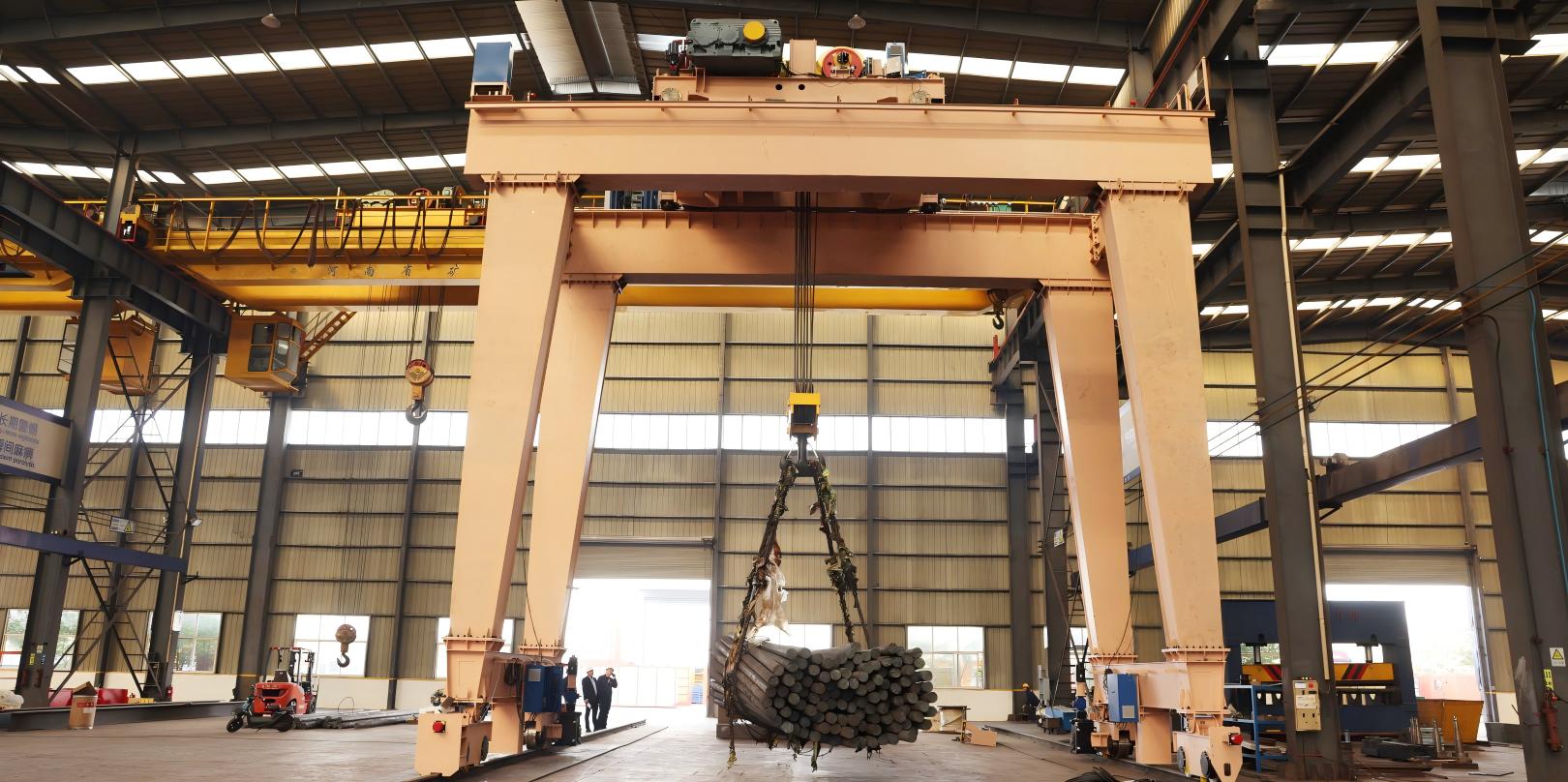
A 100 t double-girder gantry completed heavy-load positioning tests, with servo travel and dual hoist brakes.
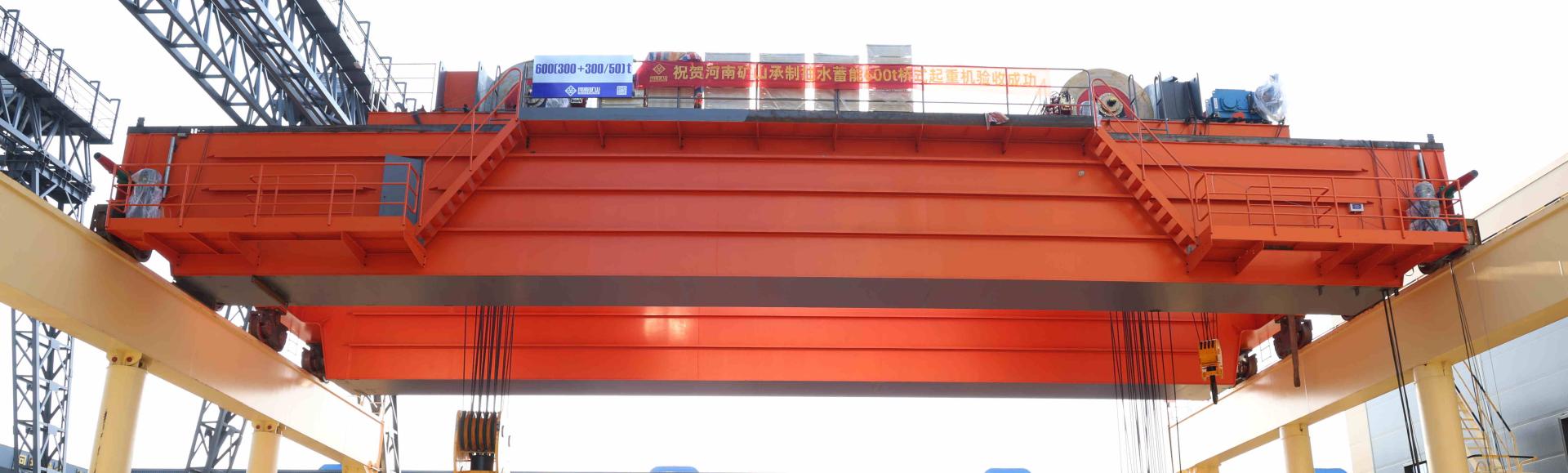
A 600 t overhead crane combines high-strength steel, synchronized hooks, anti-sway and digital monitoring for powerhouse lifting.
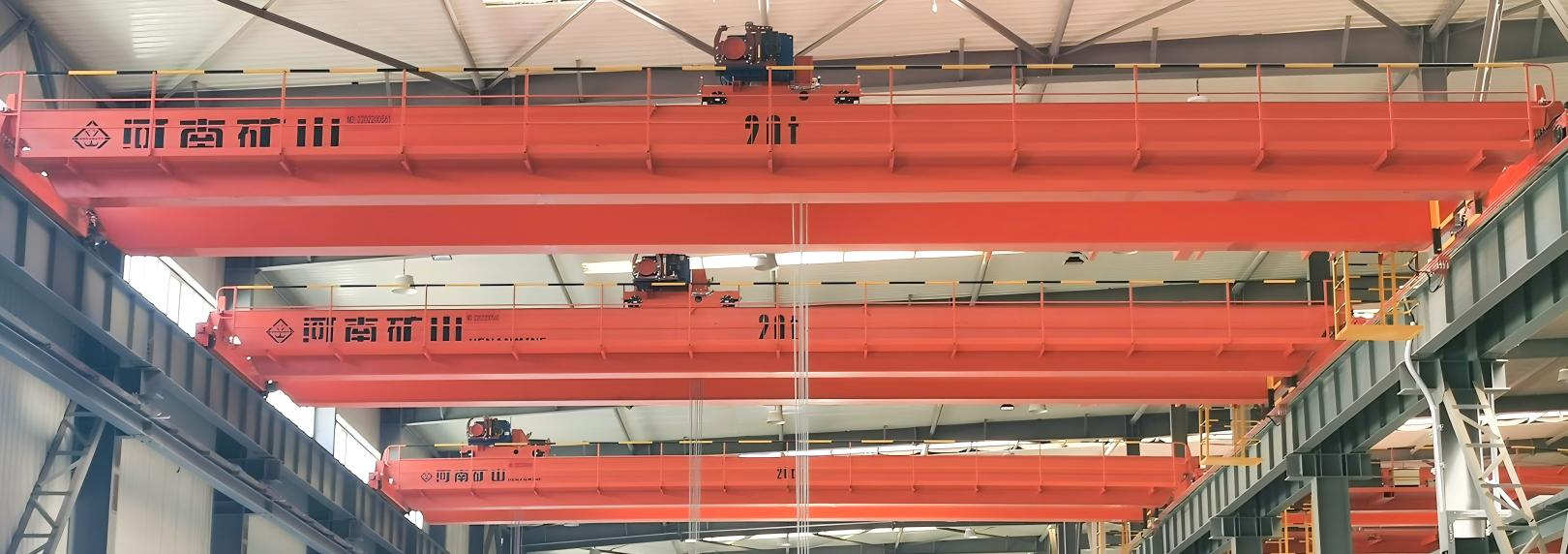
Eighteen high-precision crane units use full variable-frequency control and modular electrical interfaces for a clean-energy equipment project.
A project photo proves the configuration existed. Your purchase still needs a site-specific lifting envelope, duty, interfaces and delivery scope.
Maximum weight, rigging, pickup and placement points, travel distance and clearances.
Lifts per shift, load spectrum, temperature, wind, corrosion and protected-area classification.
Runway or rail, power feed, lifting attachment, controls, automation and emergency recovery.
Manufacturing documents, inspection, shipping limits, erection, testing, training and service.
Share drawings, loads, operating cycle and destination. We will review the technical configuration and delivery boundaries with you.