
Chemical equipment maintenance
Lift pumps, valves and process components for removal or reinstallation. Match the hook coverage to the equipment positions and the gas-protection package to the classified work area.
Bridge cranes for workshops and production lines.
Explore Overhead Cranes
Ground-supported lifting for yards and construction.
Explore Gantry Cranes
Wire rope and chain hoists for lifting points and cranes.
Explore Electric Hoists

Wire rope lifting and pulling with a powered drum.
Explore Electric Winches
Grab buckets, magnets and hooks for your load.
Explore Lifting Attachments & Grabs
Mobile handling for containers, precast and yard loads.
Explore Rubber-Tired Gantry Cranes & Straddle Carriers

Lift and move vessels through boatyards and marinas.
Explore Marine Travel Lifts
Ladle, slab, scrap and coil handling across steel production.

Container stacking and cargo transfers across terminals and rail.

Turbine installation, powerhouse maintenance and wind equipment assembly.

Controlled component transfer and positioning for precision assembly.

Heavy fabrication, production lifting and factory crane automation.

Process lifting for smelters, carbon blocks and anode materials.

Clean lifting and classified protection for sensitive process areas.

Bridge fabrication, metro construction and ship block assembly.

Automated storage and retrieval for plates, cables and bins.

Follow project dispatches, crane engineering and factory acceptance.

Dispatch, installation and equipment in service

Crane configurations and handling technology

Factory inspections, acceptance and test programmes

Company developments, people and community programmes
Lift pumps, valves and production equipment beneath suspended workshop runways. LXB brings an underhung single-girder layout together with a protected hoist, travel drives and controls selected for the gas group, zone and temperature class at your site. Match the crane's working coverage to the equipment you maintain and the route between each lifting position.
Start with the heaviest load and approximate working span. If you have a gas-area classification, include it with your enquiry; we can help with the remaining crane choices.
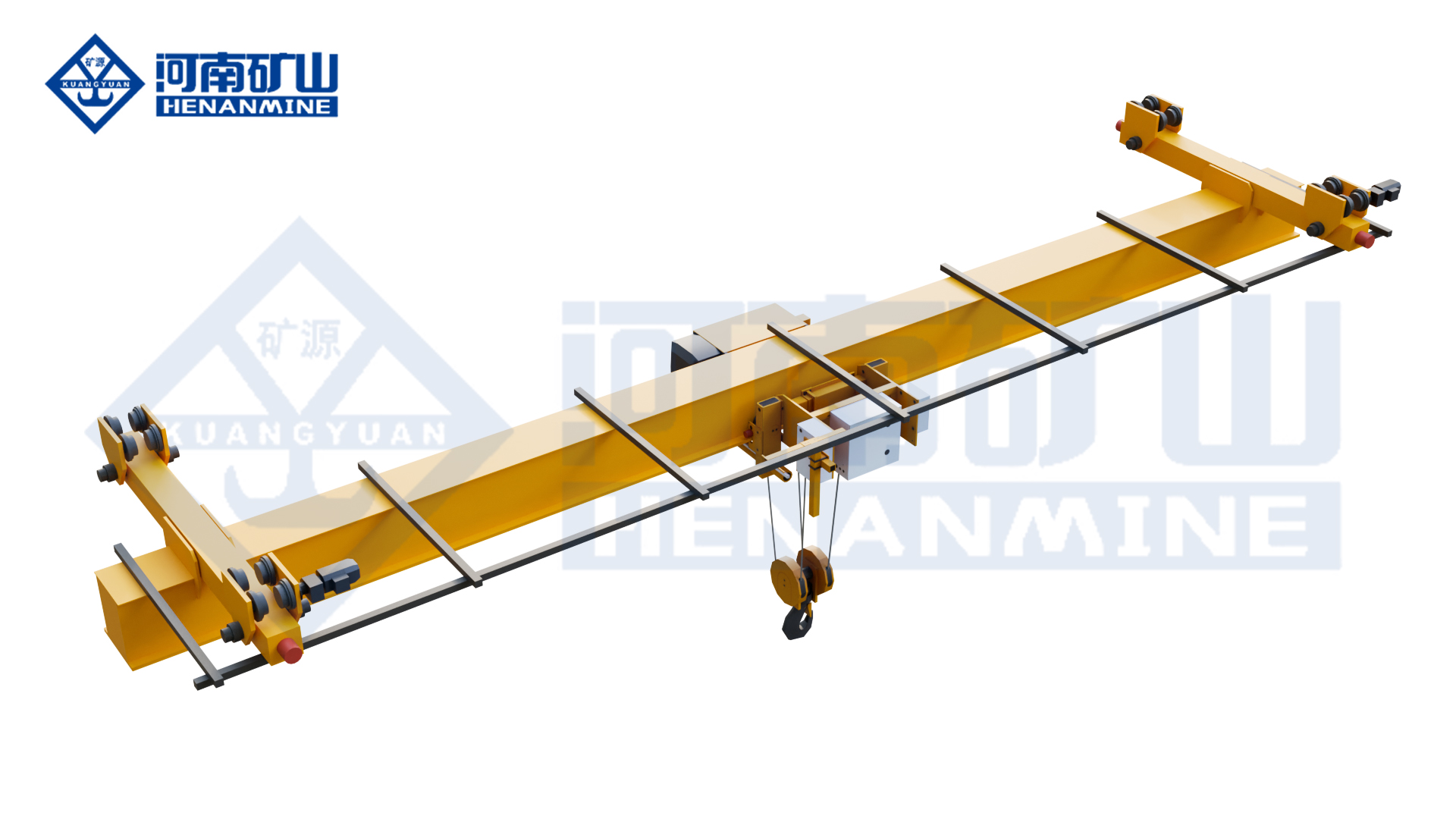
Start with the dimensions you already know. A workshop photo or sketch can help us recommend a configuration.
The bridge travels beneath the overhead runway beams while the hoist moves across the working bay. Plan pick-up and set-down positions around fixed machines and the maintenance route.
Select the hoist, travel drives, controls and power-feed arrangement for the stated gas atmosphere and operating task. The offer can identify the protection marking and document scope for the proposed equipment.
Review the crane, runway interfaces, support work and site services in the quotation. This makes it easier to budget for the equipment you receive and the work needed before handover.

Lift pumps, valves and process components for removal or reinstallation. Match the hook coverage to the equipment positions and the gas-protection package to the classified work area.
Move machinery parts and maintenance loads within a paint or solvent process bay. Select the crane for the declared gas atmosphere and the route between each lifting position.
Handle service components in oil and gas process-support areas. Choose the load rating, hook travel and controls for the task, with protection matched to the site classification.
Compare LB for a top-running bridge. For combustible dust, select the LXB dust-protected configuration.
Compare the available options for your lifting task. Capacity, span, lift height and speed are matched in the selected configuration.
| Rated capacity | 1–10 t; custom loads available |
|---|---|
| Span | 7.5–28.5 m; custom layouts available |
| Lifting height | 6–20 m |
| Working class | A3–A5 |
| Hoisting speed | 2–10 m/min |
| Crane travel speed | 15–25 m/min |
| Hoist trolley travel | Configured to span, positioning and handling cycle |
| Hoist type | Explosion-protected electric hoist |
| Drive motors | Explosion-protected travel motors |
| Control | Explosion-protected pendant / suitable remote control |
| Power supply | 380 V, 50 Hz, 3-phase; export supply options |
| Explosion-protection marking | Selected to gas group, zone and temperature class |
| Enclosure protection | IP55; IP65 option |
| Operating temperature | −20°C to +45°C; matched to environment |
| Bridge structure | Underhung single girder |
| Typical application | Chemical, paint, oil and gas handling areas |
| Classification inputs | Gas group, zone and temperature class |
Explore the underhung arrangement, suspended bridge and hoist detail. The protection marking is specified in the equipment documentation supplied for the selected configuration.

Coordinate the suspended layout, load rating and handling speeds with the gas-protected hoist, drives and operator controls.

Choose the capacity for the load including its lifting attachments. Match the span and hook travel to each pick-up and set-down position; the 1–10 t series also allows custom configuration enquiries.
Use the gas group, zone and temperature class from your area classification to select the protected package. The offer identifies the equipment marking for the proposed hoist, drives and controls.
Choose lifting and travel speeds for your handling cycle and the positioning needed at the machine. The protected hoist, trolley and travel equipment are specified as a coordinated crane package.
Compare a protected pendant with a suitable remote-control arrangement for your operator position. Specify the site voltage and frequency so the control and power-feed package matches the installation.
Compare the suspended bridge, gas-protected hoist, travel drives, controls and power feed in your offer. Check the drawings and protection documents alongside runway/support work, delivery, installation assistance, warranty and spare-parts support.
Single-crane enquiries are welcome. Request one unit or a coordinated package for several working bays.
Compare the quoted bridge, hoist, travel drives, controls and power feed as one package. Runway beams, support steelwork, lifting attachments, packing, freight and site services are identified separately where required.
The offer lists the crane drawings, electrical documents, operating manuals and inspection records, together with protection documents for the selected gas-rated equipment. State your destination and any required approvals.
Manufacturing lead time and dispatch dates are confirmed for your selected crane. Shipping time depends on the destination and transport plan.
Request installation guidance, commissioning assistance or site support with your quotation. The offer defines the service scope and the runway and support interfaces for the agreed crane arrangement.
Check the warranty period and coverage in the offer, along with the service contact and spare-parts support. Recommended spares can be matched to the selected protected hoist, controls and travel drives.

Handle loads beneath suspended runways in classified combustible-dust areas.
Compare this arrangement ↗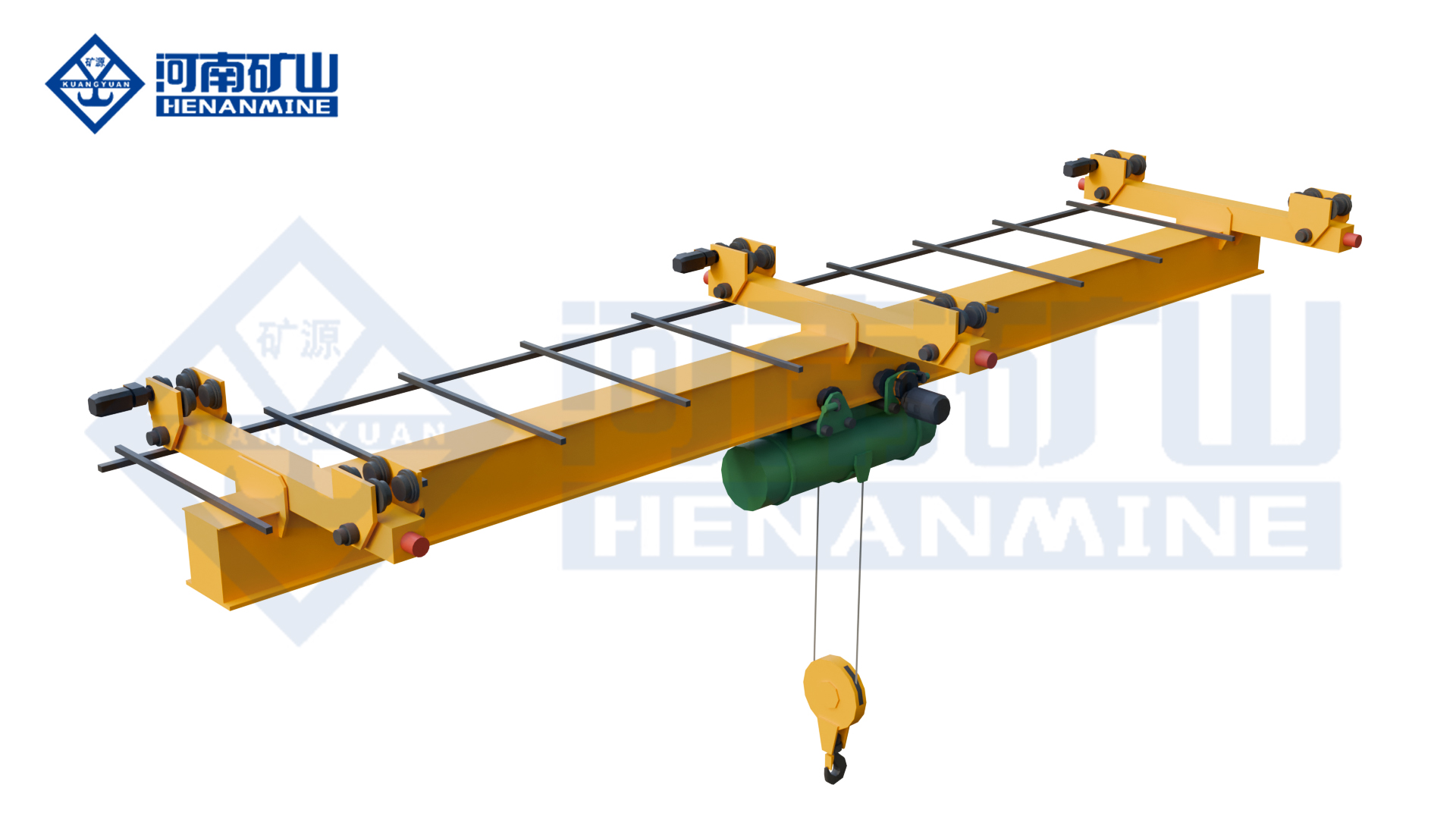
Cover wide classified workshops with a protected single-girder bridge on multiple suspended runways.
Compare this arrangement ↗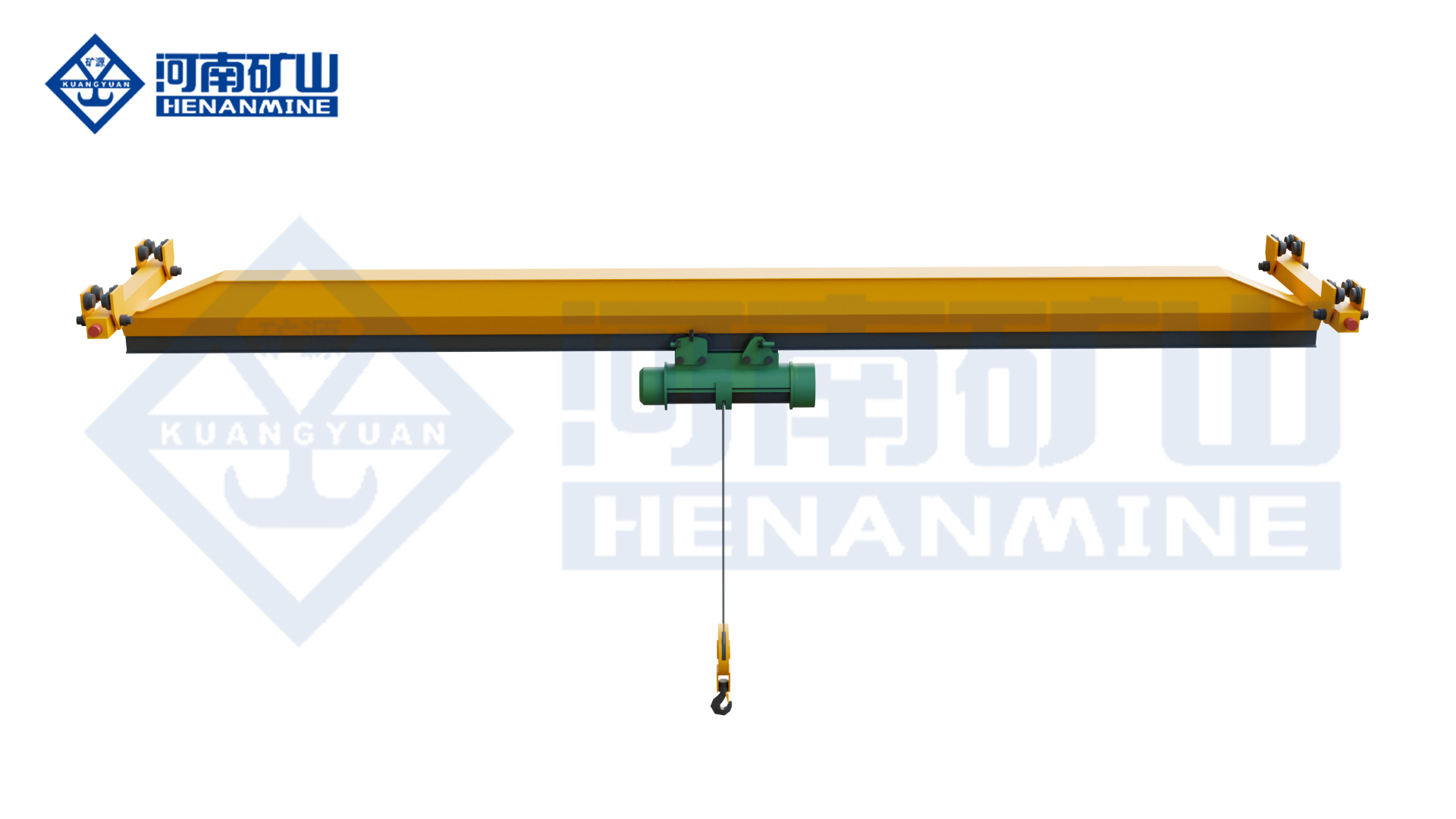
Lift between workstations with a top-running single-girder crane and a site-matched explosion-protection package.
Compare this arrangement ↗Find the arrangement, equipment options and order information that suit your application.
LXB is an underhung single-girder crane for lifting within a workshop served by suspended runways and a classified gas atmosphere. It can be considered for process equipment, pumps, valves and maintenance loads when the selected capacity, coverage and protection package match the task.
The published LXB selection range is 1–10 t capacity, 7.5–28.5 m span and 6–20 m lifting height, with custom configuration enquiries available. The final combination is reviewed with the complete suspended load, runway arrangement, duty and required movements.
Share the gas group, zone and temperature class from the available area classification. Include the medium, ambient conditions and project country so the offer can state the proposed equipment marking and applicable document scope.
Combustible dust requires its own equipment selection based on the dust group, zone and surface-temperature requirement. Compare the LXB dust-protected configuration for a dust-only area, and identify both hazards when gas and dust are present at the same location.
Share the runway section, spacing, support arrangement and any available drawings. The technical proposal can review the interface with the selected crane, identify the required support checks and state any runway or support work included in the offer.
Lifting and travel selections are matched to the load, handling cycle and approach needed at the equipment. Explain where the load is picked up and placed, and whether controlled final positioning is important, so the proposal can specify the required movements.
The configuration can include a protected pendant or a suitable remote-control arrangement. Identify the operator's working position and visibility along the lifting route so the controls and protected electrical package can be selected together.
State the approval and document requirements for your project in the enquiry. The technical offer should identify the applicable certificates and conformity documents for the selected equipment, including the exact protection package and destination scope.
Compare the bridge, protected hoist, travel drives, controls and power feed, together with the equipment documents and inspection scope. Ask for runway/support materials, export packing, freight, installation, commissioning, delivery schedule, warranty and recommended spares to be identified clearly.
Tell us what you need to lift, the approximate span and hook travel, and your project country. Add a workshop sketch and gas-area classification if available. We can help choose the suspended layout and a protected equipment package for your task.
info@cranehenanmine.com