
Aircraft manufacturing and assembly
Bring components to defined assembly positions without placing dedicated crane runway columns around the aircraft footprint. Select hook coverage and hoist control around the actual handling tasks.
Bridge cranes for workshops and production lines.
Explore Overhead Cranes
Ground-supported lifting for yards and construction.
Explore Gantry Cranes
Wire rope and chain hoists for lifting points and cranes.
Explore Electric Hoists

Wire rope lifting and pulling with a powered drum.
Explore Electric Winches
Grab buckets, magnets and hooks for your load.
Explore Lifting Attachments & Grabs
Mobile handling for containers, precast and yard loads.
Explore Rubber-Tired Gantry Cranes & Straddle Carriers

Lift and move vessels through boatyards and marinas.
Explore Marine Travel Lifts
Ladle, slab, scrap and coil handling across steel production.

Container stacking and cargo transfers across terminals and rail.

Turbine installation, powerhouse maintenance and wind equipment assembly.

Controlled component transfer and positioning for precision assembly.

Heavy fabrication, production lifting and factory crane automation.

Process lifting for smelters, carbon blocks and anode materials.

Clean lifting and classified protection for sensitive process areas.

Bridge fabrication, metro construction and ship block assembly.

Automated storage and retrieval for plates, cables and bins.

Follow project dispatches, crane engineering and factory acceptance.

Dispatch, installation and equipment in service

Crane configurations and handling technology

Factory inspections, acceptance and test programmes

Company developments, people and community programmes
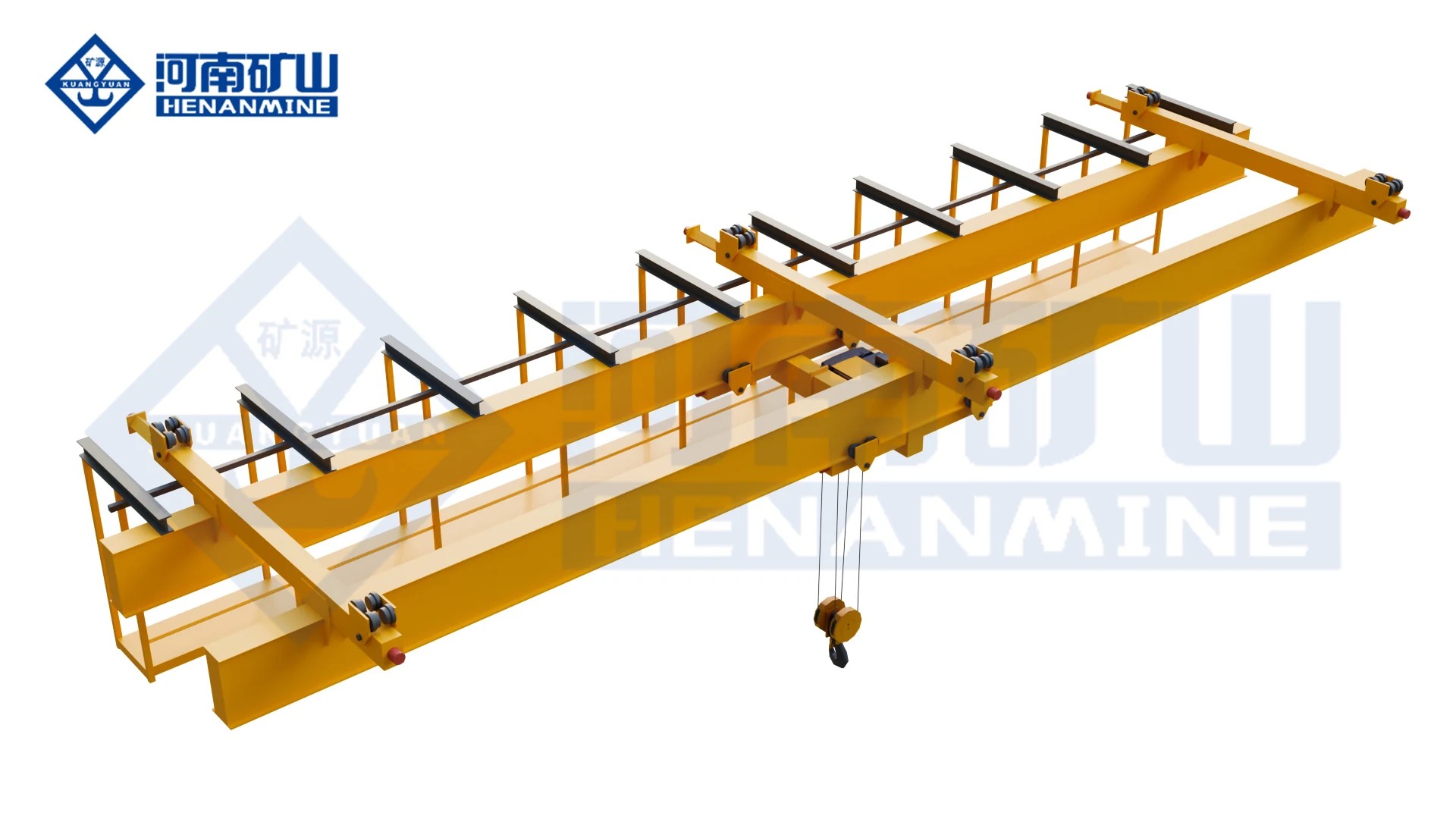
Serve aircraft components, large assemblies and maintenance positions across a wide hall. LHDX carries a double-girder bridge on several suspended tracks, keeping the working floor available for equipment and movement. The electric hoist, working coverage and support layout are selected together for your load.
Start with your heaviest lift and the positions you need to reach. A hall plan or simple sketch helps us recommend the suspended track arrangement.
Share the load, working area and required hook height. We can help you develop the remaining configuration.
Several suspended track positions support the bridge across a wide hall. The working width and trolley coverage are selected around the aircraft, equipment or production line.
The runway and crane are carried overhead by suitable building supports, leaving the floor available for large workpieces, assembly fixtures and internal transport routes.
The modular arrangement can be reviewed for later changes to working zones or production equipment. Any extension is matched to the supporting structure and revised lifting duty.
Bring components to defined assembly positions without placing dedicated crane runway columns around the aircraft footprint. Select hook coverage and hoist control around the actual handling tasks.
Serve equipment-removal and maintenance positions across a broad hall. Include the largest maintenance item, lifting fixture and access route when defining the working area.
Transfer large components between assembly, service and storage positions within one suspended lifting layout. Track count and support spacing follow the required coverage and building grid.
The proposal defines the total working width, each track interval and the governing support reactions for the chosen hoist and load positions.
Compare the available options for your lifting task. Capacity, span, lift height and speed are matched in the selected configuration.
| Model | LHDX |
|---|---|
| Crane arrangement | Multi-point electric double-girder suspended bridge |
| Runway arrangement | Multiple overhead suspended tracks |
| Lifting system | Electric hoist selected for the handled load and operating cycle |
| Rated capacity | Selected for the complete suspended load, hoist duty and bridge/support arrangement |
| Overall working width | Selected from required hook coverage and the building support grid |
| Adjacent track spacing | Specified separately for each support interval |
| Number of support tracks | Selected from working width, crane loading and available support positions |
| Runway length | Selected for the production and maintenance route |
| Usable lifting height | Selected from pickup, transfer and placement levels |
| Working duty | Selected from load spectrum, lifts per hour and operating shifts |
| Hoisting speed | Selected with the electric hoist and positioning requirement |
| Trolley / bridge speeds | Matched to travel distances and multi-support operating arrangement |
| Controls | Operator station and travel coordination functions selected for the task |
| Suspension reactions | Calculated for the final support layout and governing load positions |
| Modular changes | Later working-zone or equipment changes reviewed against the existing crane and support layout |
| Power supply | Destination three-phase voltage and frequency specified with the electrical package |
| Handling requirement | Load and coverage input | Lifting configuration | Support / control selection |
|---|---|---|---|
| Aircraft assembly | Component and fixture weights; required hook positions | Electric-hoist package and controlled placement | Multiple overhead supports coordinated with the hall grid |
| Hangar maintenance | Largest service item, maintenance levels and access route | Hook travel and maintenance lifting speeds | Suspension layout preserving the aircraft service area |
| Wide workshop transfer | Working width, travel length and moves per hour | Hoist and bridge duty matched to the cycle | Track count, support intervals and travel coordination |
| Future layout change | Revised working positions and load requirements | Existing system or planned modular modification | New support reactions and control scope reviewed together |
Each LHDX is specified as one lifting and suspension system. Overall width, adjacent-track spacing, hoist capacity and number of supports are not interchangeable stand-alone ratings.
| Model | Main selection reason | Distinct arrangement |
|---|---|---|
| LHDX | Wide working coverage across several support positions | Multi-track, multi-point suspended double-girder bridge |
| KSQX | Controlled lifting on a suspended double-girder bridge | Underhung bridge with VFD motion and electronic anti-sway |
| KSX | Move the hoist trolley between linked handling sections | Aligned rail-transfer connections and a specified transfer sequence |
Multiple supports, an underhung bridge and a rail-transfer system solve different layout requirements. Specify transfer functionality separately when it is needed.
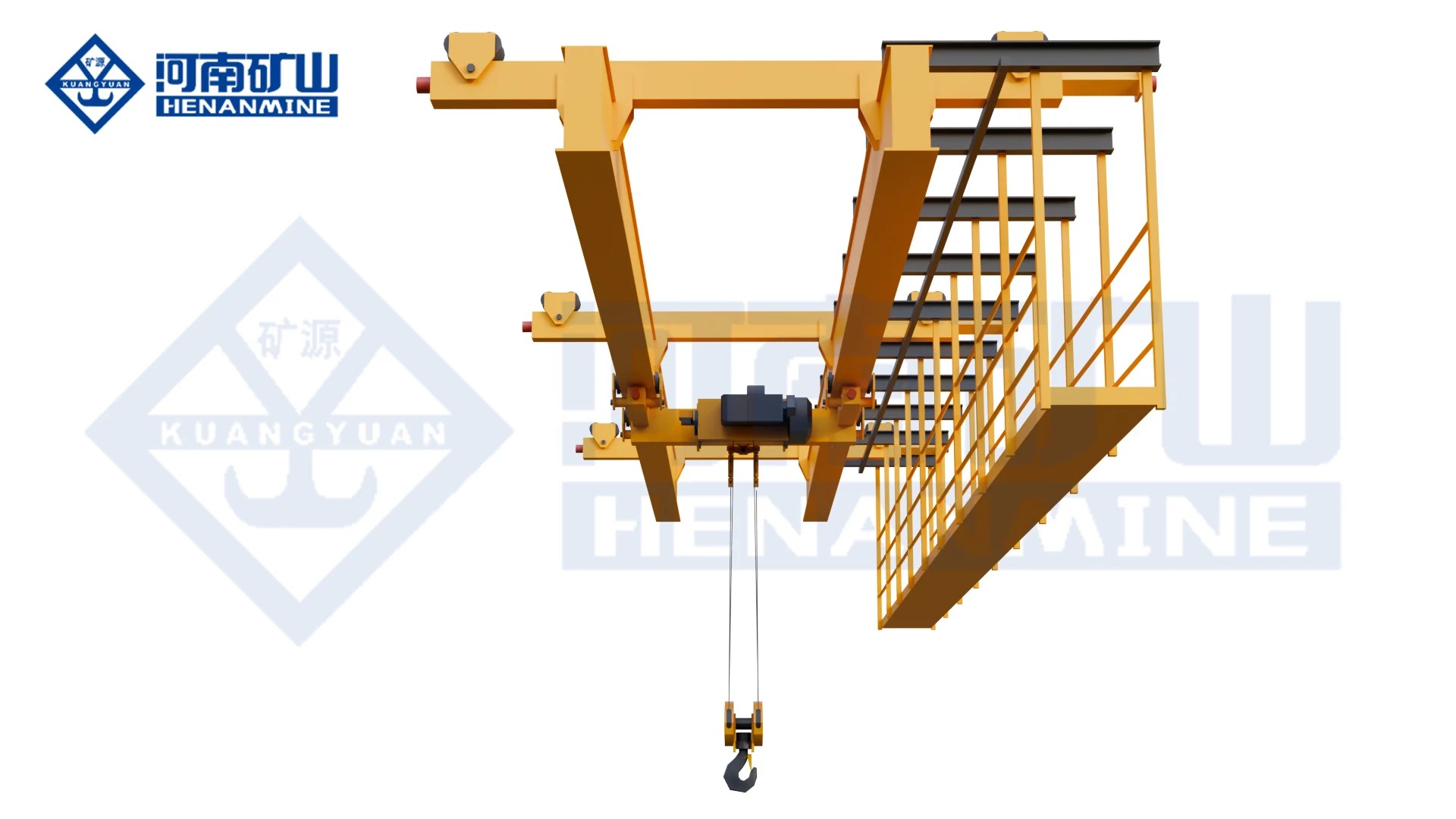
Compare the double-girder arrangement and overhead travel supports. The selected layout identifies the hoist working area, track positions and suspension connections.

Send a hall layout showing the lifting positions and overhead support grid. The crane can then be configured around the equipment and the space you need to keep open.
List the maximum component and lifting-fixture weights, normal load range and lifts per hour. Select the electric hoist and crane duty for those tasks.
Define the hook coverage, runway length and available overhead support positions. Overall working width is considered separately from the distance between adjacent support tracks.
Identify pickup and placement levels and how close the load must approach equipment. Select hoisting and travel speeds for the handling cycle and final positioning.
Agree the operator controls and coordination of the suspended travel supports. Include foreseeable layout changes so modification options can be considered with the original system.
Request an itemised offer for the crane, runway interfaces and services you want included.
Enquire for one complete suspended system or a hall-wide package. We confirm the bridge and hoist quantities, covered working zones and ordered configuration in the offer.
The quotation identifies the bridge, hoist, coordinated travel supports and controls. Suspended runways, hangers, power feeds, building steel, freight and site work are listed as included or separately priced.
Agree the general arrangement, hook coverage, track intervals, support-reaction schedule, electrical documents, manuals and inspection or load-test records. Tell us your destination and any required conformity documents.
The written offer confirms the production and dispatch schedule for your equipment. Coordinate the drawing-approval date, runway readiness, packing and freight with the planned installation window.
Choose the installation or commissioning support needed at your site. The scope covers track and crane alignment, coordinated travel checks, hoist tests and operator handover, with local access equipment and test-load responsibilities identified.
Confirm the warranty period, start date and coverage for the hoist, travel units and controls. Include service contacts and recommended wheel, brake and hoist spares so maintenance can be planned with the crane.
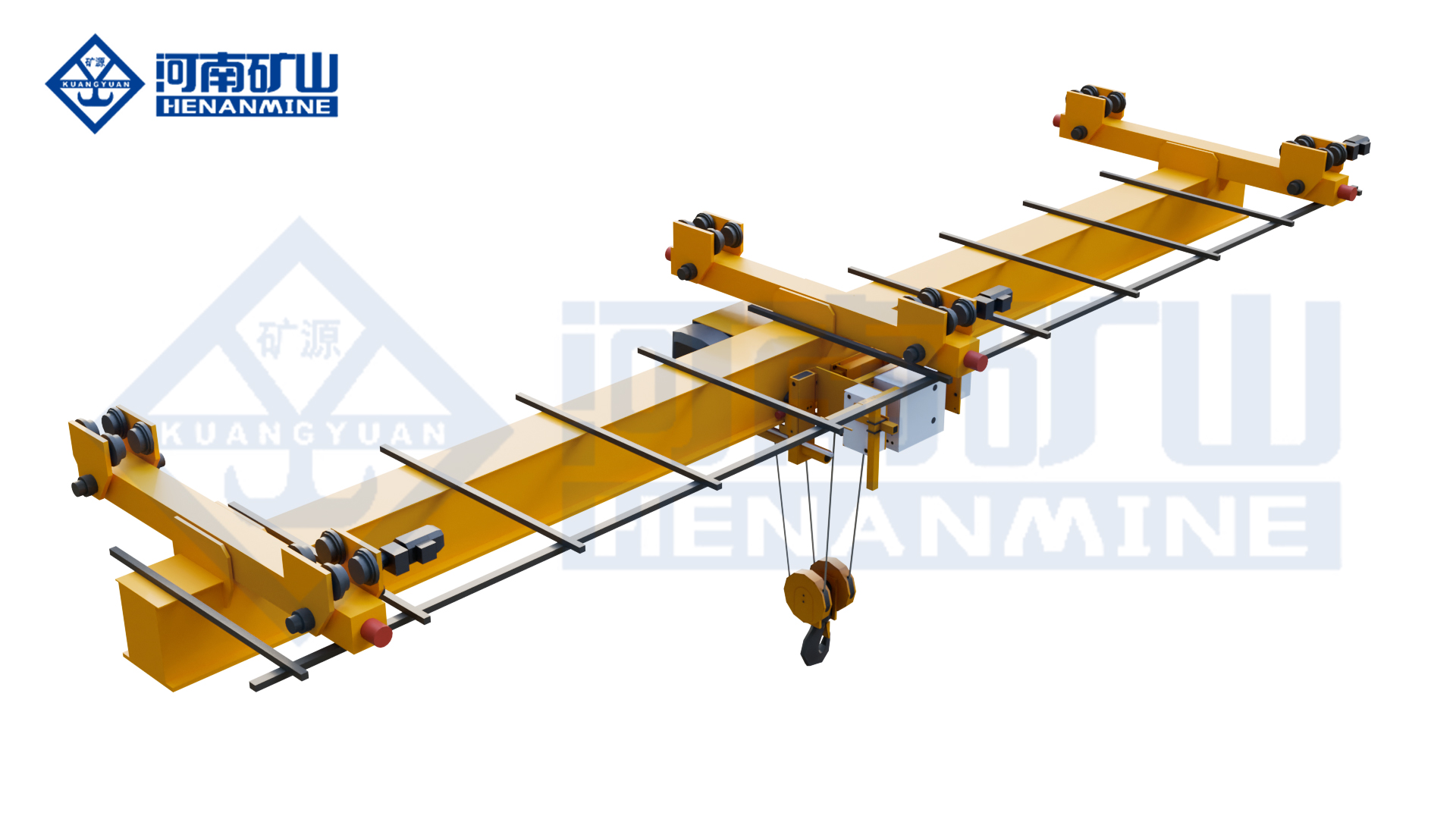
Cover wide workshops with a single-girder bridge carried by multiple suspended runways.
Compare this arrangement ↗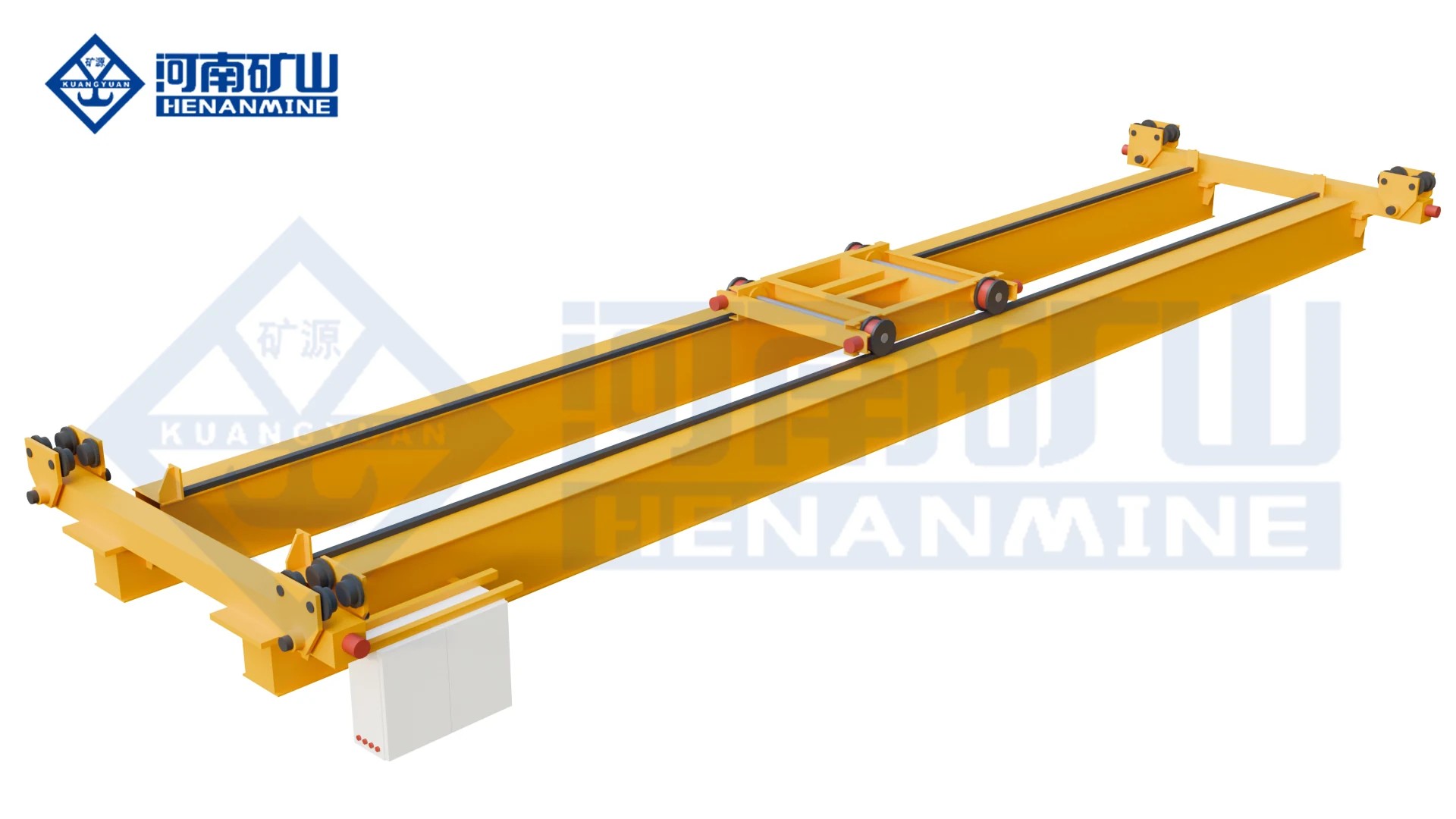
Cover a defined production area with a double-girder underhung crane matched to the load and duty.
Compare this arrangement ↗
Rail-transfer lifting links working areas through a coordinated hoist trolley and bridge arrangement. Compare the listed 12.5 t configuration.
Compare this arrangement ↗Find the arrangement, equipment options and order information that suit your application.
LHDX uses multiple suspended track and support positions to serve a wide working area. It is useful where one ordinary pair of runway lines does not provide the required coverage and support arrangement.
It describes the bridge’s multiple suspension/support positions. The number and rating of hoists are separate items in the lifting configuration.
No. Overall working width can extend across several support intervals. Provide the full coverage requirement and available track positions so both dimensions are identified on the layout.
Not necessarily. Reactions vary with the bridge, trolley position and suspended load. The selected layout includes calculated support reactions for the governing positions.
The suspended runway arrangement avoids dedicated crane runway columns within the working area where suitable overhead support is available. Equipment and internal transport can then be arranged around the required lifting coverage.
The modular arrangement can be reviewed for changes to working zones, hoists or travel coverage. Feasibility depends on the revised loads, existing crane and overhead support layout.
No. Multi-point support alone does not provide rail transfer. If a hoist must pass between linked handling sections, specify that function separately and compare a KSX arrangement.
Send the actual loads including fixtures, required working positions, lift heights and operating cycle. The offer states a definite hoist capacity, duty and speeds with the selected bridge and support configuration.
A hall plan with lifting positions, maximum load, desired hook travel and the overhead support grid is a useful start. Add operating hours, site power and installation scope so the complete system can be priced.
Yes. Single-system enquiries are welcome. Tell us the lifting task and site location; the quotation confirms the ordered quantity and the complete crane, runway-interface and service scope.
The written quotation confirms production and dispatch dates for the selected configuration, together with warranty duration, start date, coverage and the after-sales contact. Packing, freight and site commissioning are identified separately so you can plan the complete delivery.
Tell us the heaviest component, working width, required hook height and project location. Add a hall plan or photograph if available. We will help select the hoist and suspended arrangement and prepare a clear equipment and service offer.
info@cranehenanmine.com