
Large-component removal
Position the selected hooks at a component's lifting points for a planned removal or replacement. Load distribution and permitted combinations follow the machine-maintenance arrangement.
Bridge cranes for workshops and production lines.
Explore Overhead Cranes
Ground-supported lifting for yards and construction.
Explore Gantry Cranes
Wire rope and chain hoists for lifting points and cranes.
Explore Electric Hoists

Wire rope lifting and pulling with a powered drum.
Explore Electric Winches
Grab buckets, magnets and hooks for your load.
Explore Lifting Attachments & Grabs
Mobile handling for containers, precast and yard loads.
Explore Rubber-Tired Gantry Cranes & Straddle Carriers

Lift and move vessels through boatyards and marinas.
Explore Marine Travel Lifts
Ladle, slab, scrap and coil handling across steel production.

Container stacking and cargo transfers across terminals and rail.

Turbine installation, powerhouse maintenance and wind equipment assembly.

Controlled component transfer and positioning for precision assembly.

Heavy fabrication, production lifting and factory crane automation.

Process lifting for smelters, carbon blocks and anode materials.

Clean lifting and classified protection for sensitive process areas.

Bridge fabrication, metro construction and ship block assembly.

Automated storage and retrieval for plates, cables and bins.

Follow project dispatches, crane engineering and factory acceptance.

Dispatch, installation and equipment in service

Crane configurations and handling technology

Factory inspections, acceptance and test programmes

Company developments, people and community programmes
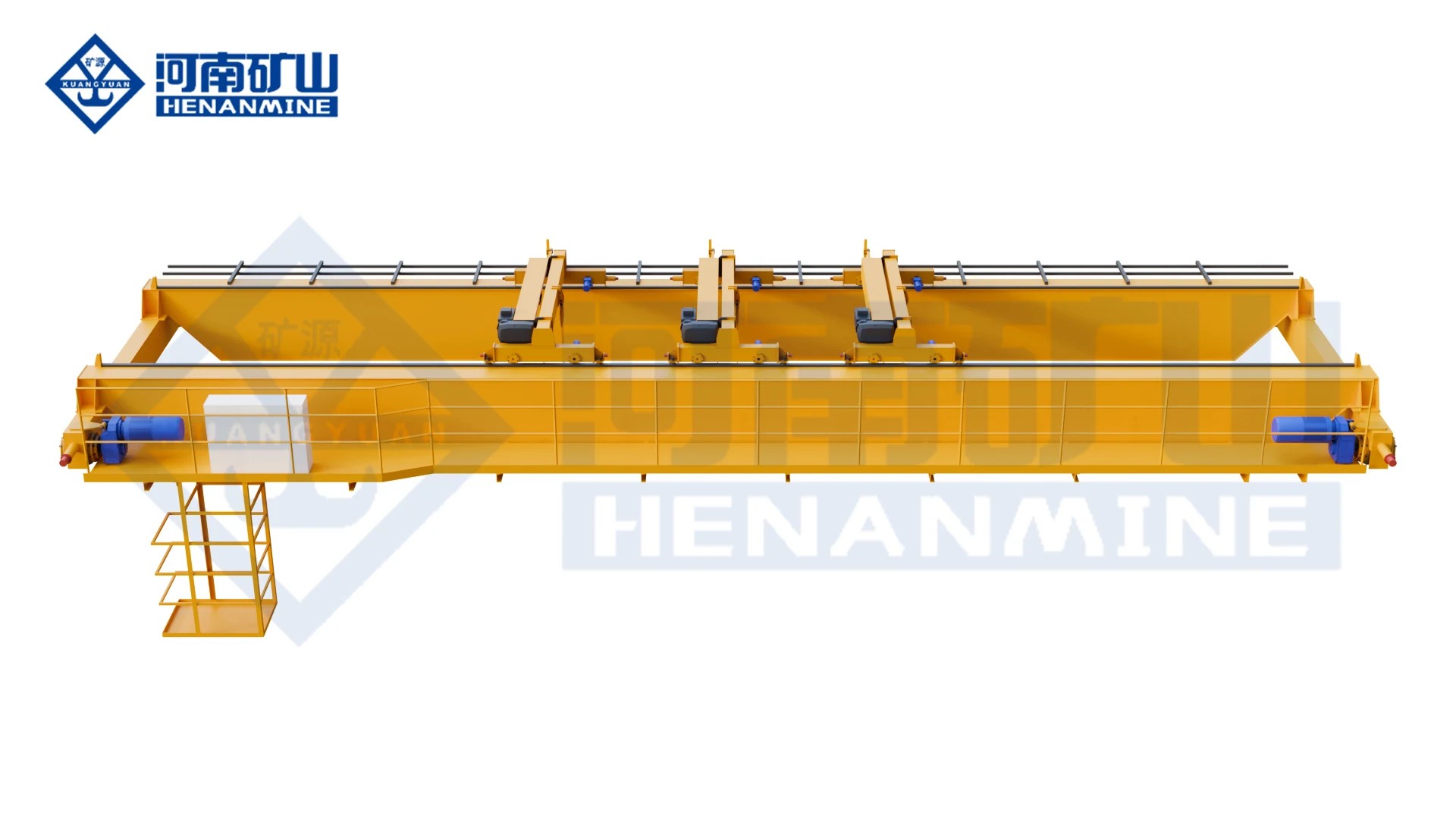
Handle large paper-machine components and serve maintenance positions with three electric-hoist trolleys on one double-girder bridge. KSSLS uses compact new-design hoists, dual-speed lifting and variable-frequency travel. Select each trolley for its assigned lifting task, then define the hook combinations needed for component removal, transfer and reinstallation.
Send the main components you need to handle and their lifting positions. We can help plan the three trolley ratings and working combinations.
Start with the dimensions you already know. A workshop photo or sketch can help us recommend a configuration.
Three trolley positions let the crane serve different component and maintenance tasks within the bay. Each lifting unit is sized for its assigned load.
Dual-speed hoisting provides a slower approach when removing or replacing a component. VFD travel controls movement along the production and maintenance route.
C-shaped hoists and large-diameter drums keep the lifting arrangement compact. Optional equipment monitoring can support the maintenance plan for the supplied crane.
Position the selected hooks at a component's lifting points for a planned removal or replacement. Load distribution and permitted combinations follow the machine-maintenance arrangement.
Serve several equipment pickup and landing points with the three trolley positions, using the individual lifting unit selected for each task.
Move a removed assembly to its maintenance position and return it for installation. Specify lower-speed placement and any coordinated-hook requirement for the final approach.
Three trolleys do not establish an unrestricted three-hook combined rating. The offer identifies each hoist rating and every permitted lifting combination.
Compare the available options for your lifting task. Capacity, span, lift height and speed are matched in the selected configuration.
| Model | KSSLS |
|---|---|
| Bridge arrangement | Double girder overhead bridge |
| Trolley quantity | 3 |
| Lifting mechanism | Three compact new-type electric-hoist trolleys |
| Rated capacity | Three individual hoist ratings and specified combined-load cases |
| Span | Matched to runway rail-centre distance |
| Lifting height | Matched to component pickup and landing levels |
| Trolley spacing | Working separation and approach limits selected for the machine layout |
| Crane duty | Selected from the component load spectrum and operating frequency |
| Hoisting | Dual-speed normal and positioning lifting |
| Trolley & bridge travel | Variable-frequency drives |
| Operating combinations | Individual and project-defined coordinated modes |
| Hoist layout | Compact C-shaped arrangement with large-diameter rope drums |
| Primary use | Paper-industry large-workpiece handling and equipment maintenance |
| Monitoring option | Remote equipment monitoring and maintenance functions |
| Power supply | Three-phase voltage and frequency matched to the destination supply |
| Mill lifting job | Load information | Working arrangement | Control selection |
|---|---|---|---|
| Individual component lift | Maximum load on the selected hoist | One defined trolley and hook position | Individual operation and travel limits |
| Component needing separated supports | Load reactions at each selected lifting point | A specified hook pair or other reviewed combination | Agreed coordination, combined rating and interlocks |
| Several maintenance positions | Component list and maximum load at each position | Three hoist positions sized for their assigned tasks | Operating combinations matched to the mill workflow |
Each lifting job has an agreed hook combination and load case. Individual capacities, spacing, speeds and coordination limits are confirmed in the technical offer.
The equipment views show how the three new-type hoist trolleys are arranged. Use the component lifting-point layout and maintenance positions to select their working range.
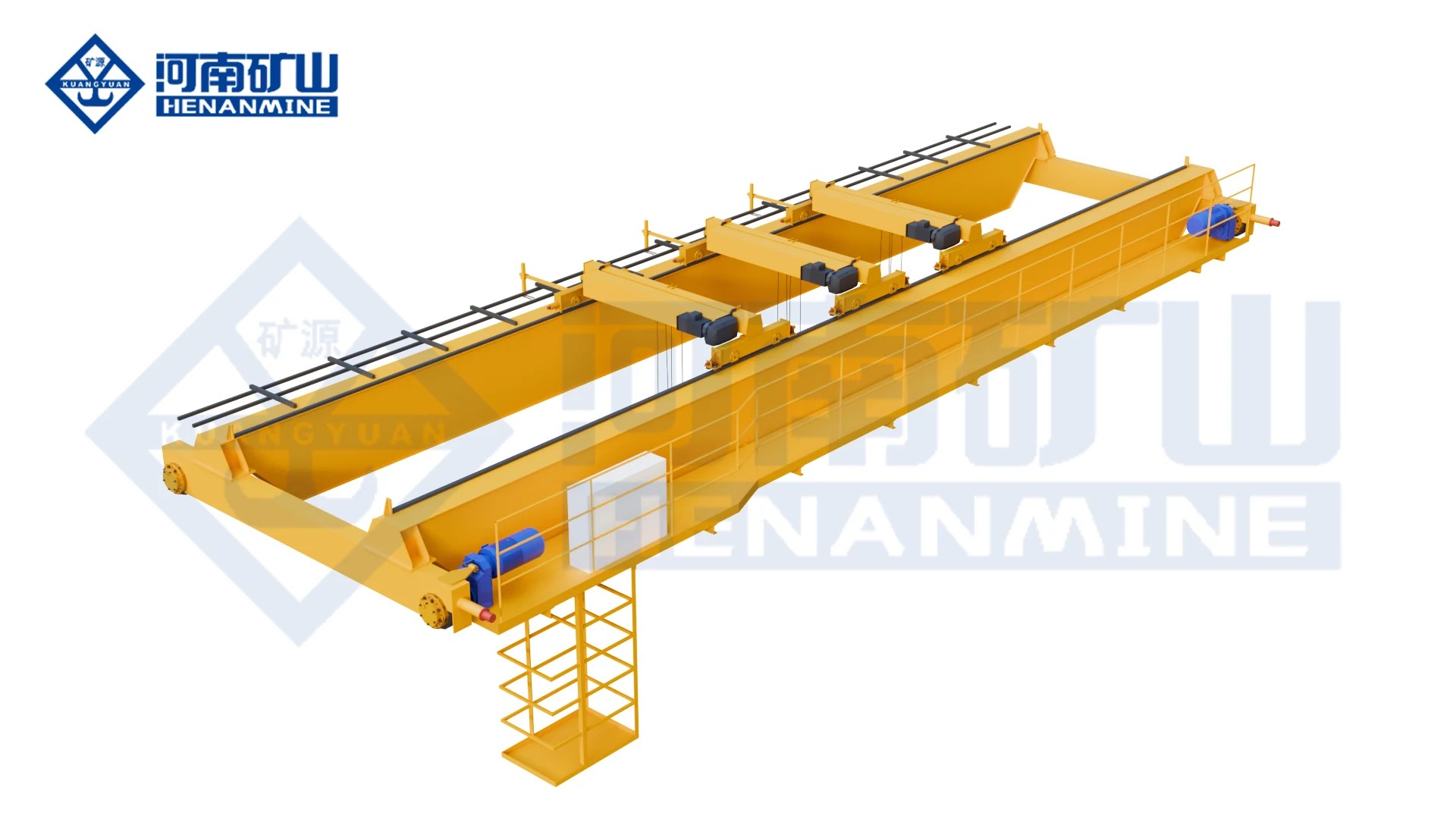

A short list of components, weights and lifting points is the starting point. Trolley ratings, spacing and control functions can then be matched to the maintenance work.
List the maximum load required at each hook, including attachments. Equal hoist capacities are not required unless the selected jobs call for them.
Identify single-hook tasks and any paired or other coordinated lift required by the process. Agree the combined loads, relative movement and operating interlocks for each selected combination.
Specify the lifting-point spacing, pickup and landing levels, span and maintenance positions. Trolley clearances and travel limits are matched to the actual working range.
Choose the normal and positioning speeds for the task, then match VFD travel, working duty, controls and power supply. Include humidity, dust, temperature and any monitoring requirement in the enquiry.
Compare the equipment, documentation, delivery and service scope for the configuration you need.
Request one KSSLS crane for the mill bay or a project quantity, with all three hoist ratings and required lifting combinations.
Identify the bridge, three hoist trolleys, controls, feedback devices, power feed, lifting attachments, monitoring, packing, transport, installation and spares as separate scope items.
Specify the crane arrangement, three trolley ratings, permitted lifting combinations, operating-mode description, electrical drawings, manuals, test records and destination compliance documents.
Agree production and dispatch after the mill component list, trolley arrangement, load cases and control functions are selected. Include factory testing, shipping and site commissioning in the project schedule.
Define bridge assembly, hoist setup, electrical connection, testing of the ordered operating combinations and operator handover, with local equipment and site responsibilities agreed.
The offer confirms warranty duration and coverage for all supplied hoists, drives and controls. Identify the service contact, recommended operating spares and support scope for monitoring or process interfaces.
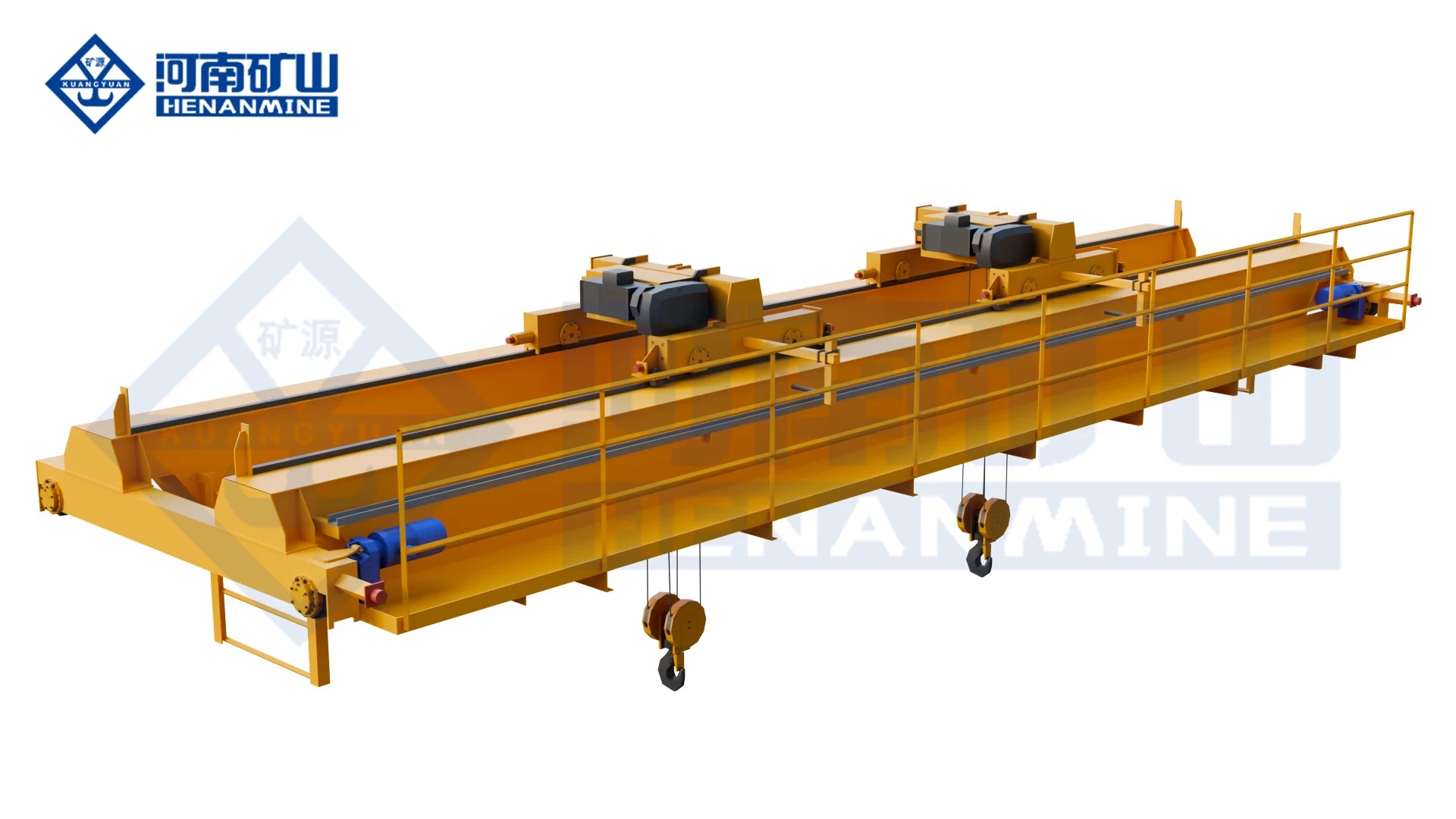
Two new-design hoist trolleys with dual-speed lifting and variable-frequency travel for long frames, machinery and fabricated structures. Independent and coordinated operating modes are selected for the handling task.
Compare this model ↗
Three hook trolleys serve paper-mill rolls, large components and maintenance lifts. Use one trolley independently or an approved pair where the load needs two lifting points.
Compare this model ↗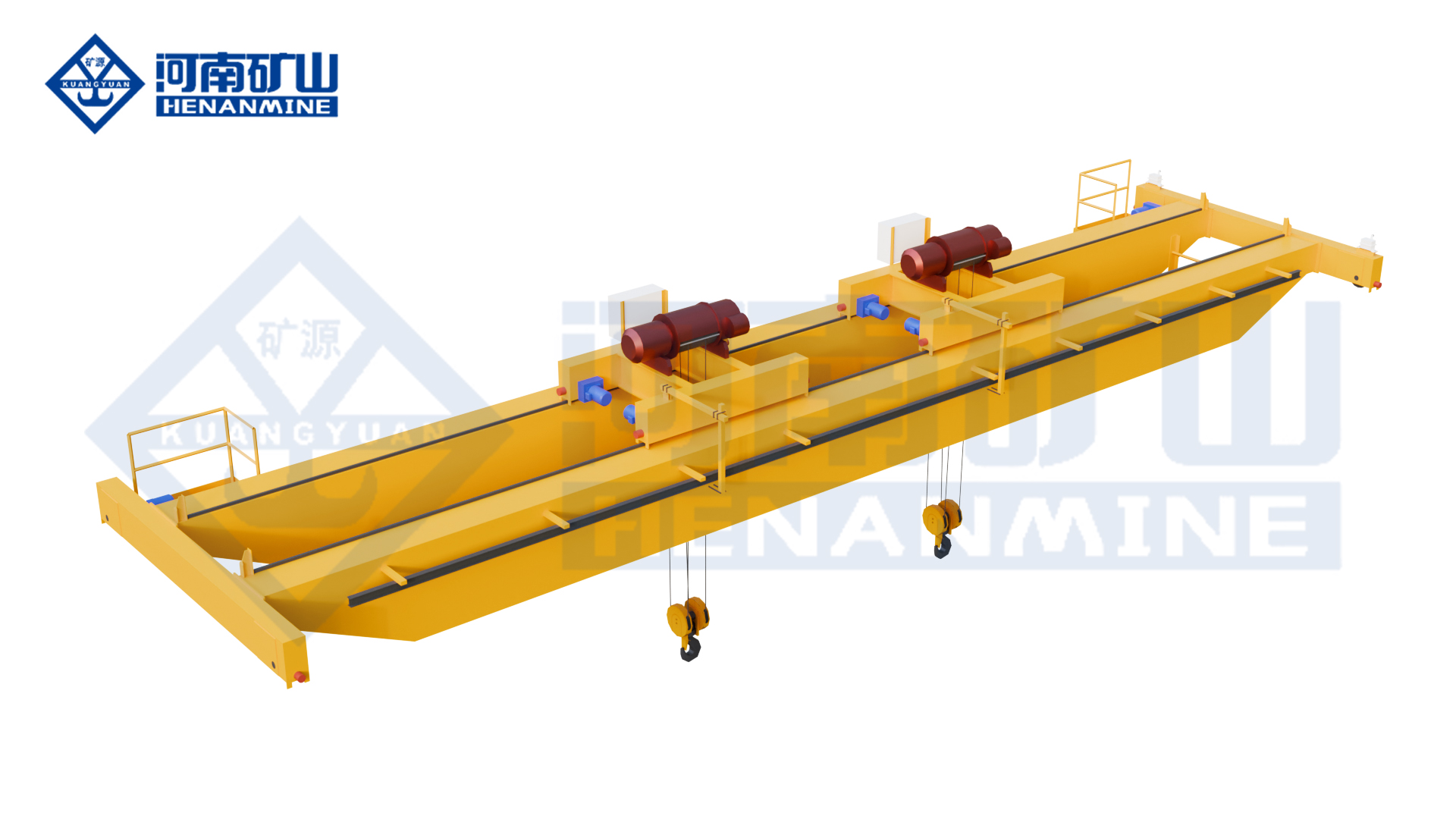
Two electric-hoist trolleys on one bridge for separate lifting tasks or a specified shared lift. Match each trolley rating to the load carried at its lifting point.
Compare this model ↗Find the arrangement, equipment options and order information that suit your application.
KSSLS is a three-trolley electric-hoist crane for large-workpiece handling and equipment maintenance in the paper industry. Its configuration follows the components, lifting points and maintenance positions in the mill.
A third trolley is useful when the machine-maintenance plan needs another selectable lifting position or different hook combinations for component removal and replacement. Choose the arrangement from the actual job list and lifting points. KSSLE is the two-trolley alternative when two positions cover the required tasks.
Each hoist is selected for its assigned maximum load and operating cycle. Send the heaviest component at each lifting position and any shared-load cases so the three ratings can be chosen together.
Only a combination specified and rated for that load case should be used. The technical offer identifies individual and combined ratings, hook spacing, coordinated functions and operating interlocks; the three hoist capacities should not simply be added together.
The new-type hoist platform uses normal and positioning lifting speeds with VFD travel. Specify the placement task and required approach speed so the hoists and drive package can be selected for component installation and removal.
Send a machine layout or sketch showing the components, their lifting points and the pickup and landing positions. Include the shortest and longest lifting-point distances if known. The crane arrangement defines the trolley working ranges, approaches and required separation for those tasks.
KSSLS uses three new-type electric-hoist trolleys; KSSLE uses two. QES is a three-trolley hook-crane alternative using its own lifting and process-control arrangement. Compare the required loads, duty and operating combinations when selecting the platform.
Yes. Include the site voltage and frequency, temperature, humidity, dust and operating shifts. The offer identifies the electrical and environmental package, as well as any requested monitoring or process interfaces.
The quotation defines the crane quantity, production and test schedule, documentation, warranty coverage and site-service scope. Installation and commissioning should include the agreed trolley combinations and component-handling functions, followed by operator handover.
Share your paper-machine layout or maintenance-area sketch, the heaviest components and their pickup and landing positions. Add your destination and any available lifting-point details. We can help develop the three-hoist arrangement and prepare a complete equipment quotation.
info@cranehenanmine.com