
Vessels and reactor equipment
Support long equipment at defined lifting points for transfer and positioning. Include the centre of gravity and rigging so each trolley's maximum load share can be established.
Bridge cranes for workshops and production lines.
Explore Overhead Cranes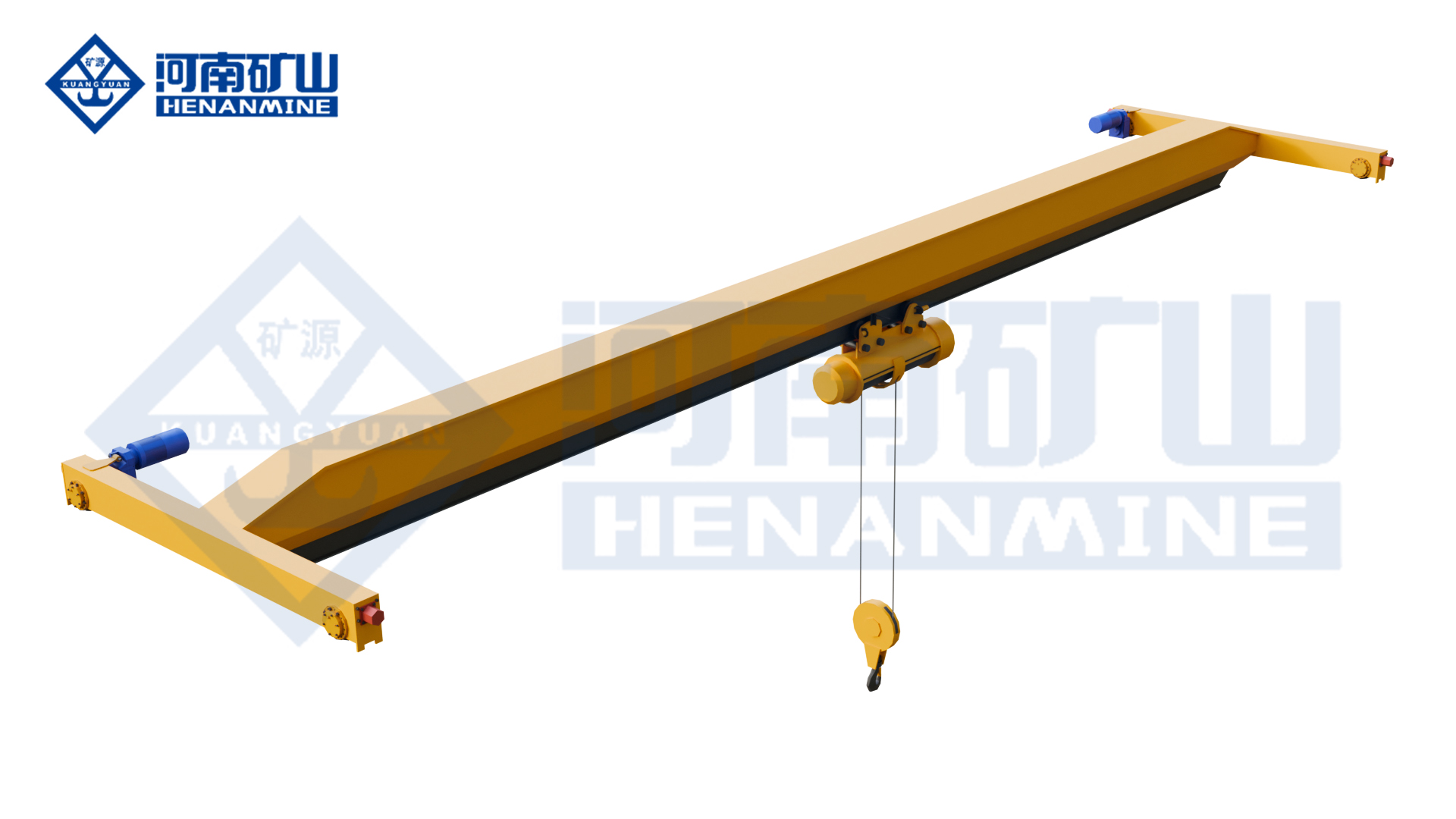
Ground-supported lifting for yards and construction.
Explore Gantry Cranes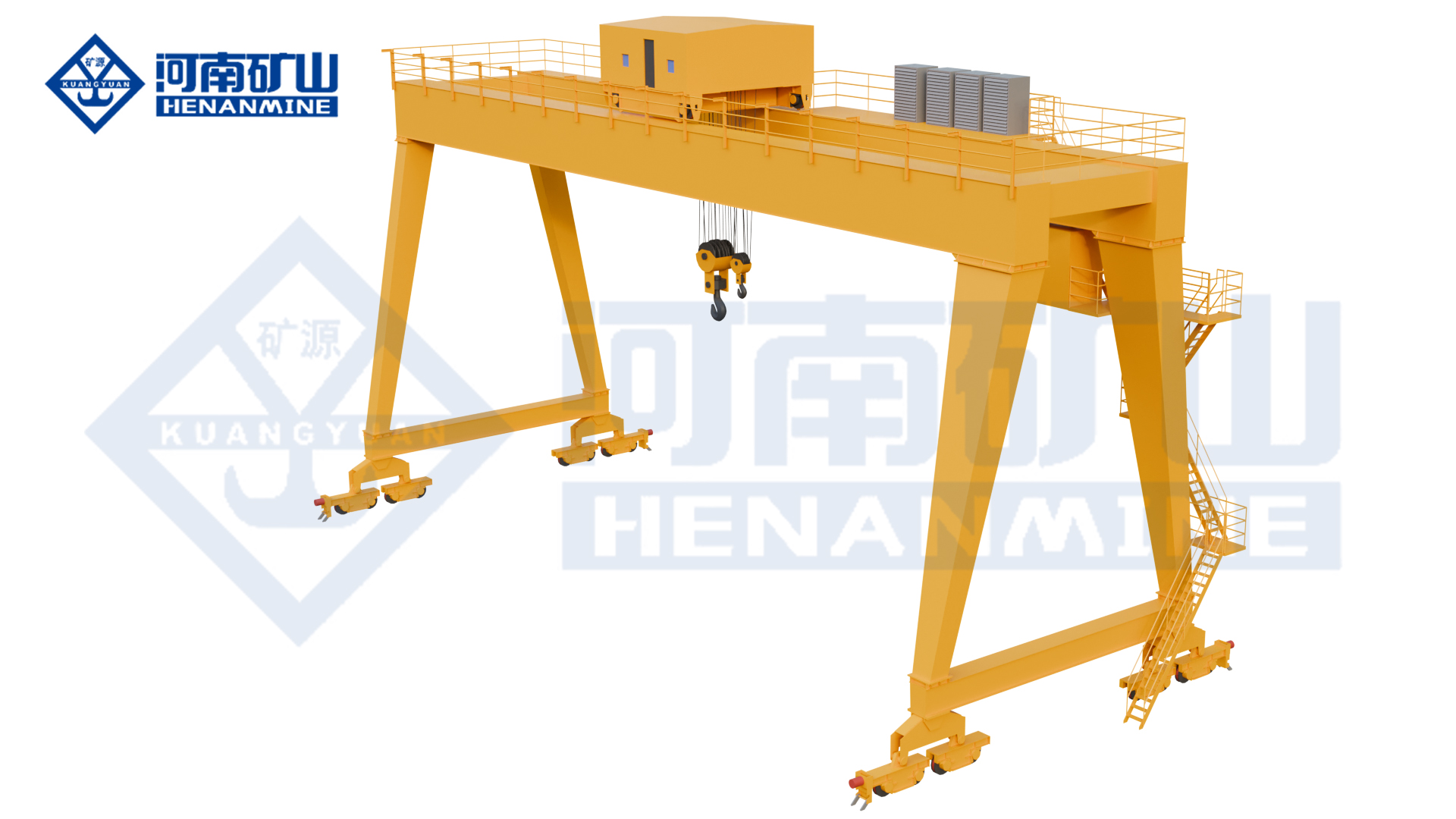
Wire rope and chain hoists for lifting points and cranes.
Explore Electric Hoists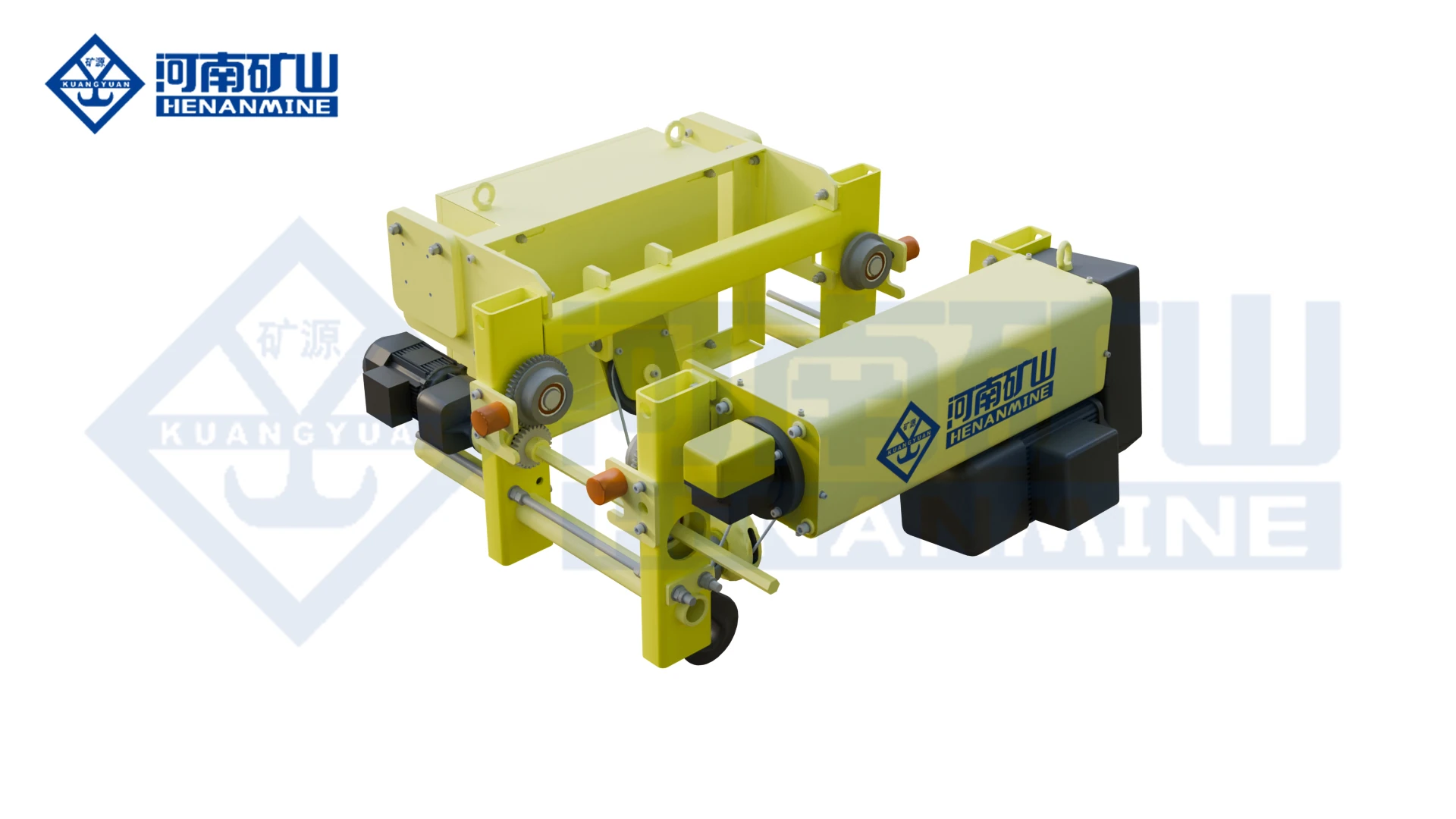
Wire rope lifting and pulling with a powered drum.
Explore Electric Winches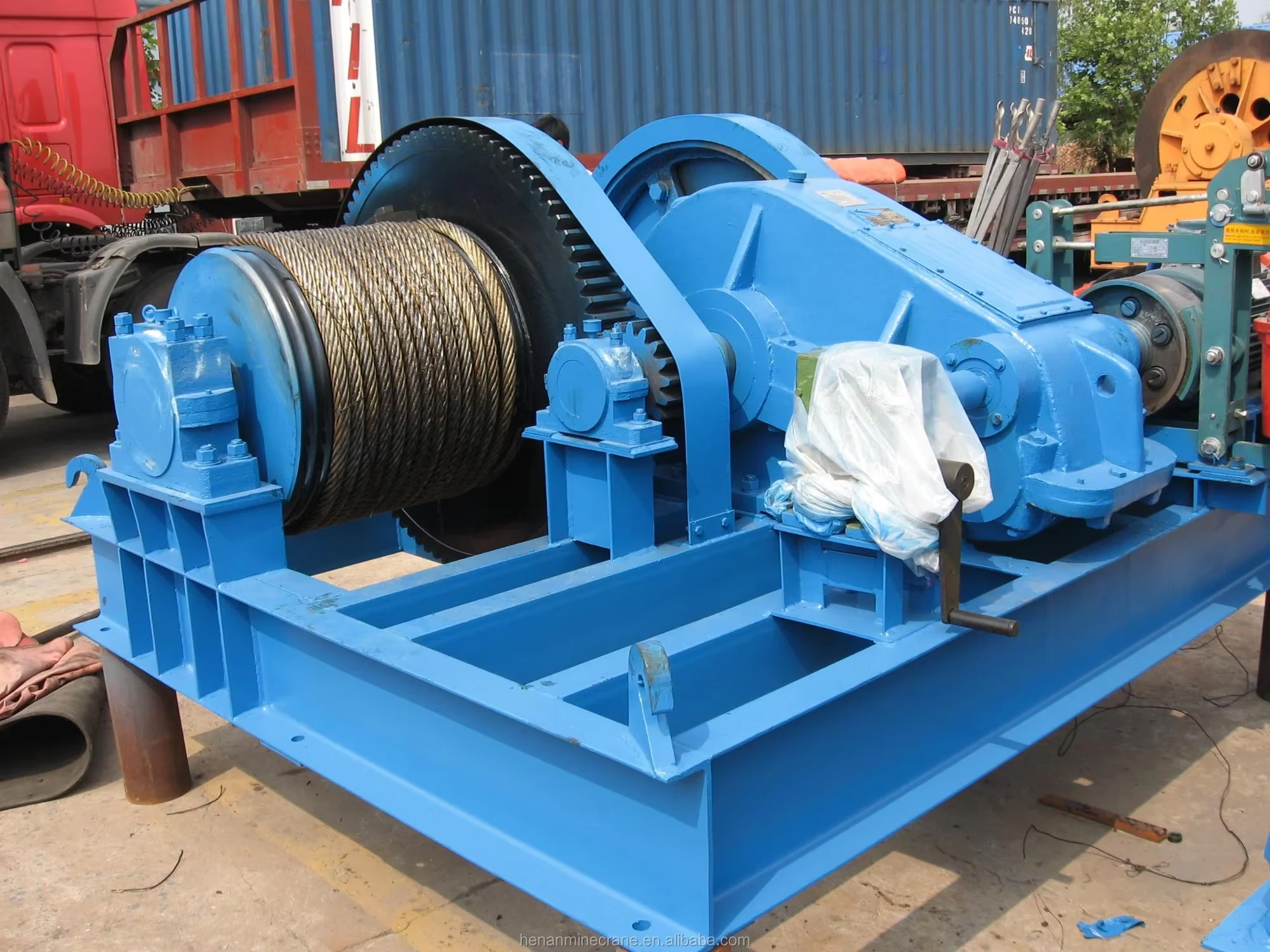
Grab buckets, magnets and hooks for your load.
Explore Lifting Attachments & Grabs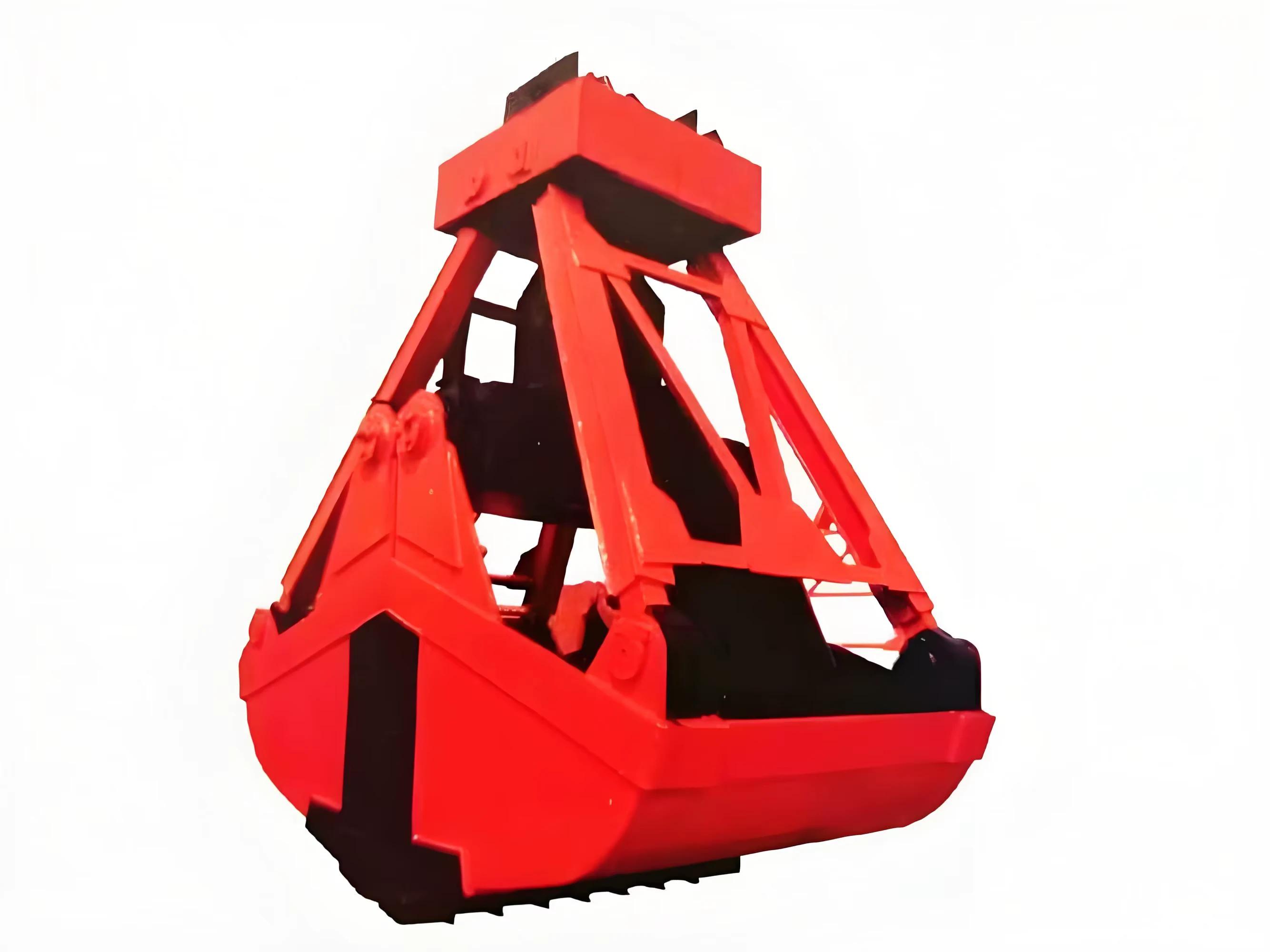
Mobile handling for containers, precast and yard loads.
Explore Rubber-Tired Gantry Cranes & Straddle Carriers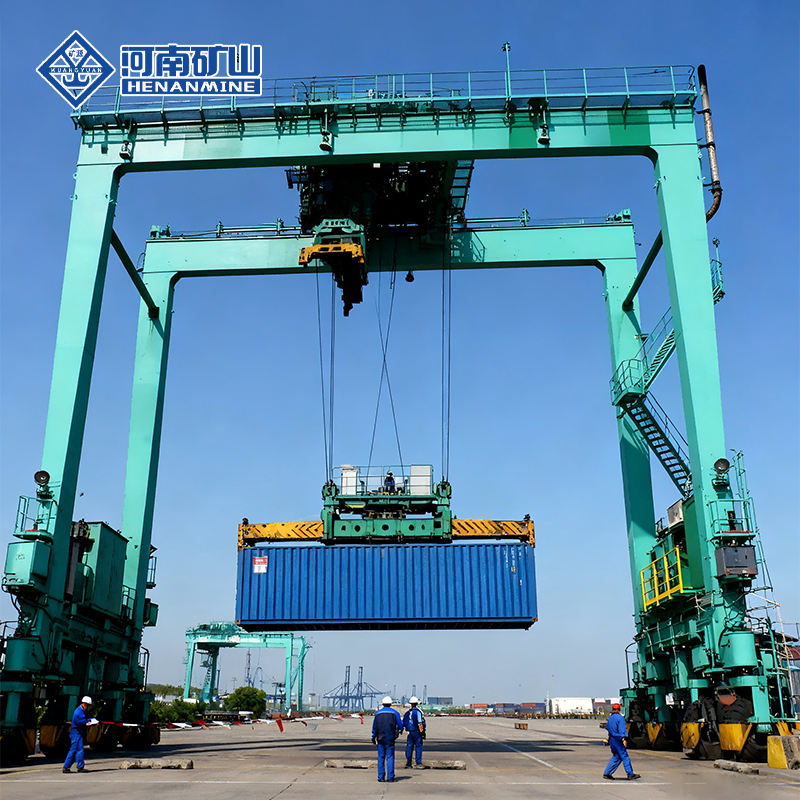
Lift and move vessels through boatyards and marinas.
Explore Marine Travel Lifts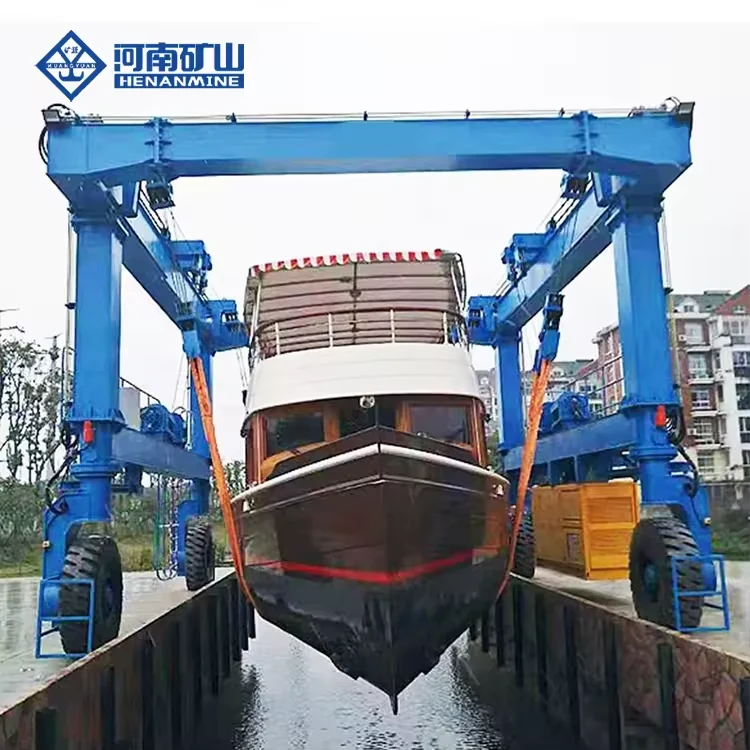
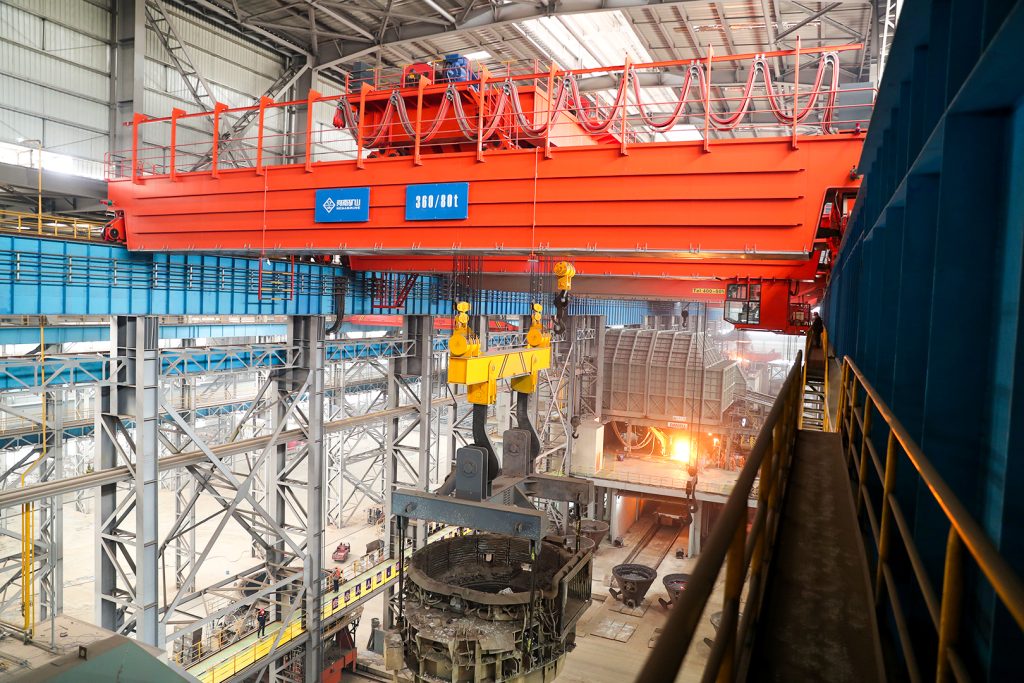
Ladle, slab, scrap and coil handling across steel production.
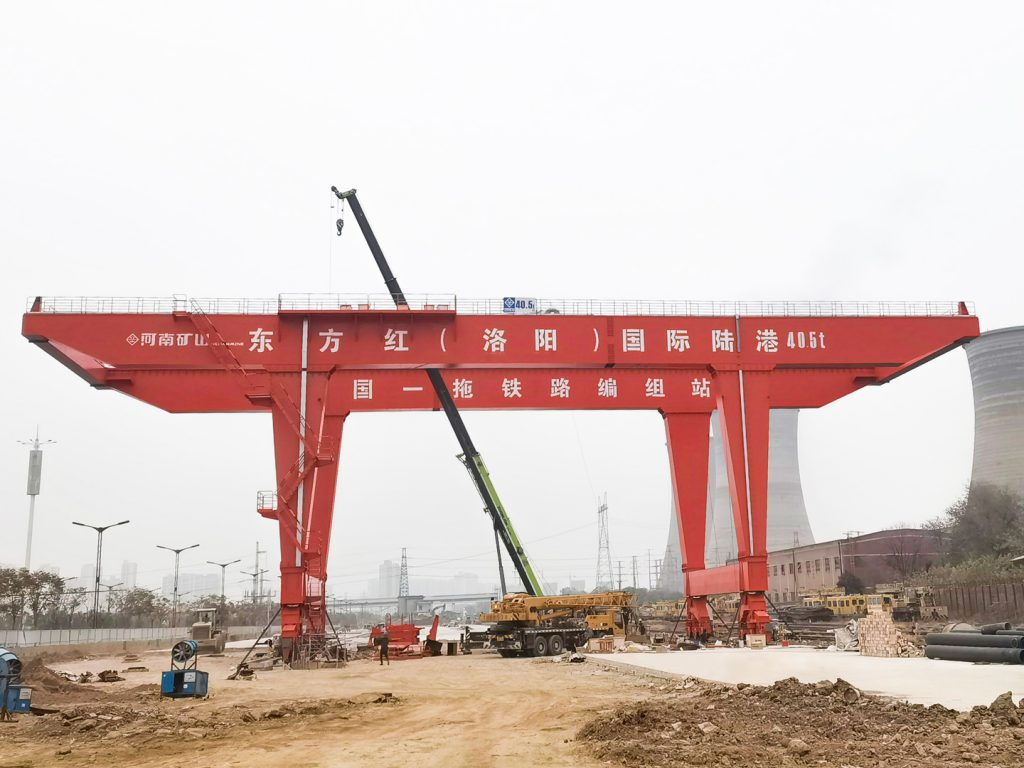
Container stacking and cargo transfers across terminals and rail.
Turbine installation, powerhouse maintenance and wind equipment assembly.
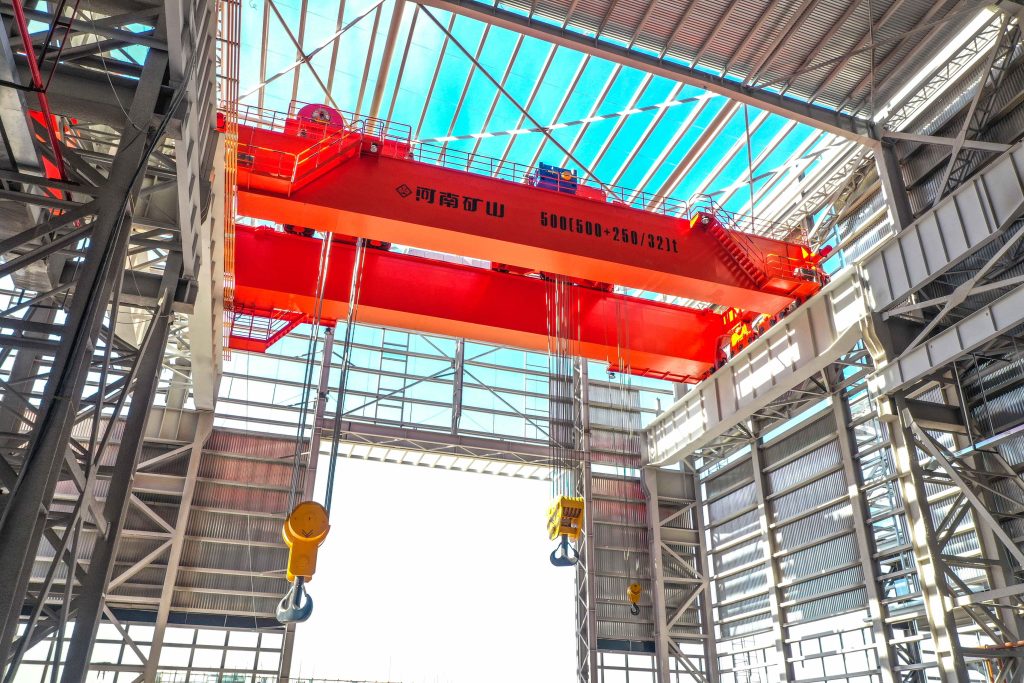
Controlled component transfer and positioning for precision assembly.
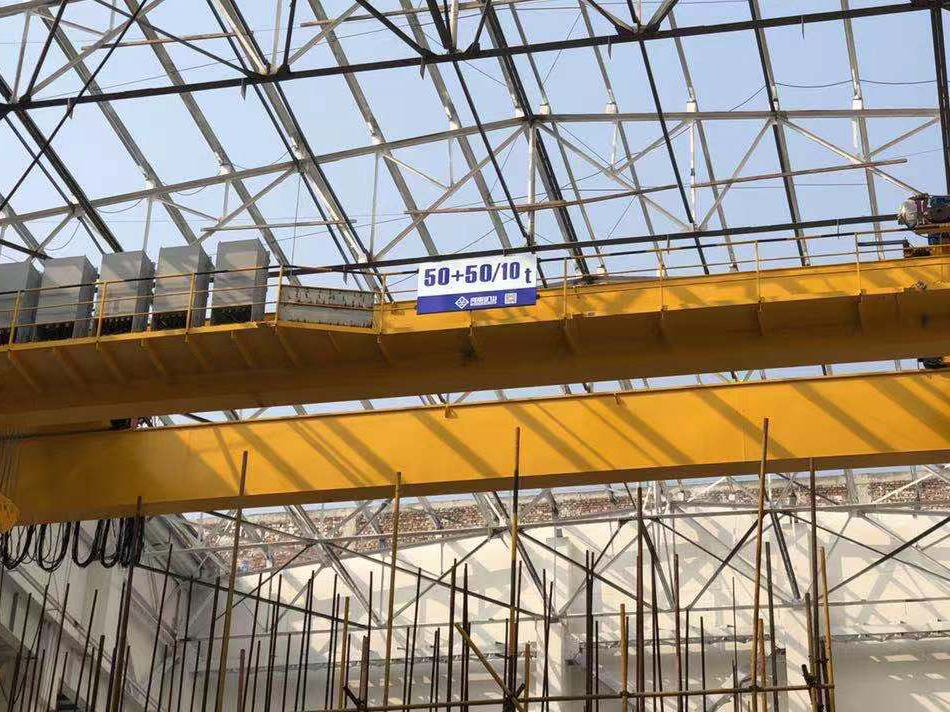
Heavy fabrication, production lifting and factory crane automation.
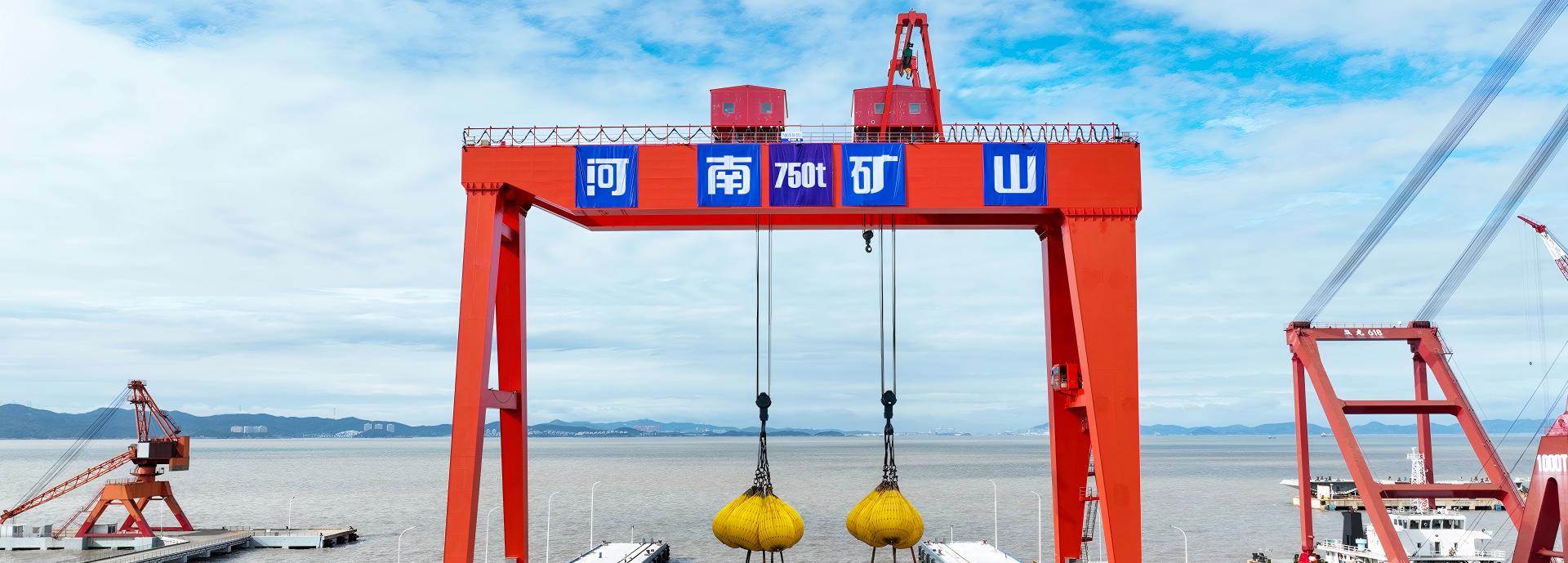
Process lifting for smelters, carbon blocks and anode materials.
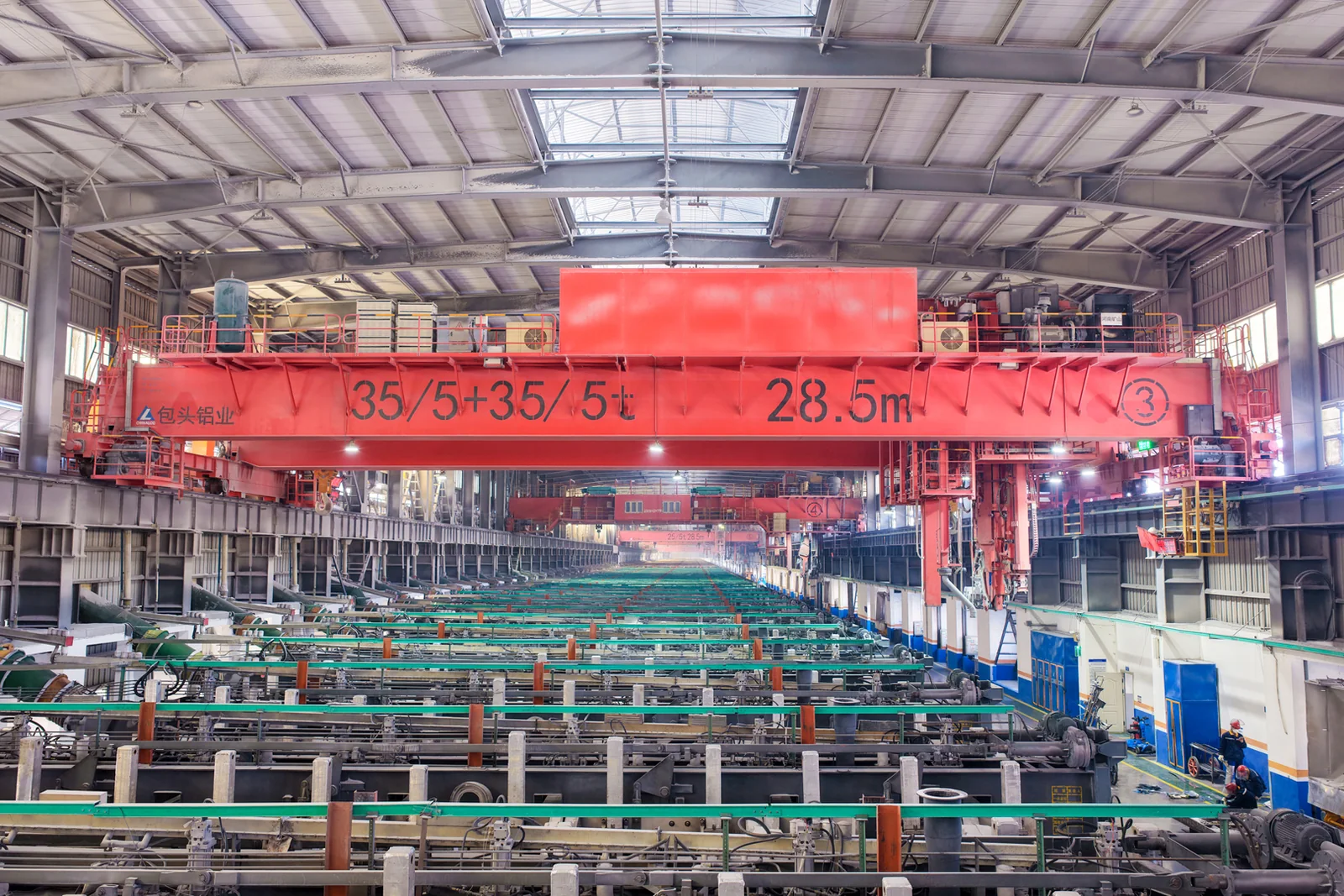
Clean lifting and classified protection for sensitive process areas.
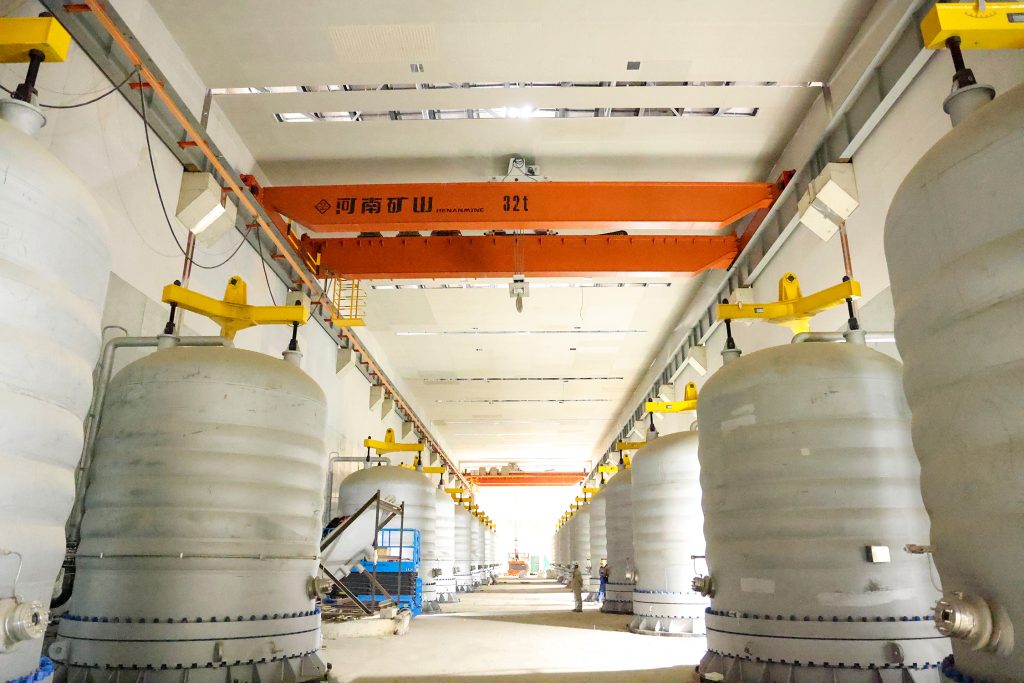
Bridge fabrication, metro construction and ship block assembly.
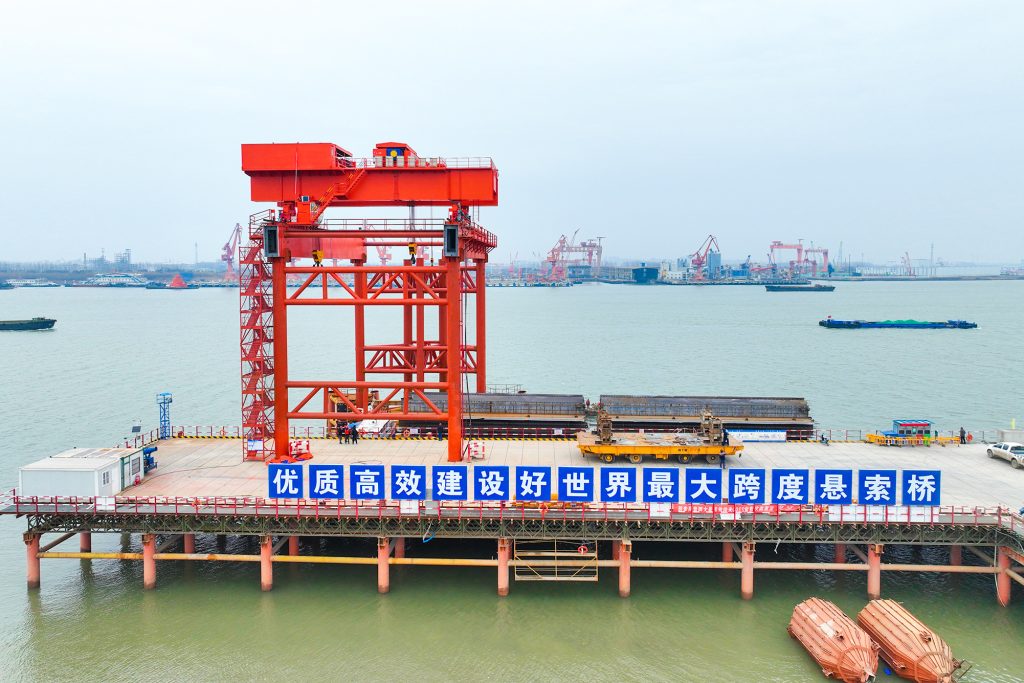
Automated storage and retrieval for plates, cables and bins.
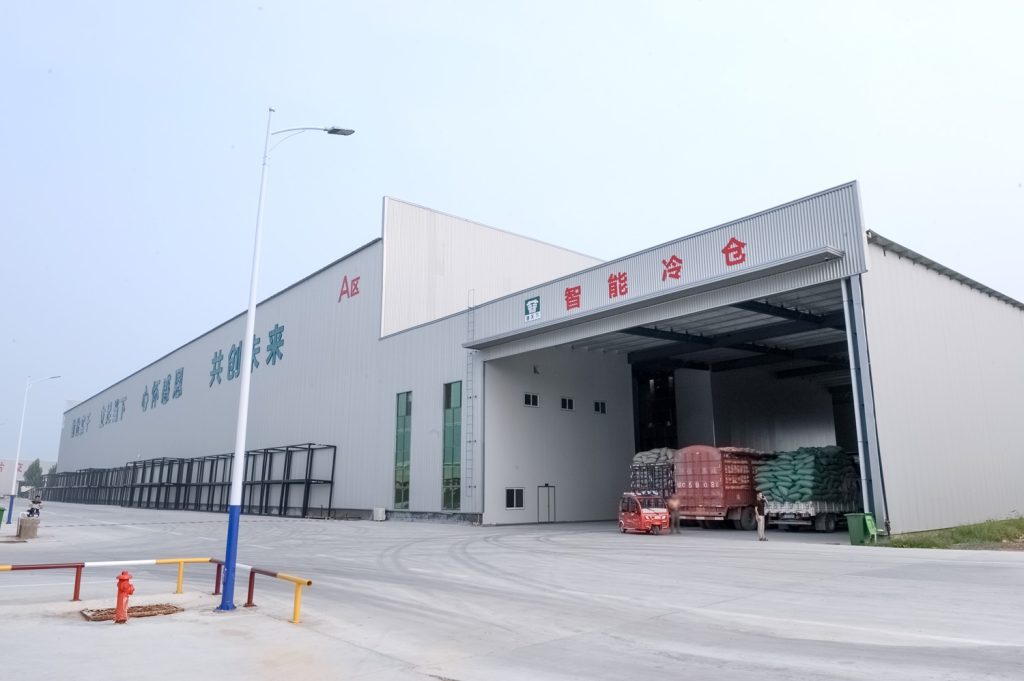
Follow project dispatches, crane engineering and factory acceptance.
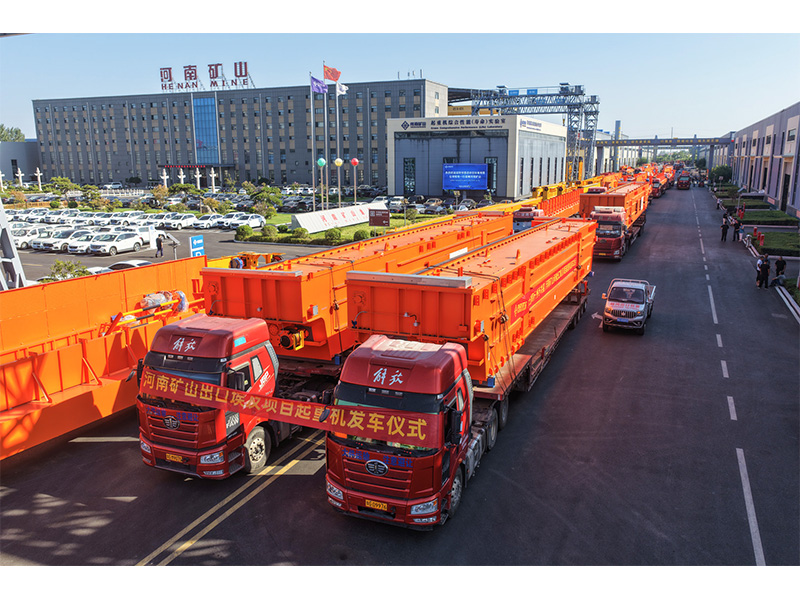
Dispatch, installation and equipment in service
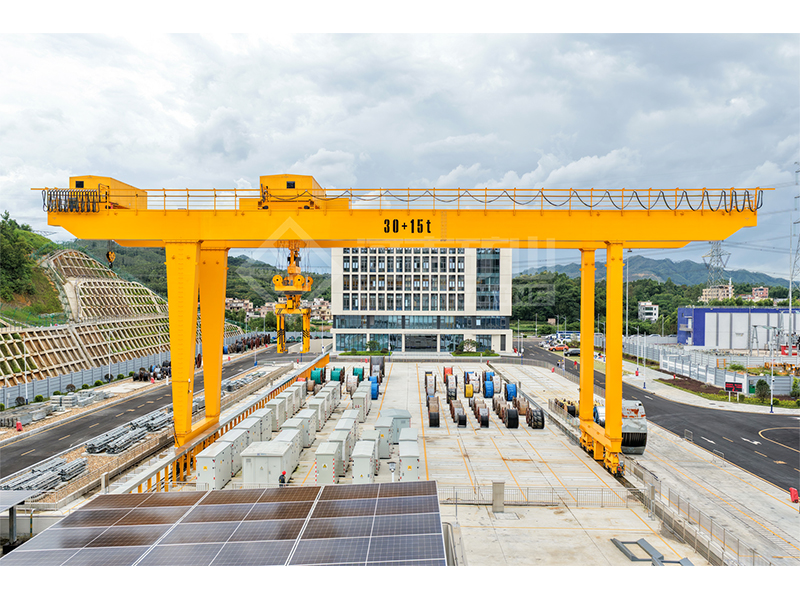
Crane configurations and handling technology
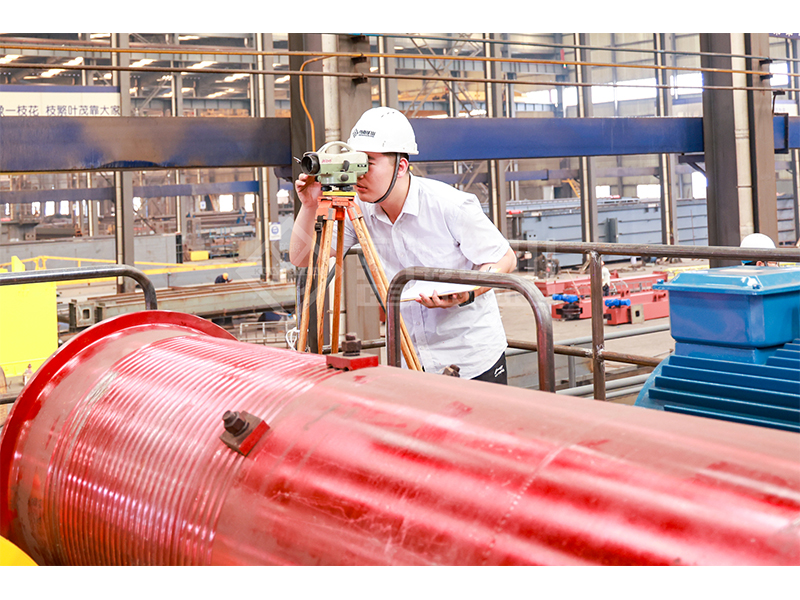
Factory inspections, acceptance and test programmes

Company developments, people and community programmes
Handle long process equipment from two separated lifting positions in a classified bay. QBE places two explosion-protected trolley systems on one double-girder bridge for independent lifting or an agreed coordinated mode, with each trolley rating and the permitted tandem load stated for your equipment.
Tell us what you need to lift and your approximate span. We’ll help you choose the lifting arrangement.
Start with the dimensions you already know. A workshop photo or sketch can help us recommend a configuration.
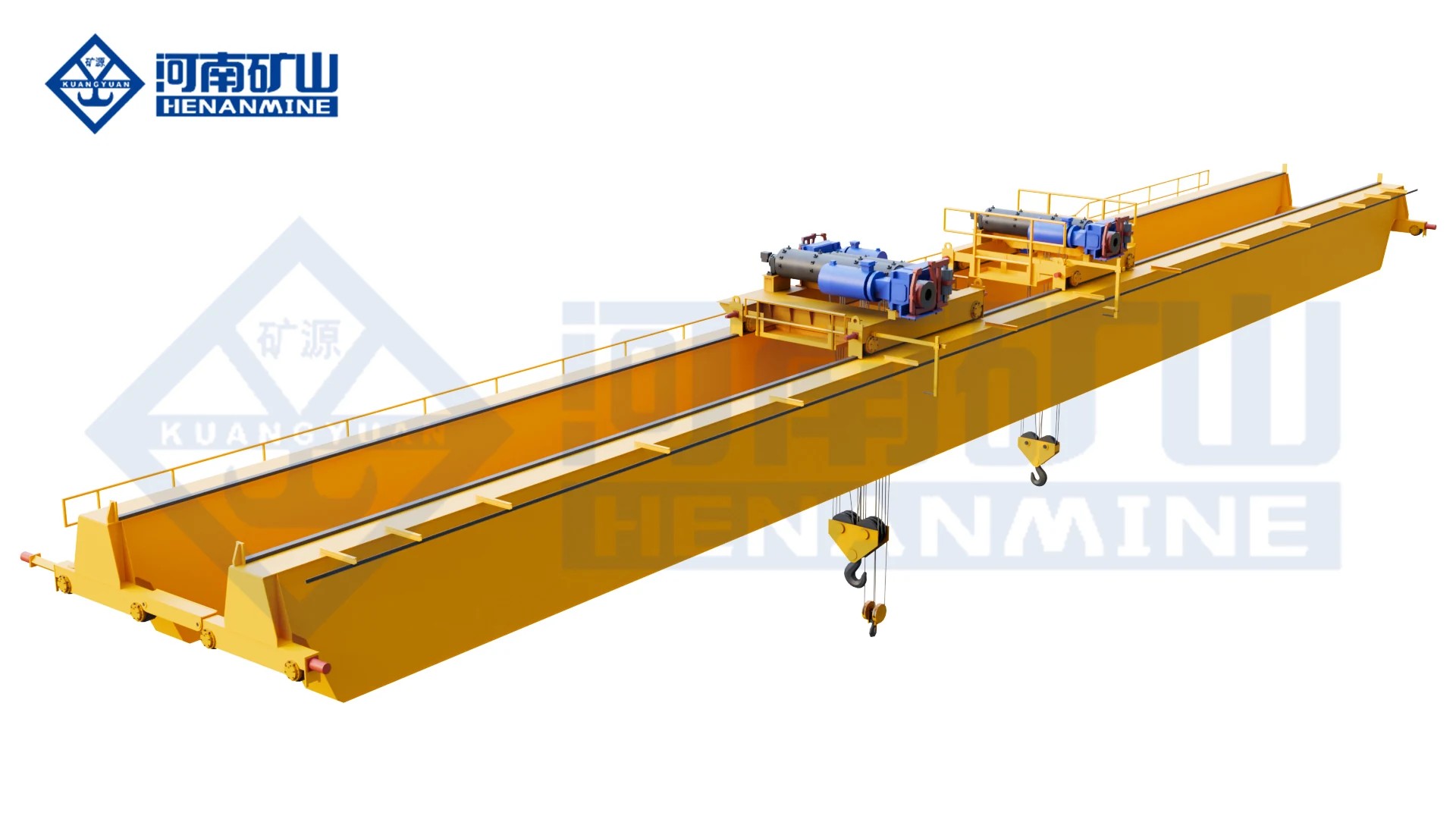
Position the two trolleys around the equipment's lifting points. Specify the required separation and hook travel to plan pickup, transfer and placement within the bay.
Use the selected trolley for an individual task, or specify a coordinated mode for the agreed tandem lift. Define permitted motions and load conditions for each mode.
Encoder and inverter-based coordination supports the two-trolley arrangement. The offer names the required motion limits, monitoring and fault response together with the protected equipment.
Support long equipment at defined lifting points for transfer and positioning. Include the centre of gravity and rigging so each trolley's maximum load share can be established.
Move elongated piping modules, skids and maintenance assemblies along a selected route in the classified bay, with hook spacing and lift matched to the equipment.
Use either trolley for suitable individual loads where the working layout permits, with the permitted trolley positions and concurrent motions stated in the operating arrangement.
The two trolley ratings are not automatically an unrestricted combined capacity. Tandem lifting must follow the approved load distribution, trolley positions and operating mode.
Compare the available options for your lifting task. Capacity, span, lift height and speed are matched in the selected configuration.
| Model | QBE |
|---|---|
| Lifting arrangement | Two explosion-protected trolley lifting systems on one double-girder bridge |
| Example rated arrangement | 20+20 t; each trolley has its own stated rating |
| Other trolley ratings | Selected for the actual load distribution and working duty |
| Permitted tandem load | Engineered for the stated trolley positions, load shares, rigging and control mode |
| Reference span envelope | 10–35 m; final span selected for the production bay |
| Reference lifting-height envelope | 6–30 m |
| Reference working-duty envelope | A4–A6; crane and individual mechanism duties selected for the operating cycle |
| Independent operation | Individual trolley use within its permitted load and operating conditions |
| Coordinated operation | Selected tandem mode with agreed control behavior and operating limits |
| Coordination technology | Encoder and inverter-based double-trolley control |
| Hoisting / trolley speeds | Selected for the independent and coordinated modes; each specified with its load case |
| Trolley separation | Minimum/maximum operating spacing agreed from load geometry and trolley envelopes |
| Operator controls | Cabin, pendant, radio or PLC-linked arrangement selected for the area and process |
| Explosion protection | Mechanical and electrical package matched to the approved gas or dust area specification |
| Power supply | 380 V / 50 Hz reference; destination voltage and frequency specified with the protected equipment |
| Monitoring / interlocks | Mode, motion and fault-response functions specified for the approved tandem lift |
| Operating configuration | Rated-load basis | Trolley / hook requirement | Controls to agree |
|---|---|---|---|
| Trolley 1 independently | Its individual rating; 20 t in the 20+20 t example | Permitted hook travel and position for the task | Selected trolley, travel separation and permitted concurrent motions |
| Trolley 2 independently | Its individual rating; 20 t in the 20+20 t example | Permitted hook travel and position for the task | Selected trolley, travel separation and permitted concurrent motions |
| Two trolleys in tandem | Approved combined load and maximum load at each lifting point | Specified spacing, load centre of gravity and allowable level difference | Coordinated mode, load/motion limits and defined fault response |
A 20+20 t designation identifies two nominal 20 t trolley ratings. It does not by itself authorize every 40 t lift or assume a 50/50 load split. The technical agreement states the permitted tandem conditions.
| Item | Reference selection | Order-specific condition |
|---|---|---|
| Rated arrangement | 20+20 t example | Individual trolley ratings and permitted tandem case |
| Span | 10–35 m envelope | Rail-centre span and available trolley/hook spacing |
| Lifting height | 6–30 m envelope | Usable lift for both hooks and equipment transfer levels |
| Working duty | A4–A6 envelope | Load spectrum and hours for each independent/tandem mode |
| Motion speeds | Selected for the lifting job | Hoisting and travel speeds with synchronization requirements |
| Area protection | Gas or dust package | Medium, classification, temperature requirements and documents |
Envelope values are selection references, not a verified combination for every capacity. Final hoisting speeds and protection marking are defined for the selected QBE package.
Compare the bridge, two trolley lifting systems and proposed spacing. The supplied drawing and control specification identify independent and coordinated operation.


A long load may not divide equally between lifting points. The QBE quotation ties both trolley ratings to the actual lifting positions and protected operating package.
Provide total equipment and rigging weight, lifting-point distances and centre-of-gravity information. Calculate the maximum load on each trolley through the required movement.
Define minimum/maximum hook separation and the required pickup and placement positions. Specify trolley travel and operating combinations that suit the equipment and process.
Agree the independent/tandem mode selection, encoder/inverter control, permissible height difference and response to a fault. Add weighing or other monitoring where required by the lift.
State the hazardous medium, area classification, group, temperature conditions and destination requirements. Include both trolleys, bridge motion and operator controls in that scope.
Ask for both lifting trolleys, the bridge and the named coordination functions as one clearly defined offer, with individual and tandem load schedules, documents, factory checks and site commissioning identified.
Request one QBE crane or a production-line batch. Specify both trolley ratings and whether the work requires independent operation, tandem lifting or both.
Price both lifting trolleys, bridge, protected drives/controls and named coordination functions. Identify weighing, additional monitoring, cabin/radio, electrification, freight and site commissioning explicitly.
Request the arrangement and wheel-reaction drawings, individual/tandem load schedule, trolley-spacing limits, control sequence, protection-marking documents, manuals and agreed inspection/test records.
Schedule production after load distribution, trolley spacing, protected component selection and coordinated-control acceptance are agreed. Include the planned factory functional tests and required documents in the dispatch programme.
Include commissioning of both trolleys, independent and coordinated control checks and the agreed tandem-load test. Define local test loads, erection resources, destination inspection and operator training in the handover scope.
Agree warranty duration, commencement and coverage for both hoists, travel drives, encoders, inverters and protected controls. Obtain matched spare-part specifications and a support procedure for coordination or sensor faults.
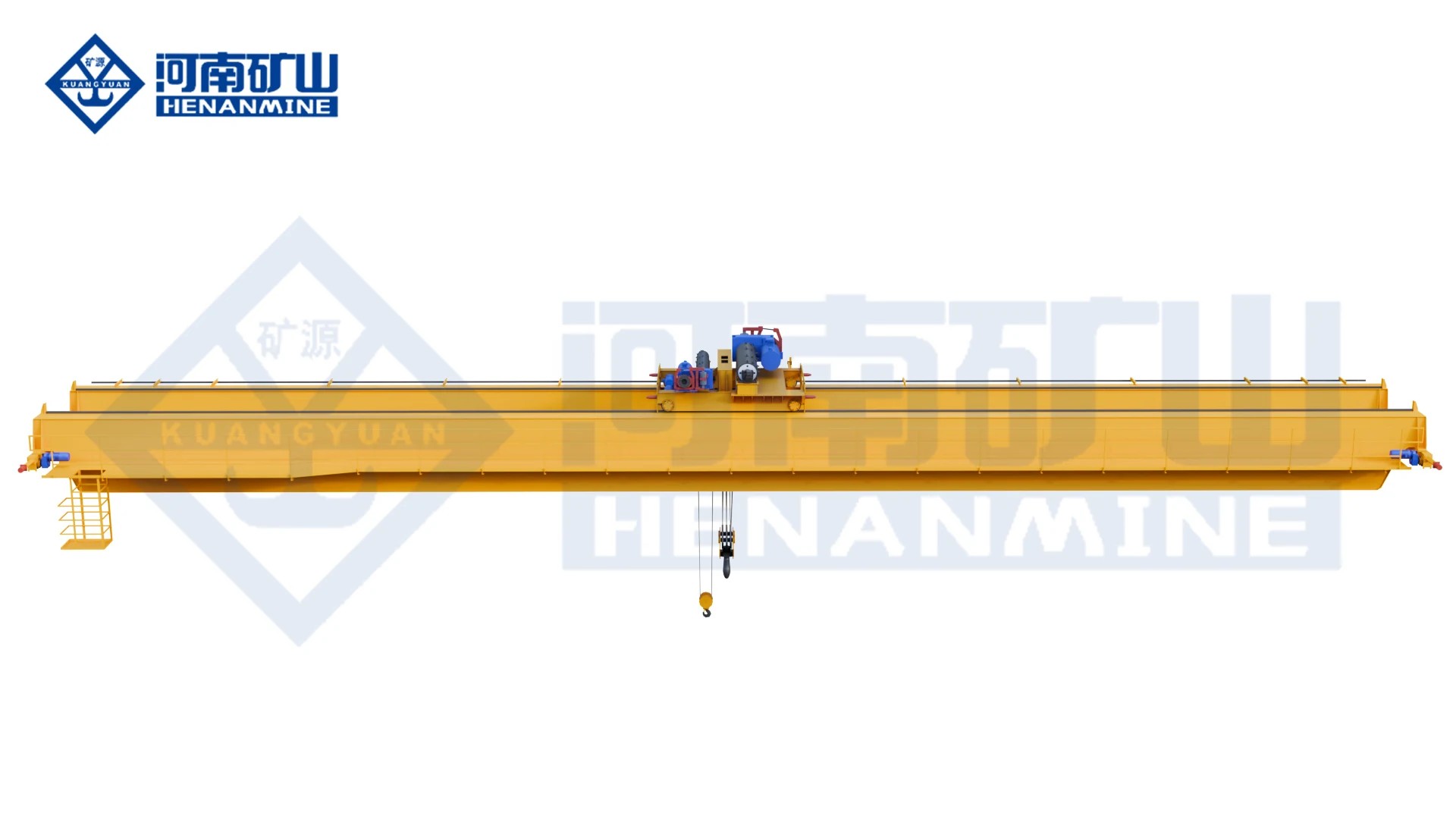
A double-girder trolley bridge for handling process equipment and materials in a classified area. Define the working duty, motion speeds and protected equipment schedule for the complete lifting route.
Compare this arrangement ↗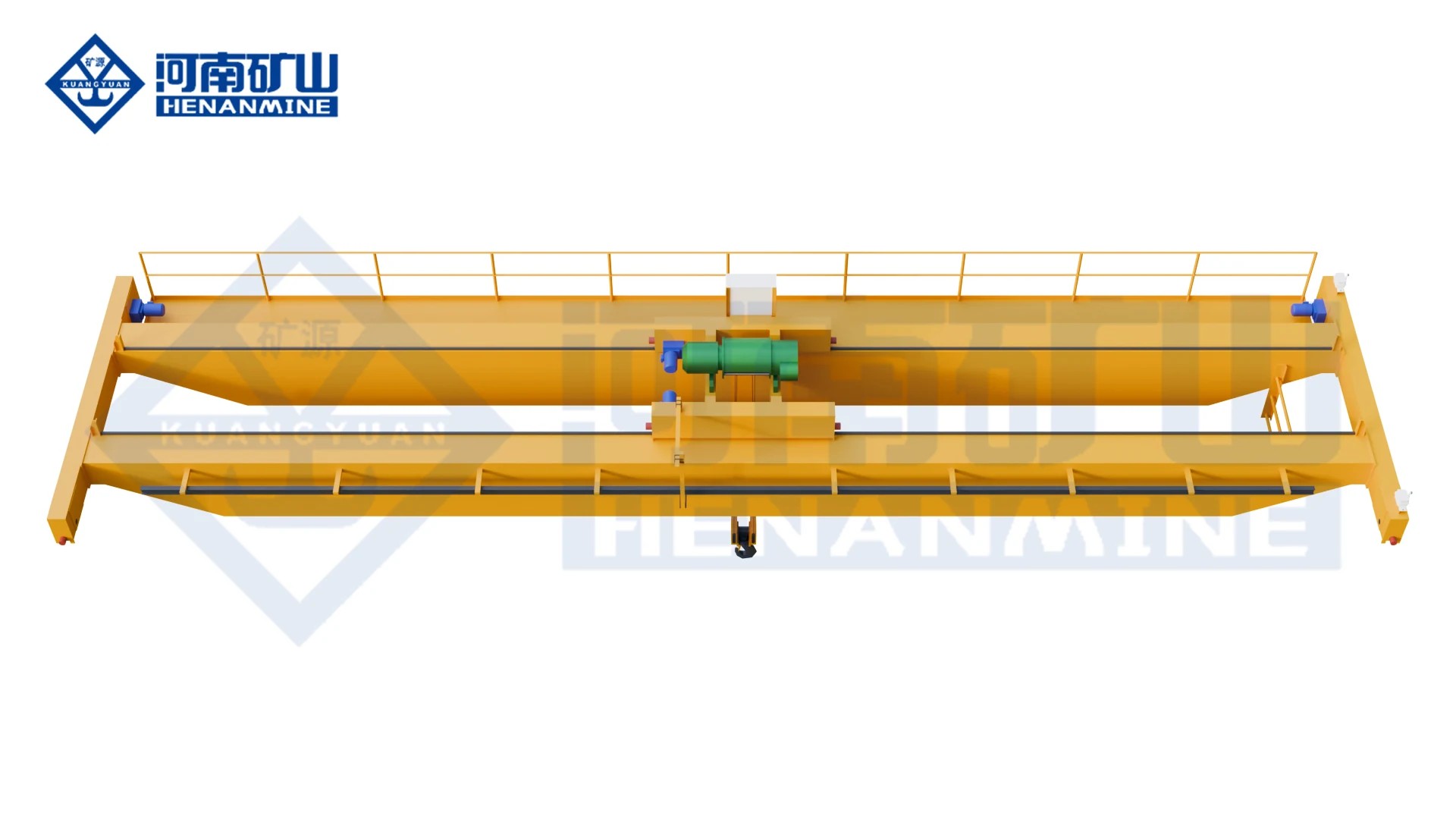
Protected electric-hoist lifting for classified workshop bays. Compare hook height, duty and the complete gas or dust protection package.
Compare this arrangement ↗
Cleanroom lifting with explosion-protected equipment for contamination-sensitive classified processes.
Compare this arrangement ↗Find the arrangement, equipment options and order information that suit your application.
It identifies two trolleys, each with a stated 20 t rating in that example. The permitted tandem load is specified for the actual load shares, trolley positions, rigging and operating mode, rather than taken from the sum alone.
It can be considered when the approved tandem case permits the total suspended load and each trolley remains within its allowed share. Include the rigging and attachments when stating the load, and provide the lifting-point geometry for selection.
The share depends on the centre of gravity, lifting points and rigging. Provide those details where known so the maximum load at each hook can be established for the planned movement.
Yes. Independent operation is part of the QBE arrangement. The selected operating specification states the individual load limits, trolley positions, separation and permitted concurrent motions.
QB's main and auxiliary hooks belong to one trolley lifting platform. QBE has two trolley positions that can be separated to suit long equipment and selected for independent or coordinated work.
Encoder and inverter-based control supports coordinated operation. State the permissible height difference and positioning requirements for your process so the quoted controls and acceptance checks address the required performance.
The control specification defines the response to a hoist, encoder or coordination fault, including operator indications and recovery. Include the required stop behaviour and handover checks in the agreed control and commissioning scope.
Describe the intended movement, lifting points and centre of gravity at enquiry. Turning and tailing require a specific load case, rigging arrangement and motion sequence so the quotation can identify the suitable ratings and controls.
Provide the gas or dust area information and destination requirements. The quotation should identify both trolley systems, bridge drives and operator controls within the selected protection package, with the equipment markings and applicable document scope. Any ATEX or IECEx requirement must be addressed for that actual package.
Yes. Share the overall weight, dimensions, approximate lifting points and required transfer route. We can use that information to discuss trolley spacing and individual/tandem tasks, then identify the details needed to complete the offer.
Send the weight and approximate dimensions of the equipment you want to handle, together with the bay span. We can begin from a load sketch and develop the two-trolley arrangement with you.
info@cranehenanmine.com