
Two lifting points and loads
State each trolley rating, rigging mass and permitted shared-load conditions. Show lifting-point separation and approaches; the sum of separate ratings does not establish an approved combined lift.
Bridge cranes for workshops and production lines.
Explore Overhead Cranes
Ground-supported lifting for yards and construction.
Explore Gantry Cranes
Wire rope and chain hoists for lifting points and cranes.
Explore Electric Hoists

Wire rope lifting and pulling with a powered drum.
Explore Electric Winches
Grab buckets, magnets and hooks for your load.
Explore Lifting Attachments & Grabs
Mobile handling for containers, precast and yard loads.
Explore Rubber-Tired Gantry Cranes & Straddle Carriers

Lift and move vessels through boatyards and marinas.
Explore Marine Travel Lifts
Ladle, slab, scrap and coil handling across steel production.

Container stacking and cargo transfers across terminals and rail.

Turbine installation, powerhouse maintenance and wind equipment assembly.

Controlled component transfer and positioning for precision assembly.

Heavy fabrication, production lifting and factory crane automation.

Process lifting for smelters, carbon blocks and anode materials.

Clean lifting and classified protection for sensitive process areas.

Bridge fabrication, metro construction and ship block assembly.

Automated storage and retrieval for plates, cables and bins.

Follow project dispatches, crane engineering and factory acceptance.

Dispatch, installation and equipment in service

Crane configurations and handling technology

Factory inspections, acceptance and test programmes

Company developments, people and community programmes
MEH combines a truss gantry and two lifting trolleys with variable-frequency lifting and travel. Segmented main and end girders support transport and bolted site assembly. Select trolley spacing, hook levels and handling modes together, then check runway interfaces, delivery access and erection space.

Separated trolley positions can correspond to the lifting points of an elongated component. The proposed operating mode must account for the load distribution and allowable trolley separation throughout the movement.
Move components between preparation, storage and assembly positions along a defined runway. Useful hook height and clear leg passage determine whether the load can follow the planned route.
Transport sections can be considered where a complete structural member would be difficult to deliver. Bolted field connections make the delivery envelope and assembly sequence part of the selection.
Compare the lifting mechanism, control functions and site interfaces for the selected crane.
| Model | MEH | Structure | Truss gantry arrangement |
|---|---|---|---|
| Trolley arrangement | Double trolley | Working class | A3–A5 |
| Lifting control | Variable-frequency lifting-speed control | Travel control | Variable-frequency travel-speed control |
| Transport structure | Segmented main and end-girder components | Site joints | Bolted site assembly |
| Runway arrangement | Legs on both sides; ground-level rail travel | Cantilever arrangement | One side, both sides or no cantilever, according to the selected layout |
| Rated lifting capacity | Specify each trolley load and the permitted shared lifting load | Span | Selected for the work-area coverage and transport-section design |
| Lifting height | Selected for pickup, stacking or equipment-installation levels | Trolley spacing | Usable separation selected for lifting-point spacing |
| Handling modes | Independent and coordinated functions specified for the lifting task | Motion speeds | Lifting and travel speeds matched to positioning and cycle requirements |
| Transport envelope | Section dimensions and joint positions agreed for delivery access | Operator controls | Control package selected for the two-trolley arrangement |
| Electrical supply | Site voltage, phases, frequency and crane power feed specified | Runway reactions | Wheel loads and relevant horizontal reactions supplied for the selected crane |
Capacity, span, lifting height and duty are selected together. The agreed equipment schedule and drawing define your crane configuration.
Review the original equipment views alongside the selected crane drawing.


State each trolley rating, rigging mass and permitted shared-load conditions. Show lifting-point separation and approaches; the sum of separate ratings does not establish an approved combined lift.
Select variable-frequency lifting, trolley and crane-travel speeds for transfer and placement. Define independent/joint functions, operator authority and visibility. Check upper hook positions, load and rigging with one-sided, two-sided or no cantilever as selected.
Review main and end-girder section dimensions, bolted site joints, transport access widths and height limits. Coordinate section handling, erection equipment, assembly space and runway readiness before delivery.
Use selected wheel reactions and rail interface with the civil layout. State electrical supply, power-feed route, wind and outdoor conditions. Preserve access to both trolley mechanisms and the selected motion and control equipment.
Request one complete crane or a project quantity. Provide the load geometry, lifting-point spacing, estimated span and hook heights, together with destination and access restrictions.
The quotation should identify trolley ratings, permitted handling modes, motion controls, structural sections and supply exclusions. Price, order quantity and the manufacturing schedule are confirmed for that selected package.
Agree the applicable design and inspection requirements for the destination. Request the arrangement, mechanism schedule, electrical information, wheel reactions and assembly documents needed to review the proposed crane.
Define the factory tests and acceptance records for lifting and travel. Any agreed joint functions and bolted assembly requirements should have clear review points in the equipment and installation documentation.
Identify packing, transport sections, unloading access and the equipment needed for erection. Confirm responsibility for runway preparation, bolted assembly, alignment checks and commissioning at the site.
Include operating guidance for the agreed modes, maintenance information and spare-parts support. The written offer should state warranty coverage, installation assistance and service responsibilities for your destination.
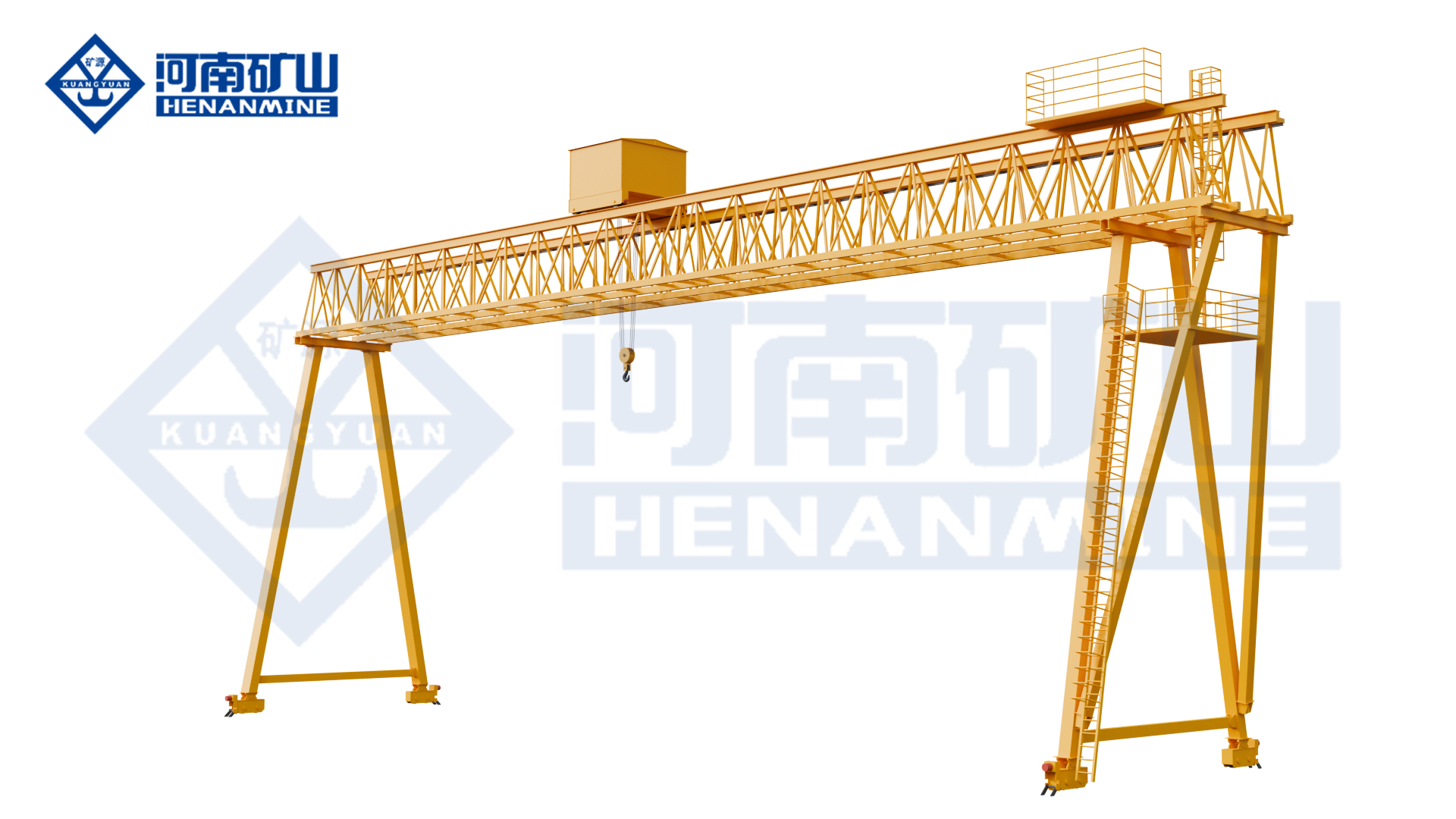
Construction material transfer, precast-beam lifting and specified engineering duties
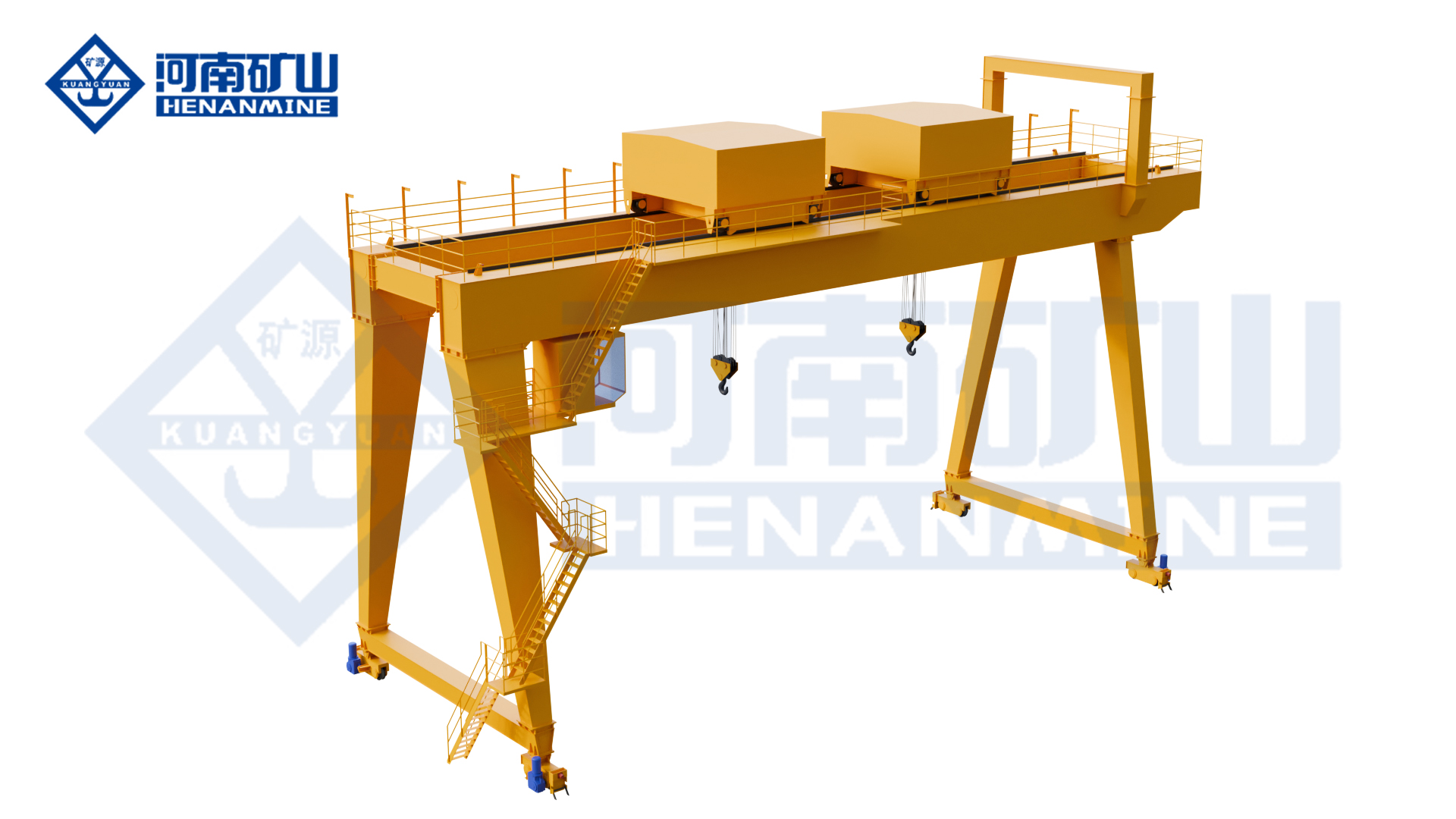
Long components and loads requiring independently usable or coordinated lifting points
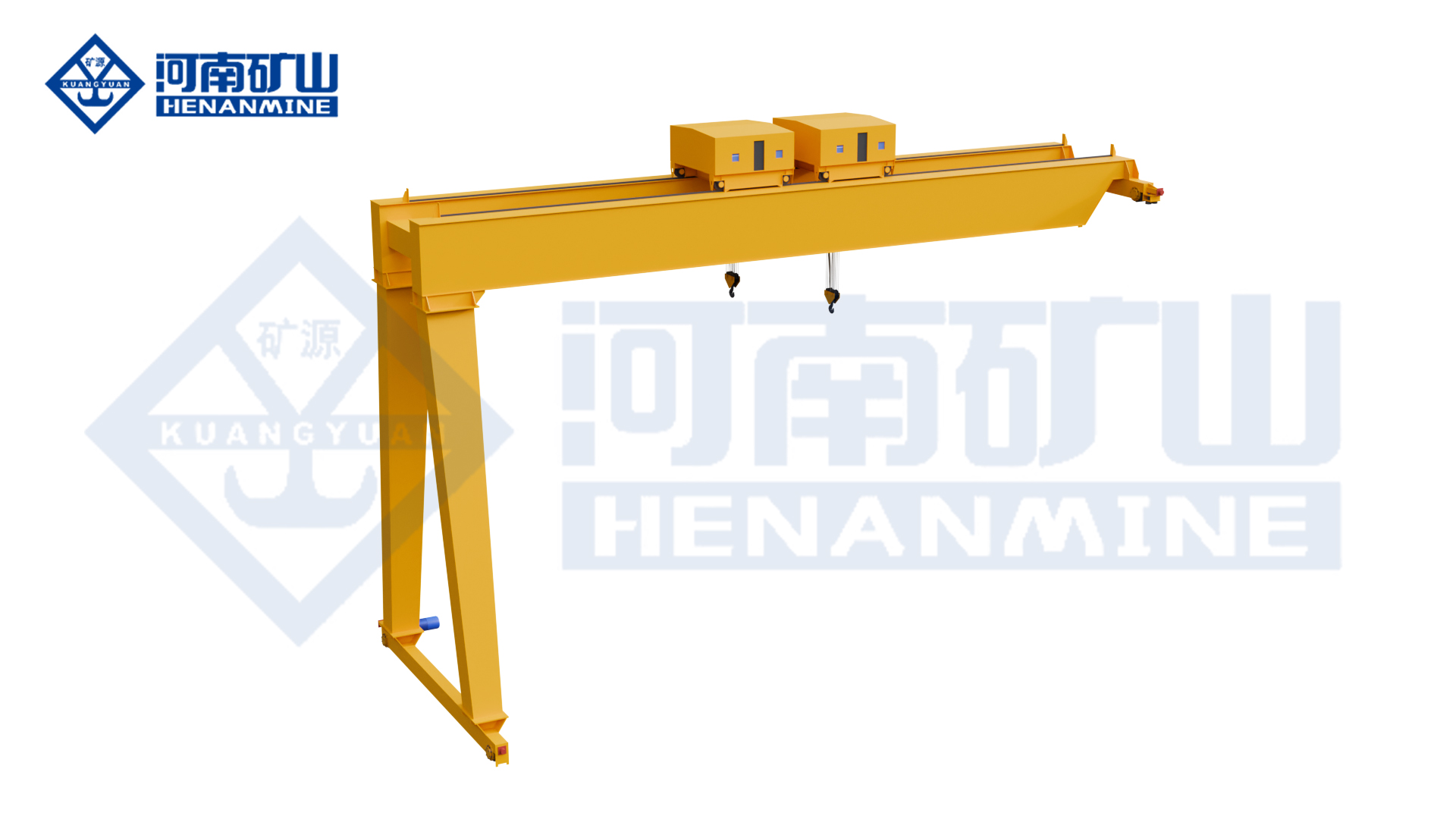
Two-point handling beside an elevated runway, with coordinated operation where specified
Compare the handling task, selected lifting equipment and supply scope before ordering.
MEH has two lifting trolleys and a truss gantry arrangement. MGG is explicitly a single-trolley, single-winch construction crane, so the lifting-point requirement is an important distinction.
A shared-load task must be included in the selected operating modes. Agree lifting-point loads, trolley spacing, combined-load limits and the required coordination functions for the actual component.
No automatic combined rating is implied. The permissible shared lift depends on the selected structure, load distribution and operating conditions stated in the crane proposal.
Segmented components help plan transport and site assembly where access is constrained. Check section dimensions and joint positions against the delivery route and the available erection space.
The described arrangement uses bolted site assembly. The supplied assembly information should identify the joints, erection sequence and checks relevant to the ordered structure.
A one-sided, two-sided or no-cantilever arrangement can be selected. The drawing must show the resulting hook coverage and any limits associated with the chosen lifting conditions.
MEH uses variable-frequency lifting and travel control. The actual speed schedule and coordinated functions are selected for the required transfer and positioning process.
Send load and lifting-point details, approximate rail span, hook levels, destination and any access restrictions. Mark unknown dimensions so the proposal can focus on the decisions that affect the arrangement.
Tell us what you lift, the approximate span, the required lifting height and your destination. If a dimension is unknown, describe the task and leave that field open.