Skip to content
Henan mine crane co., ltd. Get a project quote
QEN / BULK MATERIAL HANDLING

QEN Grab and Hook Double Girder Overhead Crane

Handle loose bulk material and conventional hook loads in the same runway bay. QEN combines a project-selected grab arrangement with hook lifting for equipment, components or other approved loads. Define both jobs together so the lifting mechanisms, attachment positions, controls and operating duty suit the work. A detachable hydraulic-grab package can be specified with its power, connections and parking arrangement.

Handling tasks
Bulk material and hook lifting
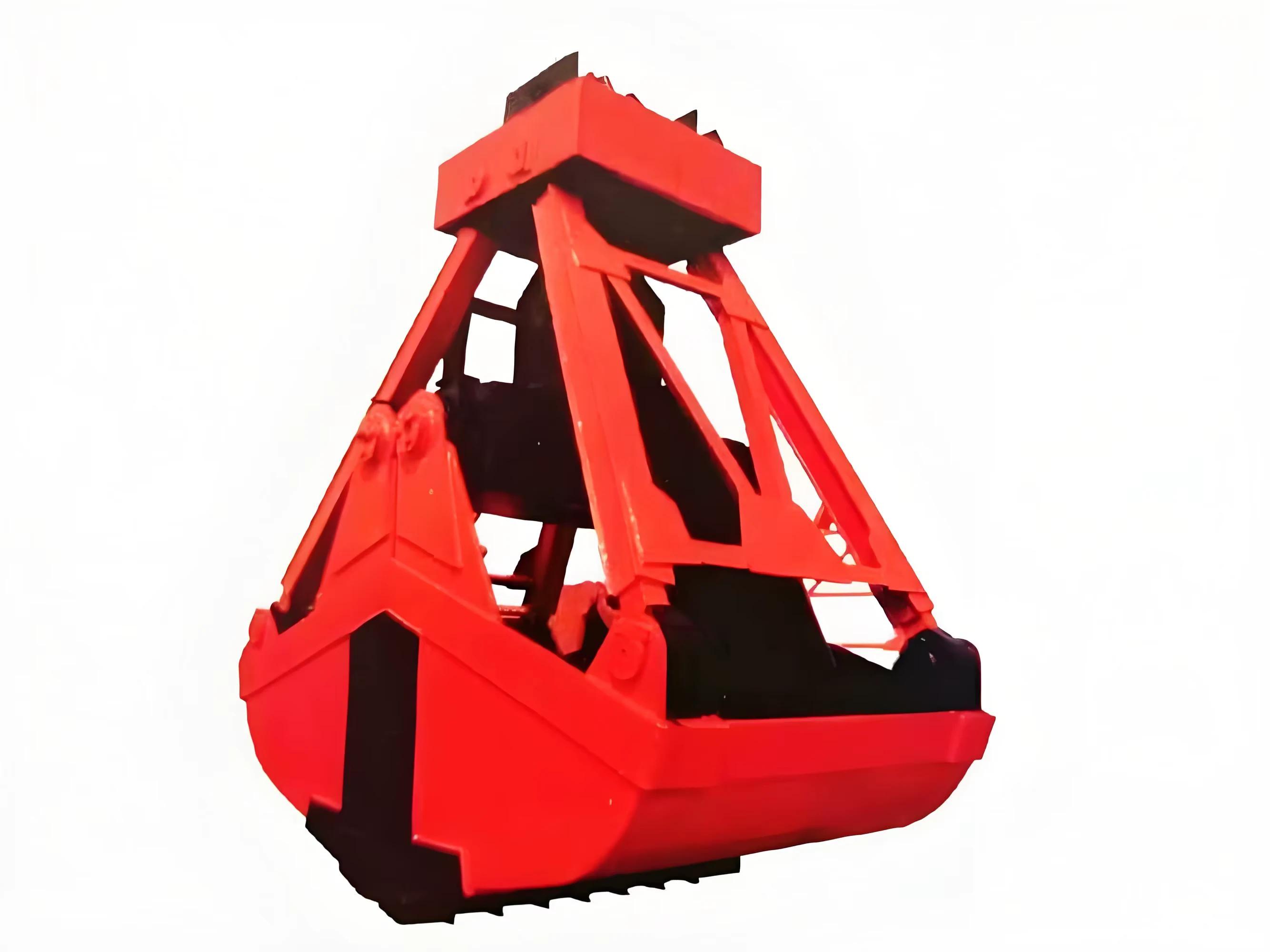
Grab arrangement
Selected for material and route
Travel control
Variable-frequency motion
Load selection
Separate hook and grab cases
Material-matched liftingDefined load & duty

Start with the material data and layout you have. A pile or pit photo, hopper drawing and operating cycle help us configure the crane and grab.

01
Plan both jobs within one bay

Use the selected grab for bulk transfer and the hook function for approved equipment or component lifts. Compare where each task starts and finishes, how often it occurs and how the crane changes between them.

02
Choose the grab from the material

Bulk density, filling and discharge behaviour determine useful bucket load. Select the shell, volume, tare and operating package together so the crane proposal states what material it can carry under the agreed conditions.

03
Make attachment handling part of the order

Specify the lifting positions, operating sequence and access needed to service or park the grab. For a detachable hydraulic configuration, include the removable connection, attachment power and controls rather than leaving them to site coordination.

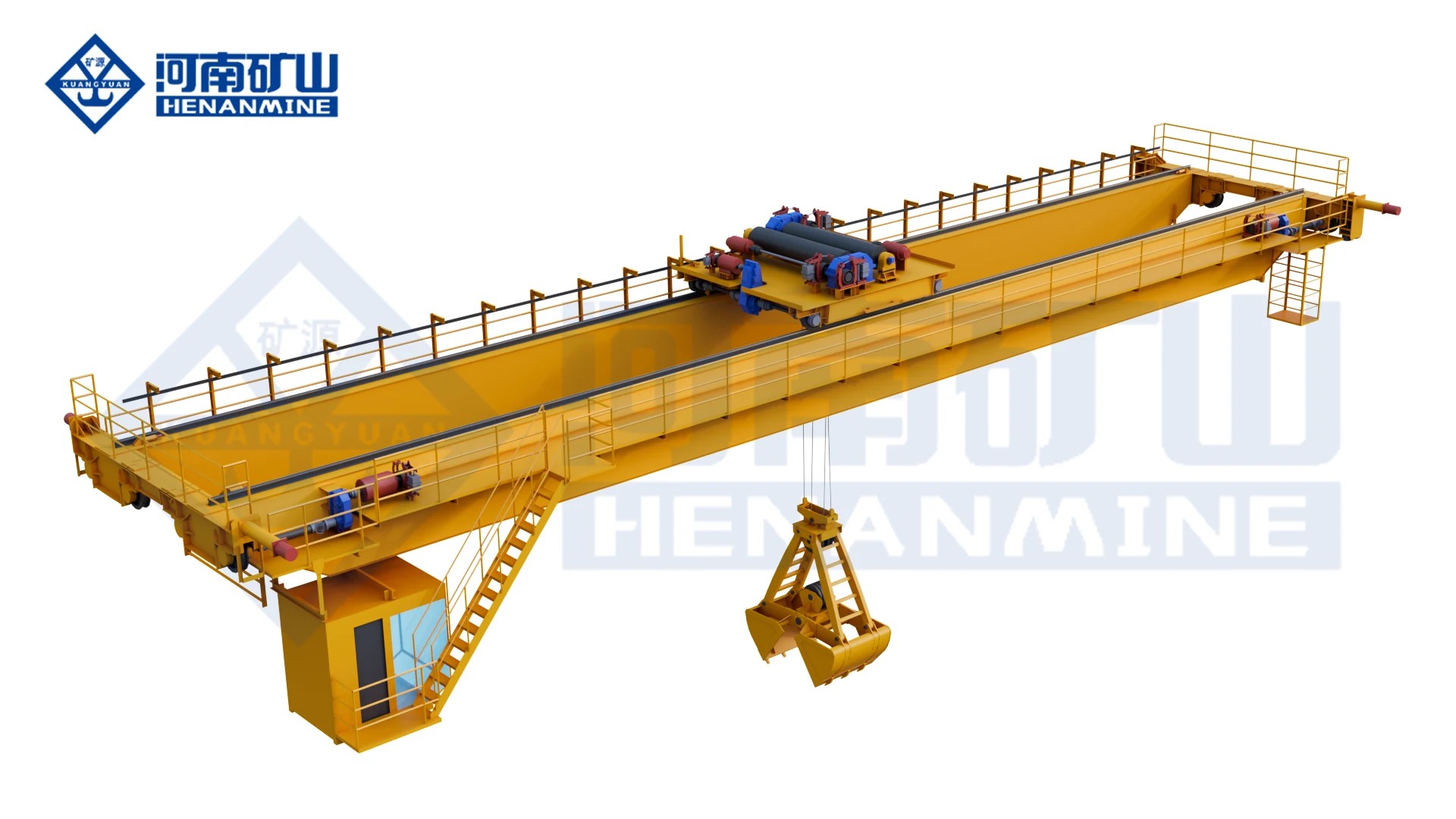
QEN double-girder overhead crane with hook and grab lifting positions
Manufacturer rendering: QEN grab-and-hook arrangement
01 / APPLICATIONS

Move bulk material, then support the bay's hook-lifting work.

01

Mixed material-handling bays

Transfer loose solids between designated storage and receiving positions, with hook lifting available for approved conventional loads. Give the frequency of both tasks and any shared pickup areas when selecting the crane and its operating modes.

02

Production support and material cleanup

Use a selected grab for the material found in the bay, including its stated density, particle size and moisture range. Check access to piles or pits, bucket opening space and the receiving hopper before fixing grab geometry and lifting levels.

03

Equipment and component handling

Lift machinery, fabricated parts or maintenance components with the approved hook and rigging arrangement. Provide load dimensions, centre of gravity, lifting points and placement clearances so the hook task has its own useful coverage and rating.

QEN suits a bay that needs grab and hook functions. The technical offer defines their lifting layout, selected grab drive and permitted operating cases. A two-purpose description does not establish an additive capacity or permission to lift separate loads simultaneously.

02 / TECHNICAL SPECIFICATIONS

QEN specifications and configuration options

Compare the available options for your lifting task. Capacity, span, lift height and speed are matched in the selected configuration.

ModelQEN
Bridge arrangementDouble girder overhead bridge
Handling devicesHook and project-selected grab arrangement
Hook-mode ratingSelected for workpiece plus rigging and attachment
Grab-mode ratingSelected for grab tare plus maximum material payload
SpanMatched to runway rail-centre distance
Lifting heightMatched to pickup, discharge and equipment-placement levels
Crane dutySelected from both hook and bulk-handling cycles
Hoisting speedSelected for the approved hook and grab operating cases
Trolley & bridge motionVariable-frequency control package
Grab selectionVolume, tare, shell and fill behaviour matched to material density
Grab power & controlPower and control package matched to the selected grab; hydraulic drive where specified
Lifting & attachment layoutHook/grab positions and mechanisms defined in the offer; detachable hydraulic-grab configuration available
Wear partsReplaceable grab pins and teeth; selected spares package
Operator controlsSelected operating station and hook/grab mode functions
Power supplyThree-phase voltage and frequency matched to the destination supply

Compare model configurations

Operating modeSuspended load to rateAttachment selectionFunctions to specify
General hook liftWorkpiece, rigging and lifting attachmentHook and rigging for the componentLifting speed, placement and operating limits
Grab handlingGrab tare plus maximum material loadBucket type, volume and shell for the bulk materialSelected grab lifting, opening/closing and crane controls
Detachable hydraulic-grab optionApproved hook and grab load casesRemovable connection and attachment parkingHydraulic power, changeover and agreed protection functions

The selected hook and grab layout is specified with its own lifting mechanisms, loads and operating cycles. The offer defines the ratings and speeds for each approved mode.

03 / EQUIPMENT VIEWS

Review the hook, grab and attachment working positions.

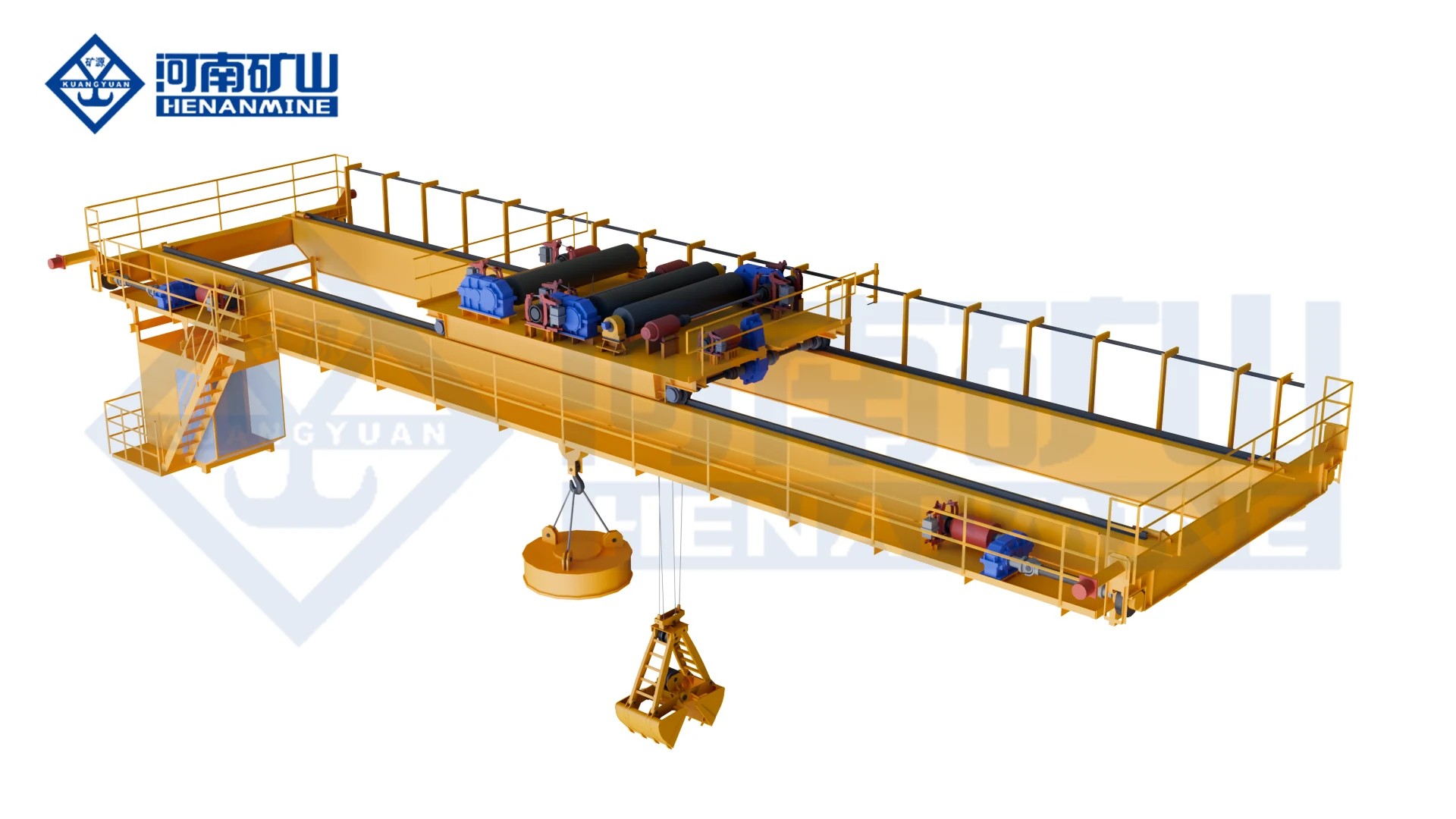
The manufacturer renderings illustrate a QEN bridge with hook and grab handling functions. Check the final arrangement for the selected lifting mechanisms, attachment connection, bucket opening envelope and maintenance access. Where a detachable hydraulic grab is ordered, also review its power connections, changeover sequence and parking position.

QEN multipurpose grab-and-hook overhead crane perspective view
Manufacturer rendering: QEN bridge and attachment arrangement
QEN overhead crane front view with hook and grab below the bridge
Manufacturer rendering: QEN hook and grab positions
04 / CONFIGURATION

Configure QEN around your production task.

Send one material-handling brief and one hook-lifting brief. Select the grab, lifting positions and mode sequence around both, then confirm the complete suspended loads, travel route, duty and attachment services in the technical offer.

QEN overhead crane front view with hook and grab below the bridge
Manufacturer rendering: QEN hook and grab positions
01 / SELECTION

Useful grab load and material range

State loose bulk density, particle and maximum lump size, moisture, abrasiveness and temperature. Give the desired material per scoop. Match usable volume and actual filling behaviour with grab tare so the loaded attachment stays within its permitted suspended load.

02 / SELECTION

Hook load and placement task

Identify the heaviest workpiece together with rigging and lifting attachments. Provide load dimensions, centre of gravity, lifting points and pickup and landing positions. The offer assigns a rating and working envelope to the approved hook-lifting task.

03 / SELECTION

Grab drive, connections and changeover

Specify the selected grab type and its lifting, opening and closing functions. A detachable hydraulic-grab option needs its own drive, power supply, connection, controls and parking provision. Confirm the attachment-handling sequence and access needed to carry it out.

04 / SELECTION

Bay coverage and equipment clearances

Provide runway rail-centre span, length, rail elevation and all working levels. Include pit depth, hopper opening and any roof or process obstruction. Check hook approaches, grab depth and opening space, bridge clearances and wheel reactions against the bay drawing.

05 / SELECTION

Two operating cycles and motion control

Describe hook lifts and grab transfers separately, including travel distances, typical and maximum loads, cycles and shifts. Select hoisting functions, variable-frequency travel and the operating station around placement, discharge and the operator's view of both tasks.

06 / SELECTION

Operating modes and site services

Agree mode selection, indication, limits and protection functions for the chosen arrangement. Identify any requested simultaneous-load case for explicit assessment. State destination voltage and frequency, dust, moisture and ambient conditions, together with the grab's required power and control services.

05 / PURCHASING & HANDOVER

Define the equipment,
documents and delivery scope.

Compare a complete QEN package with both lifting tasks defined: bridge, trolley or hoists, hook equipment, selected grab, attachment power and controls, connections and protection functions. Itemise the crane power feed, runway work, freight, erection and commissioning so supplier offers cover the same equipment and responsibilities.

Identify the hook and grab equipment

List the lifting mechanisms, hook and rigging interface, grab type, volume and tare, and the supplied opening and closing equipment. For a detachable hydraulic package, include the attachment drive, power, connections and parking scope. Identify rails, runway steelwork and site supply separately.

Compare price against both jobs

Use the same hook load, useful grab payload, span, working levels and cycles when comparing proposals. Grab construction, selected drive, mode functions and changeover provision affect the package. Ask the offer to distinguish included equipment, options, site work and recommended spares.

Agree drawings and acceptance evidence

Request the arrangement, hook and grab load schedule, attachment data and tare, wheel reactions, electrical information and manuals. Agree load, brake, limit, grab closing and discharge checks, plus the selected changeover and protection tests. State representative material, test conditions and required records.

Set drawing, production and dispatch milestones

Confirm the material and grab selection, lifting layout and approved functions before fixing the order programme. Agree drawing approval, manufacture, factory checks, packing and dispatch milestones. Include freight, unloading access, destination documents and site readiness in delivery planning.

Allocate installation and operator handover

Define bridge assembly, lifting-equipment setup, grab adjustment, attachment-power connection and mode commissioning. Allocate local lifting equipment, test loads and representative bulk material. Include operating and maintenance training, with attachment changeover and parking instructions where that option is supplied.

Plan grab wear parts and crane support

Confirm warranty commencement, duration, covered components, wear exclusions and service responsibilities in the order. Request inspection instructions and recommended ropes, brakes, sheaves, pins, teeth and shell wear parts for the selected package. Include hydraulic service items only where hydraulic equipment is supplied.

01Describe the two tasks

Send bulk-material data and the desired scoop load, plus hook-load drawings, working positions and task frequency.

02Select the lifting arrangement

Review grab volume and tare, approved hook and grab loads, attachment drive, bay coverage and changeover provision.

03Agree scope and acceptance

Confirm mode functions, drawings, test conditions, production milestones and the division of delivery and site work.

04Commission both operating cases

Check the installed hook and grab functions with agreed loads and material, then hand over records, training and maintenance instructions.

DOCUMENTS TO AGREE

Technical schedule · General arrangement · Attachment interface · Runway loads · Electrical information · Safety-function description · Agreed inspection records · Operation and maintenance manuals

06 / RELATED ARRANGEMENTS

Compare other grab-handling arrangements.

Compare the full range ↗
07 / PROCUREMENT QUESTIONS

Before you order
your QEN crane.

Review the lifting task, configuration and quotation scope. We can help develop a crane proposal from the project information available.

When should I choose QEN instead of a dedicated QZ grab crane?

Compare QEN when the same bay needs conventional hook lifting as well as bulk handling. Its hook positions, grab and lifting mechanisms are selected around both tasks. QZ is the dedicated four-rope grab alternative where bulk transfer is the main job. Provide task frequency and operating cycles so the useful arrangement and duty can be compared.

Does every QEN use a detachable hydraulic grab?

The grab type, drive and lifting layout belong to the selected QEN arrangement. A detachable hydraulic-grab configuration is an available option. If selected, its hydraulic drive, power, connection, controls, attachment parking and changeover procedure must be identified in the technical offer.

How much bulk material will the bucket carry?

Material payload is limited by both the usable bucket volume under actual filling conditions and the permitted suspended load after grab and other attachment weight. Provide bulk-density range, particle size, moisture and the required scoop load. The proposal can then state grab volume, tare, useful material payload and the complete suspended load separately.

How is the hook-mode rating selected?

Include the workpiece, rigging and other lifting attachments in the hook load. Give dimensions, centre of gravity, lifting points, pickup and landing levels and the operating cycle. The selected lifting arrangement defines the permitted rating, speeds and coverage for that hook task; it does not follow automatically from the grab payload.

Can the hook and grab carry loads at the same time?

Do not infer simultaneous-load operation or add capacities from the hook-and-grab description. State any such requirement explicitly. The approved arrangement must define the permitted combined load case, total limits, working positions, operating sequence and controls before that operation is allowed.

What changes for wet, sticky or abrasive material?

These conditions affect how the grab fills, closes and releases, as well as its wear requirements. Send density, moisture, lump size, abrasiveness and material temperature for the full range you handle. Select shell geometry, opening space and wear parts with that information, and agree a representative material trial where required.

How do we specify duty and required output for two tasks?

Describe the complete grab cycle from pickup and closing through discharge and return, including waiting time and shifts. Add the load pattern, route and frequency of hook lifts. Useful scoop load and available handling time affect output. The combined work schedule determines the required motion and duty selection; a grab volume alone does not establish tonnes per hour.

What should purchasing confirm before accepting QEN?

Confirm the supplied mechanisms and grab package, separate load cases, drawings, attachment services and agreed factory and site checks. Include grab closing and discharge, limits, mode functions and any detachable-attachment changeover. Define test material and records, installation and training responsibilities, warranty terms and the recommended crane and grab wear spares.
GET A CONFIGURED QUOTATION

Request your QEN
technical proposal.

Tell us what the grab must collect and what the hook must lift. Add material density, useful scoop load, the heaviest hook load, span, working levels and the frequency of both tasks so we can develop a QEN arrangement around your bay.

  • Crane and grab matched to the material and load
  • Clear configuration and supply boundaries
  • Drawing, testing and site-support scope

info@cranehenanmine.com

PRODUCT SELECTEDQEN Grab and Hook Double Girder Overhead Crane

A bay sketch, material photographs and a hook-load drawing are useful. Include any preferred grab type, attachment-changeover requirements, destination power, operating shifts and required installation and testing support.

↑
QEN Overhead CraneRequest your project quotation
Get a quotation ↗
QEN equipment gallery
Enlarged product image